Votre panier est vide

You're standing in a supplement aisle, or maybe scrolling product pages late at night, and two bottles look almost identical. Both say “clean.” Both say “tested.” One shows a seal you half recognize. The other says “third party tested” in bold print, but there's no clue who did the testing or what was checked.
That's where individuals often get stuck.
The hard part usually isn't deciding whether quality matters. It's figuring out how to tell, quickly, whether a label has real independent support behind it or just polished packaging. A seal can help. A vague claim can confuse. And the phrase third party certified supplements sounds simple until you realize that different programs verify very different things.
Most shoppers want the same basic answer. Is this product what the label says it is?
That sounds like a small question, but it covers a lot. You want to know whether the ingredient listed is really in the bottle, whether the amount matches the label, whether the product was made under controlled conditions, and whether somebody outside the company looked at any of that.
A brand can test its own product. That's common and often part of normal quality control. But independent certification means an outside organization applies its own standards, review process, and monitoring. That independence matters because it creates distance between the marketing claim and the evidence behind it.
Some readers also assume every seal means the same thing. It doesn't.
One seal may focus on organic farming and handling. Another may focus on identity, potency, and manufacturing controls. Another may screen for toxic elements or substances banned in sport. If you don't know the difference, it's easy to overestimate what a logo really promises.
The smartest question isn't “Does this product have a seal?” It's “What does this seal actually cover?”
When you understand third party certified supplements in layers, the decision gets easier:
That last point matters more than many shoppers realize. A seal is valuable, but it isn't a complete story. Good labels get clearer when you pair certification with lot traceability, accessible documentation, and a brand that can show how ingredients move from source to finished product.
Third-party certification means an independent organization evaluates a supplement against a defined set of standards. The brand doesn't grade its own homework. An outside group checks whether the product or manufacturing process meets the program's requirements.
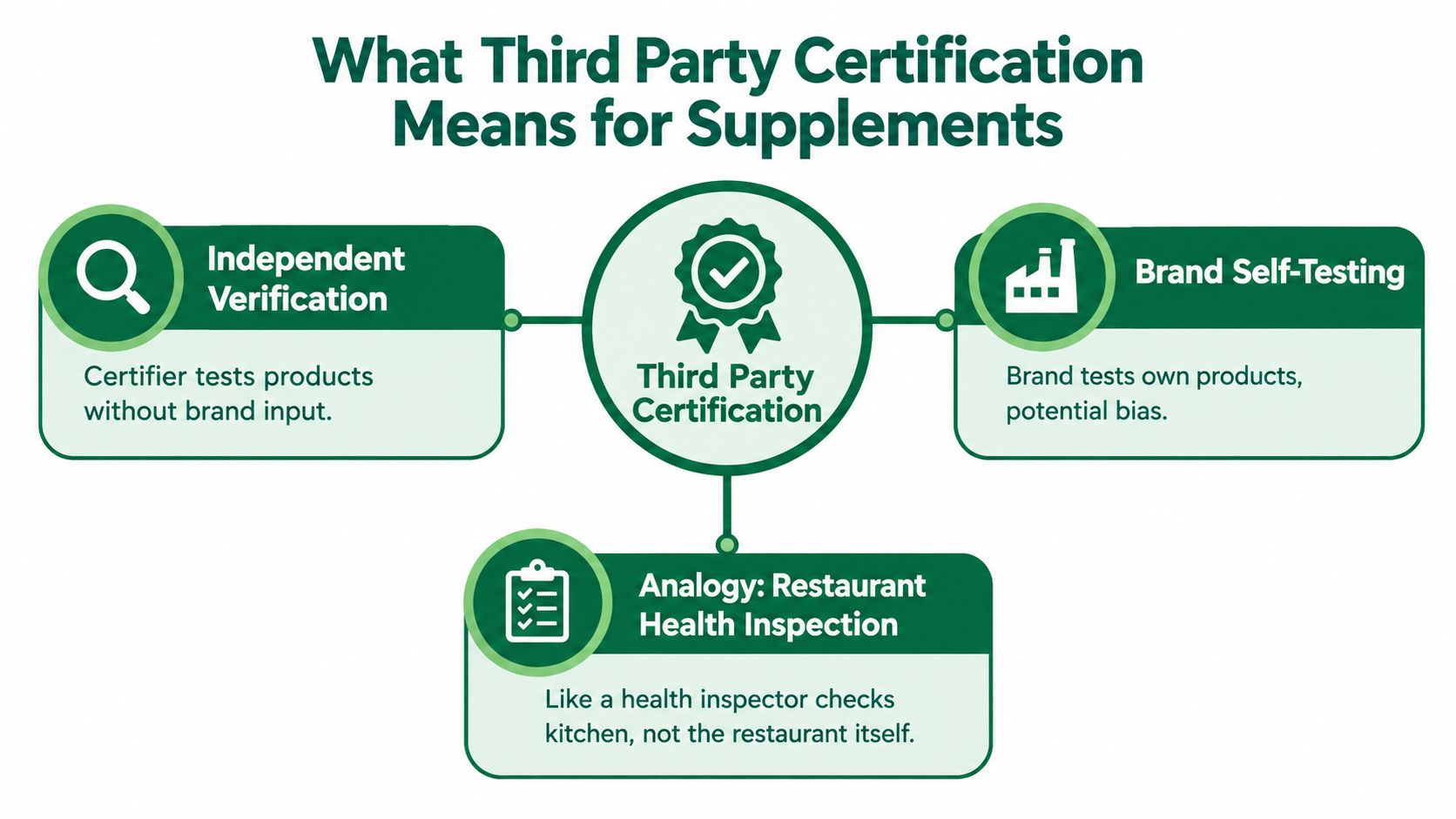
A simple analogy helps. If a restaurant says, “Our kitchen is spotless,” that's a self-claim. If a health inspector visits, reviews conditions, and documents the result, that's independent verification.
Supplements work much the same way.
A company may run internal testing, and that can be part of a serious quality system. But a third-party program adds outside review. According to USADA's overview of supplement testing and risk reduction, independent programs can evaluate finished-product identity, potency, contaminant risk, manufacturing controls, label accuracy, facility practices, and ongoing monitoring. In plain terms, they're checking whether the product in your hand matches the promises on the label, not just whether the formula looked good on paper.
Different programs vary, but third party certified supplements may involve checks such as:
That's why independent certification is more useful than a one-line “lab tested” statement with no detail attached.
Many shoppers get tripped up.
Third-party certification does not automatically mean the product is right for every person. It also does not prove a supplement will work in the same way for everyone. And it does not replace the manufacturer's legal responsibility to follow FDA current good manufacturing practice requirements. As explained in this comparison of third-party testing and FDA compliance, independent testing can verify identity, potency, contaminants, and manufacturing practices, but it doesn't replace FDA cGMP obligations under 21 CFR 111.
Practical rule: Read a seal as proof of a defined check, not as proof of everything you might want to know.
That mindset keeps expectations realistic and helps you evaluate labels with more precision.
Once you know that independent programs have different scopes, the logos start to make more sense. The main job is matching the seal to the question you care about most.
Some programs are about how ingredients are grown and handled. Others focus on finished-product verification. Others are designed for athletes and screened substances. That's why the phrase third party tested can sound stronger than it really is unless the certifier is named.
NSF's certification framework, for example, screens supplements for toxic elements including lead, mercury, arsenic, cadmium, and chromium(VI). NSF Certified for Sport also checks for more than 270 substances banned by major athletic organizations and includes label review, production-facility inspection, and ongoing monitoring, as described by NSF's product and ingredient certification program. That's very different from an organic certification, which speaks to farming and handling standards rather than athlete-focused banned-substance screening.
| Certification Program | What It Verifies | Best For |
|---|---|---|
| USDA Organic | Organic agricultural and handling standards | Shoppers focused on how ingredients are grown and processed |
| EU Organic | Organic production and handling standards within its framework | People who want an added organic benchmark for sourcing |
| NSF | Screening for specified contaminants, including certain toxic elements, plus certification standards that may include facility review | Daily users who want independent product-quality checks |
| NSF Certified for Sport | Banned-substance screening, label review, facility inspection, and ongoing monitoring | Athletes and highly cautious shoppers |
| USP Verified | Product identity, potency, and manufacturing quality controls | People prioritizing label accuracy and consistency |
| Informed-Sport | Sports-focused screening for prohibited substances, typically paired with manufacturing oversight | Competitive or drug-tested users |
Sometimes the easiest way to understand certification is to look at another category. A clear example is what Leaping Bunny Certified means, because it shows how one logo can stand for a very specific standard rather than broad product perfection. That same logic applies to supplements. A seal is only as meaningful as the exact standard behind it.
This is the underappreciated part.
Independent coverage has pointed out that many shoppers read “third-party certified” as a broad safety or effectiveness promise when, in reality, programs often verify label accuracy and screen for specified contaminants or banned substances, not whether the product works for you or whether every possible contaminant was checked. A consumer explainer on third-party-tested supplements also notes that certification scope varies widely across programs.
That's why it helps to pair seal-reading with clean-label questions. If you want to go deeper on ingredient transparency, AloeCure's clean label supplements guide gives a practical framework for looking past front-label buzzwords and focusing on what the product discloses.
You probably don't buy a supplement for one impressive first use. You buy it because you want the same product experience each time you open the bottle. That makes consistency just as important as the first impression.
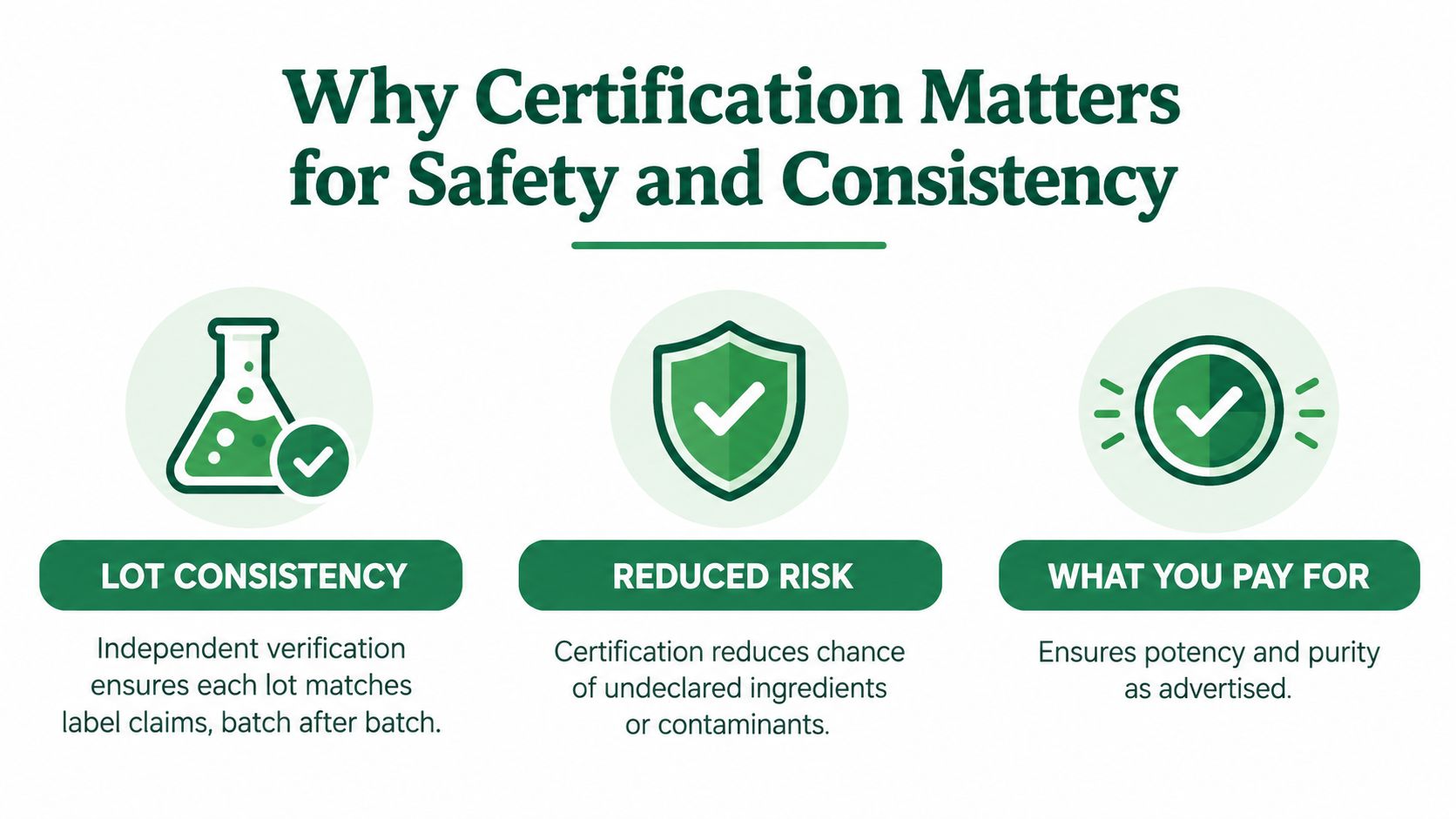
Third-party certification remains far from universal. In a study of products available to consumers, only 12% were certified by an independent scientific agency, and the authors concluded that most over-the-counter dietary supplements do not have independent certification of product integrity. The same paper notes that more than 50% of the general population and nearly 70% of military personnel report regular supplement use, which means a relatively small certified share affects a very large user base, according to the PubMed study on supplement certification and use.
That gap explains why certification matters so much in practice. When many products rely only on brand claims, an independent seal becomes a stronger filter for shoppers who want better evidence behind the label.
When a certification program verifies identity, potency, and production controls, it helps support a basic expectation. Today's bottle should align with the label in the same way next month's bottle does.
That doesn't make a product perfect. It does create more accountability around lot-to-lot consistency and label accuracy.
To see how these ideas are often explained visually, this short video offers a simple overview of what supplement quality checks can involve.
A good seal reduces uncertainty, but it doesn't erase it.
Independent reporting has highlighted a growing consumer concern around hidden contaminants such as heavy metals, and it has also raised awareness that common certification programs don't necessarily cover newer concerns like microplastics. Nutrition Insight's coverage of recent testing discussions captures this important point. A certified product can still fall short of what a shopper personally expects from a “clean” product.
Certification helps you ask better questions. It doesn't remove the need to ask them.
That's why the strongest buying decisions combine seals with traceability, transparent manufacturing details, and accessible product documentation.
A good label check doesn't need to take long. You can do most of it in under two minutes if you know what to look for.
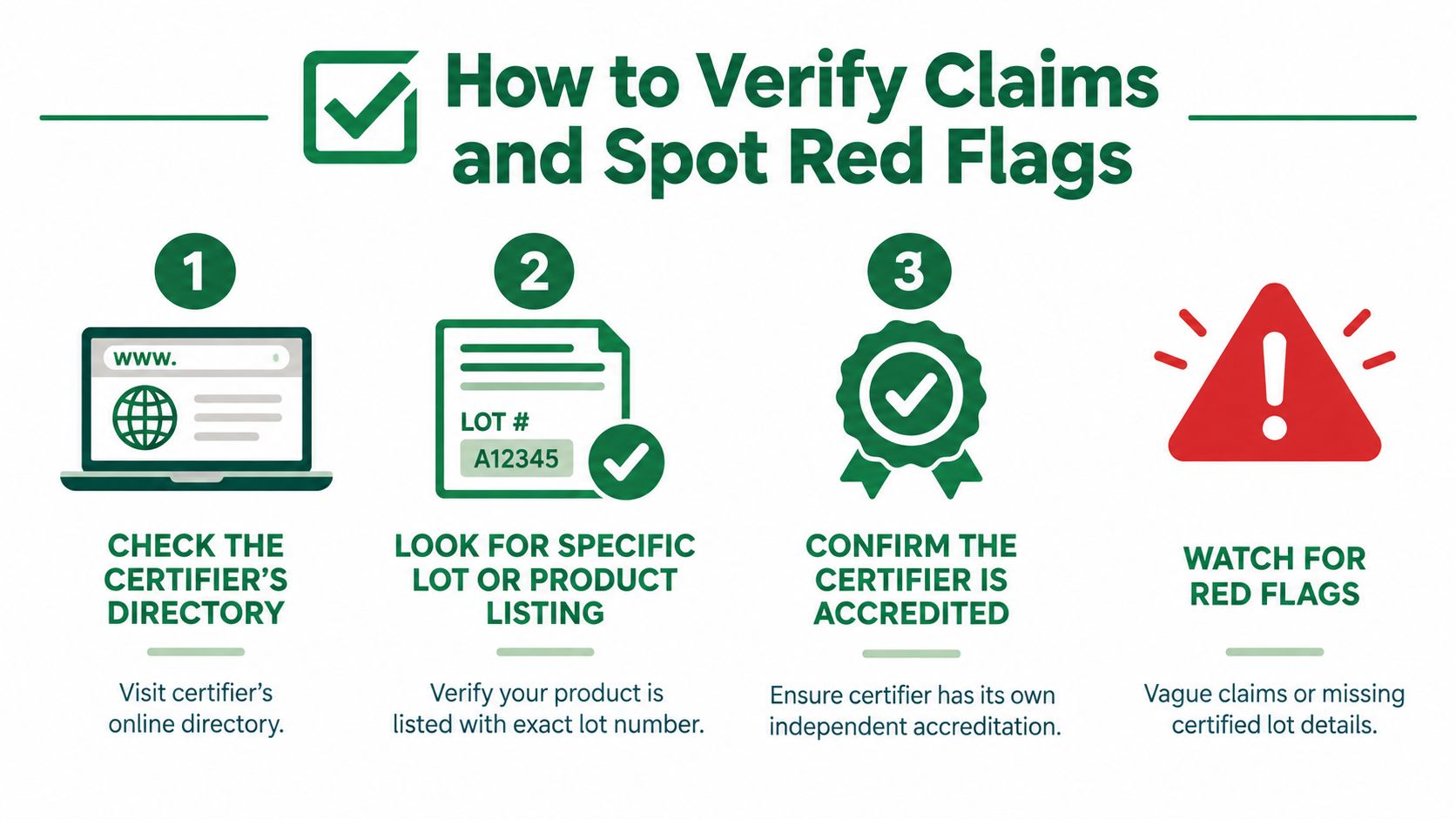
Start with the seal itself. If the package says “third party tested” but never names the certifier, that's a sign to slow down.
Then move through this checklist:
A useful wider framework for evaluating evidence behind product claims comes from Digital Product Passport evidence resources, which can sharpen your eye for what counts as verifiable support versus soft marketing language.
Not every weak claim is deceptive. Some are just incomplete. Still, these patterns should make you more cautious:
Watch for this: A seal should answer questions, not create more of them.
Even legitimate certification usually leaves some practical questions open. What contaminants were included in the screen? Was the check ongoing or one-time? Was the product sampled from actual production lots? Does the brand explain how it handles sourcing and traceability outside the certification scope?
If you want a sharper eye for these details, this guide on how to read supplement labels is a useful companion when you're comparing products online or in-store.
Some quality stories start at the lab. Others start at the farm. The strongest ones connect both.
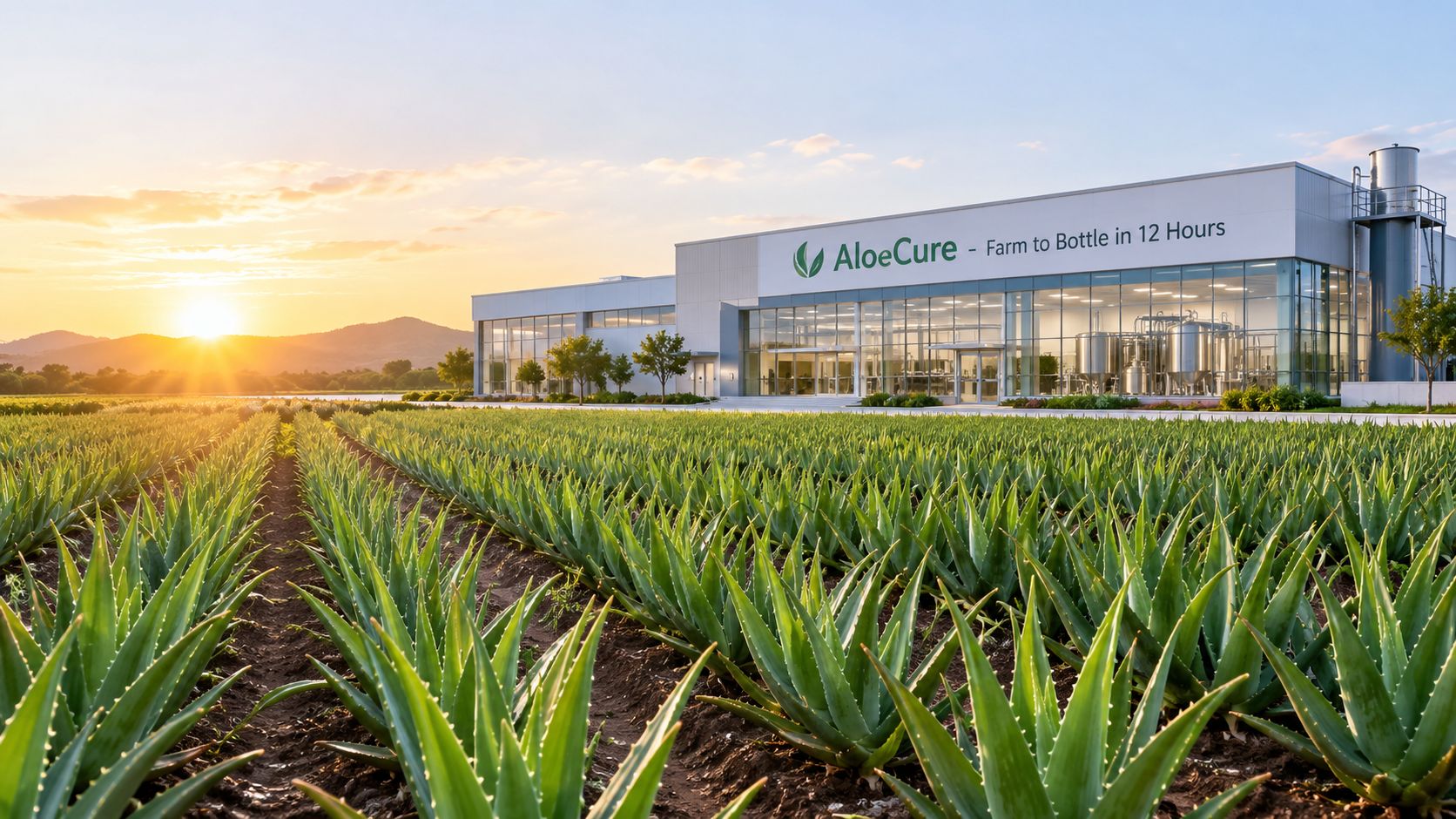
A brand can have a seal and still leave big visibility gaps around sourcing, handling, and product movement. Vertical integration helps close those gaps because the same company controls more of the chain.
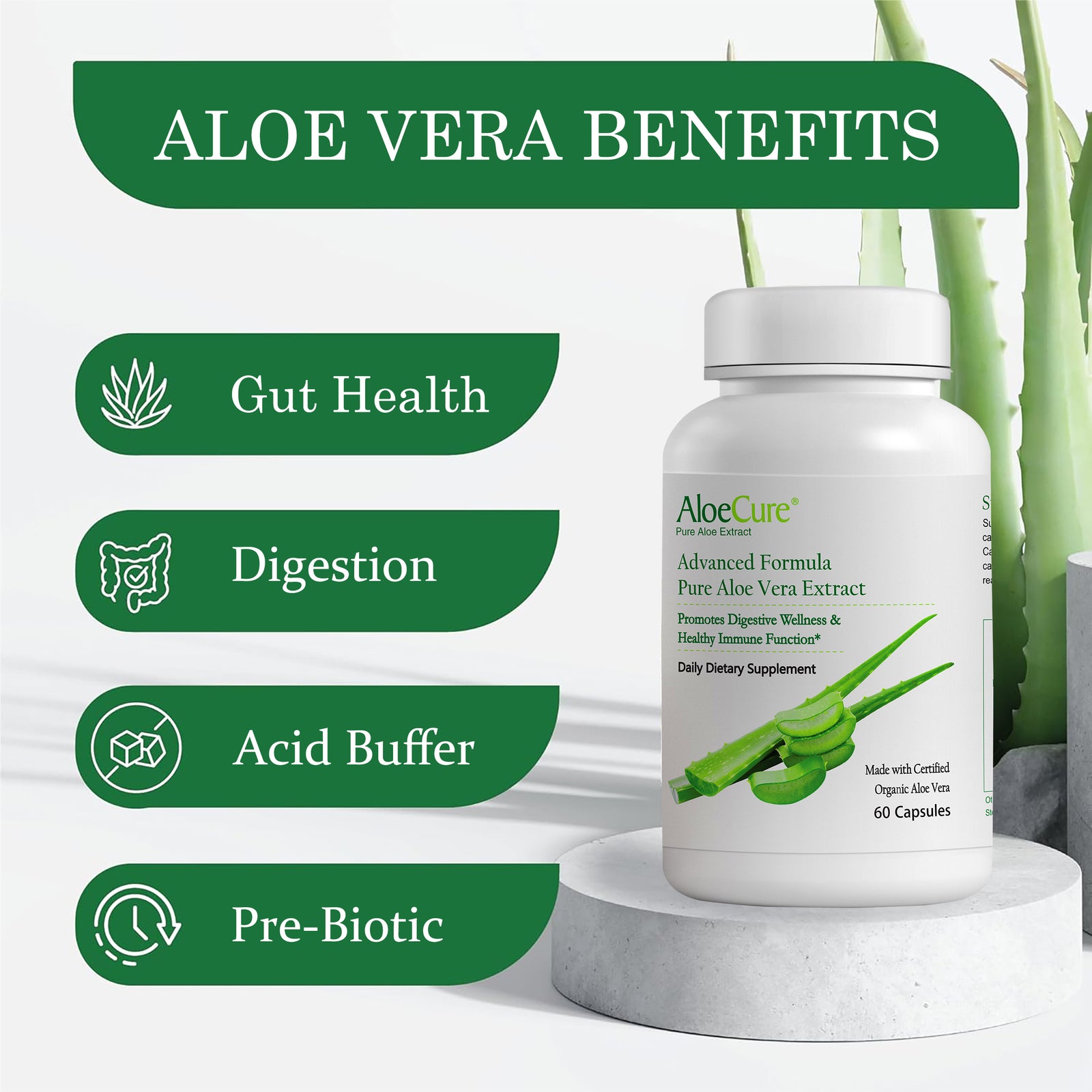
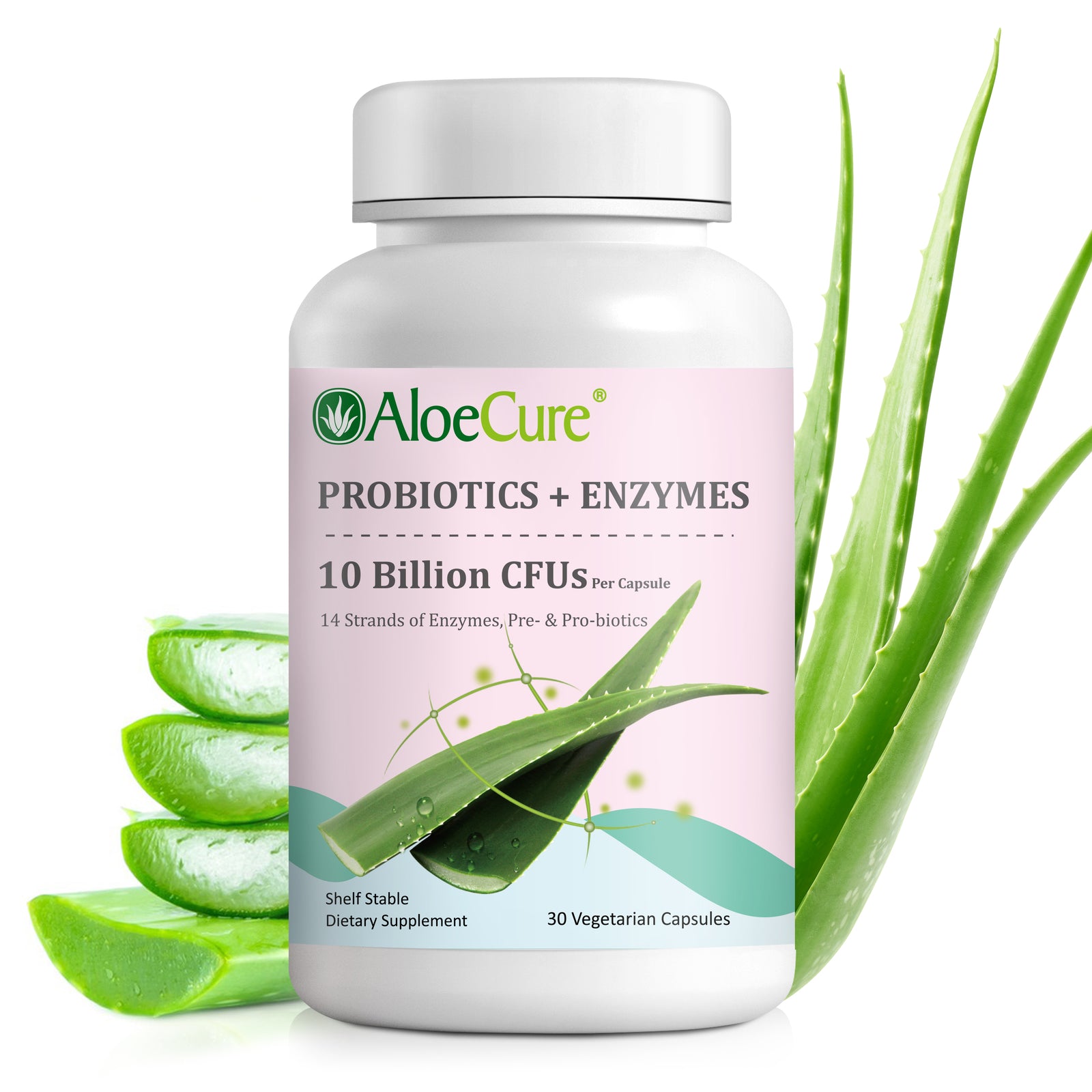
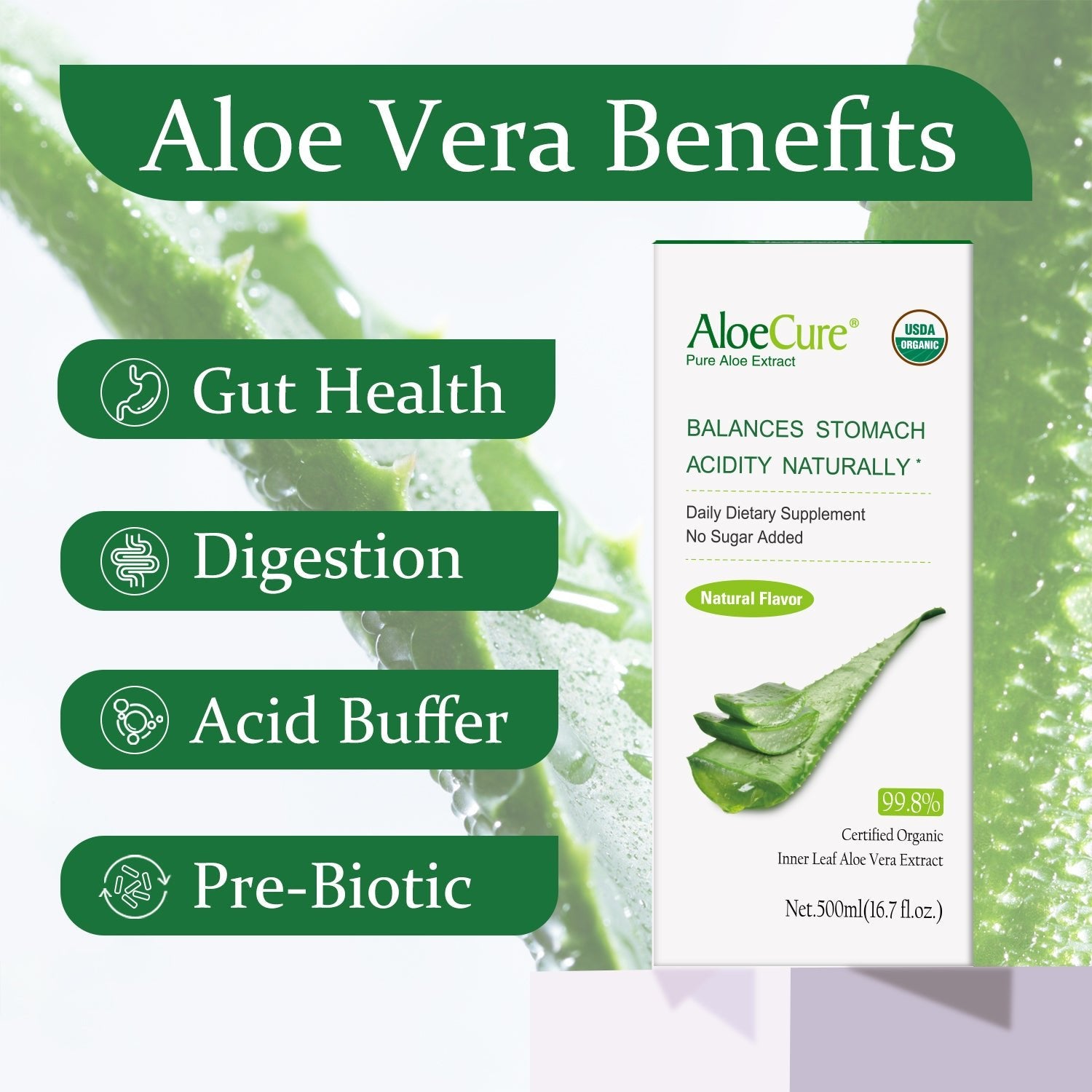
For shoppers comparing aloe products, one practical example is AloeCure, which states that it farms its aloe, processes its aloe, and produces its own finished products. That matters because traceability is easier to support when fewer handoffs happen between field, processing, and packaging.
The company also states that its aloe is processed on-site within 12 hours of harvest and that orders are handled with 1–2 day priority processing. Those details don't replace certification, but they do strengthen the chain of custody around freshness, handling, and lot tracking.
For a supplement shopper, this kind of system fills in gaps that seals alone can't always cover:
If you're comparing sourcing models, this guide to buying aloe vera helps clarify why origin, processing, and transparency matter alongside the label itself.
Supplement quality isn't only about what's in the bottle. It's also about how brands describe benefits. FDA allows structure/function statements when they're truthful and not misleading, include the required disclaimer, and avoid disease claims, as explained on FDA's structure/function claims page. The agency also explains that these statements may describe how an ingredient supports normal body structure or function in its small entity compliance guide.
That's why language such as “supports healthy digestive function,” “helps maintain normal joint mobility,” or “promotes everyday wellness” fits this category more appropriately than disease-style promises.
These statements have not been evaluated by the Food and Drug Administration. This product is not intended to diagnose, treat, cure, or prevent any disease.
The simplest way to shop smarter is to separate three questions.
First, is the claim independent? Second, what does the seal verify? Third, can you confirm the claim yourself through a directory, batch detail, or brand documentation?
That approach turns a confusing label into a manageable decision. You don't need to memorize every certifier. You just need to stop treating all seals as equal. Some focus on organic standards. Some focus on identity and potency. Some focus on banned-substance screening. And none of them should be read as a blanket promise about everything a shopper may care about.
A strong buying decision usually comes from stacking signals. Start with independent certification when it's available. Add traceability. Add clear sourcing details. Add a brand that shows its work instead of hiding behind broad claims.
If you buy supplements regularly, that extra minute of checking can make your routine feel much more grounded. It also makes it easier to choose products you'll feel comfortable reordering, including subscription options when you find a standard you trust.
If you want to see how certifications, traceability, and vertically integrated aloe production come together in practice, visit AloeCure. You can review product details, explore subscription options with 20% off, and compare the kind of transparency that helps third party certified supplements make more sense before you buy.
Les commentaires sont approuvés avant leur publication.