Votre panier est vide


You're standing in the kitchen, wondering whether aloe vera will help your sluggish digestion or leave you rushing to the bathroom instead. The label says “digestive support,” but the bottle may not make clear which part of the aloe leaf it contains, how it was processed, or why one product feels gentle while another causes cramping or loose stools.
That uncertainty is understandable. Aloe vera for slow digestion side effects depends heavily on the type of aloe, the presence of latex compounds, the level of purification, and how long the product is used. This guide explains those differences in plain language, with a focus on supporting normal digestive function rather than making medical promises. For additional context about aloe and personal comfort, you can explore find aloe vera hemorrhoid relief and AloeCure's educational article on what aloe vera is good for.
A person seeking plant-based digestive support may want a steadier routine, more comfortable digestion after meals, or help maintaining normal bowel habits alongside water, balanced food, and movement. Aloe vera can seem straightforward, yet the leaf contains materials with different compositions and effects. The clear inner-leaf gel, the green rind, and the yellow latex layer should not be treated as interchangeable ingredients.
That distinction helps explain why products with similar labels may feel different. Latex-containing or insufficiently purified whole-leaf material may contribute to abdominal cramping, loose stools, or urgent diarrhea. The concern is therefore less about aloe as one uniform substance and more about which leaf material remains after processing.
The inner gel is generally used for a gentler wellness approach when manufacturers remove or reduce latex-associated compounds. Anthraquinones, including aloin-related compounds, have a stronger bowel-stimulating profile. Processing determines which components remain in the finished formula, much like sorting useful plant material from the parts that can make a formula harder to tolerate.
Several label details deserve attention:
Manufacturing oversight can also affect consistency. AloeCure farms, processes, and produces its own aloe products, giving the company direct oversight of harvesting, processing, testing, and traceability. That vertically integrated model helps explain why purification and ingredient identity matter when comparing products.
For broader background, read this guide to what aloe vera is good for. Readers also interested in topical comfort can find aloe vera hemorrhoid relief. The practical focus remains simple: identify the aloe type, understand its processing, and pay attention to personal tolerance.
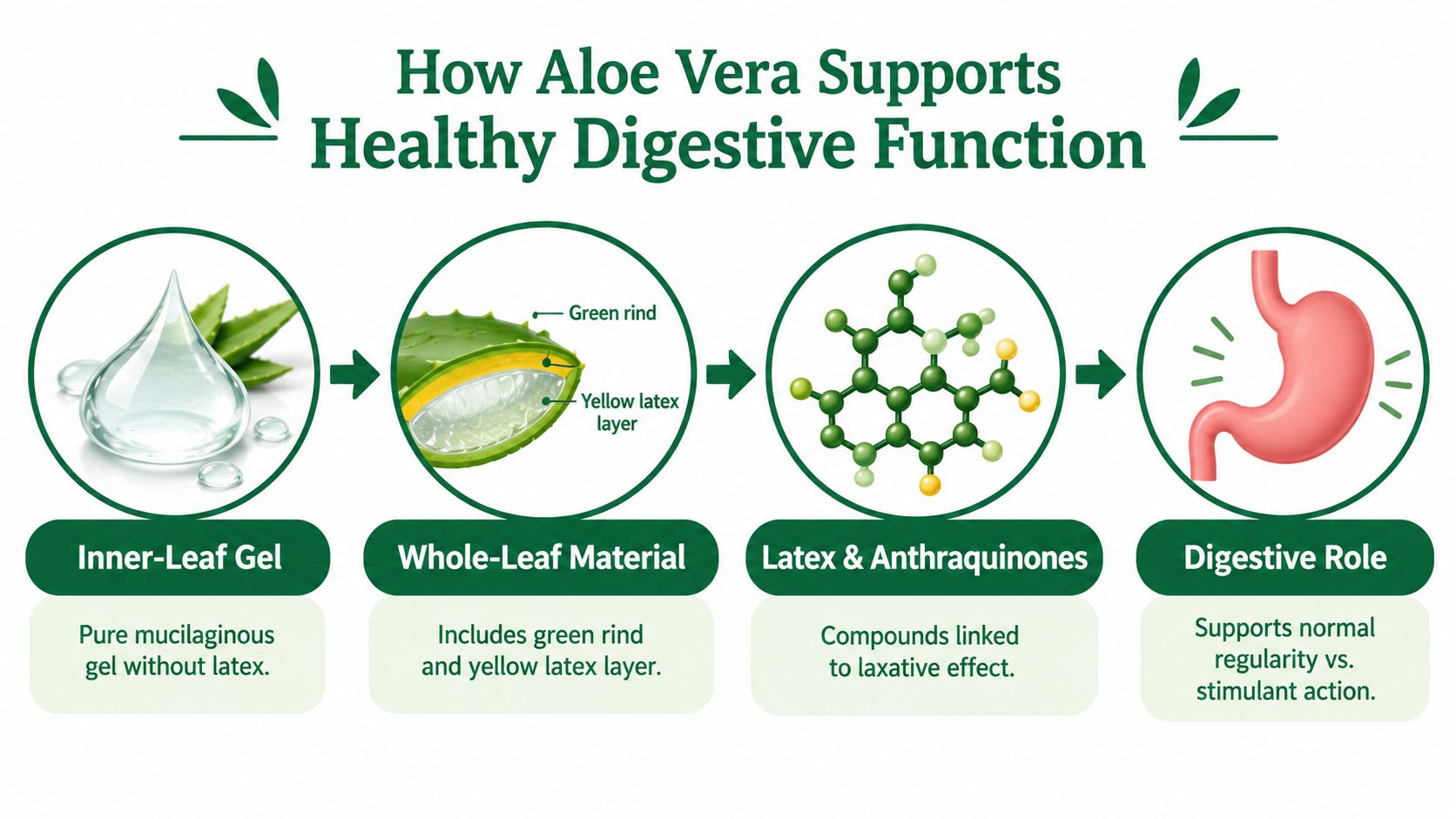
Aloe's leaf functions like a small, layered system. The green outer rind helps protect the plant, the inner leaf holds the clear gel, and the latex lies nearer the outer layers. These materials do not behave the same way in a supplement. The inner-leaf gel is generally chosen for wellness support, while the latex contains bitter anthraquinones associated with stronger bowel stimulation. Whole-leaf preparations may contain material from both areas unless processing removes latex-associated components.
Processing determines what finally reaches the bottle. Purified inner-leaf gel is generally positioned for supporting healthy digestive function and helping maintain normal bowel habits. Latex-containing material has a more stimulating profile, so the two preparations should not be treated as interchangeable.
Purified inner-leaf gel is commonly selected when someone wants a gentler plant-based option. FDA-compliant structure/function language may describe it as helping to:
These statements describe wellness support. They do not promise a medical outcome or suggest that aloe can diagnose, treat, cure, or prevent a disease.
The distinction depends on both aloe type and purification. A low-anthraquinone, inner-leaf formula aims to retain the plant's gel while limiting compounds linked with a stronger laxative response. That may help explain why some people tolerate it differently from a preparation containing more latex-associated material.
Aloe latex contains anthraquinones that can stimulate bowel activity. Whole-leaf products are not automatically identical, but the label should identify the plant material and processing rather than treating “aloe” as one uniform ingredient.
Vertical integration can make those details easier to verify. AloeCure farms, processes, and produces its own aloe products, maintaining direct oversight of harvesting, purification, testing, and traceability. Its educational resource on aloe vera for gut health explains this wellness-focused approach. For broader digestive wellness context, readers can also review clinical recovery for chronic illness, while evaluating any aloe product by its actual ingredients and processing.
The practical takeaway is simple: the plant's anatomy matters, and processing determines what reaches the bottle. Inner-leaf, low-anthraquinone aloe and latex-containing whole-leaf material can create different expectations for everyday digestive support.
Unwanted digestive responses usually relate to what remains in the aloe preparation, not to the word “aloe” itself. Products containing latex or anthraquinones can increase intestinal water content, stimulate mucus secretion, and raise peristalsis, the wave-like movement that moves material through the bowel. A product meant to support regularity can therefore push too hard for some people.
That stronger action may turn sluggish movement into cramping, loose stools, or urgent diarrhea. The mechanism is similar to turning up the volume on a speaker. A small adjustment may be noticeable, while a much larger adjustment can sound harsh and uncomfortable.

Anthraquinones are the important clue. Independent reviews describe their stimulant laxative action and note that prolonged use can contribute to electrolyte loss, particularly potassium depletion in this review of aloe safety and pharmacology. That's why a label that clearly identifies inner-leaf material and latex removal offers more useful information than a label that says “whole leaf.”
A person's experience can also vary with serving size, food intake, hydration, and individual sensitivity. However, the product's composition comes first. If latex-associated compounds remain, the formula has a stronger reason to produce an urgent response than a purified inner-leaf gel.
Use these label questions as a quick screen:
For readers comparing plant-based options, information about herbal gut support supplements can help broaden the ingredient discussion. You can also review AloeCure's educational explanation of what aloin is, especially if a product label uses terms related to latex or anthraquinones.
Aloe's oral safety record depends on which part of the leaf reaches the final product. Regulatory and clinical discussions have often focused on aloe latex and its laxative action, while people may choose purified inner-leaf gel for everyday digestive wellness. Those materials can behave differently because anthraquinone-containing latex stimulates bowel activity, whereas careful processing removes or reduces much of that fraction.
The U.S. FDA issued a final rule in 2002 removing aloe laxative ingredients from over-the-counter laxative products because they were not generally recognized as safe and effective. That decision marked an important point in the history of oral aloe use. It also helps explain why product identity and processing deserve attention, rather than treating every aloe preparation as equivalent.
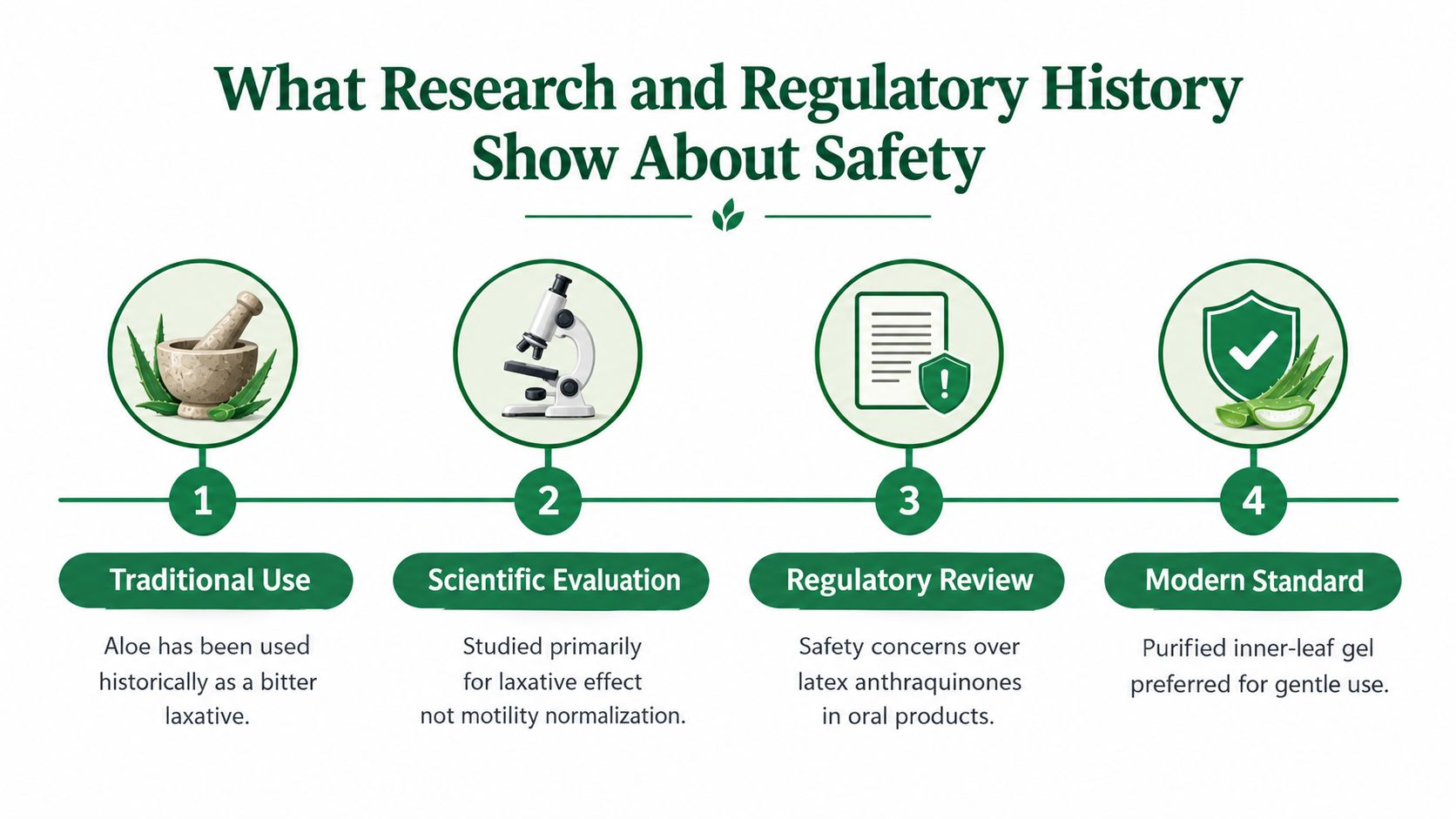
The National Toxicology Program cited a 2-year study in which non-decolorized whole-leaf aloe extract produced clear carcinogenic activity in male and female rats, based on tumors in the large intestine in the NTP technical report. This finding shaped safety discussions about internal use of non-decolorized whole-leaf material.
The result does not establish that every aloe product has the same composition or response profile. Inner-leaf products that undergo latex removal and purification belong to a different processing category. Vertical integration, where one company controls cultivation, extraction, filtration, and testing, can also make those steps easier to verify. Purification works like a sieve, separating the intended gel fraction from compounds more likely to produce a strong bowel response.
Clinical summaries describe short-term oral aloe gel use as safe for up to 42 days, while oral latex can cause abdominal pain, cramps, and diarrhea. Prolonged use is associated with electrolyte imbalance and potassium depletion. Diarrhea may also reduce absorption of other products and contribute to dehydration, especially when use continues.
A government summary cites acute kidney failure after 1 gram per day for a few days of aloe latex in one medical summary. This reinforces a practical distinction: latex-containing material calls for greater caution when the goal is gentle, everyday digestive support.
Practical rule: Repeated cramping or loose stools are not proof that a product is working. Recheck the aloe type, latex status, serving guidance, and duration of use.
Supplement labels use specific language because FDA distinguishes structure/function claims from disease claims. A structure/function claim describes how an ingredient supports a normal body structure or function. The statement must be truthful, not misleading, and supported by substantiation, and the manufacturer must notify FDA within 30 days after first marketing a product with that claim, according to the FDA guidance on structure/function claims.
This framework explains why responsible aloe copy uses phrases such as supports healthy digestive function instead of promising a medical result. It keeps the discussion centered on everyday wellness and normal physiological processes.
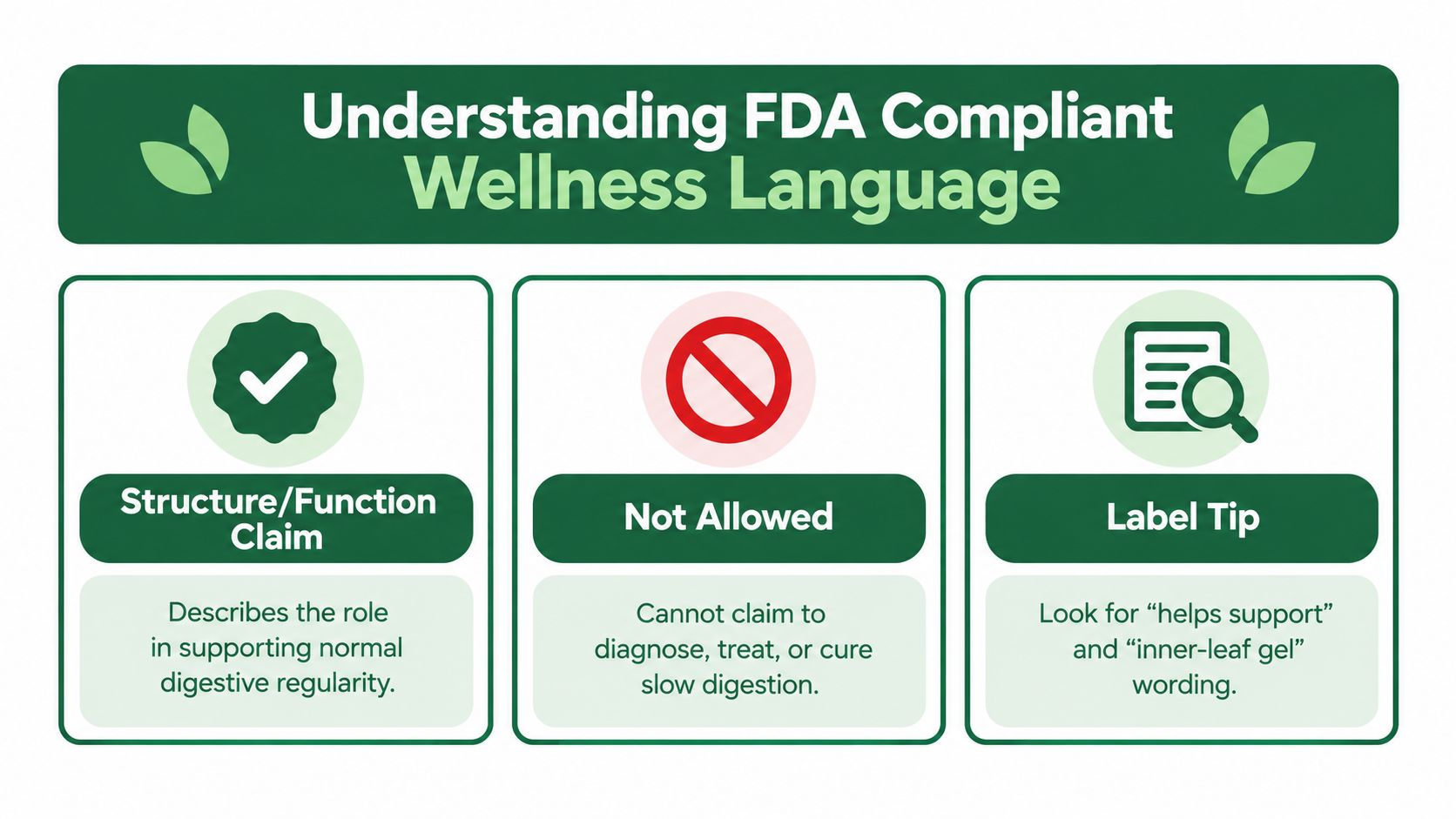
Useful structure/function phrasing includes:
These statements describe a role, not a guaranteed outcome. They also avoid language that implies a supplement can diagnose, treat, cure, or prevent any disease.
FDA guidance explains that a structure/function claim may characterize a documented mechanism by which a nutrient or dietary ingredient helps maintain normal structure or function, as long as the statement isn't a disease claim. That distinction helps shoppers understand why product pages may sound supportive rather than definitive.
A compliant supplement label must include this DSHEA disclaimer when applicable:
These statements have not been evaluated by the Food and Drug Administration. This product is not intended to diagnose, treat, cure, or prevent any disease.
The disclaimer isn't a promise that every person will have the same experience. It tells you how to interpret the product's statements and reminds you that a dietary supplement belongs within a broader wellness routine.
A helpful label usually gives you enough information to identify the aloe material, understand the intended role, follow serving guidance, and recognize that individual tolerance can differ.
Processing is the clearest quality question in this category. Authoritative toxicology material distinguishes decolorized whole-leaf extract from non-decolorized material by describing the removal of anthraquinone components from aloe latex in the National Toxicology Program report. Industry and technical references commonly cite 50 parts per million or lower anthraquinones for nonmedicinal aloe-derived material, while some oral aloe standards specify even lower aloin limits.
Those benchmarks don't replace a full label or certificate of analysis, but they show why anthraquinone control matters. A product designed for daily digestive wellness should make its aloe type and purification approach understandable.
| Product detail | What it tells you |
|---|---|
| Inner-leaf gel | The formula centers on the clear interior of the leaf. |
| Decolorized material | Processing removed latex-associated anthraquinone components. |
| Anthraquinone or aloin information | The manufacturer provides insight into compounds linked to stronger bowel stimulation. |
| Traceability and testing | The company can show how the ingredient moved from cultivation to finished product. |
AloeCure farms its own aloe, processes it on-site within 12 hours of harvest, and produces its own products. The company describes a proprietary, patented process that avoids chemicals, enzymes, concentrates, and charcoal filtration, with USDA and EU organic certification and an eight-step traceability program. Those details give shoppers concrete quality signals to investigate rather than asking them to rely on broad “natural” wording.
Start with the product's serving directions and avoid assuming that a larger serving will provide greater support. Stay hydrated, eat balanced meals, and include regular movement, because digestive comfort depends on the whole routine rather than one ingredient.
Track how you feel over several days instead of judging the product after one serving. Note cramping, loose stools, urgency, and general comfort. If repeated unwanted responses occur, stop and reassess the formula, especially if the label mentions latex or stimulant laxative activity.
A better shopping question: “Which aloe components remain after processing?” is more useful than “Is this aloe natural?”
The phrase aloe vera for slow digestion side effects points to a product-selection issue as much as a personal-tolerance issue. Purified inner-leaf aloe is positioned to support healthy digestive function and promote general wellness, while latex-containing material has a stronger laxative history and can produce cramping, loose stools, urgency, dehydration, or electrolyte shifts with prolonged use.
Use this short checklist before adding an aloe product to your routine:
These statements have not been evaluated by the Food and Drug Administration. This product is not intended to diagnose, treat, cure, or prevent any disease.
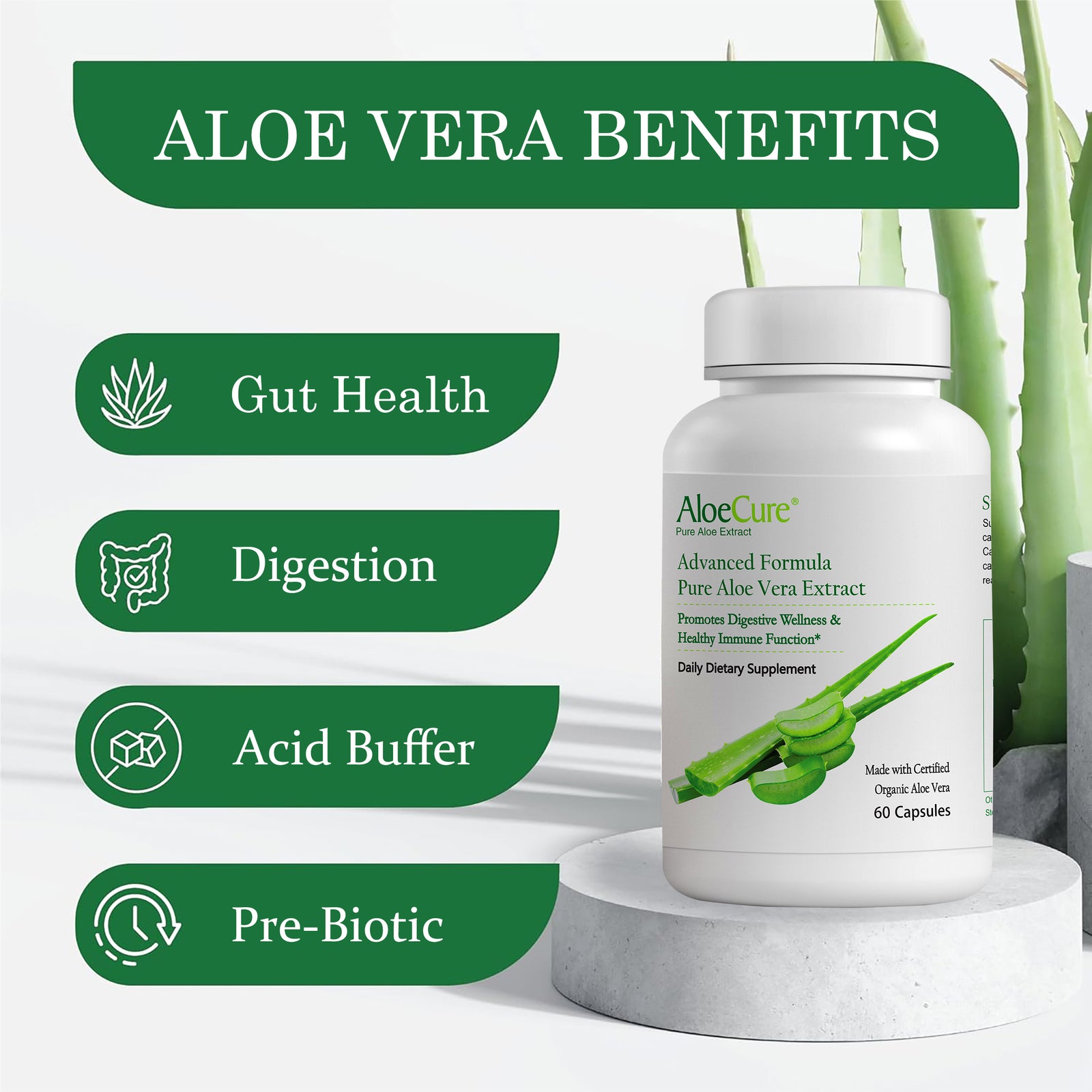
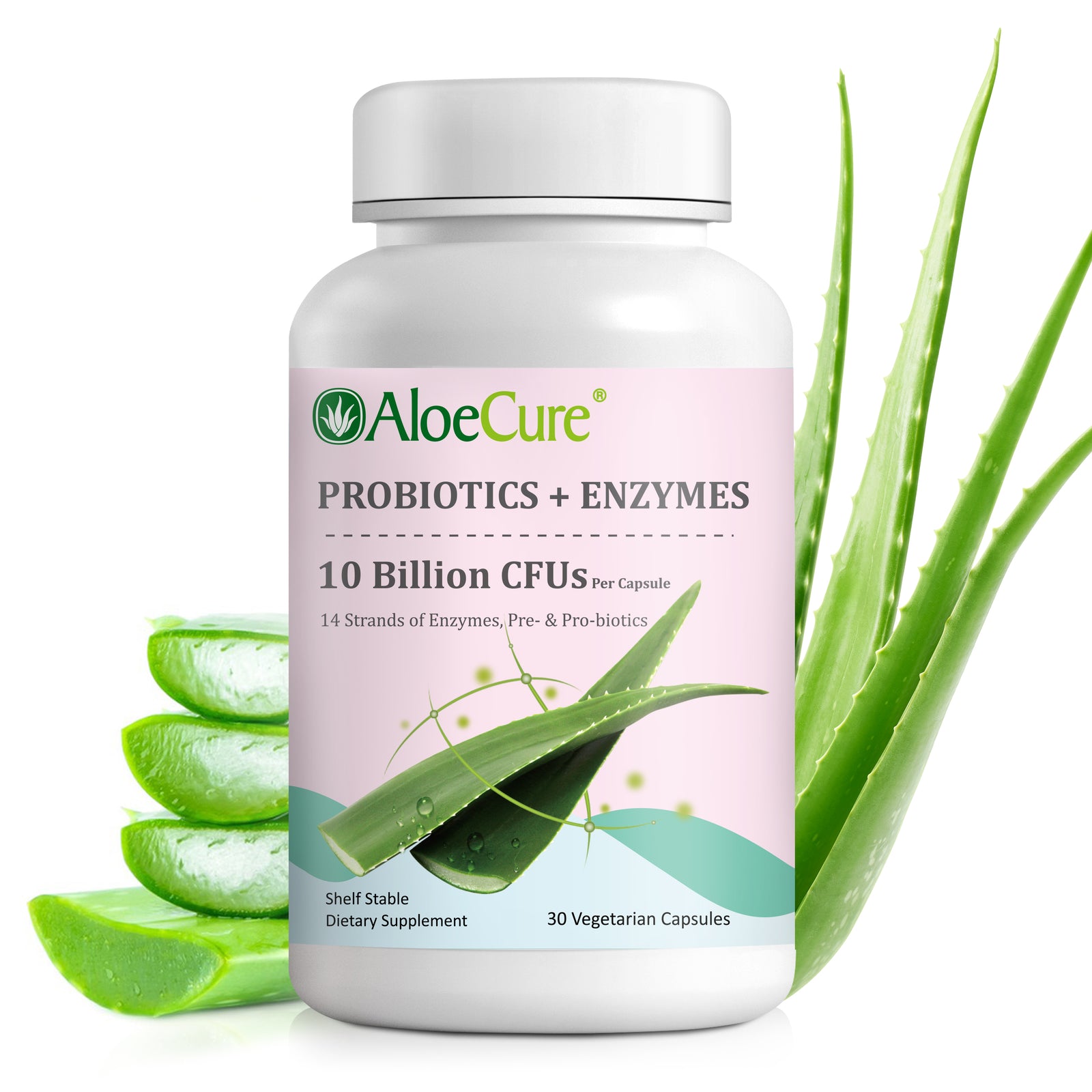
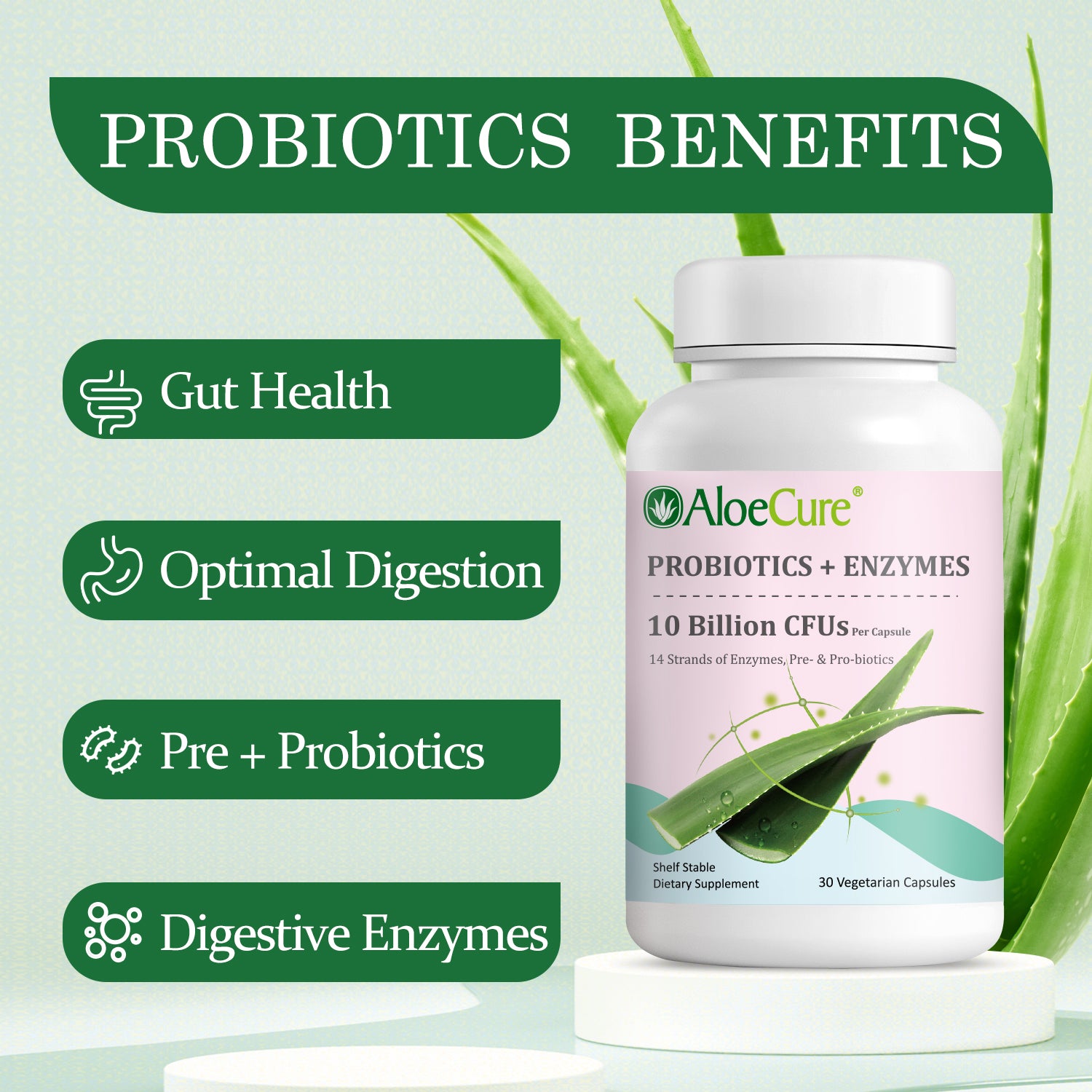
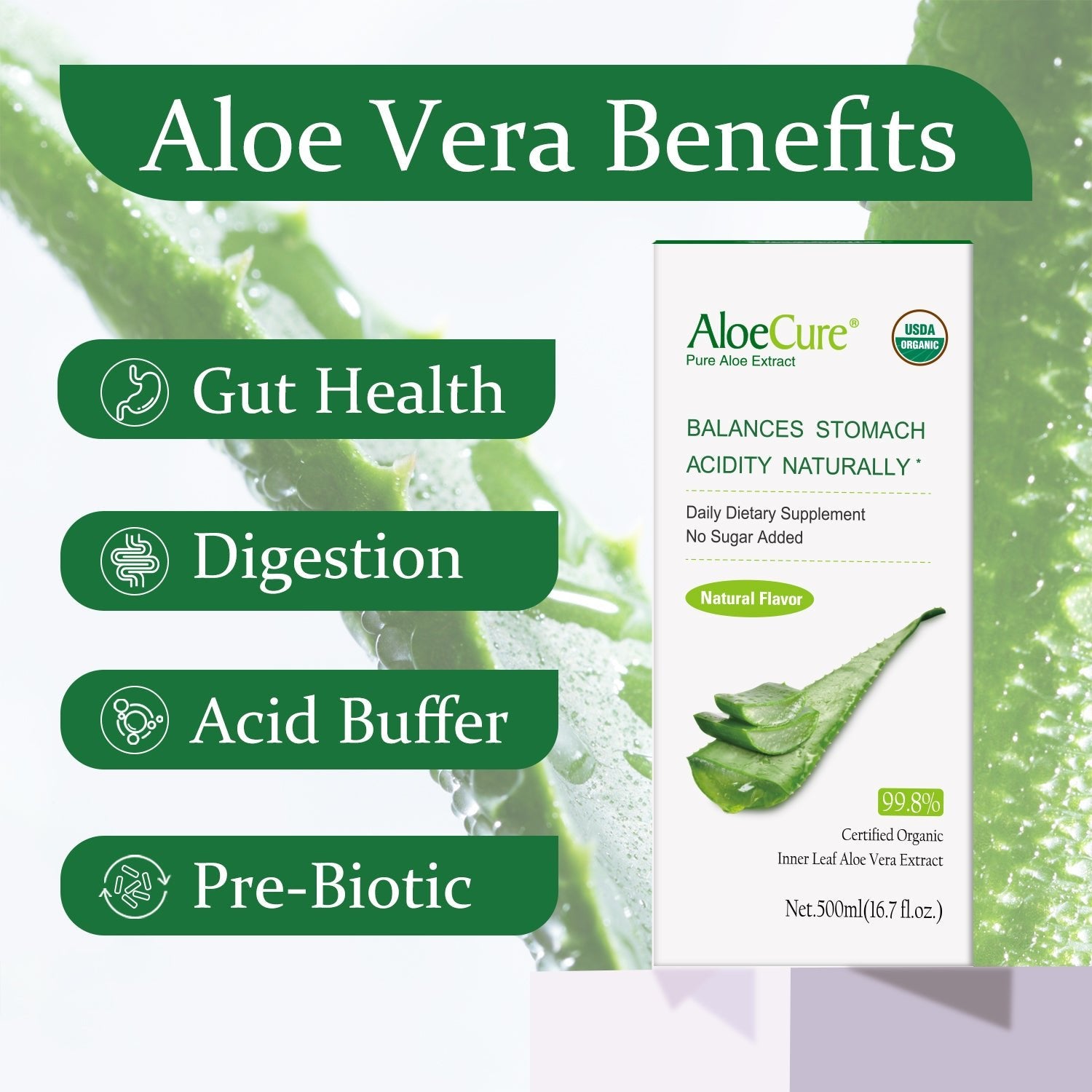
AloeCure offers farm-to-finished aloe products built around vertically integrated cultivation, processing, and production, including options intended to support digestive wellness. Visit AloeCure to review the product details, consider Subscribe & Save for 20% off, and explore the 90-day guarantee and fast processing options while choosing a routine that fits your comfort goals.
Les commentaires sont approuvés avant leur publication.