Tu carrito está vacío
Envío y manipulación gratuitos con todos los pedidos superiores a $25
Envío y manipulación gratuitos con todos los pedidos superiores a $25

You're probably here because you've stood in front of a shelf of supplements and felt stuck. One bottle says “food-based.” Another says “natural.” A third says “organic,” and a fourth uses a long list of ingredient names that sound more like a chemistry quiz than something you'd take every morning.
That confusion makes sense. Supplements have moved from a niche category into an everyday wellness habit for many people, but the labels haven't gotten easier to read. If anything, more options have created more guesswork.
Organic whole food supplements can help simplify that decision. They shift the question from “What claim is on the front of the bottle?” to “What is this made from, and where did it come from?” That's a much better place to start.
Walk into a health store and the choices stack up fast. Capsules, powders, gummies, tablets, herbs, greens, blends, probiotics, minerals. Some products focus on one nutrient. Others promise broad daily support. The hard part isn't finding a supplement. It's figuring out which one feels grounded in real ingredients and transparent sourcing.
That's part of why so many people are paying closer attention to quality. The U.S. dietary supplements market was estimated at USD 68.74 billion in 2025 and is projected to reach USD 131.08 billion by 2033, according to Grand View Research's U.S. dietary supplements market report. Growth like that tells you something important. You're not the only person trying to build a more intentional wellness routine.
Most shoppers aren't confused because they aren't trying hard enough. They're confused because many products use similar language to describe very different things.
A label might highlight:
Organic whole food supplements tend to make more sense when you care about ingredient origin, processing, and label clarity, not just marketing language.
A practical first filter is this: ask whether the supplement starts with recognizable food and plant inputs, and whether the company tells you enough to verify that claim.
That's why many shoppers explore curated collections like the ArtNaturals wellness line when they want to compare products built around everyday wellness support rather than flashy promises. Looking across a focused lineup can make patterns easier to spot, especially when you're learning what cleaner labels look like.
If you remember one thing from this article, make it this: better supplement decisions usually start upstream. Before you think about flavor, format, or trendiness, look at source, certification, and how openly a brand explains what's inside the bottle.
Organic whole food supplements are formulas made from food-based ingredients that were grown and processed under organic standards. That definition sounds simple, but the label only becomes useful when you ask a second question: where did those ingredients start, and can the company show the path from farm to bottle?
That farm-to-bottle trail matters because "whole food" is often used loosely. A stronger whole food product usually begins with recognizable inputs such as fruits, vegetables, herbs, algae, or fermented foods that are then dried, concentrated, or blended into a supplement. The closer a brand gets you to the original source, the easier it is to judge whether "whole food" describes the formula or just the front label.

In practice, whole food refers to origin more than format. The ingredients may no longer look like fresh produce by the time they reach a capsule or powder, just as tomato paste no longer looks like a whole tomato. What matters is that the nutrients started in real food inputs rather than being built only from isolated compounds.
That distinction helps clear up a common point of confusion. A whole food supplement is still processed. It has to be, or it would spoil quickly and be hard to dose consistently. The question is not whether processing happened. The question is whether the processing preserved a clear connection to identifiable food sources.
Organic adds a verified set of farming and handling rules. According to the USDA's organic labeling standards for finished products, a product labeled "organic" must contain at least 95% organically produced ingredients, excluding water and salt, and it must meet certification requirements for production and handling.
That is why the organic claim means more than attractive green packaging. It points to documented practices upstream, including how ingredients were grown, handled, and certified before they ever reached the manufacturing line. For shoppers comparing supplements at a health food store, that traceability is often more useful than broad wellness language.
A transparent organic whole food supplement usually makes the source story easier to follow. You can often trace the formula back to named plants or food ingredients instead of vague terms that leave you guessing.
Look for labels that show:
Practical rule: If a product says “whole food” but the ingredient list hides the actual food sources, treat that as a prompt to ask more questions.
A good definition of organic whole food supplements includes the ingredients, the standards behind them, and the visibility of the supply chain. The strongest products do not just borrow the language of nature. They show their work from the farm to the bottle.
Many people often misunderstand this particular aspect. They assume “synthetic” always means poor quality, or that “whole food” always means superior. Real life is more nuanced.
Some people want a supplement for broad daily wellness support and prefer a food-based formula with recognizable plant inputs. Others want a nutrient in a more standardized form because they're looking for a very specific potency. Both approaches exist for a reason.
Organic whole food supplements begin with food-derived ingredients. Synthetic supplements usually rely on isolated compounds created or standardized through manufacturing processes. The experience of reading the label is often different too. Whole food formulas tend to sound more like a pantry. Synthetic formulas often sound more like a lab sheet.
Current industry discussion around whole food products also includes an important caution. Some experts note that once a supplement is concentrated, dried, or processed, the “whole food advantage” can become less straightforward than marketing suggests. Nutritional Outlook highlights that synthetic ingredients still have a place when a product needs a well-established, efficacious potency, in its discussion of the growing appeal of whole food supplements.
| Attribute | Organic Whole Food Supplements | Synthetic Supplements |
|---|---|---|
| Source | Derived from foods such as fruits, vegetables, herbs, algae, or fermented ingredients | Typically based on isolated nutrient compounds |
| Label feel | More likely to list recognizable food sources | More likely to list chemical nutrient names |
| Nutrient context | Often positioned as part of a broader food matrix | Often focused on single nutrients or isolated forms |
| Processing story | Usually emphasizes gentle concentration and traceable sourcing | Usually emphasizes standardization and potency |
| Best fit | Daily wellness routines focused on ingredient transparency | Situations where a specific nutrient form or potency is the priority |
Instead of treating this like a purity contest, ask what job the supplement is meant to do.
A whole food formula may make sense when you value:
A synthetic or more standardized formula may make sense when you value:
The real decision isn't “natural versus synthetic.” It's “Which form matches my reason for taking this product?”
That mindset keeps you from buying based on trend language alone. It also helps you evaluate organic whole food supplements fairly, as one category with real strengths, not as a magic shortcut.
A good label should answer basic questions quickly. What is the product made from? How much are you taking? Who verified the claims on the bottle? If the label creates more mystery than clarity, that's useful information.
The legal framework matters here. The Dietary Supplement Health and Education Act of 1994 established the regulatory framework for supplements, making manufacturers responsible for ensuring safety and proper labeling, as the FDA explains in its consumer update on dietary supplements. That's one reason certifications and independent testing matter so much. They help consumers verify quality beyond front-label claims.
The front of the bottle is where marketing speaks. The back is where the formula speaks.

When you turn the bottle around, pay attention to these checkpoints:
A strong label usually gives you enough detail to understand the product without guessing.
Look for:
Question products that rely on:
If a company is proud of what's in the bottle, it usually makes the label easier to understand, not harder.
Reading supplement labels gets easier with practice. After a while, you'll notice that the most trustworthy products rarely shout the loudest. They explain themselves better.
A useful supplement should fit your routine and support a clear wellness goal. That goal might be daily nutrient coverage, support for healthy digestive function, support for joint comfort and mobility, or help maintaining your body's natural sleep cycle. The point is to match the formula to the function you care about, not to buy whatever ingredient is trending.
People often shop backward. They hear about a plant or nutrient online, then try to force it into their routine. A better method is to begin with the kind of support you want.
For example:
Before you buy, ask four questions:
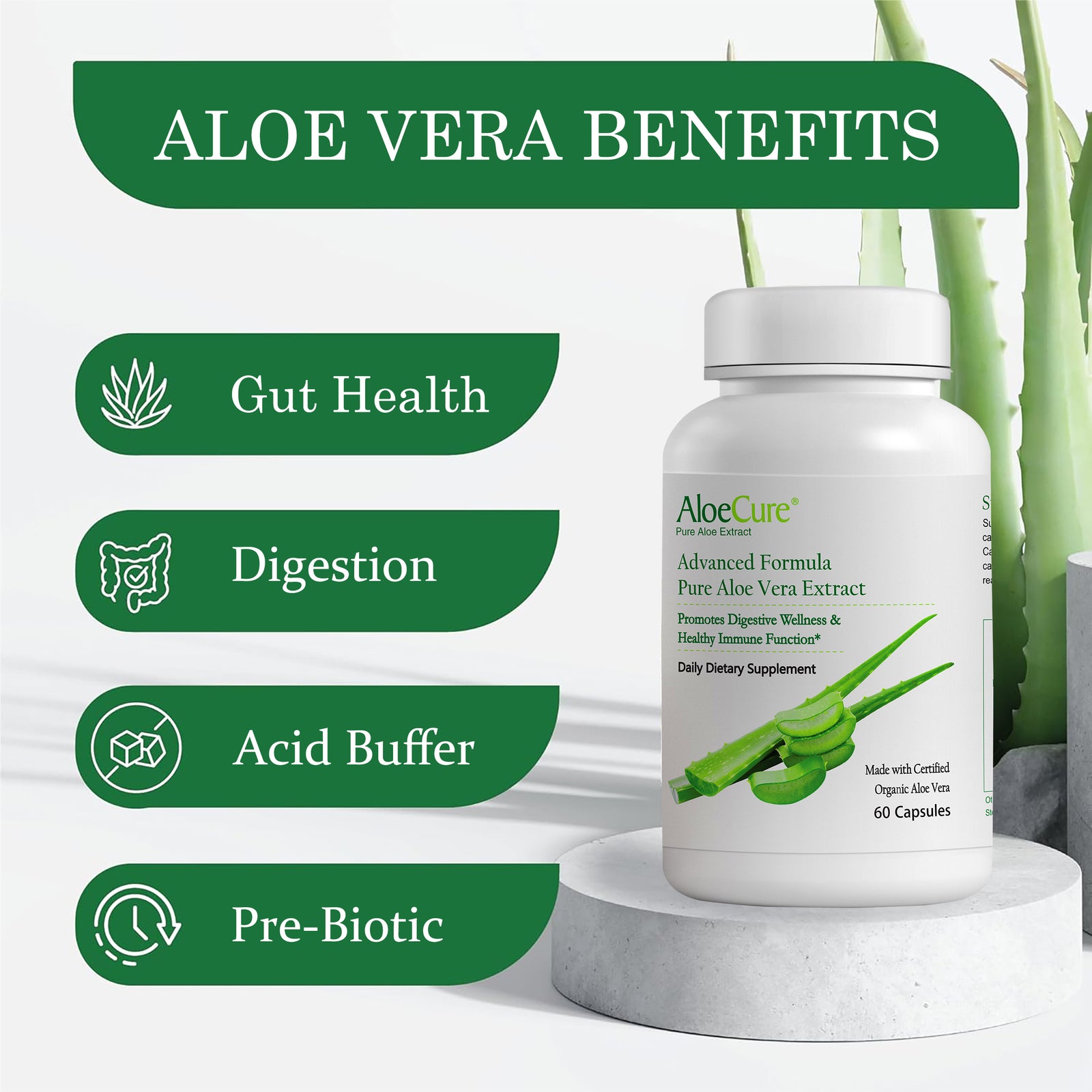
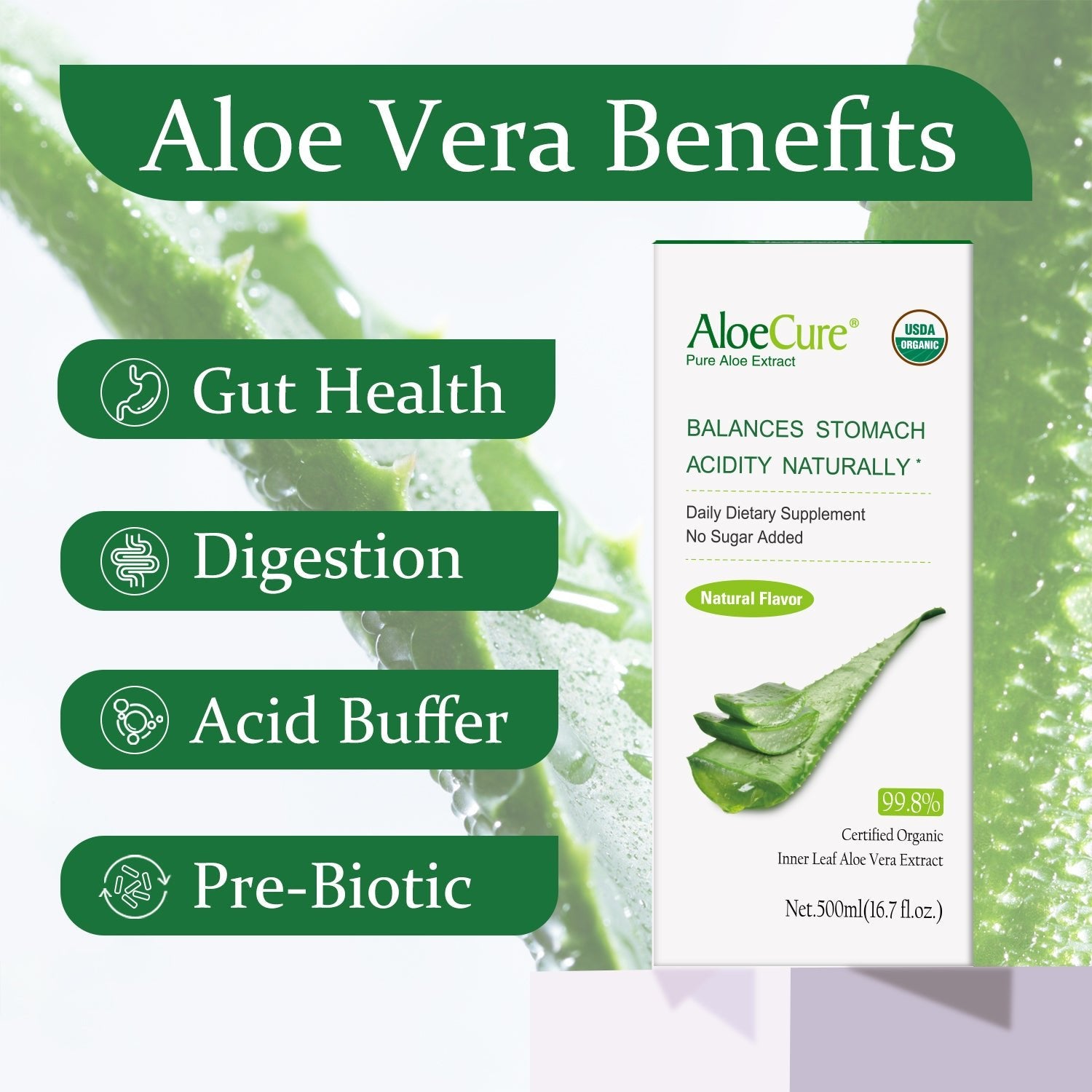
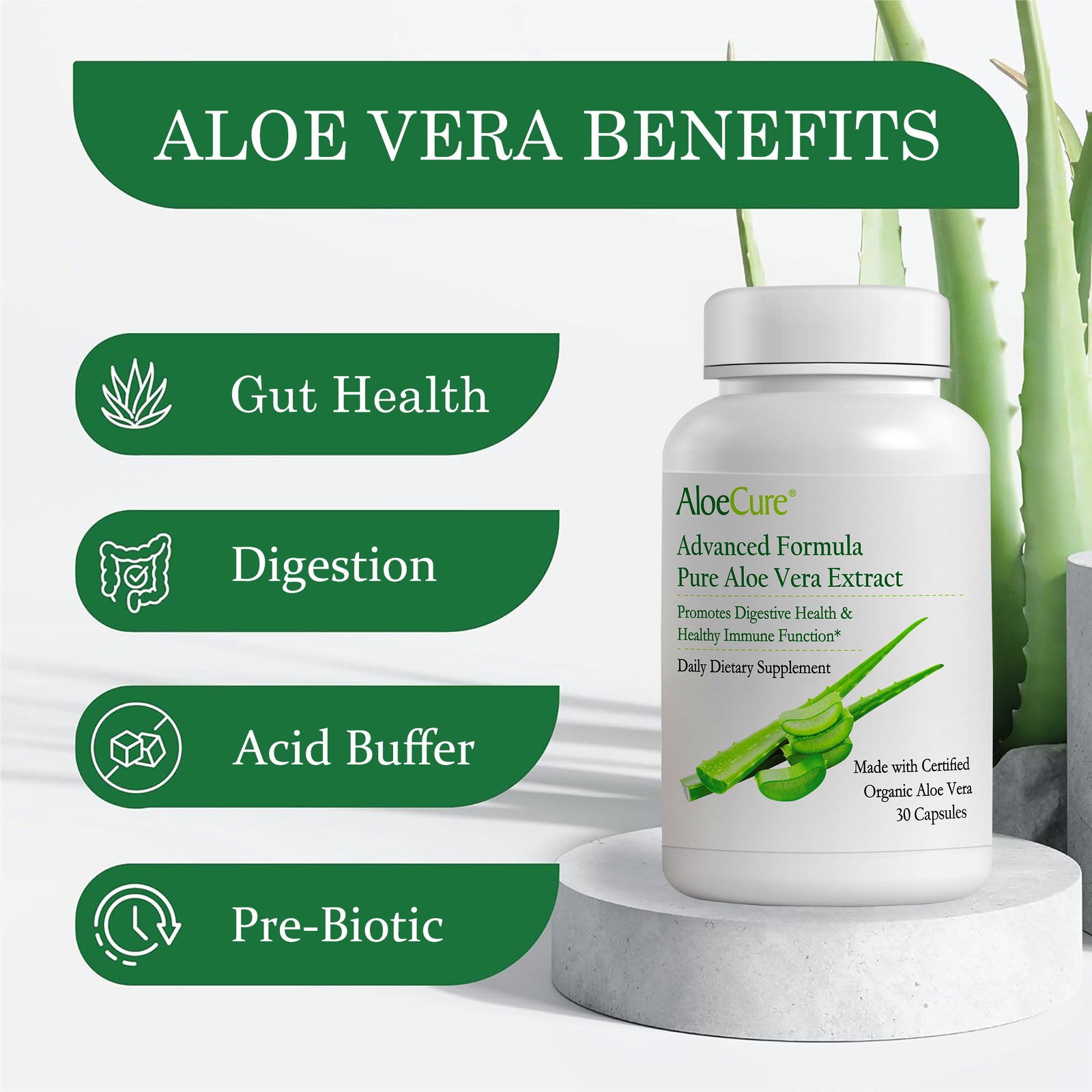
One example in this category is AloeCure Advanced Formula Aloe Capsules, which are positioned for digestive wellness support and use organic aloe vera as the main ingredient. That kind of formula is easiest to assess when the source ingredient is obvious and the product purpose is narrow.
A quick visual guide can help if you prefer to learn by example.
Supplements work best as part of a bigger routine. Food quality, hydration, sleep, movement, and consistency still matter. A well-chosen supplement can support the body's normal processes, but it shouldn't carry the entire plan by itself.
That's good news. It means you don't need a perfect stack. You need a sensible one.
You are standing in a health food store holding two bottles that both say they are made from organic plants. The front labels look equally clean. The key difference often sits in the part you cannot see. Where the ingredient was grown, who handled it after harvest, and how many times it changed hands before it reached the bottle.
A farm to bottle approach brings that hidden part of the story into view. For organic whole food supplements, that full chain of custody often tells you more than the marketing on the front panel.

Supplements work a bit like cooking from raw ingredients. If one kitchen buys produce from an unknown supplier, sends it to another facility for prep, and then hands it off again for packaging, there are more chances for quality to drift. A company that grows, harvests, processes, and manufactures its main ingredient has fewer blind spots.
That added control does not prove a product is excellent. It does make consistency easier to protect.
A farm-connected model can make it easier to verify several practical details:
Many shoppers hear "organic" and picture soil, seeds, and pesticide rules. That is only part of the story. Under the USDA National Organic Program, products sold as organic must meet specific requirements for organic agricultural ingredients and certified handling practices. The USDA explains those standards in its overview of organic labeling categories and certification requirements.
That matters because a whole food supplement can start with a well-grown plant and still lose clarity if the processing trail is hard to follow. The farm-to-bottle journey helps you check whether the organic story stayed intact from field to finished capsule.
Clean sourcing matters. Clean handling and traceable processing show whether that sourcing story held up all the way to the bottle.
A farm to bottle supplement should make a few answers easier to find:
| Question | Why it matters |
|---|---|
| Does the company identify where the ingredient is grown? | Source transparency gives you a way to judge credibility |
| Does it explain what happens after harvest? | Harvest timing and handling affect ingredient integrity |
| Does it discuss farming methods and long-term stewardship? | Responsible cultivation supports ingredient quality over time |
| Does it provide traceability details? | Traceability shows the company can account for the product journey |
If you want a clearer picture of the agricultural side, this guide to sustainable farming practices for aloe vera shows what responsible cultivation can look like before processing even begins.
The closer a company is to its ingredient, the less guesswork you face as a buyer. In a crowded supplement category, that kind of transparency is often one of the strongest signs that quality was built into the product from the farm onward.
Store them in a cool, dry place away from direct heat, moisture, and sunlight. A kitchen cabinet away from the stove usually works better than a humid bathroom. Always keep the lid tightly closed, and check the label for any product-specific storage directions.
Many people do, but it's smart to read each label carefully before combining products. Look for overlapping ingredients so you don't unintentionally duplicate the same nutrient or botanical. If you're unsure how products fit together, ask a qualified healthcare professional for guidance.
That depends on the formula. Many people prefer taking supplements with food because it's easier to remember and often gentler on the stomach. The best time is usually the time you can stick to consistently, unless the label gives more specific instructions.
Start with three checks. Look for clear ingredient sourcing, meaningful certifications, and a label that's easy to understand. If the front makes big promises but the back gives very little detail, that's a sign to keep looking.
These statements have not been evaluated by the Food and Drug Administration. This product is not intended to diagnose, treat, cure, or prevent any disease.
If you want to put these ideas into practice, explore the certified organic options and educational resources at AloeCure. If a subscription model fits your routine, you can also sign up for ongoing delivery and savings, including 20% off Subscribe & Save.
Los comentarios se aprobarán antes de mostrarse.