Tu carrito está vacío
Envío y manipulación gratuitos con todos los pedidos superiores a $25
Envío y manipulación gratuitos con todos los pedidos superiores a $25

Some nights, you want help settling in, but you don't want to use melatonin. Maybe you've tried it before and didn't love how it fit into your routine. Maybe you prefer a non-hormonal option that feels more in line with gentle, everyday wellness.
That search makes sense. A melatonin free sleep aid often works from a different angle. Instead of supplying a hormone signal, it usually supports the body's normal wind-down process through ingredients linked to relaxation, sleep quality, or body temperature shifts that naturally happen at night.
The key is knowing what these formulas are designed to do. Some are better for a busy mind. Some are built to support staying asleep. Others are meant to help your evening routine feel calmer and more consistent.
It is late, you finally crawl into bed, and your body feels ready to stop. Your brain does not get the message. It keeps replaying conversations, tomorrow's to-do list, and one small thing you forgot to do.

That is often the moment people start looking for a melatonin free sleep aid. Usually, they are not asking for something stronger. They are asking for support that matches the reason sleep feels hard in the first place.
Melatonin mainly relates to timing. Many people looking beyond it want help with the conditions around sleep instead, such as mental settling, physical ease, or staying comfortably asleep through the night. A non hormonal option can feel like a better fit when the goal is to support the body's own wind-down process rather than add another bedtime signal.
This difference matters more than it seems.
If your main problem is a busy mind, ingredients that support relaxation may make more sense. If your evenings feel tense and overstimulated, a formula aimed at calming the nervous system may be the better match. If sleep feels light or easily interrupted, some people prefer options chosen for overnight sleep quality and a steadier transition into deeper rest.
For practical, everyday habits that can support better nights alongside supplements, the Wesley Chapel sleep guide is a useful read because it focuses on routine, environment, and behaviors that shape how well you rest.
Some bedtime formulas focus on the clock. Others focus on helping the body settle, cool, relax, and stay asleep more comfortably.
Melatonin-free formulas often use nutrients, amino acids, or plant-based compounds that support specific parts of sleep physiology. Magnesium is often chosen for relaxation and muscle ease. L-theanine is commonly used for mental calm without making you feel forced into sleep. Other blends may include botanicals or nutrients selected to support a smoother nighttime rhythm.
A good way to compare them is by asking one question first. What feels off at night?
If your thoughts stay active, look for ingredients associated with calm attention and less mental chatter. If your body feels keyed up, a formula centered on physical relaxation may fit better. If you tend to drift off and then wake too easily, you may want a product designed around sleep quality and overnight steadiness rather than simple drowsiness.
If you're comparing ingredient categories and want a broader overview, this guide to melatonin alternatives for sleep can help you sort through the options.
A simple way to think about it is this. Melatonin acts more like a timing signal. Melatonin-free support usually acts more like a set of conditions that make rest easier.
That distinction clears up a lot of confusion. People often expect every bedtime supplement to do the same job, but they don't. One type is about signaling nighttime. The other is often about helping the body settle into nighttime more smoothly.

If melatonin is the light switch, melatonin-free ingredients are closer to a dimmer switch. They don't necessarily tell the body, "sleep now." Instead, they may support the normal processes that make sleep feel more accessible.
That matters if your evenings aren't mainly about schedule timing. If your challenge is mental busyness, physical tension, or waking up too often, a formula aimed at sleep quality may make more sense than one aimed at circadian signaling.
According to the Sleep Foundation's overview of natural sleep aids, L-theanine doesn't appear to help people fall asleep, but it may improve sleep quality by reducing nocturnal awakenings. The same review notes that glycine may support sleep by helping the body make a slight temperature drop associated with falling asleep and staying asleep, with benefits often seen at doses as low as 3 grams.
That means a melatonin free sleep aid may support rest in at least two different ways:
Practical rule: Match the ingredient to the experience you want. "I want to feel calmer" is different from "I want support staying asleep comfortably through the night."
This style of support feels more natural to many people because it doesn't try to override the body. It aims to assist the body's normal wind-down process.
That's why you'll often see melatonin-free products described in terms of relaxation, nighttime routine, and restful sleep quality rather than hard, immediate effects. For many adults, that framing is more realistic and easier to work into a consistent wellness plan.
You pick up a sleep formula, turn the bottle around, and see a row of unfamiliar names. That moment can feel a lot like reading a recipe in a language you almost know. The label gets easier to read once you sort ingredients by job.
Some ingredients are included to quiet a busy mind. Others are chosen to support muscle relaxation, a steadier wind-down, or the body changes that usually happen before sleep. That difference matters because a melatonin free sleep aid is not one single category. It is a group of tools that can support different parts of sleep physiology.
| Ingredient | Supports | What to Look For |
|---|---|---|
| L-theanine | A calm, settled state and better sleep quality | Clear dosage, simple formula, minimal extras |
| Magnesium | Relaxation and normal nighttime body function | Well-labeled amount and form |
| Glycine | Normal sleep physiology, including body temperature shifts | Straightforward serving size and uncluttered label |
| 5-HTP | Evening mood balance and relaxation support | Conservative dosing and transparent labeling |
| Valerian | Traditional bedtime calm support | Standardized sourcing and clean ingredient list |
| Chamomile | A soothing wind-down ritual and gentle relaxation | Tea, extract, or capsule form that fits your routine |
L-theanine is often used for mental quieting. If your body feels tired but your mind keeps replaying the day, this is the type of support many people look for. It tends to fit formulas aimed at easing the transition from alert to restful.
Magnesium is included for a different reason. It supports normal muscle and nerve function, which is part of why it appears so often in evening blends. If you want help comparing forms and labels, this guide on what to look for in a magnesium supplement can make the bottle a lot easier to interpret.
Glycine stands out because it is tied to physical sleep readiness. Instead of focusing mainly on mood, it is often discussed in relation to the body processes that line up with sleep, including the slight temperature shift that usually happens at night.
That makes glycine useful to understand. A person who says, "I need help feeling less keyed up," may look for something different from a person who says, "I want my body to settle into sleep more smoothly."
5-HTP usually appears in blends built around relaxation and evening mood support. It is rarely the whole story in a formula. More often, it sits alongside other ingredients that cover a different piece of the bedtime puzzle.
Valerian and chamomile come from a more traditional bedtime tradition. They are often chosen by people who like plant-based support and want their supplement to feel connected to a calming nightly ritual, not just a single isolated compound.
A useful label answers three questions quickly. What is in it, how much is in it, and how should you use it?
A formula can contain familiar ingredients and still leave important questions unanswered. You want to know the amount of each ingredient, the form used, and whether the combination makes sense for a real bedtime routine.
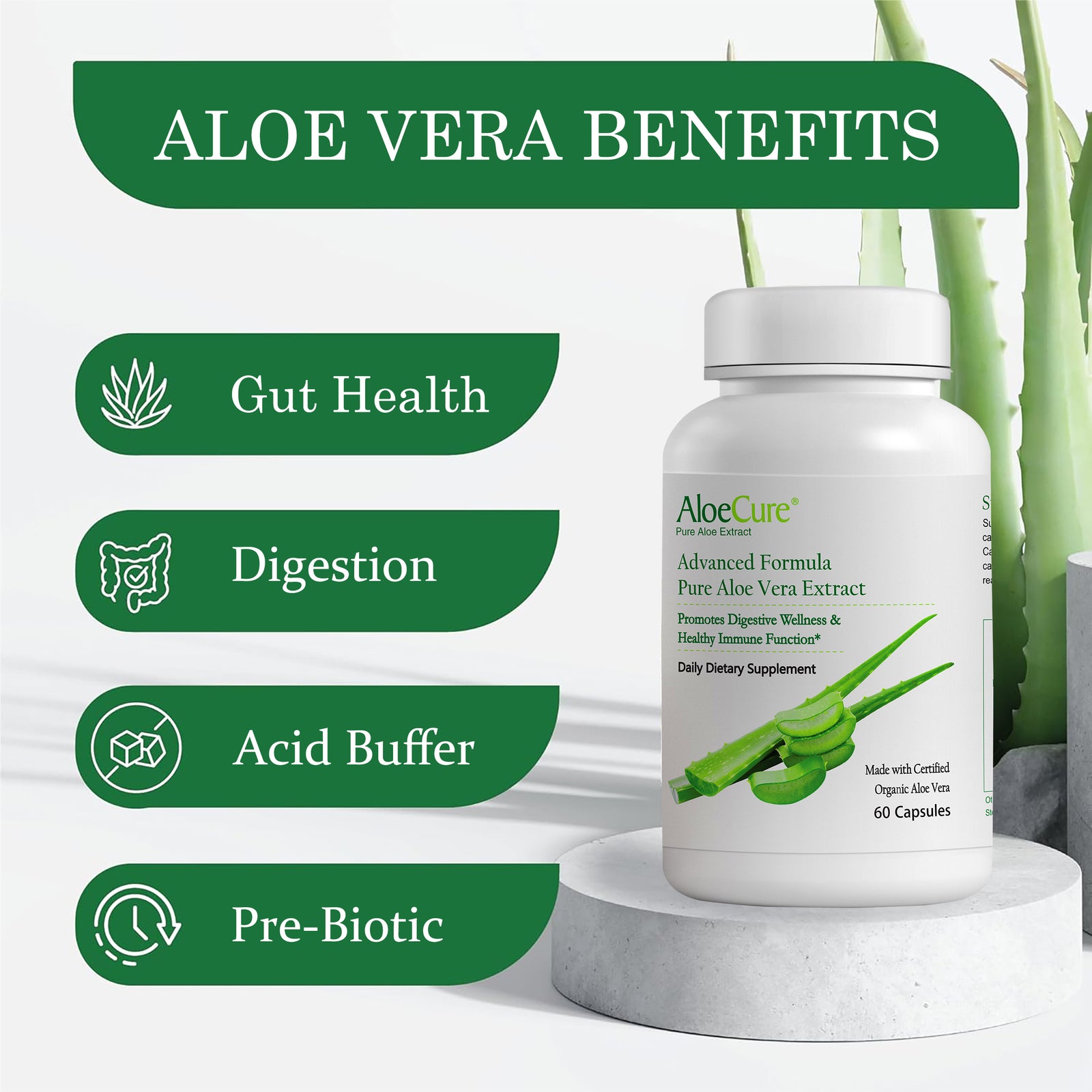
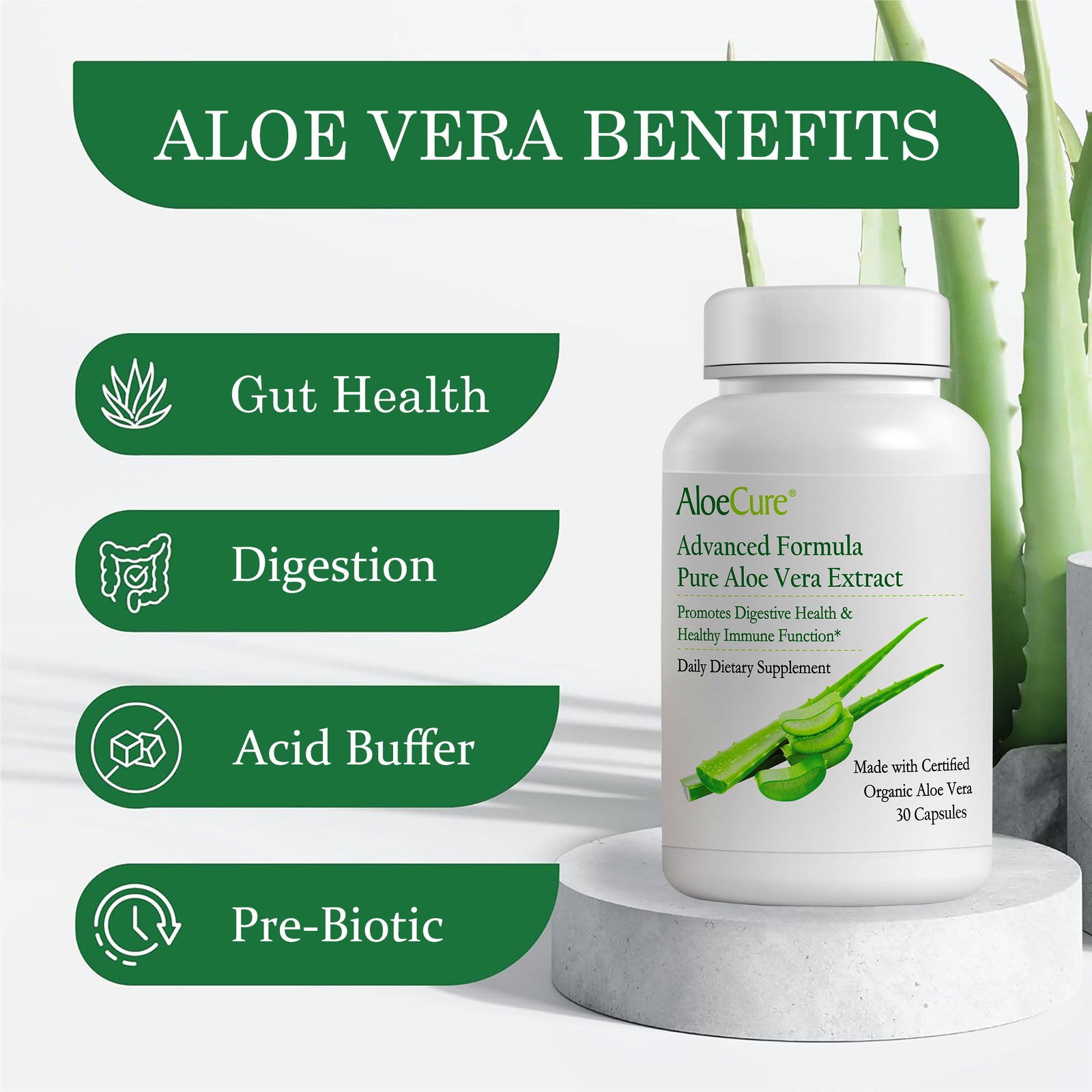
Quality also affects trust. AloeCure, for example, is vertically integrated. The company farms its own aloe, processes it on-site, and produces its own products. That level of control can support cleaner inputs, better traceability, and more consistent finished products.
As you compare options, look for signs that the formula was built with a clear purpose:
A good formula should read like a plan, not a mystery.
At 9:30 p.m., two people can both say, "I can't sleep," and mean very different things. One feels mentally switched on and cannot settle. The other gets sleepy on time but wakes too easily in the night. A melatonin-free sleep aid makes more sense when you start with that difference, because the goal is not to force sleep. The goal is to support the part of the sleep process that needs the most help.
That is why the better question is, "What is getting in the way of rest for me?" Some formulas are built to ease tension and help your mind shift out of daytime mode. Others are chosen because they support a steadier, more settled night. If you want a broader plan for how to improve sleep quality naturally, your supplement choice should fit that bigger picture.

A practical way to choose is to match the formula to the way your nights unfold.
Some people need calm. Some need consistency. Some need both.
A label should answer a few plain questions without making you guess.
If racing thoughts are the main problem, the right supplement may only be part of the answer. Mental overstimulation often needs a behavioral tool too. Resources on how to stop overthinking and worrying can help you pair physical relaxation support with a calmer pre-bed mindset.
A good melatonin-free option should feel like a well-matched tool, not a random bedtime extra. The best choice is often the one that fits your sleep pattern, your preferences, and the kind of support your body is already asking for.
Supplements can be helpful supporters, but your nightly habits still do most of the heavy lifting. If your evenings are overstimulating, inconsistent, or packed with screens and stress, even a well-made formula may feel underwhelming.
The good news is that small changes often make bedtime feel less effortful. A calmer night usually starts before your head hits the pillow.

Your body responds well to repetition. When you repeat the same gentle cues each night, bedtime tends to feel less abrupt.
Try a short sequence like this:
If racing thoughts tend to follow you into bed, this guide on how to stop overthinking and worrying offers practical ways to interrupt that loop before it gains momentum.
Many people focus on supplements and ignore the room itself. Yet your environment can either support rest or work against it.
Keep these basics in mind:
The best bedtime routine often feels a little boring. That's usually a good sign. Predictable cues help the body relax.
A melatonin free sleep aid works best when it's part of a wider routine, not the whole plan. Use it to support habits that already point your body toward rest.
Some people also like to pair their routine with simple wellness cues, such as a cup of herbal tea or a small serving of aloe juice as part of an evening ritual. If you want more habit-based ideas, this guide on how to improve sleep quality naturally offers a practical starting point.
Choosing a melatonin-free option isn't about doing less. It's about choosing different support. For many adults, that means focusing on calm, sleep quality, and the body's normal nighttime processes instead of relying on a hormone-based approach.
The most helpful mindset is simple. Start with your pattern. If your evenings feel mentally loud, look for ingredients associated with relaxation. If your nights feel too interrupted, look more closely at formulas aimed at sleep quality support. Keep the rest of your routine steady so you can tell what works.
If nighttime worry is a big part of the picture, Therapy with Ben's anxiety insights may be a useful read for calming the mind before bed.
If sleep difficulties keep showing up, or if you're unsure how a supplement fits with your personal health situation, it's smart to talk with a qualified healthcare professional. That kind of step isn't a setback. It's part of taking your well-being seriously.
These statements have not been evaluated by the Food and Drug Administration. This product is not intended to diagnose, treat, cure, or prevent any disease.
If you're exploring gentle nighttime wellness options, AloeCure offers plant-focused products, educational resources, and a Subscribe & Save option with 20% off for people who want a consistent routine.
Los comentarios se aprobarán antes de mostrarse.