Your Cart is Empty

Many individuals assume a multivitamin is simple. You swallow it, check the box, and move on.
But here's the question. What is in that pill, and where did those nutrients come from?
That gap in thinking matters because multivitamins are everywhere. In fact, multivitamins generated $8.0 billion in U.S. sales in 2019 and accounted for 14% of all dietary supplement purchases, according to the National Institutes of Health Office of Dietary Supplements. When something is that common, quality differences stop being a small detail. They become the whole conversation.
A whole food multivitamin is often presented as a more natural option, but the term can be confusing. Some products are made from concentrated plant ingredients. Some are blends of food-based ingredients and isolated vitamins. Some use healthy-sounding language on the front label while the Supplement Facts panel tells a different story.
If you've ever stood in the supplement aisle wondering whether “whole food,” “plant-based,” “vegan,” and “natural” mean anything useful, you're not alone.
The good news is that you don't need a chemistry degree to make a smart choice. You just need a clear way to think about nutrient source, label language, and company transparency. That's what makes the difference between buying a product that only sounds wholesome and choosing one that genuinely aligns with a food-first wellness routine.
A multivitamin can look small and simple. The sourcing behind it usually isn't.
Many people buy the first formula that matches their age or lifestyle. They see “daily support” on the bottle and assume all products in the category work the same way. They don't. A standard synthetic formula and a whole food multivitamin may both list vitamin C, vitamin D, and zinc, but those nutrients can come from very different places.
Think about breakfast. A glass of orange juice, a whole orange, and a vitamin C tablet all relate to the same nutrient, but they aren't the same experience for your body. Food brings along a broader package. An isolated nutrient brings one part of that package.
That's the basic idea behind whole food multivitamins. They aim to deliver vitamins and minerals from concentrated food sources, often fruits, vegetables, herbs, or algae, rather than relying only on lab-made isolated forms.
Simple rule: Don't judge a multivitamin by the front label alone. The ingredient source matters as much as the ingredient name.
Readers often confuse three things:
A better way to think about it is this. Food comes first. Supplements come second. If you're going to use a supplement, choose one that respects that logic instead of pretending to replace it.
The easiest way to understand a whole food multivitamin is to compare an orange with a vitamin C pill.
An orange contains vitamin C, but it also contains naturally occurring compounds that come with the fruit. A typical synthetic vitamin C ingredient, often listed as ascorbic acid, isolates one piece of that picture. Both may supply vitamin C. The context around that vitamin is what changes.

When you eat an orange, you're not just getting one nutrient. You're getting a food matrix, meaning the nutrient arrives with the compounds naturally present in that food. In fruits, that can include things like bioflavonoids and other plant compounds.
A whole food multivitamin tries to preserve more of that food-based context by using concentrated ingredients derived from plants. A synthetic multivitamin usually uses isolated nutrients made to match the chemical identity of a vitamin or mineral.
One source often cited in the whole food supplement space notes that natural cofactors, such as bioflavonoids found with vitamin C in fruits, can improve cellular uptake by up to 30% to 50% compared with isolated synthetic vitamins on its whole food multivitamin product page. That doesn't mean every whole food formula is automatically superior in every way. It does mean the source and surrounding compounds are worth paying attention to.
| Attribute | Whole Food Multivitamins | Synthetic Multivitamins |
|---|---|---|
| Nutrient source | Derived from concentrated fruits, vegetables, herbs, or other plant materials | Made from isolated nutrients created or processed in a lab |
| Food matrix | Often includes naturally occurring companion compounds from plant sources | Usually provides isolated forms without the same food context |
| Label language | May list ingredients like acerola cherry, algae, or vegetable blends | Often lists standard isolated ingredient names |
| How people think about them | Chosen by shoppers who want a food-first supplement style | Chosen for convenience, familiarity, or price |
| What to watch for | Some products are true whole food formulas, others are mixed or “whole food inspired” | Ingredient forms can vary widely in quality |
A big source of confusion is that “whole food” isn't always used consistently. One brand may use only plant-derived ingredients. Another may add a small fruit and vegetable blend to a mostly synthetic formula and still market it as food-based.
That's why you can't stop at the front panel.
A good label should answer a basic question clearly. “What is this nutrient made from?”
If the answer is vague, the formula probably is too.
People don't choose a whole food multivitamin just because it sounds cleaner. They choose it because they want their supplement routine to feel more like an extension of healthy eating and less like a chemistry project.
That mindset makes sense. A food-based formula can fit naturally into a broader wellness routine built around balanced meals, movement, hydration, and sleep habits. It's not about chasing perfection. It's about choosing support that matches the way you already want to care for your body.
A quality whole food multivitamin can:
That last point matters. Many individuals don't want a shelf full of bottles. They want a simple, thoughtful base layer.
A plant-based formula often feels easier to understand because the ingredients are more familiar. “Vitamin C from acerola cherry” gives you a picture. “Vitamin D3 from algae” gives you context. That kind of clarity matters when you're trying to build a routine you can trust.
The same food-first idea shows up in other wellness categories too. For example, people who care about ingredient origin in supplements often care about ingredient origin in personal care, which is one reason some readers also explore topics like kombucha tea essence skin benefits as part of a broader plant-based lifestyle.
If you're also interested in nutrient support beyond a multivitamin, this guide to organic vitamin B complex is a useful next read because it breaks down another supplement category that people often see on labels but don't fully understand.
Food-based supplements make the most sense when they support your routine, not when they try to replace the plate in front of you.
The front of the bottle is marketing. The side panel is where the truth lives.
If you want to judge a whole food multivitamin well, read the label in layers. Don't start with the claims. Start with the ingredient forms.
Look for wording that shows where a nutrient comes from. Food-based labels often identify a plant source directly, such as a fruit, vegetable, herb, or algae. That gives you a stronger clue that the product is built around whole food ingredients.
One useful example is vitamin D3. Product information from Garden of Life vitamins notes that quality formulas may source vitamin D3 from algae, a plant-based matrix that some studies suggest may raise serum nutrient levels more efficiently than animal-derived counterparts. You don't need to memorize the science. You just need to notice whether the label tells you the source at all.
When you pick up a bottle, scan for these signals:
If bioavailability is a term you see often but don't fully understand, this explainer on what bioavailability means makes the concept much easier to apply when reading supplement labels.
The ingredients below the Supplement Facts box often tell you whether the company prioritized convenience or quality. Some products are packed into one cheap tablet with lots of helpers to make manufacturing easier. Others use capsules and cleaner support ingredients.
A video walkthrough can help if you're more of a visual learner.
Here's where many shoppers get tripped up:
This should suggest the nutrients come from actual food materials, not just that the label uses earthy colors and fruit pictures.
This usually means the formula avoids animal-derived ingredients, but it doesn't always guarantee every nutrient is sourced from whole foods.
This tells you something about agricultural standards for the ingredients that qualify, not necessarily the entire quality story of the finished supplement.
This can be a helpful quality marker, but it doesn't automatically tell you anything about nutrient form, potency, or sourcing depth.
The strongest labels don't just make claims. They make verification easy.
A label can tell you a lot. It can't tell you everything.
When you want to judge supplement quality seriously, ask a deeper question. How much control does the company have over what happens before the bottle reaches you? That's where the difference between surface-level branding and real quality standards becomes obvious.
A trustworthy supplement company should make a few things easy to find:
Those are the basics. They matter because supplement quality starts long before encapsulation.
The strongest quality signal is often vertical integration, meaning a company controls more of the process itself instead of outsourcing each stage to different vendors. When a brand grows, processes, and manufactures with tight oversight, it can create a clearer chain of accountability.
That principle doesn't apply only to supplements. Consumers often use the same logic across wellness purchases. If you're researching cleaner home products, for example, you might care less about slogans and more about how a company makes, certifies, and stands behind what it sells. That's the same mindset behind resources like find Naturepedic mattresses in Carlsbad, where sourcing and standards matter as much as the finished item.
Instead of asking only, “What's in this multivitamin?” ask:
If the answers are hard to find, transparency probably isn't a priority.
This is also where broader farming and processing practices become useful to understand. If you want a clear framework for judging brands by how they handle raw materials, this article on sustainable farming practices offers a practical lens.
A supplement company earns trust when it can show you the path from plant to bottle, not just the promise on the front label.
A whole food multivitamin should reflect whole-process thinking. That means better ingredients, yes, but also careful sourcing, disciplined processing, and visible quality control. If a company talks endlessly about wellness but says very little about how its product is made, you're missing the part that matters most.
A whole food multivitamin works best when it becomes ordinary. Not exciting. Not complicated. Just consistent.
Many individuals benefit from taking a multivitamin with a meal. Food can make the routine easier to remember, and many people prefer taking supplements alongside breakfast or lunch instead of on an empty stomach. Follow the label directions and give your body time to adjust to a new routine.
A few habits help:
Some adults may choose a multivitamin because their schedules are busy, their eating patterns vary, or they want foundational nutrient support as part of a broader wellness plan. That decision is personal, and it's always wise to discuss any new supplement with a qualified healthcare professional, especially if you have questions about fit, timing, or ingredient preferences.
If you remember only three ideas, make them these:
These statements have not been evaluated by the Food and Drug Administration. This product is not intended to diagnose, treat, cure, or prevent any disease.
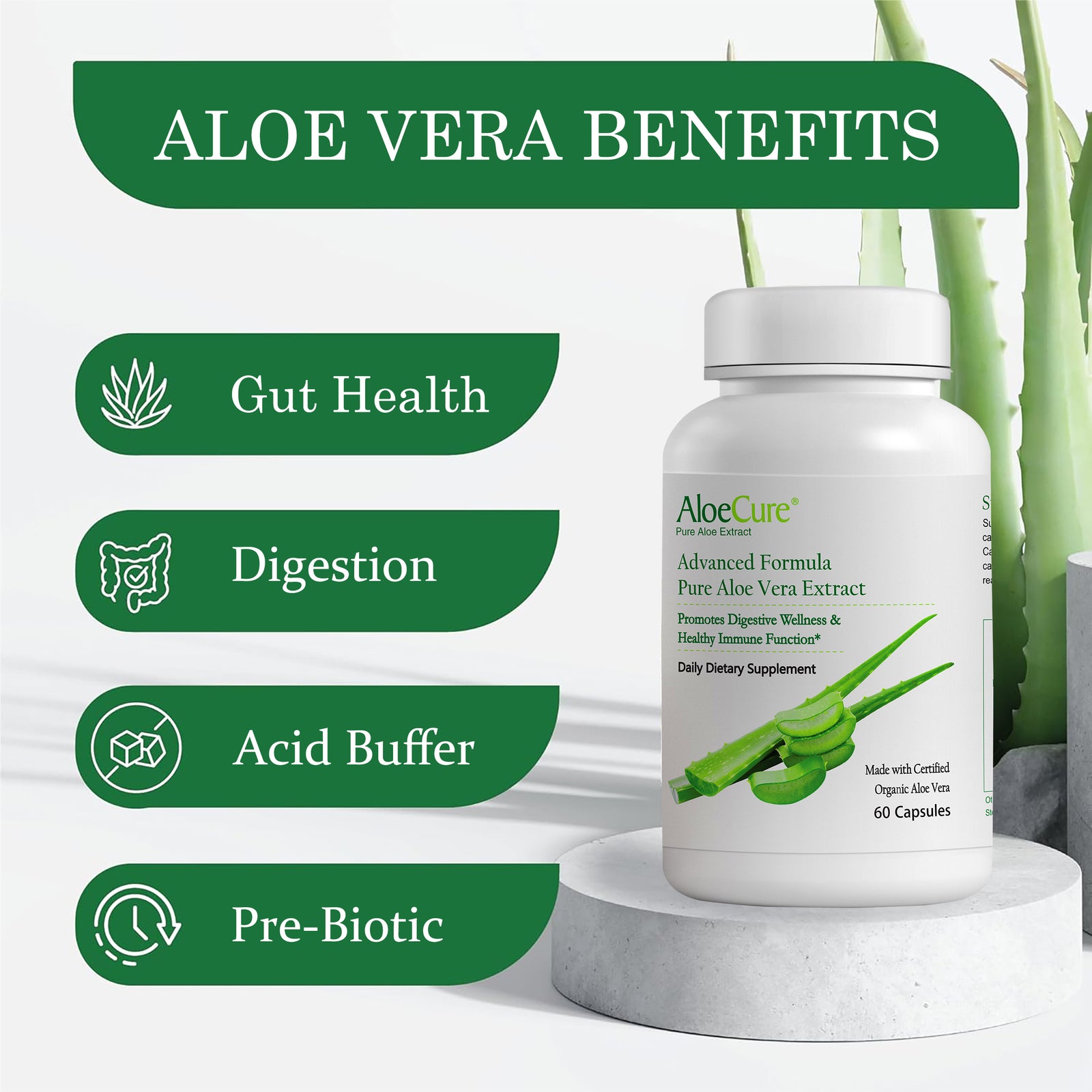
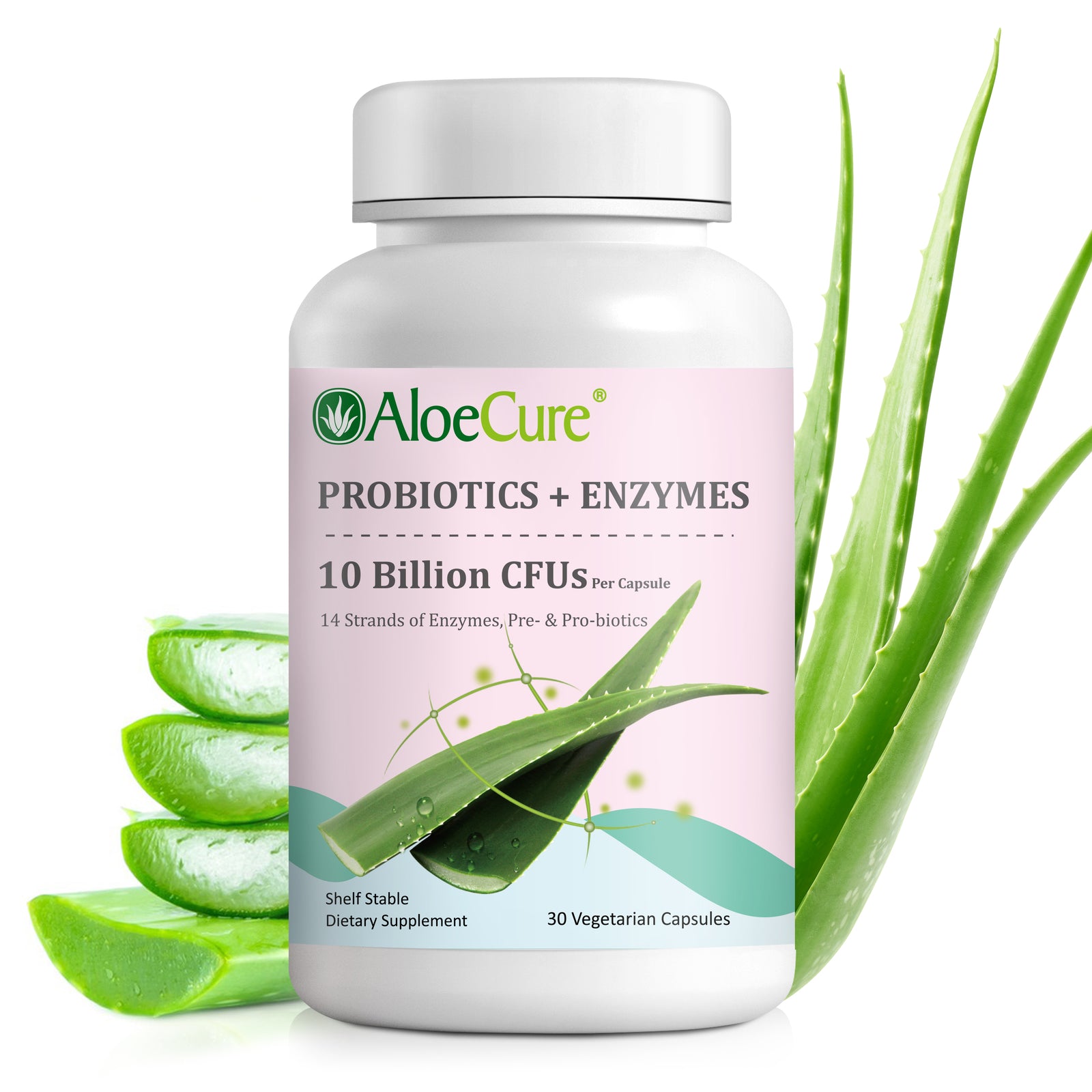
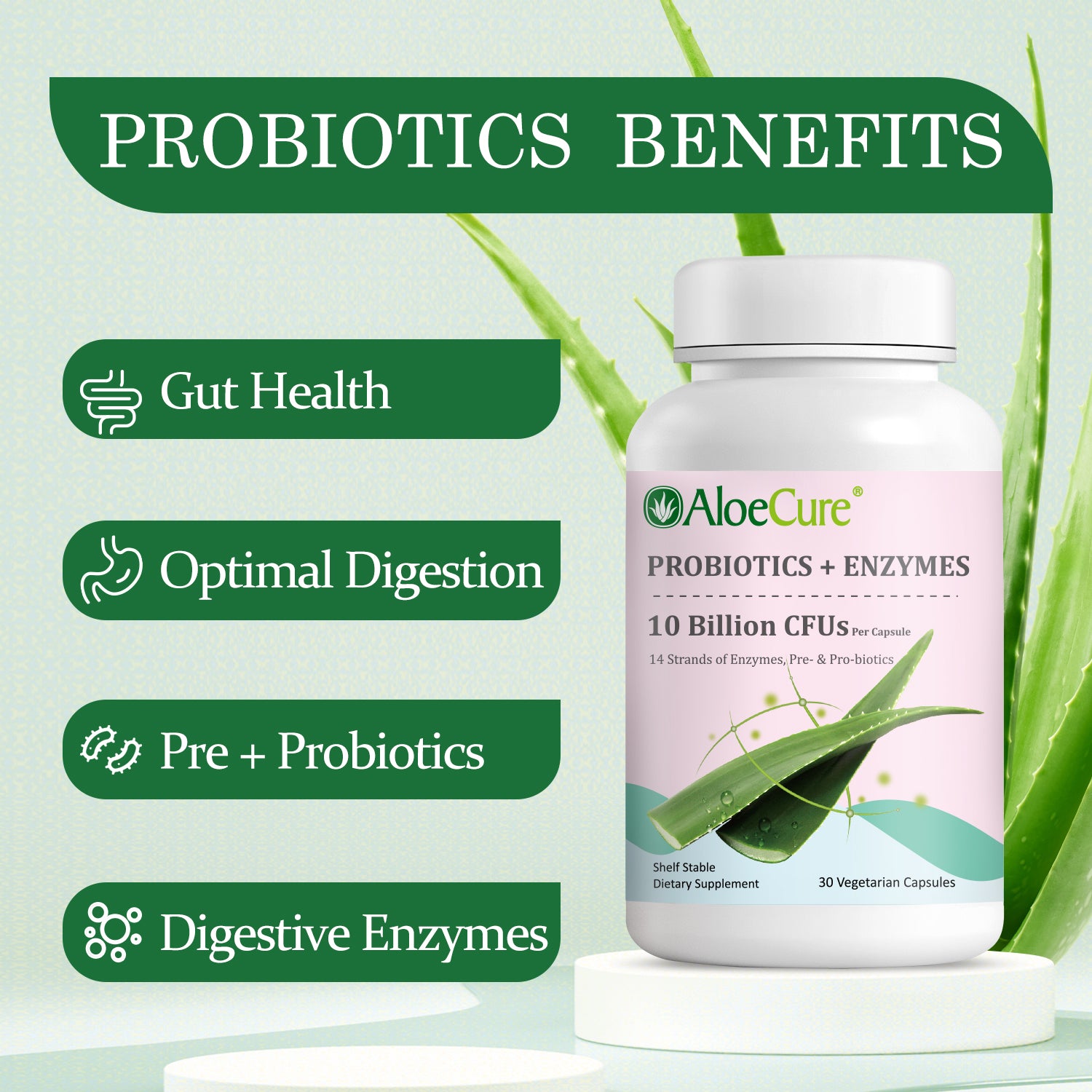
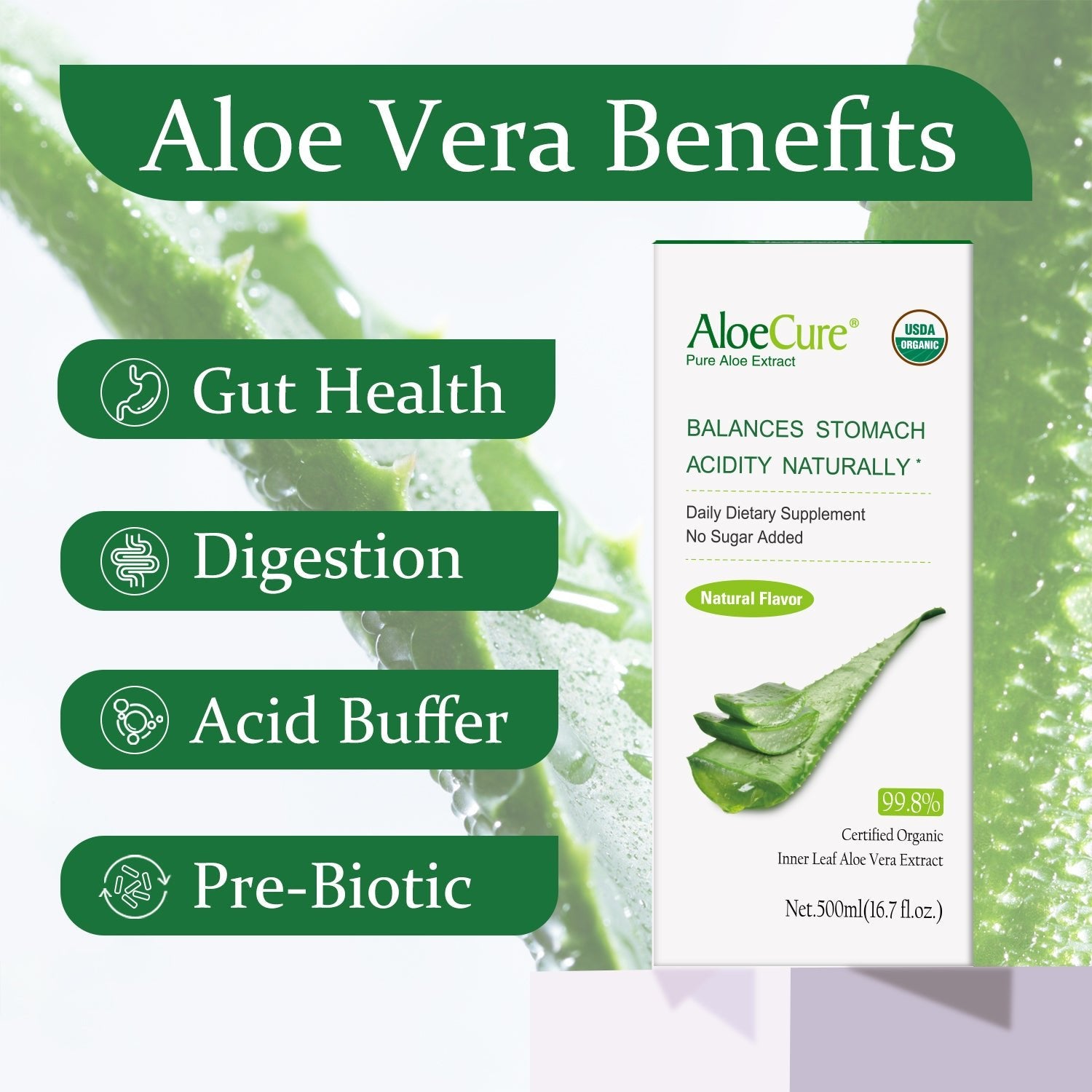
If transparent sourcing, plant-based formulas, and farm-to-bottle quality matter to you, explore AloeCure. Their wellness approach is built around vertical integration, careful processing, and clean ingredient standards. You can also subscribe for 20% off and make daily support simpler with flexible delivery.
Comments will be approved before showing up.