Tu carrito está vacío
Envío y manipulación gratuitos con todos los pedidos superiores a $25
Envío y manipulación gratuitos con todos los pedidos superiores a $25

Many assume natural skin care and assume the label itself does the hard work. It doesn't. A product can sound wholesome on the front label and still include ingredients that bother skin, which is why the primary question isn't “Is it natural?” but “Is it formulated well, and can I trace what's inside?” The market is growing because more buyers are reading ingredient lists, but growth alone doesn't separate smart formulas from clever marketing. The difference lives in the details, from sourcing and processing to how a product behaves on skin.
The word natural gets used like a promise, but in personal care it's often more of a marketing idea than a regulated standard. That matters because a bottle can say “all-natural” and still contain ingredients that trigger contact dermatitis, which is why Cleveland Clinic points out that nearly all products marketed as all-natural still contained known triggers in a 2023 study, with those agents present more than 94% of the time in the products they reviewed (Cleveland Clinic).
In plain terms, natural skin care usually means formulas built around plant-derived, mineral-based, or otherwise minimally processed ingredients. That can include botanical extracts, aloe, plant oils, clays, and nutrient-rich compounds that support normal skin function without leaning on heavy synthetic bases. A 2024 NIH-hosted review notes that plant extracts are used to help maintain the physiological balance of human skin, and that research has confirmed their effectiveness in topical products with multifaceted effects (NIH review).
But the front label is only the beginning. Two products can both be called natural and behave very differently because one is built with careful sourcing, stable preservation, and traceable manufacturing, while the other is mostly a slogan wrapped around a formula. That gap is why formulation integrity matters more than branding language.
Practical rule: If the brand can't explain where the ingredient came from, how it was processed, and how the formula stays stable, “natural” is just decoration.
For readers who want a plain-English starting point, a useful companion guide is how to achieve clear skin, especially if you're trying to sort ingredient choices from hype. The bigger takeaway is simple. Natural should describe the material reality of the formula, not just the story on the package.
Your skin barrier is the outer layer that keeps water in and the outside world out. When that barrier is stressed, skin can feel dry, tight, or uncomfortable, so formulas that help reduce transepidermal water loss, or TEWL, matter because they support water retention and comfort. The most useful plant-based products do not try to do everything. They help the barrier work more efficiently, the same way a well-fitted door seal keeps a room steady without changing the room itself.

A review in the biomedical literature explains that topical natural ingredients can support barrier repair after disruption and lower TEWL through several proposed mechanisms, including keratinocyte differentiation, increased lipid production, antioxidant effects, TRPV3 activation, and upregulation of aquaporin-3 and hyaluronic acid production (PMC). The technical language sounds dense, but the practical point is straightforward. Well-built plant formulas can help skin hold moisture better and feel less fragile.
The evidence base also tends to cluster around a few ingredient families. A review in the NIH/PMC literature identifies vitamins A, C, and E, selenium, zinc, copper, silicon, polyphenols, carotenoids, and essential omega-3 and omega-6 fatty acids as the ingredient categories most often emphasized in evidence-based skin care discussions (PMC). That does not mean every product with one of these ingredients will perform well. It means formulators return to these categories when they want a defensible, barrier-aware design.
Reading past the hero ingredient matters. A serum with one botanical extract buried after a long list of fillers is not the same thing as a formula built to deliver supportive levels of a few well-chosen ingredients. If you are comparing face oils, a practical overview like find organic face oils for glowing skin can help you spot the difference between a nourishing oil blend and a marketing-heavy one. For people who want to avoid trial and error with aromatics, this guide to what essential oils are good for skin is a useful place to check how those ingredients are usually discussed in skin care.
Practical rule: The best plant-based formulas usually do less, but they do it with more precision.
Aloe often gets attention because it is one of the clearer examples of a botanical ingredient that fits the barrier-support conversation without needing exaggerated claims. That is why it keeps showing up in products designed around comfort, hydration, and a smoother skin feel. The ingredient matters, but the formula around it matters just as much.
Aloe vera is often the first botanical ingredient people trust enough to put on their skin regularly. That makes sense. It is familiar, easy to recognize, and one of the few plant ingredients that shows up in both everyday moisturizers and more targeted skin care. Expert reviews identify aloe as beneficial for psoriasis and atopic dermatitis because of anti-inflammatory activity, and experimental work reports increased cell proliferation plus faster wound healing, re-epithelialization, and wound contraction (PubMed). Even with that evidence, caution still matters. Botanical efficacy is limited overall, and some users do react to plant products, with 6% reporting reactions in one study of 241 people using botanical products.
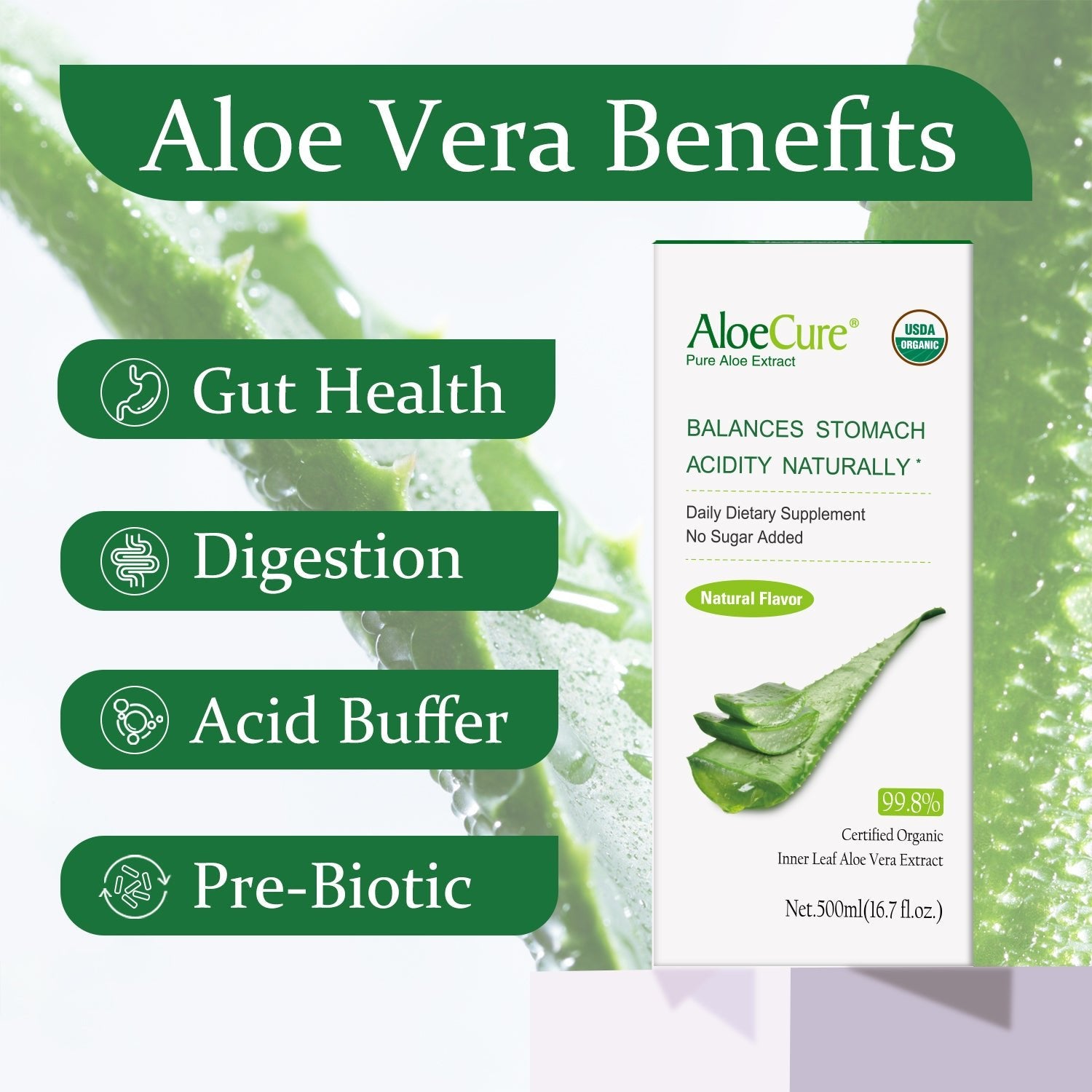
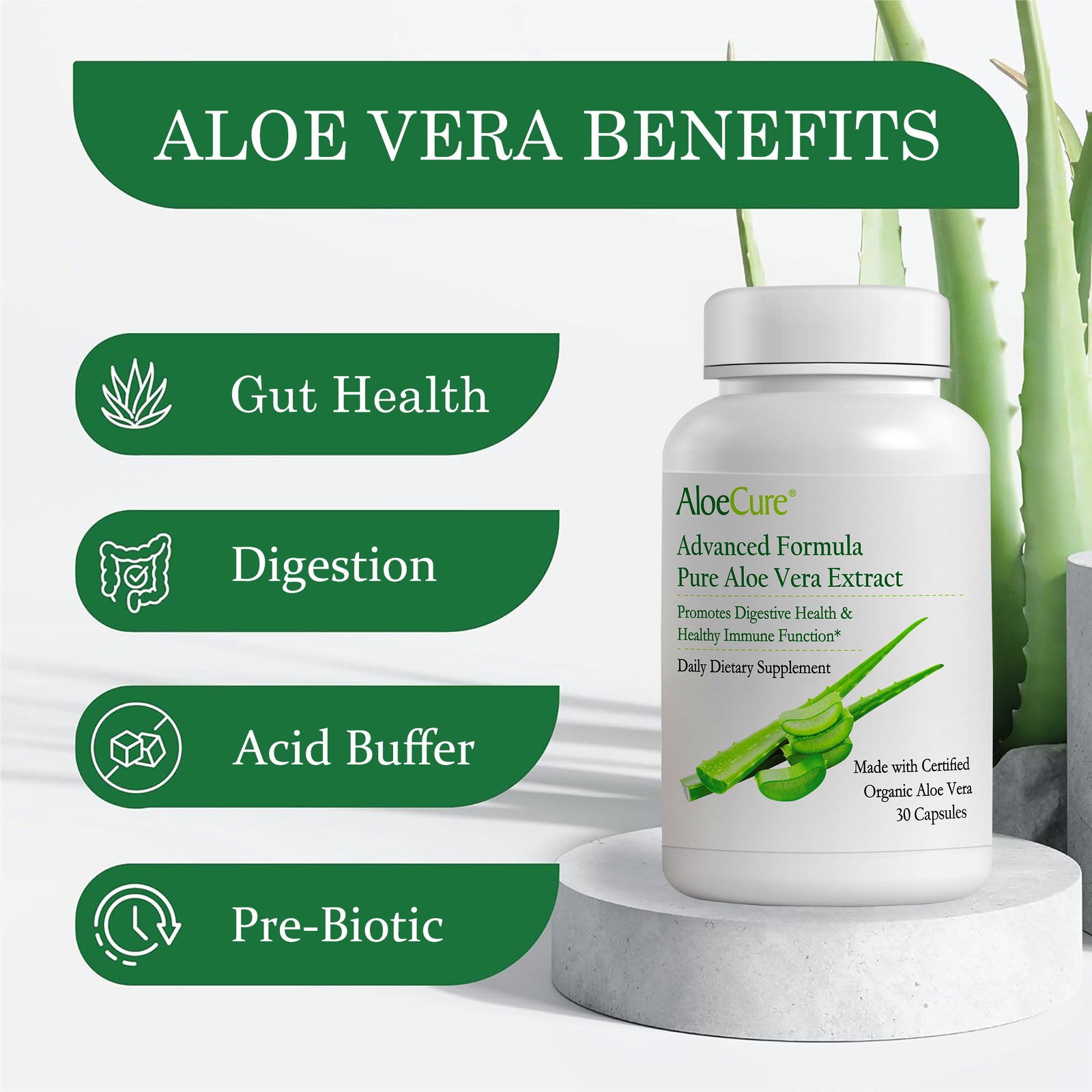
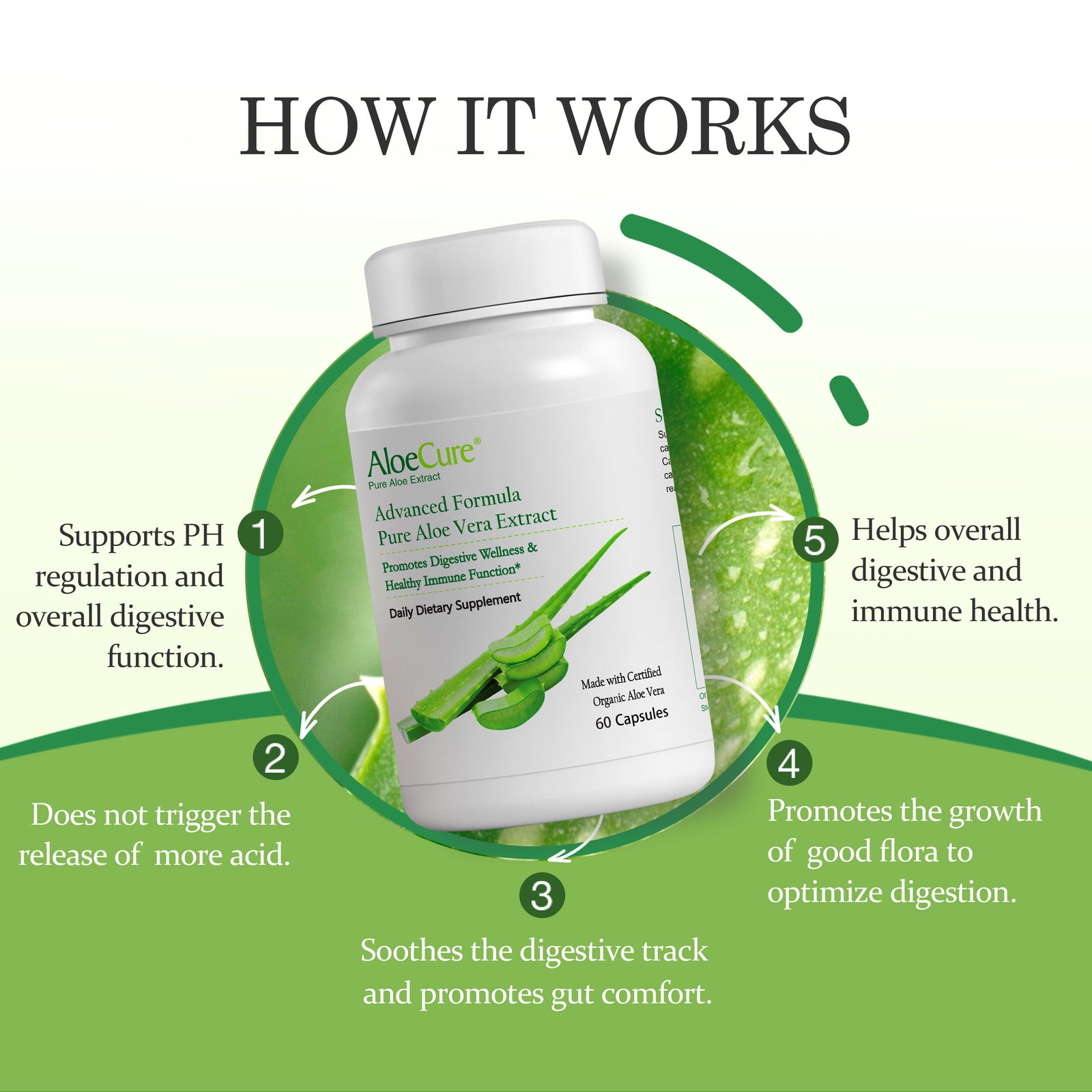
Aloe gets more interesting once you look at formulation, because raw plant material is not the same thing as a finished skin product. Large-scale processing can use chemicals, charcoal filtration, or enzymes, and those steps can change the profile of the final ingredient. A vertically integrated model takes a different route. AloeCure says it farms its aloe, processes it on-site within 12 hours, and uses a proprietary natural method. That kind of traceability is the question shoppers should ask when they want to separate commodity aloe from a more carefully handled version.
For readers comparing topical options, the better question is whether the aloe in the formula is traceable, minimally altered, and preserved in a way that keeps the finished product consistent. That is also why a resource like clean beauty for vulvovaginal health can be useful. It reinforces a broader point, plant-based positioning should never replace ingredient scrutiny.

The space between “raw plant” and “finished product” is where quality lives. Aloe works best when the brand treats it like a functional ingredient, not a flavor note. For a broader background on sourcing and product selection, the brand's guide to aloe vera introduction, uses, benefits, side effects, and more is a helpful reference.
The practical takeaway is simple. Aloe is useful when you want a gentle botanical with a long track record, but patch testing still makes sense because plant-based does not mean reaction-free. A formulator would treat aloe as functional support, not as a cure-all, and that is the right way to read it in any natural skin care routine.
A good routine isn't a collection of trendy products. It's a sequence that supports the skin's normal job without piling on too many active steps. The easiest way to keep that balance is to start with your skin type, then choose textures and ingredients that fit your day-to-day needs rather than chasing every ingredient you see online.

For dry skin, reach for creamy cleansers, a barrier-supporting serum, and a richer moisturizer built around plant oils or butters. The goal is to reduce friction and help the skin hold water more comfortably, not to strip away every trace of oil. A lightweight aloe layer can fit nicely here if the formula is balanced.
For oily skin, simpler is usually better. A gentle cleanser, a light botanical serum, and a non-greasy moisturizer often work better than a heavy routine packed with extras. Oily skin still needs moisture, it just usually prefers textures that absorb quickly and don't sit on the surface.
Combination skin needs selectivity. Use lighter products on the T-zone and slightly richer textures on drier areas if needed. That sounds minor, but it keeps the routine from overcorrecting in one direction and making the whole face feel out of sync.
For sensitive skin, the safest route is usually the shortest one. Choose fewer ingredients, avoid over-layering, and look for formulas that are clearly built for barrier support. If a product feels complicated to decode, it may be too much for a reactive routine.
Practical rule: Add one new product at a time, then give your skin enough time to show you whether it likes the change.
Seasonal shifts matter too. Cold air, heat, wind, and indoor dryness all change how skin behaves, so a winter routine may need more cushioning than a summer one. That's not a sign that your skin is failing. It's a sign that your environment is different.
A simple rule of thumb helps stay grounded. Cleanse gently, use one supportive treatment step, then finish with a moisturizer that matches your skin's texture needs. That framework keeps the routine flexible without turning it into a lab project.
Homemade skin care has real appeal. You control the ingredients, and you can keep a routine very simple. The downside is that a kitchen recipe rarely gives you the same preservation, stability, or consistency that a professionally made formula can deliver, which matters more once you move beyond a one-time mask or rinse.
DIY formulas often fail in the same places. The pH can be off, the texture can separate, and the product can degrade faster than you expect. Microbial contamination is the bigger concern, though, because once water and plant matter sit together without a proper preservation system, the risk goes up quickly.
Professionally made products solve those problems with measured concentrations, testing, and packaging choices that support stability. Vertically integrated brands add another layer, because they can trace ingredients from farm to finished product and control processing more tightly. That kind of control matters when the ingredient itself, like aloe, is supposed to stay biologically useful.
A clean way to think about it is this. DIY gives you experimentation, while professional formulation gives you repeatability. If you're making a one-off oat mask at home, that's one thing. If you want a product you can use regularly, with predictable feel and performance, a formulated option is usually the smarter choice.
AloeCure sits in that second category, with vertically integrated aloe sourcing and processing for people who want a traceable topical option rather than a home mix. That doesn't make DIY wrong, it just makes the trade-off explicit. For active botanical ingredients, precision usually wins.
The easiest way to spot greenwashing is to stop trusting the front of the package first. The ingredient list tells a much better story, especially if you know how to read order. Ingredients appear from highest to lowest concentration, so the first few items usually define what a product really is.
Look for the INCI ingredient list, then scan the opening ingredients for actual botanical actives instead of perfume, water, or filler-heavy bases. A product can advertise a single natural ingredient while the rest of the formula does something entirely different. That's common, and it's one reason “derived from” doesn't automatically mean minimally processed or meaningful in the final formula.
Certifications help, but only if you know what they mean. USDA Organic and EU Organic are stronger signals than vague language like “clean,” “pure,” or “eco-conscious.” They won't tell you everything, but they do give you a better starting point than marketing copy alone.
Practical rule: If a brand talks about nature but hides sourcing, processing, or testing, treat that as a warning sign.
Traceability is the next filter. Brands that can show supply-chain transparency from farm to finished product are giving you something concrete, not just a mood. That's also why product pages, batch details, and third-party testing matter. They let you verify whether the formula matches the story.
A useful brand guide like buying aloe vera can help you translate label language into actual shopping habits. Once you get used to reading labels this way, green packaging gets a lot less persuasive.
The best decision framework is short enough to use in the store and specific enough to keep you honest. Start with the ingredient list, then ask whether the formula contains botanicals with real evidence behind them. After that, check for certification, sourcing, and processing transparency before you ever get distracted by claims like “pure,” “green,” or “gentle.”
If you want a topical option built around a vertically integrated aloe supply chain, AloeCure is one brand that fits that model, with farm-to-finish processing and a skin-care line built around aloe-based formulas. I'd still judge any product by the same standard, though. The question is whether it supports normal skin function, feels stable, and matches your skin type.
The right mindset is less about avoiding everything synthetic and more about choosing formulas that are honest, traceable, and well made. When you shop that way, natural skin care stops being a slogan and becomes a practical habit that supports the body's natural processes.
If you want to compare ingredient lists against a real example of vertically integrated aloe sourcing, visit AloeCure and review the product details for yourself. Their aloe-focused formulas are built for shoppers who care about traceability, processing integrity, and simple routines that fit everyday use.
Los comentarios se aprobarán antes de mostrarse.