Tu carrito está vacío
Envío y manipulación gratuitos con todos los pedidos superiores a $25
Envío y manipulación gratuitos con todos los pedidos superiores a $25

The end of the day usually looks the same. Your shoulders feel tight, your mind is still moving, and a quick shower doesn't shift the mood. When that's the pattern, a mineral bath can turn an ordinary tub into a deliberate wellness ritual.
The difference isn't bubbles or fragrance alone. It's the combination of warm water, mineral salts, and a setup that helps your body slow down. Done well, mineral baths at home feel less like a beauty extra and more like a repeatable practice you'll keep.
A good soak starts before the water runs. Clear the edge of the tub, put your towel within reach, dim the room, and decide what kind of bath you want. Some nights call for a simple salt soak. Others feel better with clay, aloe, or a few drops of essential oil.
Mineral bathing has deep roots, but it's also part of a very current wellness shift. The global thermal and mineral springs industry grew from $50 billion in 2013 to $72 billion in 2024 according to the Global Wellness Institute's thermal and mineral springs overview. That kind of growth tells you people aren't treating mineral water rituals as a passing novelty. They're building them into regular self-care, and many are bringing that experience home.

The easiest way to improve a bath is to stop treating it like an afterthought.
Practical rule: If you have to get out of the tub to find something, the ritual wasn't set up well enough.
Luxury doesn't have to mean complicated. A warm bath with high-quality salts and a consistent method usually works better than an overloaded formula with too many extras. If you want ideas for the atmosphere around the bath, this guide on how to create your perfect spa night offers simple ways to make the whole evening feel more intentional.
When people talk about mineral baths at home, the goal isn't to copy a resort exactly. It's to create a personal system that feels good, fits your schedule, and supports a stronger sense of balance as the day winds down.
The base of your bath matters more than the extras. If your salt choice is off, the soak can feel flat, overly harsh, or just not worth repeating. Start with the mineral foundation, then add oils, clay, or aloe only if they serve a real purpose.
Historical use gives this practice weight. Bathing in mineral-rich waters is thousands of years old, and modern research has identified minerals such as sulfur, magnesium, and calcium in historical springs that are associated with skin wellness, as discussed in this overview of mineral bath traditions and modern findings.
Epsom salt is often the first ingredient people reach for because it dissolves well and feels approachable. In the bath, it creates a clean, simple soak that pairs easily with other salts or essential oils.
It's a strong choice if you want a straightforward bath that doesn't need much experimenting. If you're also interested in broader magnesium support, AloeCure's article on the best magnesium supplement gives useful context on how people compare options.
Dead Sea salt usually feels different right away. The texture is often a bit more substantial, and the bath water can feel richer than a basic Epsom soak.
This is a good pick when you want the water itself to feel more spa-like. It's often worth the upgrade for people who care about the sensory side of the bath, not just the ingredient list.
A mineral bath should leave your skin feeling comfortable, not stripped. If a blend leaves you feeling dry, reduce the amount or switch the salt base.
Himalayan pink salt is popular for a reason. It's easy to find, easy to blend, and tends to create a balanced soak without making the bath feel too heavy.
It works especially well in mixed formulas because it plays nicely with Epsom salt, baking soda, and carrier oils. If you're building a bath routine you'll use often, this is one of the most practical places to start.
Some choices consistently perform better than others.
The best mineral baths at home usually come from restraint. Pick a base that suits your skin and your goal, then keep the rest of the formula clean and purposeful.
A good formula gives you structure without making the bath feel fussy. Below are two reliable options. One is a fuller mineral blend for nights when you want the bath to feel immersive. The other is a fast, everyday mix that takes very little effort.
A practical at-home formula uses 1 cup bentonite clay, 1 cup pink Himalayan sea salt, 1 cup Celtic sea salt, 1 cup unscented Epsom salt, 1 cup magnesium bath crystals, and 1/3 cup baking soda. Store the dry blend in a sealed glass jar, then use about 1 cup per bath and soak for 10 to 30 minutes, based on the formula shared by The Funktional Nutritionist's mineral bath method.
This blend feels substantial because each ingredient does a slightly different job. The salts build the mineral base, bentonite clay gives the soak more body, and baking soda helps soften the overall feel of the water.
A simple recipe uses 1 cup Epsom salt plus 1/2 cup sea salt or Himalayan pink salt, or 1 1/2 cups Dead Sea salt, with 2 teaspoons jojoba oil and 5 to 10 drops of essential oils. Use 1/4 to 1/2 cup per bath for 20 to 30 minutes, and for a foot soak use 4 tablespoons for 15 minutes. For best aroma and strength, use the blend within 6 months, following the recipe shared in Earthley's DIY bath salts guide.
This one is easier to keep in rotation. The jojoba oil helps disperse essential oils more evenly, which matters because essential oils shouldn't hit bath water undiluted.
| Feature | Rich Mineral Blend | Simple Salt Soak |
|---|---|---|
| Base ingredients | Bentonite clay, pink Himalayan sea salt, Celtic sea salt, unscented Epsom salt, magnesium bath crystals, baking soda | Epsom salt with sea salt or Himalayan pink salt, or Dead Sea salt |
| Texture in water | Dense and grounding | Clean and light |
| Added support ingredients | Baking soda and clay | Jojoba oil and essential oils |
| Best use | Slower, more ritualized bath nights | Quick, repeatable everyday soak |
| How much to use | About 1 cup per bath | 1/4 to 1/2 cup per bath |
| Soak time | 10 to 30 minutes | 20 to 30 minutes |
Choose the richer blend when you want the bath to feel like an event. It takes more ingredients, but it delivers a fuller sensory experience.
Choose the simple soak when consistency matters more than complexity. If a bath ritual is going to last, it has to be easy enough for real life.
Keep dry ingredients fully blended before storage. That way, each scoop gives you a more even bath instead of too much clay one night and too much salt the next.
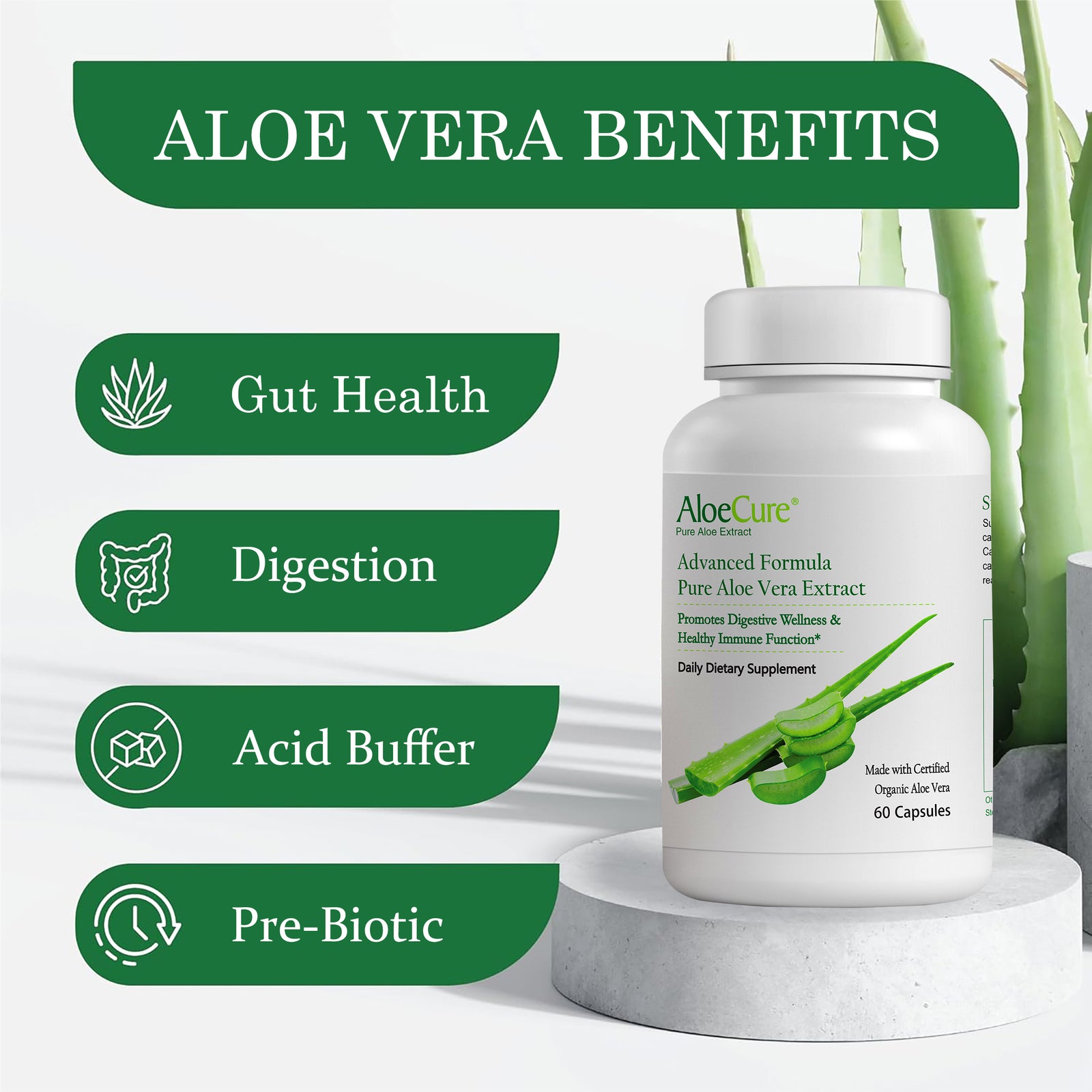
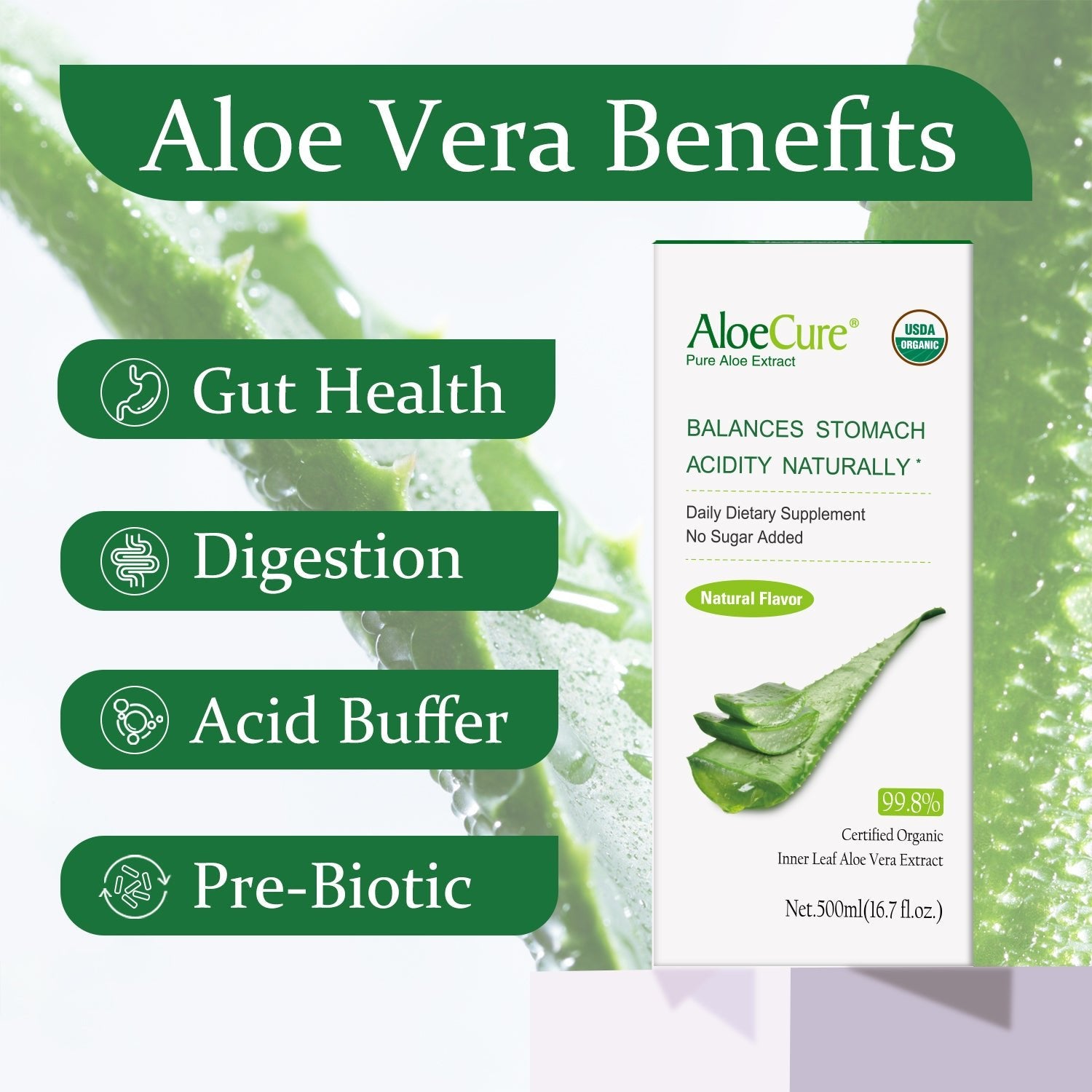
Mineral salts create the structure of the bath, but they don't automatically make it feel cushioned on the skin. That's where aloe comes in. Adding pure aloe to a soak can make the water feel smoother and more comfortable, especially when your skin needs hydration support rather than more intensity.
Aloe works best in this context as a supporting ingredient, not the whole formula. Salts give the bath its mineral character. Aloe helps round out that experience by supporting skin hydration and a softer after-feel once you step out.
This is especially useful if you love mineral baths at home but don't want the finish to feel overly dry. A small amount of pure aloe can make the ritual feel more polished and more skin-focused.
Not all aloe ingredients are equal. Many products sound clean but rely on processing methods that strip away what people want from aloe in the first place. For a bath ritual, quality shows up in texture, scent, and how clean the ingredient feels in the water.
Vertically integrated sourcing matters here. When a brand grows its own aloe, processes it close to harvest, and controls production directly, there's a better chance the final ingredient stays true to the plant. That kind of farm-to-bottle control is what separates a premium aloe addition from a generic one.
For readers looking at topical aloe more broadly, AloeCure's guide on pure aloe gel for skin is a useful starting point.
A quick visual can help if you want to see how aloe fits into a broader wellness routine.
Keep it simple. Add your mineral blend first, let it dissolve, then introduce aloe as the finishing addition so it disperses more evenly in the water.
Don't overload the bath with too many competing ingredients. Aloe pairs best with clean mineral formulas, restrained essential oil use, and a bath that's meant to support comfort, hydration, and a more refined home spa experience.
The base recipe gets you started. The best bath routine comes from adjusting it to match the day you've had. A bath before bed shouldn't feel the same as one you take after a hard workout or after a long stretch of travel.
A benchmark bath salt recipe uses 1 cup Epsom salt and 1/2 cup sea salt with 5 to 10 drops of essential oils, with 1/4 to 1/2 cup used per bath and a 20 to 30 minute soak, as outlined in AloeCure's related reading on essential oils that are good for skin. That framework is useful because it gives you room to personalize without losing balance.

Choose one direction per bath. A calming soak with citrus, peppermint, rosemary, clay, and multiple florals usually ends up feeling muddled.
The best custom baths stay focused.
One essential oil family, one support ingredient, and one clear goal usually create a better result than a long ingredient list. If you're trying something new, test it in a smaller amount first. That's the fastest way to find a combination you'll want to repeat.
A mineral bath works best when the method is steady. Most problems come from baths that are too hot, too long, or overloaded with ingredients.
Overdoing the bath is the main one. More salt, hotter water, and longer soak time don't always improve the experience. They often make the bath feel harsher than it needs to be.
If you enjoy foamy products along with salts, this non-toxic bubble bath guide is a helpful companion for choosing cleaner options.
If your skin is feeling unusually sensitive, keep the formula plain and skip fragrance. If you're unsure how a new ingredient will feel, patch test first or start with a foot soak before committing to a full bath.
These statements have not been evaluated by the Food and Drug Administration. This product is not intended to diagnose, treat, cure, or prevent any disease.
A thoughtful bath ritual starts with better ingredients, and that's exactly where AloeCure stands apart. AloeCure grows its own organic aloe, processes it close to harvest, and produces its formulas with full farm-to-bottle control for exceptional purity. If you want to upgrade your wellness routine with premium aloe products and save on repeat orders, explore AloeCure and sign up for 20% off subscriptions.
Los comentarios se aprobarán antes de mostrarse.