Tu carrito está vacío
Envío y manipulación gratuitos con todos los pedidos superiores a $25
Envío y manipulación gratuitos con todos los pedidos superiores a $25

You wake up, swing your legs over the side of the bed, and your knees answer before your coffee does. The first few steps feel wooden, then a little easier, and you start negotiating with your own body about what kind of day this will be. If that sounds familiar, joint pain relief natural ideas can help you build a calmer, more workable morning without chasing hype.
The useful way to think about natural joint support is simple. Some habits help you move more smoothly, some help your body recover from everyday stress, and some support comfort from the inside out. The best plan usually mixes a few small changes, not one dramatic fix.
A lot of people don't notice joint discomfort until it starts editing the day for them. You sit up slower. You avoid the stairs. You decide whether errands are worth the effort before breakfast is even done. That doesn't mean you need a complicated routine, it means you need a practical one.
The best place to start is with a few dependable pillars. Movement, nutrition, sleep, body weight, supplement choices, and topical care each support comfort in a different way. None of them has to be perfect for you to feel a difference over time.
A calm plan usually works better than a heroic one. If you try four new habits on Monday, you'll probably quit by Thursday. If you choose one or two, you've got a chance to build something that sticks.
Practical rule: pick the change that feels easiest to repeat on your worst day, not your best day.
That may mean a five-minute stretch before breakfast, a short walk after lunch, or a simple evening routine that helps your body settle. If you want a broader consumer-friendly overview of natural arthritis support ideas, the Arthritis Foundation's natural pain relief guidance is a useful general reference.
The goal here is not to become a different person. It's to make your joints feel less like a surprise and more like something you know how to work with. Choose one strategy for this week, maybe two, and let the routine prove itself before you add more.
Natural joint support is about everyday comfort, flexibility, and ease of movement. It's not a promise of instant change, and it's not a shortcut around what your body is telling you. Good products and habits help you maintain normal function so you can bend, walk, reach, and recover with less friction in daily life.
Think about a joint as a working system. Cartilage cushions movement, synovial fluid helps surfaces glide, and the surrounding muscles and connective tissues help stabilize everything. When one part of that system feels overworked, the whole area can feel less cooperative, even if the issue started in just one place.
Supplement brands often use structure/function language because that's the safe way to describe support. Phrases like “supports healthy joint function”, “promotes flexibility”, or “helps maintain normal mobility” are describing wellness support, not medical outcomes. That distinction matters because it helps you judge a label without getting pulled in by big promises.

If you're comparing routines for body-wide comfort and you're also dealing with hormone-related changes, low estrogen joint pain treatments can give you a different lens on why joints may feel stiffer at certain life stages. It's a good example of why matching the support strategy to the pattern matters.
The simplest way to think about natural support is this. You're aiming for better function, not a miracle. You're choosing inputs that help the system do its job with less effort, more consistency, and fewer bad surprises after a long day.
A stiff morning rarely comes from one dramatic cause. It usually reflects a stack of small things, a little more sitting than your joints like, a little less sleep than your body needs, and a little too much daily strain. Low-impact movement, restorative sleep, stress management, and keeping body load manageable often shape comfort more than any single trendy product.
These habits accumulate. A little more consistent activity, a little better rest, and a little less daily strain can change how joints feel when you first get up and when you finish the day. The shift is gradual, which is why it is easy to miss in the moment.
| Habit | Weekly Target | Typical Comfort Benefit |
|---|---|---|
| Low-impact movement | Several short sessions spaced through the week | Helps joints feel less rigid and keeps movement patterns familiar |
| Mobility work | A few minutes most days | Supports range and reduces that “rusty” feeling |
| Sleep routine | Keep bed and wake times steady | Helps the body recover from daily stress |
| Stress reduction | A daily quiet reset | Helps reduce the sense that discomfort is taking over the day |
| Weight-support habits | Small, sustainable changes over time | Lowers mechanical load on joints that carry you all day |
For a practical take on movement and joint care, advice from The Lagom Clinic on joints fits well with the idea that steady habits matter more than dramatic resets. If you want a closer look at how food choices and other calming inputs can fit into the picture, natural ways to reduce joint inflammation offers a useful follow-up.
A workable schedule is enough. Pick one anchor, like a ten-minute walk after lunch, and let that anchor support the others. A short stretch after waking, a more regular bedtime, or a calmer evening can all be added later, once the first habit feels ordinary.
Simple sequencing works best: move a little, rest a little better, then add one new habit only after the first one feels normal.
That approach keeps you from burning out while still giving your joints more consistent support. The habits that last tend to be quiet and repeatable. They are the ones you can keep doing when you are busy, tired, or not especially motivated.
Generic advice gets messy because not every joint feels the same. A knee that hates the first steps of the morning needs a different plan than a shoulder that grumbles after a long gardening session. Once you match the pattern, the next step usually becomes obvious.
If your discomfort shows up after resting, the first win is usually gentle movement. If it shows up after activity, the most useful support is often better pacing, good shoes, and recovery time. If a joint looks a bit puffy now and then, the body usually appreciates a lighter load and more careful self-care.
If the feeling is more of an ongoing dull sensitivity in the hands or knees, consistency matters more than intensity. That's where low-impact movement, short mobility sessions, and a steady routine often outperform random fixes that get tried once and forgotten.
| Pattern | Most Helpful Natural Strategy | Often Less Helpful |
|---|---|---|
| Stiffness after rest | Gentle walking, mobility work, warm morning movement | Jumping straight into hard exercise |
| Discomfort with activity | Pacing, supportive footwear, recovery breaks | Pushing through and hoping it disappears |
| Occasional swelling around a joint | Lighter load, rest, simple topical care | High-volume workouts on tired joints |
| Ongoing sensitivity in hands or knees | Consistent routine, light strengthening, sleep support | One-off “quick fixes” with no follow-through |
If footwear keeps showing up as part of the problem, a guide like best sneakers for arthritis can help you think through fit and support in a more practical way. Shoes won't solve everything, but they can change how much stress your joints absorb all day.

The takeaway is simple. Don't ask, “What's the best joint plan?” Ask, “What pattern do I feel?” Once you answer that, the right strategy gets a lot easier to spot.
Plant-based options get a lot of attention, but they're not all speaking the same language. Some have human data behind them, some are better known for symptom support, and some are mostly useful when the formula is high quality and the route of use makes sense. A smart shopper looks at ingredient form, route of use, and label quality before looking at the marketing.
The most useful evidence picture comes from a systematic review of 20 supplements across 69 studies. In that review, curcuma longa extract, Boswellia serrata extract, pycnogenol, collagen hydrolysate, passion fruit peel extract, and L-carnitine produced large short-term pain-reduction effect sizes greater than 0.80, while glucosamine and chondroitin showed statistically significant but often clinically smaller benefits. The same review found no supplement with clearly clinically important long-term pain reduction, and certainty ranged from very low to high depending on the product and outcome. PubMed review
A supplement is only as useful as the form you take. Oral support and topical support don't behave the same way, and a label that hides dosage details usually isn't helping you shop well.
| Ingredient | Typical Daily Range | Best Route of Use |
|---|---|---|
| Omega-3s, EPA + DHA | 1.5 to 5 g/day with meals | Oral |
| Curcuma longa extract | Varies by formulation | Oral |
| Boswellia serrata extract | Varies by formulation | Oral |
| Collagen hydrolysate | Varies by formulation | Oral |
| Glucosamine | Varies by formulation | Oral |
| Chondroitin | Varies by formulation | Oral |
| Ginger | Varies by formulation | Oral or topical depending on product design |
| Capsaicin | Varies by formulation | Topical |
For omega-3s, one clinical summary noted that EPA and DHA can reduce mediators such as IL-1, TNF-α, COX-2, aggrecanase, and matrix metalloproteinase in synovial cartilage, and it recommended a reviewed dose range of 1.5 to 5 g/day with meals. The same source reported that in a study of 250 patients with cervical and lumbar disc disease, 59% were able to substitute fish oil supplements for NSAIDs. Clinical summary
Before you buy, ask whether the product tells you the exact ingredient form, whether it uses third-party testing, and whether you can trace where the raw material came from. A shelf-stable formula with transparent sourcing is easier to trust than a vague blend with no clear dosing language.
If you want a consumer-oriented discussion of this category, the internal guide on do joint support supplements work is a useful companion read. The point isn't to buy everything. The point is to choose one or two ingredients that match your pattern, your budget, and your tolerance for daily routine.

Aloe works best as a gentle support option, not as the centerpiece of every plan. In a well-built routine, it can sit alongside movement, sleep, and other plant-based ingredients as part of a steady wellness habit. That's a better fit than expecting one product to do all the work.
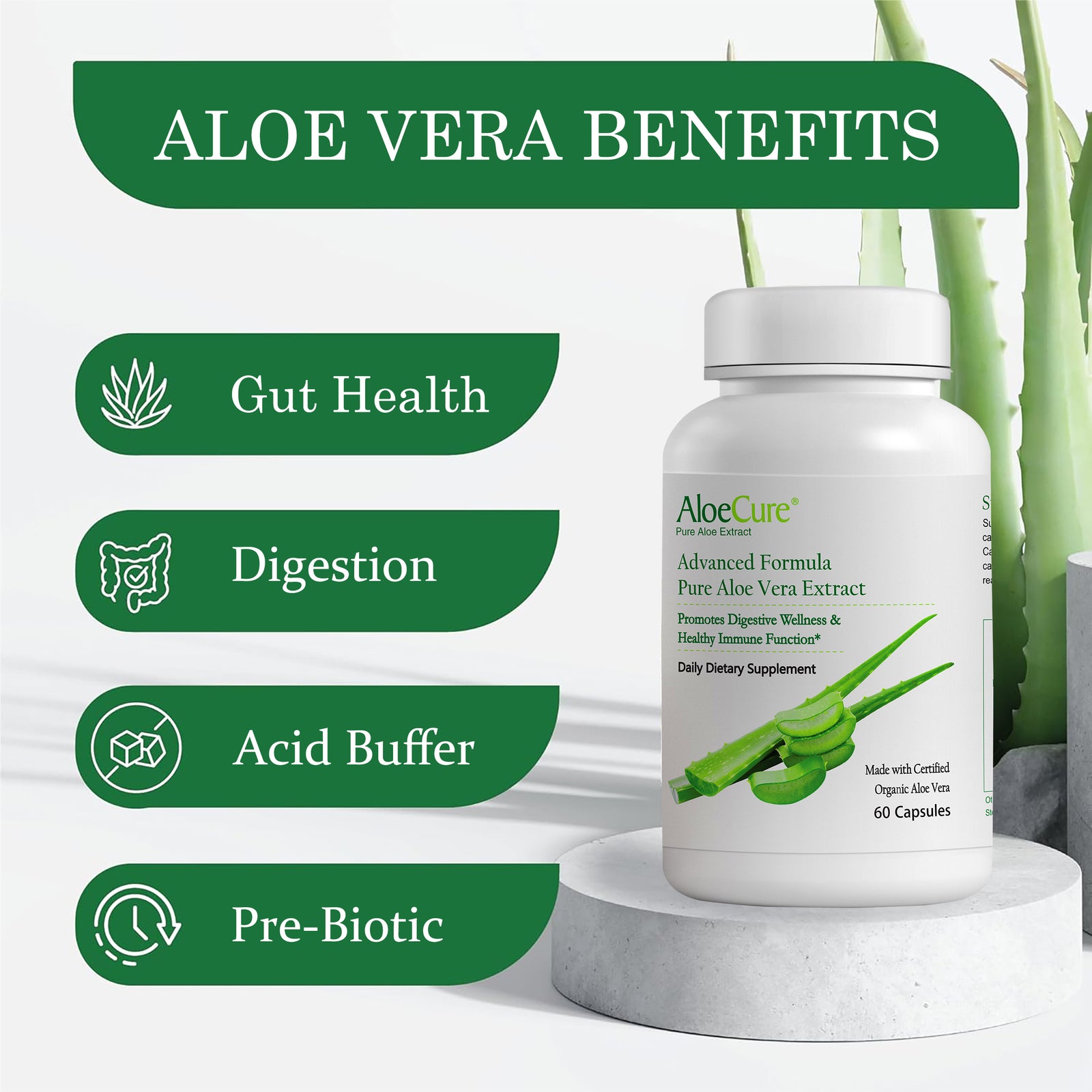
AloeCure's own approach is built around how the aloe is grown and handled. The parent company, AGHG, has owned and operated its aloe farms for 25 years, hand-harvesting USDA- and EU-certified organic aloe and processing it on-site within 12 hours of harvest. The brand also says its method is proprietary, patented, and avoids chemical, enzyme, and charcoal-based processing that many large-scale competitors use.
With botanical products, sourcing and handling are part of the product. A clean ingredient list is helpful, but so is traceability. That's why people comparing aloe products often ask where the aloe comes from, how quickly it's processed, and what gets added or stripped out along the way.
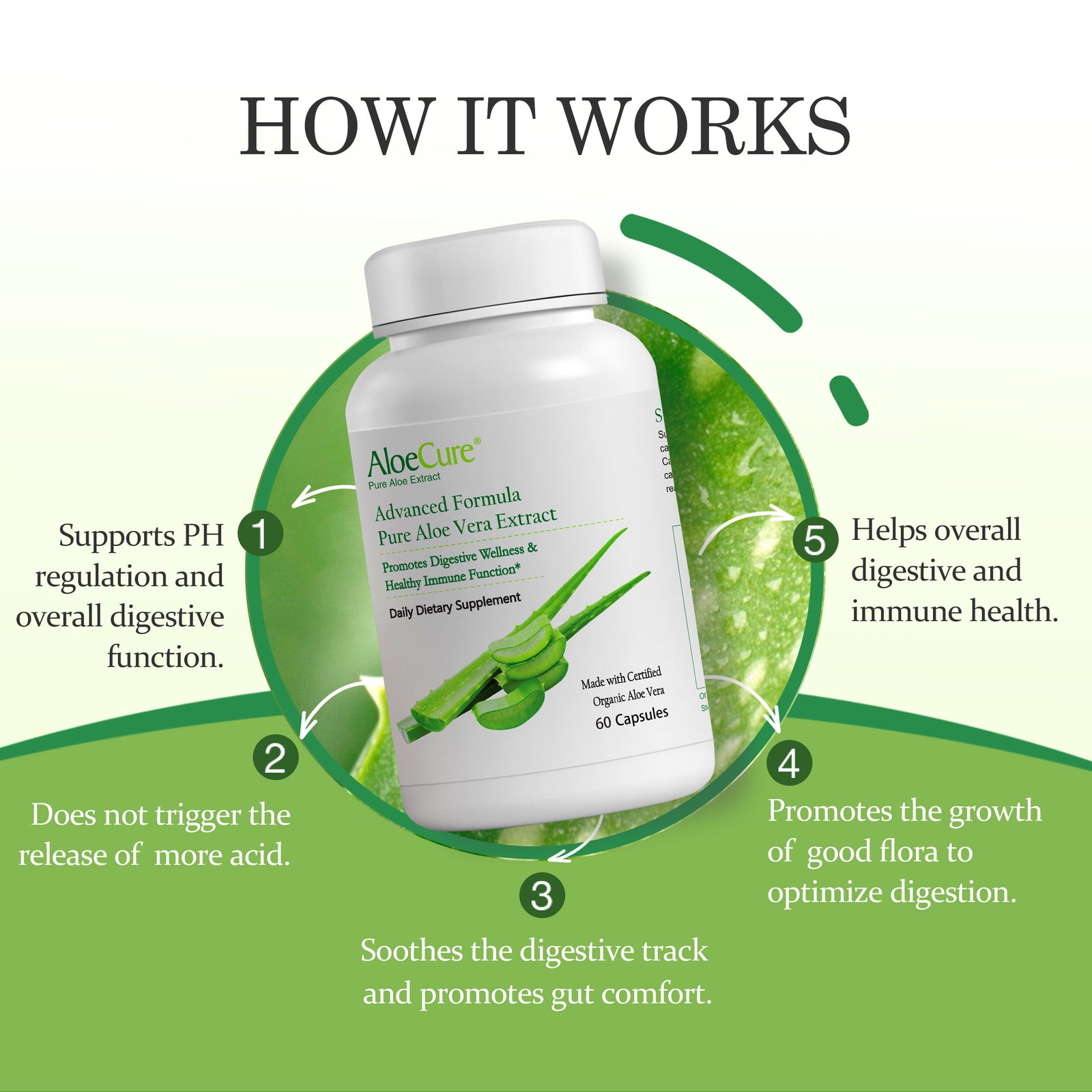
The simplest compliant way to describe aloe in this setting is with structure/function language. Aloe-based formulas can support healthy joint function, promote everyday comfort, and help maintain normal mobility support as part of a broader plant-based routine. That keeps the focus where it belongs, on wellness support and daily use.
For readers who want a closer look at the ingredient itself, whole-leaf aloe vera juice gives useful background on how aloe can fit into a daily routine. AloeCure also offers VeraFlex Joint Support Capsules as one product option in this category, and its Subscribe & Save option includes 20% off for people who prefer a regular delivery schedule.
If you're trying to keep the plan simple, aloe may be the kind of ingredient that fits your routine without asking for a lot of extra effort. That's often what people stick with, a product that's easy to take, easy to understand, and easy to pair with the rest of their habits.
A good starter routine should feel almost too easy. That is the point. You are not trying to win the week, you are trying to build a pattern your joints can recognize and respond to without extra strain.
Start each morning with a glass of water, then do five minutes of joint-friendly movement before the day gets busy. An easy sequence is ankle circles, slow knee extensions while seated, and hip hinges with a flat back. Those movements warm up the joints, move synovial fluid through the area, and ask very little of irritated tissue.
Use the same time each evening for a warm compress or a brief topical massage around the area that feels tight, sore, or stiff. Keep the pressure light and steady, especially if the joint already feels tender. For meals, aim for regular plates with protein, colorful vegetables, and enough fiber that you are not skipping whole food groups or running on snacks alone.
Keep Week 1 in place, then add a chosen supplement if you have already decided on one. If you are testing a plant-based option, take it at the same time each day so you can tell whether it seems helpful or not. A short walk after a meal can also help joints that feel better once they have been gently warmed up, and the walk does not need to be intense to count.
A few minutes of 4-7-8 breathing before bed can help settle a nervous system that feels wound up from discomfort. Sit or lie down, inhale through the nose, hold briefly, then exhale slowly for the full count. Pair that with a consistent bedtime so your body gets the same cue each night that the day is over.

A simple journal helps here. Write down morning stiffness, what movements felt smoother or tighter, and how your joints felt after walking or meals, then review the notes after two weeks instead of reacting to every bad morning. You are looking for patterns, not perfect days.
Natural support is still something you should approach thoughtfully. If you start a new supplement, watch for digestive upset, unusual fatigue, rashes, or any change that feels off for your body. If something clearly doesn't agree with you, pause it and reassess instead of pushing through.
Be careful with products that overpromise. A structure/function claim should sound like support, not a guarantee. The required DSHEA language is straightforward, “These statements have not been evaluated by the Food and Drug Administration. This product is not intended to diagnose, treat, cure, or prevent any disease.” That wording is a reminder to read supplement labels with the same care you'd use for any wellness purchase.
Practical rule: if a product sounds like it can do everything, it's usually doing too much in the marketing and too little in the formula.
It's also time to bring in a clinician if discomfort is persistent, worsening, or interfering with normal daily movement. If a joint looks very different from usual, if your routine stops helping, or if you're unsure what pattern you're dealing with, professional evaluation is the smart next step.
If you want a cleaner plant-based routine built around transparency, AloeCure offers aloe formulas and joint-support capsules that fit a daily wellness plan without making grand claims. Visit AloeCure to compare options, review the Subscribe & Save savings, and choose the format that fits your routine best.
Los comentarios se aprobarán antes de mostrarse.