Tu carrito está vacío
Envío y manipulación gratuitos con todos los pedidos superiores a $25
Envío y manipulación gratuitos con todos los pedidos superiores a $25

You're probably seeing the same thing most shoppers see. One bottle of aloe capsules looks inexpensive, another looks surprisingly high, and the labels don't make the difference easy to understand. Capsule count, extract strength, daily serving size, sourcing, and processing method all get mixed together on the front of the bottle.
That's why the aloe vera capsules price can feel harder to judge than the price of many other supplements. A lower bottle price doesn't always mean better value. In many cases, it means you're looking at a lighter dose, a simpler extract, or fewer quality controls.
If you want to make a smart choice, the key is to stop comparing bottles as if they're identical. They aren't. What matters is what's inside, how it was made, and how much real aloe support you get in a normal day.
A common shopping moment goes like this. You find one aloe supplement that seems affordable, then another one that costs much more, even though both bottles say “aloe vera capsules.” At first glance, it feels like one of them must be overpriced.
But the labels usually aren't measuring the same thing.
One product may use a simple extract with a modest amount per capsule. Another may use a concentrated format with a much stronger aloe equivalent per serving. A third may include added quality markers such as organic sourcing, filler-free formulation, softgel delivery, or tighter purity standards. When you compare only bottle price, all of that disappears.
A bottle with more capsules can look like the better deal. That's where many people get stuck. More capsules doesn't automatically mean more value if each capsule contains a smaller amount of aloe or if you need to take more capsules per day.
Here's the practical question that helps: What does one day of use give me?
Simple rule: Compare the daily serving, not just the bottle.
That shift matters because aloe supplements are sold across different quality levels. Some are positioned like basic, broad-market wellness products. Others are built around stronger concentration, more careful processing, and more transparent sourcing. Those choices affect cost.
Many shoppers assume the difference is just branding. Sometimes branding plays a role, but it's rarely the whole story. Ingredient concentration, cultivation standards, extraction choices, testing, and manufacturing controls can all raise or lower the final shelf price.
Once you start reading aloe labels through that lens, the category becomes much easier to understand. The key comparison isn't cheap bottle versus expensive bottle. It's basic formula versus more carefully built formula, and sticker price versus actual value.
The aloe vera capsules price range is broad enough that many shoppers assume the market is inconsistent. It is more structured than it appears.
In major U.S. listings, one 180-capsule product was listed at $68.00, while another 120-capsule aloe supplement was listed at $49.95. That works out to roughly $0.38 per capsule and $0.42 per capsule. A broader category snapshot also found that the $20.00 to $50.00 band captured 48% of observed listings, which shows that mid-priced products make up a large share of the market, while premium products sit above that range.

The spread in price doesn't mean one seller is random and another is fair. It usually means products are built for different expectations.
| Tier | What you'll often see |
|---|---|
| Lower-priced options | Simpler formulations, lighter potency, fewer sourcing details |
| Mid-priced options | More balanced positioning, standard quality, wider retail appeal |
| Higher-priced options | Stronger positioning around concentration, purity, specialty processing, or premium sourcing |
That's why two products can both say aloe vera and still land in very different price bands.
The large share of listings in the middle range tells you something useful. Most buyers aren't shopping for the absolute cheapest option or the most specialized option. They're trying to balance quality, serving strength, and budget.
Mid-range pricing often signals a product built for regular use, but that still doesn't tell you whether the serving is strong enough for your goals.
That last point matters. Even inside the same price band, one product may offer more meaningful value than another. The better question isn't “What's the average bottle price?” It's “What level of aloe input, purity, and daily use am I paying for?”
Aloe capsule prices rise or fall for real manufacturing reasons. When you understand those reasons, you can judge a product by substance instead of shelf presentation.
A key factor is dose sensitivity. Aloe products can vary widely, from a simple 100 mg extract format to products delivering the equivalent of 5,000 mg per serving, and some premium formulas use 200:1 concentration approaches. That's why a higher price can reflect a more standardized and consistent formula rather than simple markup as shown in this aloe extract comparison.

This is the first place shoppers get tripped up. They see a lower bottle price and assume they've found the better value. But if the formula is much lighter, the actual cost of getting a meaningful daily serving may be less attractive than it first appears.
A concentrated capsule may cost more upfront because it contains more carefully prepared aloe input per serving. That doesn't automatically make it the right choice for everyone, but it does make direct bottle-to-bottle comparison misleading.
The plant itself matters before the capsule is ever filled. Farming practices, growing conditions, and harvest timing can influence the consistency of the raw aloe material. Brands that control cultivation more closely often spend more to maintain that consistency.
That's one reason some shoppers specifically look for organic sourcing and clear farm-level transparency. If a brand can tell you where its aloe comes from and how it was grown, that usually points to stronger control of the supply chain.
Aloe is sensitive to how it's handled. Processing choices affect purity, concentration, and how well the final ingredient matches the label. More careful processing often costs more because it requires tighter controls and a more deliberate manufacturing workflow.
For buyers, “premium” should mean something concrete. It should point to a better-defined ingredient, not just nicer packaging.
A supplement isn't just the plant material. It's also the evidence that the finished product meets its label. Independent verification helps support confidence in identity, purity, and consistency. If you want to understand what that process looks like, AloeCure has a useful explainer on third-party testing for supplements.
When you compare aloe capsules, focus on these signals:
What to remember: Price becomes easier to understand when you tie it to potency, sourcing, processing, and verification.
The smartest way to compare the aloe vera capsules price isn't cost per bottle. It's cost per effective serving.
That phrase sounds technical, but the idea is simple. You want to know what you pay for the amount of aloe support you use in a day. This is much more useful than comparing two labels that use different capsule counts, different extract strengths, and different serving directions.

A premium aloe capsule may cost more when it's positioned as organic, vegan, and filler-free. That's why buyers should compare products by standardized dose per capsule and daily serving size, not by bottle price alone based on this product pricing discussion.
A simple way to think about it is:
If one product is cheap but requires more capsules or delivers a lighter amount of aloe per day, the savings may disappear quickly.
Let's say Product A has a low sticker price. It looks like the budget option. But the label shows a lighter extract and a higher daily capsule burden to match your routine.
Product B costs more upfront. Yet it uses a more concentrated formula, so the daily serving is stronger and simpler.
In that situation, Product B can end up being the better value because you're paying for a more efficient serving, not just a cheaper bottle. This is also where bioavailability becomes part of the conversation. If you want a plain-language overview, this guide on supplement bioavailability is a helpful place to start.
Use this short decision filter:
Buy the product that gives you the clearest and most reliable daily value, not the one with the lowest number on the price tag.
Once you know how to compare aloe capsules properly, shopping gets simpler. You stop reacting to price alone and start looking for dependable value.
That matters even more when raw aloe costs move upward. U.S. wholesale fresh aloe vera prices rose from $1.16 to $1.71 per kg in 2023 to $1.27 to $2.85 per kg in 2024, with a later typical range of $1.31 to $1.96 per kg over the past four weeks, according to U.S. aloe market pricing data. When input costs rise, retail prices can feel tighter, so savings tools become more useful.
The easiest savings strategy is to use a subscription when you've found a product you trust. In this market, that can protect your budget while helping you stay consistent with your routine. AloeCure, for example, offers a subscription option with 20% off, which can make a higher-quality formula easier to maintain over time.
You can also reduce buying mistakes by slowing down before checkout. Read the serving size. Look for concentration details. Check whether the formula explains sourcing and quality controls clearly.
Not every lower-cost product is poor quality. But some labels deserve extra caution.
If you're narrowing down options, compare them in this order:
| What to check first | Why it matters |
|---|---|
| Daily serving | Tells you how the product fits real use |
| Potency or concentration | Helps explain the price difference |
| Sourcing and processing | Signals product care and consistency |
| Testing and certifications | Supports trust in the finished formula |
| Subscription availability | Can reduce long-term cost |
If you want a broader look at what separates stronger options from weaker ones, this roundup of what to look for in aloe supplements can help you compare labels more confidently.
When the aloe vera capsules price seems hard to judge, a short checklist can keep you grounded. Good buying decisions usually come from clarity, not guesswork.
The best value usually comes from a product that's easy to understand on the label.
No. A higher price should be supported by clear details like concentration, serving clarity, sourcing transparency, and purity verification. If those details aren't visible, the premium may not be justified.
It means one company manages more of the process from cultivation through production. For shoppers, that can mean tighter oversight and more consistent quality if the brand is transparent about how it operates.
Start with the label. Look for a clear ingredient list, straightforward serving information, and evidence that the brand takes testing and manufacturing standards seriously. If the product description feels vague, keep looking.
Usually, it's better to choose the clearest label than the lowest price. A product that explains its serving, concentration, and quality standards will give you a more useful baseline for judging value.
These statements have not been evaluated by the Food and Drug Administration. This product is not intended to diagnose, treat, cure, or prevent any disease.
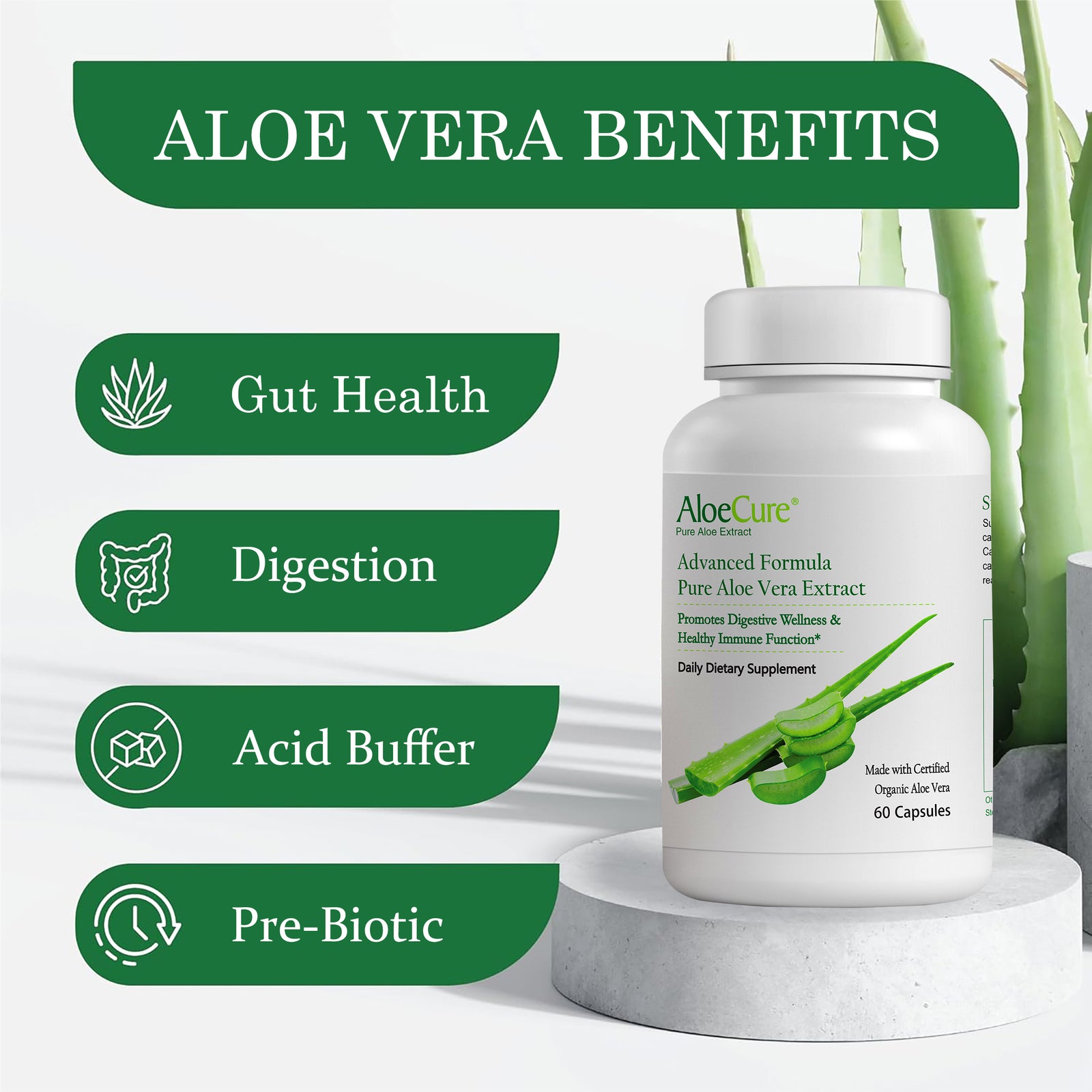
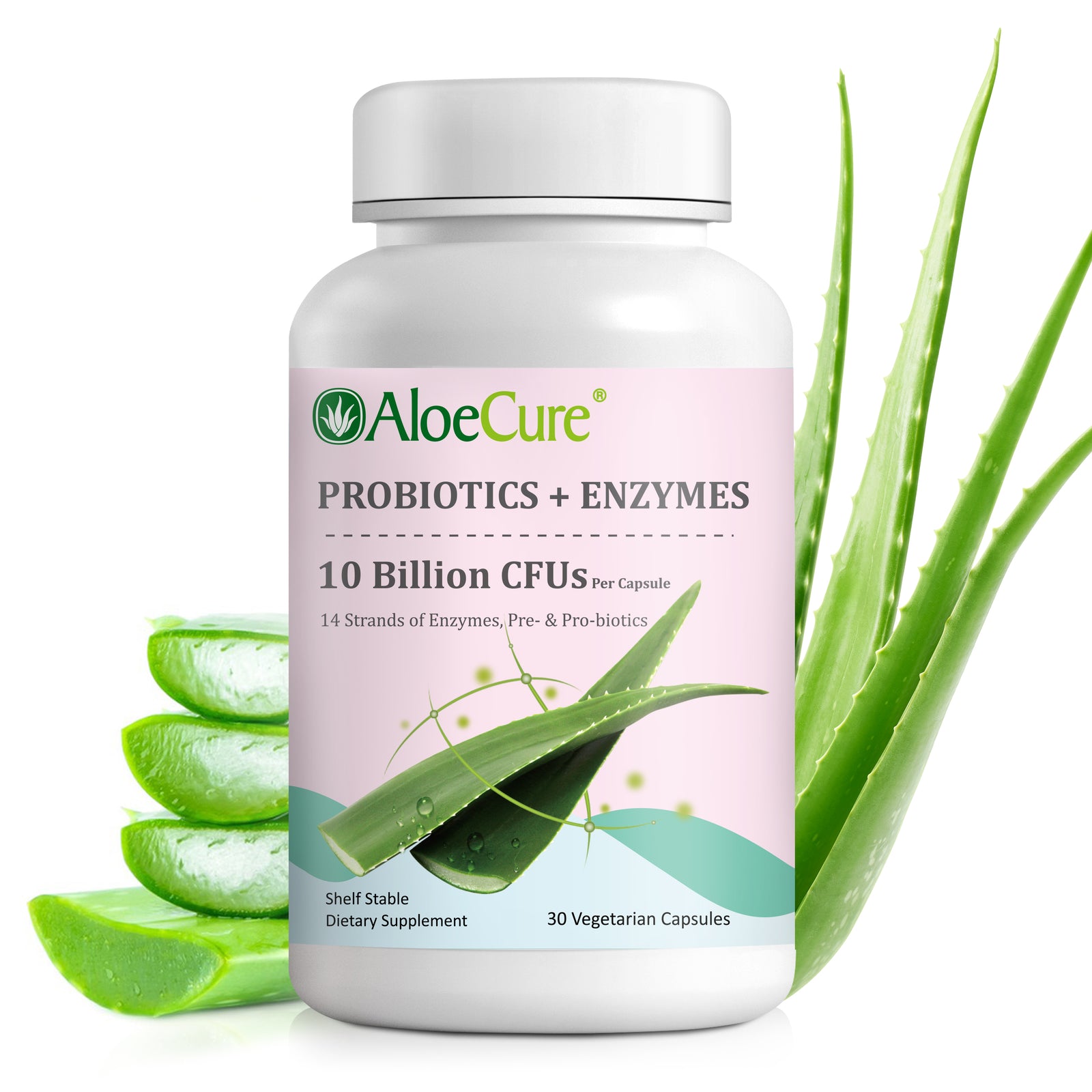
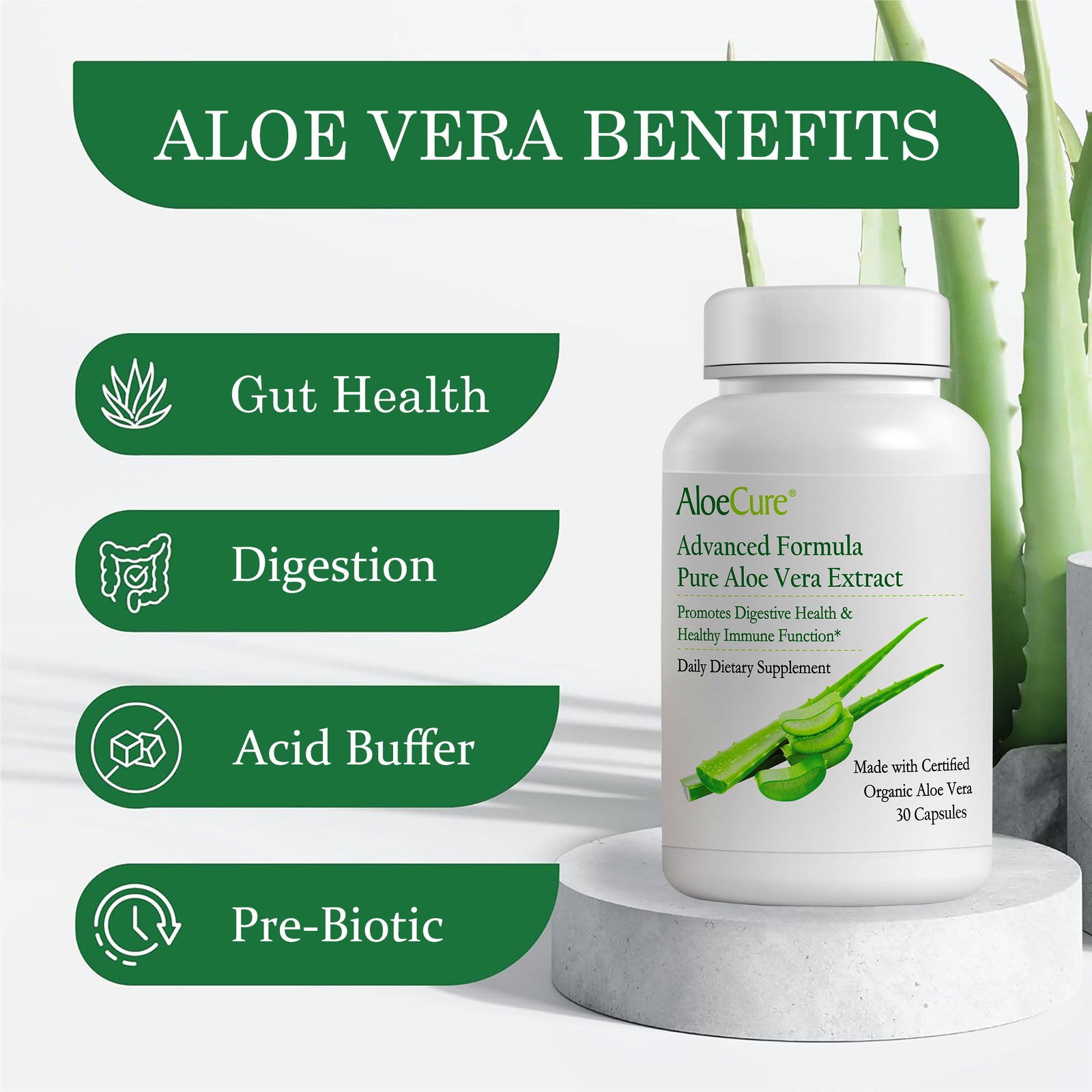
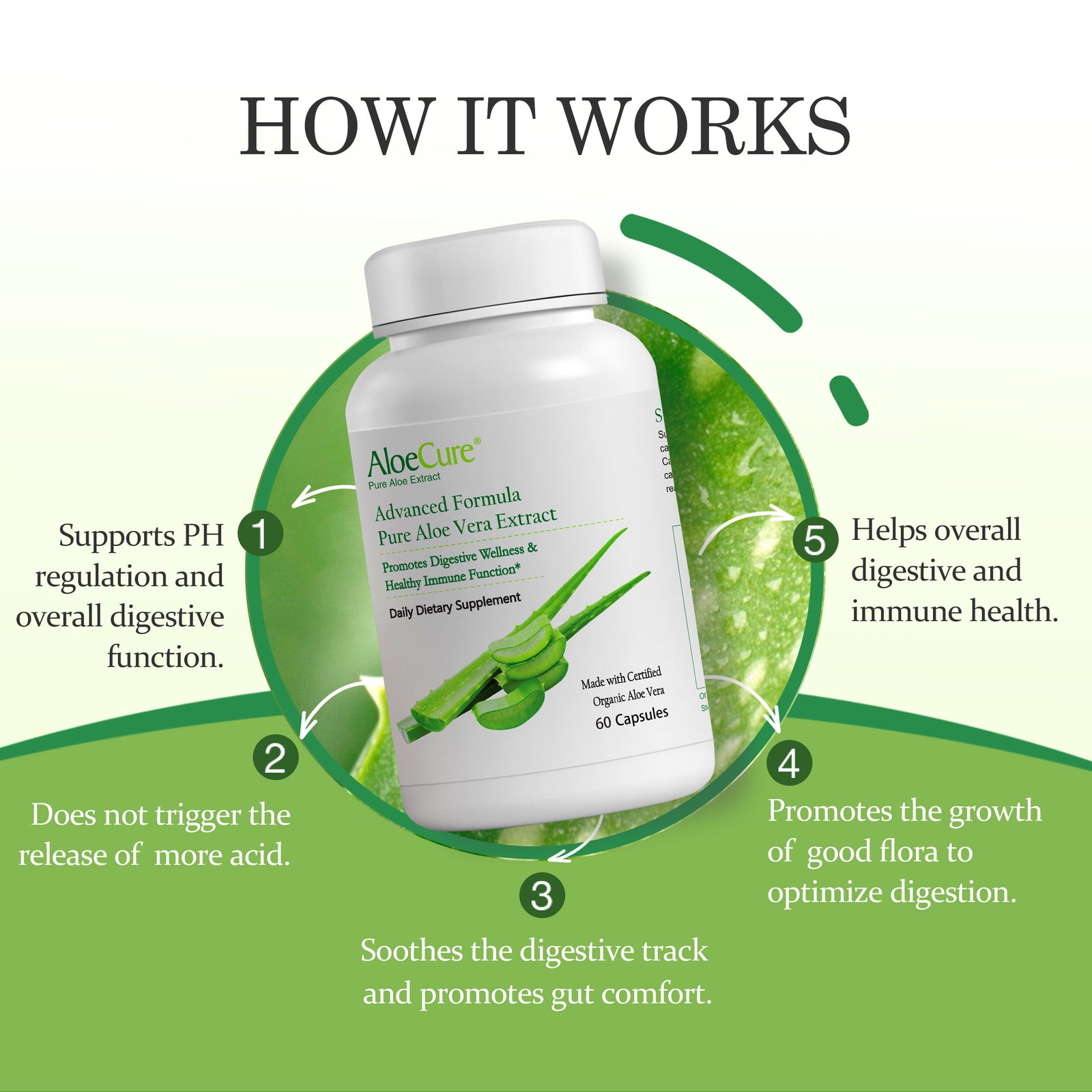
If you want a cleaner way to compare quality, serving value, and long-term savings, visit AloeCure to review its aloe capsule options, learn more about how its products are made, and explore the available subscription savings.
Los comentarios se aprobarán antes de mostrarse.