Tu carrito está vacío
Envío y manipulación gratuitos con todos los pedidos superiores a $25
Envío y manipulación gratuitos con todos los pedidos superiores a $25

If you've ever picked up a supplement bottle and thought, “This looks clean, but how would I know?”, you're asking the right question.
We are taught to scan for what a formula leaves out. No artificial colors. No synthetic sweeteners. No long list of hard-to-pronounce extras. That matters. But it's only the beginning. A short ingredient list can still leave out the details that matter most, like where ingredients came from, how they were processed, and whether anyone checked for contaminants before the product reached the shelf.
That's why the phrase clean label supplements can be helpful and misleading at the same time. It points you toward simplicity and transparency. It doesn't automatically prove purity, quality, or consistency.
Clean label supplements started as a way for shoppers to push back against crowded labels and vague marketing. People wanted formulas that felt easier to understand. They wanted fewer synthetic additives, fewer mystery ingredients, and a clearer connection between what's on the bottle and what's in the product.
That shift is no longer small. One market report estimates the clean label supplement market at $9.8 billion in 2025, with projected growth to $18.1 billion by 2034 at a 7.8% CAGR. The same report says clean label supplements account for about 31% of the total global supplement market as of 2026, and that the segment is growing faster than conventional supplements, which it pegs at 3.8% CAGR. It also identifies vitamins and minerals as the largest product-type segment at 32.4% of revenue, with Asia Pacific holding 38.2% revenue share according to Market Intelo's clean label supplements market report.
That kind of growth tells you something important. This isn't just packaging language. It reflects a bigger change in what buyers expect from wellness products.
A clean label promise usually sounds simple: fewer ingredients, more recognizable names, less processing, more transparency. For a health-conscious shopper, that feels like common sense.
But there's a catch. The term isn't a legal guarantee with one fixed meaning. Brands can use it in slightly different ways. One company may focus on removing artificial colors. Another may focus on organic sourcing. Another may highlight plant-based excipients. That's why the phrase can be a useful starting point, but not the finish line.
Clean label is best viewed as a first filter, not a final verdict.
People don't just want a prettier label. They want proof behind it. They want to know whether the company can explain its sourcing, show its testing standards, and stand behind the finished product with real transparency.
That's the gap this topic often misses. A clean-looking supplement may still leave important questions unanswered. The most informed buyers now look past the front of the bottle and ask what the label doesn't show.
A clean label supplement usually aims for three things: simplicity, recognizability, and transparency. In plain language, that means the formula tries to use ingredients you can identify, avoids unnecessary synthetic additives, and gives you a clearer picture of what you're taking.
Consider food. A home-cooked soup made from vegetables, herbs, and broth feels easier to understand than a highly processed product with a long list of stabilizers, colors, and flavor systems. Supplements work in a similar way. Many shoppers feel more comfortable when a label is shorter and more straightforward.

Many people often get confused. They look at the main ingredient on the front, like aloe, magnesium, collagen, or a botanical blend, and assume that's the whole story. It isn't.
Supplements also contain excipients, which are the non-active ingredients used to help with manufacturing. According to RIBUS's guide to clean label ingredients, clean label in supplements applies not only to active ingredients but also to these manufacturing aids. The guide notes that removing or changing excipients without proper reformulation can affect capsule fill consistency, powder flow, and product stability.
Excipients can help a powder move through equipment, help a capsule fill evenly, or help a tablet keep its shape. In other words, they aren't filler in the casual sense. Many serve a real purpose.
That creates a practical tradeoff:
Practical rule: If a brand talks about being “clean” but says nothing about how it maintains consistency and stability, that's an incomplete story.
A shorter ingredient list can be a good sign, but it doesn't tell you everything about how a supplement will behave in practice. Powders need to blend well. Capsules need to fill evenly. Products need to stay stable through shipping and storage.
If you're comparing categories where shoppers often care a great deal about ingredient simplicity, it can help to also learn how delivery affects performance. AloeCure's article on what bioavailability means is useful for understanding how ingredient form and formulation can influence what your body can use. And if you're looking at mineral formulas in a nighttime routine, this overview from SleepHabits on magnesium for sleep gives broader context on why people often prefer simpler supplement formulas.
For everyday shopping, this definition works well:
A clean label supplement is a product marketed around recognizable ingredients, fewer synthetic additives, and greater transparency. It may be a better fit for people who want simpler formulas, but it still needs strong formulation and clear proof of quality.
That last part matters most. Clean label can support your wellness goals by reducing unnecessary extras and making labels easier to understand. It doesn't replace careful sourcing, manufacturing discipline, or verification.
Reading a supplement label gets easier when you stop looking at it as one long list and start sorting ingredients by job. Most of the extras in a formula fall into a few categories: color, sweetness, preservation, or manufacturing support.
Not every added ingredient is a problem. Some are there because the product couldn't be made consistently without them. The better question is whether the additive is necessary, clearly disclosed, and chosen thoughtfully.
Some ingredients attract attention because they make a product brighter, sweeter, or easier to manufacture, but they don't add meaningful wellness value for the person taking it.
Here are the categories many label-conscious shoppers watch most closely:
A cleaner formula often tries to reduce or replace these where possible, especially when a more recognizable alternative can do the same job.
The table below gives you a practical way to think about common ingredient tradeoffs. These examples combine common supplement label patterns with cleaner-style alternatives often favored in simple formulations.
| Category | Common Additive to Avoid | Cleaner Alternative |
|---|---|---|
| Flow aid | Silicon dioxide | Rice hull or rice-based flow aid |
| Lubricant | Magnesium stearate | Rice bran extract |
| Binder | Hydroxypropylcellulose | Gum fiber blend |
| Color | Artificial colors | Plant-based color sources |
| Sweetener | Sucralose | Stevia or monk fruit |
| Filler | Excess synthetic bulking agents | Food-based fiber or simpler plant-derived carriers |
| Preservative | Synthetic preservatives | Packaging and formulation choices that support stability with fewer artificial inputs |
| Flavor system | Artificial flavors | Natural flavor systems with clear source disclosure |
You don't need to memorize every ingredient name. It helps more to ask what role each one plays.
Magnesium stearate often gets flagged by clean label shoppers because it's associated with manufacturing rather than the main wellness purpose of the product. Some brands replace it with plant-derived alternatives, but the main question is whether the finished product still performs consistently.
Silicon dioxide is another common one. It helps keep powders from clumping and supports flow during production. Some people avoid it because they prefer labels with more food-like or plant-based declarations.
Artificial sweeteners often show up in powders, chewables, and flavored products. If you're trying to keep your routine simple, these are easy to spot and compare across brands.
A label that looks “cleaner” should still make practical sense. If a powder mixes poorly, a capsule varies from dose to dose, or a tablet breaks down in storage, the ingredient swap wasn't done well.
When you turn the bottle over, start with the “other ingredients” area instead of the front label. That's where the product often reveals how it was built.
Try this quick review:
This isn't about chasing the shortest label at all costs. It's about choosing formulas where every ingredient appears to have a clear reason for being there.
A clean ingredient list can tell you what a brand chose to print on the bottle. It can't tell you what may be present in trace amounts unless the product was tested.
That difference matters. Hidden contaminants don't show up just because a label looks simple or because a formula uses organic or recognizable ingredients.
The push for third-party testing didn't come from nowhere. A 2018 study of 133 protein powder supplements found that 70% contained measurable levels of lead and 74% contained measurable levels of cadmium. The same research summary noted that all tested products had detectable heavy metals, and that organic products in the sample had, on average, double the heavy metals of non-organic ones in that dataset, as described in this research summary on supplement contamination findings.
That doesn't mean every supplement is contaminated. It does mean a clean-looking label is not the same thing as proof of purity.
Certifications matter because they introduce outside review. They can help confirm that a product or ingredient meets specific standards related to sourcing, identity, or manufacturing practices.
A few common examples shoppers recognize include:
Still, it's important to keep your expectations realistic. A logo usually tells you something useful, but no single badge answers every quality question.
If a brand highlights one certification, ask what else they verify. Quality is usually layered, not one-dimensional.
A trustworthy supplement company should make it easier to understand what it checks and why. You shouldn't have to guess.
Useful questions include:
If you want a practical example of what independent review means in this category, AloeCure's article on what third-party testing means for supplements is a helpful consumer-focused reference.
The most important mindset shift is this: a brand shouldn't earn your trust just because its label looks minimal. It should earn trust by showing how it verifies purity, consistency, and sourcing.
That's where many supplement shoppers are now. They've moved past “What ingredients were left out?” and started asking, “What proof do you have about what's still in the product?”
A good supplement label should help you make a decision faster, not leave you with more questions. The trick is knowing where to look first and what counts as a real green flag.
The front of the bottle is marketing. The side and back panels are where meaningful evaluation takes place.
As the Clean Label Project notes, clean label conversations often miss that labels don't reveal hidden contaminants like heavy metals or pesticides. The same source also emphasizes that the trend is moving beyond simple ingredient lists toward sustainability and transparent supply chains, because people increasingly want verification rather than marketing language.
That means your checklist needs to include both what the bottle says and what it leaves unsaid.
Use this when you compare products:
If you're shopping specifically for aloe, this guide on buying aloe vera gives a practical example of how to compare ingredient quality, processing, and sourcing rather than relying only on front-label claims.
Some labels aren't necessarily bad. They're just incomplete. Those are the ones that deserve a slower read.
Watch for:
Here's a short explainer that can help you sharpen that skill further:
The best labels usually connect to a bigger system. They don't just present a formula. They show evidence of traceability, thoughtful sourcing, and testing discipline.
A useful mental check is this: if you had one question about purity, could the brand answer it clearly on its site or through customer support?
The strongest supplement brands don't rely on a clean label to do all the talking. They back it up with traceability, testing, and straightforward explanations.
Once you start reading labels this way, shopping gets simpler. You stop chasing perfect wording and start looking for credible evidence.
A clean label means more when a company controls more of the process behind it. That's where vertical integration changes the conversation.
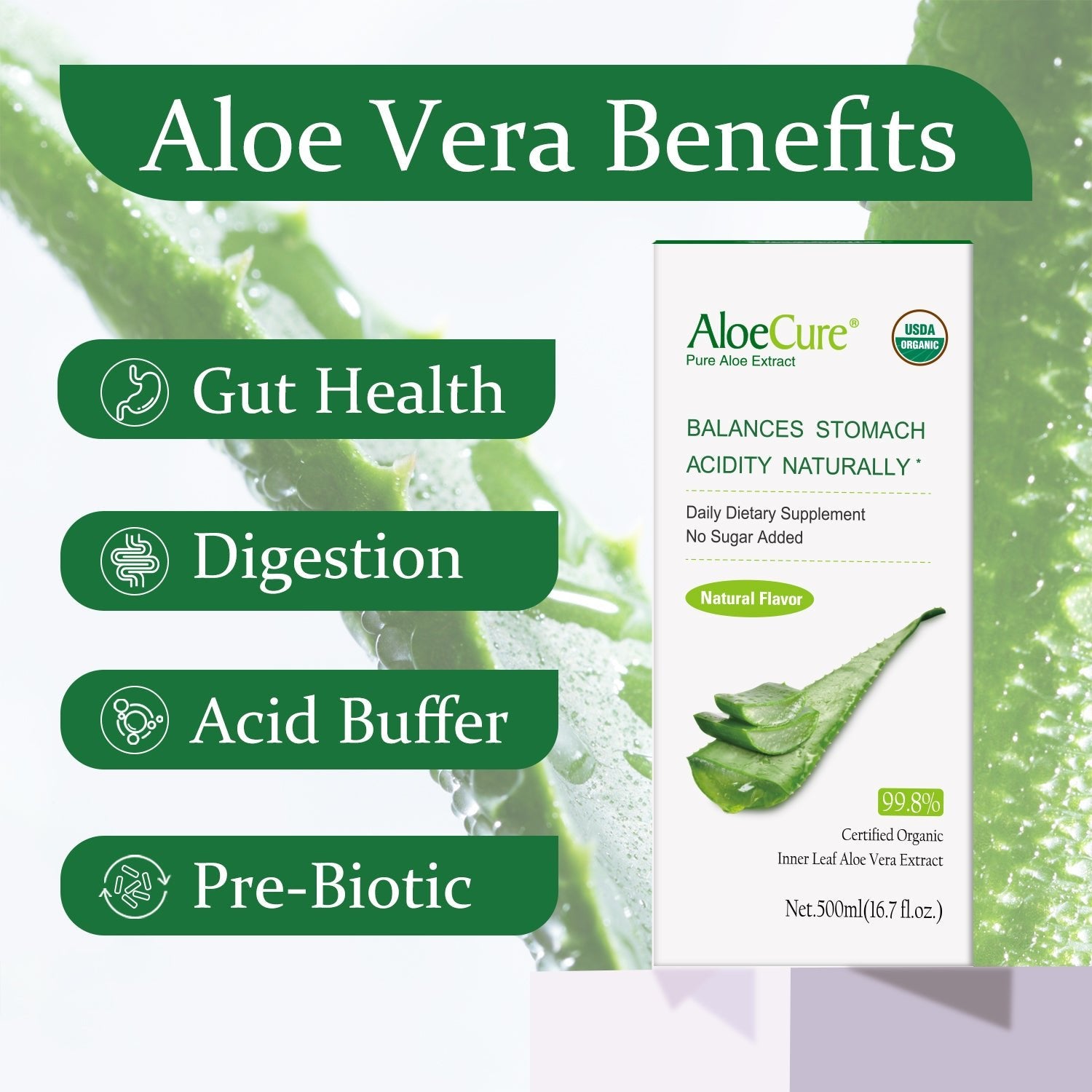
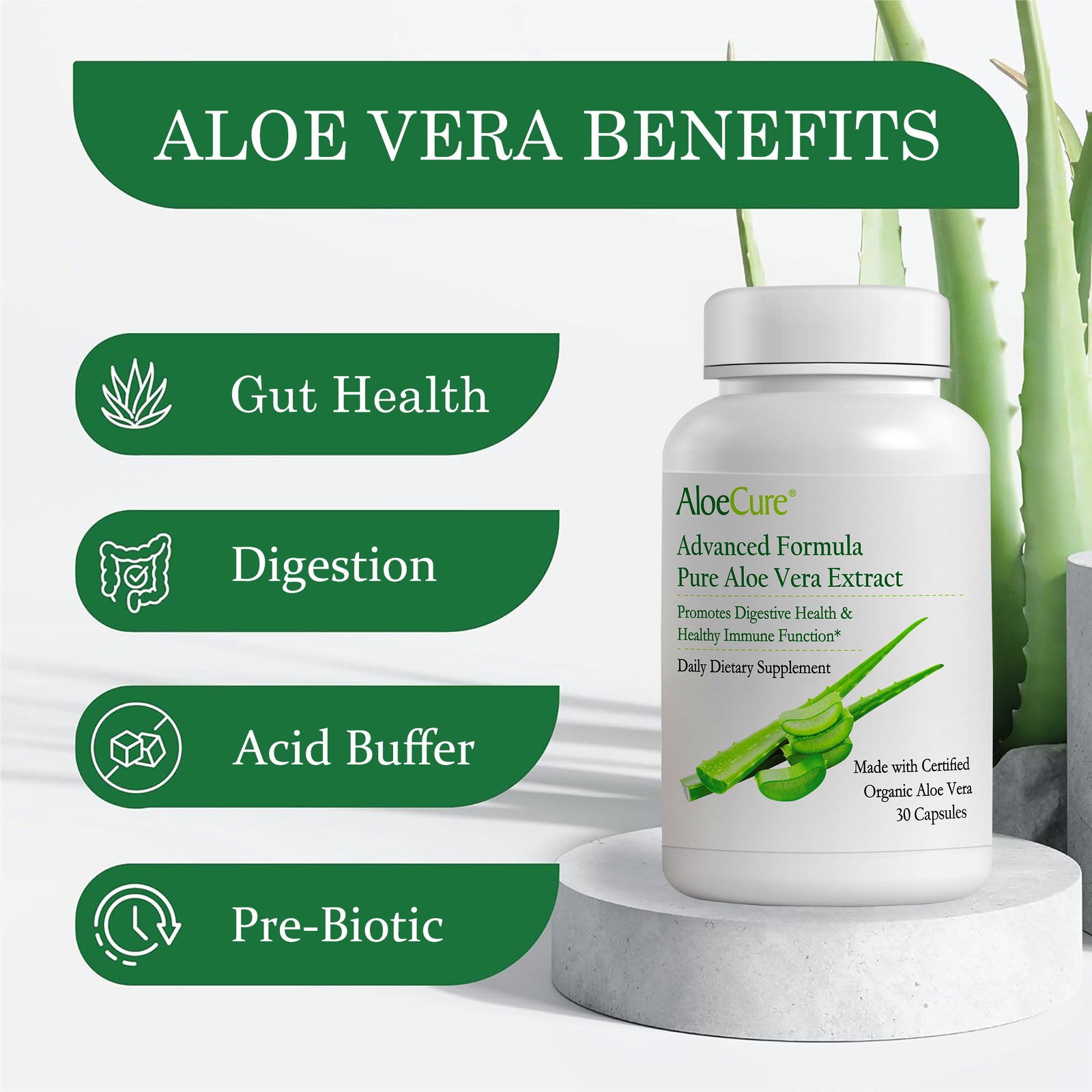
According to the company's published information, AloeCure's parent company has owned and operated its aloe farms for many years, processes aloe on-site within 12 hours of harvest, and uses USDA- and EU-certified organic farming. Aloecure also avoids chemicals, enzymes, concentrates, and charcoal filtration during processing, with a patented method designed to preserve the plant's natural bioactivity.
When one company farms, processes, and manufactures within the same system, shoppers get a clearer chain of custody. That matters because traceability is one of the hardest parts of supplement quality to verify from the outside.
For a product category built around plant-based wellness support, that kind of operational control can make the ingredient story more understandable. Instead of relying only on a marketing phrase, buyers can look at farming practices, processing choices, and testing commitments together.
A company with a strong transparency standard should be able to show:
AloeCure also highlights an 8-step traceability promise, third-party certifications, and a subscription option with 20% off according to the company's own brand materials. For shoppers who want a cleaner formula and a more documented supply chain, those details are often more useful than broad “all-natural” language alone.
Not automatically. Industry sources note there's no official definition for clean label, and the term doesn't necessarily prove a product is safer or more effective, as explained by Colorcon's overview of the science behind clean label supplements. A cleaner formula may help you avoid unwanted extras, but quality still depends on sourcing, formulation, and verification.
Not quite. “Natural” is often broad and loosely used. Clean label usually signals a stronger focus on simplified ingredient lists, fewer synthetic additives, and clearer labeling. Even then, it's still a market term, not a single regulated standard.
They can require more careful sourcing, more selective ingredient choices, and more formulation work. If a brand removes conventional excipients, it still has to maintain consistency and stability. As noted in the source above, removing necessary manufacturing aids without expert reformulation can compromise product stability or consistency.
These statements have not been evaluated by the Food and Drug Administration. This product is not intended to diagnose, treat, cure, or prevent any disease.
If you want a supplement brand that puts transparency at the center of the product story, explore AloeCure and review how it approaches organic farming, traceability, and plant-based formulas. You can also check current product options or sign up for Subscribe & Save for 20% off with flexible delivery.
Los comentarios se aprobarán antes de mostrarse.