Votre panier est vide

Some days, the question isn't whether you're trying to eat well. You are. The real question is whether your routine is giving your body the raw materials it needs to keep up with your goals.
Maybe you're eating more greens, beans, lentils, seeds, and whole foods than ever before. Maybe you're training hard, juggling work and family, or moving through a life stage where your nutrition needs feel less predictable. In all of those situations, iron becomes a smart nutrient to understand, especially if you prefer plant-forward wellness choices.
Interest in plant-based supplements is rising for a reason. The global plant-based iron supplements market was valued at US$208.5 million in 2022 and is projected to reach US$352.9 million by 2032, growing at a 5.5% CAGR, reflecting a broader shift toward plant-sourced nutrition and natural wellness solutions, according to this market report on plant-based iron supplements.
People often get stuck on one point. If iron matters, does that mean food isn't enough? Not necessarily. A food-first approach still makes sense. A plant iron supplement gives some people an added layer of support when diet, schedule, training, or life stage make consistency harder.
A practical place to start is your everyday meals. If you're trying to build a routine that naturally includes iron-rich plant foods, a structured weekly plant-based plan can make the basics much easier to follow.
A plant-forward lifestyle works best when it's built on intention, not guesswork. Iron is one of those nutrients that can feel complicated at first, but it becomes much more manageable once you understand what it does and how to support it.
Think of iron as part of your body's daily maintenance crew. It helps support normal energy-related processes, healthy oxygen transport, and overall vitality. That's why people who are thoughtful about nutrition often pay close attention to it, even when they already eat a balanced diet.
Plant-based living often comes with a welcome shift toward whole foods, fiber, and variety. It also asks you to be a little more strategic. That's not a flaw in the diet. It's part of eating with awareness.
Three common reasons people start looking into plant iron support are:
Practical rule: Wellness is easier to maintain when your supplement routine matches the way you already like to eat.
A supplement shouldn't replace good meals. It should fit around them. For many adults, a plant iron supplement works best as part of a broader routine that includes balanced meals, smart pairing choices, and attention to how your body responds.
That mindset changes the conversation. Instead of asking, "Am I doing something wrong?" you can ask, "How do I support my body more effectively?"
That's a much better question.
Plant iron is usually referring to non-heme iron, the kind found in plant foods and plant-based supplements. Animal foods contain heme iron, which the body handles a bit differently. Neither term needs to be intimidating. They are two forms of the same essential mineral.
A useful analogy is this: both forms can achieve the intended goal, but they don't arrive with the same key shape. Heme iron tends to fit more directly. Non-heme iron often benefits from the right conditions to help the body use it well.
Many readers often get confused. They hear that plant iron isn't absorbed the same way as animal-derived iron and assume that means it's inferior. That's too simplistic.
Your body is constantly making decisions about what to absorb and when. With plant iron, the surrounding context matters more. Meal composition, the form of iron in the supplement, and what you take it with can all affect how efficiently your body uses it.
That's why the word bioavailability comes up so often. In plain language, it means how available a nutrient is for your body to use after you swallow it. If you want a simple explainer, this guide on what bioavailability means for supplements breaks down the concept clearly.
One of the most practical ideas in iron science is chelation. The effectiveness of iron supplements is often enhanced through chelation, a process where the iron molecule is bound to an organic molecule such as an amino acid to create a more stable complex. This helps maintain iron in a form the body can more readily use, improving its journey through the digestive system.
That sounds technical, but the takeaway is simple. A well-designed form can make a supplement easier for the body to handle.
Chelation is one reason two iron supplements with the same amount on the label can feel very different in real life.
If you're choosing a plant iron supplement, you're not just choosing "iron." You're choosing a delivery format.
Here are the factors that usually matter most:
A lot of plant-based nutrition becomes easier once you stop treating nutrients as isolated ingredients. Iron works within a system. The smarter you make that system, the better your routine usually feels.
Some nutrition questions are easier to answer through real-life examples than abstract rules. A plant iron supplement isn't for one narrow group. It often appeals to people whose routines ask more from them than a casual diet can easily cover.

This person loves lentils, tofu, leafy greens, pumpkin seeds, and fortified foods. They aren't careless. In fact, they're usually very nutrition-aware. But because plant-based eating relies on non-heme iron, they may decide that a supplement helps support a more reliable daily intake.
For them, supplementation isn't a sign of failure. It's a tool that supports a chosen lifestyle.
Training changes the nutrition conversation. When your days include demanding workouts, long runs, intense classes, or frequent physical output, consistency matters more. Some active adults prefer a plant iron supplement because it fits into a broader performance-support routine that also includes hydration, protein, and recovery nutrition.
The goal here isn't hype. It's steady support for normal energy production and everyday stamina.
Women's nutrition needs aren't static. They shift across adulthood, and that's one reason iron stays on the radar for many wellness-minded consumers. Nutritional needs can also shift during perimenopause. Iron absorption can be influenced by hormonal changes, making it an important nutrient to monitor, and emerging research on plant-based iron from sources like curry leaf extract has shown positive results in raising serum iron levels with excellent tolerability, as discussed in this article on plant-based iron and life stage nutrition.
Pregnancy is another time when nutrition planning often becomes more deliberate. If you're looking for food-based ways to build a stronger routine, this guide on how to support a healthy pregnancy with iron offers useful meal ideas and context.
You don't need to fit a stereotype to think about iron support. You might consider discussing a plant iron supplement with a qualified professional if you relate to one or more of these situations:
Some people need more than good intentions. They need a routine that's easy to repeat.
The best candidates are often the people who want structure, not shortcuts.
The label on the front of the bottle tells you almost nothing. A good plant iron supplement is defined by its form, sourcing, supporting ingredients, and manufacturing discipline.
That's where shoppers often make the wrong comparison. They compare products by price per bottle instead of quality per serving. With iron, that can backfire. A formula that looks cheaper can be harder to stay consistent with if the ingredient form, filler profile, or overall design isn't thoughtful.
Not all plant-based iron supplements are built the same way. Some rely on simpler salts. Others use more advanced structures.
One notable example is Polysaccharide Iron Complex, often shortened to PIC. Advanced formulations like PIC represent a technical leap in supplements. Created by binding iron with plant polysaccharides, this structure can enhance stability and bioavailability while being gentle on the system, distinguishing it from simpler iron salts, according to this review of Polysaccharide Iron Complex technology.
That doesn't mean every shopper needs one specific form. It does mean the form deserves your attention.
| Iron Form | Source/Type | Key Characteristic |
|---|---|---|
| Whole-food-derived plant iron | Plant ingredients and food-based blends | Often chosen by shoppers who want a more food-aligned formula |
| Chelated plant iron | Iron bound to an organic molecule | Designed for stability and easier handling by the body |
| Polysaccharide Iron Complex | Iron bound with plant polysaccharides | Advanced structure associated with stability and gentler use |
A strong label is usually easy to understand. If it looks crowded with unnecessary extras, that's worth noticing.
Check for these points:
A clean formula doesn't guarantee that a product is right for you, but it often makes the decision clearer.
This part gets overlooked. The best supplement brands don't just assemble ingredients. They control quality before the ingredients ever reach the blending stage.
When a company is vertically integrated, it oversees more of the process directly. In plant-based wellness, that can mean tighter traceability, more consistent raw material quality, and fewer surprises between harvest, processing, and finished product. That's especially relevant when consumers care about purity and clean-label manufacturing.
It is comparable to produce from a trusted farm stand versus produce that has passed through a long, unclear chain. Both may look similar on the shelf. The backstory is different.
Key takeaway: Quality isn't only about what is in the formula. It's also about who handled the ingredient, how they handled it, and whether they can trace it.
Supplement shopping gets easier when you compare products with a checklist instead of a mood. Resources like Zing Coach supplement advice can help you think more critically about ingredient quality, label clarity, and routine fit across categories.
A smart buying decision usually comes down to a few practical questions:
If the answer to the last question is no, keep looking. The best supplement is the one that fits your real life.
Even a well-made plant iron supplement can disappoint if you use it haphazardly. Timing, pairing, and comfort all matter. People usually focus on the first two and ignore the third, but comfort is often what determines whether a routine lasts.

One of the clearest strategies is to take plant iron with vitamin C. A clinical trial demonstrated that combining plant-based iron with plant-derived vitamin C significantly improved iron's effects. The group taking both saw hemoglobin increase by 12.96% and serum iron levels rise by 16.03% over 60 days, as shown in this clinical trial on plant iron plus plant-derived vitamin C.
That finding gives real-world support to a simple habit. If your supplement already includes vitamin C, that pairing may already be built in. If it doesn't, taking it alongside vitamin C-rich foods can be a practical move.
Good examples include:
Some foods and drinks can get in the way of iron use when taken at the same time. This doesn't mean you need to avoid them. It means spacing matters.
A simple routine often works well:
If your current routine feels random, consistency may help more than adding another supplement.
The utility of plant iron conversations often increases when considering this perspective. People don't stop taking a supplement because they forgot the science. They stop because the routine doesn't feel good or doesn't fit their body well.
That makes digestive comfort a practical selection criterion, not a luxury feature.
For some people, these adjustments help:
A supplement plan only works when your body is willing to cooperate with it day after day.
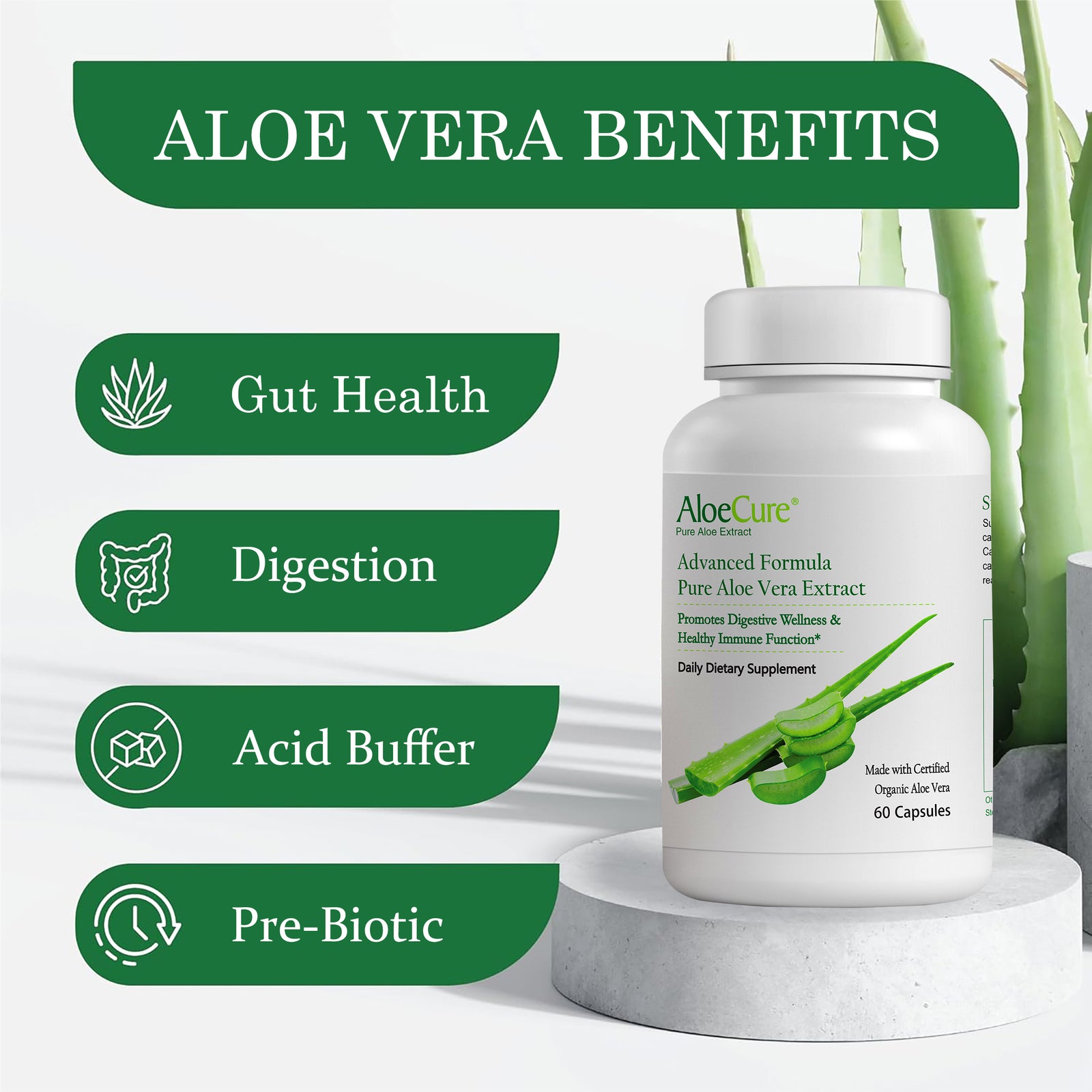
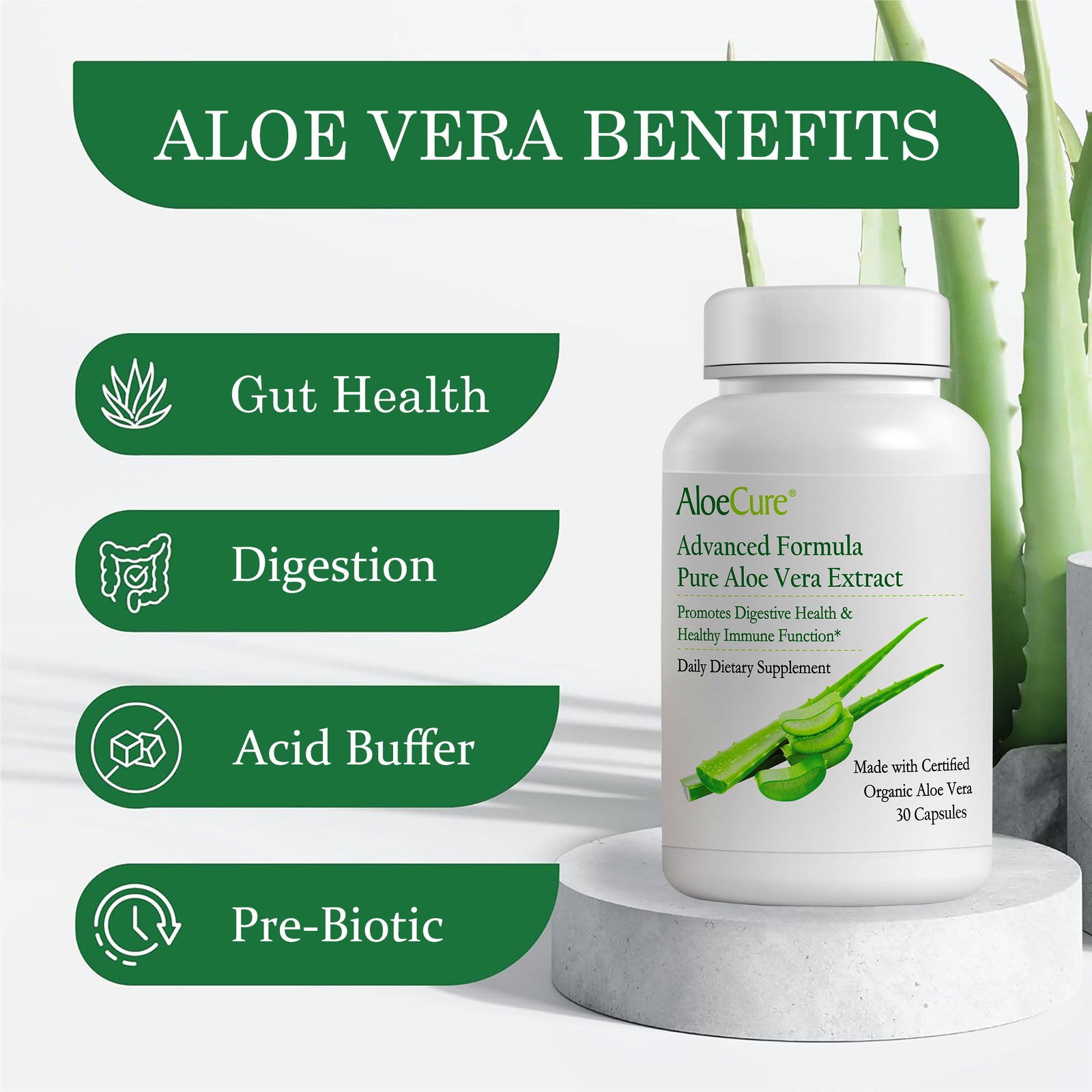
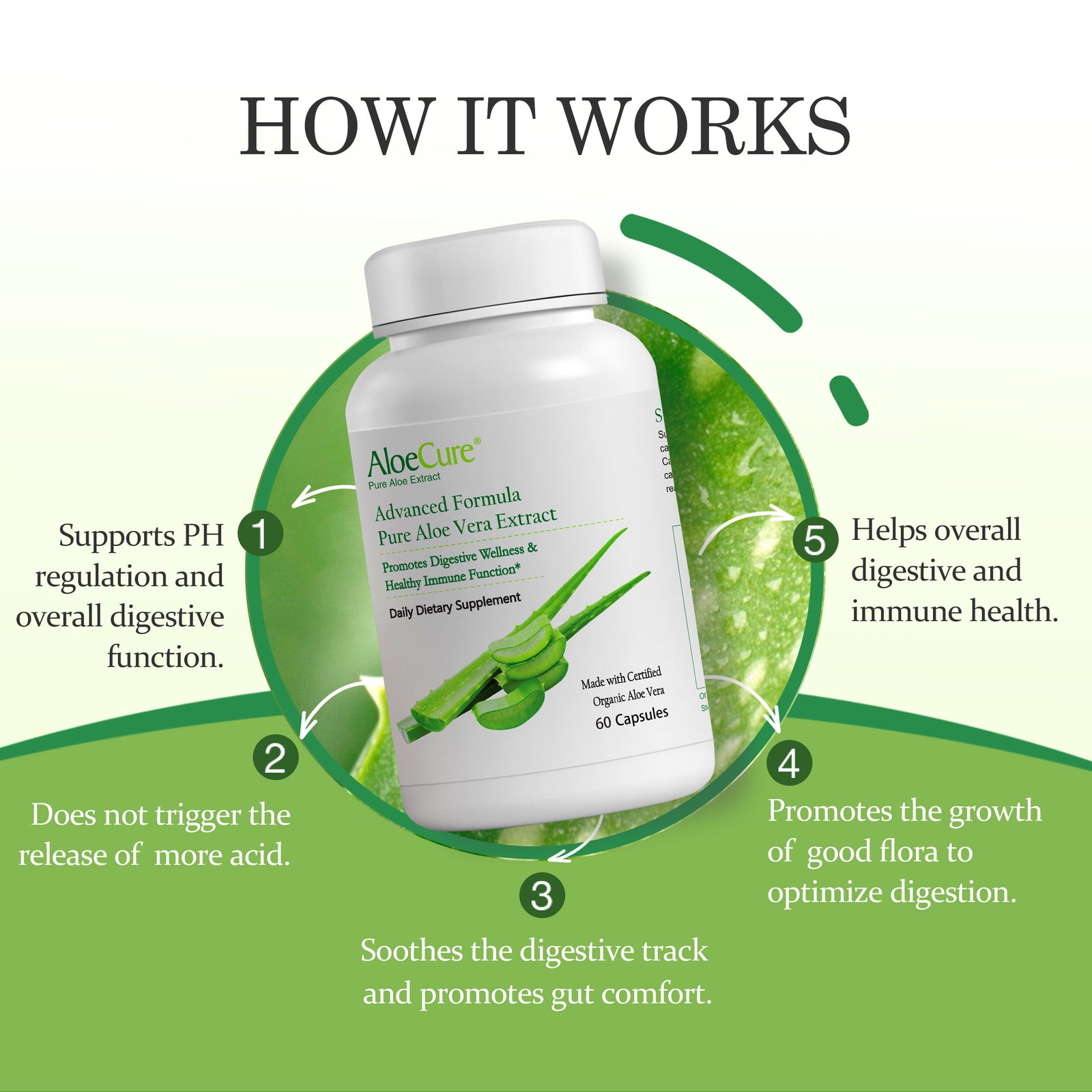
Aloe vera makes sense here because it can support digestive comfort and help create a smoother overall supplement routine. Not as a shortcut, and not as a replacement for smart iron use. As a supportive partner.
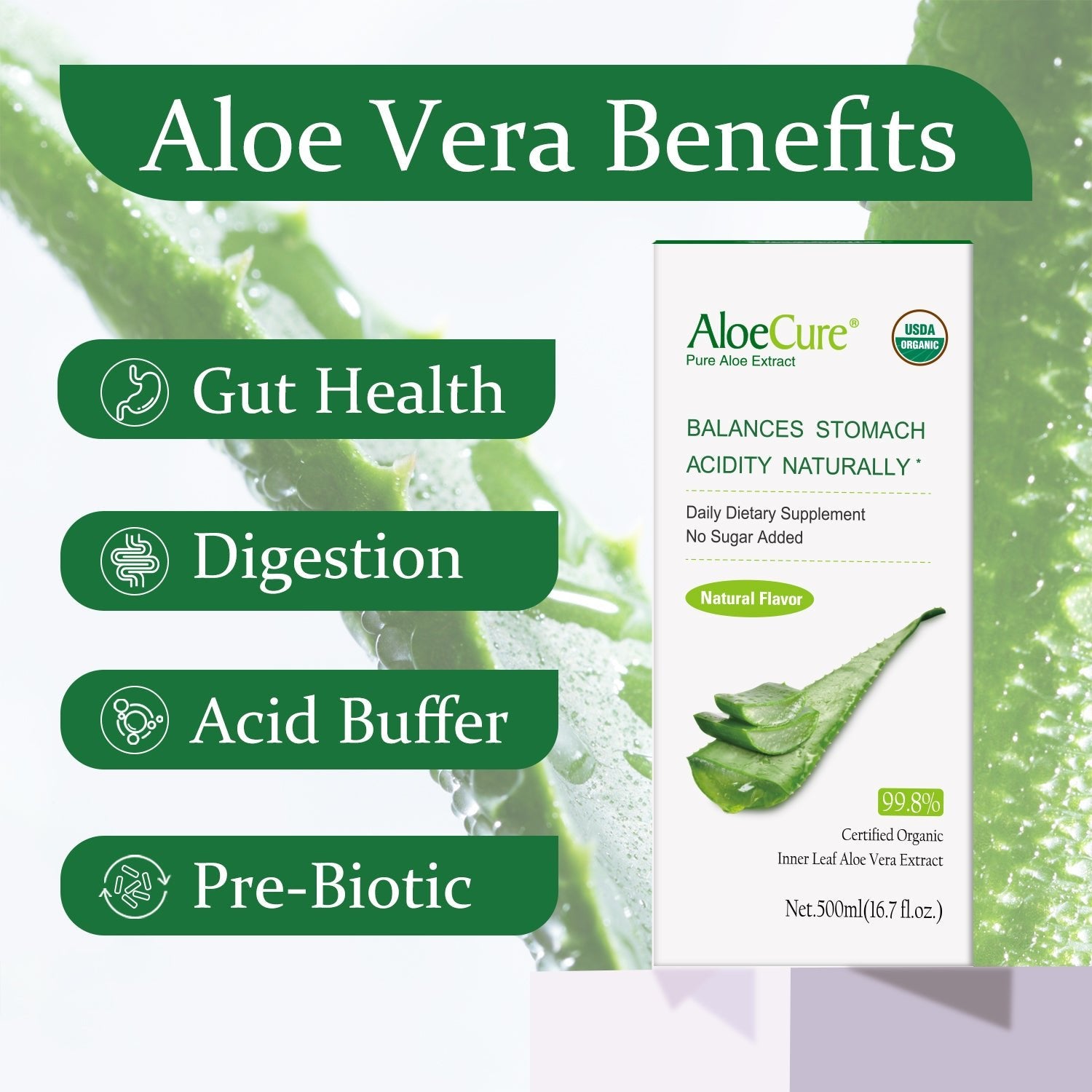
High-purity aloe vera juice is often used by wellness-focused consumers who want to maintain a comfortable digestive environment. That matters because when your routine feels settled, consistency becomes more realistic. And consistency is what gives any nutrient strategy a fair chance to work.
Quality matters here too. A carefully grown and processed aloe product is very different from a low-grade formula padded with unnecessary processing shortcuts. Shoppers who care about purity often look for clean handling, traceability, and minimal processing that preserves the plant's natural character.
If you're interested in the broader mechanics, this article on how to improve nutrient absorption offers a useful overview of the habits that support a better supplement routine overall.
The right amount depends on your age, life stage, diet, and personal needs. Labels can guide serving size, but they aren't a substitute for individualized advice. In general nutrition guidance, iron recommendations vary, and women's needs can be higher during reproductive years and pregnancy.
Use the product label as a starting point, then talk with a qualified healthcare professional if you want a more individualized recommendation. That's especially wise if you're combining multiple supplements.
For many people, yes. A food-first approach built around legumes, leafy greens, seeds, fortified foods, and thoughtful meal planning can provide a strong foundation.
A supplement becomes useful when food intake is inconsistent, preferences are narrow, or life circumstances make nutrient planning harder. The most balanced mindset is usually "food first, supplements when helpful."
Nutrients work on body systems that change over time, so consistency matters more than chasing a quick sensation. Some people notice changes in how their routine feels after steady use, while others need more patience and a more structured plan.
This guide on how long supplements take to work offers a realistic way to think about timing and expectations.
That depends on the product and your individual plan. Some people do well with a daily routine. Others follow a schedule recommended by a qualified professional. The important part is not to improvise based on random advice online.
Read the label carefully. Then match the routine to your needs, not someone else's.
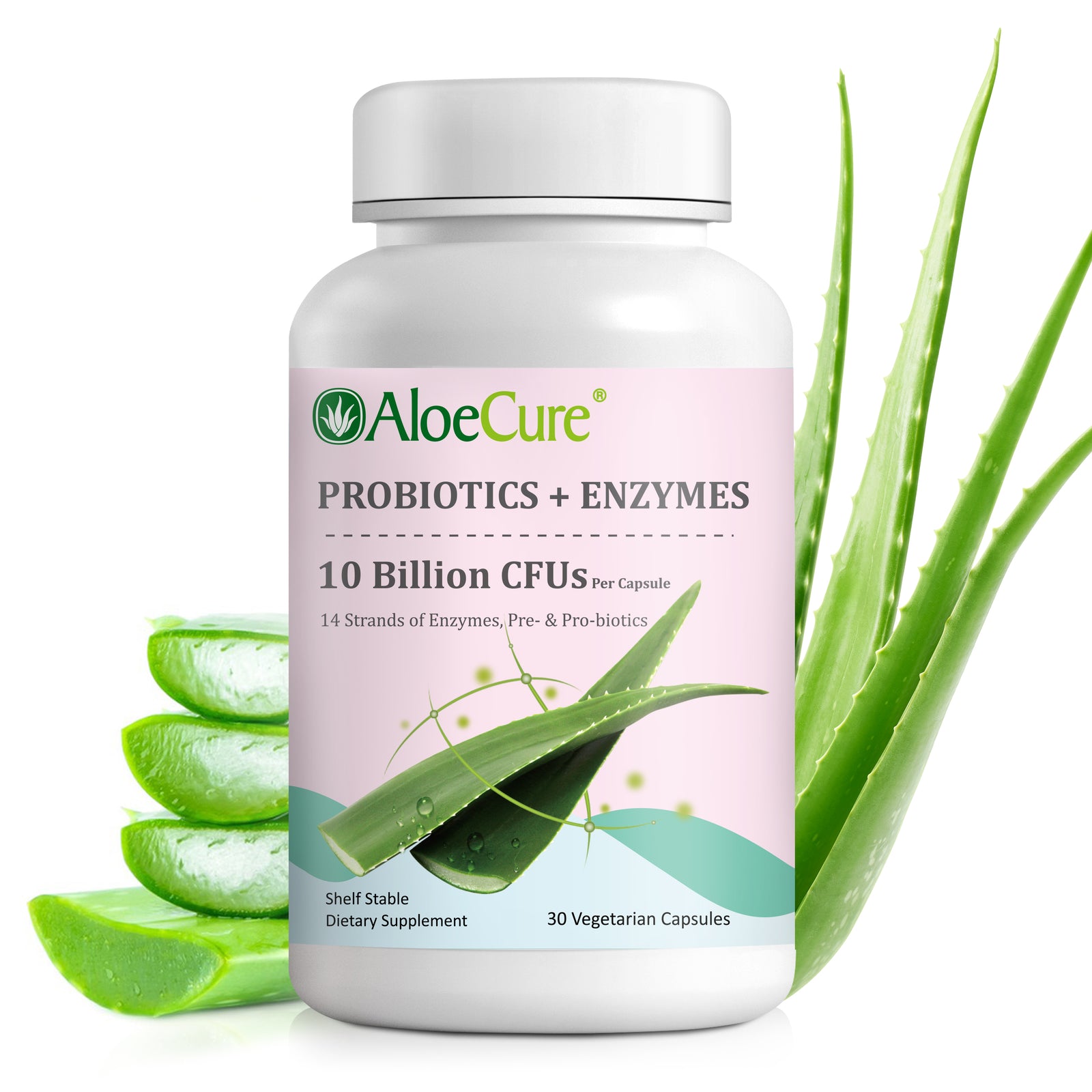
Neither format wins automatically. Liquids can feel easy to use for some people, while capsules feel simpler and more travel-friendly for others. The better choice is the one that supports consistency, has a clear label, and uses a high-quality form of iron.
Look at the total formula, not just the format. A well-designed capsule can outperform a poorly designed liquid, and the reverse is also true.
Often, yes. The key is choosing a formula designed with tolerance in mind and building your routine carefully. That may mean selecting a gentler form, using supportive companion nutrients, or easing into the serving size instead of changing everything at once.
If you're sensitive, don't force a perfect routine on day one. Build a repeatable routine first.
Absolutely. Any supplement you take regularly should earn its place in your routine. That's why quality, transparency, and periodic check-ins matter.
For long-term use, keep your standards high. Look for a form you understand, a brand with strong quality practices, and a routine that still makes sense months from now.
A busy morning, a bottle of iron on the counter, and one practical question usually matters most. Can this fit your real life well enough to become a steady habit?
That is the heart of success with plant iron. Lasting progress usually comes from a routine you can repeat without stress, not from chasing a perfect plan for a week and abandoning it the next. Small, steady habits give you a clearer picture of what supports your energy, your meals, and your digestion over time.
A consistent routine, supported by habits that promote digestive comfort, can make the whole process feel more sustainable. That support may come from simple food choices or from a wellness companion like pure aloe vera that fits comfortably alongside your supplement routine. Products made with careful sourcing, minimal processing, and full control from cultivation through production can offer extra peace of mind when you want quality you can trace.
These statements have not been evaluated by the Food and Drug Administration. This product is not intended to diagnose, treat, cure, or prevent any disease.
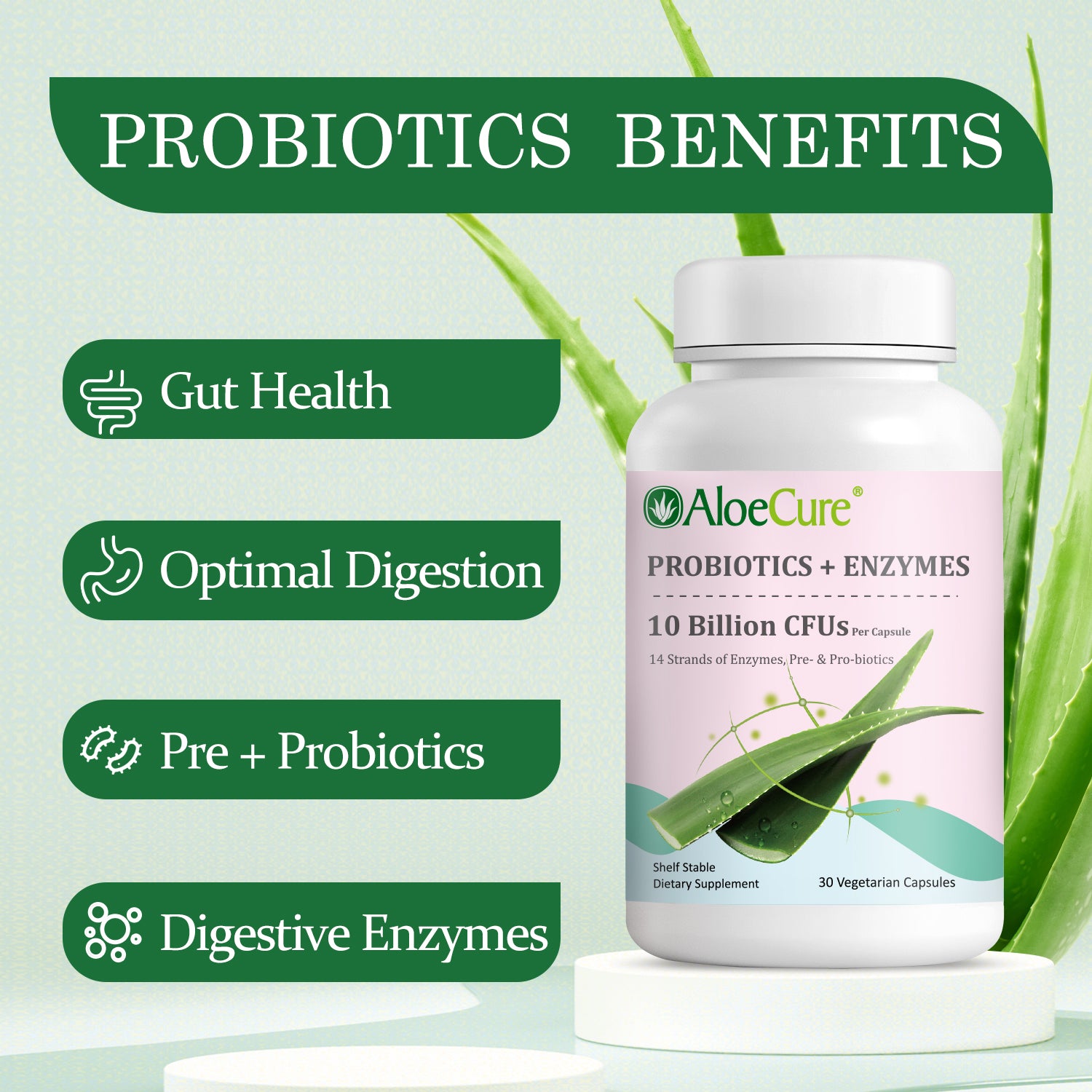
If you're building a more thoughtful daily routine, explore AloeCure for pure, organic aloe vera juice and wellness products designed to support digestive comfort and everyday balance. AloeCure grows, harvests, processes, and produces its own aloe through a vertically integrated model focused on purity, traceability, and clean manufacturing. You can also choose Subscribe & Save for 20% off flexible recurring orders.
Les commentaires sont approuvés avant leur publication.