Votre panier est vide


You buy a shampoo that says “aloe vera” on the front. You use it for a few weeks. Your hair feels fine for a day, then flat the next. Your scalp still feels off-balance. The bottle sounded gentle, natural, and simple, but the experience didn’t match the promise.
That disconnect is common. Consumers aren’t choosing between “aloe” and “not aloe.” They’re choosing between different kinds of aloe processing, different formula styles, and very different levels of plant integrity.
That matters because aloe vera shampoo for hair isn’t just a trend label. Consumer interest has grown enough that the global aloe vera skin and hair products market, including shampoos, was valued at over $1.2 billion in 2022 and is projected to reach $1.9 billion by 2031, according to Wimpole Clinic’s aloe vera market overview. People want gentler hair care. They want hydration without heaviness, cleansing without that stripped feeling, and formulas that fit a more plant-based routine.
Some readers come here because their hair feels dry at the ends and oily at the roots. Others want a lighter cleanser that still leaves curls soft. Others aim to reduce their dependence on harsh, highly perfumed formulas. If that’s you, aloe can make sense, but only if you know what you’re buying.
A good aloe shampoo can support a cleaner, softer, more balanced hair routine. A poorly processed one may offer little more than a nice-sounding ingredient list.
For a broader hair routine, it can also help to pair your shampoo choice with other proven hair thickening methods such as gentler styling habits and moisture-focused care.
A lot of hair frustration starts the same way. You notice more frizz than usual, less bounce, or a scalp that never quite feels comfortable after washing. So you switch shampoos. Then you switch again.

The problem usually isn’t that you picked the “wrong type” of shopper hair product. It’s that many bottles group themselves under the same natural language while delivering very different raw materials. One aloe shampoo may rely on fresh plant content handled carefully. Another may use heavily processed inputs that no longer behave like fresh aloe in a meaningful way.
Aloe has staying power because people can feel the difference when a formula is gentle, lightweight, and moisture-aware. Hair that feels rough after washing often needs a cleanser that respects the scalp rather than overpowering it.
Think about how your hair reacts after a harsh wash. The roots may feel squeaky, but the mid-lengths feel needy. Then you add more styling cream or oil to compensate. The cycle repeats. Aloe-based cleansing appeals because it aims for a more balanced starting point.
Sometimes the first sign of a better shampoo isn’t dramatic volume. It’s that your hair stops fighting the rest of your routine.
When readers ask me whether aloe vera shampoo for hair is “worth it,” my first answer is simple. It depends on the aloe. Not the marketing. Not the color of the bottle. The actual plant material and how it was handled before it ever reached the formula.
That’s where informed buying makes all the difference. If you understand what aloe is supposed to do, and what processing can remove, you can stop guessing. You can read a label with more confidence and choose products that fit your hair instead of chasing claims.
Aloe earns its place in shampoo because it does several small jobs at once. That matters because hair and scalp do not need the same kind of support. The scalp benefits from a cleanser that feels calm and balanced. The hair shaft benefits from slip, light moisture, and less friction during washing.

Fresh aloe gel is mostly water, but it is not “just water.” It also contains polysaccharides, the long-chain plant sugars that give aloe its cushiony, slippery feel. In hair care, those compounds work a bit like a light moisture veil. They help hair feel softer and easier to separate without the heavy film that richer oils, waxes, or silicones can leave behind.
That lightness is one reason aloe-based shampoos often appeal to people whose hair falls flat easily. Fine hair, loose waves, and lower-porosity strands often respond better to ingredients that soften without coating.
The scalp side of the story is different. Aloe contains naturally occurring enzymes and plant compounds that have kept it relevant in scalp-focused formulas for years. A 1998 clinical study on seborrheic dermatitis found that topical aloe vera improved symptoms such as scaling and itching compared with placebo, which helps explain why aloe remains associated with a more comfortable scalp environment. Shampoo is still a rinse-off product, so the goal is support, not a dramatic overnight change.
A useful way to picture the wash process is to compare it to washing delicate fabric. If the cleanser is too aggressive, the material gets stripped and rough. If the cleanser has better slip and balance, the fibers move with less stress. Hair behaves in a similar way during shampooing.
Here is what that can look like in practice:
pH also matters more than many shoppers realize. Aloe’s natural pH is often described as being close to the scalp’s preferred range, which is one reason formulators use it in gentler products. A physician-reviewed explanation of aloe for hair notes this compatibility. A formula that stays closer to that range can help the wash feel more even and less disruptive, especially for people who notice dryness or roughness after stronger shampoos.
The science only makes sense if the aloe itself still resembles the original plant material. Processing changes that. Polysaccharides are delicate. Heavy filtration, harsh decolorization, or powdered inputs can strip away much of the gel character that gives aloe its distinctive feel in the first place. Minimally handled aloe keeps more of that structure intact, which is why readers comparing labels should also learn what to look for in aloe vera shampoo and conditioner.
That quality gap also helps explain why ingredient lists can be misleading across the wider hair care market. A shampoo may highlight aloe on the front label while relying on a highly processed version that behaves very differently in use. If you have ever compared formulas from a review of Japanese hair brands, you have already seen how much texture, finish, and scalp feel can vary even when products appear to target similar needs.
Shine and manageability usually improve through that same chain of events. Better slip during washing means less mechanical stress. Better moisture behavior means the hair surface can lie flatter. A smoother surface reflects light more evenly, so hair looks glossier and feels easier to handle.
Aloe can support that process well. It cannot replace gentle detangling, sensible heat use, or a formula made with high-quality raw material. That last point matters more than many people realize. With aloe, processing is not a background detail. It shapes how much of the plant’s original function makes it into the bottle.
If you remember one idea from this guide, make it this one. The process is the product. Two shampoos can both say “aloe vera” and behave nothing alike because the aloe inside them wasn’t handled the same way.
Most shoppers never get told that. They compare scent, price, and packaging. Meanwhile, the biggest difference may have happened long before the formula was bottled.
Commercial production often prioritizes shelf stability, speed, and uniformity. That’s understandable from a manufacturing standpoint, but it can come at a cost. According to the source material provided for this topic, many commercial shampoos use chemically processed aloe, charcoal filtration, or concentrates that degrade the bioactive polysaccharides tied to scalp-soothing and moisture retention, while whole-leaf processing preserves significantly more of those compounds.
That distinction is huge because those delicate compounds are part of what gives aloe its characteristic feel. Remove too much of that plant structure, and you may still have “aloe” on the label, but not the same performance in use.
| Processing Method | Description | Impact on Aloe's Beneficial Properties |
|---|---|---|
| Fresh whole-leaf processing | Aloe is harvested and processed close to the source with minimal interference | Better preservation of the plant’s natural gel character and moisture-supporting compounds |
| Concentrate and rehydration | Aloe is reduced, stored, then later diluted into formulas | Can lose some of the fresh plant feel and reduce the integrity of delicate compounds |
| Charcoal filtration or heavy filtering | Processing is used to strip or clarify components from the aloe material | May also remove or reduce desirable plant fractions tied to slip and moisture retention |
| Chemically processed aloe inputs | Aloe is handled with industrial shortcuts designed for scale and uniformity | Can degrade the polysaccharides that many consumers are actually seeking from aloe |
Consumers can find this frustrating. A bottle may feature leaves, green colors, and words like botanical, soothing, or moisture. But if the aloe input has been overprocessed, the formula may not deliver the soft, balanced experience people associate with fresh aloe.
You can’t always verify every manufacturing detail from a package, but you can ask better questions:
A shampoo with real aloe integrity usually feels different in use. More slip. Less drag. Less of that squeaky-clean aftermath that forces you to overcompensate.
This is one of the few areas where company structure affects what you feel in the shower. A vertically integrated company can control farming, harvest timing, processing conditions, and final formulation. That shortens the distance between plant and bottle.
When those steps are disconnected, compromises often creep in. Raw material may sit longer. Processing may become more aggressive. The end formula may rely more on compensating ingredients to recreate what fresher aloe could have contributed naturally.
For readers comparing product philosophies across markets, this review of Japanese hair brands is useful because it shows how formulation culture and ingredient priorities can vary widely across shampoos that appear similar at first glance.
If you want a deeper look at how aloe-based formulas are positioned in a complete hair routine, this aloe shampoo and conditioner guide gives a practical overview.
Some buying decisions get easier when you stop trying to decode marketing and instead focus on signs of care in manufacturing.
Green flags
Red flags
People often think they’re shopping for ingredients. In practice, they’re shopping for ingredient stewardship. That’s the difference between a shampoo that merely contains aloe and one built to preserve what aloe does well.
Choosing aloe vera shampoo for hair isn’t about joining a trend. It’s about matching the formula style to the way your hair behaves between wash days.
Some hair needs lighter cleansing with a clean finish. Some needs softness without heaviness. Some needs help staying defined instead of fluffy. Aloe can fit all of those situations, but not in exactly the same way.
Oily roots often tempt people into harsher shampoos. That can backfire. Strip the scalp too aggressively and your routine can become a cycle of over-washing and rebound oiliness.
A well-made aloe shampoo usually works better when you want a cleanser that feels fresh but not abrasive. It helps remove excess oil and product residue while keeping the scalp environment more balanced.
Look for formulas that feel clean-rinsing rather than creamy and coating if your roots flatten quickly.
Dry hair tends to benefit from the water-rich, slip-friendly nature of aloe. The goal here isn’t to make hair feel coated. It’s to make it feel less resistant during washing and easier to smooth after.
That matters most on the second half of the strand. Mid-lengths and ends often need gentleness more than they need stronger cleansing. If your hair feels straw-like after shampoo, aloe may be a better starting point than a detergent-heavy formula.
Texture loves moisture, but it doesn’t always love weight. That’s why aloe can be useful in curl routines. It can support softness and help curls feel more cooperative without automatically flattening pattern or movement.
Curly readers often ask whether aloe shampoos can replace everything else in a routine. Usually, no. But they can create a better foundation for leave-ins, creams, or gels by washing in a way that respects the shape of the hair.
Here’s a quick visual guide to texture-friendly routines.
Fine hair often needs a narrow balance. Too little conditioning and it tangles. Too much and it collapses. Aloe shampoos can work well here because they often feel lighter than rich, buttery cleansing formulas.
A useful test is how your hair feels at the crown a few hours after drying. If it’s soft but still has movement, you’re probably in the right zone. If it feels coated, your formula may be too heavy.
Color-treated hair usually responds best to lower-stress cleansing. That means less stripping, fewer unnecessary extremes, and better overall moisture behavior.
Aloe-based shampoos are often a sensible option because they can support a gentler wash day feel. Pair them with lukewarm water and a conditioner that matches your texture rather than using the heaviest product you can find.
Hair type matters, but habit matters too. The best shampoo match won’t show its full value if you’re washing with very hot water, scrubbing too hard, or rough-drying every wash day.
If you’re unsure whether aloe fits your hair, ask yourself these questions:
If you answered yes to most of those, aloe is worth considering.
A better shampoo helps most when your washing technique supports it. Many people judge a formula too quickly because they’re applying it in a way that creates tangles, leaves buildup behind, or overworks the lengths.
Shampoo belongs mainly on the scalp. That’s where oil, sweat, and most residue collect. Wet your hair thoroughly first, then apply shampoo at the roots and massage with your fingertips.
Use the pads of your fingers, not your nails. A slow, even massage works better than fast scrubbing. Give it a little time so the cleanser and aloe have a chance to spread evenly.
You don’t need to pile shampoo through the entire length of your hair unless you’ve used a lot of styling product. In most routines, the lather that travels downward during rinsing is enough to cleanse the mid-lengths and ends.
That small change helps reduce friction. Less friction usually means fewer tangles and a softer feel after towel drying.
If your hair feels worse after shampoo than before it, the issue may be technique as much as formula.
There isn’t one perfect wash schedule. The right rhythm depends on scalp oil production, exercise, climate, styling habits, and texture.
A few practical patterns:
If you’re exploring other aloe-based hair techniques between washes, this guide to using aloe vera juice as a leave-in conditioner offers another way to think about lightweight moisture support.
Some people do. Some don’t. It depends on length, texture, porosity, and whether your shampoo already leaves hair manageable.
If your hair is short, fine, or naturally soft, you may only need conditioner on the ends or on alternate washes. If your hair is long, textured, or color-treated, a dedicated conditioner usually helps with combing and softness.
Don’t judge a shampoo only by how dramatic it feels in the shower. High foam and a squeaky finish can create the impression of effectiveness, but what matters more is how your hair behaves later. Easier detangling, smoother drying, and less need for damage control are better signs.
You switch to a gentler shampoo, your hair feels better for a week, then the results seem to level off. That pattern is common because hair reflects more than one input. The cleanser matters, but so do heat habits, stress, hydration, and the quality of the ingredients you use across your routine.
Interest in that bigger-picture view is showing up in search behavior. Google Trends has shown rising interest in pairing aloe vera shampoo with broader wellness topics, including gut health.

Hair is a fiber, but it is also the end result of many daily choices. A shampoo can help create a calmer, cleaner environment on the scalp and a softer feel on the hair surface. It cannot cancel out rough drying, repeated high heat, inconsistent routines, or poor ingredient quality.
That is why shoppers often start asking better questions over time. They move from "Does this shampoo contain aloe?" to "What kind of aloe is it, how was it processed, and does the rest of my routine support the same goal?"
Processing matters here too.
Pure aloe is delicate. If it is heavily filtered, turned into powder, or stripped down during manufacturing, it is not the same material as fresh, minimally processed inner leaf aloe. That difference matters whether aloe appears in a shampoo or in another product category. It is similar to the difference between fresh-squeezed juice and a shelf-stable drink made from concentrate. Both may use the same plant name, but the starting quality and handling can lead to very different end products.
Topical aloe and internal aloe are not interchangeable. They belong to different parts of a personal care routine.
The key idea is consistency, not complexity. A thoughtful routine often looks plain from the outside. Gentle cleansing. Reasonable styling. Better raw materials. Repetition.
People who care about aloe quality in shampoo usually care for a good reason. If a brand uses degraded aloe in one formula, there is a fair chance it applies the same cost-first logic elsewhere. By contrast, companies that control farming, filleting, stabilization, and manufacturing have more control over what ends up in the bottle.
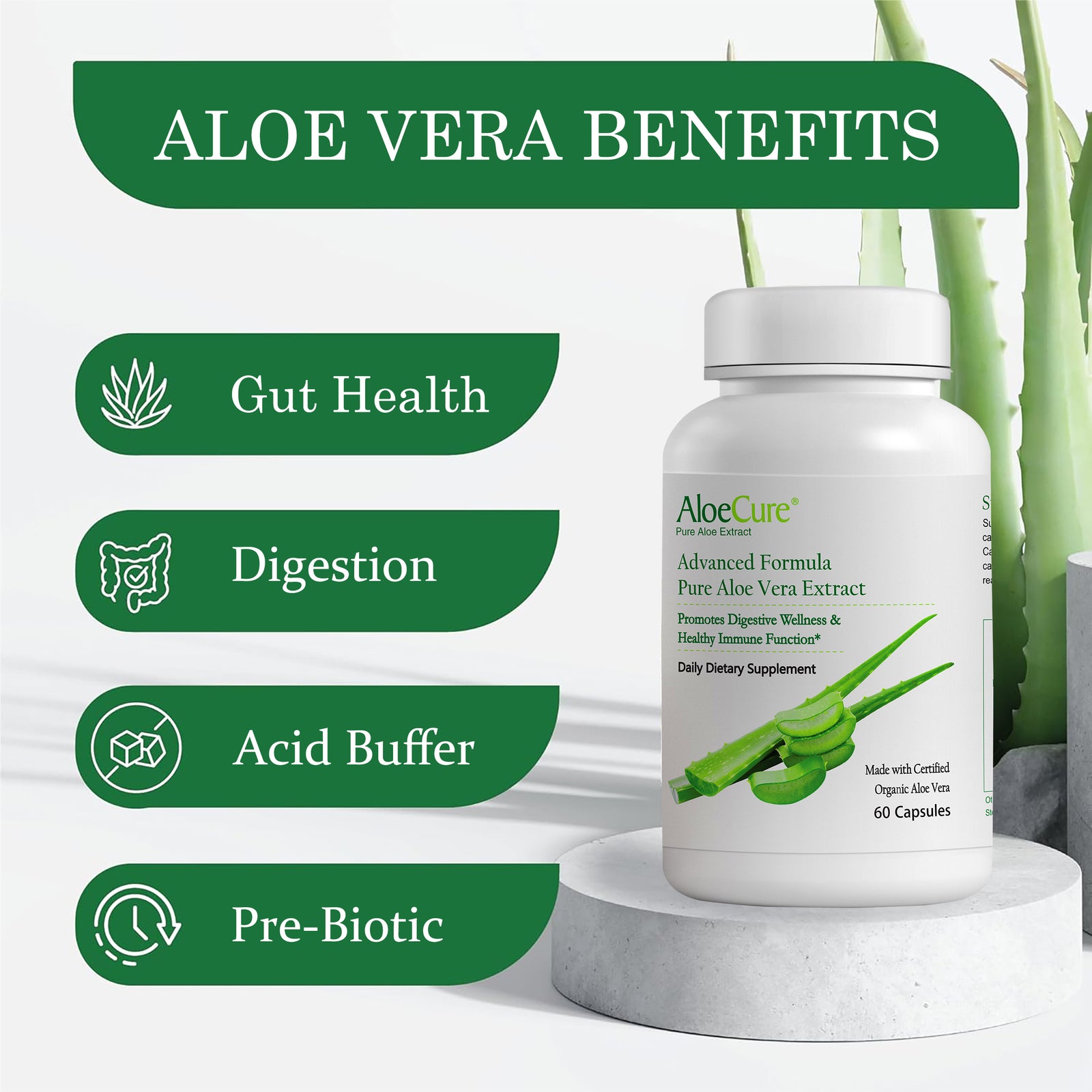
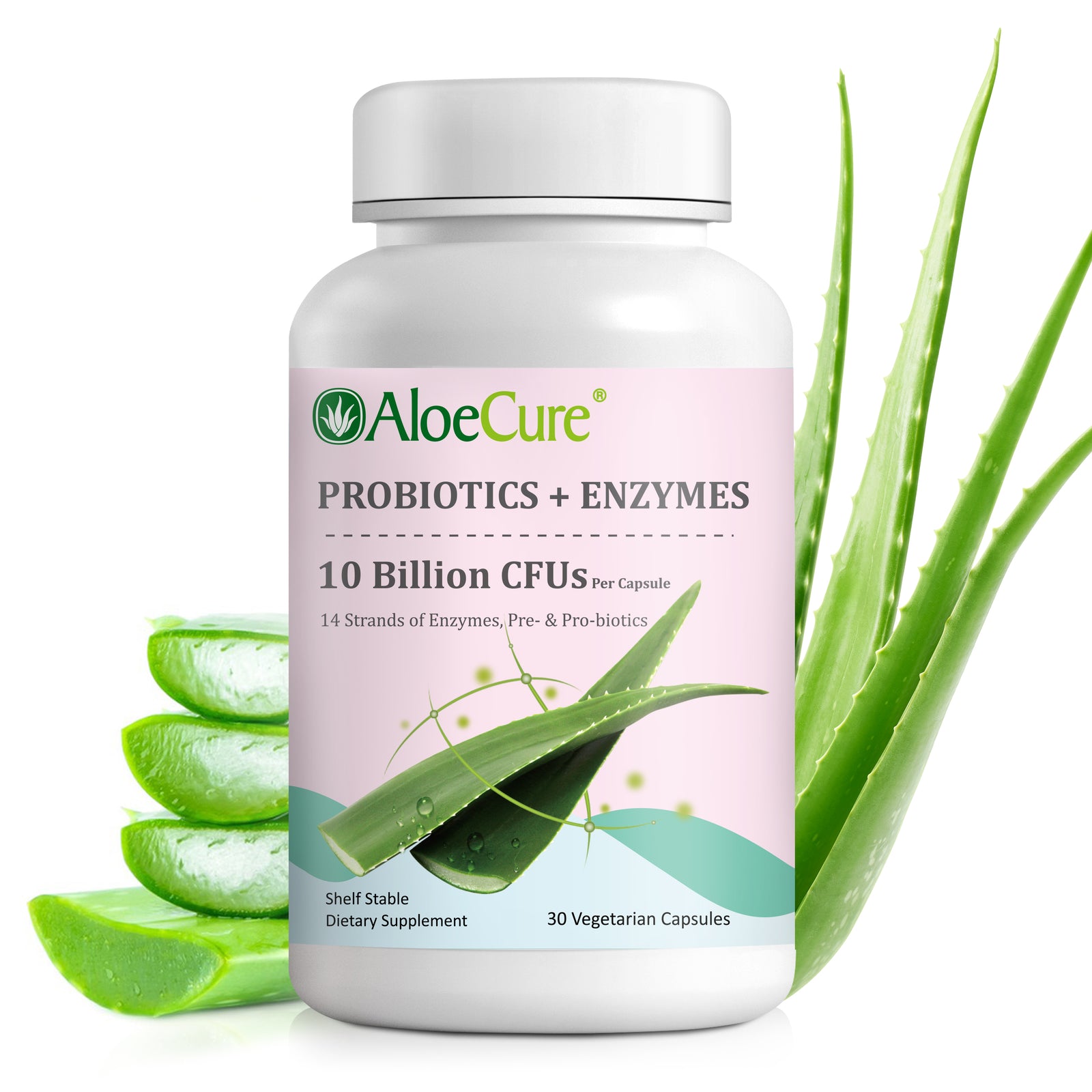
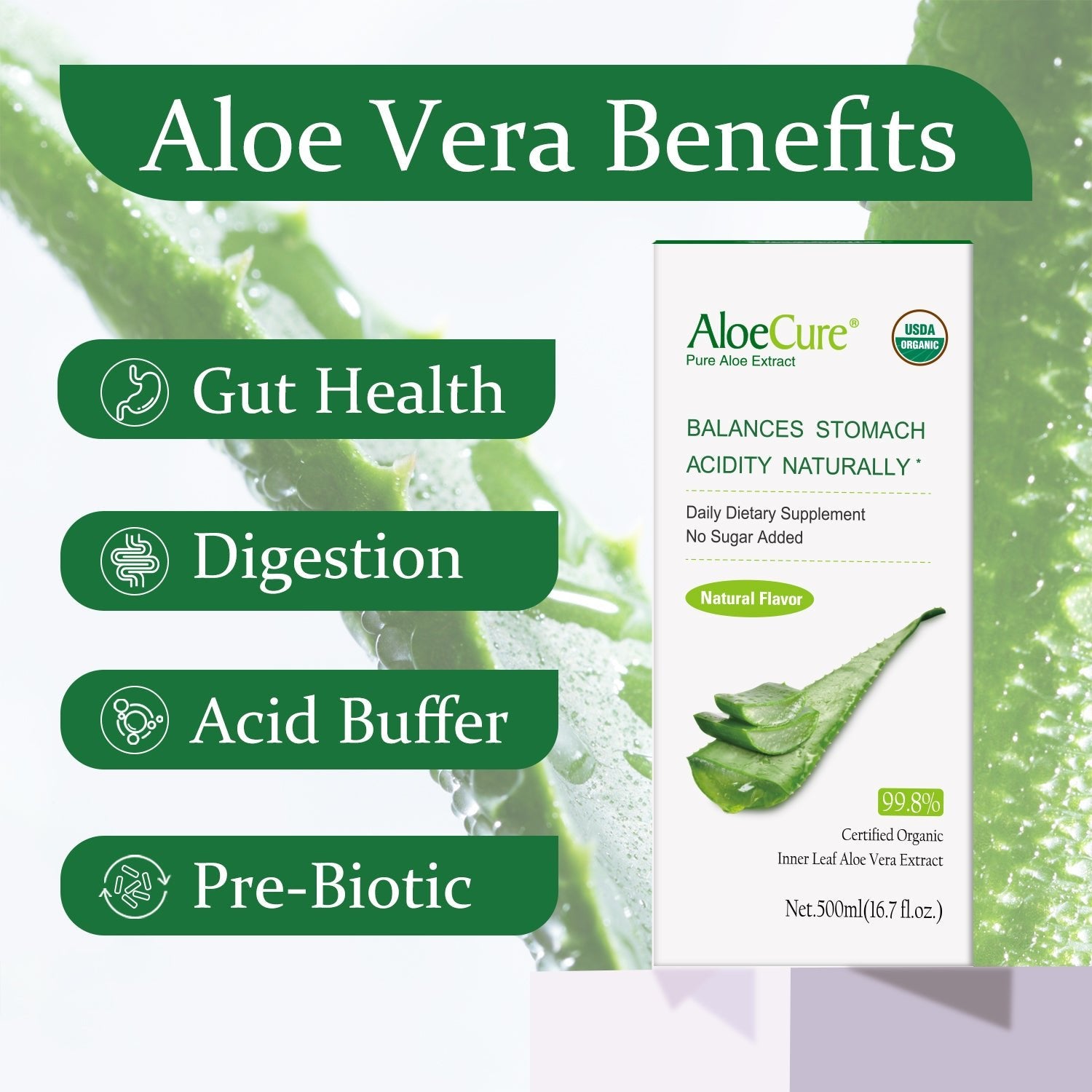
As a factual example, AloeCure offers organic aloe vera juices and supplements from a vertically integrated supply chain that farms, processes, and manufactures its own aloe. For careful shoppers, that structure is less about marketing and more about traceability. It gives you clearer answers about where the aloe came from, how quickly it was processed, and whether it stayed close to its original state.
A broader wellness approach does not promise instant change. It gives your hair better conditions over time.
If your shampoo uses well-processed aloe, your styling habits are gentler, and your daily routine is steady, your hair has a better chance to look smoother, feel less stressed, and stay more manageable. That is the essential value of looking beyond one bottle.
Questions tend to get sharper at the point of purchase. A bottle says “aloe vera,” but that leaves a lot unsaid. How was the aloe handled? Is it fresh or reconstituted? Will the formula suit your hair type, or just sound gentle on the label?
Those details matter because aloe is a fragile plant ingredient. The closer it stays to its natural state during filleting, stabilization, and formulation, the more meaningful its role in a shampoo tends to be.
You can try, especially if you enjoy experimenting with ingredients. The challenge is that fresh aloe gel behaves more like cut produce than a shelf-stable cosmetic raw material. It changes quickly, and a good shampoo also needs balanced cleansing, preservation, and pH control.
A homemade blend may feel pleasant for a wash or two. A professionally made formula is usually more consistent, safer to store, and easier to judge over time.
The first changes are often sensory. Hair may feel less stripped in the shower, smoother during rinsing, or easier to comb afterward.
Visible changes usually take longer because shampoo is only one part of the picture. Heat styling, wash frequency, hard water, and heavy styling products can all blur the result. A steady routine gives you a fairer read on whether the formula suits you.
Often, yes, if the formula is mild and not overly harsh on the hair surface. Color-treated hair usually does better with shampoos that cleanse without leaving the strands feeling rough.
Water temperature and handling matter too. Lukewarm water and gentle drying habits can help color-treated hair keep a smoother feel after washing.
Many shoppers look for aloe because they want a calmer wash experience. Aloe itself contains naturally occurring compounds and enzymes that make it appealing in scalp-focused formulas, and earlier research has explored aloe in relation to dry, flaky scalp conditions.
The full formula still matters more than the front label. Fragrance, surfactants, preservatives, and added botanicals can all affect how a product feels on reactive skin. Patch testing is a sensible step if your scalp tends to respond quickly to new products.
Usually, no. Oiliness is more often tied to the overall formula, how much product you use, and where you apply it. Aloe is typically chosen for its light, water-rich character, not for creating a heavy coated feel.
If your roots get oily fast, focus the shampoo at the scalp and let the lather travel through the lengths as you rinse. That simple change often improves the result.
Often, yes.
Shampoo and conditioner do different jobs. Shampoo removes oil, sweat, and buildup. Conditioner helps with slip, softness, and easier detangling. If your shampoo is gentler, you may need less conditioner than before, but many people still benefit from using one, especially with long, textured, or color-treated hair.
Start by reading past the marketing language. “Aloe vera” on the front does not tell you whether the formula uses fresh inner leaf aloe, diluted concentrate, powdered aloe, or heavily filtered material that has lost much of what made the plant interesting in the first place.
A better checklist looks like this:
Processing is where careful shoppers separate real plant quality from ingredient-list decoration.
No single shampoo can solve every hair concern. Aloe can support a gentler cleansing experience and help hair feel softer or more manageable, but it cannot cancel out rough handling, frequent high heat, or a poor overall routine.
That is a practical standard. You are not looking for a miracle ingredient. You are looking for a well-made shampoo with aloe that was worth putting in the bottle to begin with.
If you’ve read this far, the key point is clear. Aloe vera shampoo for hair works best when the aloe itself is worth using. Processing, freshness, and traceability shape the experience just as much as the ingredient list.
Farm-direct, vertically integrated aloe gives shoppers a better chance of getting real plant quality instead of a diluted story. If you want to understand what that looks like from cultivation through processing, explore the fresh aloe difference.
These statements have not been evaluated by the Food and Drug Administration. This product is not intended to diagnose, treat, cure, or prevent any disease.
If you’re ready to choose aloe with more confidence, explore AloeCure for farm-direct aloe wellness products and learn more about Subscribe & Save for 20% off flexible recurring orders.
Les commentaires sont approuvés avant leur publication.