Votre panier est vide


Many individuals ask, “Can I take berberine at night?” The better question is, what are you trying to support by taking it at night?
That shift matters. Supplement timing isn't only about what's allowed. It's about matching a routine to your goals, your meals, and how your body responds. For some people, berberine at night fits neatly into an evening wellness rhythm. For others, a daytime or meal-based schedule feels smoother and easier to tolerate.
A key takeaway is simple. Nighttime use can be a strategic choice, not a universal rule. If you understand why timing matters, you can build a routine that feels intentional instead of random.
Berberine is a plant-derived compound used in wellness routines for metabolic support. A simple way to think about it is as a kind of cellular housekeeper. It helps support the body's normal energy-handling processes, especially the systems involved in how cells use and manage fuel.
That doesn't mean berberine “forces” the body to do something unnatural. It works more like a helper in the background. If your metabolism is the daily traffic pattern of your body, berberine supports smoother signal flow so cells can stay organized and responsive.

People often get confused here because they expect a supplement to act like an on-off switch. Berberine is better understood as support for normal metabolic function. That can include support for healthy glucose metabolism, lipid metabolism, and overall cellular energy balance.
If you like learning how different supplements fit into a broader metabolic plan, this guide on how exogenous ketones support metabolic function adds helpful context.
Timing gets most of the attention, but bioavailability matters too. A supplement can look good on a label and still perform differently depending on formulation, routine, and how you take it. That's why it helps to understand the basics of supplement bioavailability and absorption.
Big idea: Berberine isn't usually chosen because it feels stimulating or calming. It's usually chosen because it supports the body's natural metabolic processes.
That's also why the “at night” question can be tricky. Berberine isn't mainly about the clock. It's about whether evening timing lines up with your meals, your comfort, and your wellness goals.
With berberine, timing shapes the experience. It can influence consistency, mealtime fit, and digestive comfort.
A split schedule makes practical sense. Instead of putting everything into one moment late in the day, it spreads support across the day in smaller, steadier portions. That often fits better with meals and may feel gentler for people who are sensitive to supplements.
Here's the baseline many people start from:
| Routine style | How it's commonly used | Why people choose it |
|---|---|---|
| Two-dose routine | Divided across the day with meals | Simpler habit, easier consistency |
| Three-dose routine | Smaller servings around breakfast, lunch, and dinner | More evenly spaced support |
| Bedtime-only routine | A single evening dose | Convenience, but less established as the standard pattern |
People often overthink the exact minute. In real life, the bigger win is having a schedule you'll follow. If a supplement plan feels complicated, many abandon it.
That same principle shows up with other nighttime supplements. For example, Lila's advice on melatonin use is useful because it shows how timing, routine, and personal goals all affect whether a supplement makes sense at night.
A good supplement routine should feel sustainable on an ordinary Tuesday, not just on your most organized day.
If you're wondering when a new routine starts to feel noticeable, this article on how long supplements take to work can help set expectations.
The key point is that berberine at night is a specific timing strategy, not the default schedule. Once you know the usual baseline, you can judge whether an evening approach matches what you want.
Some people choose berberine at night because they want their supplement routine to line up with the body's overnight metabolic work. The body doesn't stop regulating energy just because you're asleep. Evening timing can feel appealing to people who want support during that overnight window.

A practical example helps. Think about your body as a home that runs different systems after dark. During the day, the kitchen, doors, and lights are active. At night, the home shifts into maintenance mode. Some people see evening berberine the same way. It's less about a dramatic feeling and more about supporting the body's normal background processes while you rest.
Nature Made notes that nighttime dosing may be chosen to support the body's overnight processes, such as hepatic glucose output, while also pointing out that many protocols use divided dosing like morning and night to balance support with digestive comfort in their article on taking berberine before bed.
That idea can appeal to people who:
Here's a quick visual overview before going further:
Readers often get mixed up: “Can be taken at night” doesn't mean “works best only at night.” It means evening use may fit a certain goal.
Practical rule: If nighttime dosing helps you stay consistent and sits well with your body, it may be a reasonable option. If it disrupts comfort, the strategy needs adjusting.
For many adults, the most useful way to think about berberine at night is as one tool in a personalized schedule. It isn't automatically better than daytime use. It's one route that may align with how you eat, rest, and build habits.
Nighttime routines feel convenient, but convenience isn't the only factor that matters. The biggest reason some people move berberine earlier is simple. Evening use doesn't feel comfortable for everyone.
Some guidance suggests earlier use because nighttime dosing may cause mild digestive unease in some individuals, and human evidence for sleep-related benefits remains limited, as discussed in this overview of berberine before bed.

The common misunderstanding is that if a supplement is acceptable at night, it must be ideal at night. That's not always true.
A supplement taken close to bedtime can feel different from one taken with breakfast or lunch, even if the ingredient itself is the same. The issue is often the context around it:
If you wake up feeling off, it can be hard to tell whether the problem is the supplement, the meal before it, or the timing. That uncertainty is why many people test changes gradually instead of switching to a big bedtime dose all at once.
If your body gives you a clear “not at night” signal, listen to it. A wellness routine should support your evening, not make it feel harder.
There's another point worth keeping in mind. Preclinical research has explored a possible link between berberine and rest-related mechanisms, but that isn't the same as strong human guidance for bedtime-specific use. So if your main reason for nighttime dosing is comfort and convenience, that's reasonable. If your expectation is a dramatic night-specific effect, current guidance doesn't clearly support that.
The smartest way to use berberine at night is to treat timing like an experiment with guardrails. You want a routine that supports your goals without creating unnecessary friction.
Guidance from Global Healing emphasizes that adults should be aware of potential interactions with other supplements or medications and discuss timing with a healthcare provider, since nighttime-specific human benefits are not as established as general metabolic support in their article on when to take berberine.
Start simple. If you want to try berberine at night, don't make several changes at once.
The supplement itself also matters. Purity, sourcing, and testing shape trust. If you're comparing options, look for transparent manufacturing and independent quality checks. This guide on what third-party testing means for supplements is a useful place to start.
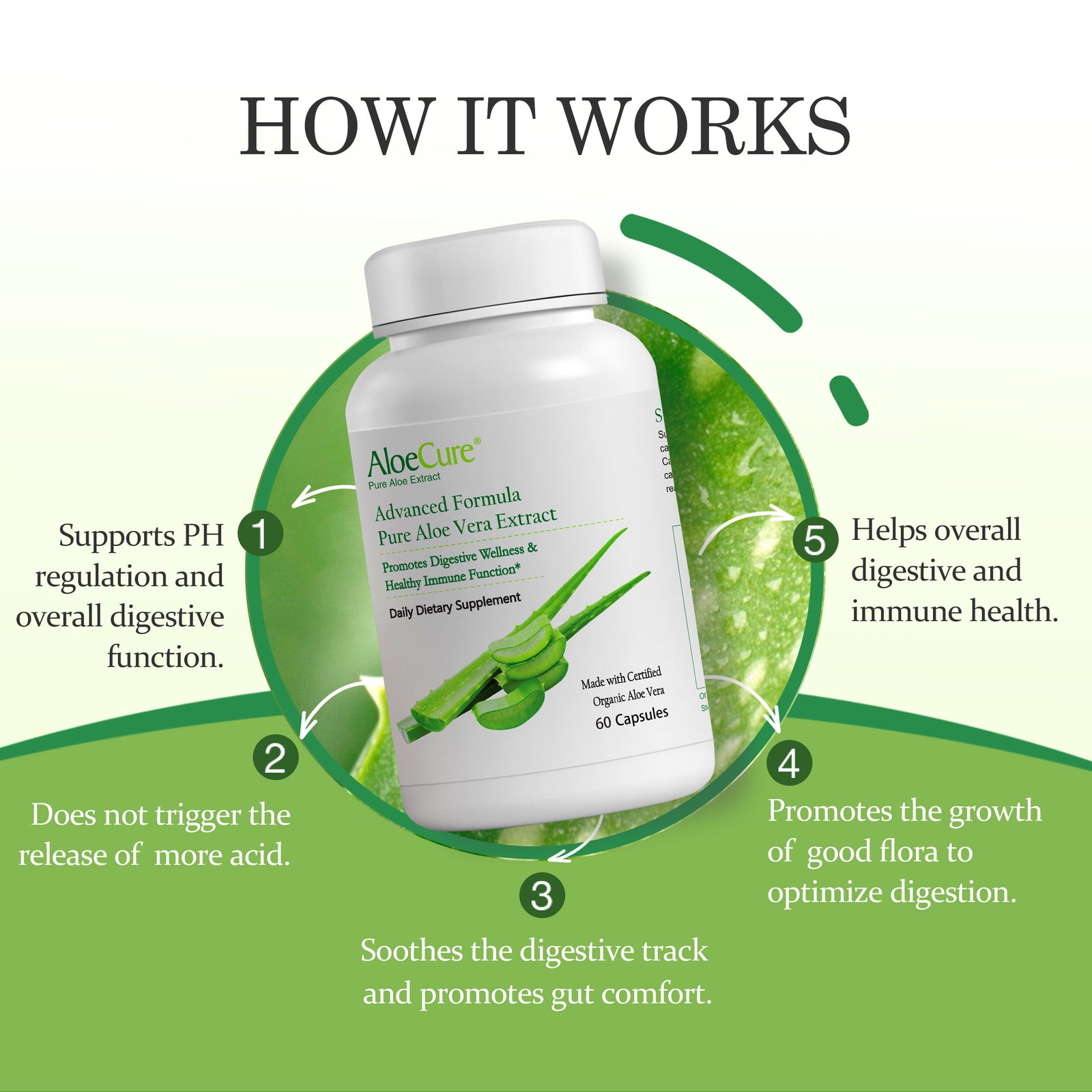
A factual example is AloeCure, which makes wellness products through a vertically integrated process that includes farming, processing, and production within the same company. That kind of traceability can help shoppers evaluate product consistency when choosing supplements for a daily routine.
Use extra care if any of these apply:
This is one of those areas where “effective” and “easy to live with” should go together.
The most honest answer to the berberine at night question is that it depends on what you want from the routine.
Current consumer content often gives simple advice but rarely compares bedtime and daytime dosing directly. WebMD's berberine overview notes that a more useful distinction is whether you take it with dinner for digestive comfort or right before bed for adherence, which helps people personalize timing in a more practical way through its berberine reference page.

A simple decision framework can help:
If you're building a consistent supplement plan, it may be worth exploring AloeCure and its subscription option for 20% off, especially if you value traceability, routine-friendly ordering, and flexible delivery.
These statements have not been evaluated by the Food and Drug Administration. This product is not intended to diagnose, treat, cure, or prevent any disease.
Many people prefer taking supplements with food because it feels gentler than taking them on an empty stomach. If dinner is light or early, a small evening snack may feel more comfortable than taking berberine right before bed with nothing else. Keep your routine consistent so you can tell how your body responds.
No. They're used for different reasons. Berberine is usually chosen for metabolic support, while melatonin is typically used around sleep timing. If you're also building a calm evening environment, non-supplement habits can help too. This ArtNaturals' essential oil guide offers ideas for creating a more restful nighttime setting.
Don't panic. The main goal is long-term consistency, not perfection. If you miss a dose occasionally, return to your normal schedule the next day instead of making random timing changes that confuse your routine.
That depends on your priority. Dinner timing often works better for comfort. Right-before-bed timing may be easier for habit-building if that's the moment you always remember your supplements.
Track two things for a couple of weeks. First, ask whether evening timing is easy to stick with. Second, ask whether it feels comfortable. If both answers are yes, nighttime use may fit you well. If either answer is no, a meal-based daytime plan may be the better choice.
If you want a cleaner, more dependable wellness routine, explore AloeCure for carefully made supplements and aloe-based wellness products, plus flexible Subscribe & Save delivery with 20% off for ongoing routines.
Les commentaires sont approuvés avant leur publication.