Votre panier est vide


You're probably here because you've looked at a few joint health reviews and realized they don't make the choice easier. One product has glowing comments. Another has a polished expert roundup. A third has a label packed with familiar ingredients, but no clear explanation of why they're there or how the formula was made.
That confusion makes sense. Joint-support supplements now sit in a huge category, with the global market reaching $13.6 billion in 2023 and projected to reach $23.8 billion by 2035, according to joint health supplement market data. When a category gets that large, more options appear, more marketing shows up, and the job of sorting good products from weak ones gets harder.
A smart review process helps you slow down and look at the right things. Not hype. Not dramatic promises. Not a wall of five-star ratings with no detail. If you're also thinking about everyday movement support beyond supplements, a practical guide on how to find the right treatment for your pain can help you compare broader comfort strategies.
Many individuals don't start with ingredient research. They start with discomfort during walks, stiffness after sitting, or a feeling that movement just isn't as easy as it used to be. Then they open a search tab, type in “joint health reviews,” and get hit with hundreds of choices.

That's where many shoppers get stuck. They assume the main task is finding the highest-rated product. In reality, the better task is finding the product you can verify.
A good review doesn't just tell you whether someone liked a supplement. It helps you answer practical questions:
Those questions matter because supplements aren't all built the same way. Two bottles may list similar ingredients, but the form, quality checks, and manufacturing standards can differ a lot.
Practical rule: A trustworthy review should leave you feeling more informed, not more impressed.
Star ratings can be helpful for spotting patterns around taste, capsule size, or customer service. They're weak at showing whether a formula is evidence-based, properly tested, or clearly labeled.
That's why the strongest joint health reviews combine three lenses. Real customer experience. Ingredient context. Product quality proof. When even one of those is missing, the review becomes less useful.
Think of this guide as a filter. You don't need to become a scientist. You just need a simple way to separate products that look persuasive from products that look dependable.
Not all reviews answer the same question. Some tell you what it feels like to use a product. Others compare labels. A few look at the underlying evidence. The mistake is treating all of them as equal.
Customer reviews are good for everyday details. You can learn whether capsules are easy to take, whether the flavor is pleasant, whether shipping was smooth, and whether people felt the product fit easily into a routine.
They also have limits. Most reviewers don't know ingredient forms, manufacturing standards, or whether the label was independently verified. Personal impressions can be honest and still incomplete.
A useful customer review usually sounds specific. It mentions routine, timing, or a concrete experience with movement and comfort. A weak one leans on vague praise.
| Review type | What it does well | What it misses |
|---|---|---|
| User review | Real-life experience | Testing, formulation quality, evidence depth |
| Expert roundup | Product comparison | May rely on brand-provided info |
| Scientific evidence | Ingredient-specific insight | Doesn't always match the exact product in the bottle |
Professional reviews and magazine-style lists can save time. They often compare dosage, serving format, ingredient profile, price, and whether a brand shares testing details.
That's useful. But expert roundups still vary in quality. Some are thoughtful. Others mostly repackage marketing copy with a cleaner design and stronger headlines.
Look for signs that the reviewer evaluated the product category with a method. If an article explains how products were screened, what standards mattered, and why some formulas rank higher than others, it's more credible than a page that just says a supplement is “amazing.”
Scientific literature answers a different question. It doesn't ask, “Did this shopper love the bottle?” It asks, “What do we know about this ingredient, in this form, for this specific use?”
That distinction matters. A study on one ingredient doesn't automatically validate every product that includes it. Evidence can be narrow, formulation-specific, and tied to a particular wellness goal.
The most useful way to read joint health reviews is to treat user feedback, expert comparison, and ingredient evidence as separate layers, not substitutes for one another.
When you stack those layers together, reviews become much clearer. You stop asking, “Which product has the most stars?” and start asking, “Which product gives me the best-supported reason to trust what's inside?”
Ingredient labels can look familiar and still be confusing. You may recognize names like glucosamine or collagen, but not know what role they're meant to play in a formula. That's where many joint health reviews fall short. They list ingredients without explaining the job each one is there to do.

A clearer way to look at a formula is to ask what each ingredient is trying to support.
The key lesson is that ingredients shouldn't just be present. They should make sense together.
Scientific analysis shows that ingredient efficacy can be highly specific. Evidence for some compounds is strongest for supporting knee function rather than broad, generic “joint health,” according to Stanford's review of joint-support supplements. That means the best joint health reviews tell you what a formula is specifically built for.
If a label tries to sound like it supports everything for everyone, be cautious. Specificity is usually a better sign than broad promises.
For collagen, this gets even more important. Native and hydrolyzed collagen aren't identical categories, and consumer reviews often blur them together. If you want a helpful primer on the differences, AloeCure's guide to types of collagens is a solid place to start.
Two formulas can share a headline ingredient and still differ in meaningful ways.
One may use a thoughtful combination with a clear purpose. Another may stack trendy ingredients on the label. That's why “contains glucosamine” or “has collagen” doesn't tell you enough on its own.
Ask these questions when reading a review:
Good formulas don't just include popular ingredients. They combine ingredients with a clear purpose and a clear explanation.
That's what makes an ingredient list useful instead of decorative.
A supplement label is a promise. The fundamental question is whether the company can prove that promise.

Many joint health reviews stay too shallow. They compare ingredients and price, but skip the issue that matters most once you've narrowed down a formula. Does the bottle contain what the label says it contains?
Independent testing by Consumer Reports on 16 popular joint supplements found that seven did not contain the amount of ingredients claimed on the label, and two failed basic dissolution tests, according to Consumer Reports' testing summary. That's why third-party verification isn't a bonus feature. It's a basic trust signal.
When a company offers outside testing, certification details, or a certificate of analysis, it gives you something objective to look at. Without that, you're left with branding.
A reliable product page or review should make it easy to find the following:
If you want a deeper look at what independent verification means and why it matters, this AloeCure article on what is third-party testing gives a practical overview.
A short video can also help make the concept more concrete:
A quality review doesn't only ask whether a product is pure. It also asks whether the brand communicates responsibly.
That means no exaggerated promises. No attempt to make a supplement sound like a guaranteed fix. No pressure to ignore personal health context.
Here's a simple test. If a brand is proud of its quality, it will usually show you the receipts. If it only gives you lifestyle photos and emotional copy, keep looking.
Some reviews are written to inform you. Others are written to move you quickly toward a purchase. The tricky part is that both can look polished.
The biggest red flag is dramatic certainty. Reviews that promise fast, sweeping change usually sound confident, but confidence isn't evidence.
A 2022 analysis cited by Harvard Health found no convincing evidence that some popular ingredients provided major benefits for knee comfort, as explained in Harvard Health's review of glucosamine and chondroitin. That gap between marketing and evidence is exactly why overconfident reviews deserve extra scrutiny.
Watch for phrases like these:
The next warning sign is emotional language with no product detail behind it. A review that says “life-changing” but never mentions ingredients, serving size, quality checks, or routine use isn't giving you much to work with.
Balanced reviews usually include nuance. They explain who a formula may fit, where uncertainty remains, and why quality still matters even when an ingredient is popular.
If a review sounds more like a slogan than an observation, treat it like advertising.
You don't need special software to spot suspicious review patterns. Read a handful side by side and ask:
A credible review doesn't need to be negative. It just needs to be grounded. Specific language, realistic expectations, and some acknowledgment of product quality are usually better signs than enthusiasm alone.
The easiest way to judge a supplement brand is to follow the chain of custody. Where do the ingredients come from. Who handles them. How much of the process the company controls.

That's where vertical integration stands out. Instead of relying entirely on a patchwork of outside suppliers, a vertically integrated company manages key stages itself. For shoppers, that usually means better traceability and fewer blind spots.
Market reporting has noted that 18% of joint health supplements fail quality testing, as discussed in this joint supplement quality overview. That makes manufacturing transparency a real decision factor, not a nice extra.
A company that grows, processes, and manufactures its own core ingredient can usually answer harder questions with more precision. Where was it sourced. How quickly was it processed. What standards were used. Was the process designed to preserve the ingredient's original character.
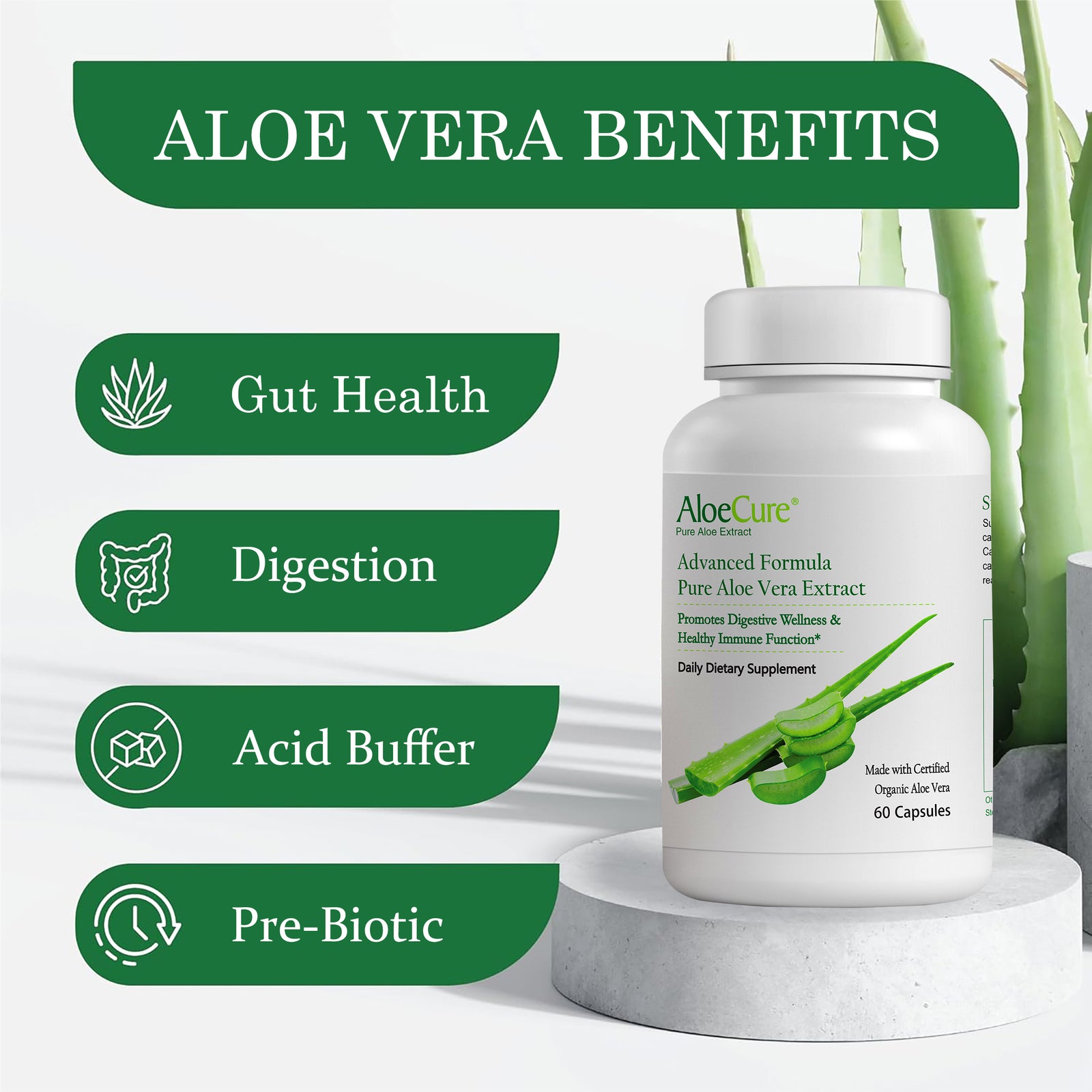
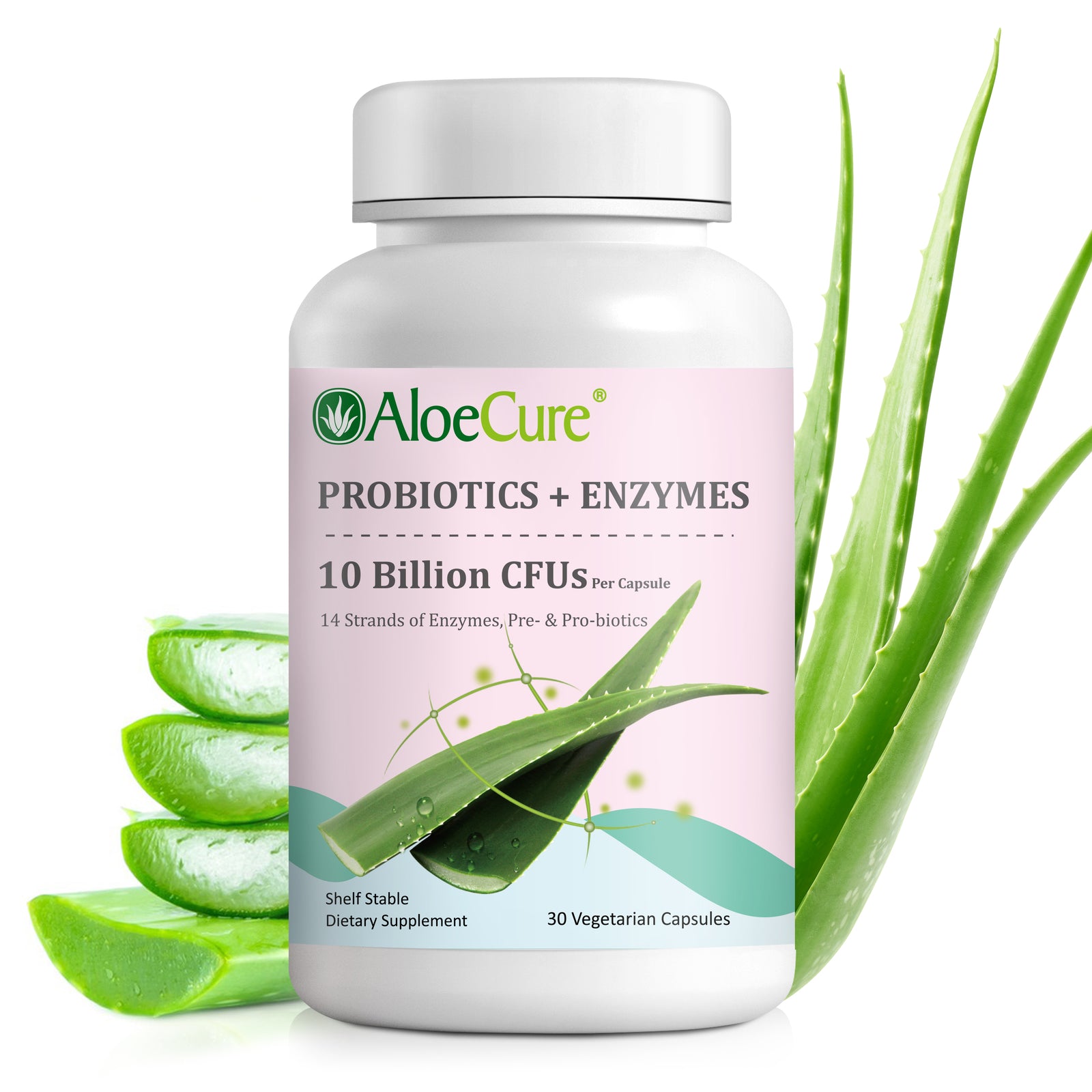
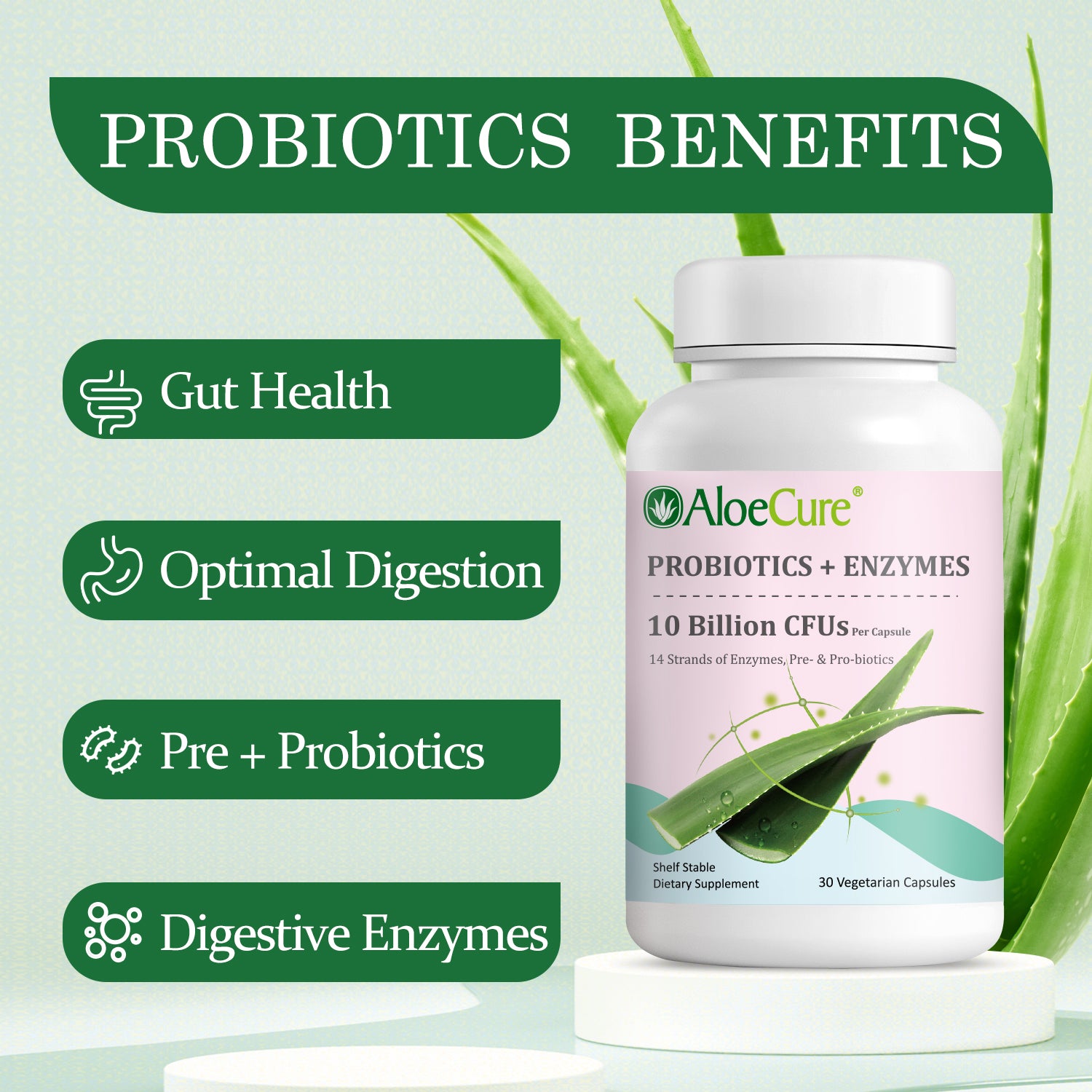
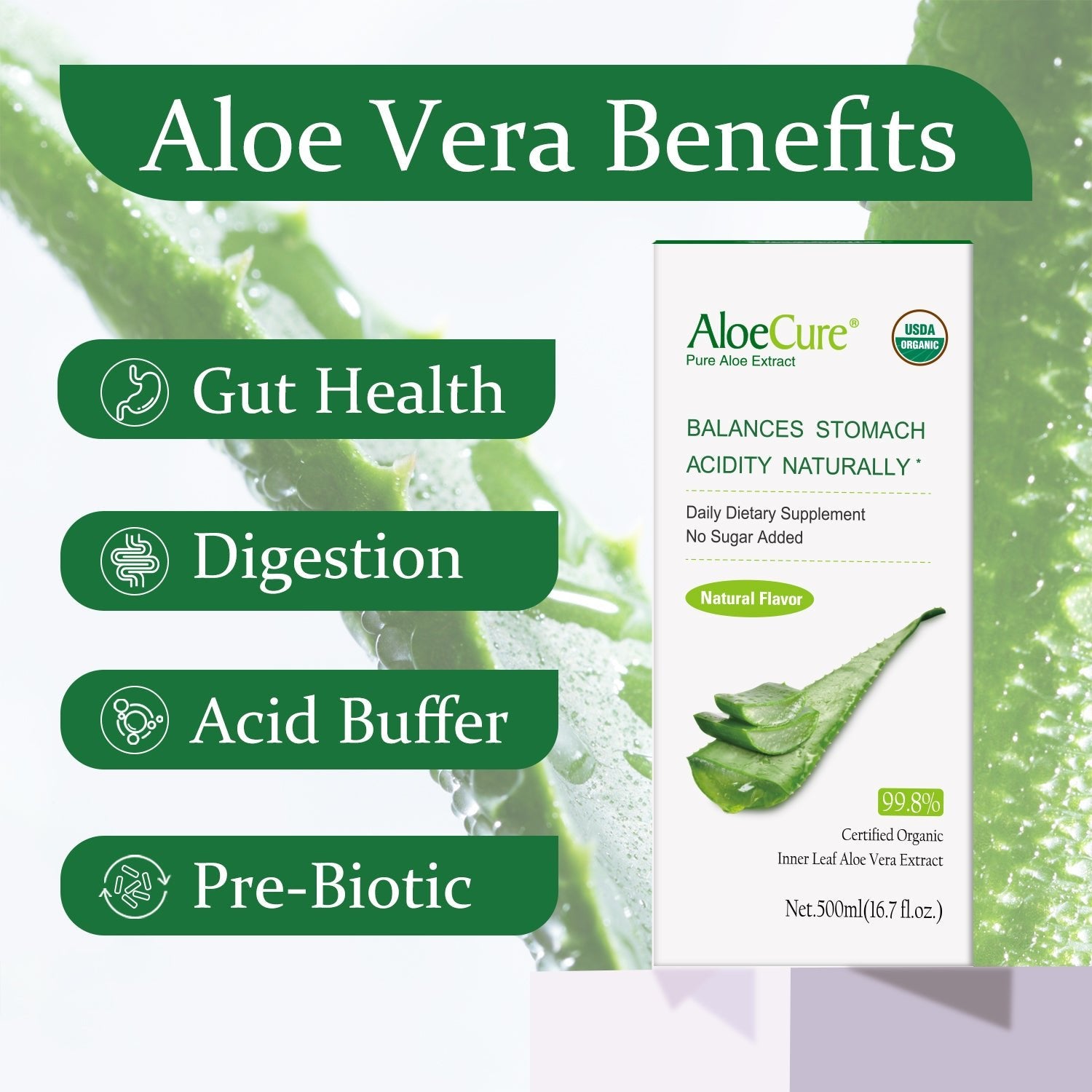
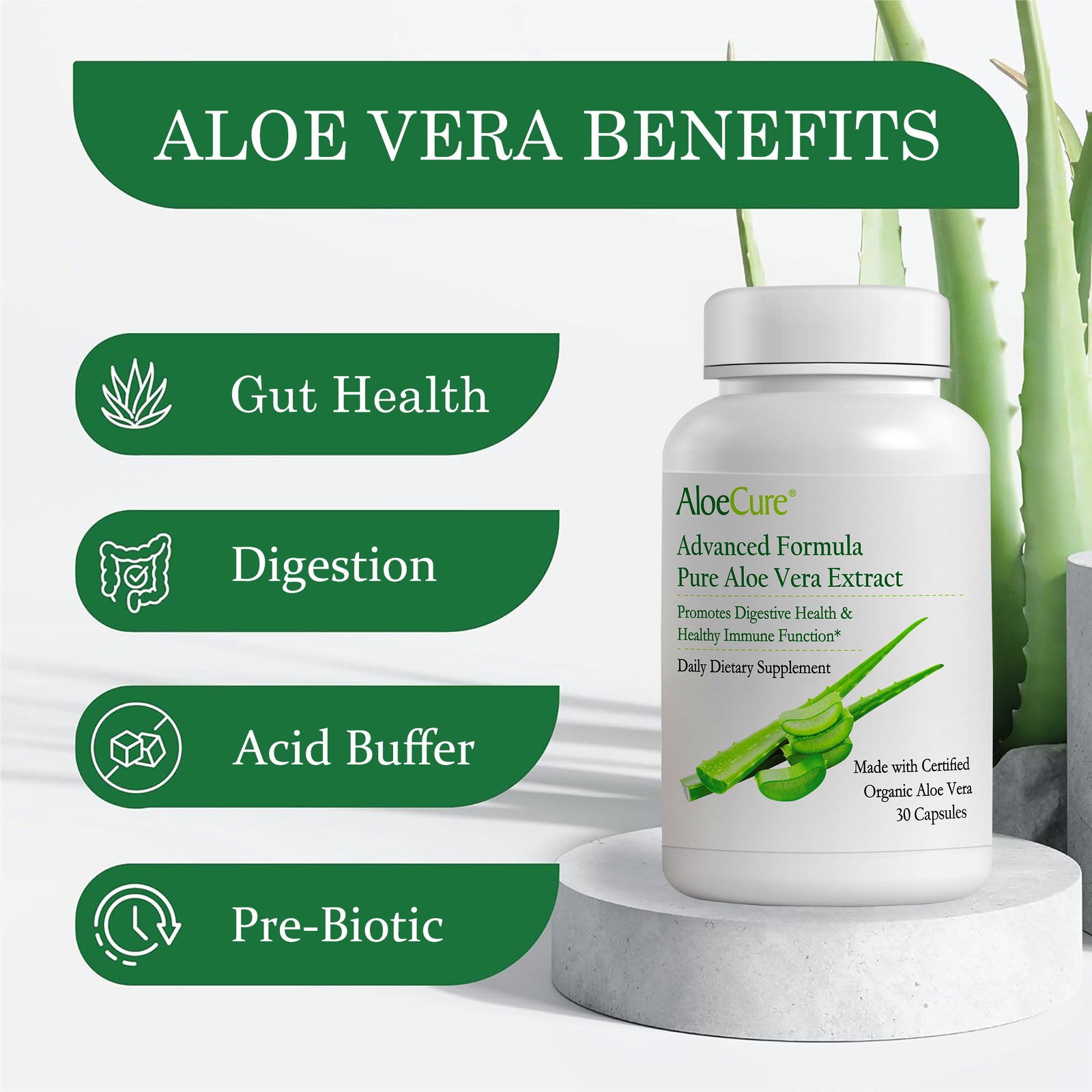
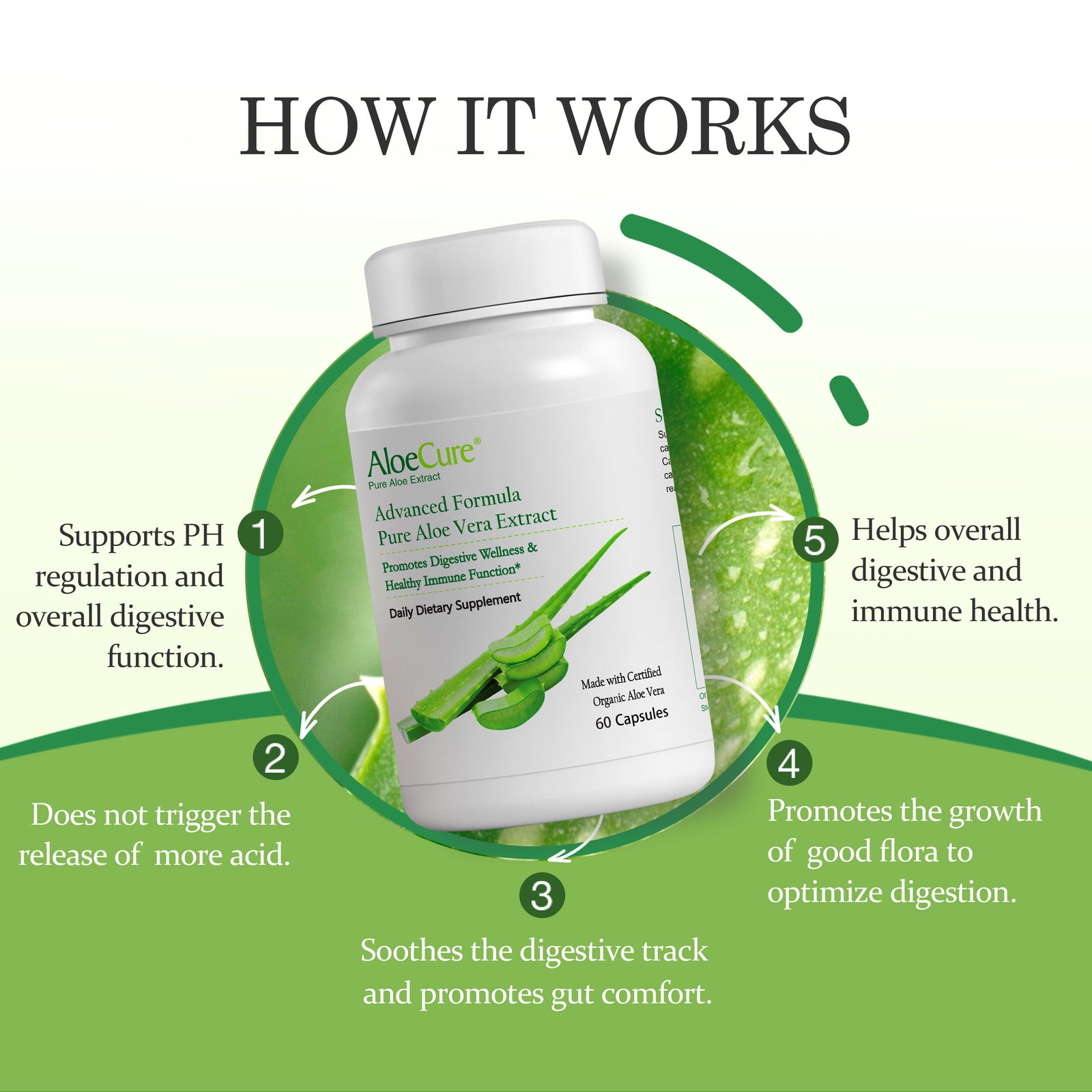
AloeCure is one example of that model. The brand is vertically integrated, meaning it farms its own aloe, processes that aloe, and produces its finished products within the same broader system. In a category where many reviews never move beyond ingredients and star ratings, that kind of traceability gives shoppers something concrete to evaluate.
One relevant example is VeraFlex, a joint-support supplement positioned for comfort, flexibility, and mobility. The important point isn't hype. It's that the product sits inside a process the company can describe from source to finished bottle.
Here's why that matters in review terms:
A trustworthy supplement review should ask not only “What's in this formula?” but also “Who controlled the process that put it there?”
That question helps you judge any brand, whether or not the label looks impressive at first glance.
When you're comparing joint health reviews, a short checklist is more useful than a long list of claims. Keep this nearby before you buy.
Supplements are only one part of the bigger picture. Daily movement, footwear, training habits, and routine consistency all shape how your body feels. If you want a practical example from that side of the equation, this guide to affordable carbon plate shoes for joint comfort offers a useful look at how gear choices can support movement.
Use this final test before checkout. If a product looks appealing but you still can't answer what it's for, why those ingredients were chosen, or how quality was verified, keep searching.
These statements have not been evaluated by the Food and Drug Administration. This product is not intended to diagnose, treat, cure, or prevent any disease.
If you want to apply this review framework to a brand that emphasizes traceability, controlled aloe sourcing, and in-house production, visit AloeCure. You can explore its wellness products, learn more about its farm-to-bottle process, and sign up for Subscribe & Save for 20% off with flexible delivery.
Les commentaires sont approuvés avant leur publication.