Tu carrito está vacío
Envío y manipulación gratuitos con todos los pedidos superiores a $25
Envío y manipulación gratuitos con todos los pedidos superiores a $25

Are you looking for a way to support steady energy and mental sharpness, but keep running into supplement claims that sound bigger than the evidence behind them?
That's where PQQ gets interesting. It's a vitamin-like compound that has drawn attention for its connection to cellular energy and cognitive support, yet it still sits outside the mainstream. Some early human research looks promising. At the same time, the evidence is still developing, and that matters if you want to make a smart decision instead of chasing hype.
A careful approach is the best one. The key value in learning about PQQ supplement benefits isn't just knowing the buzzwords. It's understanding what PQQ is, how it may work, where the human evidence is strongest, and why supplement quality should matter if you decide to try it.
PQQ stands for pyrroloquinoline quinone. That name sounds technical, but the basic idea is simple. It's a compound linked to mitochondrial function, which means it's often discussed in conversations about energy, focus, and everyday resilience.
People often get confused because PQQ is talked about like a vitamin, but it isn't a standard household nutrient in the same way as familiar B vitamins. If you've already explored broader nutrient support, it can help to compare it with foundational options like an organic vitamin B complex, which plays a more established role in daily nutrition.
PQQ is best understood as a promising specialty supplement, not a magic shortcut.
That distinction keeps expectations realistic. When considering PQQ supplement benefits, the usual hope is for support in two areas: better cellular energy and better cognitive performance. Those are the areas where the conversation is most active, and they're also the areas where the questions are most important.
A good rule is to think in layers. Start with what PQQ is. Then look at how it may work inside the body. After that, review the human evidence and decide whether the current level of research matches your goals.
PQQ is a vitamin-like compound that was first identified in bacteria and later found in trace amounts in foods and human breast milk, according to this overview of PQQ's history and research context. That background matters because many people assume every popular supplement comes from a long-established nutrition category. PQQ doesn't.
Instead, its reputation grew from research around mitochondrial function and antioxidant activity. Those are the two ideas you'll see most often, and both can be explained in plain language.

Your cells rely on mitochondria to help produce energy. If you think of each cell as a small city, mitochondria are the power plants that keep activity moving.
PQQ is often described as supporting mitochondrial biogenesis, which means helping the body support the creation of new mitochondria. That's why people connect it to sustained energy and mental performance. The idea isn't that PQQ acts like a stimulant. It's that it may support the body's natural energy production processes at the cellular level.
PQQ is also discussed as an antioxidant. In practical terms, that means it may help protect cells from oxidative stress that builds up during normal life.
This is another place where readers can get misled. Antioxidant support sounds impressive, but it doesn't automatically mean a supplement will create dramatic everyday results. Public-facing medical sources cited in the same research overview describe PQQ as supporting mitochondrial function and acting as an antioxidant, while also emphasizing uncertainty about how much real-world benefit people should expect.
Short-term human studies have reported no side effects, and the commonly suggested adult maximum is 20 mg per day, but that doesn't mean the long-term picture is fully settled.
PQQ's story is modern. It isn't a classic nutrient with decades of broad public familiarity. That doesn't make it unhelpful. It just means the smartest view is measured optimism.
If you're evaluating PQQ supplement benefits, the key is to separate mechanism from proof. The mechanism is interesting. The proof in humans is promising, but still limited. That balance is what helps you read labels and claims with a clearer eye.
The strongest human interest in PQQ usually centers on brain function and energy support. That makes sense. These are the benefits people can feel most directly in daily life, whether that means staying focused through a workday or avoiding the flat, worn-down feeling that can show up in the afternoon.
Here's an image that captures the practical goal many people have in mind.

One independent review reports that PQQ has some of its strongest human evidence in cognition, though the trials are small. In one 12-week study, participants taking PQQ showed small improvements in 7 of 11 measured cognitive domains, including memory, attention, judgment, and cognitive flexibility, while the placebo group improved more on complex attention. The same review also notes another human trial in which 20 mg per day for 8 weeks improved mood, fatigue, and sleep quality in adults aged 20 to 60. It also cites a separate study in 29 middle-aged men and women where 10 mg twice daily for 3 months was associated with lower LDL cholesterol by 9 mg/dL, while the placebo group increased by 3.7 mg/dL. You can review those details in this summary of PQQ benefits, forms, dosing, and side effects.
That's encouraging, but it's not the same as large-scale clinical certainty. Small studies can point in a useful direction without settling the question.
For cognition, the most reasonable takeaway is that PQQ may support healthy cognitive function, especially in areas like attention, memory, and mental flexibility.
For energy, the interpretation is a little different. PQQ doesn't work like caffeine. It's better understood as a nutrient that may assist the body in its natural energy production processes. Some people like that distinction because they want support for steadier vitality rather than a quick spike.
A practical way to consider this is:
Practical rule: If you're interested in PQQ for brain support, treat it as part of a bigger routine that also includes sleep, movement, and nutrition.
Lifestyle still carries most of the weight. If you want complementary practical tips for cognitive improvement, that resource offers useful habits that pair well with a supplement-first mindset. You can also compare PQQ with other approaches in this guide to natural memory enhancers that support brain function.
For a quick visual explainer, this video helps bring the topic to life.
PQQ isn't only discussed for brain support. Another area of interest is how it may support metabolic balance and the body's normal handling of lipids.
That can sound abstract, so it helps to simplify it. The same cellular energy systems that matter for focus and vitality also matter across the body. When mitochondrial function is supported, cells may do a better job managing fuel use.

A recent review notes that PQQ supplementation has been linked to improved insulin sensitivity and outcomes related to metabolic wellness. The same review describes mechanistic research showing that PQQ can increase mitochondrial number and function, enhance beta-oxidation, suppress lipogenesis, and reduce visceral and hepatic fat accumulation in diet-induced obesity models. It also notes that in one cited human study, 20 mg per day for 3 months was associated with lower LDL cholesterol versus placebo. Those details appear in this review on PQQ and cardiometabolic health.
The important part is not the jargon. It's the pattern. PQQ appears to be studied as a compound that may help the body shift toward better energy use rather than excess storage.
For readers, the most compliant and realistic takeaway is this: PQQ may support healthy heart and metabolic function by assisting the body's normal energy and lipid-handling processes.
That doesn't make it a stand-alone answer. Daily habits still matter more.
A strong foundation usually includes:
The best use of PQQ is as support for a healthy system, not as a replacement for healthy habits.
That's especially true in this category. Metabolic wellness is built day by day, and supplements work best when they reinforce a routine you already trust.
PQQ often gets paired with CoQ10, and the reason is easy to understand once you separate their roles.
Think of it this way. PQQ is like the architect helping support the building of more cellular power plants. CoQ10 is like the fuel system that helps those power plants do their job efficiently.

PQQ is commonly discussed for its role in supporting mitochondrial biogenesis. CoQ10 is widely known for its role in cellular energy production within existing mitochondria.
Used together, they appeal to people who want broader cellular energy support rather than a one-angle approach. One supports the system's structure. The other supports the work happening inside that structure.
This combination often appeals to people who want:
| Goal | Why the pairing may fit |
|---|---|
| Daily energy support | It supports the body's natural energy production from more than one angle |
| Active aging routines | It fits wellness plans focused on maintaining normal cellular function over time |
| Brain and heart support | Both compounds are discussed in the context of high-energy tissues |
The main advantage of combining PQQ with CoQ10 is conceptual clarity. You're not just taking two random ingredients. You're pairing nutrients that are both associated with mitochondrial health, but in different ways.
If you're building a supplement routine, choose combinations that have a clear purpose. More ingredients aren't always better. Better-matched ingredients usually are.
That's why this pairing keeps coming up in wellness conversations. It's a simple stack with a logical rationale, especially for people interested in foundational energy support.
Buying PQQ gets tricky for one reason. Marketing often sounds more confident than the research.
That doesn't mean PQQ lacks value. It means you should shop with clear expectations and pay close attention to quality.
WebMD notes that PQQ is widely used for energy, memory, focus, and brain health, while also saying there is still a lot we don't know about how PQQ works, how safe it is long term, and whether it can prevent disease. It also highlights the mismatch between broad wellness claims and the still-limited human evidence base. You can read that perspective in WebMD's overview of what to know about PQQ supplements.
That's one of the most useful filters you can apply as a buyer. Ask a simple question: Which benefits are supported in humans, and which are mostly based on animal or early-stage findings?
If a product page can't help you answer that, be cautious.
When choosing a PQQ supplement, focus on a few practical checkpoints rather than flashy promises.
The short-term human research discussed publicly often centers around supplemental intakes up to 20 mg per day, and public-facing sources have described that as a commonly suggested adult maximum in general wellness use. That doesn't mean everyone needs that amount, and it doesn't mean more is better.
A simple approach is to keep your routine consistent and pay attention to how you feel over time.
Here are sensible habits to follow:
With a newer wellness ingredient like PQQ, quality becomes even more important because the margin for confusion is bigger. When a category is still building its public reputation, buyers need manufacturers to be careful, transparent, and disciplined.
A good supplement brand should make it easy to understand what's in the product, how it was made, and how quality is checked. Clean formulation, responsible sourcing, and reliable testing matter more than trendy branding.
A promising ingredient deserves a trustworthy product. Otherwise, you're not really evaluating the ingredient. You're evaluating a weak version of it.
That's the heart of informed optimism. PQQ may offer meaningful support for cognition, energy, and metabolic wellness, but the evidence is still early. If you decide it fits your goals, choose a product from a company that takes formulation quality seriously and communicates with restraint, not hype.
These statements have not been evaluated by the Food and Drug Administration. This product is not intended to diagnose, treat, cure, or prevent any disease.
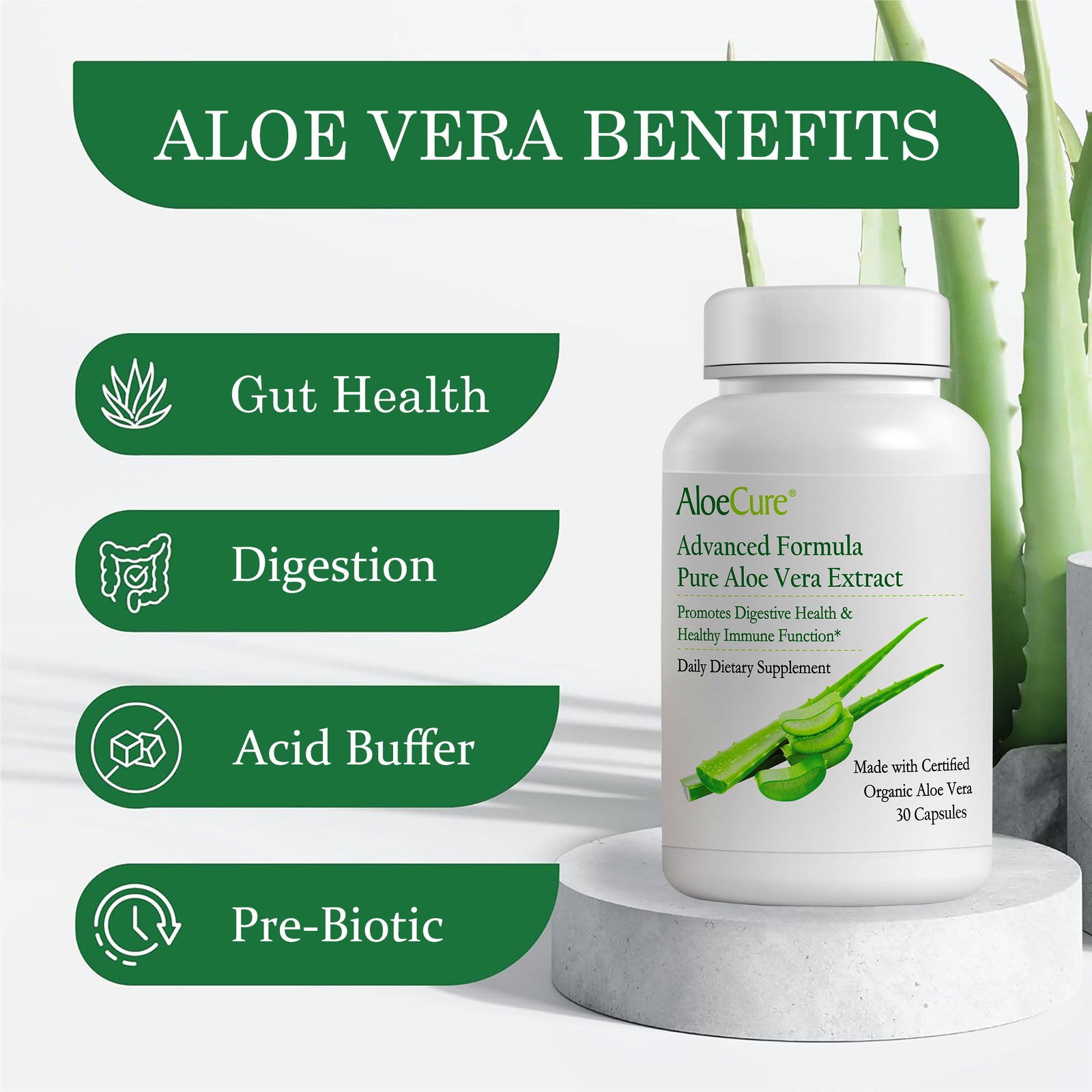
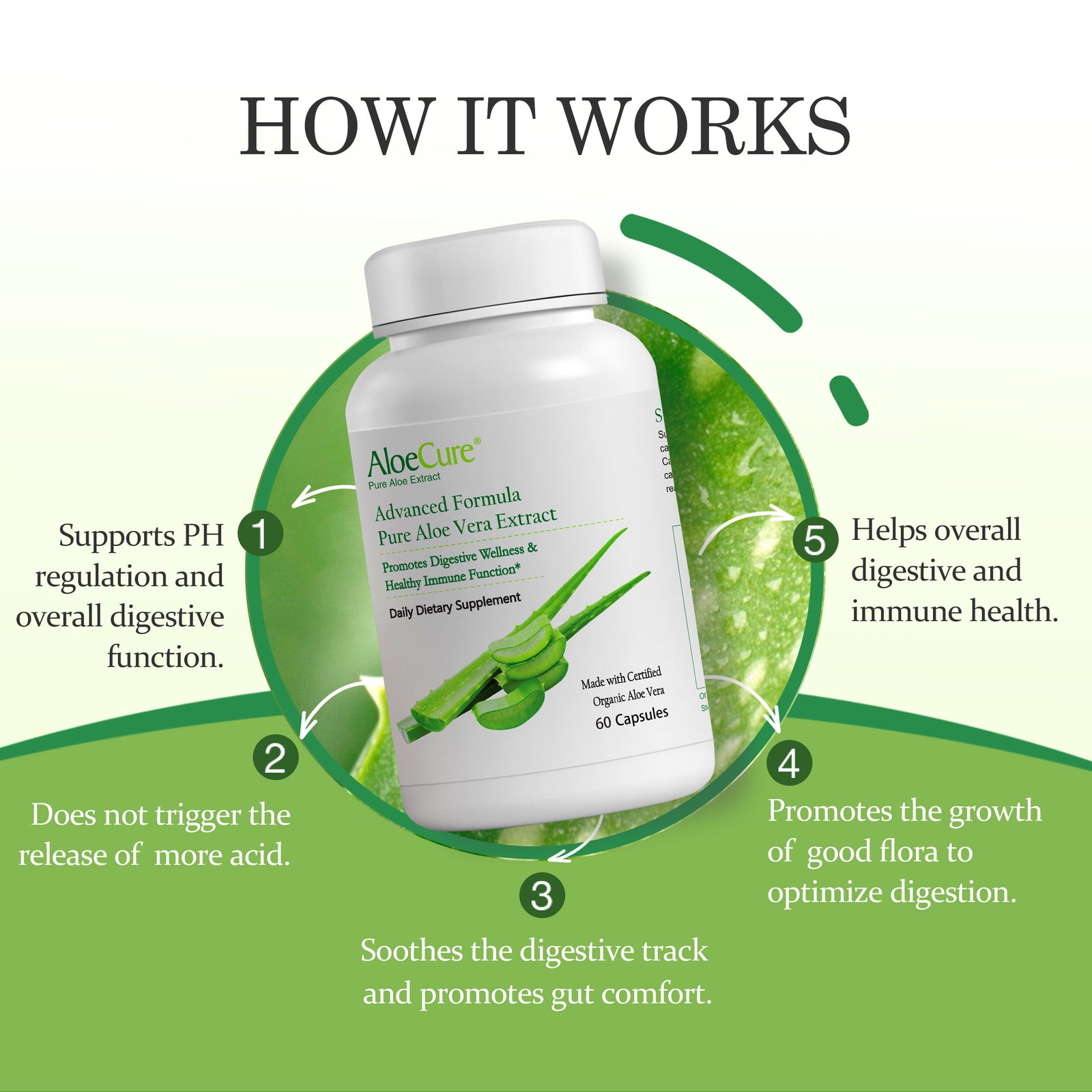
If you're ready to shop from a brand that puts purity, traceability, and quality first, explore AloeCure. AloeCure controls every step of its aloe process, from its own organic farms to final manufacturing, with a proprietary chemical-free approach designed to preserve plant integrity. If you want a dependable wellness routine from a company that values clean formulation and careful standards, AloeCure is a strong place to start. You can also subscribe and save 20% off with flexible delivery options.
Los comentarios se aprobarán antes de mostrarse.