Tu carrito está vacío
Envío y manipulación gratuitos con todos los pedidos superiores a $25
Envío y manipulación gratuitos con todos los pedidos superiores a $25

You reach for aloe after a long day outdoors, hoping the cool gel will make your skin feel comfortable again. Then you notice how many products make sweeping promises, from everyday moisture to digestive support, and the label doesn't make it clear what the plant can realistically do.
The phrase organic aloe vera gel benefits covers several different uses, but the evidence isn't equally strong for all of them. Aloe has its clearest technical support in topical care for superficial burns, while internal use deserves more careful wording, product selection, and personal guidance. The difference starts with the leaf itself, how it's grown, and how quickly the gel is handled after harvest.
Aloe vera gel is the clear, slippery material found inside the leaf of the Aloe barbadensis Miller plant. It comes from the inner leaf tissue, not the bitter yellow latex that sits closer to the rind. That distinction matters because the inner gel and the latex aren't interchangeable materials, especially when a product is intended for internal use.
Aloe's medicinal history reaches back at least to Mesopotamian records around 2200 BC, where it was described as a laxative. Later traditional uses included applying aloe to wounds and skin conditions. Modern summaries are more measured, describing topical gel as likely safe for many people and identifying the strongest evidence around topical burn care, with smaller preliminary findings for some oral uses. (NCBI Bookshelf overview of aloe)
“Organic” describes how the agricultural ingredients are grown and handled. Under USDA standards, organic handlers must prevent commingling with non-organic products and protect organic materials from prohibited substances. Multi-ingredient products labeled organic generally need organically produced agricultural ingredients unless an allowed exception applies. (USDA organic standards)

Aloe gel contains a water-rich matrix with polysaccharides, amino acids, minerals, and other plant compounds. Those components can change with heat, filtration, storage, and concentration. A peer-reviewed review of aloe processing describes flash cooling juice to 5 °C or below within 15 seconds after heat processing as a way to preserve biological activity, which illustrates why temperature control and speed matter. (Aloe processing review)
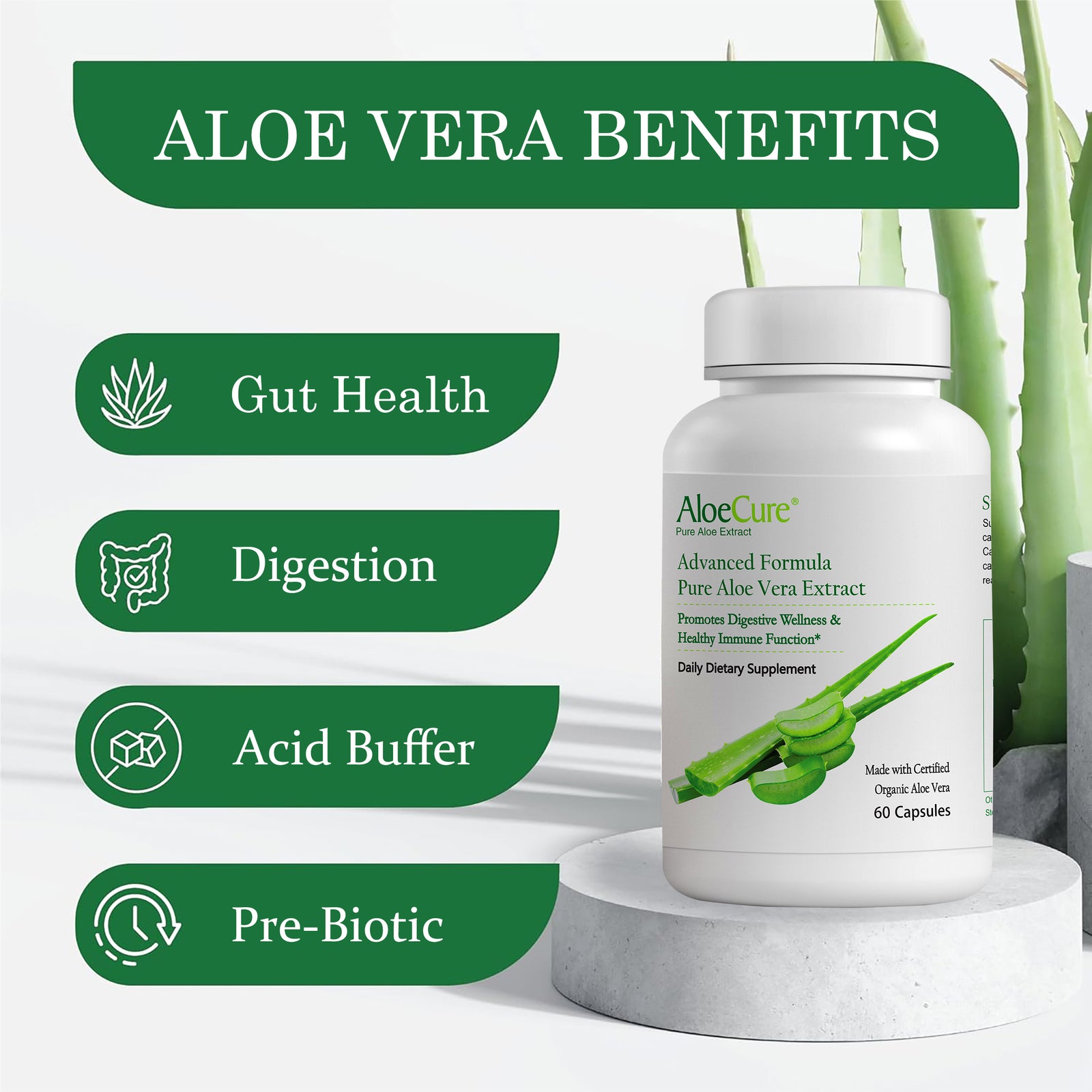
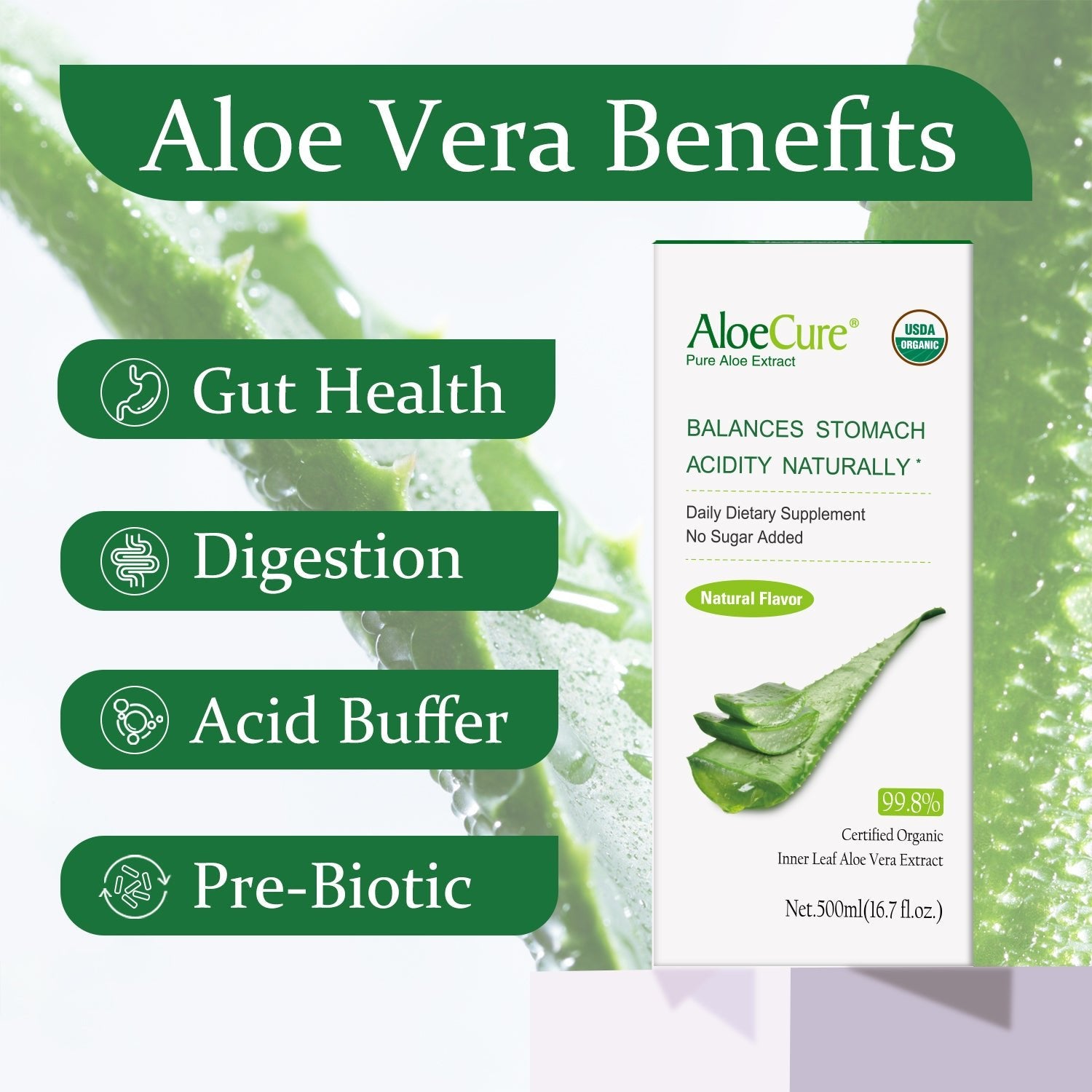
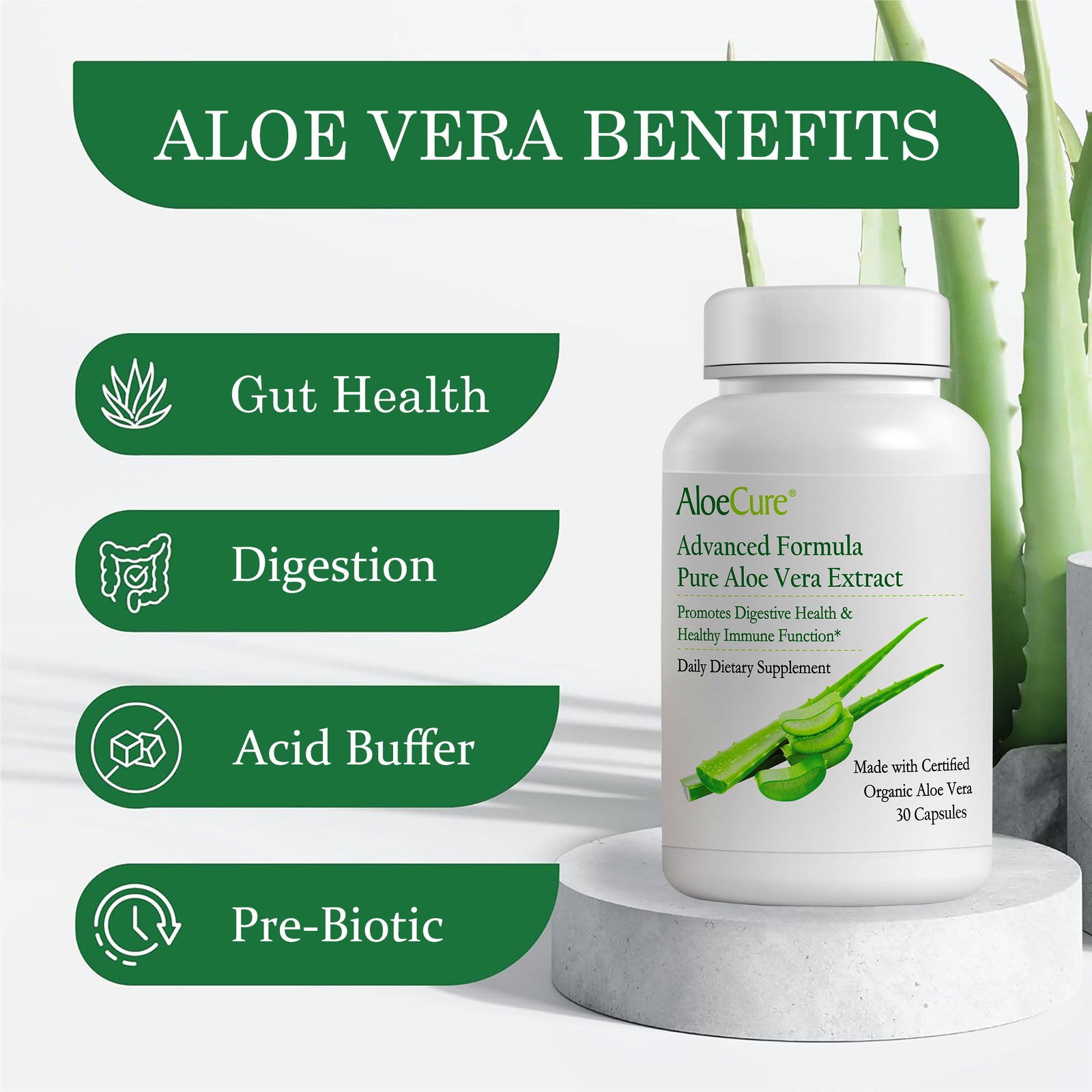
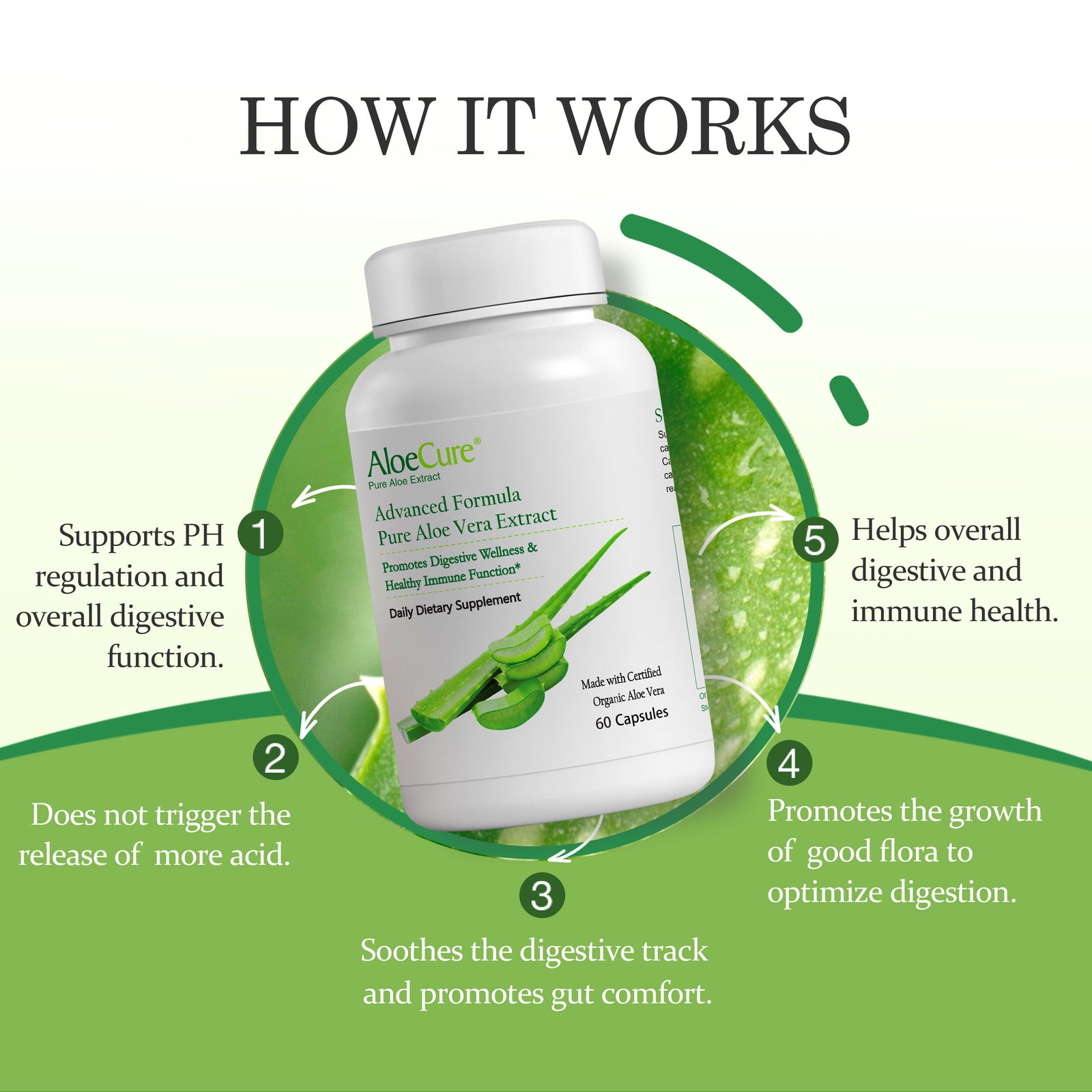
A farm-to-bottle approach can make those steps easier to trace. AloeCure states that its parent company farms, harvests, processes, and produces its own aloe products, with on-site processing within 12 hours of harvest. It also describes avoiding charcoal filtration, added enzymes, and concentrates. Those are manufacturing details to verify on any label, not automatic proof that one product suits everyone.
Consumers who compare organic claims across wellness products may also find this overview of organic cotton vs conventional useful. The broader lesson is similar: certification and traceability tell you more than a natural-looking package.
Aloe gel behaves less like a heavy cream and more like a lightweight water-holding layer. Its polysaccharides, including acemannan, can help bind water at the skin's surface. Think of them as tiny moisture-holding sponges spread through a thin, breathable film.
That film can support the skin's moisture barrier without automatically feeling greasy. The result is a simple structure-and-function benefit: aloe supports skin hydration, promotes a comfortable surface feel, and helps maintain normal barrier function. It's not a substitute for every moisturizer, and it shouldn't be described as a universal answer for every skin concern.
The National Center for Complementary and Integrative Health notes that clinical evidence is strongest for topical aloe in burns and some acne contexts, while oral evidence remains limited. That narrower evidence base supports positioning aloe as short-term soothing, lightweight hydration, and adjunct skin care, rather than as a replacement for established products. (NCCIH aloe vera fact sheet)
| Compound | Skin role |
|---|---|
| Polysaccharides | Help hold water at the surface and support a comfortable moisture environment |
| Acemannan | A notable aloe polysaccharide associated with the gel's water-binding matrix |
| Amino acids | Provide building blocks involved in normal skin maintenance |
| Minerals | Contribute to the gel's overall plant-based nutrient profile |
| Water | Supplies lightweight surface hydration |
A 2022 meta-analysis focused on partial-thickness burns found that aloe-treated burns healed, on average, 4.44 days sooner than standard care. The result supports aloe as an adjunct for appropriate superficial thermal injuries, not as a replacement for professional evaluation or standard care. The same review cautioned that evidence quality varies across indications and study designs. (2022 aloe burn meta-analysis)
Freshness and processing remain practical considerations. Excessive heat, charcoal filtration, enzymes, or concentration can alter the original gel matrix, so a transparent ingredient list and processing description are more useful than a bright green color or a claim of “maximum strength.”
For a product-focused look at topical use, see this guide to pure aloe gel for skin. For another perspective on plant-based skin ingredients, Sphagnum Botanicals on peat skin benefits offers useful context on a different natural material.
Internal aloe use calls for more precision than broad marketing language suggests. The most responsible structure-and-function description is that purified inner-leaf aloe gel supports healthy digestive function, promotes digestive comfort, and helps maintain normal bowel function for some people.
The gel's polysaccharides can be compared with a soft, slippery coating. They move through the digestive system as part of a water-rich plant matrix and may support the mucosal lining that naturally protects the digestive tract. This doesn't mean aloe works the same way for everyone, or that more is better.
Aloe also contains amino acids, trace minerals, and enzymes as part of its natural composition. These constituents participate in the broader nutritional environment involved in routine digestion and absorption, but product labels shouldn't turn that general role into a promise to correct a medical condition.
Oral research is selective. In one randomized, placebo-controlled study involving people with irritable bowel symptoms, aloe wasn't superior to placebo for quality-of-life outcomes. An evidence synthesis on ulcerative colitis reported that 100 mL of aloe vera gel twice daily for 4 weeks produced more clinical remissions than placebo, but the difference didn't reach statistical significance. These findings support caution rather than a universal digestive claim. (Evidence synthesis on oral aloe)
A 2024 review describes aloe polysaccharides as potentially gastroprotective and relevant to intestinal absorption, while also noting that oral research remains small and limited for blood sugar effects. A 2021 paper on acemannan discusses slowed sugar release and increased satiety, but those observations don't establish aloe as a weight-management or blood-sugar product. (2024 aloe review)
Internal products should use decolorized, purified inner-leaf or whole-leaf gel processed to remove anthraquinone compounds associated with the bitter latex. Read the label carefully, begin with a small serving, and ask a qualified healthcare professional for individualized guidance. Aloe should complement sensible wellness habits, not replace prescribed care.
For a consumer-friendly discussion of internal use, visit aloe vera for gut health.
The easiest way to avoid confusion is to match the product format to the goal. A topical gel is designed for the skin's surface, while an internal product is formulated as a drink, juice, or capsule intended for oral use. They may share aloe-derived compounds, but they aren't automatically interchangeable.
Topical gel places the plant's water-rich matrix directly on the skin. It can provide lightweight moisture, support a comfortable surface, and fit into routines after cleansing or shaving. Internal aloe exposes the digestive system to purified gel compounds, where the intended role is support for normal digestive comfort and function.
A bottle of juice also tends to be more diluted than a concentrated topical gel. A tube or pump usually signals external use, while a beverage label should provide serving directions and explain whether the product uses inner-leaf gel, decolorized whole leaf, or another preparation.
| Factor | Topical use | Internal use |
|---|---|---|
| Primary purpose | Supports skin hydration and surface comfort | Supports digestive comfort and normal digestive function |
| Format | Gel, lotion, cream, or pump bottle | Juice, drink, or capsule |
| Application | Apply to clean skin | Follow the product label |
| Key quality question | What else is in the formula? | Has the latex fraction and aloin been addressed? |
| Best fit | Dry-feeling or environmentally stressed skin | Adults seeking plant-based digestive support |
| Safety step | Patch test before broad use | Start conservatively and seek personal guidance |
A person focused on skin should prioritize a clearly labeled topical formula. Someone interested in internal use should choose a product explicitly labeled for oral consumption and avoid assuming that a cosmetic gel is suitable to drink.
The two forms can sit in separate routines, but one shouldn't be substituted for the other. Clear labeling protects the consumer from a surprisingly common category mistake.
Topical use is usually straightforward. Apply a thin layer to clean, dry skin twice daily, after cleansing and before a heavier moisturizer. A small amount can also fit into a post-shave routine, but patch test first if your skin is sensitive.
Practical rule: Test a small amount on the inner forearm before applying aloe broadly. If the area becomes uncomfortable, stop using the product.
For internal use, follow the manufacturer's label rather than copying a serving from another bottle. Some products commonly suggest 1 to 2 fluid ounces of aloe juice up to twice daily with meals, but the correct serving depends on the formulation, purification method, and concentration. Start with less to assess tolerance, and don't increase the amount because you want faster results.

Keep opened aloe products refrigerated when the label calls for it. Product guidance may recommend using an opened container within 30 to 60 days, so check the package rather than relying on a general rule.
Don't apply aloe to deep or open wounds without professional guidance. Also, aloe supplements aren't intended to replace prescribed medications or individualized care. Anyone who is pregnant, nursing, managing a health condition, or taking medication should ask a healthcare professional before using oral aloe.
A green bottle with an aloe leaf on the front can create the impression that every product contains the same material. They don't. Some mass-market gels may contain less than 10 percent aloe, with water, thickeners, and synthetic preservatives making up much of the formula. That percentage must be confirmed on the individual label, but the broader point is simple: the word “aloe” on the front doesn't tell you the concentration.
Another misconception is that aloe can correct every skin or digestive concern. It can't. FDA-compliant supplement language should describe structure and function, such as “supports healthy skin function” or “promotes digestive comfort,” rather than claiming to diagnose, treat, cure, or prevent disease.
Charcoal filtration, added enzymes, and reconstituted concentrates may be used for manufacturing reasons, but they can also change the original polysaccharide profile. A product that starts with a strong raw material can end up with a very different finished composition after aggressive processing.
Color isn't a dependable measure of potency. Processing transparency, ingredient details, and testing tell you more.
Price creates another trap. A higher price doesn't automatically prove better quality, and a lower price doesn't automatically prove poor quality. Certification, leaf source, time from harvest to processing, filtration choices, and test documentation offer more meaningful comparison points than packaging alone.
USDA organic certification operates under 7 CFR Part 205, which includes prohibited practices and the National List of Allowed and Prohibited Substances. The USDA also explains that cosmetics and personal-care products containing agricultural ingredients may qualify for certification when they meet applicable production, handling, processing, and labeling requirements. (USDA organic regulation framework)
The safest consumer habit is to treat every claim as a question. How much aloe is present? Which part of the leaf was used? What was removed, added, or concentrated? Does the company explain its testing?
Two shoppers can hold similar bottles and make very different decisions. One sees a low-cost shelf brand with a large aloe image but little information about the ingredient. The other sees a certified organic product with a clear source, processing description, and test documentation. The second shopper isn't guaranteed a perfect result, but they have better information.
Look for a recognized certification seal, such as USDA Organic. USDA rules cover organic production and handling, including protection from prohibited substances. For products marketed in Europe, EU organic standards address synthetic pesticides and fertilizers, traceability, and labeling. CBI describes a Certification of Inspection as mandatory for organic aloe trade on the European market. (CBI EU organic aloe market-entry guidance)
The seal matters because it reflects a defined standard, not merely the word “natural.” Still, certification is only one part of the review.

A clear product page should answer these questions without forcing you to decode vague phrases. For an example of a formula positioned around minimal additions, review pure aloe vera gel with no additives.
This ingredient-transparency guide from GLAZE is also useful when you're comparing labels and deciding how much information a wellness company should provide.
Use the included video as another visual introduction to evaluating aloe products.
A practical decision framework is certification, composition, processing, testing. If a product explains all four, you can compare it on evidence rather than color, price, or oversized promises.
Organic aloe vera gel can play a focused role in a wellness routine. Topically, its water-rich polysaccharide matrix supports lightweight hydration and surface comfort. Internally, purified aloe gel may support normal digestive function for some adults, but the evidence is selective and product quality matters.
The form has to match the purpose. Use a product labeled for topical application on skin, and choose a clearly designated oral product for internal use. Patch test topical formulas, start oral use conservatively, follow the label, and check whether the product explains its inner-leaf or decolorized whole-leaf preparation.

Organic certification helps verify agricultural standards. Fast processing can help preserve the original gel matrix. Gentle handling and transparent filtration choices make it easier to understand what remains in the finished product. Testing for heavy metals, aloin, and other quality markers gives the label practical credibility.
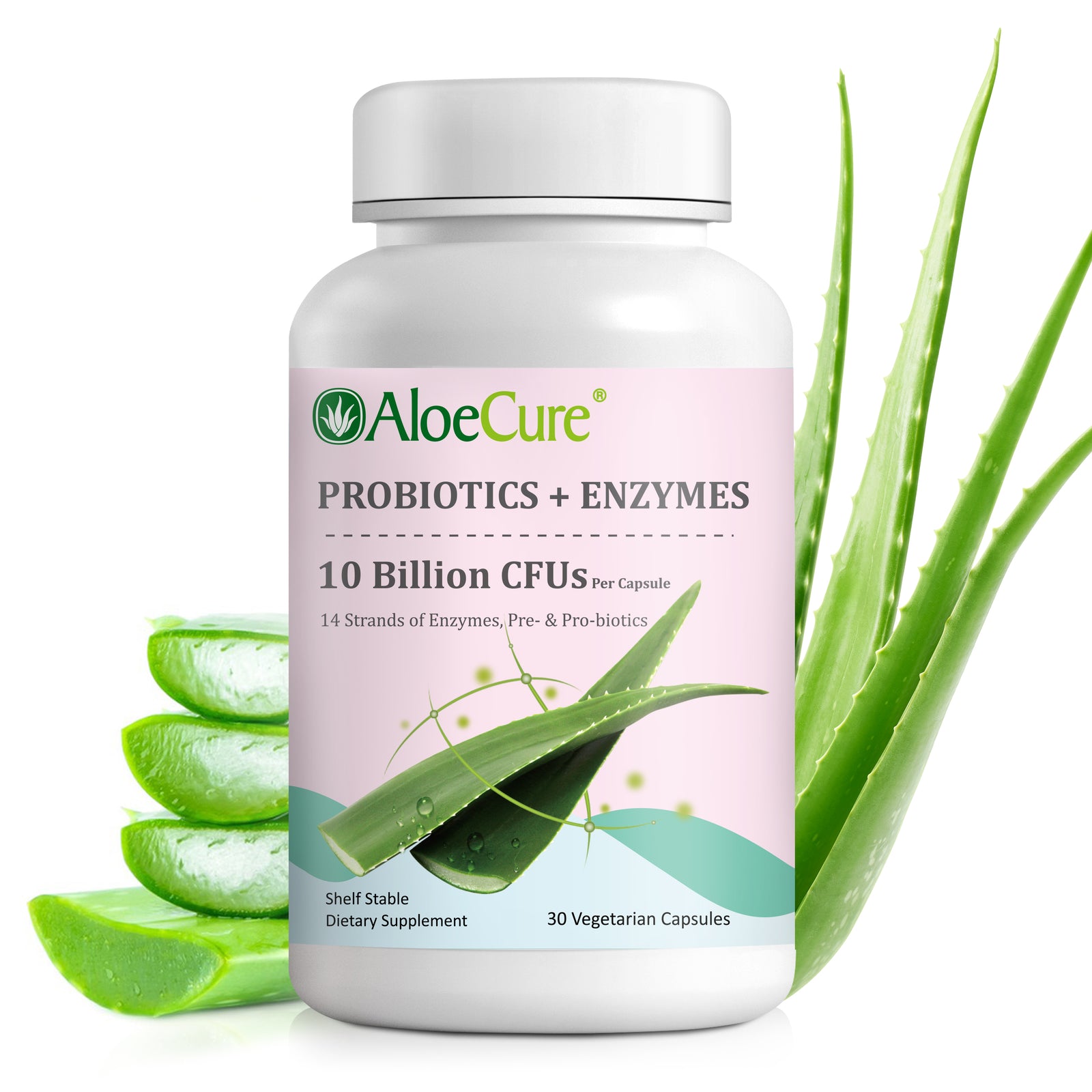
AloeCure offers organic aloe juice, capsules, and topical aloe products, with farm ownership, on-site processing, third-party certifications, and product testing described as part of its manufacturing approach. Its Subscribe & Save program offers 20% off subscriptions, according to the brand's stated offer.
The FDA disclaimer applies to dietary supplement structure and function statements:
These statements have not been evaluated by the Food and Drug Administration. This product is not intended to diagnose, treat, cure, or prevent any disease.
Use the product page to compare the intended use, ingredient list, serving directions, certifications, and testing details before you buy.
If you're ready to compare certified organic aloe products made through a traceable farm-to-finished-product process, visit AloeCure to explore topical and internal options. You can also review the Subscribe & Save program for 20% off and choose the format that fits your everyday skin or digestive wellness routine.
Los comentarios se aprobarán antes de mostrarse.