Tu carrito está vacío
Envío y manipulación gratuitos con todos los pedidos superiores a $25
Envío y manipulación gratuitos con todos los pedidos superiores a $25

You've just stepped out of the shower. Your legs feel tight, your elbows feel rough, and the bottle on the shelf promises rich moisture from cocoa and shea butter. But will it leave your skin comfortable, or leave a greasy layer on your clothes?
Cocoa butter and shea lotion is a formula choice, not just an ingredient choice. The amount of butter, the shea grade, and the ingredients mixed around them all matter. Think of choosing a lotion like choosing a jacket. You want enough protection for the conditions, without more weight than you need.
A lotion combines water and fats into a spreadable product. Emulsifiers help keep those parts mixed, while other ingredients affect texture and skin feel. The two butters each contribute something different.
An emollient softens the skin's surface and helps reduce water loss. Cocoa butter tends to make a formula firmer; shea butter usually makes it softer and easier to spread. The finished feel depends on their share and on the rest of the formula.
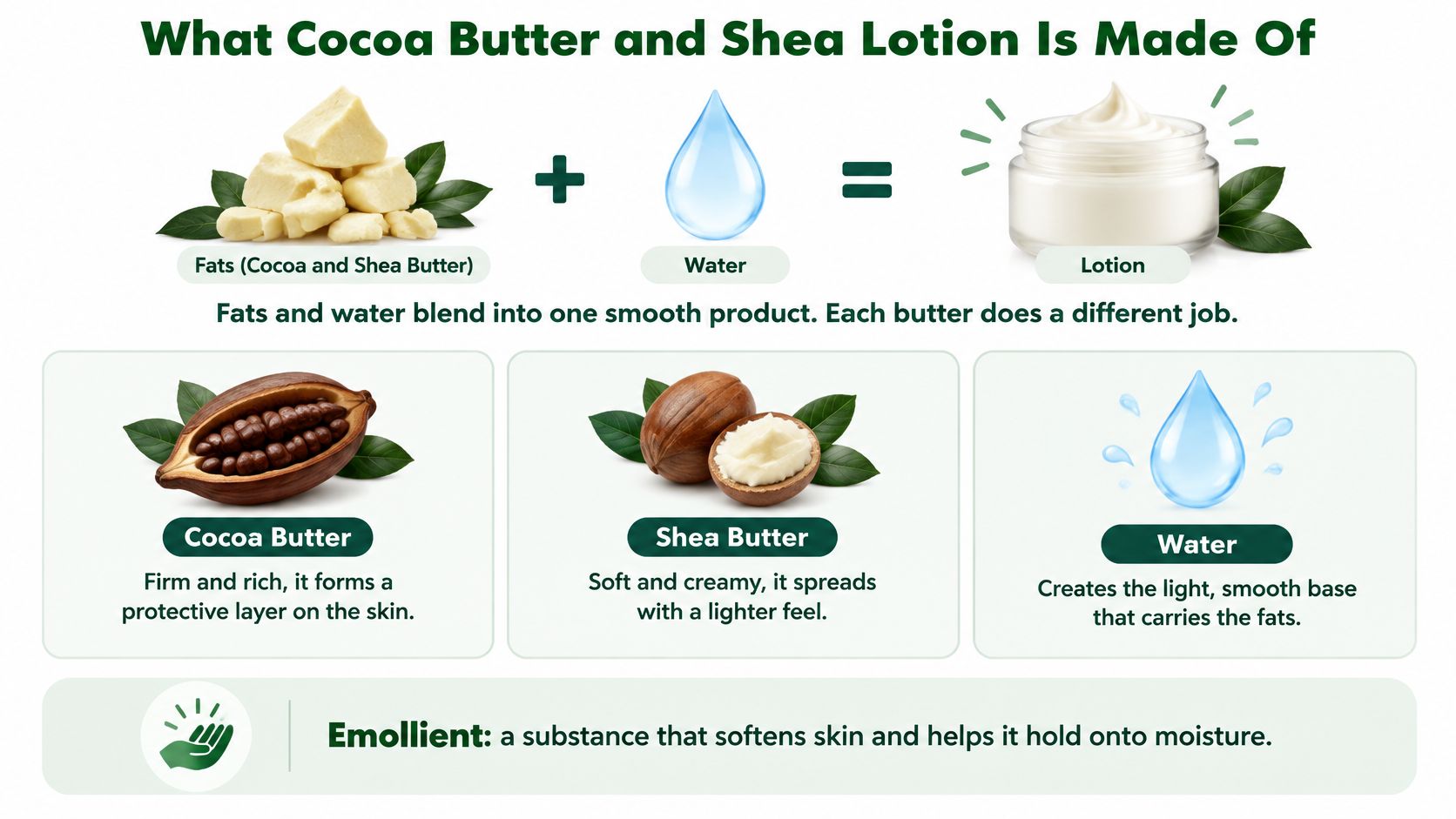
Cocoa butter is firm at room temperature and softens near skin temperature. Its fatty-acid profile and melting range help explain that change in texture, though the exact feel varies by batch and formula. A technical review of plant butters and skin-care formulations discusses these properties.
| Attribute | Cocoa butter | Shea butter |
|---|---|---|
| Source | Cacao bean, Theobroma cacao | Nut of the shea tree, Vitellaria paradoxa |
| Main fatty acids | Stearic, oleic, and palmitic | Mainly stearic and oleic; shares vary by origin |
| Melting behavior | Softens near skin temperature | Varies with grade |
| Texture at room temperature | Firm, and brittle when cold | Softer, spreadable, sometimes slightly grainy |
| Main job in a lotion | Adds structure and a cushioned feel | Supports softness, spreadability, and the moisture barrier |
| Typical formula use | Richer creams, balms, and body butters | Everyday lotions and creams |
These are general characteristics, not specifications for every batch. Origin, refining, storage, and the complete formula can all change the texture.
Cocoa butter can give lotion more body. A cream that holds its shape in the jar before softening under your fingers shows how a firm fat can contribute structure.
Shea butter can make that richness easier to spread. The balance matters: a formula with more cocoa butter may feel firmer, while one with more shea may feel softer. Neither ingredient alone tells you whether the lotion will suit your skin or feel comfortable after application.
The shea grade and accompanying ingredients also affect the result. Refining can change a butter's scent and appearance, and the formula's water and emulsifiers help determine whether the product feels light or rich. Check the finished lotion's texture and ingredient list rather than judging it by the butter named on the front.
Practical rule: Choose for the finished texture, not the most impressive butter name on the label.
After a shower, your shins may feel tight while your forehead feels comfortable. The same lotion can suit one area and feel too heavy on another. A butter-rich formula can help reduce moisture loss and ease dry, rough skin, but its fit depends on where you apply it and how the lotion is made.
| Skin type | Fit | Look for | Watch for |
|---|---|---|---|
| Dry body skin, including legs, elbows, and heels | Strong fit | Richer cream with a moderate shea share | Greasy feel on clothing and bedding |
| Dry hands | Strong fit | Butter combined with glycerin | Slow settling before gloves or typing |
| Normal skin | Good fit | Standard body lotion | Applying too much on warm days |
| Combination skin | Good on body, conditional on face | Light facial formula | Heavy butter across the T-zone |
| Breakout-prone facial skin | Use with caution | Light, fragrance-free, non-greasy texture | Butter-rich formulas that don't suit pores |
| Sensitive skin | Patch test first | Short ingredient list, fragrance-free | Fragrance and essential oils |
| Mature skin | Good fit for dryness and comfort | Lotion with glycerin or aloe | Promises of firming or reversing age |
Dry hands often need different choices by time of day. A rich cream may suit an evening routine, while a lighter lotion can be easier before handling a phone or keyboard.
Normal skin may feel comfortable with a standard body lotion. Start with a small amount and check whether your skin stays comfortable without a noticeable residue, especially in warm weather.
Use location as your guide if your skin is combination. A richer product may feel comfortable on your shins but heavy on your forehead and nose. This guide to cocoa butter cream for facial use can help distinguish facial needs from body needs.
Breakout-prone skin calls for caution. The complete formula matters, including butter share, other oils, fragrance, and intended use. A plant-derived product is not automatically a good match for every pore or skin type.
Sensitive skin also benefits from a careful choice. Look for fewer optional scent ingredients, patch test the finished lotion, and pay attention to how your skin responds. A natural ingredient can still irritate some people.
For mature skin, focus on softness, comfort, and suppleness. These are realistic goals for a lotion. It cannot promise to change deeper skin structure or reverse age.
A rich lotion is not a proven way to prevent pregnancy-related stretch marks. Its more realistic role is to soften skin and ease the feel of dryness.
A lotion that feels light on your hand may still contain a meaningful amount of butter. Its texture depends on the whole formula, not just the butter percentage. Oil-in-water lotion disperses fatty ingredients as small droplets through a water-based mixture, much like tiny drops stirred into a drink.
Butter share helps set the feel, but other oils, emulsifiers, and ingredients that build texture also matter. Two lotions with similar butter levels can behave differently on skin.
A higher butter share generally makes a formula feel richer, though it does not set a fixed texture. Cocoa butter can add firmness, while a formulator can balance the other ingredients to make a product more fluid. Whipped products also contain incorporated air, which changes how they feel without defining their butter percentage.
The ranges below are illustrative shopping guides, not standardized product definitions. A lotion with a lower butter share may pour easily; richer creams tend to feel denser, and whipped butters are typically thick and airy. Labels such as “cream,” “lotion,” and “body butter” vary by brand, so the name alone cannot tell you the percentage.
| Format | Butter share, approximately | Texture | Best use |
|---|---|---|---|
| Light lotion | Under 5% | Pourable, often quick to settle | Face if suitable, daytime, warm weather |
| Standard body lotion | 5–10% | Smooth and balanced | Everyday full-body use |
| Rich cream | 10–15% | Dense, often slower to settle | Elbows, legs, hands at night |
| Whipped body butter | 15–25% in this illustrative guide | Thick, airy, cushioned | Very dry areas, cold weather |
| Solid balm | Above 25%, with little or no water in this guide | Firm and waxy | Small areas, travel |
A label percentage is only one clue. For example, two products within the same range may feel different because their other oils and texture-building ingredients differ. Use the table to narrow your choices, then judge the finished lotion by how it spreads and settles on your skin.
Shea grade can also affect the product's scent. For background on understanding shea butter scent differences, consider how the shea ingredient and the finished fragrance may influence what you notice in a scented lotion.
Match the texture to the conditions and your routine. A lighter formula may feel more comfortable in warm, humid weather, while a richer cream can suit cold, dry conditions or evening use. The useful choice is the one that feels comfortable enough to apply consistently.
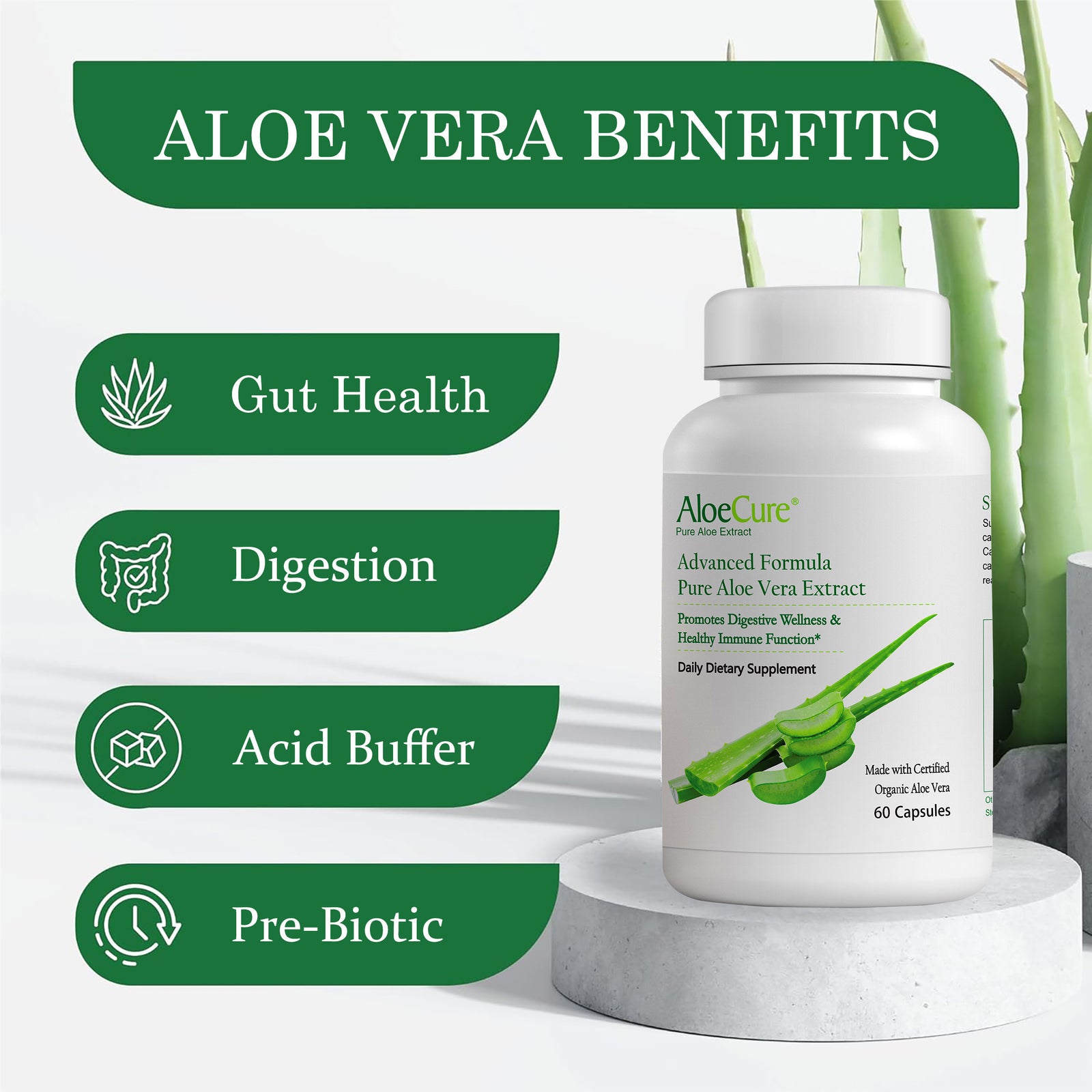
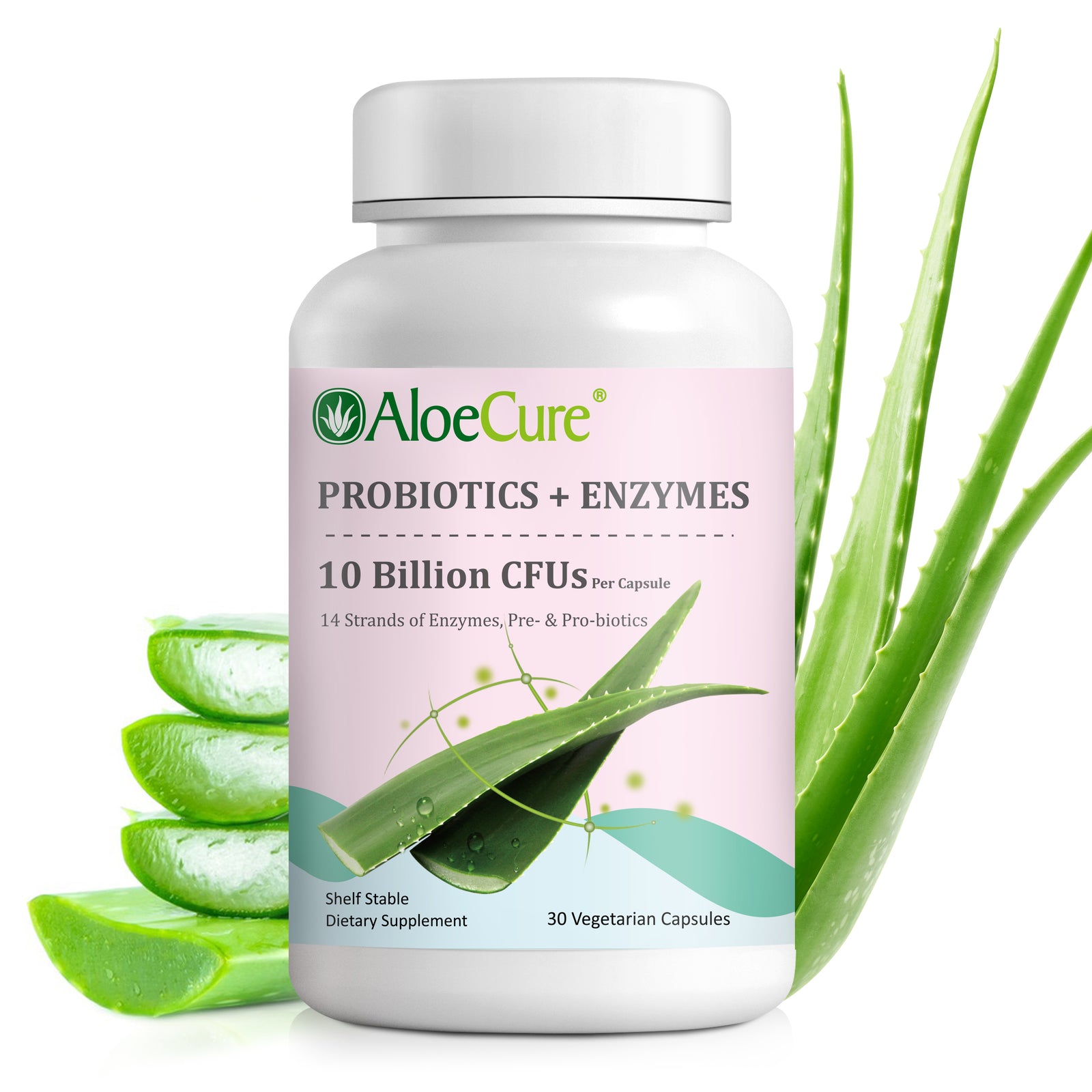
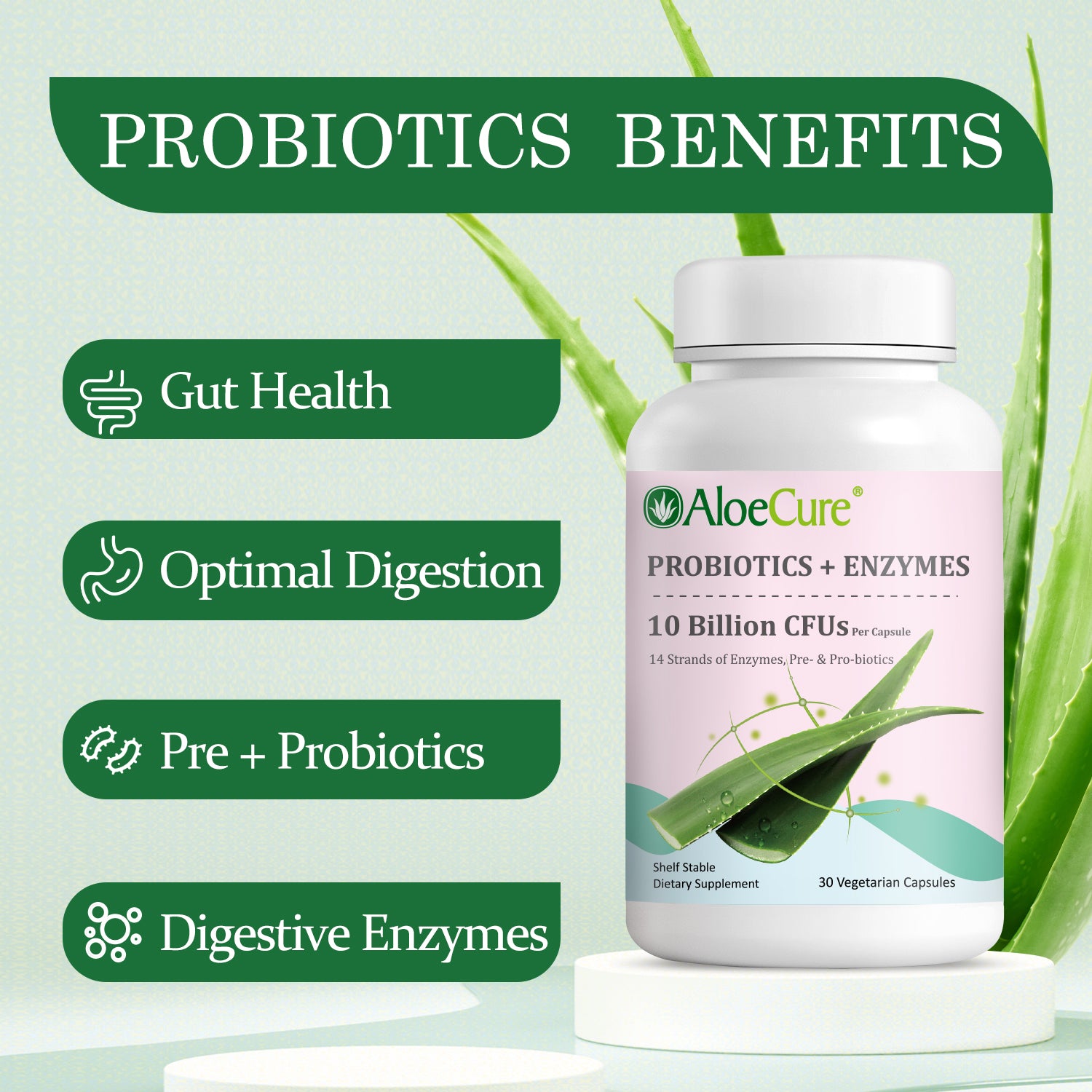
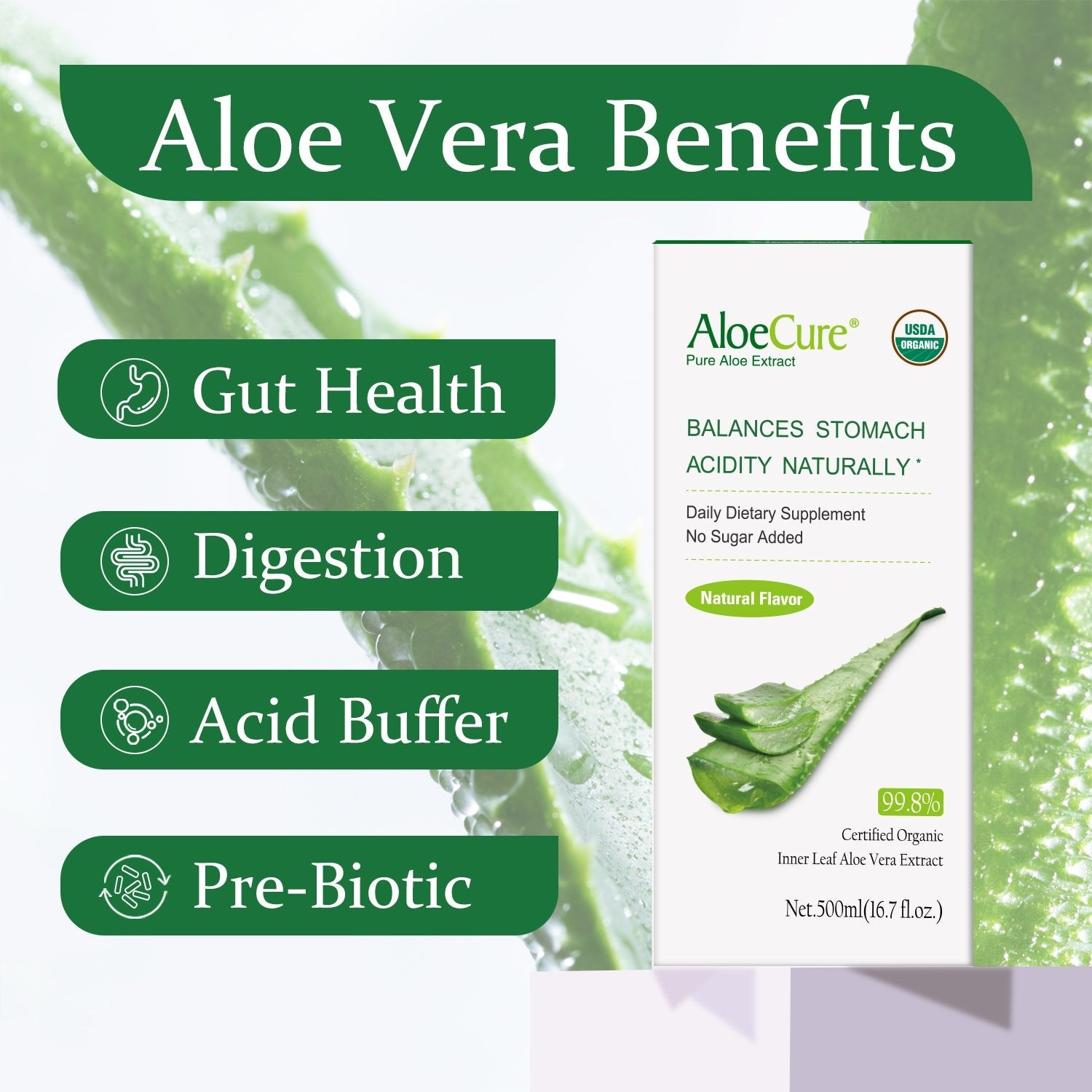
Aloe is a useful starting point when a butter formula feels too heavy. A water-based aloe gel or lotion offers a different texture from a concentrated butter product, so you can adjust the layers rather than adding more richness.
The products below illustrate the difference between a butter ingredient, a cream, and a lighter aloe-based format.
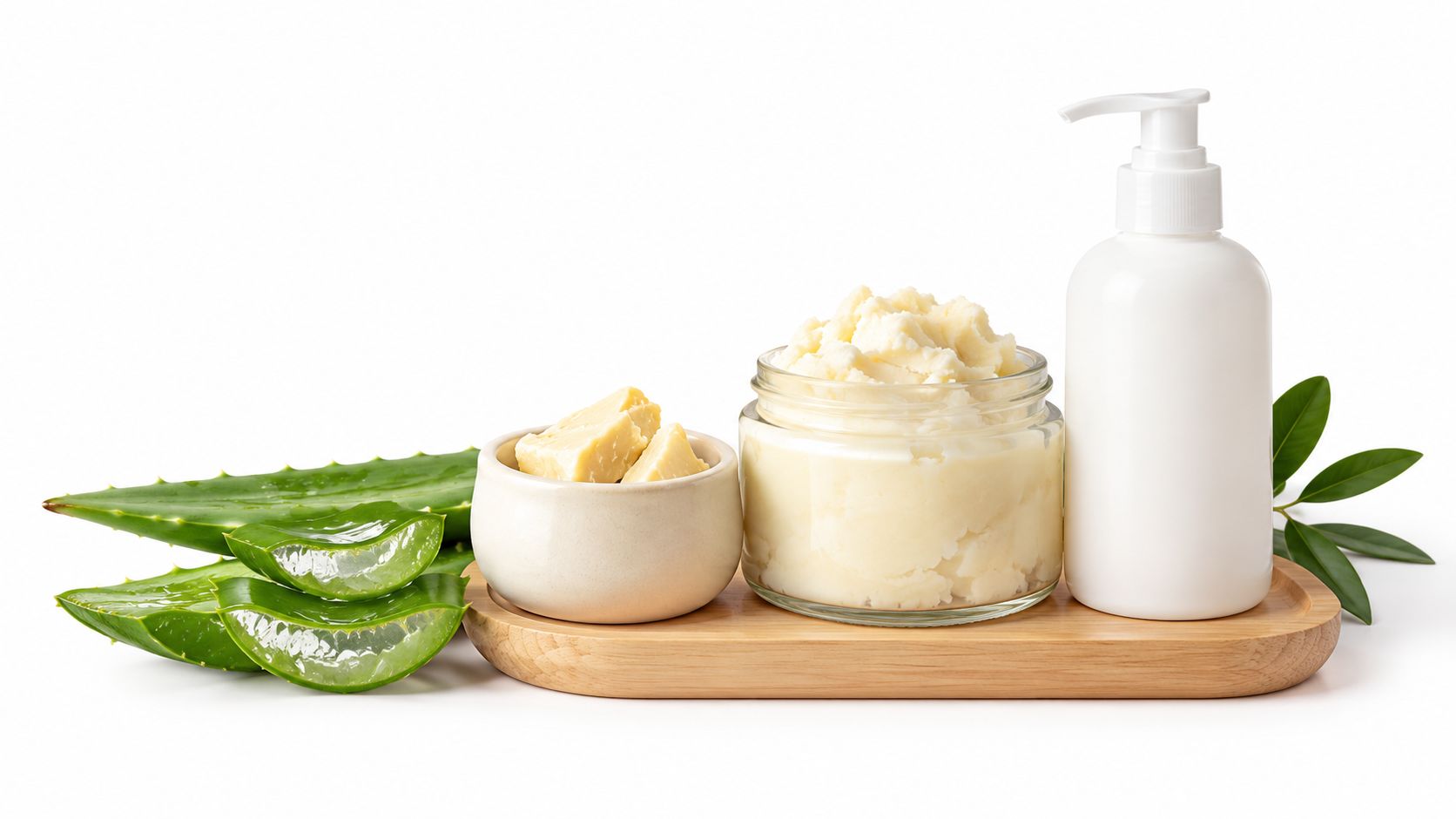
AloeCure is one option for this kind of routine. The company farms its own aloe, hand-harvests and processes it, and produces its own products. That field-to-bottle oversight is a concrete quality consideration, rather than proof that every competing formula is inferior.
For more detail on combining textures, consult this guide to shea butter and aloe vera. Compare the actual ingredient lists before deciding whether you need separate layers or a single combined formula.
Fragrance can dominate shopping decisions. In a 2024 consumer survey published by Gifts & Decorative Accessories, 79% of respondents identified fragrance as the leading factor in bath-and-body purchases. That explains its commercial appeal, not its suitability for every person.
Don't mix separate products into the original bottle. Apply them separately so you can adjust the amount of each without changing the stored formula.
Pairings should make your routine easier to use and more comfortable. Judge them by texture, finish, and your skin's response, not by promises of medical effects.
The ingredient list gives you more useful information than a large picture of a cocoa pod. Start there, then check the manufacturer's details and the packaging.
Use the following checks as questions, not as a certification system. A bottle can look excellent on paper and still feel wrong on your skin.
The label graphic provides additional prompts to consider alongside those checks.
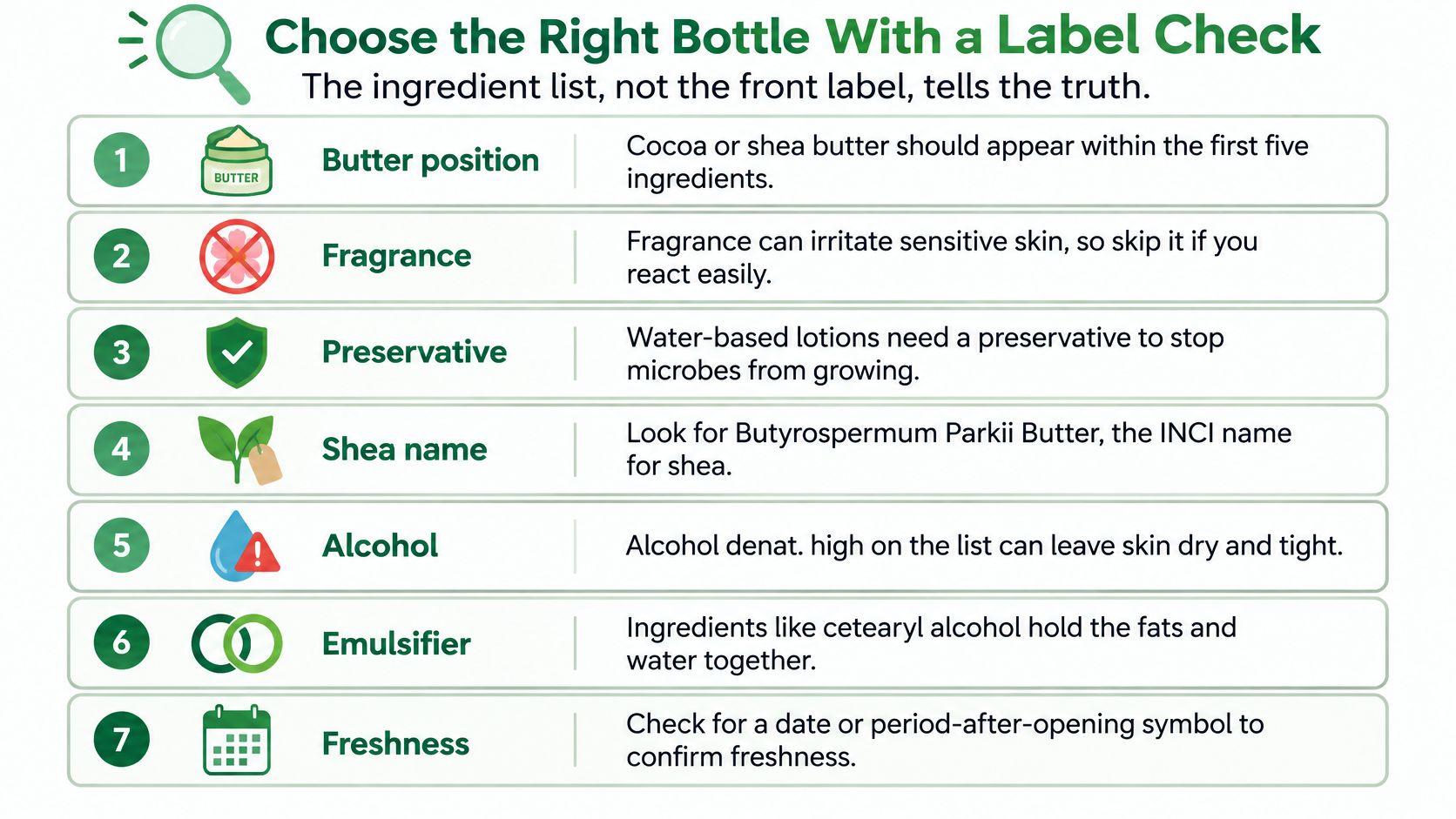
Raw shea isn't a niche choice. Mordor Intelligence reports that it accounted for 63.39% of cosmetic shea-butter market revenue in 2024. Popularity, however, doesn't make raw shea the right grade for every buyer.
Watch for these issues:
Buying check: Write down your skin type, target area, and climate before comparing bottles. That short note helps keep attractive packaging from making the decision for you.
Choose the product that answers your practical questions most clearly. If a claim or label detail remains unexplained, you don't have to buy it.
Start small. A rich lotion should make your routine more comfortable, not require repeated washing to remove the excess.
The steps below are a cautious way to introduce a new product. Follow the manufacturer's directions whenever they provide more specific application or storage guidance.
The application graphic offers a quick visual reminder.
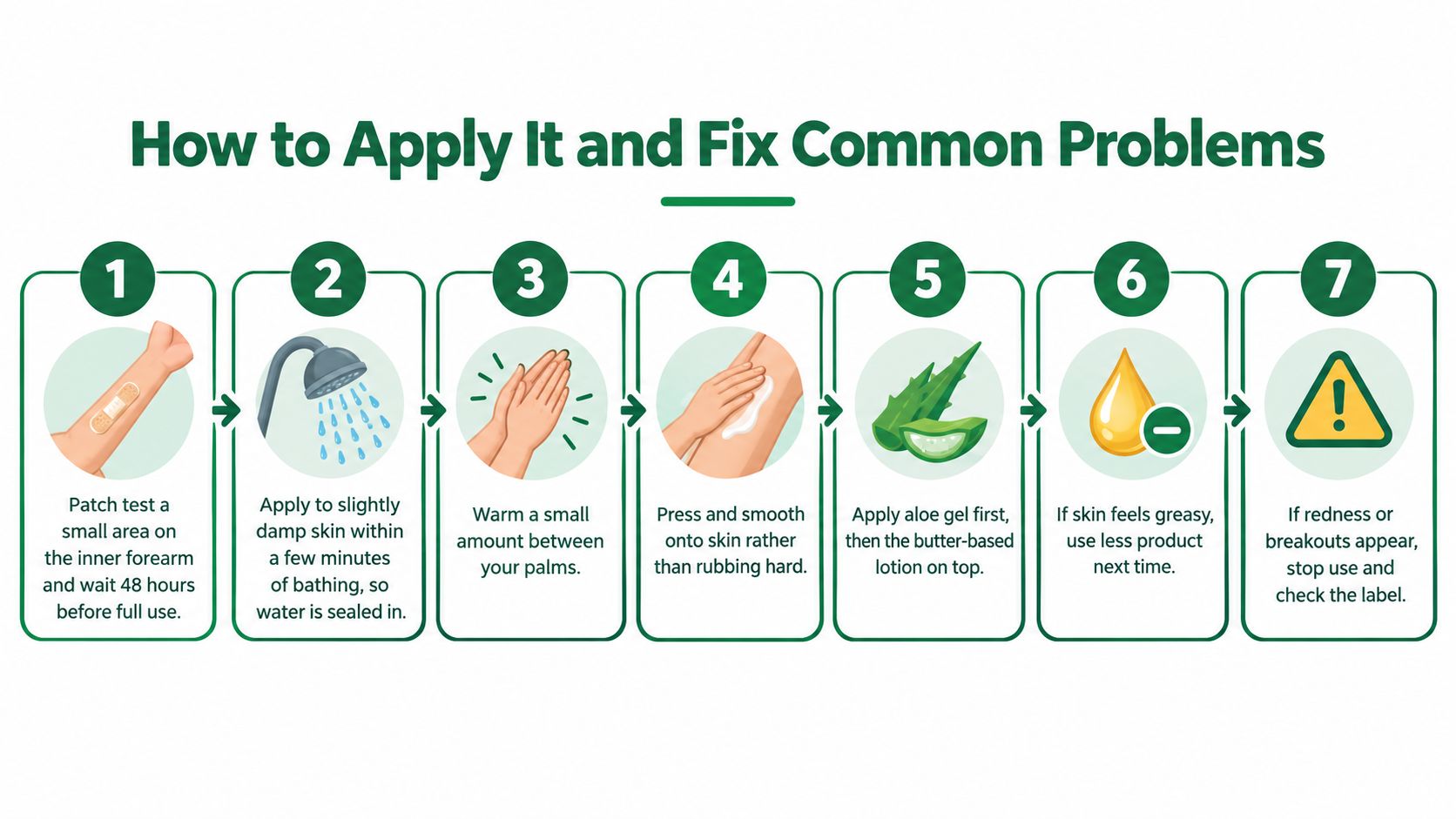
A change in texture doesn't always identify the cause. Use these possibilities to guide a cautious adjustment, not to diagnose what happened inside a bottle.
| Symptom | Likely cause | Fix |
|---|---|---|
| Greasy film that lingers | Too much product or a format that's too rich for the area | Use less or switch to a lighter format |
| Tacky feel that dries quickly | The water-based and fatty portions may not suit your preferred finish | Try a small application over a water-based layer on damp skin |
| Grainy or lumpy texture | Butter crystallization or repeated temperature changes may be involved | Warm a small amount in your hands; store away from heat and ask the manufacturer if the change is unexpected |
| Breakouts on chest or back | A rich formula may not suit that area | Stop there and consider a lighter product after the skin settles |
| Sour or unusual waxy smell | The product may have deteriorated | Discard it rather than trying to cover the smell |
| Redness or itching | Sensitivity to an ingredient is possible | Stop use and speak with a healthcare professional |
Don't assume that a grainy product and a spoiled product are the same thing. Texture alone can't establish safety, and warming a product doesn't make a questionable bottle suitable again.
Also, avoid changing several products at once. If you introduce a new lotion, fragrance, and exfoliating product together, you'll have a harder time identifying what your skin disliked.
Stop using the product on that area if redness, itching, or new breakouts persist. Speak with a healthcare professional rather than continuing in the hope that your skin will adjust on its own.
Make the decision in a practical order. Match the texture to your skin and climate, review the label, and test a small area before wider use.
You don't need the richest bottle to build a useful routine. You need a formula you can apply comfortably, in an amount that fits the area, without unwanted residue or persistent skin changes.
A topical lotion and a dietary supplement aren't interchangeable. Don't assume that evidence about an applied cream establishes a benefit for something swallowed, or that a supplement claim describes what a lotion does.
The FDA's guidance on structure/function claims explains the disclaimer requirements for applicable dietary-supplement labeling. A disclaimer doesn't replace evidence or turn an unsupported promise into an acceptable claim.
These statements have not been evaluated by the Food and Drug Administration. This product is not intended to diagnose, treat, cure, or prevent any disease.
Visit AloeCure to compare its aloe-based skin-care options, including a shea-containing hand cream, with the texture you want from your routine. Check the product page for ingredients and directions before purchasing, and explore Subscribe & Save for 20% off eligible recurring orders.
Los comentarios se aprobarán antes de mostrarse.