Tu carrito está vacío
Envío y manipulación gratuitos con todos los pedidos superiores a $25
Envío y manipulación gratuitos con todos los pedidos superiores a $25

Plain aloe vera juice isn't carb-free, and whether it fits keto depends on the formulation and serving size. An 8-ounce serving can use about 18% to 45% of a 20 to 50 gram daily keto carb budget, depending on the target you follow.
You're standing in front of a shelf, comparing bottles that all say aloe vera juice. One label looks almost carb-free, another lists a much larger carbohydrate total, and a flavored option appears closer to a sweet drink than a wellness beverage. If you're tracking carbohydrates carefully, that confusion is understandable.
The useful answer to aloe vera juice keto isn't a simple yes or no. Plain aloe can fit some low-carb routines in a measured portion, while a concentrated or sweetened formula may take up much of your daily allowance. The exact product, serving size, total carbohydrate, fiber, sugar, and added ingredients all matter.
This guide focuses on practical label math and sensible product selection. You'll learn how keto carb budgets work, why aloe formulations vary, how to compare Natural, Lemon, and Grape styles, and how to use a small serving without treating aloe juice as unlimited hydration. Any wellness wording is intentionally structure/function focused, consistent with FDA guidance on dietary supplement claims.
Maya finishes her grocery list and reaches for aloe vera juice. She wants a simple drink for her wellness routine, then notices the nutrition panel. The practical question is whether this particular bottle fits her carbohydrate target and serving plan.
Aloe vera juice keto compatibility depends on the formulation and portion, not the words on the front label. Ketogenic diets commonly limit carbohydrates to about 20 to 50 grams per day, with some people following a stricter 20-gram target, according to the National Center for Biotechnology Information overview of ketogenic diets. One 8-ounce serving of pure aloe vera juice contains about 9 grams of carbohydrates and 9 grams of sugar, so it requires room in a carefully tracked plan.
That portion uses roughly 18% of a 50-gram daily limit or 45% of a 20-gram limit. The arithmetic is simple. Comparing bottles is harder because nutrition profiles can differ with the product and serving size. A beverage that appears similar on the shelf may have a very different carbohydrate total after sweeteners, flavoring, or concentration are added.
Practical rule: Treat aloe vera juice as a measured functional beverage, not as carb-free water.
Maya can choose a lower-carbohydrate formula, pour less than a full serving, or leave sweetened products on the shelf. A plain product may fit her routine in a measured amount, while a flavored or sweetened drink may use more of her daily allowance. The label turns that choice into a manageable calculation: compare the serving size, total carbohydrate, fiber, sugar, and added ingredients.
Quality adds another layer beyond carbohydrate math. AloeCure states that its farm-to-bottle model includes growing, processing, and producing its own aloe products, which gives shoppers context for considering traceability and formulation. That process does not decide whether a bottle fits keto. The nutrition panel and the portion poured do.
Maya starts her day with a carefully planned keto menu, then pours aloe vera juice without checking the serving size. The glass looks modest, but its carbohydrates still come from the same daily allowance as the food on her plate.
Ketogenic diets commonly use a daily carbohydrate range of 20 to 50 grams to support nutritional ketosis, as described in the NCBI overview of ketogenic diets. The exact target depends on the person and the plan. The budgeting rule remains consistent: beverages count alongside meals.
A glass of aloe juice may feel lighter than a full snack. An 8-ounce serving with about 9 grams of carbohydrates uses nearly half of a 20-gram target and a smaller share of a 50-gram target. Keto compatibility therefore depends on the formula and the amount poured, not on the words “aloe vera juice” on the front label.

Set the carbohydrate limit you are following, then check how one labeled serving fits inside it.
The word “net” can cause confusion. Net carbohydrates are generally calculated by subtracting fiber from total carbohydrates. Some aloe products contain little or no fiber, so their total and net carbohydrate figures may be nearly identical.
A practical label check works like a receipt: confirm the serving size, total carbohydrates, fiber, sugar, and added ingredients before deciding how much fits your day. A plain formula in a measured portion may work for one plan, while a flavored or sweetened version may not.
Quality cues add context without replacing the math. AloeCure states that its farm-to-bottle model includes growing, processing, and producing its own aloe products, giving shoppers information to consider when reviewing traceability and formulation. The nutrition panel and portion still determine the carbohydrate fit.
Treat aloe vera juice as a measured functional beverage, not carb-free water.
Clear arithmetic, careful label reading, and a serving that matches the rest of the day make the decision manageable.
You pick up two bottles labeled aloe vera juice, then find very different carbohydrate numbers on their nutrition panels. That is normal because aloe vera juice describes a product category, not one fixed recipe. Dilution, processing, serving size, added sugars, flavorings, and other ingredients all change the calculation.
Reported values show the range clearly. One database lists 100 grams at 53 calories, 12.87 grams of carbohydrate, and 9.98 grams of sugar. Another reports 1 cup with 31.9 grams of total carbohydrates and 24.8 grams of sugar. A lower-carb entry gives about 3.5 grams of carbohydrates per 100 grams, with a glycemic index of 25 and a glycemic load of about 1 per 100 grams. These comparisons appear in the FoodStruct aloe vera juice comparison.
A low glycemic index does not make every serving suitable for a strict keto plan. Glycemic index describes the relative response to a carbohydrate-containing food at a specified testing dose. Keto compatibility depends on the total carbohydrate in the amount you drink.
The LogiFoodCoach aloe vera juice entry reports the low glycemic figures above. Read them beside the serving information. A small portion may have a limited glycemic effect, while a larger or sweetened portion can still use too much of your planned carbohydrate allowance.
| Product example and serving | Total carbs | Sugar and notes |
|---|---|---|
| 100 grams of aloe vera juice | 12.87 grams | 9.98 grams of sugar in one reported database entry |
| 1 cup of aloe vera juice | 31.9 grams | 24.8 grams of sugar in another reported entry |
| About 100 grams in a lower-carb entry | About 3.5 grams | Glycemic index 25 and glycemic load about 1 per 100 grams |
| A 240-gram serving | About 9 grams in one common profile | About 9 grams of sugar and no fiber in the cited profile |
Product quality context can also help you compare bottles. The AloeCure guide to drinkable aloe vera juice describes why format and production choices matter, including a farm-to-bottle approach. Those details may help with traceability, but they do not replace the nutrition panel.
Use the bottle as the final reference. Check its serving measurement, total carbohydrates, fiber, total sugars, added sugars, and ingredient list. Aloe vera juice can fit a keto plan when the formulation and portion match your carbohydrate budget, rather than because the category name guarantees a single value.
The easiest way to shop for aloe vera juice on keto is to compare the back label before judging the front label. “Natural,” “Lemon,” and “Grape” describe flavor profiles, not carbohydrate levels. A flavor can fit your plan if the formula remains low in carbohydrates, while an attractive wellness drink can become a poor match if it contains added sugar.
Start with plain, unsweetened aloe when you want the clearest calculation. Then review flavored options for added sugar, sweeteners, concentrates, and serving size. The Cast Iron Keto aloe vera beverage guide also emphasizes that aloe products shouldn't be treated as interchangeable.

Use this quick comparison while shopping:
A higher-quality choice also involves more than the macro panel. Look for transparent sourcing, clear processing information, and testing details. AloeCure describes a vertically integrated model in which its parent company farms, processes, and produces its own aloe products. Its stated process avoids chemicals, enzymes, concentrates, and charcoal filtration, while its product line includes Natural, Lemon, and Grape aloe vera juice options.
Label-reading habit: Never let a flavor name replace the nutrition facts panel.
Choose the product whose ingredients, carbohydrate count, and serving size match your plan. If you're unsure, the simplest formula with the clearest label is usually easier to portion and record.
Aloe vera juice can fit a keto plan when you treat the serving size like a measuring cup, not a casual pour. Start with the label's serving volume, then compare it with the amount in your glass. If the label lists 240 milliliters and you drink 120 milliliters, you are using about half the listed volume and can estimate about half the carbohydrates, provided the product is evenly mixed.
One database lists a 59 ml serving with 1 gram of total and net carbohydrates for a whole-leaf filtered aloe vera juice product, as shown in this Carb Manager listing. The example shows why a small, measured pour may fit differently from a full glass.
For an 8-ounce, or approximately 240 ml, serving with 9 grams of carbohydrates, the effect on your daily budget is clear. On a 20-gram plan, that serving leaves 11 grams for the rest of the day. On a 50-gram plan, it leaves 41 grams. The FatSecret aloe vera juice nutrition entry reports a common 8-ounce profile of about 9 to 10 grams of carbohydrate, all from sugar and with no fiber.

A 4-ounce pour is half of an 8-ounce serving. If the label lists 9 grams per 8 ounces, that portion provides an estimated 4.5 grams. A 59 ml taste may contain less, but the exact label remains the deciding reference because products differ.
Use a measuring cup or kitchen scale when accuracy matters. For more practical portion ideas, follow this guide to how to drink aloe vera juice in measured portions.
A larger serving can change the decision quickly. Carb Manager reports a 1-cup example with 31.9 grams of total carbohydrates and 31.4 grams of net carbohydrates. Portion control does not make every formula keto-friendly. It lets you judge the product by its formulation, serving size, and actual carbohydrate numbers.
A measured serving can work more easily when you use aloe vera juice as an ingredient rather than the main volume of a drink. Dilution changes the amount you consume only when you also reduce the amount of aloe juice itself. Adding water to a full serving makes it less concentrated by taste, but it doesn't reduce the carbohydrates unless you use less juice.

Try a small pour over ice with sparkling water, lime, and mint. The added water creates a longer drink while the measured aloe portion remains visible in your food log. For a keto smoothie, use aloe as a splash alongside low-carbohydrate ingredients, and count the juice before adding the other components.
Aloe products can be described in compliant terms such as supports healthy digestive function, promotes everyday wellness, and helps maintain normal body function. Those phrases describe general structure/function support rather than a specific condition. They also keep the focus on a practical routine, accurate portions, and personal tolerance.
Start with the smallest label-defined serving that suits your plan. If the formula includes sweeteners or added sugars, choose a different product or reserve it for a day when the carbohydrate budget allows it.
Three decisions make the biggest difference: formulation determines the starting carbohydrate count, serving size determines your actual intake, and label math determines whether the drink fits your day. Keto compatibility begins with the nutrition facts panel, not with a broad claim that every aloe beverage is low-carb.
Quality cues can make product comparison more meaningful. AloeCure states that its parent company farms, processes, and produces its own aloe, with on-site processing within 12 hours of harvest, USDA- and EU-certified organic farming, and traceability practices. The company also describes processing that avoids chemicals, enzymes, concentrates, and charcoal filtration, along with third-party certifications and testing.
Those details don't replace carbohydrate tracking. They help you evaluate where the aloe comes from, how the product is made, and how clearly the company communicates its process. The pure organic aloe vera juice information from AloeCure offers additional product context for shoppers comparing formula and sourcing.
Choose a formula with a serving size you can measure easily. Record the total carbohydrates, check fiber and added sugars, and compare the portion with your personal daily target. If a full glass takes too much of your allowance, use a smaller measured amount or select a lower-carbohydrate product.
Aloe vera juice can be part of a keto routine when the product and portion suit your plan. It isn't automatically compatible, and it isn't automatically off-limits. The most reliable approach is transparent labeling, careful serving math, and a product process you can understand.
These statements have not been evaluated by the Food and Drug Administration. This product is not intended to diagnose, treat, cure, or prevent any disease.
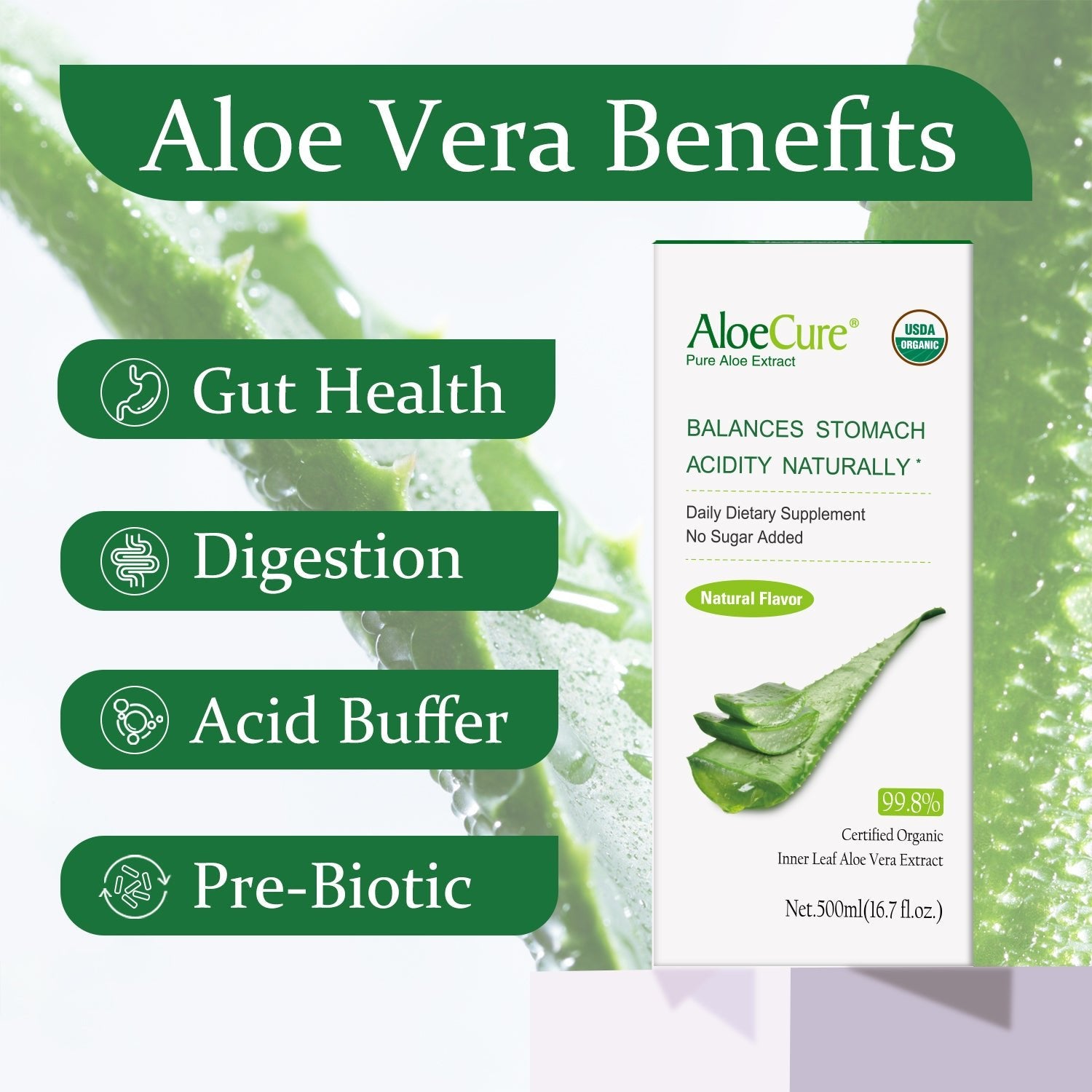
AloeCure offers pure aloe vera juice in Natural, Lemon, and Grape options, with farm-to-bottle production and label information suited to careful keto planning. Visit AloeCure to compare products, choose a measured serving that fits your carbohydrate budget, and explore Subscribe and Save for 20% off.
Los comentarios se aprobarán antes de mostrarse.