Your Cart is Empty

To kickstart your body’s natural collagen production, the best approach is to give it the raw materials it needs through a smart, nutrient-packed diet and a few key lifestyle tweaks. Simple things, like making sure you get enough protein and vitamin C, staying smart about sun exposure, and prioritizing quality sleep, are the real foundation for vibrant skin. This strategy is all about supporting your body’s built-in ability to create this vital protein, helping you maintain a firm, healthy look from the inside out.
You’ve probably heard collagen called the "scaffolding" of your skin, and it’s a perfect description. This is the essential protein that gives your skin structure, firmness, and elasticity, keeping everything looking plump and full of life. It helps to think of your body as a little collagen factory, always working to build and repair this crucial protein using amino acids from the food you eat.
But, like any factory, production doesn't stay at peak capacity forever. Things start to slow down a bit in our mid-20s. This decline is a completely natural part of aging and is a big reason we start to see fine lines and a loss of that youthful firmness over time. Getting a handle on this process is the first step to figuring out how to boost your collagen production naturally and see real results.
Instead of just looking for an external fix, the most effective, long-term strategy is to support your body's own collagen-making machinery. That means giving it the essential building blocks and protecting the collagen you’ve already got. Your body is incredibly smart; when you give it the right tools, it knows exactly what to do.
The main building blocks it needs are specific amino acids—especially glycine, proline, and hydroxyproline. You can find these in abundance in protein-rich foods. Collagen is actually the most common protein in the entire human body, making up about 30% of your total protein content. It’s the key to strength in your skin, bones, and connective tissues. As its natural production slows with age, a supportive diet becomes more important than ever. You can find more details about how diet influences this process and learn more about collagen-boosting foods from Healthline.
Key Takeaway: The goal isn’t to find one magic pill but to create a consistent, supportive environment through diet and lifestyle. Every good choice you make adds up, contributing to long-term skin health.
Your body is already equipped with everything it needs to build strong, healthy collagen. You just need to supply the right nutrients to make it happen. Let's look at the key players.
This table gives a quick overview of the essential vitamins and minerals that act as co-factors in the body's collagen synthesis process. Without these, your body can't efficiently turn amino acids into strong collagen fibers.
| Nutrient | Role in Collagen Production | Common Food Sources |
|---|---|---|
| Vitamin C | Essential for stabilizing and linking collagen molecules. | Citrus fruits, bell peppers, strawberries, broccoli, kiwi |
| Zinc | Acts as a co-factor for enzymes needed to produce collagen. | Oysters, red meat, poultry, beans, nuts, whole grains |
| Copper | Helps form the strong cross-links between collagen fibers. | Shellfish, nuts, seeds, whole grains, dark leafy greens |
| Amino Acids | The direct building blocks of collagen (glycine, proline). | Bone broth, meat, poultry, fish, eggs, dairy |
Think of these nutrients as the "support crew" for your collagen factory—they're just as important as the main ingredients.
By focusing on these foundational elements, you truly empower your body from within. Simple, consistent choices in what you eat and how you live can make a powerful and lasting difference. To get a broader view of all the ways you can support your skin, you might want to explore a comprehensive guide on natural ways to boost collagen for youthful skin. This holistic perspective is the best way to approach long-term skin vitality.
Your kitchen can be one of your most powerful allies in the journey to support vibrant, healthy-looking skin. When we talk about how to boost collagen production naturally, the conversation almost always starts with what’s on your plate.
Instead of just giving you a list of "good foods," let's dig into why certain nutrients are so crucial for your body's internal collagen factory. This isn't about some restrictive diet overhaul. It's about consciously adding key ingredients that give your body the raw materials it needs to get the job done right.
At its core, collagen is a protein made from amino acids. Think of them as the individual bricks needed to build a strong wall. Without a steady supply, your body’s construction crew slows down. The most important ones for making collagen are glycine, proline, and hydroxyproline.
To get these, you’ll want to focus on high-quality protein sources. Your body breaks down the protein from these foods into the necessary amino acids.
Poultry and Fish: Chicken, turkey, and fish are packed with complete proteins, giving your body the full spectrum of amino acids it can use for collagen production.
Legumes and Beans: For anyone on a plant-based path, foods like lentils, chickpeas, and black beans are fantastic protein sources that fill up your amino acid pool.
Eggs: The egg whites are especially rich in proline, one of the main components of collagen.
By making sure your meals have enough protein, you're directly supplying the fundamental materials for keeping your skin's structure strong.
If amino acids are the bricks, Vitamin C is the mortar holding them all together. This nutrient is absolutely non-negotiable for collagen synthesis; your body literally cannot complete the process without it. Vitamin C helps link and stabilize the amino acid chains to form strong, resilient collagen fibers.
Fortunately, Vitamin C is everywhere in many delicious foods. Try to mix a variety of these into your daily routine:
Citrus Fruits: Oranges, grapefruits, lemons, and limes are the classics for a reason.
Berries: Strawberries, blueberries, and raspberries are loaded not only with Vitamin C but also with other supportive phytonutrients.
Leafy Greens & Vegetables: Kale, spinach, bell peppers, and broccoli are nutritional powerhouses that deliver a serious Vitamin C punch.
A simple salad with leafy greens and bell peppers or some berries in your morning yogurt are easy wins to get enough of this essential vitamin.
While amino acids and Vitamin C get most of the spotlight, a few key minerals play critical supporting roles. Zinc and copper act like catalysts, or "helpers," for the enzymes involved in the collagen-building process. Think of them as the foremen on the construction site, making sure every step happens correctly.
Zinc helps activate the proteins and enzymes needed for synthesis, while copper is crucial for creating the final structure that gives collagen its strength.
You can find these important minerals in foods like:
Nuts and Seeds: Pumpkin seeds are an excellent source of zinc, while cashews and sunflower seeds are great for copper.
Whole Grains: Foods like oats and quinoa contribute to your daily mineral intake.
Shellfish: Oysters are famous for being incredibly high in zinc.
A handful of mixed nuts as a snack or a sprinkle of seeds on your salad can easily boost your intake of these vital minerals, giving your body’s natural processes even more support.
Getting these nutrients into your diet doesn't require complicated recipes. It’s all about making small, mindful additions to what you already enjoy eating.
A Quick Tip: Try to build your plate with a source of protein, a source of Vitamin C, and healthy fats at every meal. This simple framework ensures you're consistently providing your body with what it needs.
For example, a collagen-conscious lunch could be a big spinach salad (Vitamin C) topped with grilled chicken (amino acids) and a sprinkle of pumpkin seeds (zinc). This simple combination delivers a wide array of the nutrients your body needs to thrive. Antioxidants in these foods also play a key role in protecting your existing collagen from environmental stressors. You can find more ideas on how to make antioxidant-rich foods a part of every meal in our detailed guide.
This diagram offers a simple visual of collagen's main jobs in keeping your skin healthy.
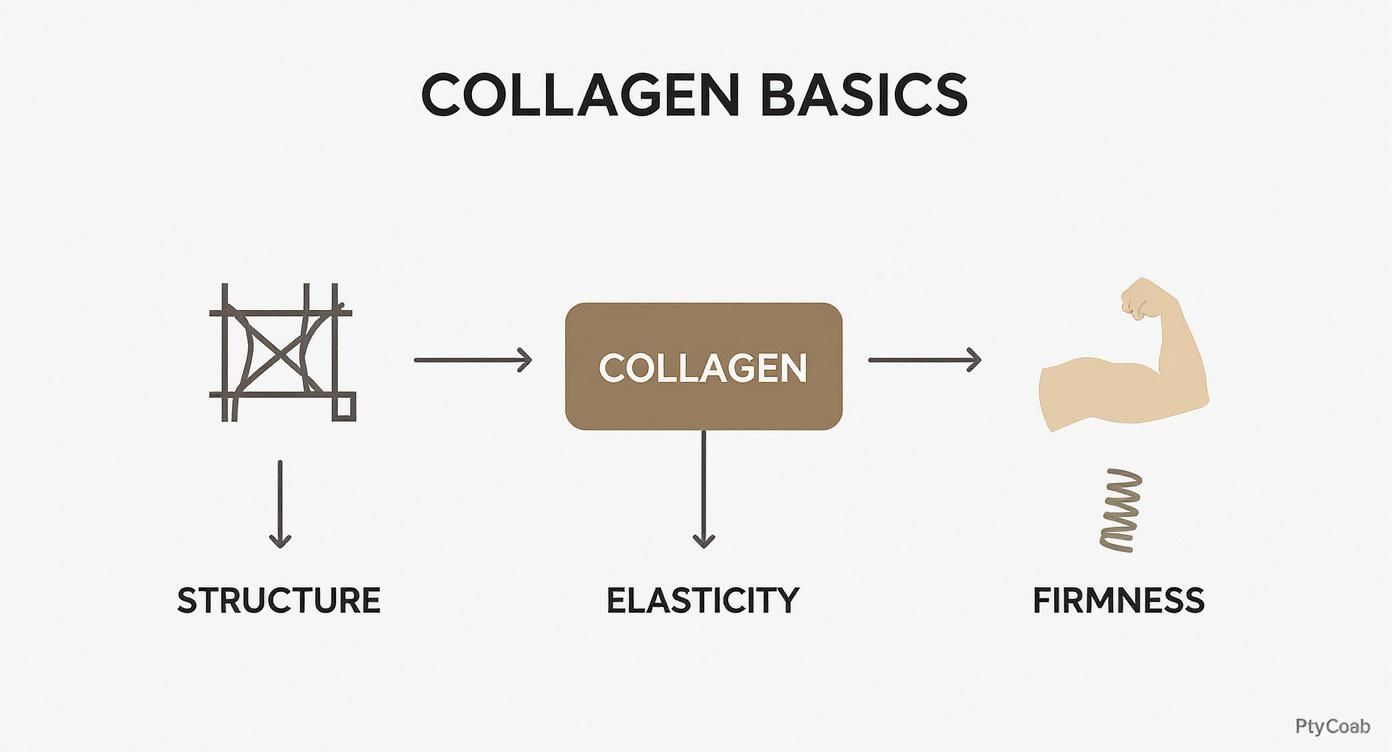
As you can see, collagen is fundamental for providing structure, promoting elasticity, and maintaining the firmness we all associate with a youthful appearance. By focusing your diet on these foundational nutrients, you empower your body's natural ability to maintain its own collagen levels. It’s a sustainable, inside-out approach to supporting your skin’s long-term health and vitality.
While a nutrient-rich diet gives you the essential building blocks for collagen, your daily habits play an equally powerful role. Learning how to boost collagen production naturally means looking at your entire lifestyle. The small, consistent choices you make every day can either support or work against your skin's vitality.
Think of it this way: your diet is like supplying high-quality materials to a construction site, while your lifestyle habits are the crew's working conditions. Even with the best materials, a chaotic environment can slow everything down. Let's focus on creating the best possible conditions for your body to do its job.

If you take only one piece of advice from this entire article, let it be this: consistent sun protection is your number one strategy for preserving the collagen you already have. The sun's UV rays are a primary culprit in breaking down existing collagen fibers, which accelerates the appearance of fine lines and loss of firmness.
This isn't just for sunny beach days, either. Even on cloudy days or during short drives, that incidental UV exposure really adds up over time.
Choose Broad-Spectrum: Always opt for a sunscreen that protects against both UVA (aging) and UVB (burning) rays.
Aim for SPF 30+: This is the minimum recommended level for daily protection to effectively shield your skin.
Apply Generously and Reapply: Most people simply don't use enough sunscreen. Make it the last step in your morning skincare routine, and reapply if you're outdoors for extended periods.
Making daily sunscreen application as automatic as brushing your teeth is one of the most impactful long-term investments you can make for your skin.
Sleep is when your body enters its primary repair and regeneration mode. During deep sleep, your body ramps up its natural maintenance cycles, which is crucial for everything—including the look and feel of your skin.
When you consistently get less than the recommended 7-9 hours of sleep, your body’s ability to perform these essential functions can be compromised. This can show up in your complexion, making it look dull and less vibrant.
A Practical Tip: Create a relaxing pre-sleep routine. Dim the lights, put away screens at least an hour before bed, and consider gentle stretching or reading. This signals to your body that it's time to wind down and prepare for a night of deep, restorative rest.
Regular physical activity is fantastic for promoting healthy circulation. Think of your circulatory system as a delivery service, transporting oxygen and vital nutrients—like the amino acids and vitamins from your diet—directly to your skin cells.
You don't need to engage in strenuous, high-intensity workouts every day to see the benefits. The real key is consistency.
Walking: A brisk 30-minute walk most days of the week is an excellent way to support healthy blood flow.
Yoga: This practice combines movement with breathing, which can also help support a calm mood.
Light Strength Training: Building lean muscle supports your overall metabolic health.
Moderate exercise helps ensure your skin cells receive the nourishment they need to function at their best. It's another important piece of the puzzle.
Managing daily stress is a cornerstone of overall wellness, and its effects are often reflected right on our skin. When we feel overwhelmed, our bodies can enter a state that prioritizes immediate survival functions over long-term maintenance projects, like keeping our skin vital.
Finding healthy ways to manage your daily pressures is key. This could be anything from a five-minute meditation practice in the morning to spending time in nature or connecting with friends. By supporting your emotional balance, you help maintain a state where your body can focus on its natural renewal processes.
This simple table highlights the impact of your daily choices.
Your daily routine can either be your skin's best friend or its worst enemy. Here’s a quick look at how small, consistent actions add up.
| Collagen-Supportive Habit | How It Helps Your Skin | Habit to Be Mindful Of |
|---|---|---|
| Daily SPF 30+ | Protects existing collagen from UV degradation. | Incidental sun exposure without protection. |
| 7-9 Hours of Sleep | Allows the body to perform its natural repair cycles. | Inconsistent sleep schedules and screen time before bed. |
| Regular, Moderate Exercise | Promotes healthy circulation to deliver nutrients. | A sedentary lifestyle. |
| Mindful Stress Management | Supports overall bodily balance and wellness. | Letting daily pressures build up without an outlet. |
Ultimately, the goal is to weave small, sustainable habits into your life. These actions, when practiced consistently, create a powerful foundation that complements your nutritional efforts, helping you support your skin's natural vitality from every angle.
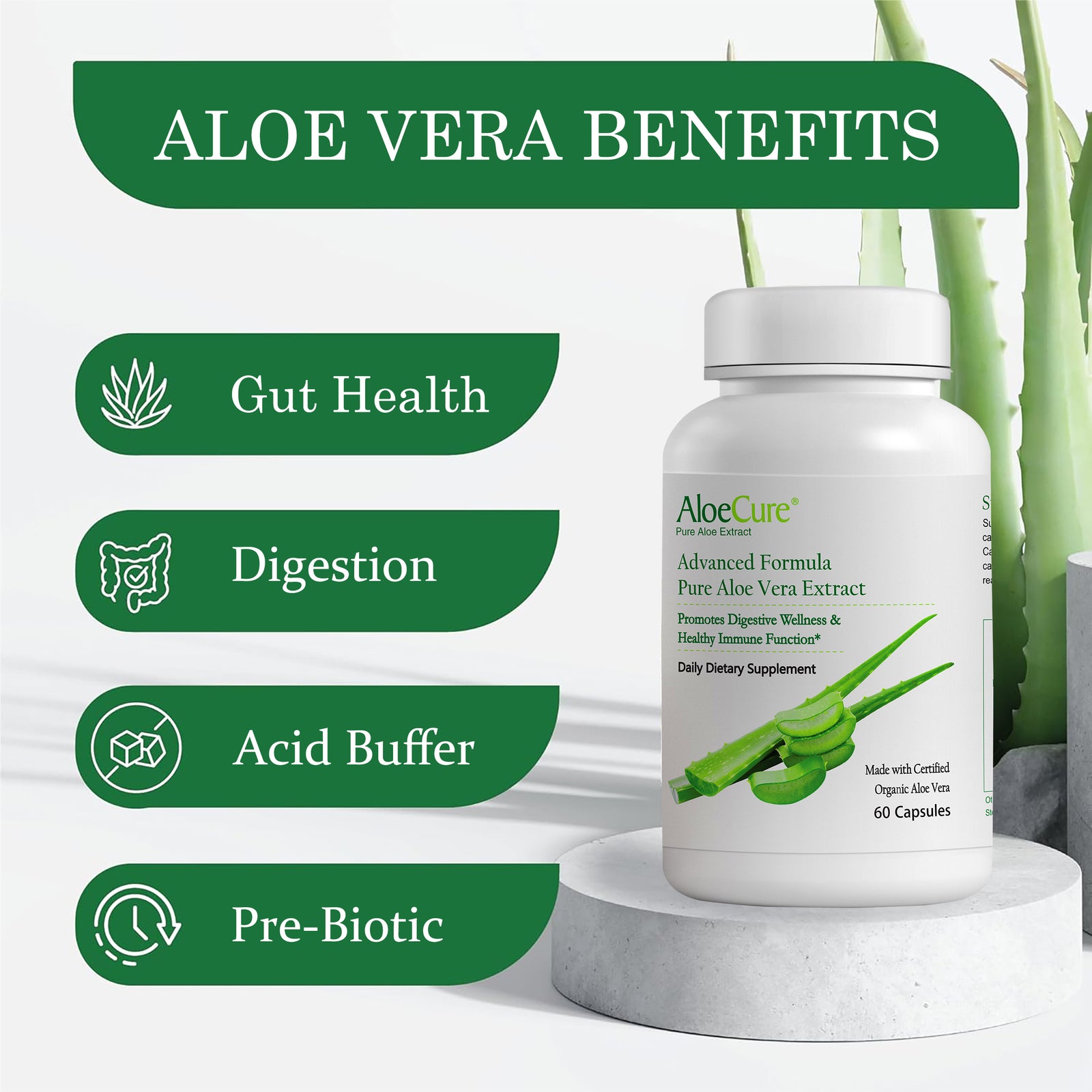
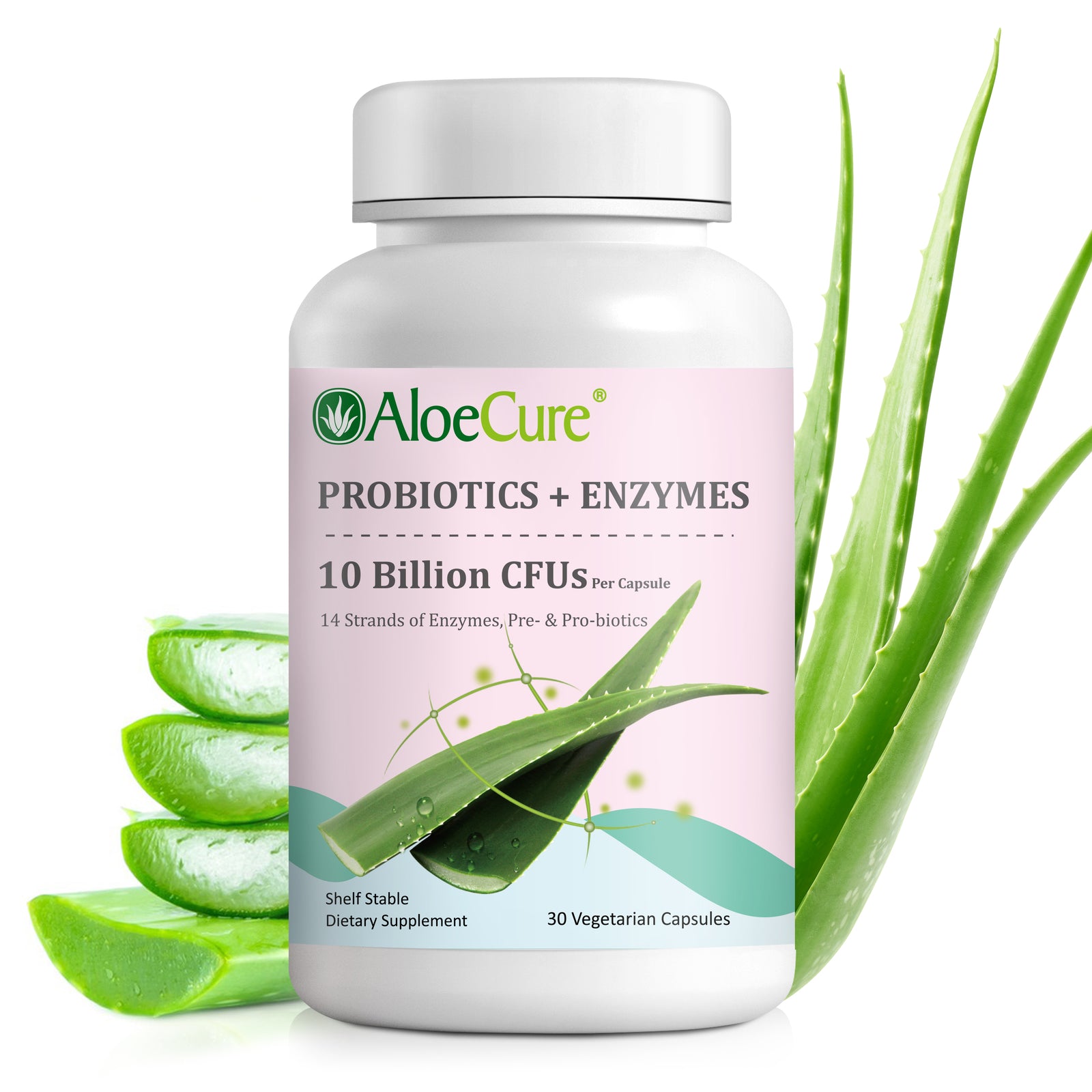
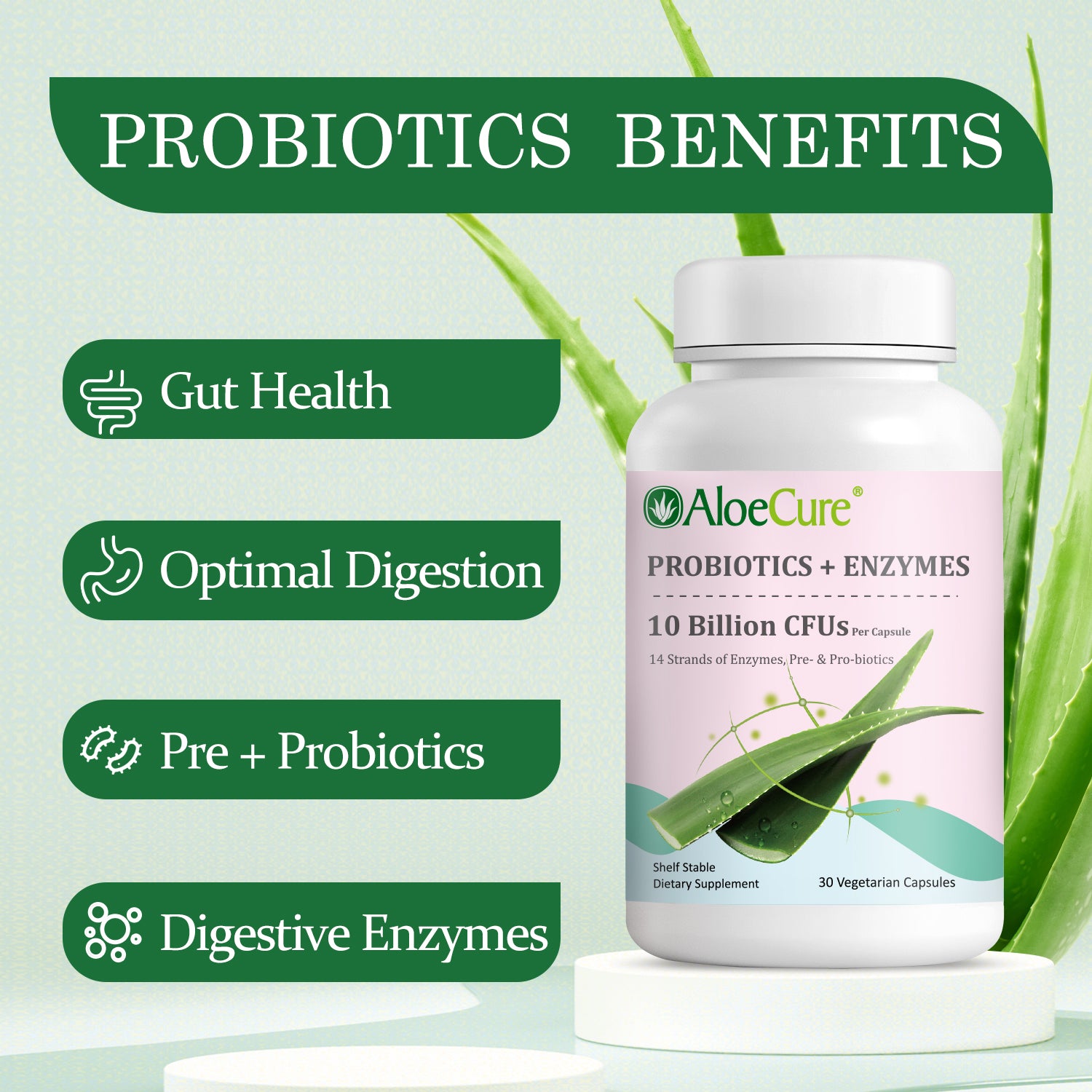
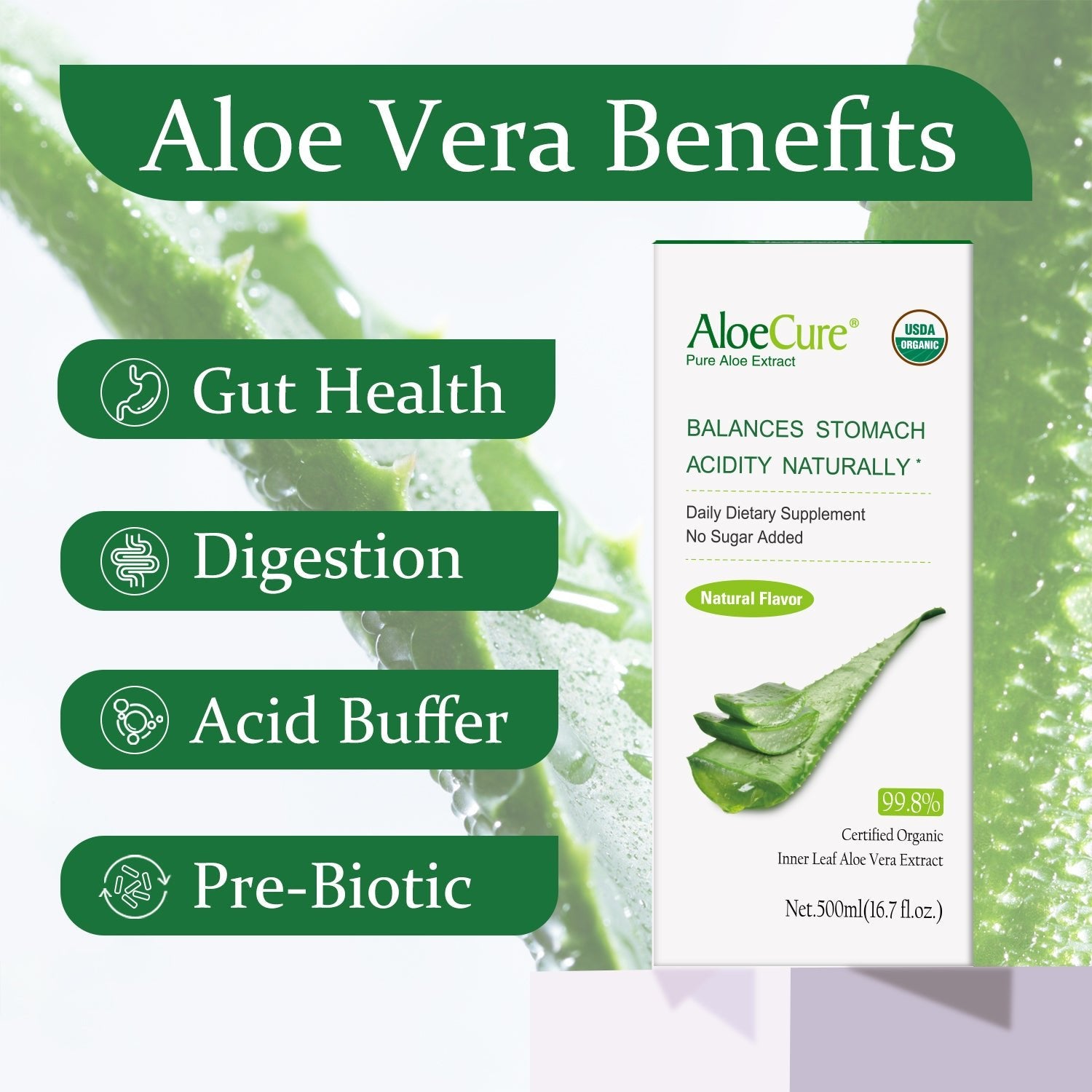
Beyond what you eat and how you live, bringing high-quality, natural ingredients into your routine can give your skin's vitality an extra layer of support. This is where the unique properties of pure Aloe vera really shine—not just as any plant, but as one grown with exceptional care. A truly holistic approach often means finding trusted natural supplements that fit your wellness goals.
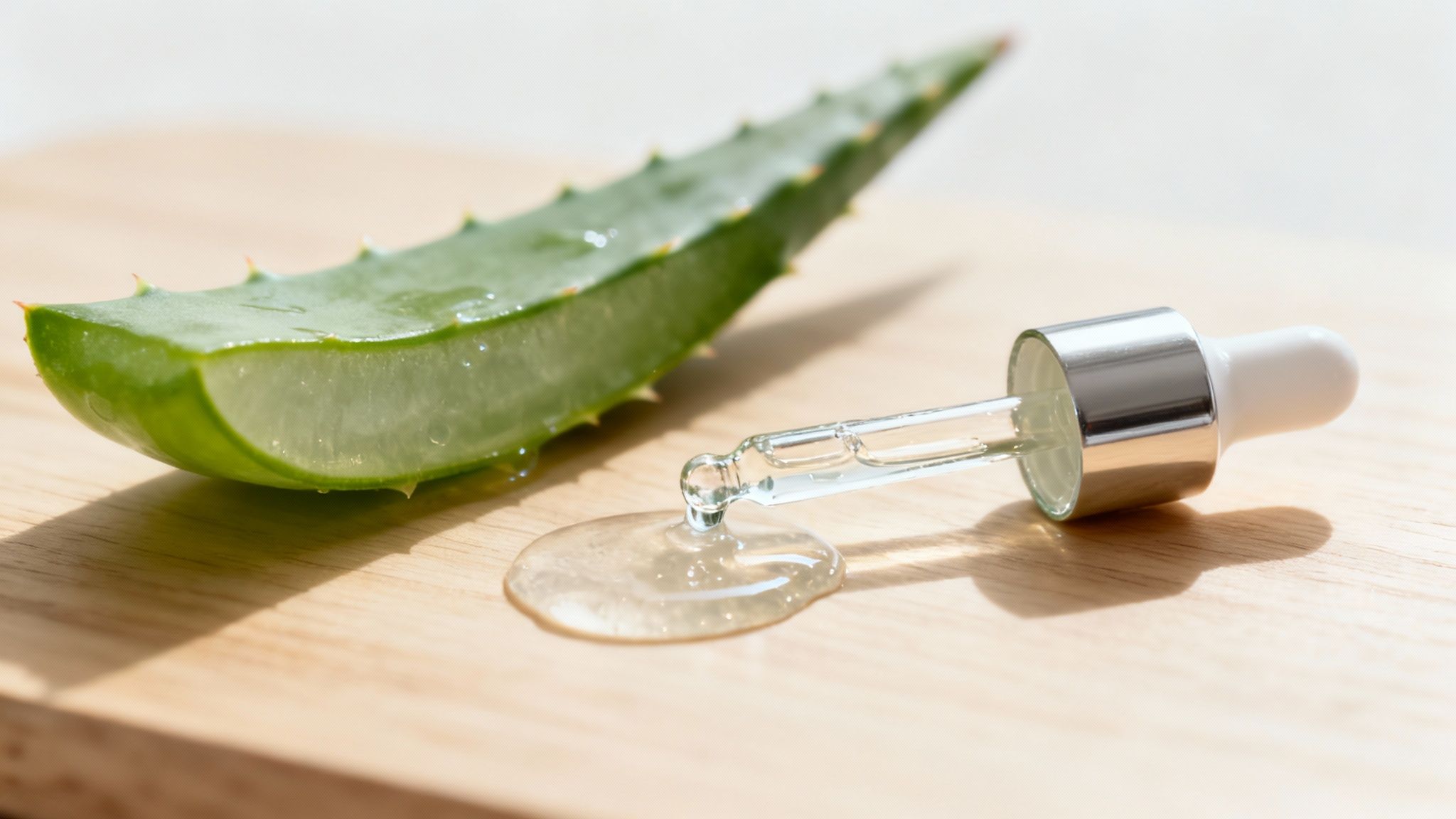
This isn't about looking for a single quick fix. It’s about thoughtfully adding a premium, plant-based supplement to an already strong foundation of nutrition and healthy habits. When you support your body from the inside out, you create the best possible environment for maintaining your natural vitality.
When you’re choosing a supplement, the purity and potency of the ingredients are everything. How an ingredient is grown, harvested, and processed directly impacts its final quality. This is exactly why we at AloeCure committed to complete vertical integration—we oversee every single step of the process ourselves.
We don’t just buy aloe from a supplier; we are the farmers. We grow our own USDA-certified organic aloe vera, making sure it’s raised in nutrient-rich soil without any synthetic pesticides or fertilizers. This hands-on approach from the very start is what allows us to create a superior product.
From there, our control continues:
Hand-Harvesting: We carefully select and hand-harvest mature leaves to maintain their integrity.
Rapid Processing: The aloe is processed within 12 hours of harvest to lock in its key compounds when they are at their absolute peak.
Proprietary Method: Our patented, all-natural processing method steers clear of the harsh chemicals, charcoal filtration, or enzymes that many competitors use.
This farm-to-bottle control means we can guarantee a level of purity and quality that is simply unmatched. You know exactly what you’re putting into your body—pure, potent aloe vera, just as nature intended.
Pure Aloe vera is naturally packed with vitamins, minerals, and amino acids that can beautifully complement a lifestyle focused on skin wellness. These nutrients work in harmony with the healthy foods you eat, giving your body extra support for its daily functions.
By supporting hydration and providing a wide spectrum of plant-based nutrients, aloe helps maintain your body’s natural balance. Think of it as promoting vitality from within, which is often reflected in how your skin looks and feels. The compounds in pure aloe work alongside your body’s systems, supporting its ability to maintain a healthy, vibrant appearance. You can find more details on how pure aloe gel for skin fits into a comprehensive wellness strategy in our dedicated guide.
Choosing a high-quality aloe supplement is about adding a trustworthy partner to your wellness toolkit. It’s an investment in a clean, plant-based ingredient that supports your body’s natural processes, helping you feel your best from the inside out.
Ultimately, figuring out how to boost collagen production naturally is a multifaceted journey. It involves nourishing your body with the right foods, protecting your skin with smart lifestyle habits, and supplementing wisely with pure, high-quality ingredients you can trust. By taking this comprehensive approach, you empower your body to maintain its own youthful vitality for years to come.
Once you’ve put in the work with your diet and dialed in your lifestyle habits, supplements can be a great way to round out your routine. But with a sea of options out there, how do you pick the right one?
It’s about more than just reading an ingredient list. The real difference comes down to the quality, purity, and transparency of the company behind the product.
This is where a concept called vertical integration becomes so important. When a company is vertically integrated, it means they control every step of the process, from the farm straight to the bottle you hold in your hand. This total oversight is a powerful indicator of a brand’s commitment to quality.
When a company manages its own farms, like we do at AloeCure, it can guarantee the main ingredient is grown to the absolute highest standards—in our case, USDA-certified organic. This completely removes the guesswork that comes with sourcing from third-party suppliers, where you never quite know what you’re getting.
Our hands-on approach means we oversee everything:
Farming: We grow our own aloe vera, making sure it thrives in optimal, nutrient-rich soil.
Harvesting: We only hand-harvest mature leaves at their peak potency to lock in all their beneficial compounds.
Processing: We use our own unique, all-natural method within 12 hours of harvest. This preserves the aloe's integrity without ever needing harsh chemicals or aggressive filtration.
This farm-to-bottle control is our promise of quality. It ensures you get a pure, potent product you can actually trust.
As people become more educated about wellness, the demand for high-quality supplements is skyrocketing. The global collagen market is expected to jump from an estimated USD 5.2 billion in 2025 to nearly USD 9.1 billion by 2035. This trend makes it clear that people are actively looking for products that support the body’s natural functions.
When you’re picking out a supplement, think of it as choosing a partner for your health journey. You want a brand that is open and honest about where its ingredients come from and how they’re processed. This helps you understand not just what's in the bottle, but why it’s a better choice for your overall wellness plan.
Our Approach: We see our products as a premium piece of a complete wellness puzzle. They’re designed to enhance all the effort you put into your diet and lifestyle, offering trusted, plant-based support from a source you can truly depend on. While there are many different forms of collagen support, understanding the fundamentals is a great first step. To learn more, check out our guide on the different types of collagens.
If you are thinking about adding dietary aids to your regimen, a comprehensive guide to collagen food supplements can be a huge help in making smart decisions. We also invite you to explore our AloeCure product pages to see our farm-to-bottle promise for yourself and learn how our 20% subscription savings can make it simple to bring high-quality support into your daily life.
When you start digging into natural wellness, a few questions always pop up. It's totally normal. When it comes to figuring out how to boost collagen, having clear, straightforward answers makes all the difference. Let's tackle some of the most common queries I hear.
This is probably the number one question people ask, and the honest answer is that supporting your body is a long-term strategy, not an overnight fix. Everyone’s body is different, but you can generally expect to notice a more hydrated, supple look to your skin within a few months of consistent effort.
The key word there is consistency. Think of it as a long-term investment in your wellness. The good habits you're building today—like eating nutrient-rich foods and protecting your skin from the sun—are contributing to your skin's health for years to come.
Absolutely! This is a great question. While collagen itself isn't found in plants, you can give your body every single building block it needs to make its own through a well-planned vegetarian or vegan diet. You’re just focusing on supplying the raw materials.
Some of my favorite plant-based sources include:
For Vitamin C: Citrus fruits, kiwis, bell peppers, and broccoli are fantastic.
For Zinc: Load up on pumpkin seeds, lentils, chickpeas, and nuts.
For Protein (Amino Acids): Tofu, tempeh, beans, and quinoa are your best friends here.
For Copper: Don't forget cashews, sunflower seeds, and dark leafy greens.
A diverse, colorful plant-based diet can easily give your body everything it needs to fire up its natural collagen-making machinery.
Topical products can be a wonderful part of a comprehensive routine. I'm a big believer in a two-pronged approach. Certain ingredients are well-known for how they can support a healthy, vibrant look when you apply them directly to your skin.
For instance, a good serum with Vitamin C offers excellent antioxidant support, helping shield the skin's surface from daily environmental stressors. When you pair this kind of external care with an internal approach—like a nutrient-dense diet and smart lifestyle choices—you create a powerful strategy for maintaining youthful-looking skin.
Choosing a supplement from a vertically integrated company means you’re getting a product where quality is meticulously controlled at every single step. This is our commitment at AloeCure. From planting the aloe in our own USDA-certified organic fields to harvesting, processing, and bottling, we oversee the entire journey ourselves.
This hands-on control ensures you receive the purest, most potent product possible. It’s our promise of transparency and excellence, giving you complete confidence in what you are putting into your body.
These statements have not been evaluated by the Food and Drug Administration. This product is not intended to diagnose, treat, cure, or prevent any disease.
Take the next step in your wellness journey with a partner you can trust. At AloeCure, our farm-to-bottle promise ensures you receive pure, potent, plant-based support. Explore our USDA-certified organic aloe vera products and sign up for a subscription to get 20% off your order. Visit AloeCure.com to learn more.
Comments will be approved before showing up.