Your Cart is Empty

If you’ve ever stood in the supplement aisle at Whole Foods, you know how overwhelming it can be. Especially when you’re on the hunt for a pure, effective aloe juice. We're here to cut through the noise and show you exactly what separates a truly great aloe juice at Whole Foods from all the rest.
Good aloe vera juice has become a go-to for people looking to support their daily wellness, from helping maintain healthy digestion to supporting healthy joints.
But here’s the thing: not all aloe is created equal. The trip from a spiky green plant to the bottle on the shelf is a long one, and the choices made along the way drastically change the quality. If you just grab the first bottle you see, you could be missing out on the very benefits you’re looking for.
Flashy labels and clever slogans are designed to catch your eye. But the real quality is what's inside the bottle, and that comes down to how the aloe was grown, harvested, and processed. The most potent and effective juices come from companies that control every single step.
Think of it like a farm-to-table restaurant. The chef who grows their own vegetables can promise a fresher, more flavorful meal than someone buying from a random supplier. It’s the same with aloe. Companies that own their farms and processing facilities can guarantee a superior product. For anyone serious about their wellness, understanding what separates the best aloe vera juice brands is the most important step.
At AloeCure, our secret is simple: we handle everything ourselves. We are fully vertically integrated—we own our USDA Organic farms, hand-harvest every single leaf, and process it all within 12 hours. This is how we capture the plant’s natural potency in every bottle.
This farm-to-bottle traceability means you’re not just buying a product. You’re getting a process designed from the ground up for purity and effectiveness. It lets us:
Protect the Good Stuff: Our special, chemical-free process helps maintain the valuable compounds found in fresh aloe.
Promise Purity: By managing every step, we ensure our juice is free from unwanted chemicals and additives.
Deliver on Consistency: You get the same high-quality product every single time.
Once you know what to look for, you can walk into any Whole Foods with confidence, look past the marketing, and choose an aloe juice that truly works with your body.
These statements have not been evaluated by the Food and Drug Administration. This product is not intended to diagnose, treat, cure, or prevent any disease.
The secret to finding the best aloe juice at Whole Foods isn't a secret at all—it's hiding in plain sight on the nutrition label. Once you know what to look for, you can walk down the aisle with confidence, easily telling the good stuff from the not-so-good. It’s all about spotting a few red flags and recognizing the signs of true quality.
Knowing how to read nutrition labels is a powerful skill, especially for a product like aloe juice where processing matters so much. A quick scan of the ingredients can tell you the whole story, from how the aloe was grown to how it ended up in the bottle. Some labels tell a story of careful, clean processing, while others reveal a product that's a shadow of its original self.
When you pick up a bottle of aloe juice, flip it over and head straight for the ingredient list. When it comes to aloe, simpler is almost always better. Be on the lookout for a few terms that can signal heavy processing or a lower-quality product.
Aloe Vera Powder or Concentrate: This is a big one. These terms mean the aloe gel was dehydrated into a powder (often using high heat) and then mixed back with water later. This harsh process can diminish many of the plant’s most valuable nutrients.
Added Sugars & Artificial Flavors: Many brands use sugars, high-fructose corn syrup, or other flavorings to cover up a bitter taste. That bitterness is often a sign of improper processing, so if a juice needs a lot of help to taste good, it’s a red flag.
Fillers and Thickeners: Ingredients like carrageenan or xanthan gum are often added to make a watered-down product feel thicker and more like pure aloe gel. A high-quality juice doesn't need them.
A truly clean label should have ‘Organic Aloe Vera Juice’ right at the top of the list, and not much else. This tells you the company is focused on purity and preserving the plant's natural goodness without a bunch of unnecessary additives.
To make it even easier, here’s a quick guide to what you might see on a label and what it really means.
| Label Term | What It Usually Means | What to Look For Instead |
|---|---|---|
| Aloe Vera "Powder" or "Concentrate" | The juice was made by re-hydrating a powder, which often involves heat and chemicals that diminish nutrients. | "Aloe Vera Juice" or "Inner Leaf Aloe Vera Juice" |
| Made with "Whole Leaf" Aloe | Can contain aloin, a harsh component from the outer leaf, which must then be filtered out, often removing good stuff, too. | "Inner Leaf" or "Inner Fillet" to ensure it's aloin-free without harsh filtering. |
| "Natural Flavors," Sugar, or Fructose | Added to mask bitterness from poor processing or to make a diluted product more palatable. | A short ingredient list without added sweeteners. A good juice should have a mild, clean taste on its own. |
| Carrageenan or Xanthan Gum | Thickeners used to create an artificial gel-like texture in products that may be mostly water. | A pure juice that doesn't rely on additives for its texture. |
This table is a great starting point, but one of the best indicators of quality is a certification you can trust.
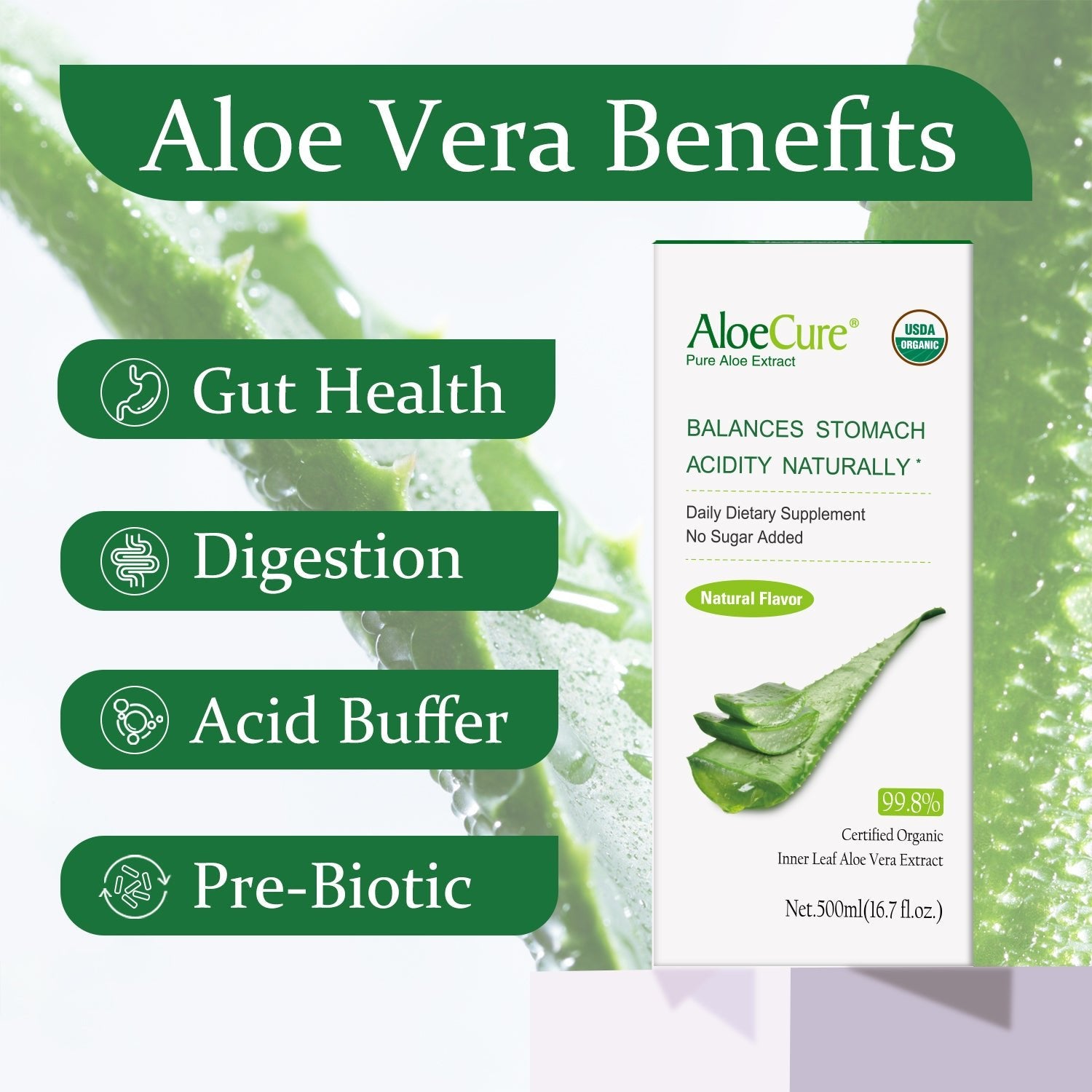
One of the most valuable things to spot on a bottle of aloe juice is the USDA Organic seal. This little circle is more than just marketing—it’s a guarantee.
It means the aloe was grown on soil free of prohibited substances for at least three years and without the use of synthetic pesticides or fertilizers. For a plant you’re taking for your health, that’s a pretty big deal.
At AloeCure, our commitment to a simple, transparent label comes directly from our unique process. Because we are a fully vertically integrated company that owns our organic farms and process our aloe fresh within 12 hours of harvest, we don't need the harsh chemicals, filters, or fillers other brands rely on. This is why our ingredient list is so refreshingly short—we believe in letting the quality of the plant speak for itself.
For a deeper dive into making the right choice, you might like our complete guide on buying aloe vera.
These statements have not been evaluated by the Food and Drug Administration. This product is not intended to diagnose, treat, cure, or prevent any disease.
Have you ever wondered what happens to an aloe plant before it ends up as juice on a shelf at Whole Foods? That whole process is everything. The journey from the farm to the bottle has a massive impact on whether the final product can actually support your daily wellness.
Think of it like this: a fresh smoothie made with ingredients picked straight from the garden is going to be packed with more life and goodness than some sugary, processed drink from a vending machine. The same exact principle applies to aloe vera juice. How it’s grown, harvested, and bottled determines if you’re getting a vibrant, helpful supplement or just aloe-flavored water.
To save time and money, a lot of large-scale producers cut corners. Their methods often involve high heat, harsh chemical filters, and even turning the aloe gel into a powder that gets mixed with water later. While it's technically still "aloe juice," this approach can diminish many of the delicate, beneficial compounds that are naturally in the plant.
This heavy-handed processing is often why some juices have that bitter aftertaste, which then has to be covered up with added sugars, artificial flavors, and thickeners. It’s a dead giveaway that the plant's natural integrity has been compromised. When you choose an aloe juice, you want something that’s as close to the real plant as possible.
The goal shouldn't be just to make aloe juice, but to capture the essence of the living aloe plant in a bottle. This requires a completely different approach—one that prioritizes freshness and purity over speed and volume.
At AloeCure, our patented process is built to do exactly that. We’ve dedicated ourselves to a method that is entirely unique because it avoids the very shortcuts that diminish quality.
No High Heat: We never use high-heat pasteurization, which can cook away the plant's natural goodness.
No Charcoal Filtration: Our process is so clean from the start that we don't need harsh charcoal filters that can strip out valuable nutrients along with the bad stuff.
No Dehydration: We never turn our aloe into a powder or concentrate. We only use fresh, inner-leaf gel from the moment it's picked.
This kind of commitment to quality is only really possible through vertical integration. It’s a simple idea with a huge impact: we control everything. As a family-owned company, we own the farms, we process our own aloe, and we bottle our own products.
From the second a USDA Organic aloe leaf is picked by hand, a clock starts ticking. We process every single leaf within 12 hours to lock in peak freshness and all its beneficial properties. This farm-to-bottle traceability means you know exactly where your juice came from and how it was made. You get a pure, potent product designed to provide maximum support to your body’s natural functions, free from the chemicals and shortcuts that are so common in the industry. Understanding these practices can deepen your appreciation for what goes into making a truly sustainable product. To learn more about this, you might be interested in our guide on what sustainable farming practices are.
These statements have not been evaluated by the Food and Drug Administration. This product is not intended to diagnose, treat, cure, or prevent any disease.
Walk into any Whole Foods, and you'll probably spot aloe juice in two different locations: on the room-temperature shelves and in the refrigerated cases. It’s a natural question to ask—does one location signal better quality than the other? The real answer isn’t quite so simple.
Seeing a bottle on a shelf doesn’t mean it’s a lower-grade product. In fact, it often points to a company that has invested in smarter, more advanced processing. It shows they've mastered a way to preserve the juice's integrity right inside the bottle, so it doesn't need constant chilling until you’re ready to open it.
A truly great aloe juice has to maintain its potency all the way from the farm to your glass. This is where the company's processing methods make all the difference.
When a product is harvested and bottled with exceptional care, it can be sealed to lock in freshness and effectiveness without relying on harsh chemicals or preservatives. This gives you amazing convenience without cutting corners on quality. You can stock up, keep it in your pantry, and just grab a fresh bottle whenever you need it.
The temperature where an aloe juice is sold is far less important than the quality of its ingredients and the integrity of the processing behind it. A superior, shelf-stable juice delivers both potency and practicality.
At AloeCure, our unique, patented process was designed for this very reason. Because we are a fully vertically integrated company that manages every single step—from our USDA Organic farms to our on-site bottling facility—we can capture the plant’s goodness without compromise. Our method ensures the juice stays fresh and potent on the shelf until you crack the seal.
So, instead of worrying about where the bottle is in the store, shift your focus to these key signs of quality:
USDA Organic Certification: This is your guarantee that the aloe was grown without synthetic pesticides.
Simple Ingredient List: The best juices contain pure aloe without a bunch of fillers, sugars, or artificial additives.
Transparent Processing: Look for brands that are open and clear about how they get the juice from the plant into the bottle.
Ultimately, a high-quality, shelf-stable option like AloeCure’s USDA Organic juice means you don't have to pick between an effective product and one that’s easy to use. It’s made to fit perfectly into your daily wellness routine, ready whenever you are.
These statements have not been evaluated by the Food and Drug Administration. This product is not intended to diagnose, treat, cure, or prevent any disease.
So you've done your homework, navigated the aisles at Whole Foods, and picked out a top-notch aloe juice. Now what? The real magic happens when you make it a consistent part of your day, turning it from a new purchase into a trusted wellness habit.

It’s best to think of it not as a chore, but as a small, daily act of self-care. A lot of folks like to start their morning with a shot of aloe to get their system going. Others find it’s the perfect addition to a post-workout smoothie or even just mixed into a big water bottle they can sip on all afternoon.
The key is to listen to your body. Start with the suggested serving, see how you feel, and adjust from there. The right amount for you is whatever helps you meet your goals without any fuss.
Making aloe a regular habit is all about keeping it easy. Here are a few no-fuss ideas to get you started:
Morning Ritual: Take two ounces on an empty stomach first thing in the morning to kickstart your day.
Smoothie Upgrade: Blend it into your favorite fruit or veggie smoothie for an extra layer of goodness.
Hydration Boost: Add a splash to your water bottle with a squeeze of fresh lemon for a refreshing, hydrating drink.
When you're thinking about how to build out your wellness routine, adding aloe juice is a lot like looking into other natural digestion support supplements. It’s all about finding those powerful, plant-based helpers that fit with your health goals.
We get it—life is hectic, and sticking to a liquid routine isn't always easy. That’s why we’ve also created other forms of our high-quality aloe so you never have to miss out, no matter where you are.
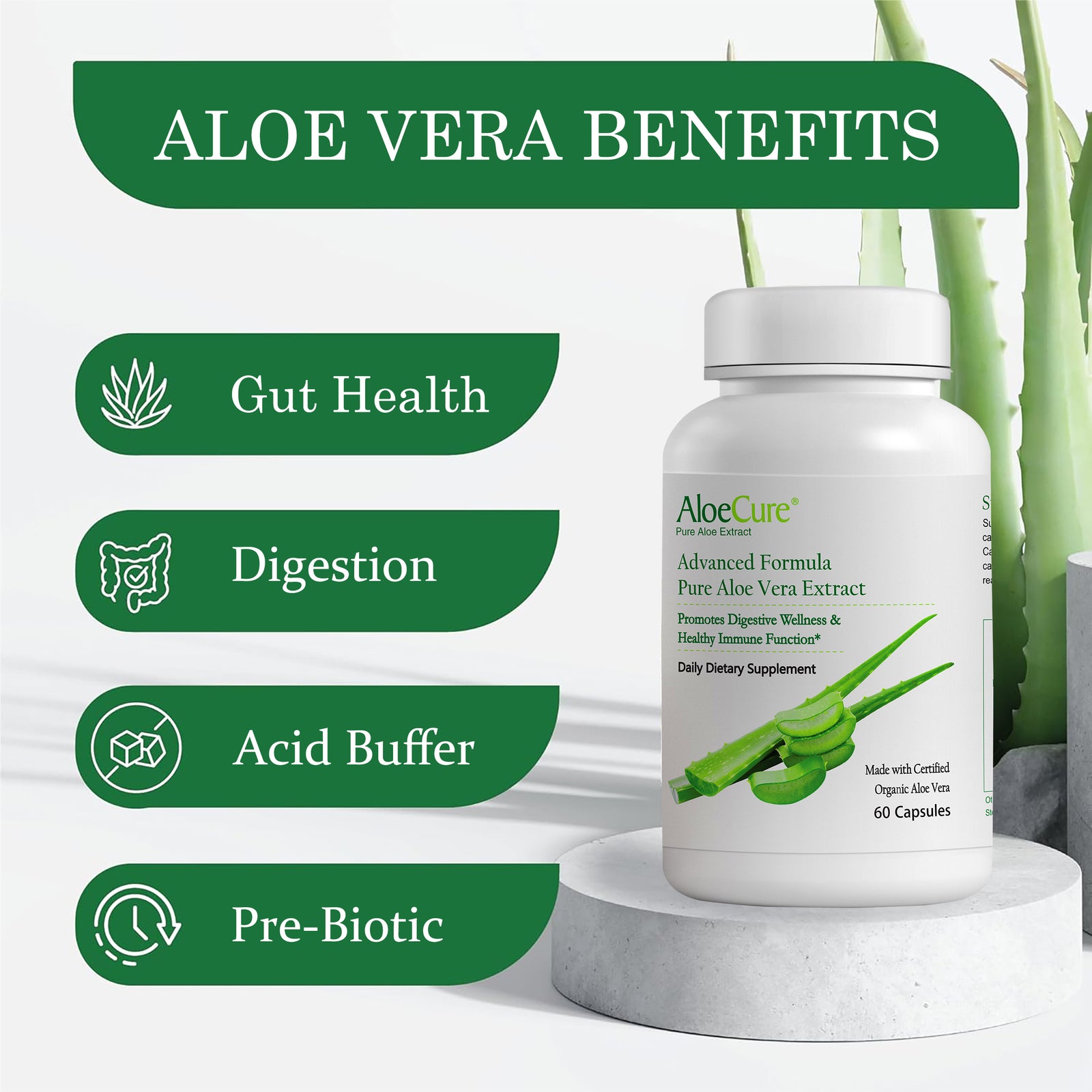
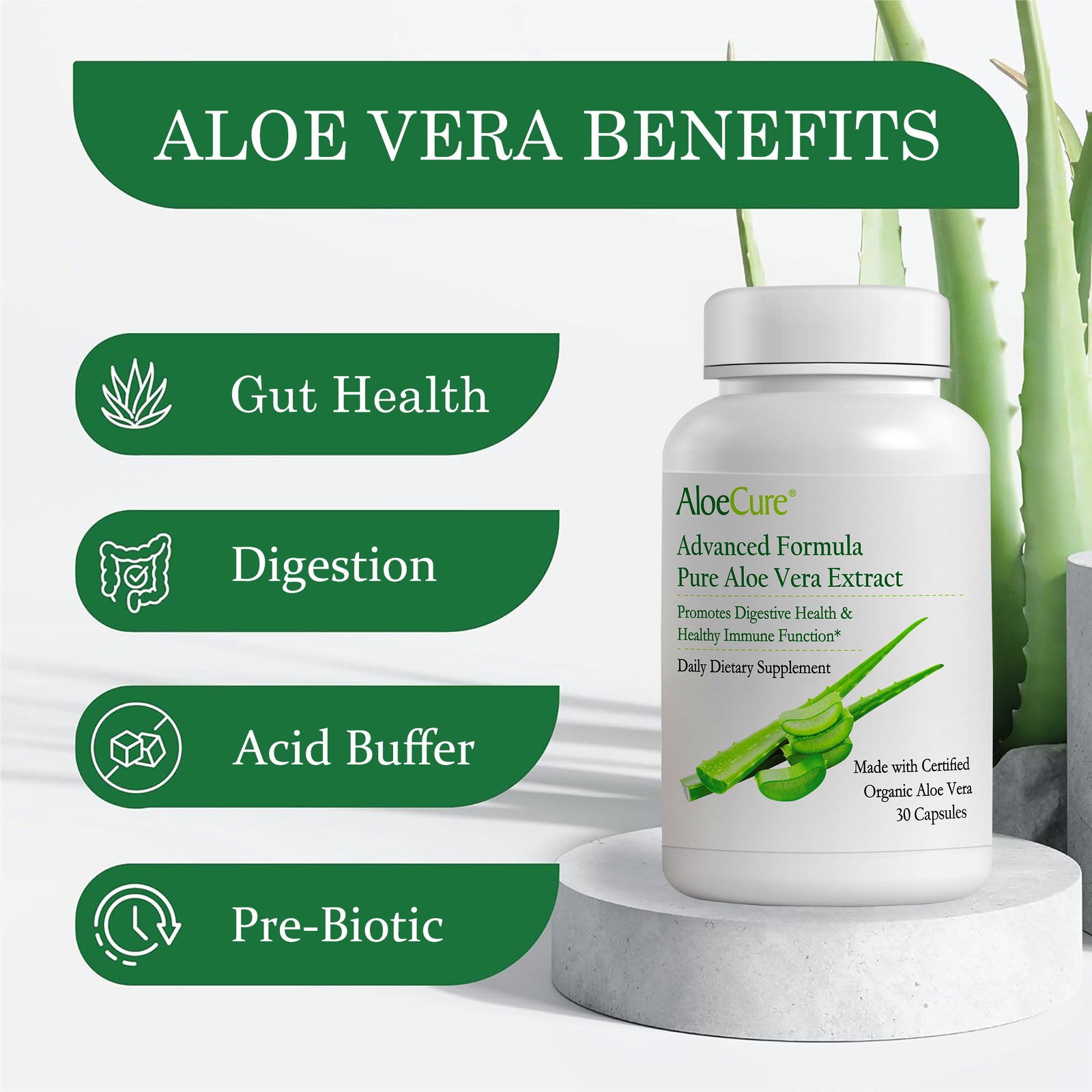
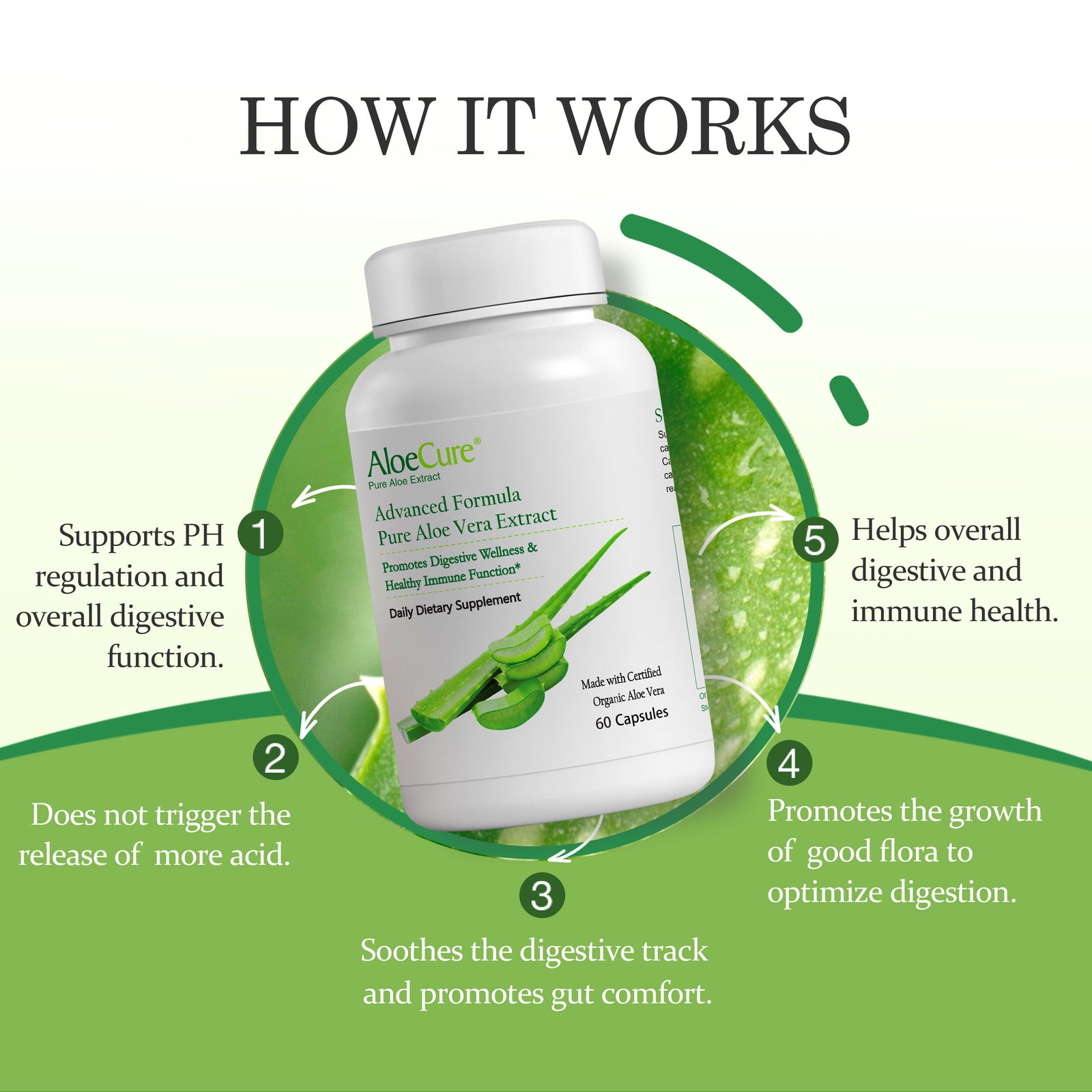
If you’re always on the go or just like the simplicity of a pill, our Advanced Formula Aloe Capsules give you the same farm-to-bottle quality in a portable, easy-to-take format. At AloeCure, our goal is to be a partner in your health, offering practical solutions like our juice subscriptions for 20% off that work for your lifestyle and help you feel your best.
These statements have not been evaluated by the Food and Drug Administration. This product is not intended to diagnose, treat, cure, or prevent any disease.
Every trip down the aisles at Whole Foods is a series of small choices that, over time, add up to support your overall health. When it comes to something like aloe juice, that choice is a pretty powerful one. All those details we've been talking about—from how the aloe is farmed to how it's processed—directly impact the quality of the juice you take home. The real support it can offer your body is tied directly to the care taken on its journey from the field to the bottle.
That's why picking the right one matters so much. A carefully crafted juice can provide meaningful support for things like healthy joint function and maintaining a balanced digestive system. When you choose a brand that’s obsessed with purity, you're giving your body a clean, potent tool to rely on every day.
So, to recap the most important things to look for, you want a brand that is an open book. The best aloe juice will proudly show off these key qualities:
USDA Organic Farming: This is your guarantee the aloe was grown without any synthetic pesticides or fertilizers. It’s a cleaner start.
Chemical-Free Processing: This means they've avoided harsh methods like charcoal filtration that can strip away the very compounds you’re looking for.
Full Vertical Integration: When a company owns its farms, processing plants, and bottling facilities, it can stand behind the quality and traceability from start to finish.
Label Transparency: A simple ingredient list is a great sign. No added sugars, no weird fillers, and definitely no powders "from concentrate."
These standards are the very heart of what we do at AloeCure. We are a fully vertically integrated company, from our own organic aloe farms to our patented, chemical-free processing, ensuring you get a pure and potent product every single time.
More and more of us are reaching for functional beverages like pure aloe juice to take an active role in our health. The numbers back this up: the market for aloe vera drinks is expected to shoot up from $146.8 million in 2025 to $318.6 million by 2035. That’s a huge shift, showing a clear demand for products that offer gentle, natural support for our bodies. You can read more about these trends and discover insights on the rise of functional beverages at futuremarketinsights.com.
We invite you to experience this difference firsthand. By choosing a product built on traceability and purity, you're not just buying a juice; you are investing in a consistent, reliable partner for your wellness journey.
Feel confident in your choice with our 90-day money-back guarantee. Explore our Subscribe & Save options to receive 20% off and make pure, organic aloe juice a seamless part of your daily routine.
These statements have not been evaluated by the Food and Drug Administration. This product is not intended to diagnose, treat, cure, or prevent any disease.
Walking down the wellness aisle at Whole Foods can feel a bit overwhelming, especially when it comes to aloe juice. We get it. You've got questions, and we've got answers based on years of experience.
Here’s a quick guide to some of the most common questions shoppers ask, helping you cut through the noise and feel confident about what you’re buying.
This is a big one. Inner fillet juice is exactly what it sounds like—it comes purely from the nutrient-packed gel found inside the aloe leaf. It's the good stuff.
Whole leaf juice, on the other hand, grinds up the entire leaf, including the outer rind. That rind contains harsh compounds like aloin, which can cause digestive upset. To get rid of it, companies have to put the juice through heavy charcoal filtering. The problem? That process can strip out many of the beneficial nutrients you wanted in the first place.
For a purer product that’s closer to the plant and hasn't been heavily processed, always go for inner fillet juice.
You'll often see artificial preservatives like sodium benzoate on ingredient labels. Brands use them to make their products last longer on the shelf, but frankly, it’s often not necessary. With the right processing and bottling, a juice can be perfectly shelf-stable until opened, all without synthetic chemicals.
Always check the ingredient list for simplicity. High-quality brands like AloeCure use only a small amount of citric acid—a natural compound found in citrus fruits—to preserve the freshness of our USDA Organic juice, successfully avoiding artificial preservatives.
When you’re standing in the aisle, look for three key signs of a top-tier product. First, a USDA Organic seal is non-negotiable. It’s your guarantee the aloe was grown without nasty synthetic pesticides.
Second, flip the bottle over and read the ingredients. The list should be short and simple, with no added sugars, artificial flavors, or weird fillers.
Finally, look for brands that aren’t afraid to talk about their process. The best brands, like AloeCure, are fully vertically integrated. This just means we own and control every single step, from our organic farms to the bottle in your hand. That level of traceability is the ultimate promise of purity and potency.
Ready to experience the difference that farm-to-bottle quality makes? AloeCure offers pure, USDA Organic aloe vera juice designed to support your daily wellness goals.
Explore our products and sign up for 20% off your subscription today!
These statements have not been evaluated by the Food and Drug Administration. This product is not intended to diagnose, treat, cure, or prevent any disease.
Comments will be approved before showing up.