Your Cart is Empty


Making mindful dietary choices is a foundational step toward promoting everyday digestive wellness and comfort. Many people experience occasional stomach upset or burning sensations after a meal, and understanding which foods can contribute to this discomfort is key to feeling your best. Identifying potential triggers is a proactive way to support your body’s natural digestive processes and maintain a harmonious gut environment. This guide is designed to empower you with practical, actionable knowledge, helping you navigate your pantry and plate with confidence.
Instead of focusing on restriction, we will explore the “why” behind common trigger foods and offer delicious, satisfying alternatives. This approach allows you to build a supportive eating plan without feeling deprived. You will learn about specific foods to avoid for occasional digestive discomfort and discover simple swaps that can make a significant difference. We will cover everything from high-fat meals and citrus fruits to caffeinated drinks and spicy ingredients, providing clear explanations for how they can affect digestive comfort.
This comprehensive list will serve as your go-to resource for creating meals that nourish your body and support your overall well-being. By making informed adjustments, you can help maintain your stomach's natural balance and enjoy your food with greater ease. Let's dive into the specifics and uncover how simple dietary shifts can pave the way for a more comfortable and happy digestive system.
While a glass of fresh orange juice or a squeeze of lemon in water seems like a healthy way to start the day, these highly acidic foods can be major culprits for digestive discomfort. Citrus fruits like oranges, lemons, limes, and grapefruits naturally have a very low pH, ranging from 2 to 4. This high acid content can directly bother the sensitive lining of the esophagus.
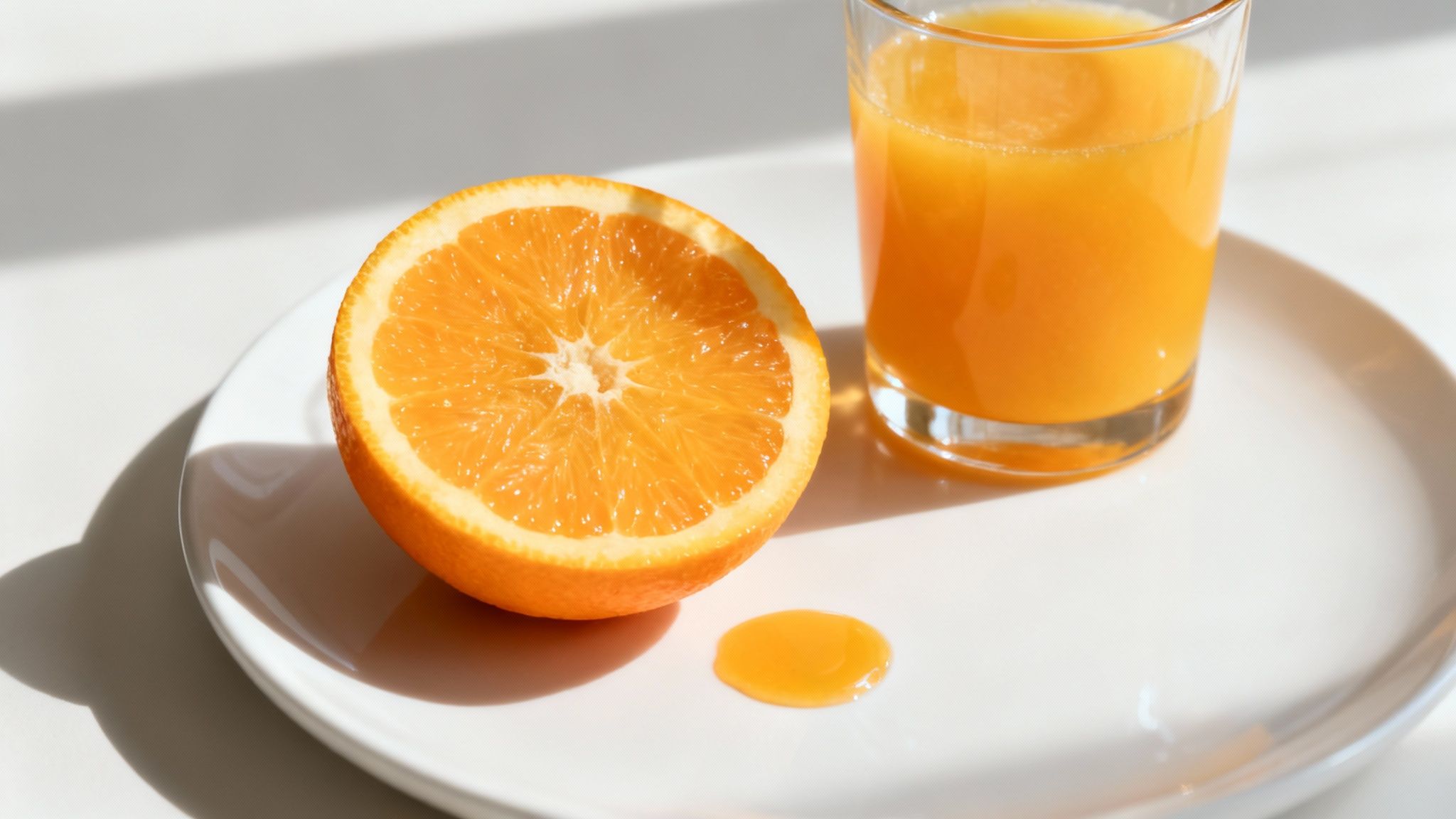
This acidic nature can also relax the lower esophageal sphincter (LES), the muscular valve that is meant to keep stomach contents where they belong. When the LES is weakened, it may allow stomach contents to travel upward, leading to feelings of occasional digestive upset. Even seemingly healthy habits, like drinking lemon water for "detoxification," can introduce a significant amount of acid into your system. Juices are often more problematic because they concentrate the fruit's acidity without the fiber to buffer it.
If you experience digestive upset after consuming citrus, it's wise to limit or avoid these foods, especially on an empty stomach.
Mindful Swapping: Instead of starting your day with citrus juice, consider a gentler alternative. AloeCure's Natural or Grape flavored aloe vera juices can provide soothing digestive support to help maintain a healthy gut.
Check Labels: Be cautious with processed foods and beverages. Citrus derivatives like citric acid are common preservatives and flavor enhancers in everything from flavored seltzers to salad dressings.
Strategic Timing: If you do crave a citrus flavor, try to consume it in small amounts and wait at least 2-3 hours after a meal. This gives your stomach time to empty, potentially reducing the likelihood of discomfort.
Making these simple adjustments can support your digestive wellness. For more insights into foods that can help balance your system, you can learn more about options that help support your digestion.
That rich, comforting piece of chocolate might be a favorite indulgence, but for those with sensitive digestive systems, it can often lead to discomfort. Chocolate contains compounds like methylxanthine, which can relax the lower esophageal sphincter (LES). This muscle is responsible for keeping stomach contents contained, and when it relaxes inappropriately, it can allow stomach contents to move upward, causing occasional digestive upset.
Beyond these natural compounds, chocolate is often high in fat, which can delay stomach emptying. When food sits in the stomach longer, it increases pressure and the likelihood of experiencing digestive upset. Chocolate milk and other sweetened chocolate products add another layer of complexity. They combine the fat and methylxanthine from cocoa with a high sugar content, creating a triple-threat for those trying to maintain digestive balance. Even dark chocolate, often praised for its health benefits, can be problematic due to a higher concentration of these triggering compounds.
If you notice digestive issues after enjoying chocolate, it's a good idea to limit or avoid it, especially during a flare-up of discomfort.
Mindful Swapping: Instead of a chocolate dessert, try a carob-based treat, which offers a similar flavor profile without the same triggering compounds. A simple bowl of non-citrus fruit like melon or a pear can also satisfy a sweet craving.
Check Labels: Cocoa powder and chocolate flavorings are often hidden in protein powders, "healthy" snack bars, and even some breakfast cereals. Always read ingredient lists carefully if you're sensitive.
Strategic Timing: If you choose to have chocolate, consume it in a small portion and avoid having it late at night. Wait at least 3-4 hours after eating before lying down to give your stomach ample time to process its contents.
Understanding which foods to avoid is a key step in supporting your digestive wellness. For more ideas on how to promote gut comfort, you can explore some natural options for digestive support on aloecure.com.
For many, a morning cup of coffee or a mid-afternoon energy drink is a non-negotiable ritual for boosting alertness. However, caffeine can be a significant contributor to digestive upset for sensitive individuals. As a stimulant, caffeine can encourage the stomach to produce more acid while also relaxing the lower esophageal sphincter (LES), the muscle that keeps stomach contents from moving upward. This dual action makes it a common trigger for discomfort.

Coffee itself is quite acidic, which can add to the digestive challenge. Even decaffeinated coffee, while lower in caffeine, still retains most of its acidity, making it only a slightly better choice. High-caffeine beverages like energy drinks often compound the issue by adding carbonation and other acidic ingredients, creating a perfect storm for occasional digestive upset. Common sources to watch out for include brewed coffee, espresso shots, black and green teas, and caffeinated sodas.
If you notice digestive issues after your morning brew, it may be time to rethink your caffeine habits, especially when your stomach is empty.
Mindful Swapping: Instead of coffee, try a gentle herbal tea like chamomile or ginger. You could also start your day with a soothing glass of AloeCure Aloe Vera Juice, which supports digestive wellness and helps maintain a healthy gut environment.
Gradual Reduction: To avoid potential withdrawal headaches, consider tapering your intake over one to two weeks rather than quitting abruptly.
Strategic Timing: Always consume caffeinated beverages with food to help buffer their effects. Avoid them within 5-6 hours of bedtime to give your digestive system ample time to settle.
Making thoughtful changes to your beverage choices can make a significant difference in your daily comfort. For additional insights into ingredients that support digestive balance, you can explore some of the best supplements for digestive health on aloecure.com.
From crispy French fries to decadent doughnuts, fried and high-fat foods are often associated with comfort and indulgence. However, these items can be significant contributors to digestive distress. Meals high in fat delay the process of gastric emptying, meaning food stays in the stomach for a longer period. Instead of the usual 2-3 hours, a high-fat meal can linger for 4-6 hours, increasing the chances for discomfort.

This extended stomach time increases pressure and can challenge the lower esophageal sphincter (LES). The presence of fat also prompts the release of the hormone cholecystokinin (CCK), which further relaxes the LES, making it easier for stomach contents to move in the wrong direction. Because of this dual action, fried foods like mozzarella sticks, deep-fried chicken, and fast-food burgers are some of the most consistent culprits for occasional digestive upset.
If you notice that fatty meals leave you feeling uncomfortable, prioritizing different cooking methods and being mindful of fat intake can support better digestive harmony.
Mindful Swapping: Instead of frying, try baking, grilling, steaming, or boiling your favorite foods. You can achieve a satisfying crunch on potatoes or chicken with an oven or air fryer, using minimal oil. Understanding broader dietary principles can also help. For instance, learning about how to reduce saturated fat intake can offer more strategies for building a gut-friendly meal plan.
Check Labels: Be aware of hidden fats in sauces, dressings, and processed meals. Cream-based sauces, heavy gravies, and full-fat dairy can contribute significantly to a meal's total fat content.
Strategic Timing: It's best to avoid heavy, high-fat foods entirely, especially in the evening. If you do have a richer meal, eat it earlier in the day and keep portions small to give your digestive system ample time to process it before you lie down.
That rush of heat from a spicy dish, while exciting for the palate, can be a major source of digestive discomfort for many people. The primary compound responsible for the burn in foods like chili peppers, spicy curries, and hot sauces is capsaicin. This natural chemical can be a powerful sensitizer to the delicate mucous membranes lining the digestive system, from the esophagus down to the stomach.
This direct sensitivity can trigger a burning sensation that can feel very similar to occasional digestive upset, making existing digestive upset feel more intense. Furthermore, spicy foods can relax the lower esophageal sphincter (LES), the muscle that seals the top of the stomach. When this valve is relaxed, it may allow stomach contents to travel upward, leading to those familiar feelings of discomfort after a meal. This effect can last for several hours after eating, disrupting digestive wellness long after the initial heat has faded.
If you notice that zesty or fiery foods lead to digestive upset, it's best to reduce your intake or find gentler ways to flavor your meals.
Mindful Swapping: Instead of reaching for chili powder or hot sauce, season your food with flavorful, non-spicy herbs. Basil, oregano, thyme, dill, and even small amounts of ginger can add complexity and taste without the harshness of capsaicin. These alternatives can help you create delicious meals that support your digestive comfort.
Check Labels: Be a savvy shopper and read ingredient lists carefully. Many processed foods, from pepperoni and cured meats to salsas and marinades, contain hidden spices. Even products labeled "mild" can contain enough capsaicin to cause an issue for sensitive systems.
Strategic Reintroduction: If you want to test your tolerance, do so cautiously. Wait until your system feels balanced, then try a very small amount of a mildly spicy food alongside bland items like rice or potatoes. Pay close attention to how you feel for a few hours afterward.
While a celebratory toast or a relaxing evening drink is a common social ritual, alcohol can be a significant contributor to digestive upset. Beverages like wine, beer, and spirits act in multiple ways to disrupt digestive harmony. Alcohol can relax the lower esophageal sphincter (LES), the muscle that keeps stomach contents in place, and can also prompt the stomach to produce more acid. This combination can lead to occasional digestive upset and other feelings of discomfort.
Certain alcoholic drinks may be more problematic than others. Wine, for instance, is naturally acidic, while beer and sparkling drinks add carbonation that can increase stomach pressure. Cocktails often mix alcohol with other potential triggers like citrus juices or sugary mixers, compounding the potential for digestive woes. Consuming alcohol can also impact sleep quality, a time when the body is horizontal and more prone to digestive backup.
If you notice digestive discomfort after drinking, it may be beneficial to limit or avoid alcohol, especially before lying down.
Mindful Swapping: For a soothing beverage that supports your digestive system, try a glass of AloeCure Natural or Grape flavored aloe vera juice. Aloe vera is known for helping to maintain a healthy gut environment.
Strategic Timing: It’s best to avoid alcohol within three hours of bedtime to give your system time to process it. Never drink on an empty stomach; having food present can help buffer its effects.
Hydrate Wisely: If you choose to have an alcoholic beverage, alternate it with a glass of water. This helps dilute the alcohol and acid in your stomach and supports overall hydration.
By being mindful of what and when you drink, you can better support your body's natural digestive processes. For more ideas on gut-friendly choices, explore how aloe vera juice can support digestive health on aloecure.com.
That refreshing fizz in soda, seltzer, and other carbonated drinks can unfortunately create a perfect storm for digestive upset. The carbonation itself introduces carbon dioxide gas into your stomach, which can increase internal pressure. This expansion can physically push stomach contents upward, challenging the barrier that is meant to keep everything in its place. This can quickly lead to feelings of discomfort after drinking.
Beyond the gas, most of these beverages are also highly acidic. Many common soft drinks have a pH between 2.5 and 4.0, which can be harsh on the delicate lining of the esophagus. This combination of mechanical pressure from the bubbles and high acidity makes carbonated drinks a common trigger for occasional digestive upset. Even seemingly innocent sparkling water can cause issues for sensitive individuals because the gas alone can be enough to disturb digestive balance.
If you notice digestive discomfort after a bubbly drink, it's a good idea to limit or remove them from your diet, especially close to bedtime or on an empty stomach.
Mindful Swapping: Replace your daily soda or seltzer with a gentle, non-carbonated alternative. Still water is always a great choice, as are non-caffeinated herbal teas. For a beverage that actively supports your gut health, consider AloeCure's great-tasting aloe vera juices.
Sip, Don't Gulp: If you choose to have a carbonated beverage, drink it slowly. Sipping allows the gas to dissipate more gradually, which may be less likely to cause a sudden increase in stomach pressure.
Strategic Timing: Avoid drinking carbonated beverages at least two to three hours before lying down. This allows your stomach ample time to process the liquid and gas, reducing the chance of nighttime discomfort.
Making these adjustments can help you maintain digestive harmony. To explore more beverage options that promote a balanced system, find out more about the benefits of aloe vera juice on aloecure.com.
From rich pasta sauce to fresh salsa, tomatoes are a staple in many cuisines. However, these popular fruits are naturally high in acids like citric and malic acid, which can contribute to digestive upset for some individuals. The acidic nature of tomatoes may bother the sensitive lining of the esophagus and disrupt normal digestive comfort.
The problem is often magnified in cooked or concentrated tomato products. A single cup of tomato sauce can contain the concentrated acid of many fresh tomatoes. This makes pizza, pasta dishes, soups, and even ketchup potential sources of discomfort. Furthermore, tomatoes contain histamine, which can encourage additional acid production in the stomach, creating a cycle of digestive imbalance. While known for their lycopene content, the potential for tomatoes to disrupt gut comfort makes them a food to approach with caution.
If you notice digestive issues after eating tomato-based meals, you may want to limit them, especially when your stomach is empty.
Mindful Swapping: For a gentler sauce base, try using pureed roasted carrots, beets, or red peppers. Pesto made with basil and olive oil can also be a flavorful alternative for pasta. You can also look for "nomato" sauce recipes that mimic the flavor and texture of tomato sauce using other vegetables.
Check Labels: Tomato is a common hidden ingredient in many processed foods. Be sure to check the labels on soups, broths, salad dressings, and barbecue sauces to avoid unknowingly consuming it.
Strategic Timing: If you choose to eat tomatoes, consume them in small quantities and with other less acidic foods. Pairing them with alkaline-rich foods like rice, beans, or green vegetables may help buffer their acidity. Avoid combining them with other common triggers like onions, spicy ingredients, or fatty foods.
By making careful choices and being mindful of ingredients, you can better support your digestive wellness.
While often turned to for its refreshing flavor and reputation in digestive wellness circles, mint can be a surprising source of occasional digestive upset. The very compound that gives peppermint and spearmint their characteristic cooling sensation, menthol, can paradoxically contribute to discomfort. It has a natural relaxing effect on muscles, including the lower esophageal sphincter (LES).
When the LES relaxes too much, it may not form a tight seal, allowing stomach contents to move upward into the esophagus. This can lead to that familiar burning feeling in the chest. This is particularly confusing for many, as well-meaning advice often suggests mint tea for an unsettled stomach. Products like peppermint candies, chewing gum, and even mint-flavored beverages can introduce enough menthol to trigger this response, often within 30-45 minutes of consumption.
If you notice discomfort after consuming mint, it’s a good idea to limit or remove it from your diet to support your digestive harmony.
Mindful Swapping: Instead of a post-meal mint tea, opt for a gentler herbal alternative. Soothing options like chamomile or ginger tea are excellent choices. For a different approach to digestive support, consider a glass of AloeCure’s Natural or Grape flavored aloe vera juice to help maintain gut health.
Check Labels: Be vigilant about "herbal digestive blends" or "tummy teas," as many contain peppermint as a primary ingredient. Mint can also appear in unexpected places like salads, sauces, and cocktails.
Avoid Triggers: Completely steer clear of mint-flavored chewing gum and hard candies, as they promote swallowing air and continuously expose your system to menthol.
Making these adjustments can significantly support your digestive wellness goals. For more ideas on foods that promote a balanced system, explore options that help support your digestion.
Onions and garlic are foundational ingredients in many cuisines, but for those with sensitive digestive systems, they can be a significant source of discomfort. These potent vegetables contain compounds that can relax the lower esophageal sphincter (LES), the muscle responsible for keeping stomach contents in place. When the LES doesn't close properly, it can allow stomach contents to move upward into the esophagus, leading to unpleasant sensations.
Raw onions and garlic are particularly challenging. Cooking can help break down some of the active compounds, making them slightly more tolerable, but they can still cause issues. These ingredients also ferment in the gut, which can increase gas and bloating. This buildup of pressure in the stomach can physically push contents upward, compounding the problem. Even powdered forms, like garlic powder or onion salt, are concentrated and can be potent triggers for occasional digestive upset.
If onions and garlic frequently cause digestive upset, it's best to limit them, especially when your system feels most sensitive.
Mindful Swapping: To add flavor to your meals without the discomfort, try using herbs like fennel, basil, parsley, or oregano. For a gentle and supportive option, a daily serving of AloeCure aloe vera juice can help maintain gut balance and support overall digestive wellness.
Check Labels: Onions and garlic are hidden in countless processed foods, including soups, sauces, marinades, and spice blends. Always read ingredient lists carefully to avoid unintentionally consuming these triggers.
Strategic Timing: If you choose to reintroduce cooked onions or garlic, do so in very small amounts with a meal. Avoid consuming them within 3-4 hours of bedtime to give your stomach ample time to empty, which helps support comfortable digestion through the night.
By being mindful of these common ingredients, you can take a proactive step toward supporting your digestive comfort. To explore more about how to create a supportive diet, you can find information on foods that promote a healthy gut environment on aloecure.com.
| Item | 🔄 Implementation complexity | ⚡ Resource requirements / Substitutes | 📊 Expected outcomes (if limited) | 💡 Ideal use cases / Tips | ⭐ Key advantages |
|---|---|---|---|---|---|
| Citrus Fruits and Juices | Moderate — common breakfast habit; requires full elimination | Low — replace with neutral drinks (aloe vera juice, melons, bananas) | High — rapid reduction in occasional digestive upset | Avoid completely during flares; wait 2–3 hrs after meals if craving | Rich in vitamin C; affordable; palatable |
| Chocolate, Cocoa Products, and Chocolate Milk | High — ubiquitous in snacks and desserts; needs label vigilance | Moderate — cocoa-free desserts, plain low‑fat dairy or fruit | High — fewer LES relaxation episodes and late-night discomfort | Eliminate in flare-ups; avoid before bed; read labels for cocoa | Antioxidants (dark chocolate), mood benefits |
| Caffeine (Coffee, Tea, Energy Drinks) | High — habitual/dependency risk; gradual taper advised | Moderate — decaf (still acidic), herbal teas, warm aloe juice | High — decreased acid stimulation and improved sleep | Don’t drink on empty stomach; avoid within 5–6 hrs of bedtime | Boosts alertness and performance; social ritual |
| Fried and High‑Fat Foods | Moderate — requires cooking habit changes and portion control | Low–Moderate — bake, grill, steam; choose lean proteins | Very High — reduces delayed gastric emptying and pressure | Eliminate for 4–6+ weeks; trim visible fat; limit daily fat | Highly palatable and convenient |
| Spicy Foods and Hot Peppers | Moderate — cultural preference; flavor swaps possible | Low — use mild herbs (basil, oregano, ginger) | High — less mucosal sensitivity and fewer burning sensations | Avoid for 4–8 weeks during acute discomfort; reintroduce very gradually | Enhances flavor; temporary metabolic boost |
| Alcohol (Wine, Beer, Spirits) | Moderate — social contexts make avoidance challenging | Low — nonalcoholic alternatives, aloe juice, water | High — less LES relaxation, lower acid secretion, improved sleep | Avoid 3 hrs before bed; eliminate during acute phase; limit reintroduction | Social facilitation; some antioxidant content (e.g., red wine) |
| Carbonated Beverages and Soda | Low — easy behavioral swap but habit-forming | Low — still water, herbal tea, aloe juice | High — reduced gastric gas pressure and acidity | Eliminate 6–8 weeks; avoid before bedtime; sip slowly if testing | Refreshing mouthfeel; wide availability |
| Tomato Products (Sauce, Juice, Fresh Tomatoes) | Moderate — common in many dishes; hidden ingredient risk | Moderate — low‑acid sauces, vegetable-based alternatives | High — less acid exposure and better digestive comfort | Eliminate 4–6 weeks; check labels; avoid on empty stomach | Nutrient-dense (lycopene), low fat |
| Mint and Peppermint | Low — many easy swaps available | Low — replace with ginger, chamomile, warm aloe juice | Moderate–High — reduced LES relaxation events | Avoid peppermint tea/gum; check “herbal” mixes | Cooling flavor; helpful in other digestive areas |
| Onions and Garlic | High — ubiquitous in cooking; hidden in prepared foods | Moderate — use cooked forms later, chives or other aromatics | High (especially when raw avoided) — less LES relaxation and gas | Avoid raw completely; reintroduce well‑cooked after 6–8 weeks | Strong flavoring; potential cardiovascular benefits |
Navigating the landscape of your dietary choices is one of the most empowering steps you can take toward achieving digestive wellness and comfort. Throughout this guide, we've explored the specific foods to avoid when seeking to support a calm digestive system, moving beyond a simple list to understand the "why" behind each recommendation. From the acidity of citrus and tomatoes to the relaxing effect of high-fat foods, chocolate, and mint on the lower esophageal sphincter, knowledge is your greatest tool.
This journey isn't about deprivation or creating a restrictive list of "bad" foods. Instead, it's about empowerment through understanding. It’s about recognizing your personal trigger foods and making mindful substitutions that nourish your body without causing discomfort. By swapping a morning glass of orange juice for a less acidic option like melon or pear juice, or choosing grilled chicken over fried, you are actively participating in your own well-being. These small, consistent adjustments accumulate over time, paving the way for sustained digestive ease and harmony.
As you move forward, keep these core principles at the forefront of your wellness strategy. Mastering these concepts is valuable because it shifts your focus from a reactive state of managing discomfort to a proactive state of cultivating balance.
Become a Food Detective: The most crucial takeaway is the importance of personal observation. Use a food journal to track your meals, portion sizes, and any subsequent feelings of digestive unease. This personalized data is far more powerful than any generic list of foods to avoid.
Mindful Eating is Paramount: It’s not just what you eat, but how you eat. Practice eating smaller, more frequent meals to prevent overloading your stomach. Chew thoroughly, eat slowly, and remain upright for at least two to three hours after eating to allow gravity to assist your digestive process.
Strategic Swaps, Not Sacrifices: Focus on the abundance of delicious, gentle foods available to you. Explore baked or steamed cooking methods, season dishes with fresh herbs instead of spicy powders, and discover the satisfying crunch of an apple instead of a greasy chip. This positive framing makes dietary adjustments feel like an upgrade, not a loss.
While identifying and managing dietary triggers is foundational, you can further enhance your efforts by incorporating high-quality, natural support. A well-formulated supplement can complement your mindful eating habits, providing an extra layer of support for your body's digestive functions. This is where the purity and potency of your chosen supplement become critically important.
At AloeCure, we are dedicated to providing the highest-quality aloe vera products to support your wellness goals. Our commitment begins in our own certified organic aloe vera fields. As a fully vertically integrated company, we control the entire process from farming and harvesting to processing and bottling. This unique "farm-to-bottle" oversight ensures that our products, like our Pure Aloe Vera Juice, are never made from concentrate or powder. We don’t use charcoal filtration or harsh enzymes that can strip away vital nutrients.
This meticulous process preserves the maximum bioactivity of the aloe plant, delivering a product that genuinely supports healthy digestive function and helps maintain normal stomach acidity. By choosing AloeCure, you are choosing a partner dedicated to purity, efficacy, and your long-term digestive harmony. Let us be a part of your daily routine as you build a lifestyle that promotes comfort from the inside out.
Ready to take the next step in supporting your digestive wellness? Discover how the purity of farm-to-bottle aloe vera can complement your healthy lifestyle. Explore the AloeCure difference and sign up today to receive 20% off your first subscription.
These statements have not been evaluated by the Food and Drug Administration. This product is not intended to diagnose, treat, cure, or prevent any disease.
Comments will be approved before showing up.