Your Cart is Empty

If a powder is marketed as “natural,” does that automatically make it a smart choice for daily wellness support?
That question matters with diatomaceous earth health benefits, because this is one of those supplements that gets talked about everywhere online while the actual human evidence stays surprisingly thin. Some people describe it as a simple mineral-rich powder. Others talk about it as if it can do almost everything. Most shoppers are left trying to sort out which claims are grounded, which are guesses, and which should raise concern.
A careful approach makes sense here. Diatomaceous earth can be interesting from a wellness education standpoint, but it also comes with confusion about grades, sourcing, and what has or hasn't been shown in humans. If you're considering it, the safest path is to understand what it is first, then separate common claims from verified evidence.
You've probably seen diatomaceous earth, often shortened to DE, described as a fine white powder with a long list of possible wellness uses. That buzz can make it sound straightforward. It isn't.

At its most basic, diatomaceous earth is made from the fossilized remains of tiny aquatic organisms. Those remains are milled into a powder that's rich in silica. That's the reason it draws attention from people interested in mineral intake, connective tissue support, and everyday wellness routines.
The confusion starts because not all DE is the same product. Some forms are meant for industrial use, while one form is sold for food and supplement applications. Many online articles blur that line. Some also attach bold wellness promises to DE without clearly explaining what's been studied in people.
Buyer-beware rule: With diatomaceous earth, the first question isn't “What are the benefits?” It's “What grade is it, and what evidence supports this claim?”
That distinction changes the conversation. A responsible wellness discussion has to focus on three things:
A lot of readers get tripped up by one common assumption. If DE is used in natural living spaces, gardening, or filtration, they assume that means it must also provide clear internal wellness benefits. That leap doesn't hold up automatically. External use, industrial use, and internal use are separate questions.
That's why diatomaceous earth health benefits deserve a slower, more practical look. The powder itself isn't mysterious once you understand its origin. The fundamental challenge is deciding which claims deserve confidence and which ones need caution.
What are you getting when a label says diatomaceous earth?
At the simplest level, diatomaceous earth, often shortened to DE, is a naturally derived powder made from the fossilized remains of diatoms. Diatoms are microscopic algae that lived in water and built shell-like outer walls from silica. Over long periods, those remains collected into deposits that can be mined and milled into a fine powder.

A large share of DE is silica, usually in the amorphous form in food-grade material. That detail matters because silica is the reason DE gets pulled into wellness conversations about connective tissue, bones, skin, hair, and nails.
Silicon works like a support material in the body's building process. Calcium often gets the public attention, but silicon is discussed in nutrition research as part of normal tissue structure and maintenance. That helps explain the interest. It does not prove that swallowing a silica-rich powder will produce broad health benefits.
That distinction is easy to miss. A raw ingredient can sound promising on paper, yet still have weak human evidence in supplement form. DE is a good example of that gap.
DE has a porous physical structure, which is why it shows up in settings far outside supplements. It is used in filtration, gardening, and even natural pest-control discussions, such as this Crown Point environmentally mindful pest guide.
Here's a short visual explainer:
That wide range of uses creates a lot of confusion.
Some shoppers see DE used around the home or garden and assume internal wellness benefits must be well established too. The comparison breaks down quickly. A material can be useful as a dry absorbent or filter aid and still have limited evidence for digestive or whole-body benefits in people.
Caution helps more than hype in this context. DE is natural. It is distinctive. It contains silica. Those facts are real, but they do not answer the more important buyer question, which is whether the product is processed cleanly and studied well enough for the reason you want to use it.
That is one reason transparent sourcing matters so much in the wellness space. With trend-driven powders, claims often spread faster than proof. For digestive support in particular, many people end up feeling more confident with natural options that come with clearer purity standards, more controlled processing, and a stronger track record of human use.
This is the part no shopper should skip.
When people talk about taking diatomaceous earth internally, they should only be referring to food-grade DE. Pool-grade, also called filter-grade, is a different product category. The two are not substitutes for each other.
The distinction comes down to processing and silica form. Food-grade DE is the version used in food-related applications. Pool-grade DE is processed for filtration purposes, and that processing changes the material in ways that make it unsuitable for internal use.
If you only remember one thing from this article, remember this: pool-grade DE should never be used for wellness purposes.
| Feature | Food-Grade DE | Pool-Grade (Filter-Grade) DE |
|---|---|---|
| Processing | Prepared for food-related use | Processed for filtration use |
| Silica form | Primarily amorphous silica | Altered by high-heat processing |
| Typical use | Food and supplement contexts | Pool and industrial filtration |
| Internal use | The only form discussed for wellness | Not appropriate for wellness use |
| Main concern | Dust handling still matters | Hazard concern is much higher |
The package should clearly state food grade. If the label focuses on pools, filtration, or industrial use, that's your stop sign.
Even with food-grade material, handling matters. Any fine powder can be unpleasant to inhale. Open containers carefully, mix slowly, and avoid creating airborne dust.
Simple rule: If a product is sold for pools or filters, keep it out of your wellness routine.
People who use DE around the home sometimes encounter it first as a pest-control powder. That crossover can make the product seem interchangeable across uses, but it isn't. If you're exploring non-chemical household applications, a separate resource like the Crown Point environmentally mindful pest guide gives broader context without confusing those uses with internal wellness decisions.
Three mix-ups happen all the time:
That's why discussions of diatomaceous earth health benefits need a strong safety filter first. Before anyone weighs claims about mineral support or digestive wellness, they need to know they're looking at the right material.
A lot of the conversation around DE comes from what people say it supports, not from outcomes that have been firmly established in human trials. That doesn't make every claim false. It does mean you should treat many of them as interest areas rather than settled facts.
Because DE contains silica, proponents often say it supports healthy hair, skin, nails, and connective tissue. That idea comes from silicon's role in normal structural functions and from broader interest in silica intake.
Some wellness users also describe it as something that helps maintain normal tissue strength and appearance. The challenge is that these claims are often carried over from general silica discussions, not from strong controlled human studies on DE itself.
Another common claim is that DE supports the body's natural cleansing processes. Online conversation often gets ahead of the evidence on this particular point.
A verified summary notes that a 2023 review suggested silica may help filter out toxins like aluminum, but no human research verifies this mechanism can be applied to human digestion or that it has meaningful digestive effects, according to Marion Institute's review discussion. The same source notes that claims around bone mineralization and collagen synthesis rely on observational or animal data rather than controlled human trials showing how much silica reaches target tissues.
That's why broad “detox” language deserves extra caution. It sounds specific, but the evidence behind it often isn't.
Many supplement shoppers also hear that DE assists the body in normal digestive processes or promotes regularity. Those are popular uses people talk about in blogs and forums. Human proof remains limited.
If your main interest is everyday digestive support, it's often smarter to compare ingredients with clearer sourcing, gentler use profiles, and a more established place in wellness routines. For readers exploring plant-based options, this guide to natural digestive wellness approaches may be a useful next read.
A quick way to frame the popular claims is this:
Popular doesn't mean proven. It means the idea is circulating widely enough that buyers need better filters before accepting it.
When people search for diatomaceous earth health benefits, they often expect a long list of human studies. That list doesn't really exist. The strongest human evidence commonly cited comes from one small older study, while many other claims rely on theory, animal work, or product marketing.

An influential 1998 clinical study involving 19 participants found that food-grade diatomaceous earth supplementation led to a 13.2% reduction in total serum cholesterol after 8 weeks, with LDL and triglycerides also decreasing, and those values staying below baseline 4 weeks after discontinuing the supplement, according to WebMD's summary of the study.
That result is interesting. It suggests DE may influence lipid metabolism in ways worth studying further.
It is not, however, the same thing as a settled conclusion.
The study above is small and old. It involved a limited number of participants, and it hasn't created a broad, modern body of replicated human research that answers the usual consumer questions about consistency, ideal use, long-term outcomes, or who is most likely to respond.
That leaves buyers in a familiar supplement gray zone. One study can justify curiosity. It usually can't support sweeping wellness claims.
A promising signal is not the same as a strong evidence base.
Many articles become misleading at this point. They take one narrow positive finding and stretch it into support for hair, skin, detoxification, bones, and digestion all at once. The available human evidence doesn't support that leap.
The thinnest evidence appears around the most dramatic claims. You'll often see DE described as if it has clearly established internal cleansing actions or broad tissue-delivery effects. The actual human data doesn't validate that level of certainty.
Here's a simple contrast:
| Claim area | Human evidence status |
|---|---|
| Lipid-related support | One notable small human study suggests potential |
| Hair, skin, nails | Often inferred from silica interest rather than direct DE trials |
| Detox-style claims | Mechanism discussed, but human validation is lacking |
| Digestive support | Popular in anecdotal use, not backed by strong human trials |
| Connective tissue support | Mostly based on observational or animal-related reasoning |
When evidence is thin, the quality questions become even more important than the ingredient name.
Ask these questions before buying any supplement in a confusing category:
That's the most balanced takeaway on diatomaceous earth health benefits. There is one notable human signal. There is also a large evidence gap around many of the claims that make DE trend online.
What do you do when a supplement sounds natural, popular, and still leaves big questions unanswered? A careful next step is to choose options with a clearer quality story, a simpler purpose, and fewer leaps between theory and real-world use.
That matters with diatomaceous earth because the conversation often outruns the evidence. Healthline's review notes that DE's amorphous silica may act as a silicon source and discusses animal research related to lipid handling. Useful background, yes. Strong confirmation for broad digestive or detox use in people, no.

If your goal is steady digestive support, it helps to choose products built for that job from the start. A trendy powder with uncertain human evidence is one path. A plant-based product with transparent sourcing, careful processing, and a long-standing role in digestive wellness is often the steadier path.
Organic aloe is a good example. Many wellness shoppers choose it because it fits a daily routine more easily than a dusty mineral powder, and because the intended use is clearer. The difference is a bit like buying produce from a farm you can trace instead of scooping an unlabeled bulk ingredient from a bin. The name of the ingredient matters, but how it was grown, handled, and tested matters too.
Here's a practical checklist:
Natural wellness products can vary widely even when the front label looks similar. One aloe product may be carefully harvested and processed close to the source. Another may pass through multiple suppliers before it reaches a bottle. That extra distance can make quality harder to verify.
Vertically integrated companies reduce some of that uncertainty because the same team oversees more of the chain, from farming through processing. For buyers trying to avoid hype, that kind of control is reassuring. It does not prove a product will solve every digestive complaint, but it does make purity, consistency, and accountability easier to check.
That same buyer-beware mindset can help across categories. If you are comparing products aimed at digestion and microbiome support, curated collections of beneficial gut health solutions can help you compare ingredients by purpose and quality, not just popularity.
For a more established plant-based direction, this guide to natural ways to improve gut health gives a clearer starting point for daily digestive wellness.
The most reliable supplement is often the one with the fewest unanswered questions, the clearest sourcing, and the simplest reason to use it.
People who choose food-grade DE usually mix a small amount into water or another beverage. Because it's a fine powder, handling it gently matters. You don't want to breathe in airborne dust while scooping or stirring.
Start conservatively and follow the product label. If you have questions about whether it fits your routine, speak with a qualified health professional.
Food-grade DE is often described as fairly bland, with a chalky texture rather than a strong flavor. Texture is usually the bigger issue than taste.
Mixing it thoroughly can help, but it may still settle. That's one reason some people decide it's not their preferred long-term option.
The biggest practical concern is dust exposure during handling. Even food-grade powder should be used carefully to avoid inhalation. If a supplement seems to bother your system, stop using it and get personalized guidance.
For readers interested in safer household uses of natural powders outdoors, resources on safe yard solutions from Barefoot Organics can be helpful without confusing those applications with internal use.
Not necessarily. If your goal is steady daily support, many people prefer options with a more established wellness role, easier routines, and stronger quality controls. This overview of best supplements for digestive health can help you compare categories more clearly.
Use only food-grade material for any internal consideration. Read labels carefully. Keep expectations realistic. Be skeptical of broad claims that sound more certain than the human evidence.
These statements have not been evaluated by the Food and Drug Administration. This product is not intended to diagnose, treat, cure, or prevent any disease.
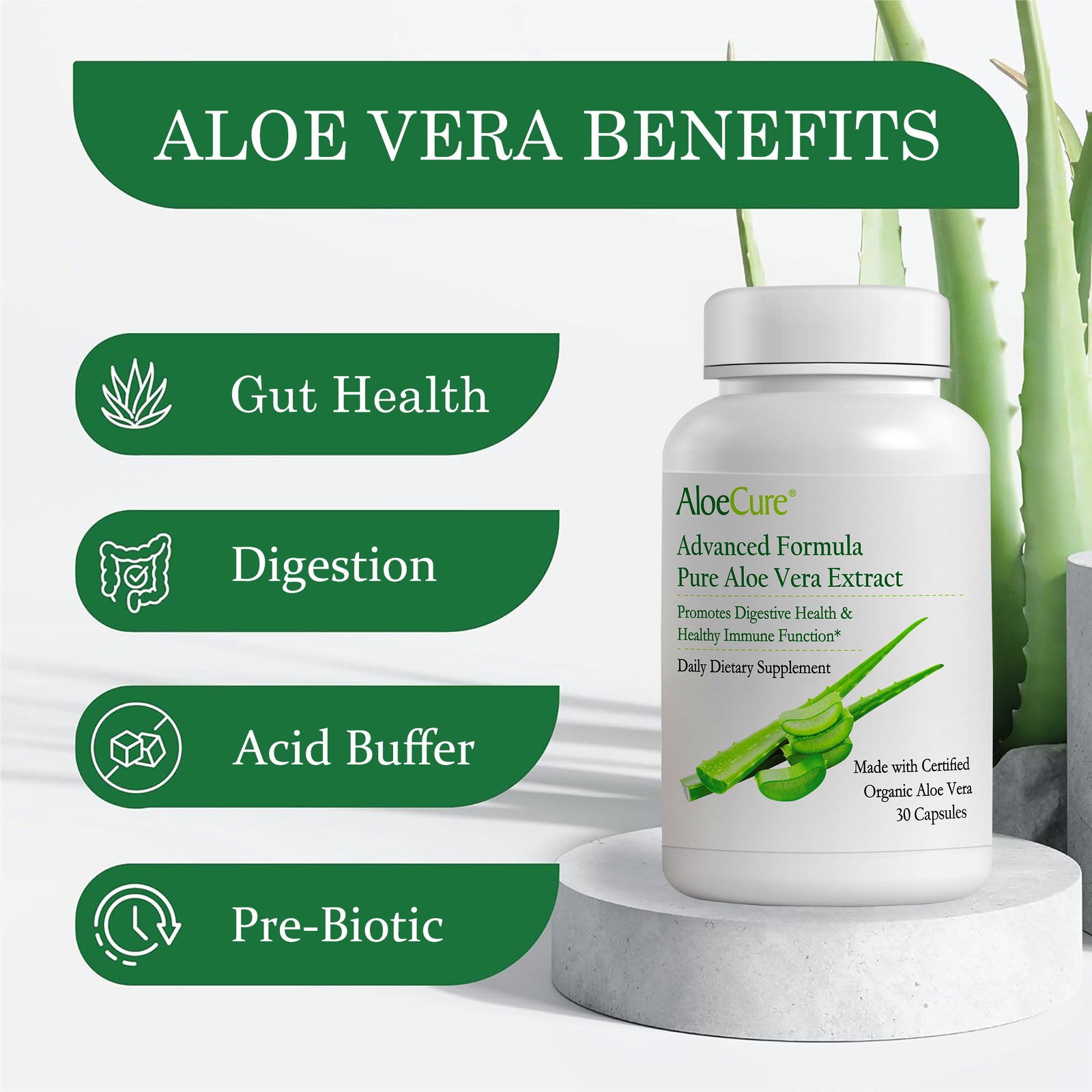
If you'd rather choose a plant-based wellness option with transparent sourcing and a more established daily-use profile, explore AloeCure. Their vertically integrated process includes organic aloe farming, on-site processing, rigorous testing, and convenient subscription savings with 20% off.
Comments will be approved before showing up.