Your Cart is Empty


Most probiotic articles ask a narrow question: “Is this good for digestion?” That skips the part people need to know. Which probiotic is it, what does it do, and why do some formulas seem more trustworthy than others?
That gap matters with Bifidobacterium longum. It isn't just another label ingredient. It's one of the most studied probiotic species in wellness science, and its value comes from how it supports the body's normal digestive, immune, and microbiome functions. It also shows why product quality matters. A probiotic can look impressive on the front of the bottle and still tell you very little about the strain, sourcing, or testing behind it.
If you're trying to understand bifidobacterium longum benefits in plain language, start with the basics. Then look at the mechanisms, the clinical timing, and the quality signals that separate a carefully built formula from a generic one.
A healthy microbiome works a lot like a balanced garden. Many organisms share the same space, each doing a different job. Some help keep conditions stable. Others help process what you eat. Some help make the environment less friendly to unwanted microbes.
Bifidobacterium longum is one of those helpful residents.
It's a probiotic species naturally associated with the human microbiome, and researchers now describe it as a multifunctional probiotic with documented effects that reach beyond simple digestive support into immunological and gut-brain areas, as discussed in this 2023 review on B. longum's broad-body effects.

“Probiotic” is a broad category. It tells you that a microorganism may support wellness, but it doesn't tell you which one, how it behaves, or what kind of evidence exists behind it.
That's where the name matters:
That last part is where many readers get lost. They see “B. longum” and assume all products work the same way. They don't.
Simple rule: A species name tells you the family. A strain name tells you the individual member that was actually studied.
B. longum has stayed relevant for decades because it's linked to several core wellness themes:
Those are big categories, so it helps to keep one idea in mind. B. longum isn't a magic ingredient that does everything in the same way for everyone. It's better understood as a well-researched probiotic species with strain-specific roles.
If you want a quick primer on how probiotics differ from the fibers that feed them, AloeCure's guide on the difference between prebiotics and probiotics is a helpful place to start.
How can one probiotic species matter if your body already has trillions of microbes at work each day?
The answer starts with function. B. longum supports your body by helping shape the conditions inside the gut. It does not replace your normal digestive or immune processes. It helps create an environment where those processes can run the way they are meant to.
That distinction matters in wellness writing because accurate language focuses on support, maintenance, and balance. It also matches how probiotics are studied.

One of the main jobs of B. longum is fermentation. When it uses certain dietary fibers as fuel, it produces compounds such as acetate and lactate. Researchers discussing bifidobacteria and intestinal ecology in this review of Bifidobacterium in the human gut describe how these kinds of microbial byproducts help support the local gut environment.
If terms like "metabolites" sound abstract, a kitchen example helps. Raw ingredients are not the final meal. They have to be transformed first. In a similar way, gut microbes process fibers your body does not fully break down on its own, then produce compounds that help support normal intestinal conditions.
Your intestinal lining works like a smart filter. It needs to let nutrients and water pass through while keeping the boundary of the gut intact. B. longum is often studied for how it helps maintain that everyday barrier function.
Here is the practical version:
| Support area | What that means in everyday terms |
|---|---|
| Fiber fermentation | It helps process food components your body cannot fully use on its own |
| Acetate production | It contributes compounds that support healthy gut conditions |
| Lower pH environment | It helps create conditions that are less favorable for certain unwanted microbes |
| Barrier maintenance | It supports the normal integrity of the gut lining |
| Microbiome balance | It works alongside other beneficial organisms within a broader microbial community |
This is also where product quality starts to matter. A label may say B. longum, but its actual effect depends on the strain used, how the formula is made, and whether the organisms are still viable when you take them. That is one reason vertically integrated supplement companies deserve attention. When sourcing, manufacturing, and quality control are handled more directly, there is usually better visibility into what ends up in the final formula.
Probiotics do not act in isolation. Their activity is shaped by your diet, your existing microbiome, and the quality of the supplement itself.
A simple way to frame bifidobacterium longum benefits is this. It supports your body by improving the local conditions in the gut, much like routine maintenance helps a house function properly without changing the house into something else.
If you want a practical way to judge day-to-day changes, AloeCure's guide on how to tell if probiotics are working can help set realistic expectations. For readers comparing broader wellness ingredient education across regulated markets, this Guide for Swiss pharmacies on shilajit offers another example of why sourcing and formulation standards matter.
What are people really asking when they search for bifidobacterium longum benefits? Usually, they want a practical answer. What does this probiotic help support, and what should they realistically look for in a supplement?
A helpful way to understand B. longum is to sort its benefits by the body systems it may support. That approach is easier to follow than a long list of vague promises, and it matches how this probiotic is discussed in scientific literature and product formulation.

This is often the first area people notice.
Your gut works like a busy processing center. Food comes in, microbes help break parts of it down, and the lining of the gut helps decide what should pass through and what should stay out. B. longum may support that environment in several useful ways.
A common point of confusion is that people read these benefits and assume every product labeled B. longum will do all of them equally well. Probiotics do not work that way. The species name gives you the broad category. The strain tells you much more about what has been studied.
The gut and immune system communicate constantly. You can picture them as neighboring teams sharing updates all day. When the microbial environment is in better balance, the immune system often gets steadier input from the gut.
That is why B. longum is often discussed for more than digestion alone. Depending on the strain, it may help support normal immune function, a balanced response to daily stressors, and a healthier microbial setting that influences whole-body wellness.
Some reviews have also described strain-specific findings outside basic digestive support, including upper respiratory and general immune-related observations. The larger lesson is simple. Benefits can extend beyond the gut, but they still need to be tied to the right strain and a well-made formula rather than assumed from the species name alone.
This area surprises many readers.
The gut and brain stay in contact through nerves, immune signals, and compounds produced during fermentation. That does not mean a probiotic acts like a mood product. It means the gut is part of a larger communication network, and changes in the gut environment can have wider effects on how the body functions.
Researchers have examined B. longum in this context because some strains appear relevant to the gut-brain axis. For shoppers, the practical takeaway is caution with broad claims. General wellness language may be fair, but stronger claims should always connect to a named strain, a studied use, and a formula designed to keep the organisms viable through shelf life and delivery.
This is the part many articles skip.
Two bottles can both say B. longum on the label and still perform very differently. One may use a studied strain, careful moisture control, and manufacturing steps that protect viability. Another may use a less specific blend with weaker transparency. On paper they look similar. In practice, they may not be.
That is one reason vertically integrated supplement companies deserve a closer look. When sourcing, formulation, manufacturing, and quality control are handled with tighter oversight, it is easier to trace what is in the capsule and whether the product matches the label. This matters with probiotics because living organisms are sensitive to heat, storage conditions, and handling long before they reach your routine.
For a broader example of how sourcing and formulation standards shape product trust across wellness categories, this Guide for Swiss pharmacies on shilajit shows why quality signals need context, not just marketing language.
Some probiotics live mostly in marketing copy. B. longum lives in research too.
A strong reason this species stands out is the amount of human-focused discussion around it. That matters because wellness shoppers often hear sweeping claims without any sense of timing, dose context, or what researchers observed.
Human studies discussed in a clinical review have observed time-bound changes with certain strains. For example, after 12 weeks of supplementation, one study noted support for intestinal permeability and a balancing effect on certain cellular signals such as IL-6 and TNF-α, according to this clinical review of B. longum human evidence.
That's useful for one simple reason. It gives people a more realistic frame than “you'll feel it instantly” marketing.
Many people assume probiotic results should be obvious within days. Sometimes they notice changes quickly, but research discussions usually point toward a more patient view. The body needs time to respond to a changed microbial environment.
Here's the practical takeaway:
Research on probiotics is often less about dramatic overnight change and more about measurable support for normal body functions over time.
The most helpful thing about the B. longum evidence base is that it moves the conversation away from empty phrases like “good for your gut.” Instead, it points toward a better standard:
| Better question | Why it matters |
|---|---|
| Which strain is in the formula | Different strains are linked to different outcomes |
| Was it studied in humans | Human data offers more practical relevance |
| How long was it used | It helps set realistic expectations |
| What body function was observed | It keeps wellness claims specific and compliant |
That doesn't mean every product containing B. longum deserves the same level of confidence. It means the species has earned attention, but only careful formulas and transparent labels make that evidence useful to the consumer.
How do you tell the difference between a probiotic that looks impressive on the bottle and one that is built with care? The answer usually sits in the details a brand chooses to show you.
A probiotic label works like an ingredient map. The more specific it is, the easier it is to judge whether the formula has a real connection to the research discussed earlier.
The first thing to check is strain-level transparency. A species name such as B. longum gives you part of the story. A full strain name gives you a much clearer research trail. That matters because studies are usually tied to named strains, not broad species labels alone.
A useful label review looks for four things:
For readers comparing products for different needs, this guide to best female probiotics shows how formula selection can shift based on strain choice and use case.
Probiotics are living organisms. That makes quality control more important than it is for many basic supplements. A label can list promising ingredients, but handling, storage, and manufacturing practices affect whether those organisms remain viable and whether the final formula is consistent from batch to batch.
This is also where vertical integration deserves more attention. If a company has closer control over sourcing, formulation, and production, it may be able to explain its process more clearly and maintain tighter oversight. That does not guarantee a better product on its own, but it gives you a better view of how the formula was made. In a category full of vague claims, that kind of visibility matters.
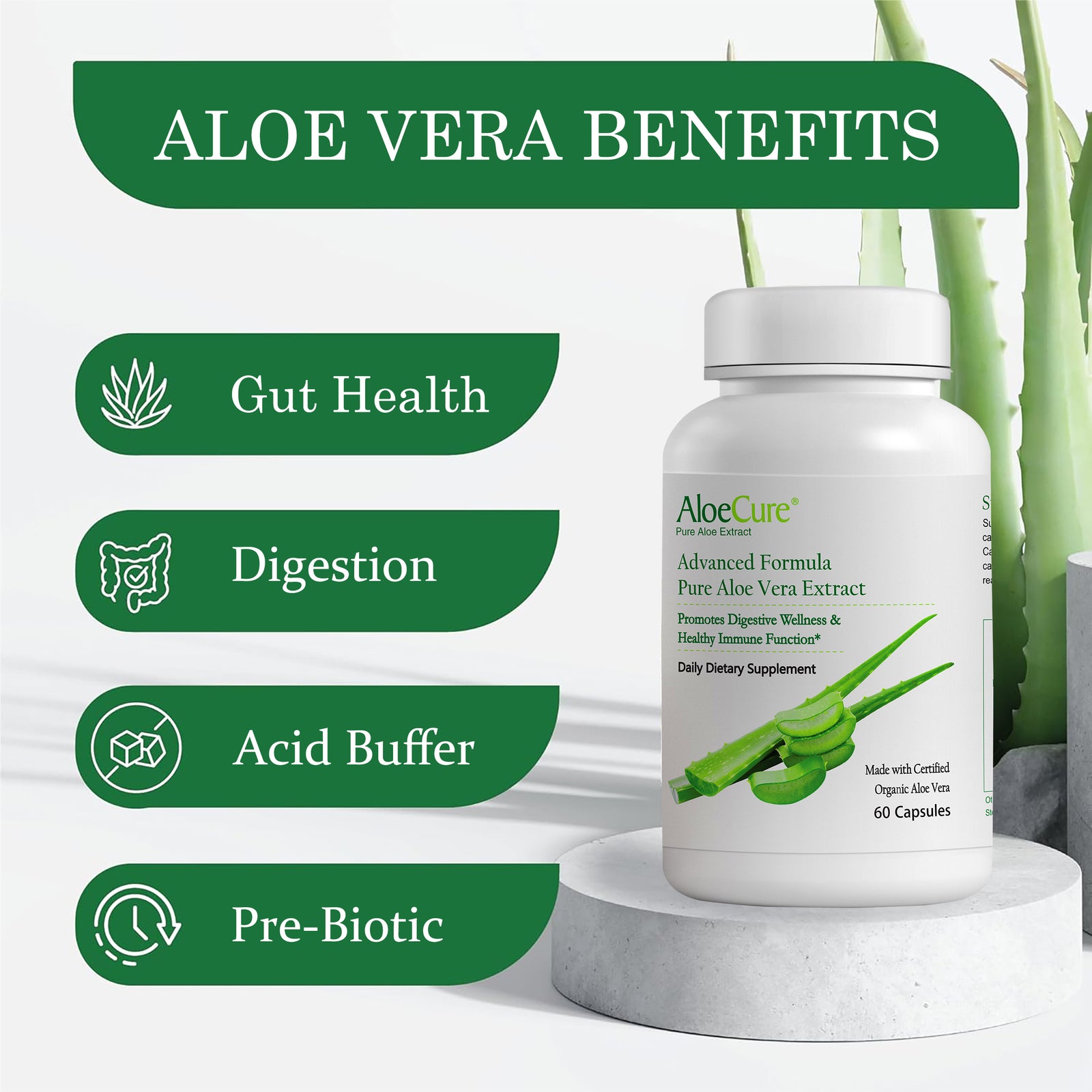
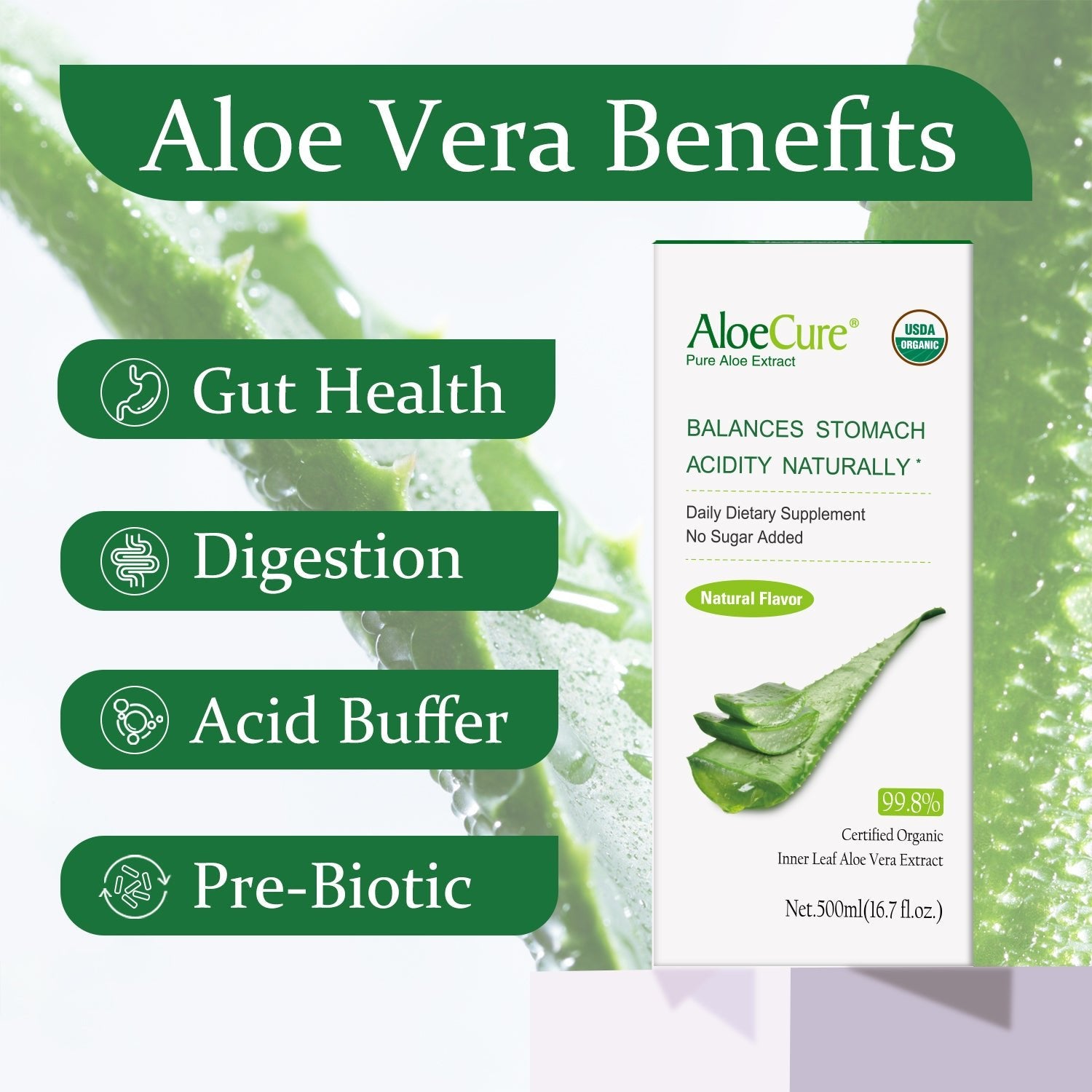
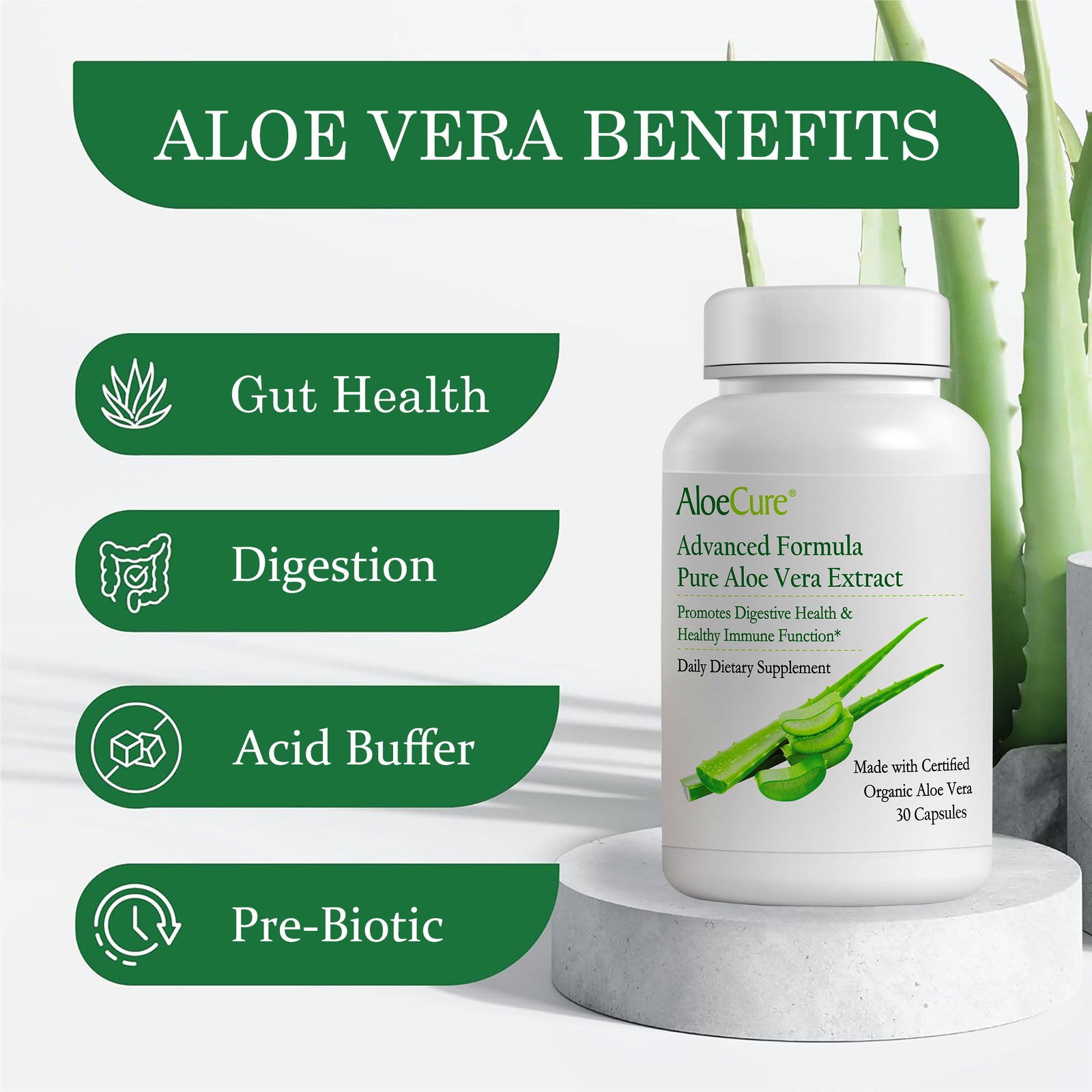
AloeCure Pre+Probiotic & Digestive Enzyme Capsules are one example of a formula that combines probiotics with prebiotics, digestive enzymes, and aloe. If you want to evaluate how a brand verifies quality, AloeCure's explanation of what third-party testing means for supplements gives helpful context.
Here's a closer look at the product format discussed above:
Before buying, ask simple questions that cut through the marketing:
A probiotic works best when it becomes part of a routine rather than a one-time experiment.
That means consistency, patience, and a little observation. People often add a supplement, take it irregularly, and then assume it “didn't work.” A more useful approach is to take it the same way each day and pay attention to how your body responds over time.
A few habits can make probiotic use more manageable:
A grounded approach: give your routine enough time to be meaningful before deciding whether a formula fits you.
B. longum is generally well tolerated, but some people notice temporary gas or stomach adjustments when starting, and people at high risk of infection should speak with a healthcare professional before use, according to this consumer medical reference on B. longum safety and tolerability.
That point deserves attention because benefit-focused articles often skip it. More transparency helps people make better choices.
A simple way to understand it is:
| Early experience | What to do |
|---|---|
| Mild temporary adjustment | Stay consistent and monitor how you feel |
| Ongoing discomfort | Reassess the formula and talk with a healthcare professional |
| Higher-risk health status | Get professional guidance before starting |
If someone has a complex health situation, is immunocompromised, or has concerns about tolerability, professional guidance makes sense before adding any new probiotic.
That isn't fear-based advice. It's good screening.
Bifidobacterium longum stands out because it's one of the probiotic species with broad scientific interest and practical relevance for daily wellness. The most useful way to think about its role is simple. It supports healthy digestive and microbiome function, helps maintain a favorable internal environment, and shows why strain-level transparency matters.
Product quality matters just as much as ingredient choice. That includes sourcing, processing, testing, and whether a company can clearly explain what's inside the bottle and why it's there.
AloeCure's broader approach to wellness focuses on that kind of traceability. The company is vertically integrated, farms its own organic aloe, processes it on-site, and avoids chemical-heavy shortcuts in production. That level of control can matter to shoppers who care about clean formulas and manufacturing transparency.
If you're considering a daily formula that combines probiotics with other digestive support ingredients, it's also worth looking at practical purchase details. AloeCure offers 20% off subscriptions through Subscribe & Save, flexible delivery, and a 90-day money-back guarantee.
Good supplement decisions usually come down to two things: evidence you can understand, and a product you can trust to match its label.
These statements have not been evaluated by the Food and Drug Administration. This product is not intended to diagnose, treat, cure, or prevent any disease.
If you want a simple next step, explore AloeCure to compare formulas, review ingredient details, and sign up for Subscribe & Save for 20% off recurring orders.
Comments will be approved before showing up.