Your Cart is Empty


You've finished a hard workout, or maybe you've noticed that your body feels a little less springy after a long day, and you want a plant-based way to support recovery without guessing what belongs in your routine. That's where systemic enzyme supplements come in, a category that's often confused with digestive enzymes even though the goal is different. If you're looking for a practical way to understand timing, selection, and what the research really suggests, this guide keeps things plain and usable.
A good starting point is a functional medicine conversation, especially if you like learning how different wellness tools fit together. A resource such as Aspire for Wellness Together's functional medicine can help frame the bigger picture around daily habits, supplements, and personalized support.
A lot of people first hear about enzymes when they're trying to support digestion, then later run into the phrase systemic enzymes and wonder whether it's the same thing with a different label. It isn't. The easiest way to think about it is this, digestive enzymes act like local helpers in the gut, while systemic enzymes are usually taken between meals so they can move beyond food breakdown and support healthy function in the rest of the body.
That timing matters because the goal is not to have the enzymes busy working on a meal. It's to give them a better chance to be absorbed and circulate. A practical comparison is simple, if digestive enzymes are local couriers delivering packages to one neighborhood, systemic enzymes are more like mail carriers that move through the whole route and can support the body's natural processes along the way.
For readers who want to connect this with a broader plan, the most useful mindset is to treat enzymes as one part of a routine, not a shortcut. A thoughtful approach pairs timing, product quality, and realistic expectations. If you already use aloe-based wellness products, that makes the next steps even easier to organize into a simple daily rhythm.
A person comparing enzyme supplements often starts with digestion, then discovers that some formulas are designed for a different role. Systemic enzymes are usually proteolytic enzymes, which means they help break down proteins. That protein-focused activity is part of what sets them apart from supplements used mainly to support food digestion. In plain language, they are meant to do their work after a meal is no longer the focus.
The difference becomes clearer if you look at understanding enzyme types in a practical way. Digestive formulas are built for the gut, where food is being processed. Systemic formulas are discussed for use between meals, so they are not competing with the enzymes your body uses to handle food. That timing helps readers separate one purpose from the other without mixing the categories together.
Some commonly discussed enzyme types include bromelain, papain, and nattokinase. Each one has protease activity, so each one belongs in the broader family of proteins that support the body's natural processes rather than serving only to break down breakfast. That is why structure-function language fits here well, phrases like supports healthy function, helps maintain normal physiological processes, and assists the body in everyday wellness describe the category without overstating it. For readers who want a separate overview of gut-focused formulas, how digestive enzyme supplements are used offers a useful contrast.
A practical rule helps keep the category clear.
Practical rule: if the product is being used to support systemic wellness, it is usually taken away from meals so it is not competing with food digestion.
You can also use a simple checklist when you are learning the basics. A good starting point is to look for formulas centered on protein-supporting enzymes rather than meal-time digestion. The timing on the label matters, because between-meal use is part of the design, not an afterthought. Product language should stay focused on support, not disease claims, and that is one reason AloeCure's pure aloe approach fits well alongside a careful, plant-based routine.

A useful way to understand systemic enzymes supplements is to follow the path a capsule takes after you swallow it. The timing matters first. These formulas are taken between meals, so they are not competing with food digestion in the stomach and small intestine. That choice changes how the body handles them, which is why they are discussed separately from standard digestive enzymes.
After that, the enzymes may move beyond the gut and into circulation. Once there, they can interact with alpha-2-macroglobulin (A2M), an endogenous antiprotease. That binding is often described as protective, because it may help keep the enzymes from being neutralized too quickly and may support their movement through the bloodstream. Reviews of protease use also describe increased blood proteolytic activity after oral protease intake, A2M activation, and downstream effects on cytokine networks, adhesion molecules, and mononuclear phagocyte activity. The Protease Science Brief explains the absorption step and the A2M connection in straightforward language.
A simple sequence makes the process easier to picture without turning it into a mystery:
That sequence also explains why timing changes the result. A supplement taken with food is routed through the body differently than one taken on an empty stomach, so the same formula can behave in a different way depending on how it is used.
The timing is the mechanism, not a marketing detail.
For readers comparing supplement routines, this timing pattern is similar to the general advice found in this timing guide for supplements. The practical lesson is simple, consistent use and correct timing matter when the goal is to support normal function, not to force a fast response.

A practical way to understand systemic enzymes is to match them with ordinary wellness goals. Someone who finishes a long walk may want support for healthy joint function. Another person may want to encourage normal circulation as part of a balanced routine. A third may be looking for help with the body's natural recovery after training. Those are the kinds of everyday settings where structure-function language fits best.
A short video can help people see how these supplements fit into a routine.
For adults who care about mobility, the role of a formula is easy to grasp. A blend that supports healthy joint function belongs naturally in a routine built around walking, stretching, yoga, or general active living. The point is support for the body's normal maintenance processes, not a promise of a specific outcome.
The research has looked beyond lab markers and into real-world use. In a randomized trial of post-COVID-19 fatigue, a systemic enzyme regimen was linked with fatigue resolution in 91% of the treatment group versus 15% of controls by day 14, a difference of 76 percentage points. In pulmonary fibrosis, an observational study reported that 61.5% of subjects improved on the WHO well-being index, 84.6% improved on the UCSD Shortness of Breath Questionnaire, and 69.2% were rated efficacious on Saint George's Respiratory Questionnaire total scores. Those findings do not establish broad everyday use, but they do explain why the category continues to draw interest in targeted contexts. The clinical review covering these outcomes places them in a real research setting.
Some people use enzymes as part of a wider resilience routine. That can mean supporting the body's natural response to exercise, work pressure, or a busy schedule. The language should stay careful, helps the body adapt to everyday stress is a fair way to say it, while broad promises are not.
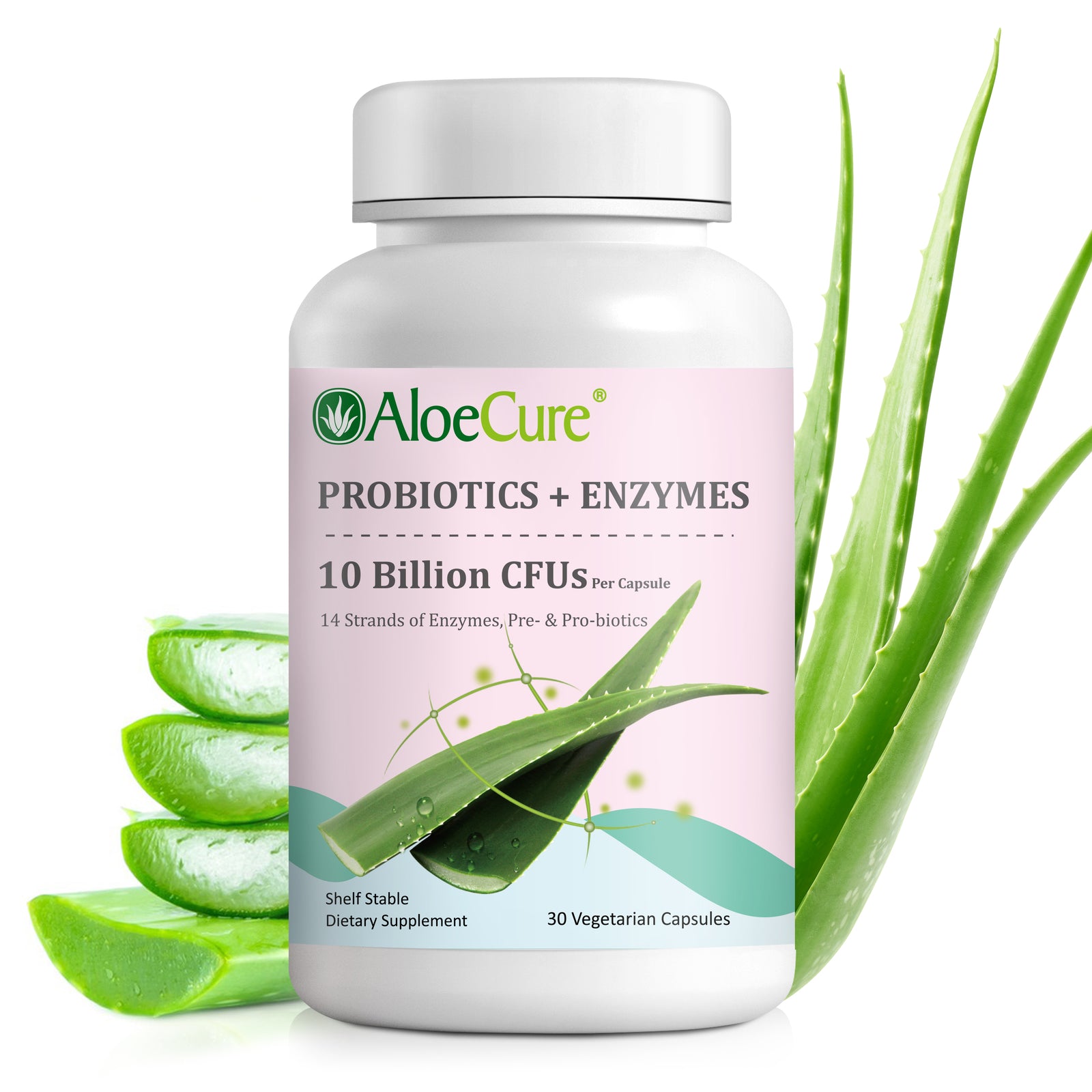
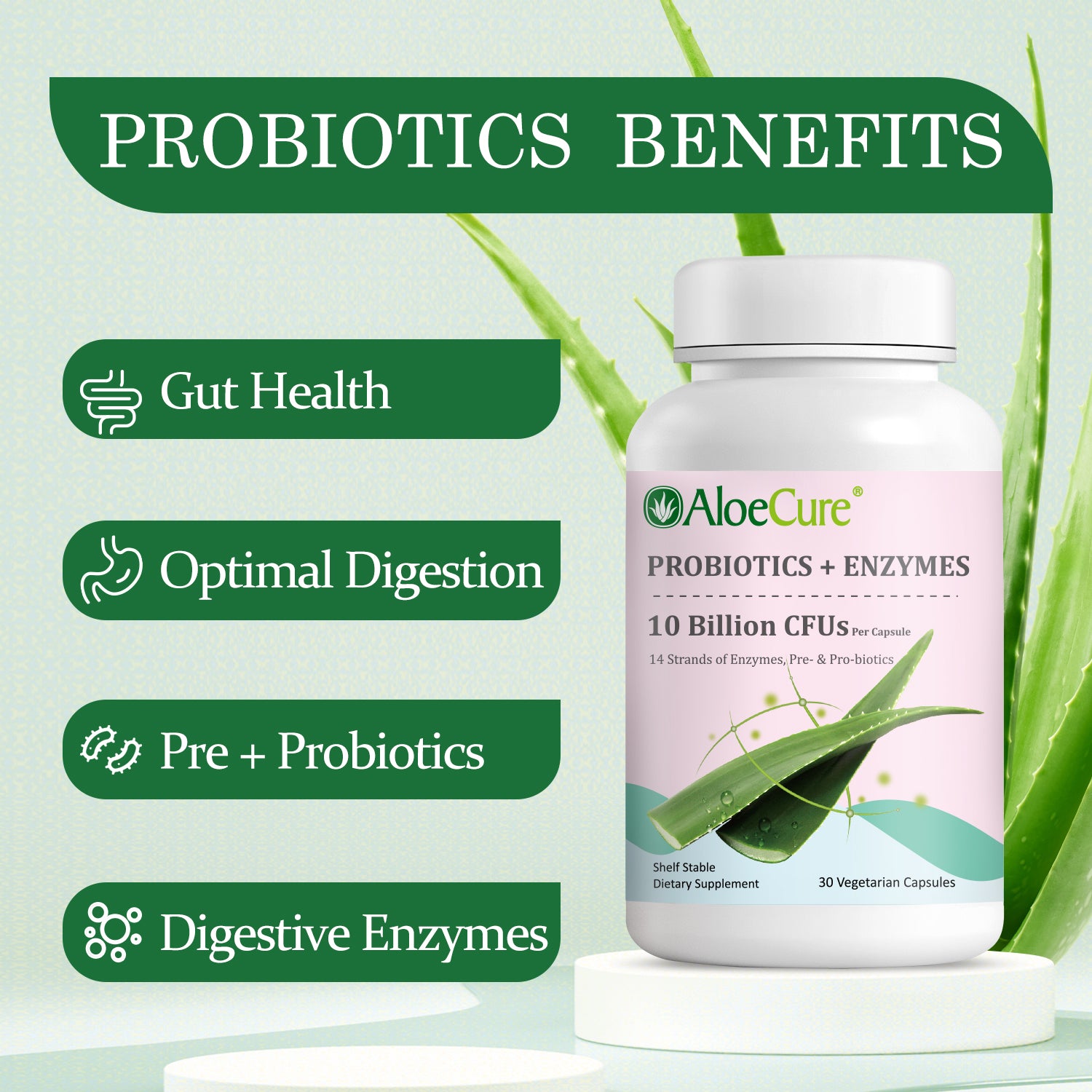
For readers comparing plant-based supplement routines, a useful approach is to pair enzyme support with aloe-based wellness habits, especially if that is already your preference. AloeCure's Pre+Probiotic & Digestive Enzyme Blend fits that kind of routine without turning the category into a disease-focused promise. If you want a clearer sense of why timing and formulation matter, this guide on how long supplements take to work helps explain the pattern in practical terms.
The evidence base for systemic enzymes is real, but it's not broad enough to justify sweeping claims. One of the clearest patterns in the research is that results can vary by population and endpoint. In a 4-week placebo-controlled trial, reduced serum biomarkers occurred only in men, not women, which is a strong reminder that response may depend on who's in the study and what outcome is being measured. That trial's abstract is a good example of why expectations need to stay grounded.
That same narrowness shows up in how the category is discussed overall. Some studies look at biomarkers, some look at comfort and function, and some are observational rather than randomized. Those aren't the same thing, so the reader should avoid treating every positive result as if it means the same outcome in every healthy adult.
A common supplement pattern is to use a protease blend between meals, often in a divided routine through the day. Since formulas vary, the safest consumer rule is to follow the label and your practitioner's guidance rather than copying someone else's schedule. The point of dosing is consistency and timing, not chasing a bigger number.
For readers comparing supplement routines, a simple way to evaluate a product is by asking:
Use the label as the first guide, not internet folklore.
If you want a practical primer on how people usually think about supplement timelines, this guide on how long supplements take to work is a helpful companion. It fits especially well for readers who expect immediate changes and need a more patient framework.
The big takeaway is simple. The strongest independent evidence is mixed, the effects appear population-specific, and the most sensible approach is to treat systemic enzymes as supportive tools rather than universal answers.
Safety deserves the same attention as benefits. A Mayo Clinic Proceedings review notes that over-the-counter enzyme supplements can have rare anaphylactic reactions and that interactions can vary depending on enzyme type and dose, which is why professional guidance matters. The review00520-5/fulltext) is a useful reminder that “natural” doesn't automatically mean simple.
The practical concern is not fear, it's fit. Some enzyme products may interact with other compounds that affect blood properties or change how your body responds to a supplement stack. That's why people who take prescription therapies, especially long-term ones, should ask a qualified clinician before starting systemic enzymes.
A balanced approach is the safest one. Systemic enzymes can support healthy function and help the body adapt to environmental factors, but they shouldn't be treated as universally appropriate or interchangeable across all supplement categories.
If your concern is whether a product belongs in a self-care routine, the answer is a cautious maybe, not a blanket yes. The right fit depends on the person, the formula, and the rest of the regimen.
Quality control matters because enzyme products are only as useful as their sourcing, handling, and transparency. Vertical integration is one of the cleanest signals to look for, because it gives a brand more control over farming, processing, and manufacturing. AloeCure's model is built around that kind of control, with aloe grown, processed, and turned into finished products on its own system rather than being handed off through multiple outside steps.
That matters for people who care about ingredient integrity. A company that publishes an explanation of third-party testing makes it easier to judge whether what's on the label is being checked independently. A similar practical resource on the science behind nutrient absorption is helpful too, because absorption and purity are connected in real-world use.
AloeCure is one option in the aloe and enzyme space, and its practical perks include 90-day guarantee, free shipping on qualifying orders, and 20% off Subscribe & Save. Those details don't replace ingredient scrutiny, but they do matter once you've decided a formula fits your routine.
A clean label is good, but a clear process is better.
If you're comparing products, focus on the company's manufacturing story as much as the front label. That's where you can separate polished marketing from a supplement system with real transparency.
Aloe and enzymes can fit neatly into the same day if you keep the timing simple. A common rhythm is morning aloe juice, a midday enzyme dose between meals, and a second aloe-based option later in the day if that suits your routine. That structure supports the body's natural process without crowding the supplement schedule into one confusing window.
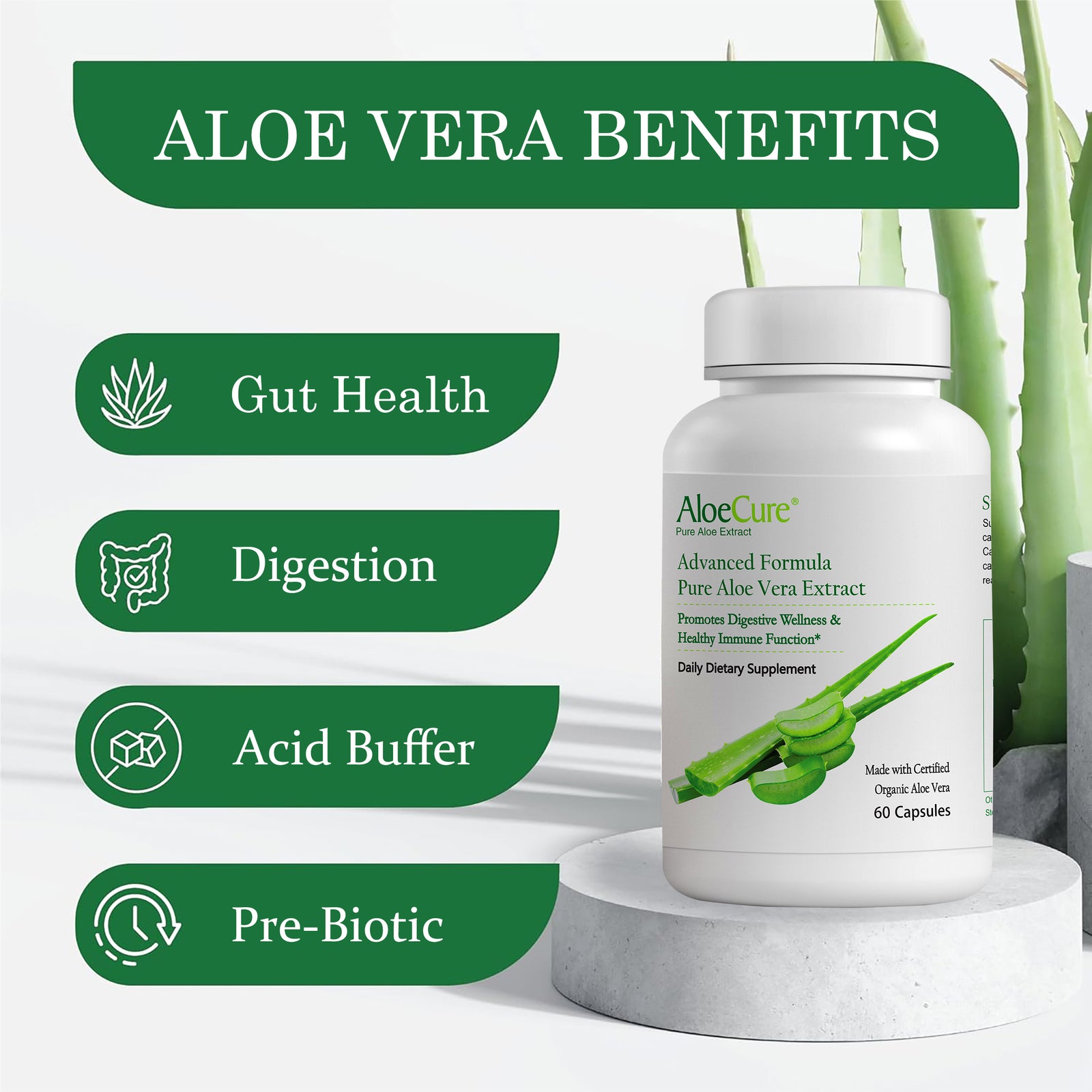
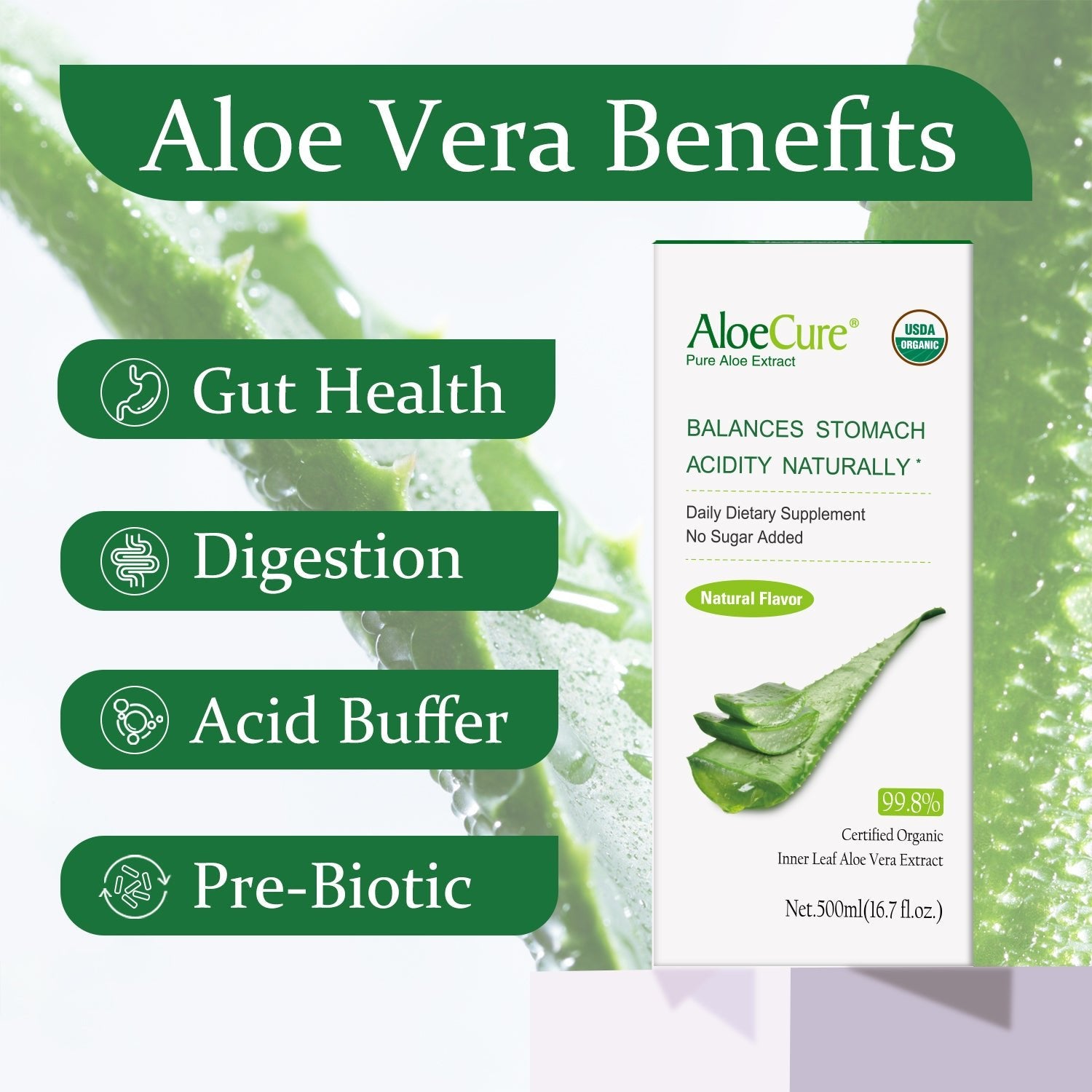
For people who like plant-based support, this kind of routine feels easy to maintain. AloeCure's Pure USDA Organic Aloe Vera Juice can sit alongside enzyme capsules as part of a wellness pattern that supports healthy digestion, circulation, and recovery language without crossing into medical claims. The appeal is less about novelty and more about consistency.
A practical daily template might look like this:
That rhythm keeps each product in its lane. Enzymes get the between-meal window they need, while aloe stays in a supportive, plant-based role within the broader routine.
If you're ready to build the routine, start with the product pages that match your goals, then choose the subscription setup that makes regular use easier. A simple plan is usually the one people stick with longest.
If you want a straightforward way to explore aloe and enzyme support together, visit AloeCure and review the product pages that fit your wellness routine. You can also look for Subscribe & Save if you want to keep the schedule consistent and save on repeat orders.
Comments will be approved before showing up.