Your Cart is Empty


You're probably here because the supplement aisle feels like a test you didn't study for. One bottle says it supports flexibility. Another promises mobility. A third leans on trendy plant ingredients. Then you turn the bottle over and find a long ingredient list, tiny serving sizes, and no clear way to tell what fits your goals.
That confusion is normal. “Joint pain” gets used as if it means one thing, but people use that phrase for very different experiences. Some notice stiffness after a long walk. Some feel creaky first thing in the morning. Others want support for staying active, gardening, lifting, or getting back to regular workouts.
The best supplements for joint pain aren't merely the most advertised ones. A better approach is to match the ingredient to the kind of support you want, then choose a product made with care. That means looking at the evidence, keeping claims realistic, and paying close attention to quality.
Walk into any wellness store and you'll see familiar names repeated again and again. Glucosamine. Chondroitin. Turmeric. Fish oil. Collagen. Boswellia. MSM. They often appear in different combinations, which makes it hard to know whether you're comparing ingredients, delivery forms, or just marketing angles.
That's where many shoppers get stuck. They ask one simple question: “What's the best supplement for joint pain?” The honest answer is more conditional. The best fit depends on your routine, your age, your activity level, and the kind of joint support you're trying to build into daily life.
Before you look at a bottle, narrow your choices with these questions:
A practical example helps. If two people both say their knees bother them, they may still need different approaches. One may want support for movement after long walks. Another may want help maintaining joint function after years of high-impact exercise. Same location, different context.
The label on the front of the bottle tells you what the brand wants you to notice. The supplement facts panel tells you what you're actually buying.
Use a short decision path:
That approach won't make the category simple, but it will make it manageable.
A sore knee after a long walk and stiff fingers first thing in the morning can both get labeled as “joint issues,” but they do not always point to the same kind of support need. That is why joint supplements can feel confusing. Two products may sit side by side on a shelf, promise similar benefits, and still be built for very different goals.
Joint health involves several moving parts working together. Cartilage helps cushion movement. Connective tissues help hold structures together. Joint fluid helps movement feel smoother. Muscles around the joint help with stability and control. Supplements are usually discussed in relation to one or more of those pieces, not as a one-size-fits-all answer.

A useful point from GoodRx's overview of supplements for arthritis and joint pain is that the “best” supplement often depends on the type of joint concern. Location matters less than context. Is the goal to support comfortable movement after exercise? To maintain cartilage as the years add up? To support mobility in day-to-day life?
That distinction matters because ingredients are often grouped together even though they are used for different reasons. Curcumin, for example, is usually discussed for whole-body wellness and support around physical stress. Collagen is more often talked about in relation to connective tissue. Glucosamine and chondroitin are commonly associated with cartilage support. The category makes more sense once you sort ingredients by purpose instead of by hype.
This article takes a safer, more practical approach than a typical “best supplements” roundup. Rather than making blanket promises, it focuses on how to match a formula to your goal and how to judge product quality in an FDA-compliant way.
A simple framework can help. It works like sorting tools in a toolbox. You would not use a wrench when you need a screwdriver, and the same idea applies here.
| Support goal | What it means in plain language | Ingredients people often consider |
|---|---|---|
| Comfort during activity | Supporting how your body feels during regular movement | Curcumin, Boswellia, omega-3s |
| Cartilage and structure | Helping maintain the tissues that cushion joints | Glucosamine, chondroitin, collagen |
| Mobility and flexibility | Supporting ease of movement over time | Curcumin, collagen, multi-ingredient blends |
| Recovery support | Helping the body adapt to daily physical wear | Omega-3s, collagen, plant-based blends |
This is not a diagnosis tool. It is a buying filter.
If you have ever bought a supplement because the label sounded impressive, only to realize later that it did not match your actual goal, this is usually where the mismatch happened. The better question is not “What is best for joints?” It is “What am I trying to support, and which ingredient category fits that goal?”
If you want a broader consumer-friendly overview of ingredient categories and expectations, AloeCure's guide on whether joint support supplements work is a useful starting point.
You stand in the supplement aisle, turn over three different bottles, and see the same familiar words repeated across the labels. Glucosamine. Turmeric. Collagen. Omega-3s. It is easy to assume they all do the same job. They do not. Joint support ingredients work more like different tools in a drawer. Some are chosen for movement comfort, some for structural support, and some because they have been popular for years even though the research is mixed.
A major 2018 systematic review of 69 clinical studies on osteoarthritis supplements helps put that into perspective. The review found that several ingredients, including collagen hydrolysate, Curcuma longa extract, Boswellia serrata extract, curcumin, pycnogenol, passion fruit peel extract, and L-carnitine, showed large and clinically important short-term pain reductions. At the same time, the authors rated the certainty of the evidence as very low, and they did not find clinically important long-term pain benefit for any supplement. They also reported that glucosamine and chondroitin had small or unclear effects compared with some of the stronger short-term performers.

Curcumin and turmeric often get treated as interchangeable, but labels can hide an important difference. Turmeric is the whole plant ingredient. Curcumin is one of its better-known active compounds. A bottle that says only “turmeric powder” is not the same as a product that clearly lists a standardized curcumin or Curcuma longa extract.
That distinction matters because the 2018 review found stronger short-term results for curcumin and Curcuma longa extract than for several older joint staples. For someone whose main goal is support for comfortable movement and everyday mobility, this category often makes sense to examine first.
Boswellia is another ingredient that stood out in the same review. It often appears in formulas aimed at people who want a plant-based option and prefer something more targeted than a general wellness supplement.
The key shopping question is simple. Does the label tell you what form of Boswellia is included, or does it just name the herb without much detail? That is a useful way to separate a carefully built formula from one that relies on a recognizable ingredient name.
These two ingredients still shape how many shoppers think about joint supplements. They are familiar, they are widely available, and they are often linked with cartilage support.
The evidence is mixed. A 2024 AARP summary on supplements for joint pain describes both newer findings that suggest possible benefits in knee osteoarthritis and other research summaries that found no convincing major benefit. The same AARP summary also discusses omega-3s, noting research that linked them with less pain and better movement than placebo.
For a shopper, the practical takeaway is straightforward. Glucosamine and chondroitin may fit a structure-focused goal, but they should not be treated as automatic winners just because they have been on shelves for a long time.
Omega-3s are not only “joint supplements.” They are broader wellness ingredients that also show up in conversations about movement and comfort.
That wider use can be helpful if you want a supplement that fits more than one goal. It can also create confusion. A fish oil product may support a different buying goal than a formula built specifically around cartilage or connective tissue support, so it helps to match the ingredient to what you want from the product.
Collagen usually appeals to readers who are thinking about connective tissue, structure, and mobility. In the 2018 review, collagen hydrolysate was among the ingredients with stronger short-term findings.
Still, “collagen” on the front label does not tell you enough by itself. Type, source, and form all affect how a product is positioned. If you want a clearer explanation of those differences, this guide to oral collagen supplements is a useful next read.
MSM shows up in many combination products, often alongside glucosamine, chondroitin, Boswellia, or collagen. It remains common in the market, but the source material used here does not support putting it in the same evidence bucket as the better-studied ingredients above.
That does not mean MSM has no place in a formula. It means you should read the label with the same caution you would use anywhere else. A long ingredient panel can look impressive, but ingredient count is not the same as ingredient quality.
One pattern surprises many shoppers. The ingredients with the strongest marketing presence are not always the ones with the clearest support, and the most familiar name is not always the best fit for your goal.
Single ingredients can be useful, but many people don't shop that way. They want one formula that supports joint comfort, mobility, and flexibility without needing several separate bottles.
That's where plant-based blends can make sense. A thoughtful formula can combine ingredients chosen for different roles, such as maintaining comfortable movement, supporting structural tissues, and helping the body adapt to everyday physical stress. The key word is thoughtful. More ingredients doesn't always mean a better supplement.
A blend only works as well as its sourcing and manufacturing. When brands combine plant ingredients, you want to know:
This is one reason vertical integration matters. When a company farms, processes, and produces its own botanical ingredients, it has more control over consistency than a brand that only buys bulk material from outside suppliers.
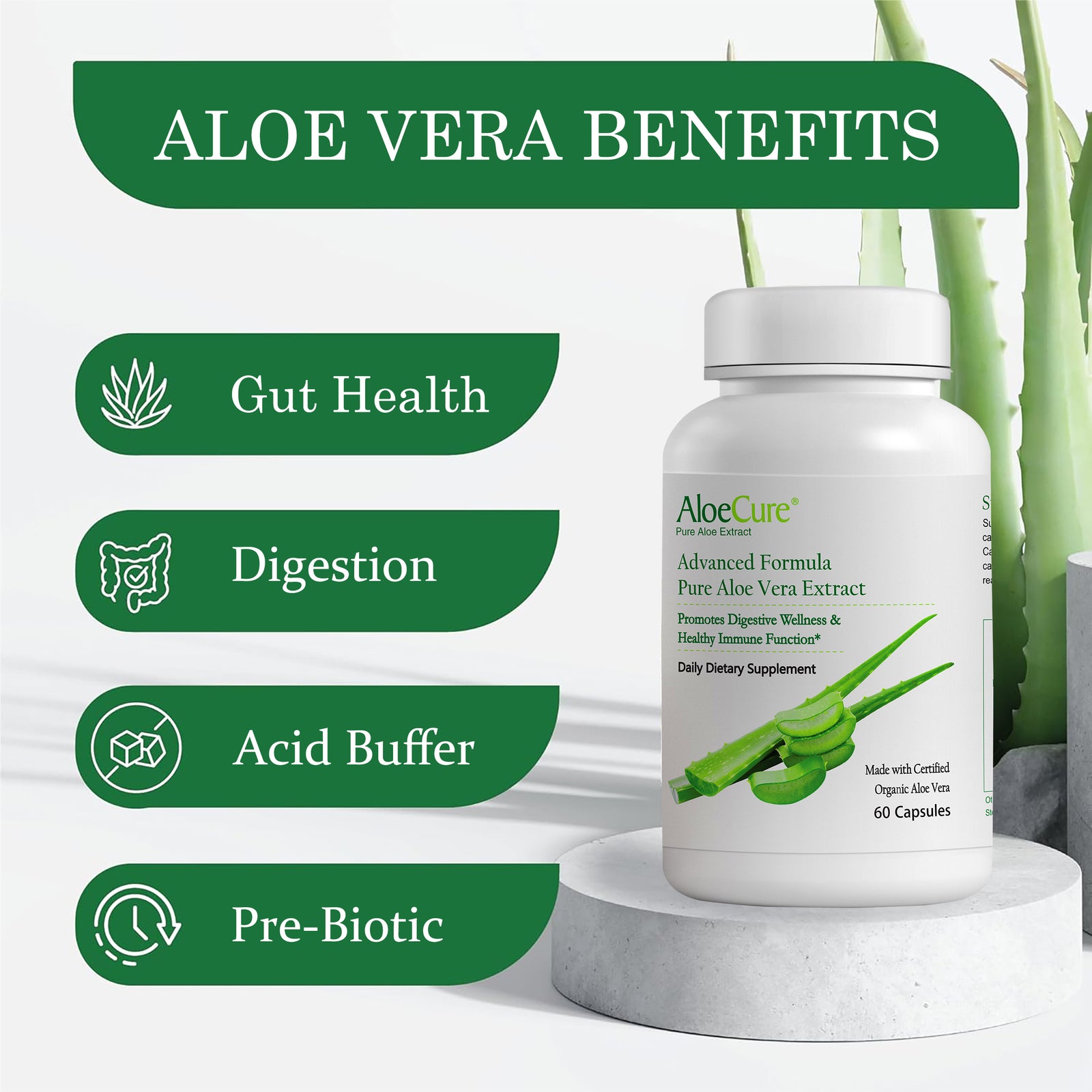
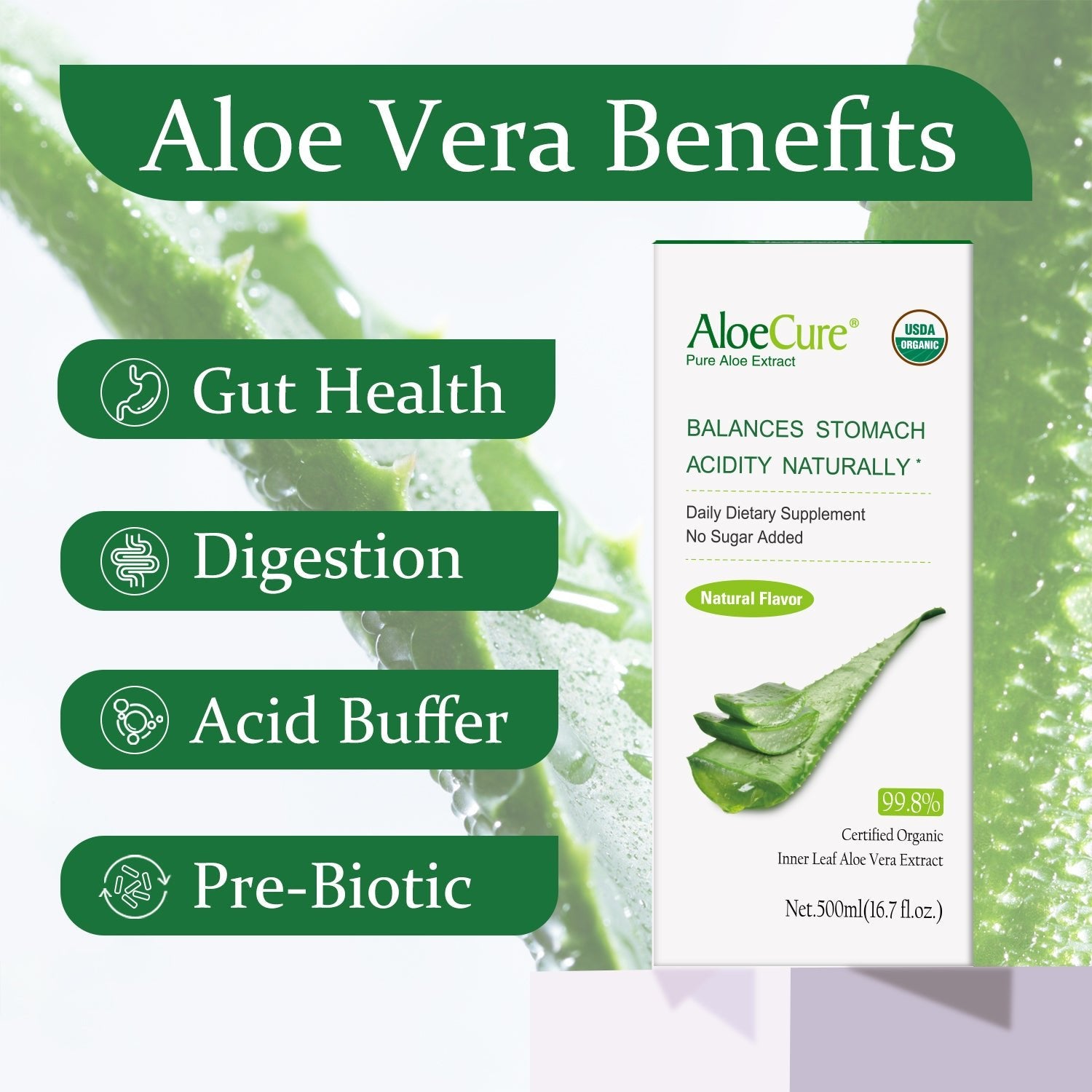
Aloe can fit naturally into plant-based wellness formulas because shoppers in this space often care about clean sourcing and minimal processing, not just trendy ingredient names. AloeCure, for example, says it is fully vertically integrated. It farms its own aloe, processes it on-site, and produces its own finished products. The company also states that it avoids chemicals, enzymes, concentrates, and charcoal filtration during processing.
Within that broader approach, VeraFlex Joint Support Capsules are presented as a plant-based option for joint wellness. The useful takeaway for readers isn't that one formula magically solves everything. It's that how a brand handles farming, processing, and manufacturing is part of supplement quality, not a side issue.
If you prefer plant-based blends, look for formulas that tell a clear story. You should be able to explain in one sentence why each major ingredient is there. If you can't, the formula may be built more for shelf appeal than for real-world use.
A smart shopper doesn't stop at ingredients. Two bottles can feature the same headline ingredient and still differ a lot in transparency, sourcing, and manufacturing quality.
That's why the label deserves a slower read than the front-panel claims.

Start with the facts panel, not the marketing copy. Check for:
Quality supplements usually show their work. Good signs include:
You don't need every possible badge to feel confident. But the less a company tells you, the more cautious you should be.
For a consumer-focused example of what people often notice when evaluating formulas and brand experience, AloeCure's joint health reviews page gives another lens on how shoppers compare options.
Quality check: If a label sounds impressive but makes it hard to tell what's inside, move on.
Use this when comparing products:
| Question | Why it matters |
|---|---|
| Does the label name the ingredient form clearly | Form can affect how meaningful a formula is |
| Are the amounts visible | You can't compare hidden blends well |
| Does the brand explain sourcing | Transparency often reflects manufacturing discipline |
| Is there evidence of testing | Testing helps support purity and consistency |
| Does the formula match your goal | Good ingredients still need the right use case |
A final note on quality. Convenience matters too. If a product requires a complicated routine, many people stop using it. The best supplement is one you can realistically take consistently.
Supplements work best when they're part of a routine, not a burst of motivation. Many people buy a bottle, take it for a few days, forget it in a cabinet, then decide it “didn't work.” That doesn't tell you much.
Consistency matters because joint wellness is usually built through repeated daily habits. Supplements, walking, mobility work, hydration, balanced meals, and regular sleep all reinforce each other.
A practical routine often looks like this:
You don't need an extreme exercise plan. Gentle consistency beats occasional intensity.
Try pairing your supplement routine with:
A supplement can support your plan. It can't replace the plan.
One overlooked reason people stop a routine is simple: they run out. Then a week passes, then two, and the habit breaks.
If you already know a product fits your goals, a subscription can remove that friction. It can also make budgeting easier and reduce last-minute reordering. For readers who prefer a set-it-and-forget-it option, AloeCure offers 20% off Subscribe & Save with flexible delivery, which may help support consistency over time.
The goal isn't to collect bottles. It's to create a routine you'll still be following months from now.
The best supplements for joint pain are rarely the flashiest ones. The better choice is usually the one that matches your goal, uses evidence-supported ingredients, and comes from a brand that takes sourcing and manufacturing seriously.
For some people, that points toward curcumin, Boswellia, omega-3s, or collagen. For others, it means carefully weighing mixed-evidence options like glucosamine and chondroitin instead of assuming they're automatic picks. In every case, product quality matters just as much as ingredient popularity.
Keep your expectations grounded. Use supplements to support healthy joint function, mobility, and everyday comfort, not as a shortcut around movement, nutrition, and consistent self-care. Small daily choices tend to matter more than dramatic claims on a label.
These statements have not been evaluated by the Food and Drug Administration. This product is not intended to diagnose, treat, cure, or prevent any disease.
If you want a plant-based wellness option from a brand focused on vertically integrated aloe sourcing and in-house production, explore AloeCure to learn more about its joint support products, wellness resources, and Subscribe & Save option for 20% off flexible recurring delivery.
Comments will be approved before showing up.