Your Cart is Empty


You're standing in front of a shelf packed with probiotic capsules, fiber powders, enzyme blends, aloe drinks, and combination formulas. Every label promises digestive support, yet many fail to tell you the details that matter most: where the ingredients came from, how they were processed, which strains were used, or whether the finished product was independently tested.
The best gut health supplements aren't chosen by the biggest CFU number or the most impressive front-label promise. They're chosen by matching the formula to a clear wellness goal, then checking strain identity, ingredient quality, dose transparency, manufacturing controls, and label compliance.
A shopper named Maya recently described the most common mistake I see. She bought a probiotic because it had a higher CFU count than the others on the shelf. The label didn't identify the full strain designation, explain the testing method, or clarify whether the CFU count applied through the expiration date. She was comparing a headline number, not the formula's actual evidence or quality controls.
That distinction matters because probiotic performance depends on the exact strain and condition being studied, not the number of live microorganisms in a serving. A major global guideline notes that many over-the-counter products fall within the 1 to 10 billion CFU per dose range, yet clinical regimens can vary dramatically. One example worked at 100 million CFU per day, while other regimens used 300 to 450 billion CFU three times daily, according to the global probiotic guideline. CFU count alone is a poor shortcut for quality.
Probiotics remain the most established gut-health supplement category globally. Market estimates place the 2025 global probiotics market at USD 113.97 billion, with a projection of USD 301.17 billion by 2033, while another independent estimate places the 2025 market at USD 76.59 billion and forecasts USD 114.95 billion by 2030. These estimates differ, but they point to the same conclusion: this is a major consumer-health category, not a small niche. The figures and projections are reported by Grand View Research and Mordor Intelligence.
That growth creates more choice, but it also creates more noise. Dietary supplements are described as the fastest-growing product segment, while probiotic foods and beverages accounted for USD 75.19 billion in 2025, according to Grand View Research. Asia Pacific remains the largest regional market, with estimates ranging from 39.1% to 48.35% of 2025 share in the same market reporting.
I look for four practical markers:
My buying rule: If a label makes a broad promise but hides the strain, amount, or testing details, keep looking.
Different supplement categories do different jobs. Probiotics provide live microorganisms. Prebiotics provide fermentable material that supports beneficial microbes already present. Digestive enzymes help break down specific nutrients, while aloe vera juice offers plant-based support for normal digestive function. Synbiotics combine a probiotic with a prebiotic in one formula.

| Supplement Type | Primary Function | Best For |
|---|---|---|
| Probiotics | Supplies selected live microorganisms | Shoppers seeking strain-specific microbiome support |
| Prebiotics | Provides fermentable fiber for beneficial microbes | People building fiber intake gradually |
| Digestive enzymes | Supports the breakdown of proteins, carbohydrates, or fats | Targeted support around meals |
| Aloe vera juice | Provides plant-based support for normal digestive function | Consumers who prefer a simple liquid botanical |
| Synbiotics | Combines probiotics and prebiotics | People who want microbial support and microbial fuel together |
Probiotics are the most familiar option, but they're not automatically the best choice for everyone. Look for a complete strain designation, a clearly stated serving, storage guidance, and evidence tied to that specific strain. A capsule with fewer listed CFUs can be more rationally formulated than a high-count product that offers no strain-level information.
Prebiotics are useful when the goal is to nourish beneficial microorganisms with fermentable fiber. Common examples include inulin-type fructans and GOS. They're often best introduced gradually, particularly for people whose current diet contains little fermentable fiber.
Digestive enzymes are more targeted. Proteases support protein breakdown, amylases support carbohydrate breakdown, and lipases support fat breakdown. The right blend depends on the meal pattern and the ingredients included. For a deeper look at enzyme types, sourcing, and formula selection, use this practical best digestive enzymes guide.
Aloe vera juice appeals to shoppers who want a short ingredient list and a liquid format. Quality depends heavily on the plant material selected, removal of unwanted compounds, freshness, and processing transparency. Inner-leaf products should clearly explain how the material was handled.
Synbiotics combine a probiotic and prebiotic. The concept makes sense, but the formula still needs scrutiny. The prebiotic dose, probiotic strain, stability, and compatibility matter more than the word “synbiotic” on the front panel.
The video below provides another visual introduction to the category differences.
The strongest probiotic evidence is specific, not generic. Human results associated with one strain shouldn't be transferred automatically to another strain, even when both belong to the same species. That's why a product listing a full strain designation and human trial support deserves more attention than a formula that only advertises a large CFU count.
A large meta-analysis covering 74 studies and 10,351 patients reported an overall relative risk of 0.58 for prevention or management of gastrointestinal disease outcomes. A later umbrella review also reported reduced risk across outcomes including diarrhea, nausea, epigastric pain, bloating, and taste disturbance. Those findings support a measured view: probiotics can provide modest symptom benefits, but they aren't universal solutions. See the pooled clinical evidence on probiotics for the underlying analysis.
The National Institutes of Health says there are no formal recommendations for or against probiotic use in healthy people, and Harvard notes that much of the evidence remains low quality. That makes the buying question more useful than a universal ranking: What are you trying to support, and does this exact strain have human evidence for that purpose?
Many products list CFUs prominently because the number is easy to market. It's less useful without the strain, delivery format, stability data, and timing of the stated potency.
A low-dose strain-specific product may be more credible than a high-dose blend with no clinical rationale. Check whether the label identifies potency at manufacture or through expiration, and follow the product's storage instructions. Heat, moisture, and oxygen can affect live cultures, so packaging and handling deserve the same attention as the ingredient panel.
Recent clinical evidence identifies inulin-type fructans and GOS as established prebiotics, with the most consistent benefits appearing at at least 5 to 8 grams per day for 3 to 4 weeks. The dose and timeline come from the recent prebiotic evidence review.
Start below the full serving if you're new to fermentable fiber, then increase gradually according to the label. A varied diet remains important because one isolated fiber can't provide the same range of inputs as multiple plant foods. For a clear explanation of how the two categories differ, see this probiotics and prebiotics comparison.
A polished label doesn't prove a high-quality product. Use a repeatable process before you buy.

Look for exact names rather than vague categories. A probiotic should identify its strain when strain-level evidence is relevant. A prebiotic should identify the fiber type. An enzyme formula should show the enzymes included and provide serving information that lets you compare products.
Avoid formulas that rely on a proprietary blend to conceal individual quantities. You don't need every product to disclose the same ingredients, but you do need enough information to understand what you're taking.
Independent testing is more useful when the laboratory is accredited and the methods are scientifically valid. Best-practice guidance recommends laboratories maintain ISO 17025 accreditation and use established methods, including published compendial methods from organizations such as AOAC INTERNATIONAL or USP. The best-practice guidance for third-party testing explains why laboratory competence matters.
Ask what the testing covers:
This guide to third-party testing offers a useful starting point for understanding those checks. If you want broader context on how practitioners investigate individual wellness concerns, review gut root cause testing at LifeWorks Integrative, while remembering that supplement selection and personal healthcare evaluation are separate decisions.
FDA permits structure/function claims that describe how a nutrient or dietary ingredient affects the normal structure or function of the body. Examples include fiber maintaining normal bowel regularity. These claims aren't pre-approved before marketing, but manufacturers must substantiate that they're truthful and not misleading, as explained by the FDA structure/function claims guidance.
The label must also carry the exact DSHEA disclaimer:
These statements have not been evaluated by the Food and Drug Administration. This product is not intended to diagnose, treat, cure, or prevent any disease.
FDA also separates dietary supplement claims into health claims, nutrient content claims, and structure/function claims. Structure/function language must not imply diagnosis, mitigation, treatment, cure, or prevention of a specific disease or class of diseases, according to the FDA label-claims guidance.
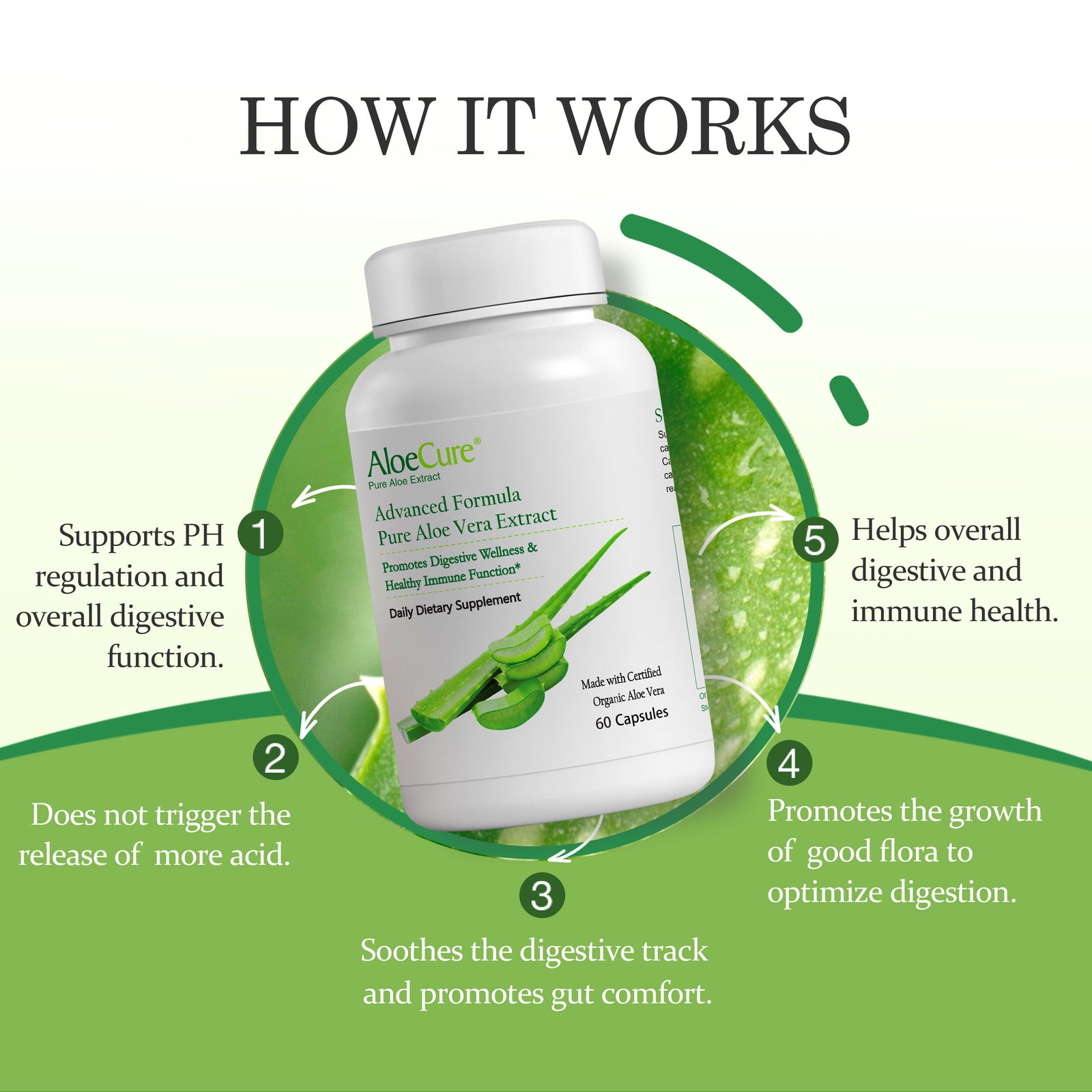
Aloe-based formulas make sense for shoppers who prefer a plant-based, simple-format supplement rather than a large multi-ingredient capsule. The important distinction is not merely “aloe” on the label. It's the plant part used, the handling after harvest, and the processing method used to create the finished ingredient.
Inner-leaf aloe gel is the sensible focus for a daily wellness product. Consumers should look for clear information about whether the formula uses inner leaf material and how unwanted compounds associated with other parts of the leaf were managed. Processing transparency matters because aggressive methods can change the character of a botanical ingredient.

A vertically integrated producer controls more of the path from cultivation to finished bottle. AloeCure farms its own aloe, processes the plant material on-site, and produces its own formulas. Its parent company, AGHG, states that it hand-harvests USDA- and EU-certified organic aloe and processes it within 12 hours of harvest.
That level of control can make traceability easier to verify. AloeCure also describes an 8-step traceability promise, third-party certifications, and testing that support its product quality process. The brand's aloe vera for gut health guide provides more detail on how aloe fits into a daily digestive wellness routine.
Juice works well for people who prefer a liquid serving and a short ingredient list. Capsules suit shoppers who want portability or a more concentrated format. Either way, avoid making the decision on flavor, packaging, or a broad promise alone. Ask whether the product explains its source, processing, serving size, testing, and storage.
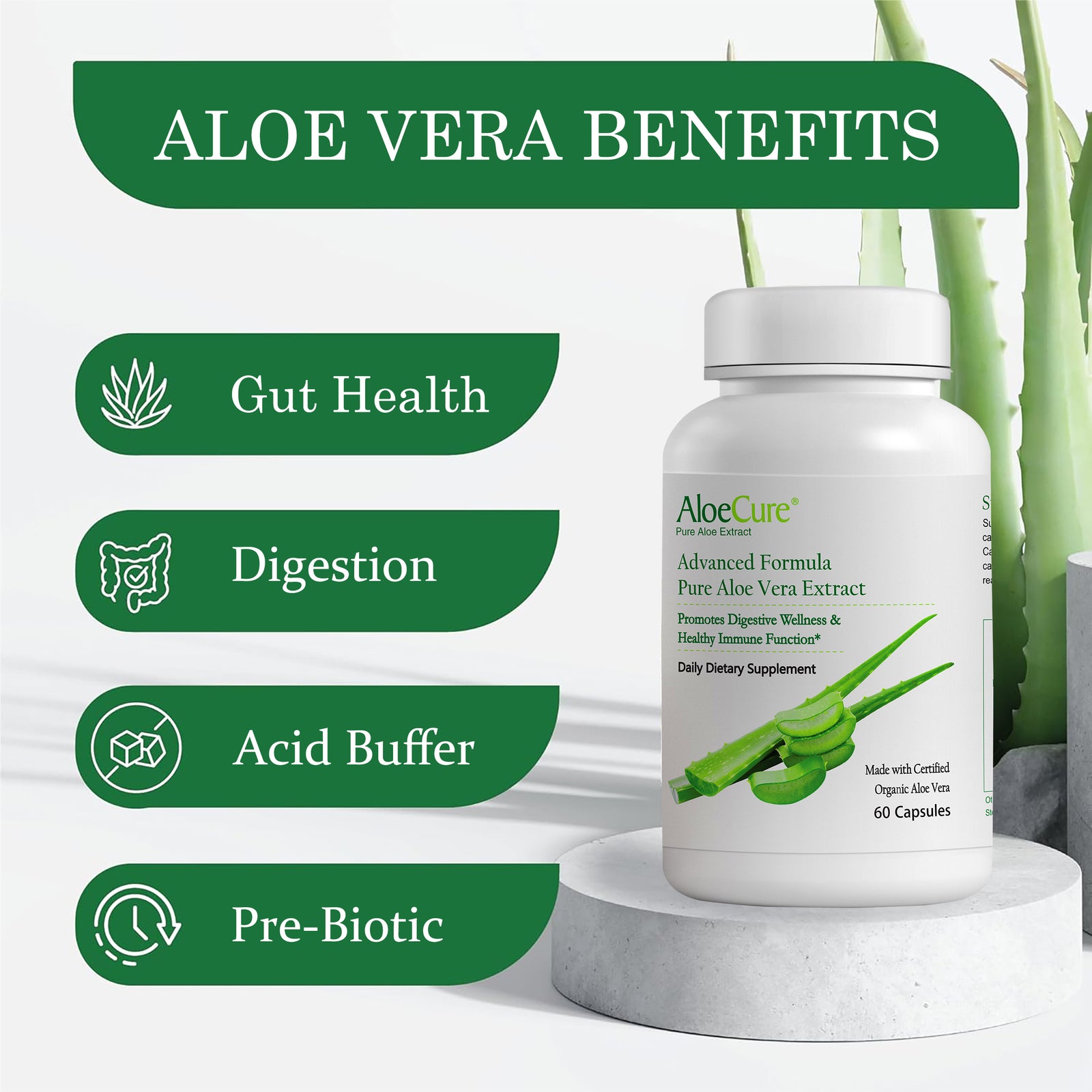
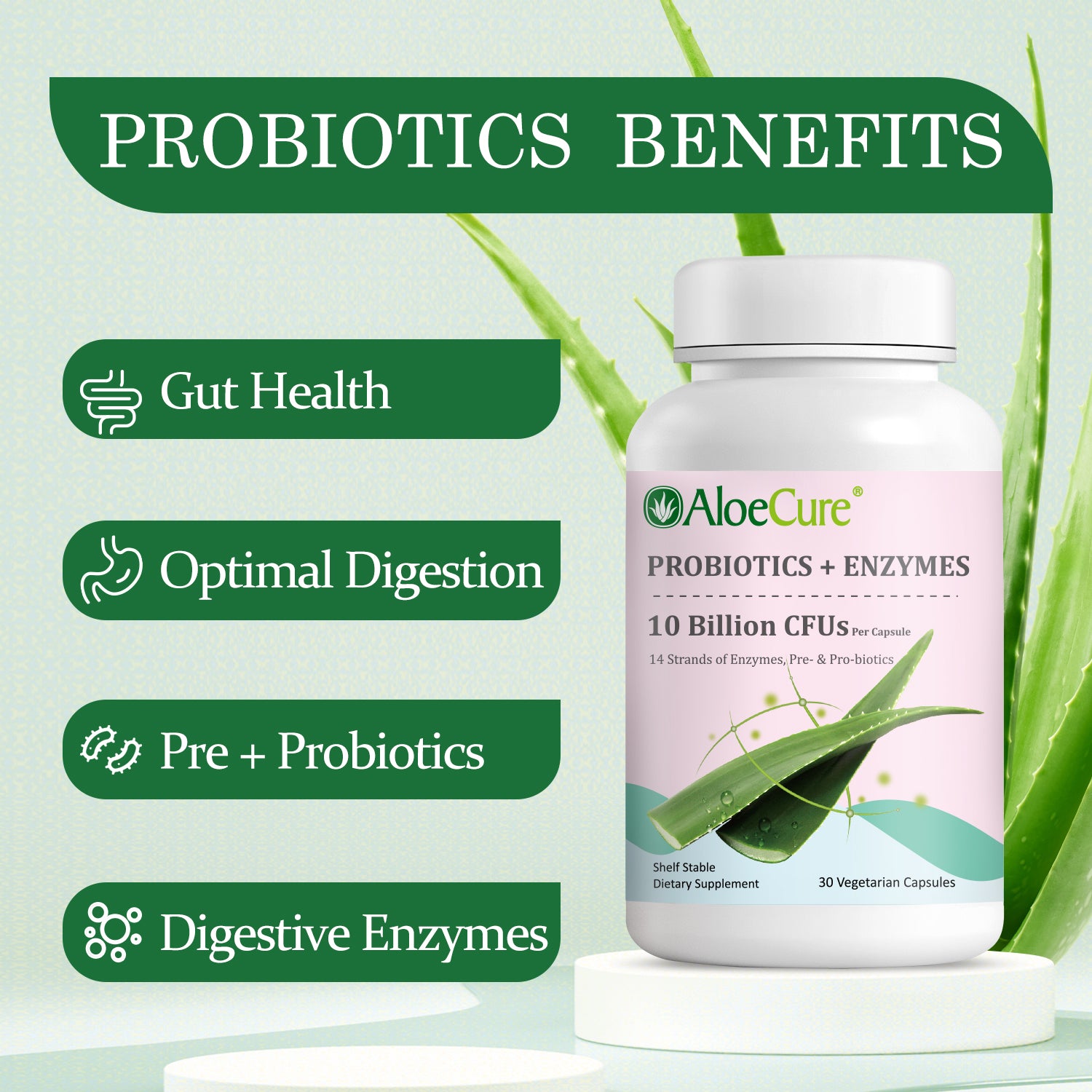
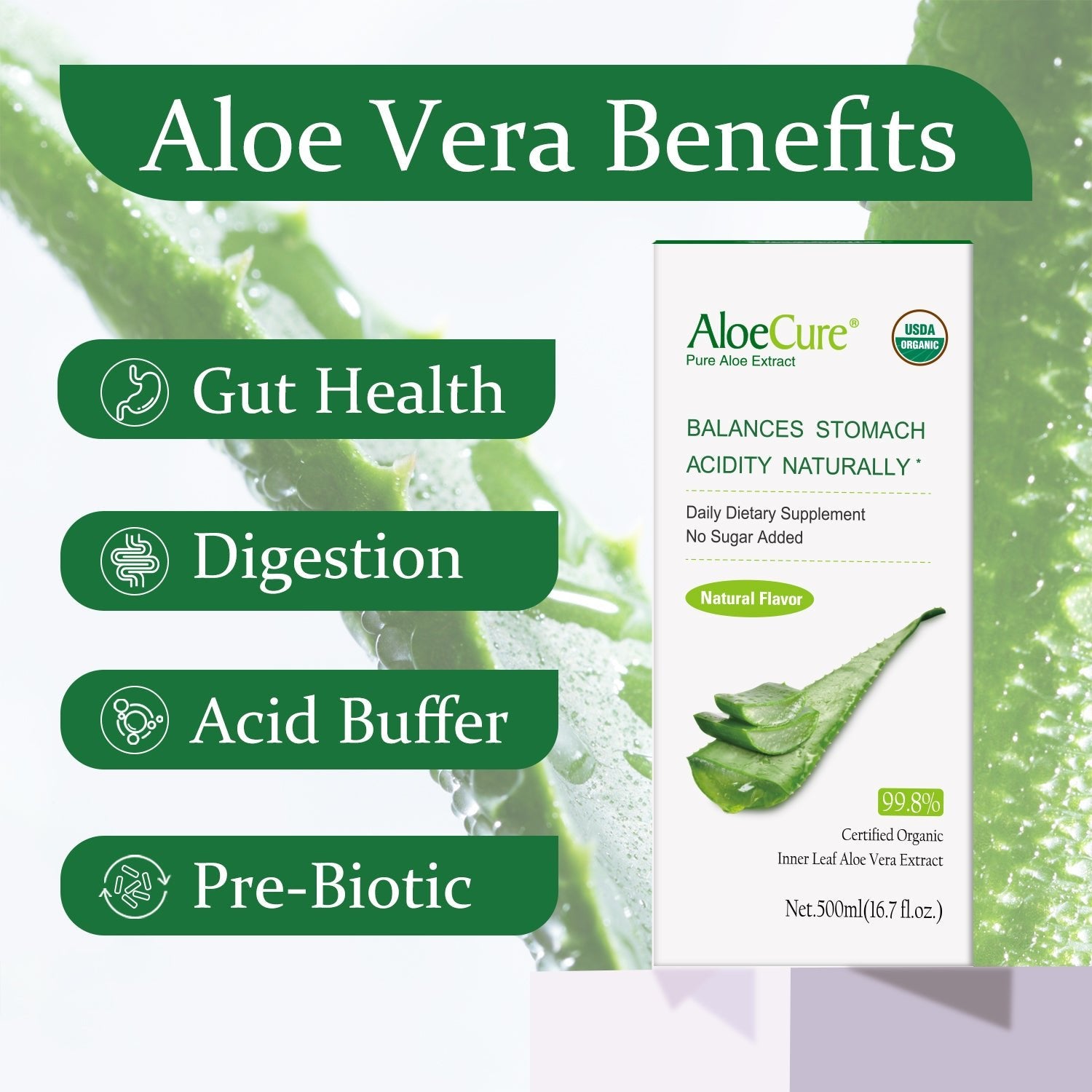
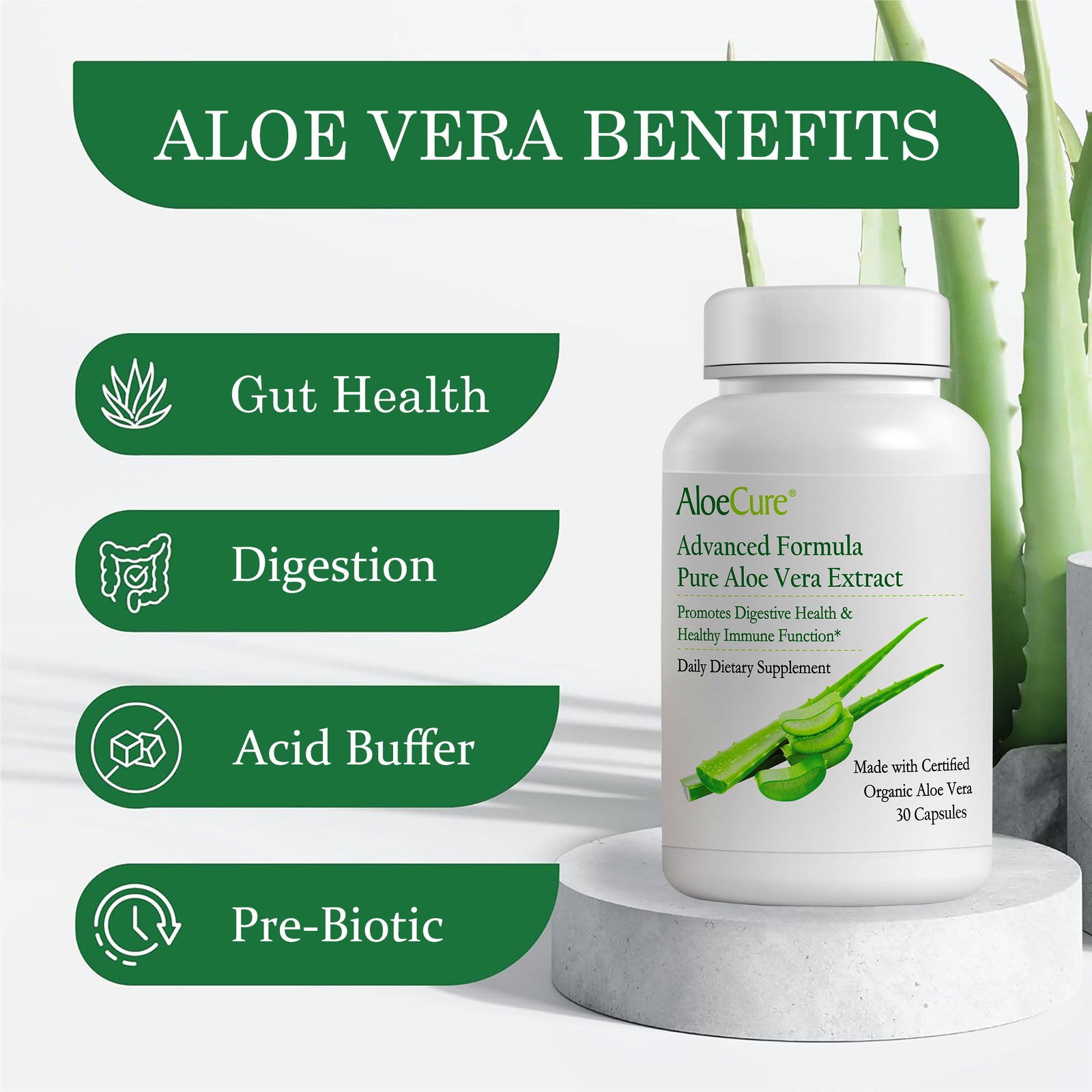
AloeCure offers organic aloe vera juice, aloe capsules, and a Pre+Probiotic & Digestive Enzyme Blend. Its published customer policies include a 90-day money-back guarantee, free shipping on qualifying orders, and a Subscribe & Save option offering 20% off with flexible delivery. Those details are practical purchasing considerations, but they don't replace checking the formula itself.
The most effective routine is the one you can follow consistently without turning every meal into a supplement schedule. Start with one clearly defined goal, choose one primary category, and track how your body responds before adding another product.
For a general digestive wellness routine, begin with a product whose ingredients and serving size are easy to understand. A probiotic makes sense when you've identified a strain-specific rationale. A prebiotic fiber fits better when your diet lacks fermentable fiber. An enzyme blend is more targeted around meals, while aloe juice or capsules may suit someone who prefers a plant-based botanical format.
Change one variable at a time. Otherwise, you won't know which ingredient helped, disagreed with you, or made no noticeable difference.
If a prebiotic causes discomfort, reduce the serving and increase it more slowly. If a probiotic produces no noticeable change, review the strain, dose, storage, and trial duration before automatically buying a stronger product. If a formula contains many ingredients, simplify rather than stacking another supplement on top.
Consistency matters more than novelty. Give a targeted formula enough time to evaluate it, while following the product label and seeking qualified healthcare guidance for persistent or concerning symptoms.
Use this checklist before placing an order:

For most shoppers, the strongest choice is not the product with the loudest promise. It's the formula with transparent sourcing, clearly listed ingredients, appropriate evidence, credible testing, and a routine that fits daily life.
AloeCure offers organic aloe vera juice, aloe capsules, and a Pre+Probiotic & Digestive Enzyme Blend for people building a straightforward digestive wellness routine around traceable ingredients. Visit AloeCure to review the formulas, explore Subscribe & Save for 20% off, and choose the format that fits your routine.
Comments will be approved before showing up.