Your Cart is Empty


Can aloe vera juice really support joint comfort, or are people connecting a traditional plant with evidence that comes from entirely different preparations and study settings? That question matters because interest in natural support for comfortable movement is widespread, while the answer depends on what was studied, how aloe was prepared, and whether people were involved.
Aloe vera juice may fit into a broader wellness routine, but current evidence doesn't establish it as a clinically proven way to reduce joint pain. The most useful approach is to separate historical tradition, laboratory findings, and human evidence, then choose products with clear safety and quality information.
A person searching for “aloe vera juice joint pain” may find confident claims about aloe's soothing properties. Yet the story is more nuanced. Aloe has a long history of traditional use, but historical popularity doesn't show that drinking modern aloe juice produces a specific outcome for joint comfort or mobility.
Historical reviews report that aloe was documented in Sumerian clay tablets dating to approximately 2100 BCE, and medicinal use also appeared in Egyptian, Greek, Roman, Indian, Chinese, and Arab traditions. Across these cultures, people primarily used aloe for wounds, skin conditions, digestive complaints, and general healing. References connecting aloe with arthritis and joint pain developed from this broader traditional use, not from modern controlled trials. See the peer-reviewed historical review of aloe vera for that distinction.
Imagine two people comparing notes. One points to centuries of aloe use and concludes that oral juice must support joints. The other asks whether those traditions used the same plant part, processing method, serving pattern, and outcome measures found in a modern product. The second question is essential because historical use doesn't automatically validate a present-day oral preparation.
Topical aloe-gel research also can't be transferred directly to aloe vera juice. Skin application and oral consumption involve different routes through the body, different concentrations, and different biological conditions. A finding involving one preparation can't establish the same effect for another.
Practical perspective: Traditional use can justify curiosity, but it can't replace evidence from well-designed human research.
Joint wellness also involves more than a single drink. Comfortable movement can be supported through appropriate activity, strength work, pacing, rest, and professional guidance. Readers exploring non-drug approaches may also find practical ideas in SunnyBay heating pad solutions for pain, especially when warmth is part of a broader comfort routine.
The strongest numerical findings available for aloe and joint-related biology come from preclinical research, not trials of commercially prepared aloe vera juice in people. That means the results can help researchers identify possible mechanisms, but they don't tell consumers how much juice to take or whether it will improve daily movement.
In an animal model of chronic inflammation induced with complete Freund's adjuvant, an aqueous aloe vera extract given at 500 mg/kg produced 19.82% inhibition of paw edema on day 5. Under the same experimental protocol, indomethacin at 10 mg/kg produced 37.84% inhibition, a stronger result in that model. These figures come from an extract administered to animals, not a beverage consumed by human participants. The laboratory and animal research report should therefore be read as preliminary biological evidence.
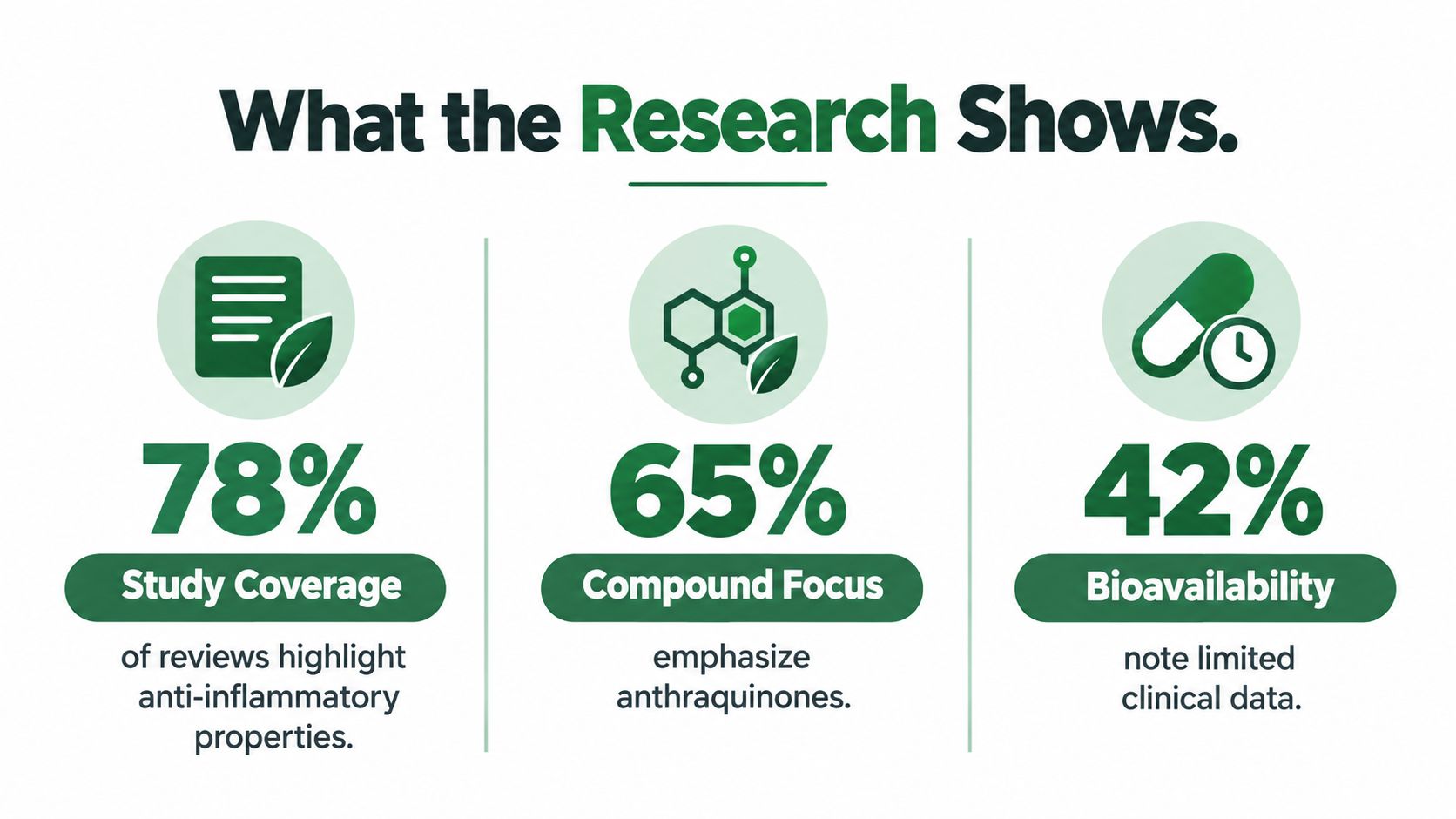
Separate laboratory research reported reductions in tumor necrosis factor-alpha expression of 54% in rheumatoid-arthritis synovial cells and 49% in osteoarthritis synovial cells after methanolic aloe extract treatment, as reported in the same research source. Cell cultures provide a controlled setting for examining signaling, but a cultured cell isn't a person drinking aloe juice. The extract, exposure conditions, absorption, metabolism, and tissue distribution may all differ substantially.
Researchers have investigated aloe constituents in relation to pathways including NF-κB, COX-2, prostaglandin E2, tumor necrosis factor-alpha, and interleukin-1. Those pathways are scientifically interesting, yet mechanistic plausibility doesn't demonstrate a measurable improvement in pain scores, stiffness, walking ability, or validated function measures in humans. Laboratory findings support further investigation, not a definitive consumer claim.
One small study of topical aloe gel reported a pain-score decrease from 33.3 before treatment to 22 afterward, with a reported t value of 8.99. Because participants applied aloe locally rather than drinking aloe juice, the result can't establish oral effectiveness. It also doesn't answer questions about product dose, duration, preparation quality, or long-term use.
A stronger evidence base would require well-designed human trials using a clearly defined aloe juice preparation, transparent dosing, an appropriate comparison group, and outcomes that matter in everyday life. Until that research exists, aloe juice is best described as a potential wellness adjunct, not a proven source of joint-pain reduction. Readers who want a broader evidence discussion can review whether joint-support supplements work.
Aloe isn't one uniform ingredient. Purified inner-leaf gel or juice differs from whole-leaf extract and aloe latex, and the distinction affects how a product should be evaluated.
The inner leaf contains the clear gel commonly used in juice products. Aloe latex comes from the layer beneath the leaf skin and contains different constituents. Whole-leaf products may include material from more than one part of the plant. Treating these preparations as interchangeable can create confusion about expected effects, tolerability, and product quality.
The National Center for Complementary and Integrative Health reports that short-term oral use of aloe gel for up to 42 days appears safe in available research. The same guidance notes that aloe latex can cause abdominal cramping and diarrhea, while oral aloe leaf extracts have been associated with cases of acute hepatitis. Excessive latex exposure may also increase adverse-effect risk with cardiac glycosides such as digoxin, and oral aloe may interact with medicines. Review the NCCIH information on aloe vera safety before choosing an oral product.
A practical label review should answer several basic questions:
A transparent label doesn't prove that aloe juice will change joint comfort. It does, however, help you understand what you're consuming and avoid assuming that every aloe product has the same profile. The overview of what aloe vera juice is made of can help clarify these preparation differences.
People who are pregnant or breastfeeding should avoid oral aloe unless a healthcare professional advises otherwise. Anyone using chronic prescriptions, managing ongoing symptoms, or unsure whether an oral botanical is appropriate should ask a clinician or pharmacist before use.
Quality starts before the bottle reaches a shelf. A vertically integrated producer controls more of the path from cultivation to finished product, which can make it easier to document harvesting, processing, testing, and batch traceability. It still doesn't turn a wellness product into a clinically established option, but it gives shoppers more information for judging what they buy.
Look for USDA and EU organic certifications when those certifications match your purchasing priorities. Ask whether the aloe is farmed by the producer, whether harvesting and processing occur under the same company, and whether the inner leaf is processed promptly after harvest. AloeCure states that its parent company owns and operates its farms, hand-harvests certified organic aloe, and processes it on-site within 12 hours of harvest, as described in its publisher information.
Processing claims deserve careful reading. AloeCure states that its method avoids chemicals, enzymes, concentrates, and charcoal filtration. These are company-specific statements, so shoppers should still look for accessible certification documents, testing information, and traceability details rather than relying on broad phrases such as “pure” or “premium.”
A supplement manufacturer must also meet FDA requirements for identity, purity, quality, strength, and composition. FDA guidance says manufacturers generally must conduct at least one appropriate test or examination to verify the identity of each dietary ingredient. The FDA background on dietary-supplement current good manufacturing practices explains these quality controls.
Shopping rule: Choose the product with the clearest evidence about its plant part, processing, testing, and traceability, not the product with the boldest promise.
Watch this product overview for more context on aloe sourcing and formulation:
Marketing language must also stay within the rules for dietary supplements. A structure/function statement such as “supports healthy joint function” must be truthful and not misleading, supported by evidence, and reported to the FDA no later than 30 days after first marketing when the statement is used on a product. The notification identifies the responsible company, exact wording, dietary ingredient, and label or labeling where the statement appears. See the FDA guidance on structure/function claims.
For a broader product comparison, readers can review how to choose an aloe vera juice brand. A responsible product page should avoid promising a specific medical outcome and should explain what the product is designed to support.
Aloe vera juice works best, if used at all, as one small part of a consistent wellness routine. Start by writing down a simple baseline for mobility and comfort. You might record how easily you walk, climb stairs, stand from a chair, or complete a familiar daily task. Use the same observations over time so you aren't comparing a particularly good day with a difficult one.
Don't introduce several new supplements at once. If you begin aloe juice alongside multiple products, a change in comfort or an unwanted response becomes difficult to interpret. A single-product observation gives you a clearer personal record, although it still can't prove that aloe caused any change.
The available evidence for oral aloe vera juice remains preliminary rather than clinically established. A PubMed-indexed review concluded that oral aloe might have a role in chronic non-cancer pain, including osteoarthritis, but emphasized that long-term randomized controlled studies are needed to determine effective dosing, treatment duration, and comparative benefit versus standard therapies. Read the PubMed review of oral aloe and chronic pain for the research context.
A practical routine can include:
A hot or swollen joint, fever, sudden severe pain, injury, loss of function, or progressive morning stiffness warrants professional evaluation rather than self-management with a supplement. For practical ideas about knee care from MedAmerica Rehab Center, use that information as general education and seek personal advice when symptoms persist.
The first misconception is that natural origin equals proven effectiveness. Aloe comes from a plant, but that fact doesn't establish that oral juice will change joint comfort. Safety, preparation, dose, absorption, and human outcomes still matter.
A second misconception treats every aloe study as evidence about the same product. Animal experiments, cell cultures, topical gels, whole-leaf extracts, latex, and inner-leaf juice are different research subjects. Results from one category can't be transferred automatically to another.
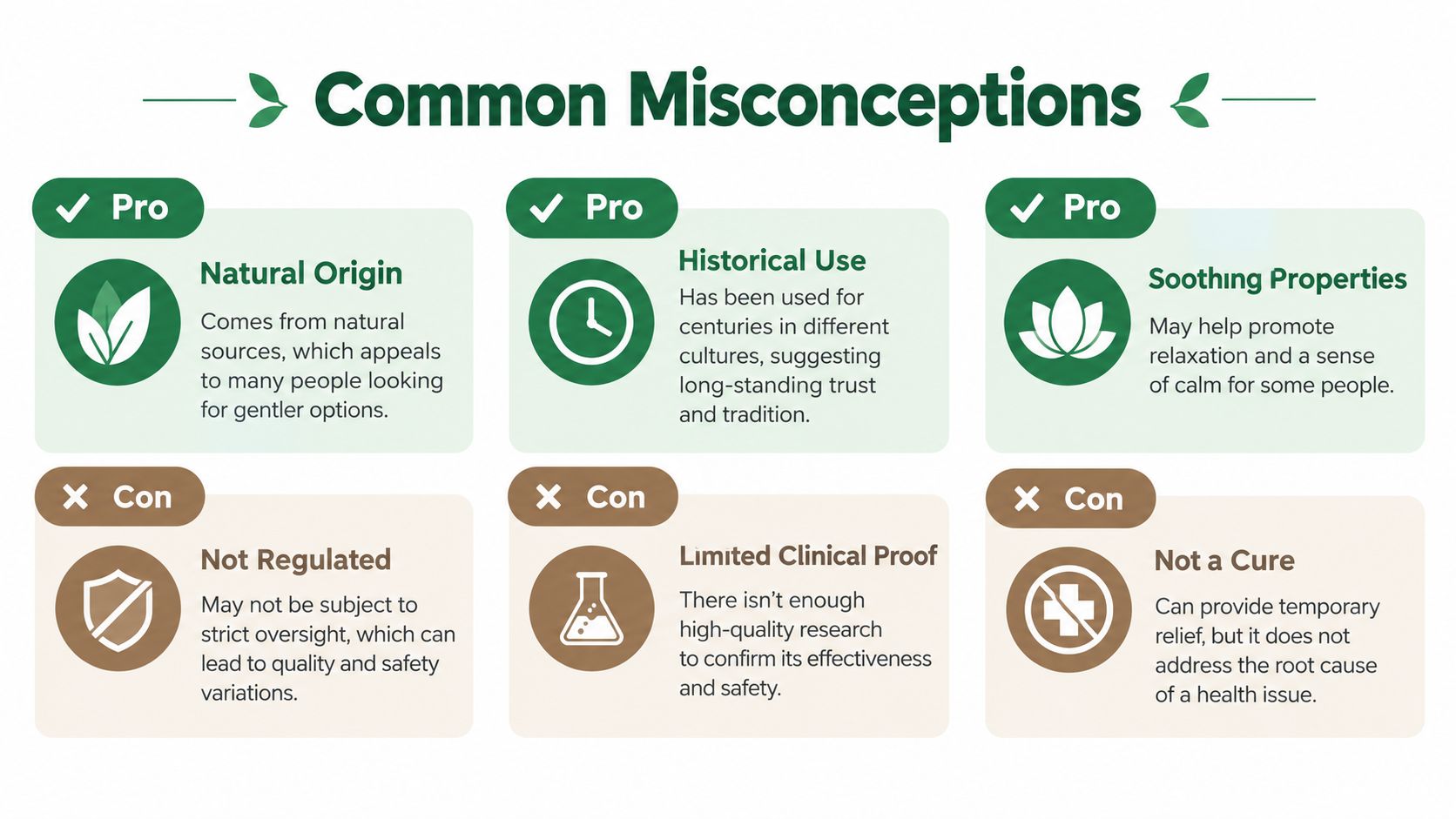
A structure/function phrase such as “supports healthy joint function” describes a wellness purpose. It doesn't mean a product is intended to diagnose, treat, cure, or prevent a disease. FDA requires a disclaimer when a dietary supplement label uses a structure/function claim, and the disclaimer must be prominent and in boldface.
The required wording is:
These statements have not been evaluated by the Food and Drug Administration. This product is not intended to diagnose, treat, cure, or prevent any disease.
Other useful questions can expose exaggerated marketing:
Aloe can be discussed respectfully as a traditional wellness ingredient and a subject of scientific research. It shouldn't be presented as a substitute for evaluation when discomfort is persistent, severe, or accompanied by warning signs. General digestive or skin-related traditions also don't prove joint-specific benefits from drinking aloe juice.
Begin with the evidence, not the headline. Oral aloe vera juice has a long traditional background and interesting laboratory findings, but current human evidence doesn't establish it as a proven option for joint-pain reduction. Use wellness-oriented language, select a clearly identified inner-leaf product, and look for certifications, testing, processing details, and batch traceability.
AloeCure offers organic aloe vera juice and supplements, including products positioned to support everyday wellness. Its publisher information describes a 25-year commitment to organic farming, on-site processing, and quality standards. The brand also offers Subscribe & Save with 20% off and flexible delivery, a 90-day money-back guarantee, and educational articles through its wellness blog.
Before starting an oral aloe product, review the label and consider professional guidance if you use chronic prescriptions, are pregnant or breastfeeding, or have persistent or worsening symptoms. Consistent habits, careful observation, and appropriate evaluation create a more reliable foundation for wellness decisions than a promise of immediate results.
Explore AloeCure to compare organic aloe vera juice and joint-wellness products with clear product information, processing details, and flexible Subscribe & Save options. Choose a routine that supports healthy movement while keeping personalized guidance from a healthcare professional at the center of your decision.
Comments will be approved before showing up.