Your Cart is Empty


What do people expect when they search for an aloe stomach formula? A quick answer for occasional digestive discomfort, or a daily supplement designed to support normal digestive function over time? The difference matters because not every product labeled “aloe” contains the same part of the leaf, uses the same processing method, or provides the same level of transparency.
A thoughtfully made formula starts with the inner leaf gel of Aloe barbadensis miller. It should preserve useful plant compounds while separating the gel from the latex layer, which contains aloin and can act as a stimulant laxative. The result is a wellness product designed to support healthy digestive function, not a substitute for professional care.
The evidence is promising but limited. A 2015 pilot randomized positive-controlled trial included 79 people over 4 weeks and found that a standardized aloe syrup was safe and well tolerated while reducing the frequency of assessed digestive symptoms, but the study was small and short as reported in the PubMed trial record. That makes formulation quality and honest labeling just as important as the aloe ingredient itself.
Suppose two shoppers pick up bottles labeled aloe. One sees a clear juice, while the other sees a concentrated capsule formula with a standardized polysaccharide amount. Both products may contain aloe, but they aren't automatically interchangeable. The plant material, leaf portion, removal of latex, concentration, supporting ingredients, and storage method all influence what reaches the consumer.
A true aloe stomach formula is a deliberately prepared dietary supplement based on aloe inner-leaf gel. The gel contains polysaccharides, glycoproteins, and naturally occurring enzymes that formulators use to support normal digestive function and everyday wellness. It isn't bottled water with aloe flavor. Processing must protect the plant's useful compounds while removing unwanted latex components.

The inner-leaf-only preparation focuses on the clear gel inside the leaf. Whole-leaf extracts may contain material from the outer leaf and latex, while proprietary blends can combine aloe with botanicals such as ginger, peppermint, or licorice root. Those categories shouldn't be treated as identical.
A quality label should make the source clear. Look for wording that identifies inner-leaf gel or decolorized aloe, along with information about polysaccharide content and aloin control. If the label only says “aloe vera” without explaining the leaf portion or processing, you can't easily judge the product's intended use.
Practical rule: A clean ingredient list is helpful, but processing transparency tells you whether the listed aloe is likely to match the formula's wellness purpose.
Aloe works best in this context as a gentle maintenance ingredient. It supports normal body function and can fit into a broader routine built around balanced meals, adequate fluids, movement, and attention to individual tolerance. It shouldn't be presented as a way to diagnose, treat, cure, or prevent a disease.
Could a formula's digestive value depend as much on processing as on the aloe plant itself? Aloe contributes a group of compounds that work together to support normal digestive function. The result depends on which leaf material is used, how concentrated it is, and whether processing protects or degrades its active components.
Acemannan is a large polysaccharide found in aloe gel. It forms part of the gel's supportive matrix and may help a formula support normal mucosal function. That describes a wellness role, not repair of a disease process.
Glucomannan is another polysaccharide with a fiber-like structure. Its ability to hold water contributes to aloe gel's texture, which helps explain why an inner-leaf formula can feel different from a highly diluted beverage.
Bradykinase is an enzyme associated with aloe. It may support the body's normal response processes, but it does not make aloe a treatment or a heavy-duty repair product. Labels should describe its role without promising medical results.
Anthraquinones call for closer attention. Some occur in the latex layer, including aloin, and preparations containing higher levels can act as stimulant laxatives. That may lead to cramping, loose stools, and electrolyte concerns. Formulas intended for regular digestive wellness generally favor decolorized or otherwise low-anthraquinone aloe. A recent review also discusses this distinction and related safety considerations in the published review.

Aloe enzymes and polysaccharides can be sensitive to aggressive heat, extended storage, and harsh extraction. Chemical-free processing can help retain the plant's original profile when paired with filtration, stabilization, sanitation, and testing. Vertical integration can make those steps easier to track, while generic products may provide less detail about how the gel moved from leaf to finished formula.
Aloe fits best as a gentle maintenance ingredient within a routine that includes balanced meals, adequate fluids, movement, and attention to personal tolerance. It supports normal function and is not a medical intervention. Readers comparing products can browse personalized supplement recommendations before choosing a formula.
The video below offers a visual introduction to aloe formulation and digestive wellness.
These statements have not been evaluated by the Food and Drug Administration. This product is not intended to diagnose, treat, cure, or prevent any disease.
The human evidence for aloe and digestive wellness is more limited than many product pages suggest. The most frequently cited modern clinical milestone is a 2015 pilot randomized positive-controlled trial involving 79 people assigned to aloe vera syrup, omeprazole, or ranitidine for 4 weeks according to the PubMed study record. The aloe group received 10 mL per day of syrup standardized to 5.0 mg polysaccharide per mL.
The researchers tracked 8 symptoms, including heartburn, regurgitation, belching, nausea, and acid regurgitation. The aloe group showed reduced frequency across the assessed symptoms, and the study reported that aloe was safe and well tolerated, with no adverse events requiring withdrawal. Those findings make the trial useful, but its pilot design and limited duration don't establish long-term effectiveness.
A broader 2020 pharmacological review summarized five clinical studies of aloe gel syrup and reported that the typical regimen in those studies was 10 mL twice daily for 4 weeks. The review described improvement across outcomes including heartburn, food regurgitation, dysphagia, flatulence, belching, nausea, and acid regurgitation, while also noting comparisons with conventional acid-reflux medicines in the review's clinical summary.
Not all studies used the same preparation. One randomized double-blind study of milk-enriched aloe found no beneficial reflux effect under its study conditions, while a 2025 review described the aloe syrup pilot as promising but preliminary in its assessment of the available literature. That contrast shows why consumers shouldn't transfer results from one formula to every aloe product.
| Study Focus | Sample Size | Duration | Key Outcome | Limitations |
|---|---|---|---|---|
| Aloe syrup compared with omeprazole and ranitidine | 79 people | 4 weeks | Reduced frequency across 8 assessed symptoms; aloe was well tolerated | Pilot study, short follow-up, limited generalizability |
| Clinical studies summarized in a pharmacological review | Five studies | Typical regimen of 4 weeks | Improvement reported across several digestive outcomes | Different products and study designs |
| Milk-enriched aloe preparation | Not specified in the verified data | Not specified in the verified data | No beneficial reflux effect under those conditions | Results may not apply to inner-leaf standardized formulas |
A 2024 review emphasized that the research base remains small and that the central aloe trial can't establish durability across people with different diets, long-standing symptoms, or concurrent supplement use in the published review. The fairest conclusion is that aloe may support short-term digestive comfort for some people, but it shouldn't replace guideline-based care or be marketed as a proven answer for a specific condition.
The format often determines whether a person uses an aloe stomach formula consistently. A juice may fit naturally into a morning ritual, capsules may suit travel, and a blend may appeal to someone who wants aloe combined with other botanicals. None of those formats is automatically superior.
| Format | Onset Speed | Convenience | Shelf Life | Best For |
|---|---|---|---|---|
| Aloe juice | Direct liquid use may feel immediate as a serving experience | Requires measuring and storage attention | Often requires refrigeration after opening | Morning routines and people who prefer liquids |
| Capsules | Must pass through digestion before the ingredients are released | Easy to carry and portion | Usually more convenient for storage | Travel, workdays, and precise serving routines |
| Blends | Depends on the aloe and companion ingredients | May simplify several ingredients into one product | Depends on the complete formula | Consumers seeking broader wellness support |
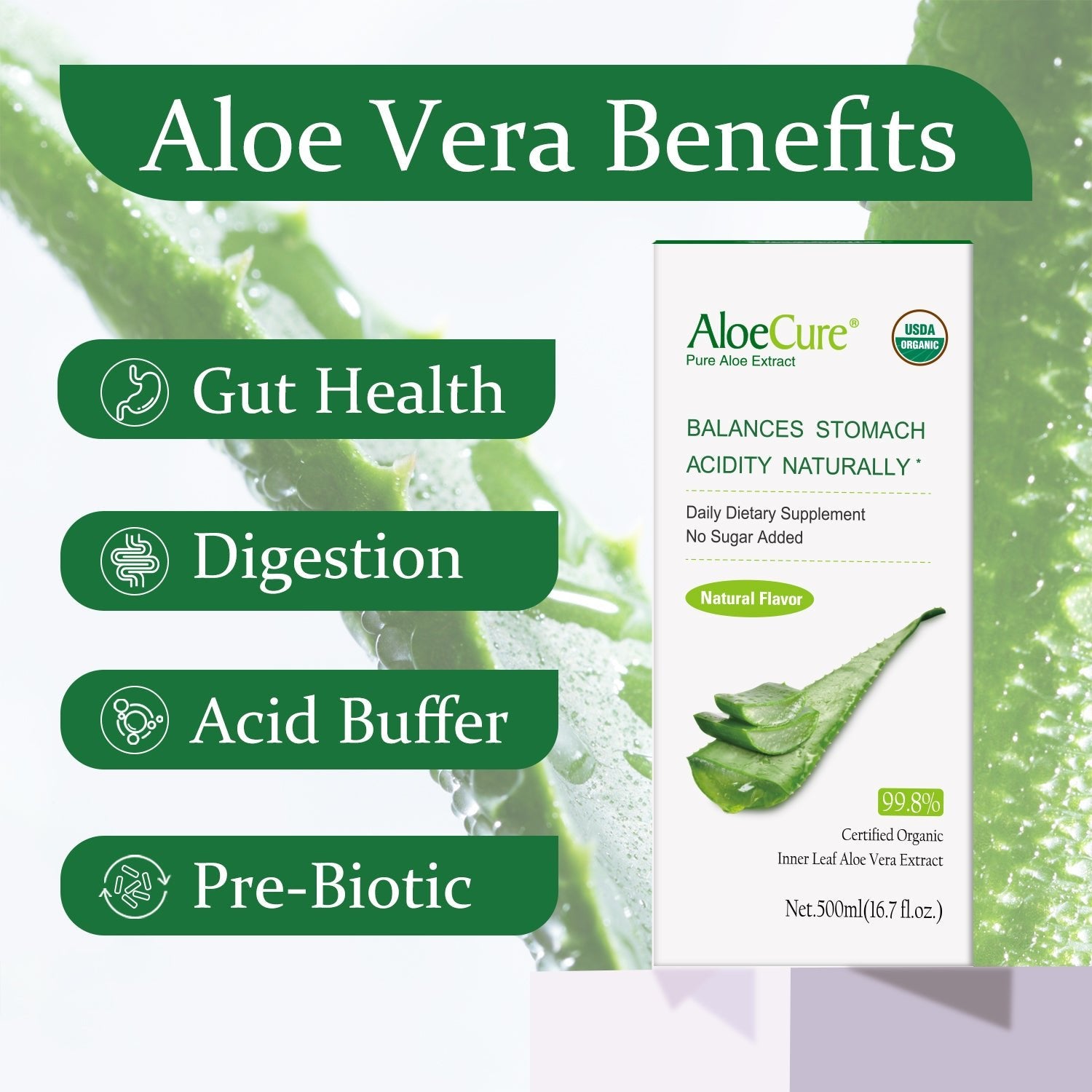
Liquid aloe offers hydration alongside the ingredient experience, and some people prefer its direct, familiar format. The tradeoff is taste, refrigeration, and greater attention to serving instructions. A flavored juice may improve adherence, but check whether the label adds sweeteners or unnecessary fillers.
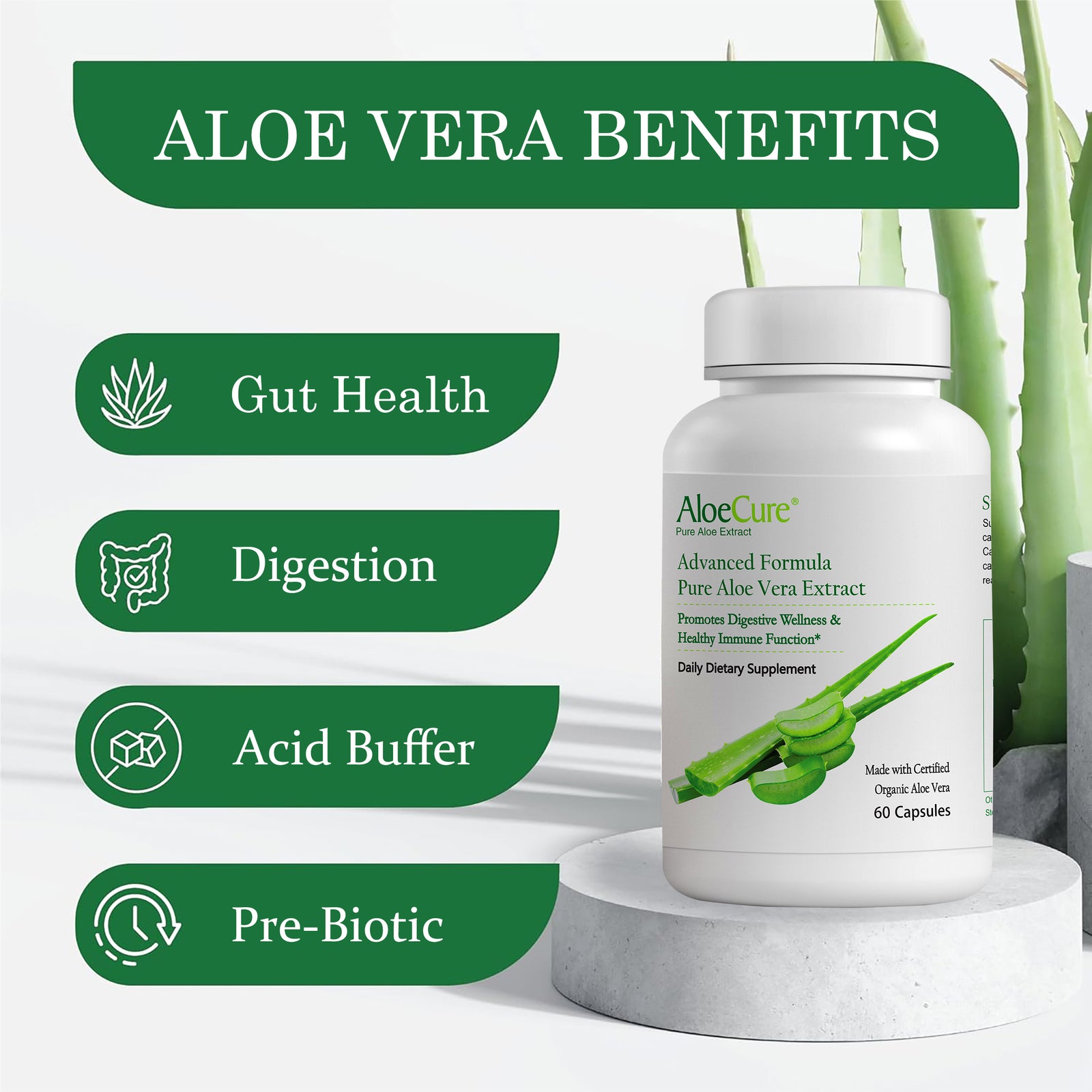
Capsules remove taste and simplify travel. They can also make it easier to follow a consistent serving schedule, though the experience differs from drinking aloe juice. Look for the amount of aloe material and any standardized polysaccharide information rather than judging a product by capsule size alone.
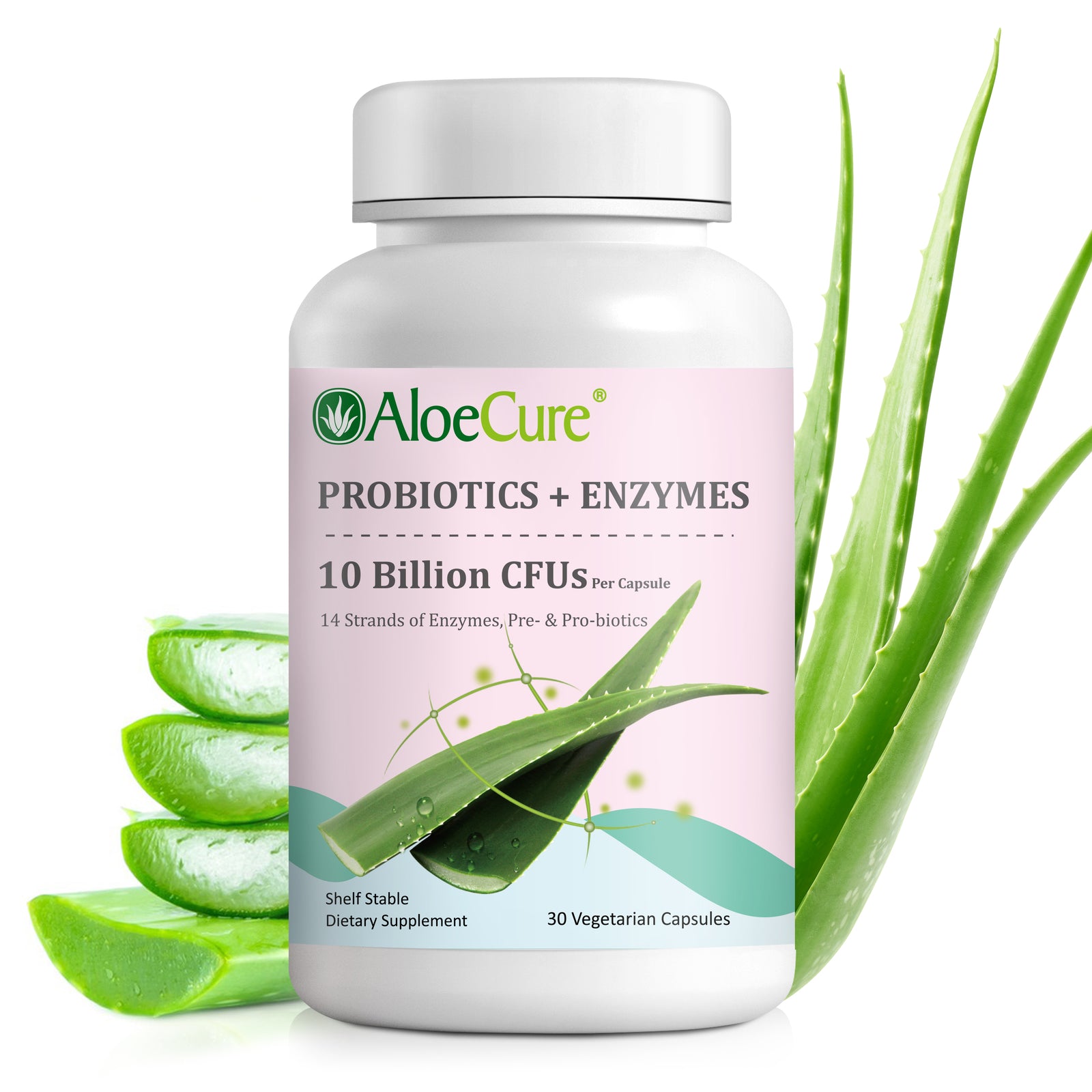
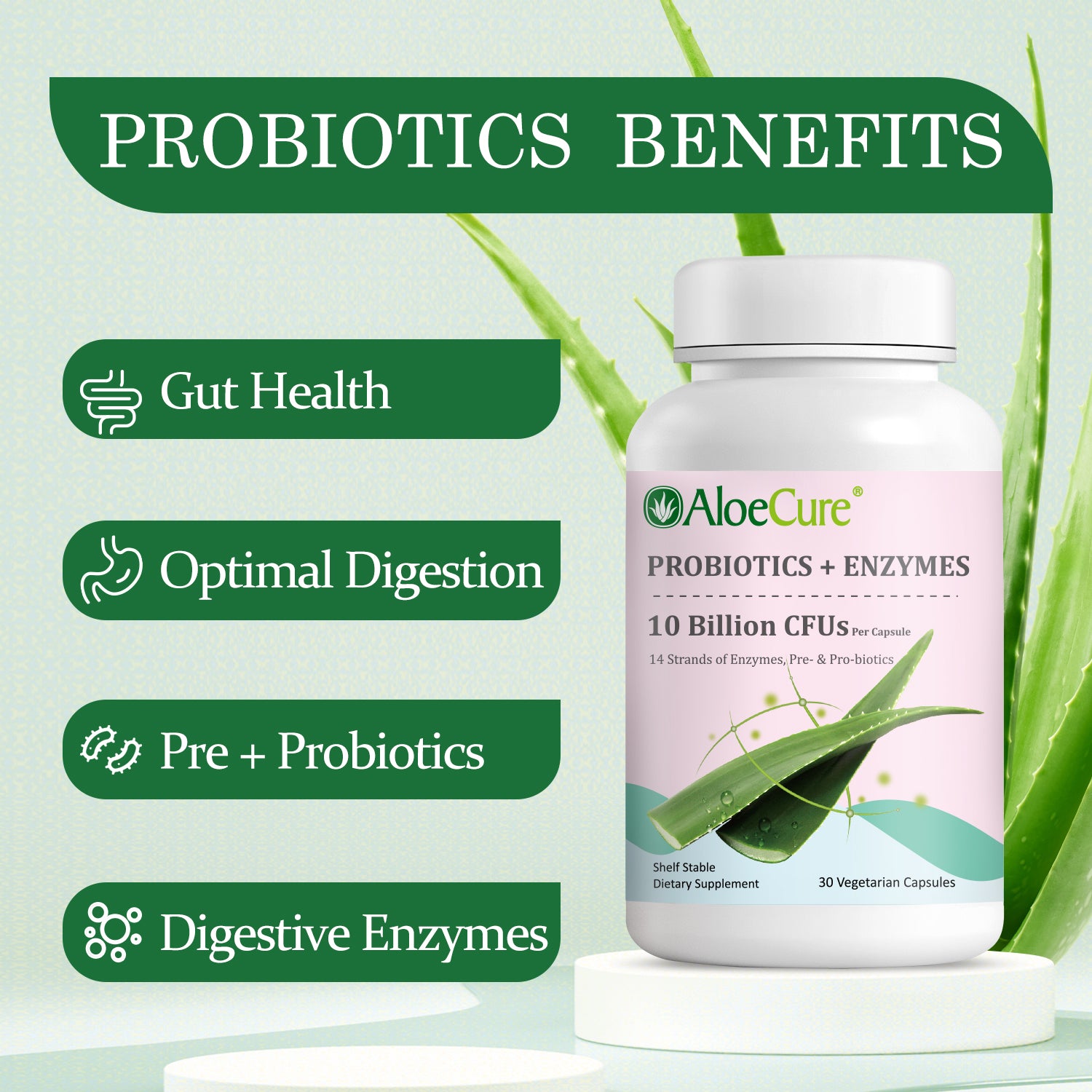
A blend may include ginger, peppermint, licorice root, or other botanicals. That can be useful for consumers who prefer a combined wellness formula, but it also makes it harder to identify which ingredient affects personal tolerance. Read the full label and introduce only one new product at a time.
For a broader comparison of delivery options, review this guide to aloe vera supplement formats. The most practical choice is the one you can use consistently and tolerate comfortably.
Aloe can change substantially between harvest and finished product. The label may still say “aloe vera,” but the finished formula can differ in gel concentration, polysaccharide preservation, aloin control, flavor, and stability. Processing isn't a minor manufacturing detail. It's part of the ingredient.
Conventional heat exposure, aggressive filtration, chemical preservatives, and long supply chains can place stress on delicate plant constituents. Heat may affect enzymes and polysaccharide structure, while harsh filtration can remove more than the unwanted latex. These risks don't mean every processed product is poor, but they do mean buyers should ask how the manufacturer protects the formula.

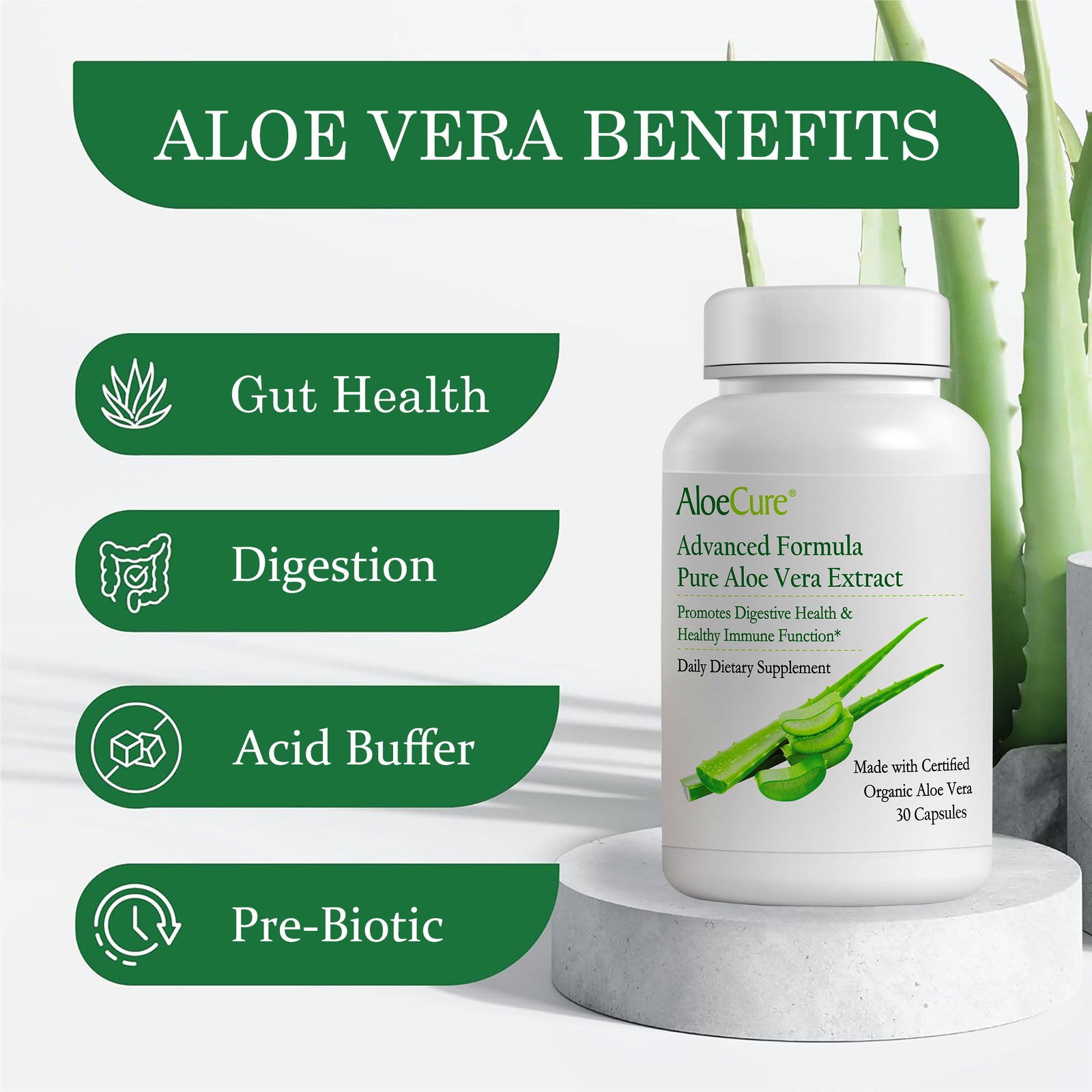
A vertically integrated producer controls the path from farm to finished bottle. AloeCure states that its parent company owns and operates its farms, harvests certified organic aloe, and processes it on-site within 12 hours of harvest as described by the publisher. That setup can reduce the number of handoffs between cutting and processing, while making farm origin and manufacturing decisions easier to trace.
The same publisher describes a proprietary, patented process that avoids chemicals, enzymes, concentrates, and charcoal filtration. Consumers should still evaluate any finished product through its label, certifications, testing documentation, and instructions, but this kind of process disclosure is more useful than a vague phrase such as “premium aloe.”
Two products can carry the same plant name and still deliver different formulations because their leaf portions and processing methods differ.
The formulation challenge is balance. Manufacturers need to separate aloin-containing latex from the inner gel while retaining the polysaccharides and other compounds that give the gel its character. A product that doesn't disclose how it manages that balance leaves an important question unanswered.
Consumers interested in the liquid format can examine inner-leaf aloe vera juice processing details. The most useful questions are simple. Where was the aloe grown? How soon was it processed? Was it concentrated? How was aloin controlled? What testing verifies the final product?
A reliable buying decision starts with the label, not the front-of-bottle promise. Use these five criteria to compare an aloe stomach formula across product pages and store shelves.

FDA rules also shape responsible supplement language. Structure/function claims aren't pre-approved by FDA, but manufacturers must substantiate that claims are truthful and not misleading, notify FDA within 30 days after first marketing, and use the required disclaimer in the FDA's structure/function guidance. Safer wording includes “supports healthy digestive function” and “promotes general wellness,” not disease-related promises.
Start with the product's identity. Choose an inner-leaf formula with clear aloin control, meaningful polysaccharide or acemannan information, and sourcing details that let you understand where the aloe came from and how it was processed.
Then match the format to your habits. Juice works for a morning ritual, capsules make sense for portability, and a blend may suit someone who wants several wellness ingredients in one serving. Don't choose based only on price or dramatic front-label language.
A vertically integrated option such as AloeCure offers farm-to-processing control, organic aloe products, capsules, juice, and subscription purchasing. Treat that as one comparison point, not a substitute for checking the actual label, testing information, serving directions, and your own tolerance.
Review the five-point checklist above, compare two or three shortlisted products, and choose one formula you can use consistently for at least 30 days. Keep expectations realistic, track how your digestive comfort feels, and speak with a qualified healthcare professional if symptoms are persistent, severe, or changing.
These statements have not been evaluated by the Food and Drug Administration. This product is not intended to diagnose, treat, cure, or prevent any disease.
AloeCure offers certified organic aloe juice, capsules, and digestive wellness formulas supported by farm-to-bottle control and transparent processing information. Visit AloeCure to compare formats, review product details, and explore Subscribe & Save options that provide 20% off eligible subscriptions.
Comments will be approved before showing up.