Votre panier est vide


Some days your midsection just feels heavy. You eat a normal meal, sit back down at your desk, and notice that your body doesn't feel as settled, light, or comfortable as you'd like. That sluggish, stretched feeling can pull your attention all afternoon.
A simple tummy massage for digestion can be a gentle way to support your body's natural rhythms. It isn't complicated, and it doesn't need to feel clinical. Done with the right timing, direction, and pressure, it can become a calm daily ritual that supports comfortable movement through the digestive system.
This kind of self-massage works best when you think of it as one piece of a bigger wellness routine. The hands support from the outside. Good hydration, steady breathing, and thoughtful nutrition support from the inside. Together, they can help you feel more at ease in your body.
Tummy massage works because it respects the body's normal flow instead of forcing it. Slow, rhythmic touch can help your abdomen soften, encourage a sense of ease after meals, and support regular daily patterns. For many people, that matters as much as the physical technique itself.
A strong routine doesn't start with pressure. It starts with attention. If your belly feels tight, the most useful first move is often to slow down, breathe, and give your body a few quiet minutes. Massage tends to work better when your nervous system isn't already on high alert.
When people struggle with tummy massage, they often make it too aggressive. More force doesn't automatically mean more benefit. In practice, the most effective sessions usually feel steady, warm, and directional.
Practical rule: Your abdomen should feel guided, not pressed into submission.
That's why this practice fits so well into everyday self-care. You don't need special equipment. You need a comfortable surface, relaxed breathing, and a clear sense of where your hands are moving.
There's no prize for doing every stroke flawlessly. What helps most is consistency. A few mindful minutes done regularly often feels better than an occasional long session done with rushed, heavy hands.
If you're building a broader digestive wellness routine, it can help to pair body-based practices with nourishment that supports hydration and normal digestive function. That combination often feels more sustainable than relying on a single habit.
These statements have not been evaluated by the Food and Drug Administration. This product is not intended to diagnose, treat, cure, or prevent any disease.
Preparation changes the whole experience. If your body is tense, twisted, or distracted, the massage won't feel as smooth or as intuitive. Set yourself up so your abdomen can fully relax.

Lie on your back with your knees bent and your feet resting on the floor or bed. This position helps soften the abdominal wall so your hands can move more comfortably. If your neck gets tight, place a small pillow under your head.
Some people prefer to recline slightly instead of lying flat. That's fine if it helps you stay relaxed. The main goal is simple. Your belly should feel loose, not braced.
Timing can make a good massage feel much better. Clinical guidelines suggest performing abdominal massage 30 to 60 minutes after a meal to maximize parasympathetic activation and support digestive efficiency according to this clinical timing guidance. That window supports the body's natural processes without interrupting them.
If you try it too soon after eating, you may feel more aware of fullness than comfort. If you wait too long, you may miss the relaxed post-meal window that makes the practice feel especially natural.
A calmer environment usually leads to better results. Keep the setup simple:
If your stomach area feels guarded, your first job isn't to massage harder. It's to help the muscles stop guarding.
Start with a broad, calming motion before you get more specific. That gives your tissues time to warm up and helps you notice where you're holding tension.

Place one or both hands over your abdomen and make large clockwise circles around the navel. Keep the first few rounds light. Then gradually increase to a moderate pressure that still feels comfortable. Clockwise direction matters because it follows the body's natural pathway through the abdomen.
Before the main strokes, use a slow breathing rhythm. One evidence-based pattern is to inhale through the nose for 4 seconds, hold for 2 seconds, and exhale through the mouth for 6 seconds, repeated 8 to 10 times according to this abdominal lymphatic massage guide. Let the belly rise on the inhale and fall on the exhale.
Then return to the circles:
For some people, adding a skin-friendly glide product helps the hands move more comfortably. If you enjoy aromatic body care, this guide on what essential oils are good for skin can help you choose something gentle and practical.
A visual demo can make hand placement easier to follow in real time.
Once the warm-up circles feel easy, move into the ILU technique. The I-L-U stroke technique is a benchmark for supporting bowel mobility. The I stroke moves up from the right hip to the ribs, the L stroke moves across the upper abdomen, and the U stroke connects these movements in a continuous path, as described in this ILU abdominal massage explanation.
A simple way to think about it:
| Stroke | Hand path | Feel |
|---|---|---|
| I | Up the right side of the abdomen | Direct and steady |
| L | Across the top, then down the left side | Broader, slightly firmer |
| U | Up the right, across the top, down the left | Full flow pattern |
The details matter:
Keep the routine calm and measured. Research summarized by Healthline notes that a 15-minute abdominal massage regimen performed twice daily for three consecutive days showed meaningful symptom improvement compared with no treatment, and that 5 to 10 minutes per day can support digestion and regularity in a practical daily routine, as covered in this stomach massage overview.
A good session feels organized. Your hands follow one clear route instead of wandering around the belly.
If you're new to tummy massage for digestion, begin on the shorter end. A few quality minutes with the right direction usually beats a longer session with inconsistent pressure.
When the technique is done well, the effect is both mechanical and calming. Your hands create gentle movement through the abdominal tissues, while the repetitive rhythm encourages the body to settle. That combination is one reason many people experience a sense of lightness and improved regularity with consistent practice.

A systematic review of 10 studies involving 464 patients found promising evidence that abdominal massage supports gastrointestinal functions and increases bowel movement frequency in several populations. The same review concluded that abdominal massage had no recorded adverse effects, supporting its role as a safe, non-invasive option in digestive care according to this systematic review on abdominal massage.
That matters because safety shapes consistency. People are much more likely to keep using a simple practice when it feels gentle, manageable, and easy to repeat.
The hands aren't doing magic. They're supporting normal physiology. A well-paced tummy massage for digestion may help:
Stress also plays a role in how the belly feels. If your body tends to hold tension, body-based practices such as somatic therapy for stress and trauma can offer useful context for why gentle physical cues sometimes change digestion, breathing, and muscle guarding all at once.
For a broader look at how mental state and digestion influence each other, this article on the gut-brain axis explained is worth reading.
The most reliable benefit often starts with softness. When the abdominal wall relaxes, the rest of the routine tends to work better.
Massage supports from the outside. Hydration and plant-based nutrition support from the inside. That pairing makes daily digestive care feel more complete, especially if you prefer simple habits you can keep.
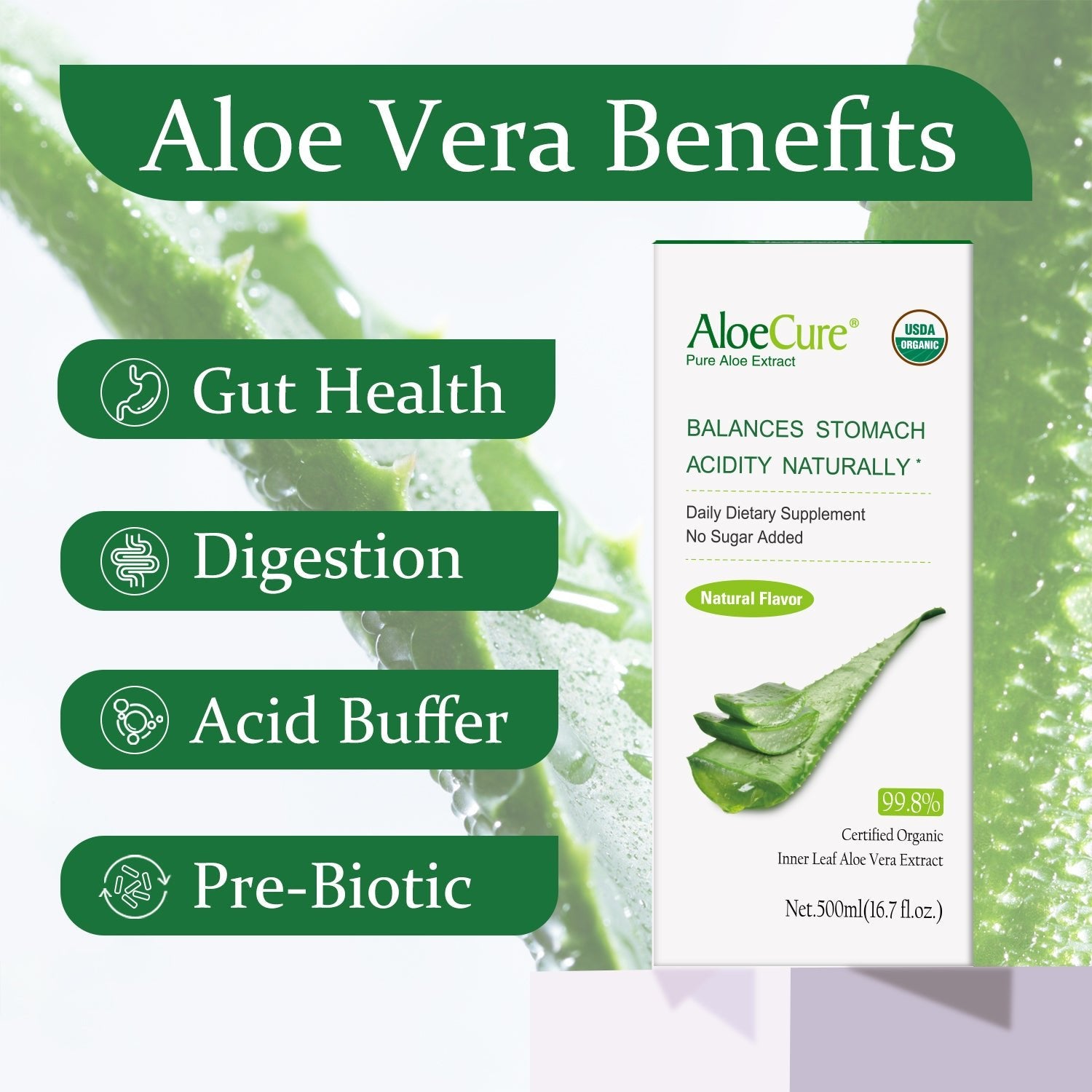
Aloe vera juice contains polysaccharides that help support hydration within the digestive system, which is important for maintaining gut lining integrity and supporting the comfortable movement of food and waste through the intestines, as explained in this overview of aloe vera and bowel support.
That hydration piece is often overlooked. People focus on what they eat, but not always on what helps the digestive system stay comfortably hydrated and functional day to day.
Some people also prefer to time aloe vera juice thoughtfully. Verywell Health notes that consuming aloe vera juice before meals may enhance the bioavailability of key compounds during active digestion, according to this guide to the best time to drink aloe vera juice.
Not all aloe vera juice is handled the same way. With AloeCure, the difference starts at the source. The company is fully vertically integrated, meaning it farms, harvests, processes, and produces its own aloe. Its aloe is processed on-site within 12 hours of harvest, which helps preserve freshness and plant integrity.
AloeCure also uses a proprietary, chemical-free process that avoids charcoal filtration, concentrates, and enzymes. That matters if you want aloe in a form that stays closer to the plant's natural profile instead of being heavily altered during manufacturing.
If you like learning how different plant-based options support digestive wellness, this guide to plant-based gut wellness adds helpful context. You can also explore AloeCure's own perspective on aloe vera juice for gut health.
A practical routine might look like this:
If you're ready to upgrade your routine, AloeCure's aloe vera juice line is worth a close look. The brand also offers 20% off subscriptions, which makes it easier to keep a high-quality product on hand without overthinking reorders.
A short daily practice or a few sessions each week is often beneficial. If you're just starting, keep it brief and pay attention to how your abdomen responds. Consistency matters more than intensity.
Use enough pressure to feel contact and movement, but not enough to create guarding. For a sensation of fullness, lighter pressure is usually the better starting point. For sluggishness, a moderate, steady pressure may feel more effective once the abdomen has softened.
Skip self-massage and check with a qualified healthcare professional if you're pregnant, recovering from abdominal surgery, or managing an existing health concern that changes what's appropriate for belly work. If touch makes you wince, brace, or feel worse, stop.
A supportive digestive routine doesn't need to be complicated. Gentle tummy massage, calm breathing, and thoughtful nutritional support can work well together as an everyday practice.
If you want more plant-based wellness ideas, practical routines, and guidance on using aloe in daily life, browse the AloeCure blog for more helpful tips.
Explore AloeCure for pure organic aloe vera juice, daily wellness support, and flexible Subscribe & Save options with 20% off.
Les commentaires sont approuvés avant leur publication.