Votre panier est vide


You're probably here because collagen keeps showing up everywhere. It's in powders, capsules, drink mixes, and “beauty from within” routines. Maybe you've seen a friend add it to coffee, or you've looked at a label and thought, “I know collagen matters, but what am I buying?”
That's a fair question.
Oral collagen supplements can sound simple at first, but the details matter. The form, the source, the supporting ingredients, and the quality of processing all shape what ends up in the bottle. Once you understand that, the category gets a lot less confusing.
You see collagen in a smoothie shop, on a supplement label, and in a friend's morning routine, all before lunch. It is easy to wonder whether everyone is talking about the same thing.
The reason collagen gets so much attention is simple. It sits close to questions people already care about, like skin appearance, everyday mobility, and healthy aging. But the useful conversation starts one step earlier. Before asking whether a product fits your routine, it helps to ask what kind of formula it is, what else is paired with it, and how carefully it was made.
Collagen works like part of the body's framework. It helps give structure to skin and supports connective tissues throughout the body. That is why the topic keeps coming up in wellness conversations. At the same time, an oral supplement does not function like a direct replacement part. Your body still has to break ingredients down and use them through its normal processes.
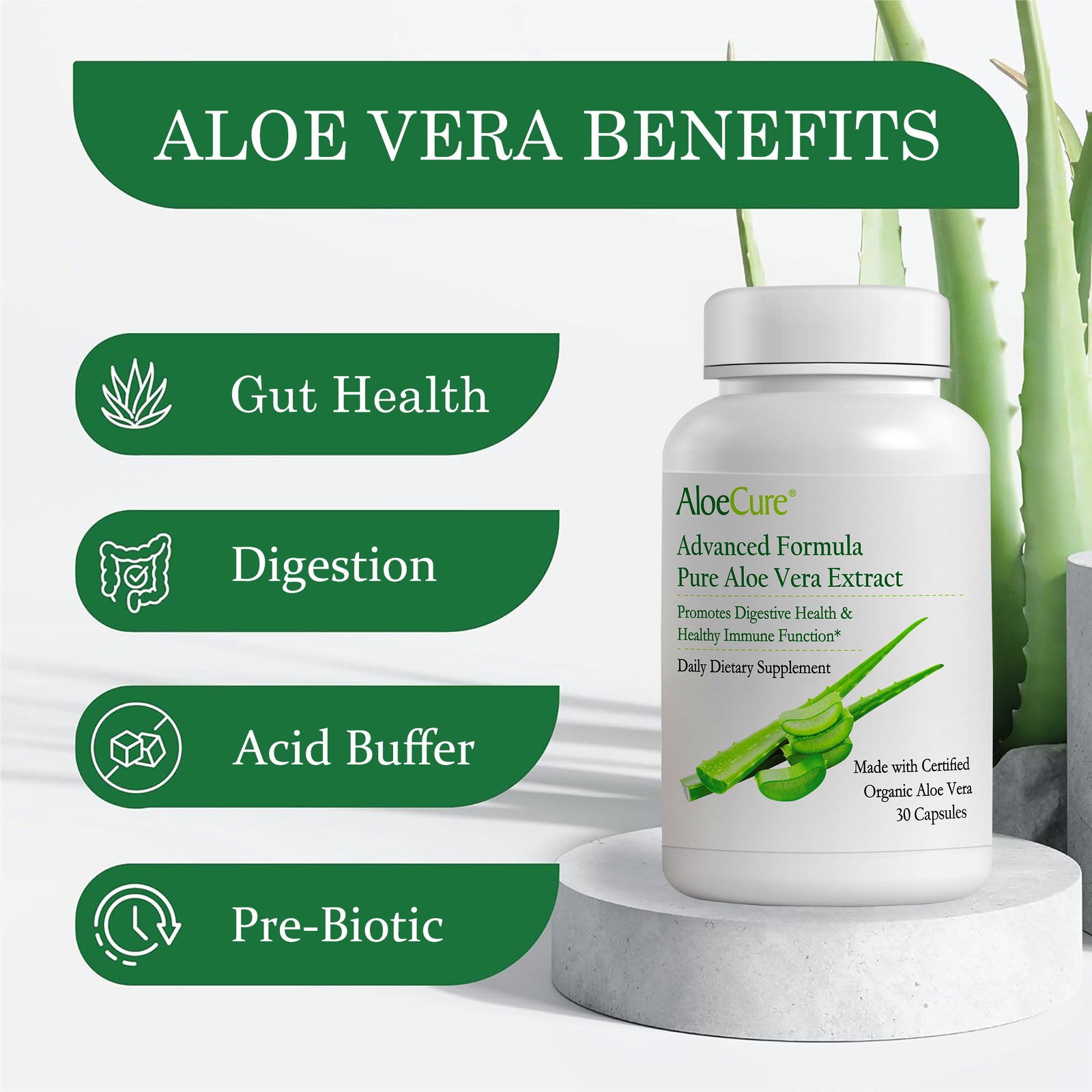
That is also why formulation matters so much. Two products may both say “collagen” on the front, yet offer very different experiences based on source material, processing, added ingredients, and quality control. A formula that combines collagen with supportive ingredients such as aloe vera may appeal to people who want a more whole-routine approach rather than a single-ingredient capsule.
Quality starts long before the bottle reaches your shelf.
If a company oversees more of its own supply chain, from raw ingredient sourcing to final encapsulation, there is often more visibility into consistency, handling, and testing at each step. That does not guarantee a specific outcome, but it can make a meaningful difference in how reliable the finished product is from batch to batch. In a crowded category, that kind of control helps separate a carefully built formula from a generic one.
Research interest has also helped collagen stay in the spotlight. A 2023 systematic review in Nutrients found that oral collagen supplementation was associated with improvements in skin hydration and elasticity after consistent use over time (2023 Nutrients systematic review on oral collagen). Findings like that have encouraged a more serious discussion, while still leaving room for a practical reminder: supplements support a wellness routine. They do not replace sleep, nutrition, movement, or sun protection.
Practical rule: Start with the formula, not the front-label promise. The source, supporting ingredients, and manufacturing standards often tell you more than the marketing headline.
If you want a simple companion read on the basics, AloeCure's overview of the amazing benefits of collagen is a helpful starting point.
Walk down the supplement aisle and you'll see “collagen” used like it's one single ingredient. It isn't. That word covers different types, different animal sources, and different formats.
Consider building materials: You wouldn't use the same material for a window frame, a bridge cable, and a cushion. Collagen types play different structural roles in the body too.

The three types commonly found in supplements are Type I, Type II, and Type III.
| Collagen type | Common association in the body | How shoppers often think about it |
|---|---|---|
| Type I | Skin, bones, tendons, ligaments | Structural support and firmness |
| Type II | Cartilage | Movement and flexibility support |
| Type III | Skin, muscles, blood vessels | Elasticity and soft tissue support |
Type I and Type III often appear together in products aimed at skin-focused wellness. Type II is more commonly associated with products designed to support an active lifestyle and comfortable movement.
Most oral collagen supplements come from animal-based sources. The source doesn't automatically make one formula right for every person, but it does help explain what type profile a product may contain.
If you've ever wondered why two collagen labels look different, this is usually why. They may both say “collagen,” but they're built for different wellness goals.
A label that lists the collagen source and type gives you more useful information than a label that simply says “collagen blend.”
A deeper explainer on types of collagens can help if you want to compare labels with more confidence.
Many formulas don't stop at collagen alone. Some include supporting ingredients chosen to complement the formula's purpose. For example:
That's where formulation starts to matter more than buzzwords.
One of the biggest points of confusion is this. If collagen is a big structural protein, how does swallowing it help at all?
The short answer is that your body doesn't absorb a long, intact strand of collagen and send it straight to one spot. It breaks proteins down into smaller components it can use.
Most human studies use hydrolyzed collagen peptides, not intact collagen. Clinical reviews note that oral collagen products used in human studies are usually hydrolyzed collagen peptides because collagen must be broken down in the gut before absorption, and they also note that reported skin benefits may depend on the specific peptide profile and on formulas that include other actives, according to Harvard Health's review of collagen drinks and supplements.
A good analogy is a long pearl necklace. If you tried to push the whole necklace through a narrow slot, it wouldn't fit well. But if you separated it into small sections, the pieces become easier to work with. Hydrolysis is the process that breaks collagen into those smaller peptide fragments.
That's why labels often say collagen peptides or collagen hydrolysate. They're telling you the collagen has already been processed into a form the body can handle more easily.
Once you take collagen peptides, your digestive system does what it does with proteins. It breaks them down further into peptides and amino acids. Then the body uses those building blocks in its own normal physiological processes.
This is an important mindset shift. You're not swallowing replacement skin or replacement joints. You're providing raw materials that may help the body support healthy structure and function.
Here's where product quality becomes more than a marketing detail:
If you've ever heard the term “bioavailability” and felt your eyes glaze over, it means how well the body can take in and use something. AloeCure's guide to what bioavailability means is useful if you want that concept in plain English.
Smaller, well-designed ingredients don't guarantee the same experience for every person. They do give a formula a better chance to make sense biologically.
Two collagen products can have the same front-label promise and still be very different once you read the supplement facts panel. One may include hydrolyzed peptides with thoughtful companion ingredients. Another may rely on a generic blend with little detail.
That's why “collagen” is only the beginning of the conversation. The form and the full formula are what tell you whether a product was built with care.
You pick up one collagen bottle for skin, another for joints, and a third adds aloe, vitamins, or sleep support. On the surface, they all seem to promise the same thing. Once you look closer, the core question is not just "Should I take collagen?" It is "Which formula fits the goal I care about?"

Skin is one of the main reasons people reach for collagen supplements. As noted earlier, human research has shown interest in collagen for supporting skin hydration and elasticity over time, especially with steady use.
That steady-use part matters. Collagen is closer to a daily building material than a one-time beauty treatment. A well-made formula may support healthy-looking skin as part of a broader routine that also includes sleep, hydration, sun protection, and balanced nutrition.
Formulation can shape the experience here. Hydrolyzed collagen provides smaller protein fragments, and some products pair those peptides with companion ingredients chosen for skin and digestive support. Aloe vera is a good example. It does not turn collagen into a different ingredient, but it can make a formula feel more intentionally built for whole-body wellness instead of a single-label claim.
Collagen is also common in active-lifestyle routines. People often use it alongside mobility work, protein intake, hydration, and recovery habits to support normal connective tissue needs and everyday comfort.
Here again, the label matters. A generic "collagen supplement" tells you very little. The collagen type, serving format, and supporting ingredients give you a much clearer picture of what the product is trying to do.
That is why synergy deserves more attention. If a formula combines collagen with ingredients selected for digestion, hydration, or nighttime routine support, the product may fit more naturally into real life. A capsule designed for evening use, for example, serves a different purpose than a plain scoop of powder added to coffee after a workout.
A related educational resource that explains how peptide-based ingredients are discussed in the beauty and wellness space is this Peptide Warehouse USA GHK-Cu guide. It can help if you want context for how peptide discussions often overlap with collagen conversations.
Two collagen formulas can list similar ingredients and still differ in quality. The difference often comes from decisions made long before the label is printed. Sourcing, processing, testing, and how companion ingredients are handled all shape the final product.
Supply chain control matters for that reason. When a company oversees more of the process, from growing or sourcing key botanicals to manufacturing the finished capsule, it has more chances to protect consistency and verify what goes into each batch. That does not guarantee a specific outcome for every person, but it does give you more reason to trust that the formula was assembled with care.
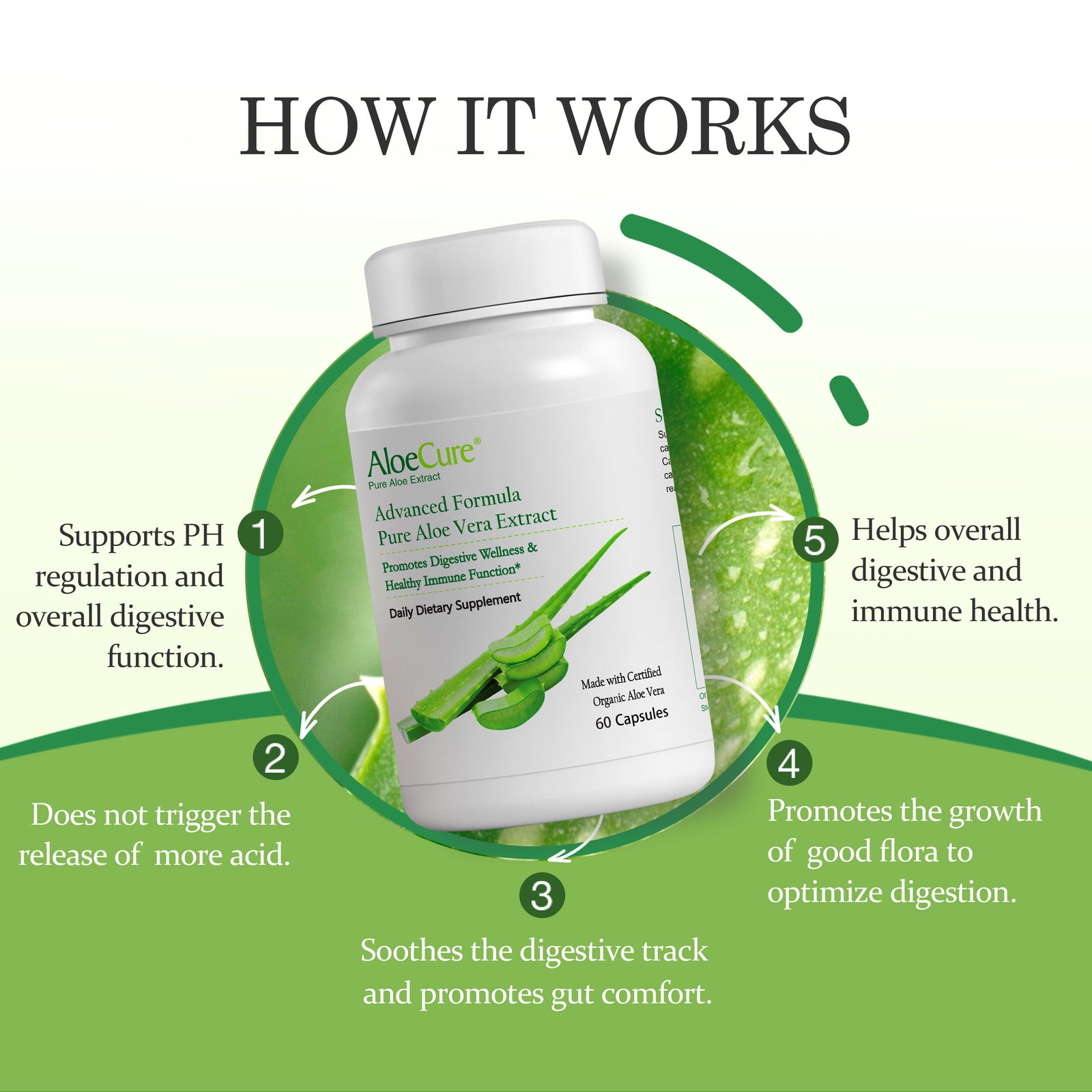
Aloe is a useful example of synergy. In a thoughtfully designed product, aloe is not there as decoration. It can help position the formula within a broader wellness routine, especially for people who want collagen to work alongside digestive comfort and daily hydration habits.
A short video can help make the routine feel more approachable:
One example in this category is AloeCure Melatonin + Collagen Sleep Support, a capsule product that combines melatonin with collagen Types I and III for a nighttime wellness routine.
You buy a collagen supplement with good intentions, set it on the counter, and then stall. Should you take it with coffee. At night. With vitamin C. In powder form. In capsules. The routine can feel harder than the supplement itself.
A better starting point is simpler. Choose a product whose format fits your real life, then use it consistently enough to learn whether it belongs in your routine.
Daily intake ranges used in human research on oral collagen supplements often fall between 2.5 and 15 grams of hydrolyzed collagen, as described in this 2025 clinical review overview on collagen supplementation. That range is a reference point for reading labels, not a universal instruction for every person.
The label matters because formulation matters. Two products may both say “collagen,” but one may be built for a scoop in a morning drink while another is designed as a capsule routine paired with complementary ingredients such as aloe vera. The best fit is usually the one you can follow without friction.
A practical starting point:
Consistency beats complexity.
There is no single best hour for collagen. Your body does not reward a perfect timestamp. It responds to regular intake and an overall supportive routine.
What can change the decision is the rest of the formula. A plain collagen powder may slide naturally into breakfast. A nighttime capsule that combines collagen with melatonin, such as AloeCure Melatonin + Collagen Sleep Support, fits more logically into an evening wind-down routine. That is a formulation question, not just a collagen question.
Aloe can shape that routine too. In a blended formula, aloe is less like decoration and more like a supporting cast member. It helps place the product within broader habits around hydration, digestive comfort, and daily consistency. If a company controls more of the process from ingredient sourcing through capsule production, it has more opportunities to keep that formula consistent from batch to batch.
| Existing habit | Easy collagen pairing |
|---|---|
| Morning coffee or tea | Plain powder mixed into your drink |
| Breakfast | Capsules taken with your meal |
| Evening routine | A capsule formula designed for nighttime use |
If you are new to oral collagen supplements, start with one product and one routine. Read the serving directions. Use the product as labeled. Then notice whether the format, dose, and companion ingredients make sense for your day.
That last point gets overlooked. An ideal collagen routine is not only about collagen amount. It is also about whether the whole formula was designed thoughtfully, and whether the company making it can maintain quality from sourcing to the finished product in your hand.
Shoppers often make their biggest mistake here. They compare front labels and flavors, but they don't look closely at how the product was made.
With collagen, quality isn't only about the ingredient name. It's about traceability, processing, transparency, and formulation.

A useful quality checklist includes:
A vague label often signals a vague product.
A well-built supplement doesn't just throw ingredients together. It combines ingredients that make sense together.
Vitamin C is a classic example because it supports the body's natural collagen production process. Aloe vera is another interesting partner ingredient in broader wellness formulas because it can complement a more whole-body approach rather than treating collagen as a stand-alone trend.
That synergy matters because many people don't want a supplement that lives in a silo. They want a formula that fits into skin wellness, daily comfort, hydration habits, or a nighttime routine.
This part gets overlooked, but it shouldn't.
When a company controls more of its own supply chain, from farming or raw material handling through processing and final production, it usually has better visibility into what happened at each step. That can support stronger traceability, cleaner quality control, and more consistency from batch to batch.
For plant ingredients especially, vertical integration can be meaningful. If a company grows its own aloe, processes it directly, and formulates its own finished products, there are fewer handoffs and fewer chances for shortcuts.
A supplement label tells you what's included. A supply chain tells you how seriously a company takes what's inside.
If you're comparing two products, ask these questions:
Those questions won't make you a chemist, but they will make you a better buyer.
One common question comes up near the end of every collagen conversation. What if you don't use animal-based supplements?
That's where the idea of collagen builders comes in. These aren't collagen in the direct sense. Instead, they're plant-based formulas built around nutrients and supportive ingredients that help the body carry out its own normal collagen-related processes.
Plant-based options typically focus on the building blocks and cofactors involved in healthy structure and skin support. They may include ingredients chosen to support the body's natural collagen production rather than supplying collagen itself.
That distinction matters. A vegan product usually isn't “vegan collagen” in the same way a marine or bovine product is collagen. It's better understood as a formula designed to support the body's own collagen-building pathways.

Collagen works best when it's part of a broader wellness routine.
That routine might include:
A collagen supplement can support that picture. It can't replace it.
The healthiest mindset is usually the simplest one. Choose products with transparent formulas. Look for ingredient partnerships that make sense. Pay attention to quality and sourcing. Then give your routine enough consistency to be meaningful.
These statements have not been evaluated by the Food and Drug Administration. This product is not intended to diagnose, treat, cure, or prevent any disease.
If you want a collagen routine that fits into a broader wellness approach, explore AloeCure for aloe-based supplements and everyday formulas, including options you can purchase directly or subscribe to for 20% off with flexible delivery.
Les commentaires sont approuvés avant leur publication.