Votre panier est vide


A balanced digestive system is the foundation of vibrant, whole-body wellness. It influences everything from your energy levels and mood to how well you absorb nutrients from your food. However, the demands of modern life, everyday stress, and common dietary habits can easily disrupt this delicate internal ecosystem.
The good news is that supporting your body’s natural digestive processes doesn't require complex or drastic measures. By focusing on simple, sustainable habits, you can cultivate a thriving internal environment. This guide explores 10 powerful and natural ways to improve gut health, offering actionable steps you can start taking today. We will move beyond generic advice and provide specific, practical strategies to help you achieve your wellness goals.
From nourishing your system with specific foods to implementing mindful daily practices, these strategies work together to help you achieve lasting digestive comfort and well-being. Throughout this list, we will also explore how targeted plant-based support, such as high-quality, pure aloe vera, can play a vital role in your daily routine. For those looking for exceptional quality, AloeCure’s vertically integrated process, from farming and harvesting to final production, ensures you receive the purest aloe vera possible. Let's begin building your path to a happier, more balanced system.
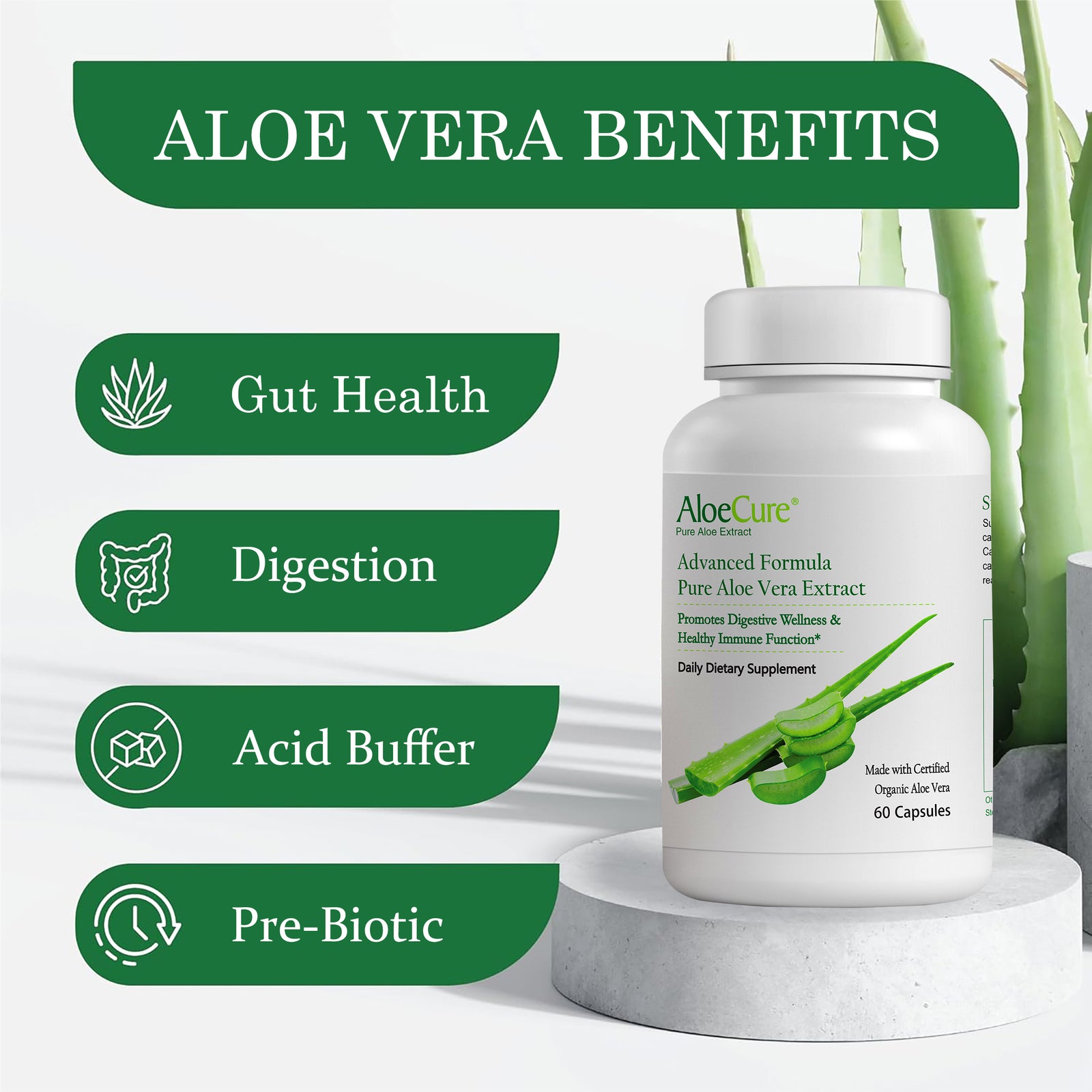
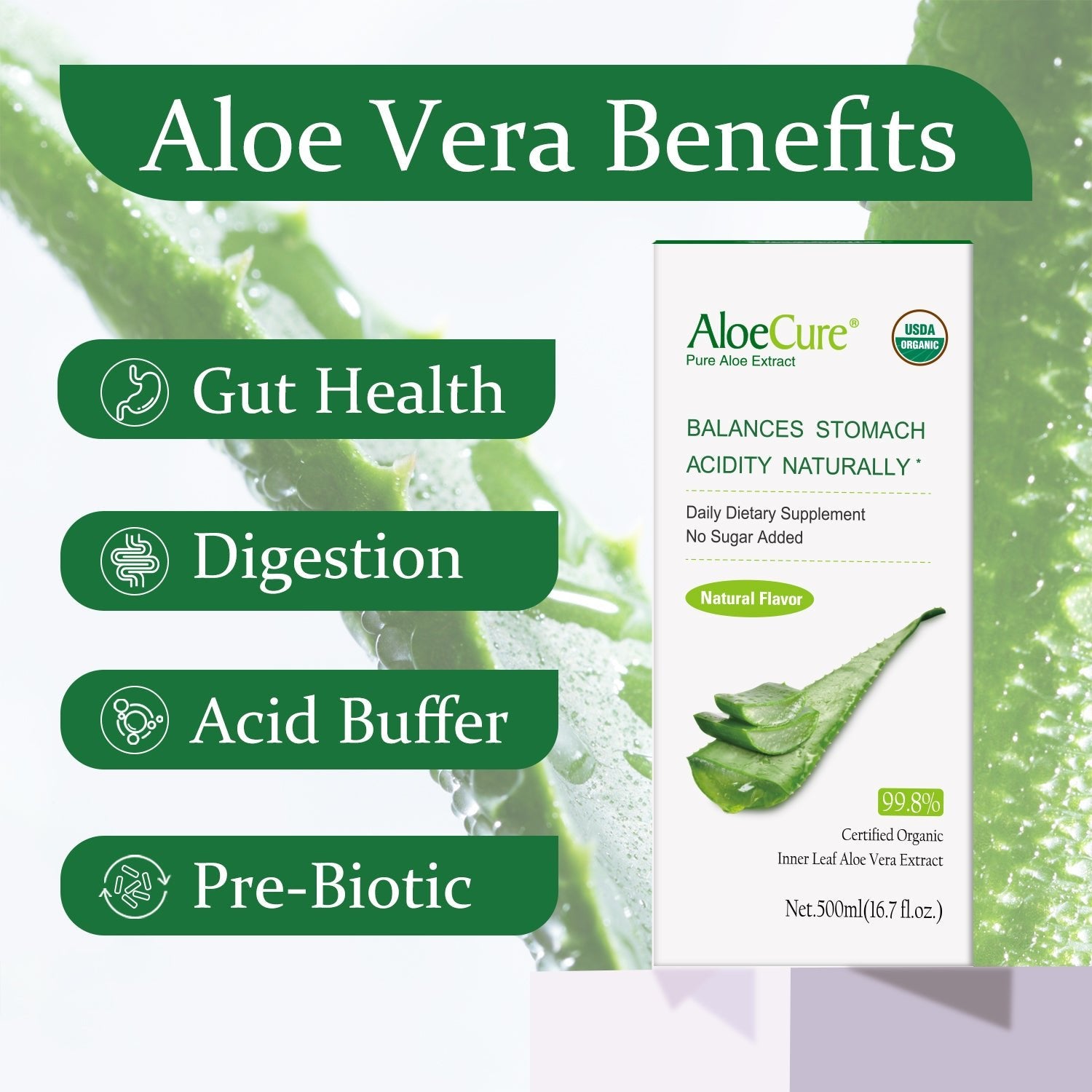
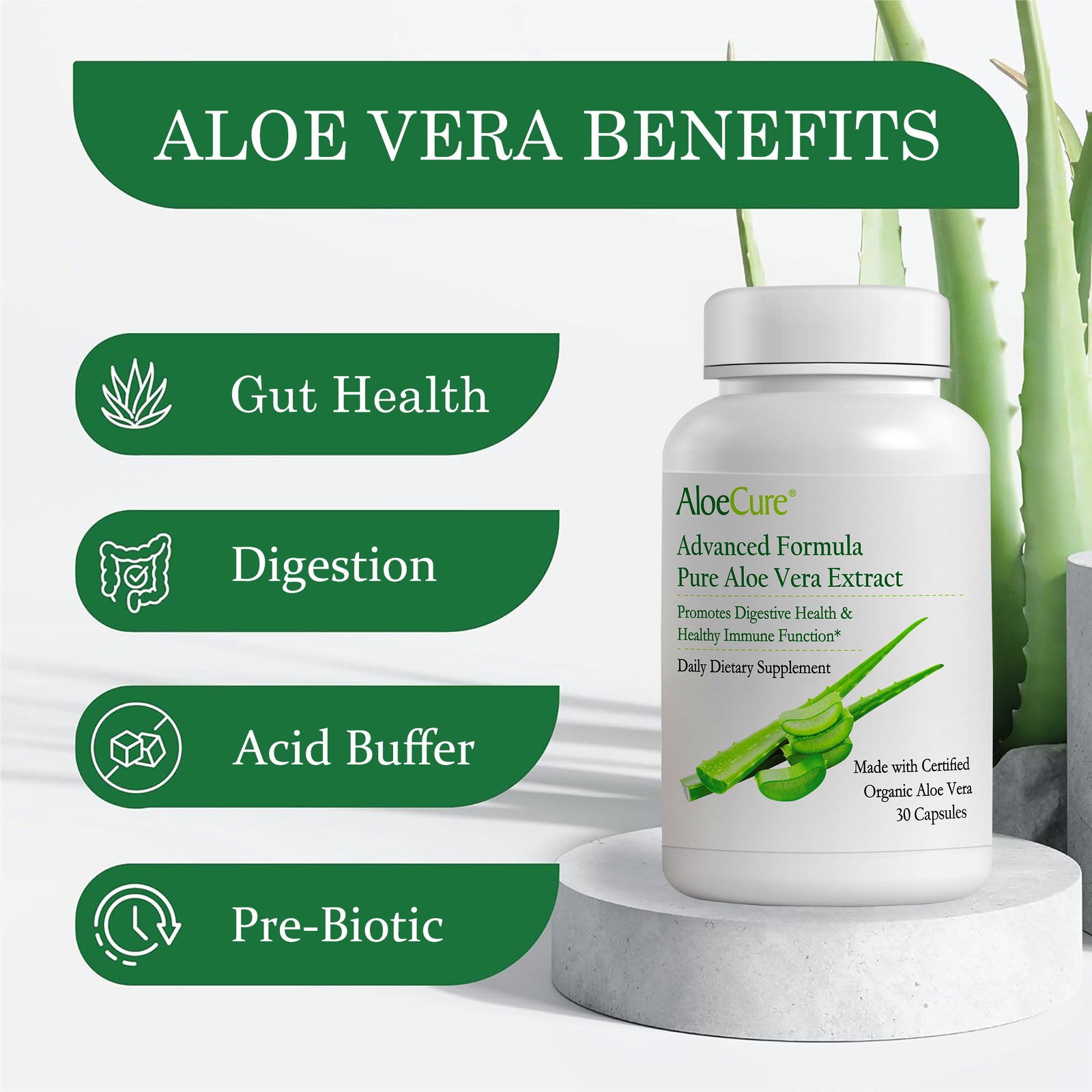
Long valued in traditional wellness practices, pure aloe vera juice is a powerful tool for supporting digestive health. Derived from the inner gel of the Aloe barbadensis Miller plant, this juice is rich in polysaccharides and amino acids that promote digestive comfort and help maintain a healthy gut environment. When processed correctly, without harsh chemicals or charcoal filtration, aloe vera retains its full spectrum of bioactive compounds.

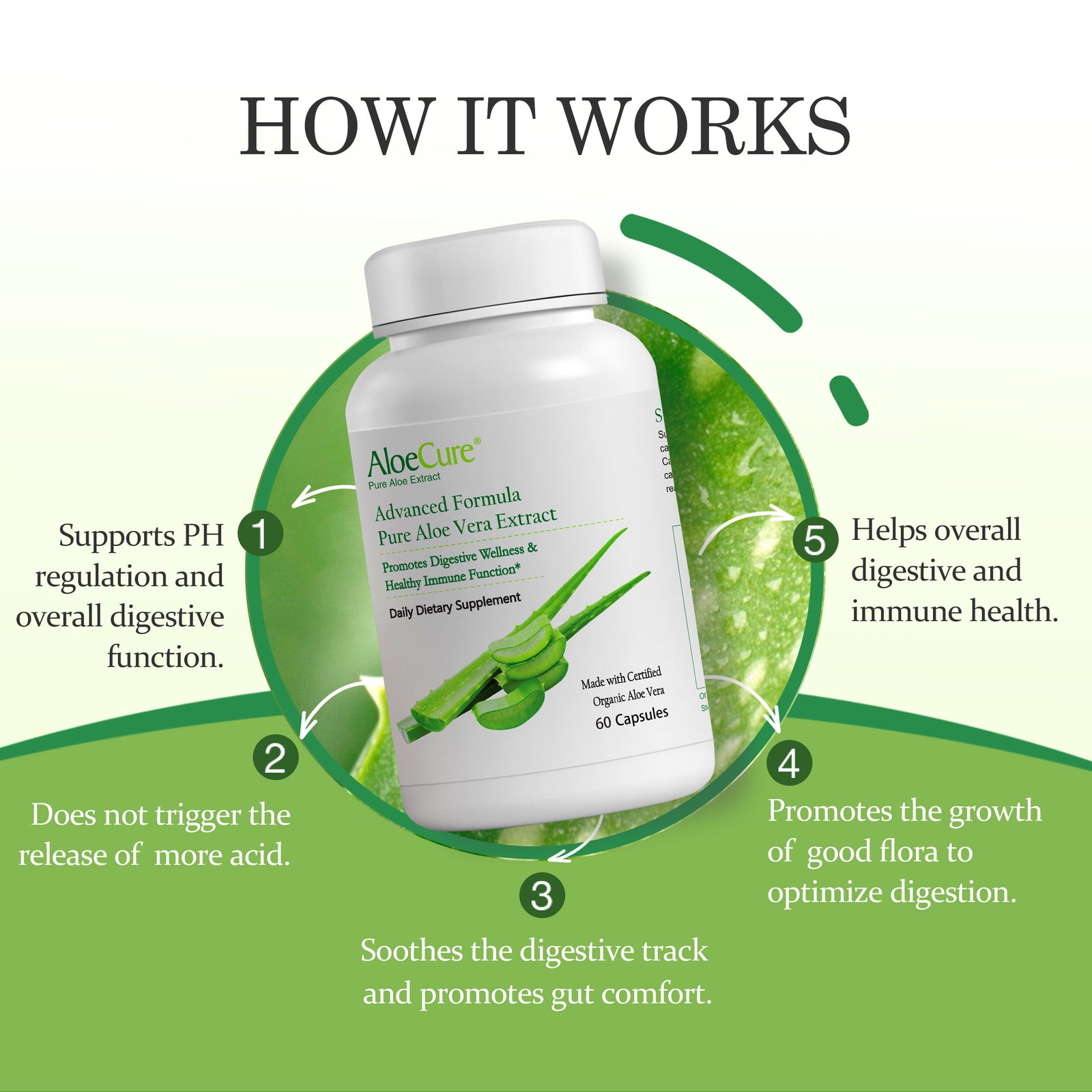
This plant-based drink supports the lining of the digestive system and the body's natural production of beneficial mucus. It also assists in maintaining a healthy pH balance within the gut, creating an ideal setting for your beneficial gut flora to flourish. This is one of the key natural ways to improve gut health because it supports the foundational environment of your digestive system.
Not all aloe products are created equal. The quality and purity are paramount for experiencing its benefits.
Look for Purity: Choose USDA Organic certified aloe vera juice to ensure it is grown and processed without synthetic pesticides or chemicals. Companies like AloeCure, which are vertically integrated, control the entire process from farming to bottling, ensuring maximum potency and purity.
Start Simple: Begin with a daily serving of 2-3 ounces, preferably in the morning on an empty stomach. This allows the juice to work without interference from other foods.
Be Consistent: Like many natural approaches, consistency is crucial. Maintain daily use for at least 30 days to fully support your system. Many users report noticing positive changes in digestive comfort within two to four weeks.
Find a Flavor You Like: If the natural, slightly bitter taste of pure aloe is not for you, try a high-quality flavored version, such as Grape or Lemon, to make your daily routine more enjoyable.
By choosing a trusted brand with a long history of organic farming, you ensure the aloe vera you consume is bioactive and effective. To explore the connection further, you can learn more about aloe vera and gut health here.
Prebiotics and probiotics work together to support a balanced and thriving gut microbiome. Probiotics are live beneficial microorganisms found in fermented foods, while prebiotics are specific plant fibers that act as fuel for these good bacteria. Consuming both creates a synergistic effect, helping to populate your gut with beneficial flora and providing them with the nourishment they need to flourish, which is a foundational component of digestive wellness.

This powerful combination supports the body's natural digestive processes and assists with nutrient absorption. A gut environment rich in diverse, beneficial bacteria is essential for maintaining overall wellness. Incorporating these foods is one of the most effective natural ways to improve gut health because it directly nourishes the ecosystem within your digestive system.
Adding these gut-friendly foods to your diet can be simple and delicious with the right approach.
Focus on Fermented Foods: Aim for two to three servings of probiotic-rich foods daily. Excellent choices include yogurt, kefir, kombucha, sauerkraut, kimchi, tempeh, and miso. When possible, select unpasteurized versions to ensure the cultures are live and active.
Boost Your Fiber: Include 15-30 grams of prebiotic fiber in your daily diet. You can find this in foods like garlic, onions, leeks, asparagus, and bananas.
Start Gradually: If you are new to fermented foods, introduce them slowly. This gives your system time to adjust to the new influx of beneficial bacteria and helps maintain digestive comfort.
Combine for a Synergistic Effect: For comprehensive support, consider combining probiotics and prebiotics. A quality supplement like AloeCure's Pre+Probiotic & Digestive Enzyme Capsules offers a convenient way to get both in one formula.
Pairing prebiotic and probiotic foods with a daily serving of pure aloe vera juice can further support a healthy gut environment, as aloe helps to support the digestive system and create ideal conditions for beneficial flora to thrive. To understand their distinct roles, you can learn more about the difference between probiotics and prebiotics here.
Dietary fiber is essential for a thriving digestive system, serving as the primary fuel source for your beneficial gut bacteria. A fiber-rich diet encourages microbial diversity and the production of beneficial compounds that support the health of your gut lining. This plant-based nutrient comes in two main forms: soluble fiber, which forms a gel-like substance to nourish good bacteria, and insoluble fiber, which adds bulk to support regular bowel movements.
Making fiber a priority is one of the most effective natural ways to improve gut health because it directly feeds the ecosystem within you. When gut microbes metabolize fiber, they produce short-chain fatty acids (SCFAs) that nourish the cells of your gut wall and help maintain a healthy gut environment. A gradual increase is key, as it allows your microbiome time to adjust, which promotes digestive comfort.
A slow and steady approach ensures your system adapts comfortably. The goal is to build up to the recommended 25-35 grams per day without overwhelming your digestive system.
Start Small: Begin by adding just one high-fiber food to your day, such as a cup of berries with breakfast (about 8g of fiber) or a half-cup of beans at lunch (about 7g).
Drink Plenty of Water: Fiber works best when well-hydrated. Aim for at least 8-10 glasses of water daily to help it move smoothly through your system and support its function.
Spread it Out: Avoid consuming all your fiber in one large meal. Instead, incorporate fiber-rich foods into each meal and snack to provide a steady supply for your gut microbes.
Pair with Aloe: During this transition, pairing your high-fiber meals with a serving of pure aloe vera juice can support digestive comfort and create an ideal synergy for gut wellness.
A gradual increase of about 5 grams of fiber per week is a sustainable pace for most people. This allows your gut microbiome to adapt, maximizing the benefits while minimizing potential discomfort.
Giving your digestive system intentional periods of rest is a powerful strategy for supporting gut health. Intermittent fasting, or time-restricted eating, aligns your meals with your body's natural daily cycles, known as circadian rhythms. This approach isn't about what you eat, but when you eat, allowing for extended breaks that support the gut’s natural repair and maintenance processes.
This method of meal timing works by synchronizing your digestive activity with your internal biological clock. When you eat, your gut is active; when you fast, it can focus on housekeeping functions. Aligning your eating window with daylight hours and avoiding late-night meals helps optimize digestive enzyme production and supports gut motility, contributing to a more balanced internal environment. This is one of the most effective natural ways to improve gut health because it supports the body's innate regenerative cycles.
Adopting a time-restricted eating schedule can be simple with a gradual approach. The key is finding a rhythm that fits your lifestyle.
Start Gradually: Begin with a 12 to 14-hour fasting window, which is often as simple as finishing dinner earlier and having a slightly later breakfast. You can slowly extend this period as your body adjusts.
Stay Hydrated: During your fasting periods, it's essential to drink plenty of water, herbal tea, or black coffee. Proper hydration supports your body’s natural cleansing processes.
Align with Your Day: Try to consume your meals during daylight hours and finish eating at least two to three hours before bedtime. This allows your digestive system to rest overnight. For example, a 16:8 schedule could involve an eating window from 12 p.m. to 8 p.m.
Nutrient-Dense Meals: Focus on eating well-balanced, nutrient-rich foods during your eating window to ensure your body gets the nourishment it needs. To help you structure your eating windows effectively, you might find an intermittent fasting calculator beneficial.
To further support your digestive system, consider taking pure aloe vera juice at the start of your eating window. This can help prepare your stomach for a comfortable and efficient digestive experience.
Certain foods can challenge the delicate balance of your digestive system. Processed foods high in refined sugars, certain oils, and artificial additives may contribute to an environment where beneficial gut bacteria struggle to thrive. Addressing your diet is a direct way to support digestive wellness and is one of the most effective natural ways to improve gut health.
Identifying and minimizing your personal trigger foods allows your digestive system to function more comfortably. This process involves paying close attention to how your body responds to different foods, helping you create a diet that supports a calm and balanced gut. Reducing your intake of these challenging foods can help maintain a healthy intestinal barrier and promote a flourishing internal ecosystem.
A systematic approach can help you pinpoint which foods are not serving your digestive health and build a diet that makes you feel your best.
Keep a Food and Symptom Journal: Before making any changes, track what you eat and how you feel for one to two weeks. Note your digestion, energy levels, and overall comfort. This can reveal patterns you might not have noticed.
Try an Elimination Phase: Start by removing common culprits like gluten, dairy, and highly processed foods containing high-fructose corn syrup and artificial sweeteners for 4-6 weeks. This gives your system a break.
Reintroduce Foods Methodically: After the elimination period, reintroduce one food group at a time. Eat a small amount of the food and wait 3-5 days to monitor for any changes in your digestive comfort or well-being before trying the next food.
Support Your System: During this process, you can support your body’s natural ability to maintain a healthy gut lining. Many AloeCure users pair this dietary approach with daily aloe vera juice to promote digestive comfort and support the body's natural processes.
By systematically identifying your personal food sensitivities, you can create a sustainable diet that promotes long-term gut balance and overall wellness. For more guidance, you can explore a list of foods to be mindful of.
Proper hydration is a cornerstone of digestive wellness, yet it's often overlooked. Water is essential for nearly every digestive process, from helping to break down food and absorb nutrients to supporting the mucosal lining of the intestines and ensuring smooth, regular bowel function. Consistent fluid intake is one of the most fundamental natural ways to improve gut health, as it creates the optimal environment for your entire system to operate efficiently.
When the body is dehydrated, digestive processes can slow down, leading to discomfort and occasional constipation. Filtered water helps by removing contaminants that could otherwise disrupt the delicate balance of your gut microbiome. Furthermore, certain herbal teas, such as ginger, chamomile, and peppermint, offer additional compounds that support the digestive system and its natural functions, making them excellent complements to plain water.
Integrating purposeful hydration into your day can significantly support digestive comfort and efficiency.
Follow the Guideline: A common recommendation is to drink half your body weight in ounces of water daily. For a 160-pound person, that would be 80 ounces of water.
Filter Your Water: Use a quality water filtration system, such as one with activated charcoal or reverse osmosis, to reduce exposure to chlorine and other chemicals that may affect your gut flora.
Sip Herbal Teas: Incorporate herbal teas known for their digestive-supporting properties. Ginger tea can assist with digestive motility, while peppermint and chamomile are excellent for promoting a sense of calm and supporting occasional digestive upset.
Enhance Your Routine: For synergistic benefits, consider mixing your daily serving of AloeCure Aloe Vera Juice with a glass of water or a cooled herbal tea. This combines the hydrating properties of the liquid with the gut-supporting polysaccharides of pure, organic aloe.
By making clean water and supportive herbal teas your primary beverages, you provide your digestive system with the foundational support it needs to function at its best. This simple habit can lead to noticeable improvements in overall digestive wellness.
The connection between your mind and your digestive system is a powerful one. This gut-brain axis is a constant two-way communication system between your central nervous system and what many call the "second brain" in your gut. Chronic stress can disrupt this communication, affecting digestive function, stomach acid balance, and the environment where your beneficial gut bacteria live. Mind-body practices are one of the most effective natural ways to improve gut health by supporting this crucial connection.

Techniques like meditation, yoga, and guided breathwork help activate the parasympathetic nervous system, often called the "rest-and-digest" state. This shift helps promote healthy acid production, supports gut motility, and fosters a balanced gut microbiome. By managing stress, you are not just calming your mind; you are creating a more favorable environment for your digestive system to function at its best.
Integrating these practices into your daily life can be simple and does not require a huge time commitment. Consistency is more important than duration.
Start Small with Meditation: Begin with just 5 to 10 minutes of guided meditation each day. Apps like Insight Timer or Headspace can provide structure. Many people find combining this practice with their morning aloe vera juice creates a powerful routine for starting the day.
Incorporate Gentle Yoga: Aim for 3-4 yoga sessions per week. Focus on poses that support digestion, such as gentle twists and forward folds like Child's Pose, which can increase blood flow to the digestive organs.
Use Breathwork Before Meals: Practice a simple breathing technique like the 4-7-8 method (inhale for 4 seconds, hold for 7, exhale for 8) before eating. This helps prime your body for digestion.
Track Your Progress: Keep a simple journal to note how your stress levels and digestive comfort change as you stick with these practices. This can help you identify patterns and reinforce the habit.
Managing the body's response to stress is as fundamental to gut wellness as nutrition. These practices directly support the nervous system, which in turn helps maintain a healthy digestive environment.
Your intestinal lining is a critical gateway that plays a major role in overall wellness. This delicate barrier, held together by special proteins, is essential for maintaining a balanced internal environment. Providing the body with foundational building blocks like collagen and key amino acids is one of the most effective natural ways to improve gut health, as it directly supports the integrity of this important lining.
The amino acids glutamine, glycine, and proline, which are abundant in collagen, are essential for maintaining the structure and function of the intestinal wall. A well-supported intestinal barrier helps keep your system running smoothly and promotes a comfortable digestive experience. Supporting this barrier helps ensure your gut microbiome can thrive in a stable, healthy environment.
Incorporating these structural proteins into your routine is straightforward and can be adapted to your lifestyle.
Integrate Collagen Peptides: A daily serving of 10-20 grams of collagen peptides is a common starting point. Look for powders from grass-fed, pasture-raised sources for a high-quality nutrient profile. These powders are often tasteless and dissolve easily in coffee, smoothies, or even warm water.
Embrace Bone Broth: Consuming two cups of high-quality bone broth daily can provide a rich source of naturally occurring collagen and amino acids. It’s a nourishing and traditional way to support your system.
Combine for Added Support: Pair your collagen intake with vitamin C, which is known to assist the body’s natural collagen synthesis processes. You can also find products that combine collagen with other beneficial ingredients, such as the AloeCure Melatonin + Collagen Sleep Support Capsules, for convenient, multi-faceted wellness support.
Stay Consistent: Give your body time to respond. Consistent daily use for at least four weeks is key to supporting the intestinal barrier and noticing a positive shift in digestive comfort.
A strong intestinal barrier is foundational to digestive wellness. By supplying your body with the amino acids it needs through sources like collagen, you are directly investing in the long-term health and resilience of your entire digestive system.
The digestive process begins long before food reaches your stomach; it starts in your brain. Practicing mindful eating habits allows your body to fully prepare for digestion by activating the parasympathetic nervous system, often called the "rest and digest" state. When you eat slowly and without distraction, your body naturally increases saliva production and the secretion of digestive enzymes, setting the stage for optimal nutrient absorption.
Rushing through meals can trigger the body’s "fight or flight" response, which redirects resources away from digestion. This can contribute to digestive discomfort and poor nutrient uptake. Mindful eating is one of the most effective natural ways to improve gut health because it optimizes your body's innate digestive functions from the very first bite, leading to greater comfort and a more balanced gut environment.
Integrating mindfulness into your meals is a simple behavioral change with a significant impact on your digestive wellness.
Chew Thoroughly: Aim to chew each bite 30 to 40 times before swallowing. This mechanical breakdown of food reduces the workload on your stomach and improves nutrient availability.
Remove Distractions: Eat your meals away from screens like phones, televisions, and computers. Focusing solely on your food allows you to better recognize your body's hunger and fullness signals.
Slow Your Pace: Set aside at least 20-30 minutes for each meal. To help slow down, consciously put your utensils down on the plate between bites.
Prepare Your System: For additional digestive support, consider taking a serving of pure AloeCure aloe vera juice about 15-20 minutes before your meal. This helps prepare the digestive system and supports a healthy gut lining.
By simply changing how you eat, not just what you eat, you can profoundly influence your digestive comfort and efficiency. Starting with just one mindful meal a day can create a positive ripple effect throughout your entire system.
While often part of social routines, alcohol and excess caffeine can significantly disrupt the delicate balance of your digestive system. Both substances can interfere with the gut’s protective lining, alter the composition of beneficial gut flora, and increase stomach acid production, which may lead to occasional digestive discomfort. Making mindful choices about their consumption is one of the most effective natural ways to improve gut health.
Alcohol can directly impact the populations of good bacteria and may affect gut barrier integrity. Similarly, high caffeine intake can stimulate excess acid and activate the body's stress response, which diverts energy away from proper digestion. By reducing your intake, you create a more stable and supportive environment for your gut to function optimally.
Thoughtful reduction, rather than sudden elimination, can make the transition smoother and more sustainable for your lifestyle.
Start with a Reset: Consider a 30-day break from alcohol to give your gut environment a chance to rebalance. Many people notice a significant shift in digestive comfort and overall well-being during this period.
Reduce Caffeine Gradually: To avoid withdrawal headaches, slowly cut back on your caffeine intake. Replace one of your daily coffees with a gut-friendly herbal tea like chamomile, ginger, or peppermint. Aim to reduce daily intake from over 200 mg to a more moderate 50-100 mg.
Find Healthy Swaps: Explore alternatives to your usual drinks. Sparkling water with a squeeze of lime, kombucha, or herbal teas can replace an alcoholic beverage. An afternoon glass of AloeCure Aloe Vera Juice can provide a refreshing lift without the effects of caffeine.
Time It Right: Confine any caffeine consumption to the morning hours, preferably before noon. This helps preserve your natural sleep-wake cycle, which is closely linked to healthy digestive function.
Moderating stimulants allows the gut’s natural supportive processes to take priority. This simple lifestyle adjustment can yield profound benefits for digestive balance and comfort, especially when combined with other gut-supportive habits.
| Approach | Implementation Complexity 🔄 | Resource & Time ⚡ | Expected Outcomes ⭐ / Impact 📊 | Ideal Use Cases 💡 | Key Advantages ⭐ |
|---|---|---|---|---|---|
| Consume Pure Aloe Vera Juice | Low 🔄 — simple daily beverage | Low ⚡ — purchase/prep; consistent use 2–12 weeks | Moderate ⭐ — supports gut comfort, prebiotic support (2–4 weeks) | pH balance, general wellness, complement to protocols | Preserves bioactivity; gentle plant-based support |
| Incorporate Prebiotic & Probiotic Foods | Moderate 🔄 — diet changes + sourcing | Moderate ⚡ — daily servings; some prep | High ⭐⭐ — supports microbial diversity & SCFA production | Immune support, long-term microbiome care | Natural, broad-spectrum microbiome benefits |
| Increase Dietary Fiber Intake Gradually | Low–Moderate 🔄 — gradual habit change | Low ⚡ — food-based; adapt 2–3 weeks | High ⭐ — supports regularity, feeds beneficial bacteria | Occasional constipation, low-fiber diets, weight management | Sustained microbiome fuel; metabolic benefits |
| Intermittent Fasting & Circadian Alignment | Moderate–High 🔄 — scheduling + behavior change | Low ⚡ — no product cost; adaptation 2–3 weeks | High ⭐ — supports metabolic markers, digestive rest | Overweight, circadian misalignment, general wellness | Promotes autophagy, digestive rest, insulin sensitivity |
| Reduce Challenging & Trigger Foods | High 🔄 — elimination + tracking required | Moderate ⚡ — 4–8 week protocol; planning | High ⭐ — rapid comfort improvement; identifies triggers | Suspected food sensitivities, general wellness | Supports root causes; can lead to quick comfort improvement |
| Stay Hydrated with Filtered Water & Herbal Teas | Low 🔄 — simple daily habit | Low ⚡ — filter/tea; ongoing consistency | Moderate ⭐ — immediate digestion and stool benefits | Dehydration-related constipation, general wellness | Cost-effective; supports mucus, pH, and elimination |
| Manage Stress: Meditation, Yoga, Breathwork | Moderate 🔄 — practice and consistency | Low ⚡ — time investment daily; benefits in weeks | Moderate–High ⭐ — supports gut-brain axis, motility | Stress-related digestive issues, sleep disturbances | Low cost long-term; helps body adapt to everyday stress |
| Support Intestinal Barrier with Collagen & Amino Acids | Low 🔄 — consume supplements/foods | Moderate ⚡ — daily dosing/cost; effects 2–4 weeks | High ⭐ — supports mucosal repair and barrier function | Malabsorption concerns, post-systemic challenges | Targets barrier support; also benefits skin/joints |
| Eat Slowly & Practice Mindful Eating | Low–Moderate 🔄 — intentional habit change | Low ⚡ — time at meals; immediate practice | Moderate ⭐ — immediate digestion improvement | Discomfort after eating, overeating, satiety issues | No cost; immediate effects on digestion and satiety |
| Limit Alcohol & Avoid Excess Caffeine | Moderate 🔄 — lifestyle and social change | Low ⚡ — habit change; benefits in days–weeks | High ⭐ — supports barrier, reduces occasional discomfort | Sleep/circadian problems, general wellness | Rapid comfort improvement; supports microbiome balance |
Your journey toward better digestive wellness is not about a single, dramatic change, but rather a collection of mindful, consistent choices that compound over time. Throughout this guide, we've explored ten powerful, natural ways to improve gut health, each one a piece of a larger puzzle. From the foundational importance of prebiotic and probiotic foods to the subtle yet significant impact of mindful eating and stress management, you now have a robust toolkit for supporting your internal ecosystem.
The core message is one of integration. Simply increasing your fiber intake without also managing your stress levels might not yield the results you desire. Likewise, incorporating high-quality supplements can be beneficial, but their effectiveness is greatly supported by a foundation of proper hydration and the reduction of foods that challenge your system. Each strategy works in concert with the others, creating a synergistic effect that nurtures your digestive system from multiple angles. This integrated method empowers you to build a resilient gut environment that supports your overall vitality and well-being.
As you move forward, keep these central principles in mind. They are the cornerstones of building a sustainable, gut-supportive lifestyle.
Consistency Over Intensity: Small, daily actions are more impactful than infrequent, drastic measures. A daily glass of aloe vera juice, a short walk after dinner, or a few minutes of deep breathing will create more lasting change than a week-long, extreme "cleanse."
Personalization is Paramount: Your body is unique. The strategies that work wonders for one person may not be the perfect fit for you. Pay close attention to how your body responds as you introduce new foods or habits. Use a journal to track your progress and identify which approaches make you feel your best. This is your personal path to wellness.
Patience and Persistence: The microbiome did not become imbalanced overnight, and restoring its harmony takes time. Be patient with your body as it adapts. Celebrate small victories, like noticing more digestive comfort after a meal or feeling more energized throughout the day. These are signs that your consistent efforts are paying off.
To turn knowledge into action, focus on implementing one or two new habits at a time. A great starting point is to introduce a premium, pure aloe vera juice into your morning routine. At AloeCure, we understand that purity directly translates to efficacy. That’s why we are fully vertically integrated, controlling every step of the process from our organic aloe farms to the final product. We harvest and process our aloe within 12 hours, using a proprietary, chemical-free method that preserves the vital nutrients. This commitment ensures you receive a product of exceptional quality to support your digestive health goals.
Remember, every meal, every moment of mindfulness, and every glass of water is an opportunity to nourish your gut. By embracing these natural ways to improve gut health, you are investing in your long-term wellness, promoting daily comfort, and supporting your body’s inherent ability to thrive. You are in control of this journey, and every positive choice is a step in the right direction.
Ready to give your gut the premium support it deserves? Discover the AloeCure difference by exploring our USDA Organic Aloe Vera Juices and targeted digestive support capsules. Visit AloeCure.com today and sign up for our Subscribe & Save program to receive 20% off your order.
These statements have not been evaluated by the Food and Drug Administration. This product is not intended to diagnose, treat, cure, or prevent any disease.
Les commentaires sont approuvés avant leur publication.