Votre panier est vide

Why does liver cleansing olive oil sound so convincing, even when the idea behind it doesn't hold up well?
Individuals aren't looking for a fad. They're looking for a simple way to feel lighter, eat better, and support normal liver function after periods of stress, heavy meals, or inconsistent habits. That instinct makes sense. The problem is that the internet often turns that good intention into dramatic routines built around large amounts of olive oil, citrus juice, and promises that don't match what careful nutrition guidance supports.
Olive oil does have a place in a healthy lifestyle. But its value comes from how it fits into an overall eating pattern, not from a one-night flush or a harsh protocol. That distinction matters because it changes what you should do in real life. Instead of chasing a quick reset, you can make choices that support your body's natural processes in a steady, safer way.
Searches for liver support often rise when people feel off track. Maybe meals have been heavier than usual. Maybe energy feels low. Maybe digestion feels unsettled. In that moment, a protocol built around olive oil can seem appealing because it sounds natural, familiar, and easy to try at home.
The appeal usually rests on three ideas. First, olive oil has a healthy reputation. Second, citrus juice sounds fresh and “clean.” Third, the routine feels active, as if you're doing something direct for your body instead of waiting for gradual change.
Popular wellness routines often succeed because they offer a story people can picture. Drink this. Skip that. Wake up renewed. That's much easier to market than “support healthy body function through consistent food and lifestyle habits.”
People also tend to confuse supporting normal liver function with forcing the body through a special cleansing event. Those are not the same thing. Your liver already performs complex, ongoing work every day. It doesn't need a dramatic ritual to start doing its job.
Practical rule: If a wellness routine promises a fast internal reset from one ingredient alone, slow down and look for the actual mechanism.
A common misunderstanding is this: if olive oil is a smart food choice, then a very large amount of olive oil must be even better. Nutrition rarely works that way. A food can support wellness in a balanced context and still be a poor idea when used in excess or in a rigid protocol.
Another point of confusion is the word “cleanse” itself. In everyday marketing, it suggests that a food can sweep out unwanted buildup. In evidence-based nutrition, olive oil is better understood as a food-based source of healthy fats that can support metabolic balance when used regularly as part of a thoughtful diet.
That shift in language matters because it points you away from extreme routines and toward habits your body is capable of handling.
If you've looked up liver cleansing olive oil plans online, you've probably seen a similar pattern. The details vary, but the general routine usually combines a large serving of olive oil with citrus juice, often taken at a very specific time and sometimes alongside fasting or very light eating.
A practical overview from Learn Olive Oil's liver cleanse guide shows the kind of method many people encounter when researching this topic. The details may look polished, but the basic structure is usually familiar across many websites.
Most versions involve some combination of the following:
Some versions are tied to fasting culture as well. If you want context on how restrictive eating patterns differ, AloeCure's overview of different types of fasts can help separate structured fasting from trend-based oil routines.
People who recommend these plans often say the mixture encourages the body to release built-up material and that what appears afterward is evidence the protocol worked. That claim is a major reason the routine remains popular. It gives people something visible, which makes the experience feel persuasive.
But “visible” doesn't automatically mean “proof.” That's one of the biggest traps with wellness trends. A dramatic outcome can feel meaningful even when the interpretation behind it is shaky.
The stronger the ritual feels, the more important it is to ask whether the explanation actually matches human physiology.
These routines often combine three persuasive elements:
| Feature | Why it feels persuasive | Why that can mislead |
|---|---|---|
| Olive oil | It already has a healthy image | Healthy food use isn't the same as a high-dose protocol |
| Citrus juice | It feels fresh and cleansing | Fresh taste doesn't prove a special internal action |
| Next-day changes | People can see something happened | Seeing an effect doesn't confirm the online explanation |
The key issue isn't whether olive oil is a wholesome food. It can be. The issue is whether a concentrated protocol does what people think it does. That's where the gap between internet advice and evidence becomes obvious.
The strongest case for olive oil has nothing to do with a flush. It comes from nutrition research on how olive oil functions inside a broader eating pattern.
A 2009 NIH-indexed review summarized multiple studies showing that an olive oil-rich diet can decrease triglyceride accumulation in the liver and improve insulin resistance. The same review also noted that research moved during the 2000s away from cleansing language and toward evidence-based management of fat buildup through diet, especially within Mediterranean-style eating patterns (NIH review).

Many readers misunderstand this point. Olive oil isn't useful because it “scrubs” or “flushes” anything. It's useful because, in the right dietary context, it can help support healthier fat handling and metabolic function.
The same NIH review described several relevant effects of olive oil-rich eating patterns:
Those are nutrition and metabolism ideas. They are not mechanical cleansing claims.
A single ingredient rarely explains a health outcome by itself. Olive oil tends to show up in a pattern that also includes vegetables, legumes, whole foods, and a lower reliance on heavily processed fats.
That's important because people often copy one visible part of a traditional eating style and ignore the whole structure around it. Taking olive oil by itself in a large dose isn't the same as regularly using it in place of less supportive fats at meals.
Here's the simplest way to understand this:
| Approach | Main idea |
|---|---|
| Popular olive oil cleanse routine | One-time high intake for a dramatic effect |
| Evidence-based olive oil use | Regular food-based use within a balanced eating pattern |
Olive oil works best as part of daily eating, not as a one-night event.
If you want to support normal liver and metabolic function, olive oil makes more sense on roasted vegetables, salads, beans, grains, or simple home-cooked meals than in a highly choreographed ritual. That's less dramatic, but it aligns with the way nutrition research talks about olive oil.
The message isn't disappointing. It's more practical. Olive oil can be a helpful part of a sustainable routine. It just isn't a shortcut.
A routine can sound natural and still be a poor fit for many people. That's especially true when the protocol asks you to take a large amount of oil at once, often on an empty stomach and often with the expectation that discomfort means it's working.
Many websites recommend olive oil first thing in the morning or mixed with lemon. But a medical-style overview notes that these practices lack strong clinical evidence and may be counterproductive for people with certain digestive sensitivities. The broader wellness conversation, it says, is moving away from cleansing language and toward metabolic health and realistic guidance (medical-style guidance on fast liver support).

Olive oil is a food. That doesn't mean every way of using it is easy on the body. Large servings can leave some people feeling nauseated, urgent, or generally miserable, especially when the routine is paired with restrictive eating or strong expectations about what should happen next.
The confusion gets worse when people interpret every reaction as proof the method is doing something beneficial. Sometimes a reaction is just a reaction.
A second concern is delay. When people become convinced that a trend protocol explains every symptom, they may keep repeating it instead of getting proper guidance for ongoing issues.
Instead of asking, “Did something dramatic happen after I drank the oil?” ask, “Does this routine support normal body function in a steady, evidence-aware way?”
That question changes everything. It moves you away from spectacle and toward sustainability.
If a plan depends on discomfort, urgency, or dramatic next-day results to seem credible, that's a warning sign, not a selling point.
The safest interpretation of liver cleansing olive oil trends is simple. Olive oil may support wellness as a food. That does not make high-dose cleanse routines a smart experiment.
If the quick-fix version doesn't make sense, what does?
Start with the approach that keeps showing up in credible nutrition guidance: daily food choices, movement, hydration, and consistency. That may not sound exciting, but it's the version people can maintain.
One of the clearest examples is the Mediterranean-diet model. The Fatty Liver Foundation's summary of the PREDIMED milestone notes that participants used 4 tablespoons per day of extra virgin olive oil, and that amount was selected because studies had already suggested benefits for liver health (PREDIMED summary).

That PREDIMED detail matters because it gives you a food-based benchmark rather than a vague promise. It frames olive oil as something used consistently in meals, not as a dramatic one-time event.
A practical framework looks like this:
If you want more meal-building ideas, AloeCure's article on making antioxidant-rich foods part of every meal offers practical ways to structure everyday plates.
Many people search for liver cleansing olive oil because they want to offset a modern lifestyle that feels heavy. A smarter approach is to lower the inputs that make your routine feel overloaded in the first place.
One example is food packaging and food-contact exposure. If that's an area you're trying to clean up, these Everti tips for a microplastic-free diet can help you make everyday kitchen choices with less guesswork.
A few realistic shifts often matter more than one intense protocol:
| Everyday habit | More supportive option |
|---|---|
| Heavy reliance on packaged foods | More home-prepared meals |
| Random fat choices | Olive oil used intentionally in meals |
| Stop-start wellness efforts | Repeated simple habits |
| Chasing dramatic routines | Building a pattern you can keep |
Here's a short visual overview that complements those habits:
The most helpful use of olive oil is ordinary. That's its strength. It can support a healthier eating pattern, which in turn supports normal metabolic function. Once you understand that, the internet version of the cleanse loses much of its appeal.
People who look into liver cleansing olive oil plans are often trying to solve a broader problem. They want to feel more comfortable after meals, support regular digestive balance, and make their routines feel cleaner and calmer. That's why digestive wellness deserves its own place in the conversation.
A sustainable wellness routine usually includes foods and supplements that fit daily life without turning every meal into a protocol. For many adults, that means focusing on hydration, fiber-rich food choices, and simple plant-based support rather than dramatic experiments.
If you're trying to better understand how fullness and fiber fit into your meals, this guide on does fiber have calories is a useful starting point. It helps clear up a basic nutrition question that affects how many people think about digestion and satiety.
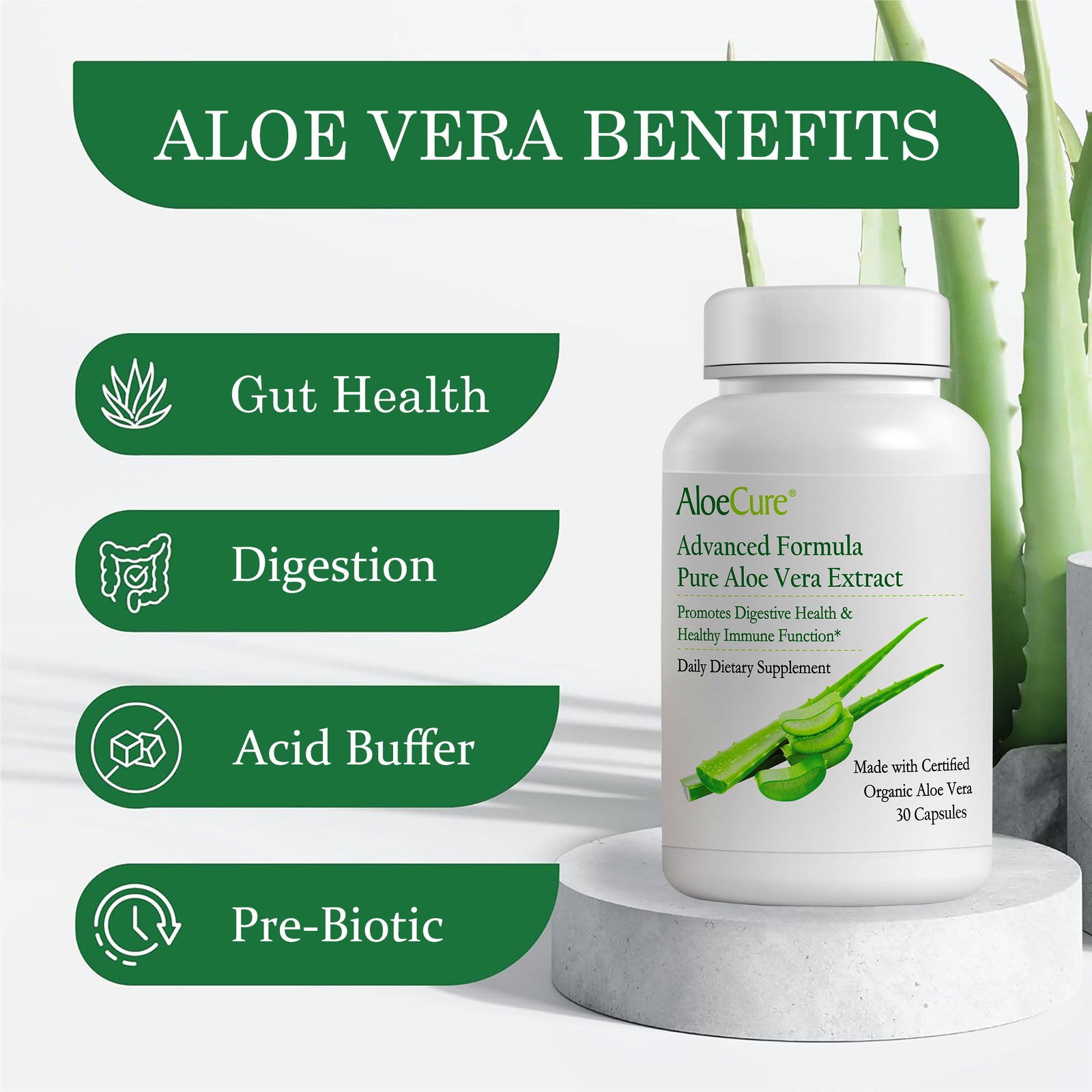
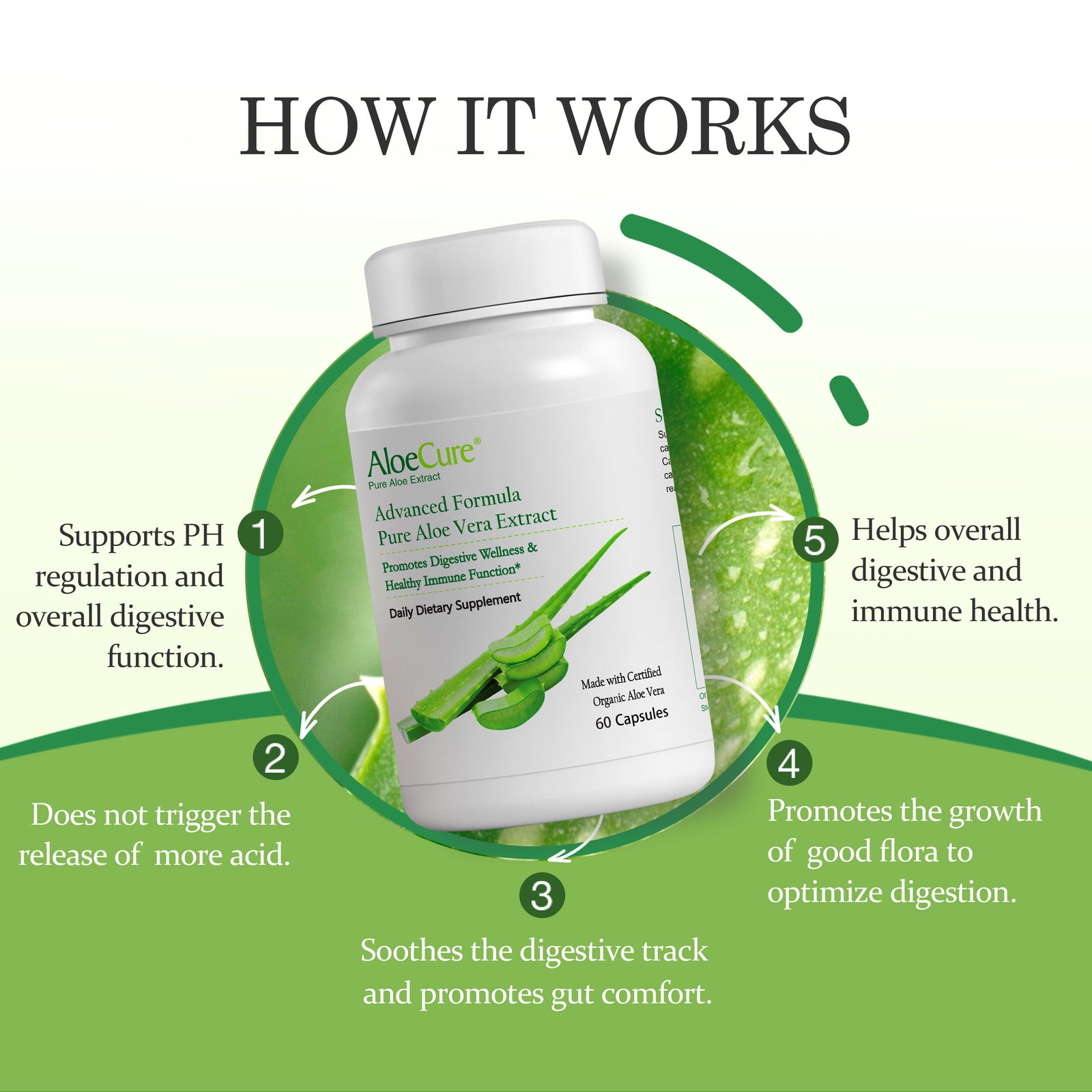
Aloe vera is often used by wellness-minded adults who want gentle support for digestive balance as part of a broader routine. The best use case isn't as a miracle ingredient. It's as one piece of a steady pattern that includes smart meals, hydration, and consistency.
For readers who want a plain-language overview, AloeCure's article on aloe vera for gut health explains how people often include aloe in a digestive wellness plan.
Not all aloe products are handled the same way. When evaluating any supplement, pay attention to how the plant is grown, processed, and preserved. That matters because harsh processing can change the final product.
A few quality questions are worth asking:
Those details don't create dramatic marketing stories. They create better standards.
Better wellness habits usually look less theatrical and more repeatable. That's a good sign.
The key lesson behind liver cleansing olive oil is simple. Olive oil can be a valuable food, but that doesn't make a high-dose cleanse routine a smart strategy. The more useful path is less flashy and far more grounded. Build meals around whole foods, use olive oil in a balanced way, stay active, hydrate, and choose supportive habits you can keep.
If you also want digestive support as part of that routine, look for products made with the same care you'd expect from any wellness staple: clean sourcing, careful processing, and transparent standards.
These statements have not been evaluated by the Food and Drug Administration. This product is not intended to diagnose, treat, cure, or prevent any disease.
If you want plant-based digestive wellness support from a company that controls quality from field to finished product, explore AloeCure. AloeCure is vertically integrated, which means the team farms its own organic aloe, processes it on-site within 12 hours of harvest, and makes its own finished products with a proprietary chemical-free process designed to preserve peak bioactivity. You can shop aloe vera juice and wellness formulas directly, or choose Subscribe & Save for 20% off ongoing orders.
Les commentaires sont approuvés avant leur publication.