Votre panier est vide

You're probably doing what most careful shoppers do. You pick up a supplement bottle, read the front, flip it over, and then hit a wall of tiny print, unfamiliar terms, and polished marketing language. One label sounds clean and simple. Another sounds scientific. A third leans hard on “natural.”
That's where people get stuck.
Learning how to read supplement labels is less about memorizing technical jargon and more about asking the right questions in the right order. When you know what the label must include, what it may hide, and what it doesn't tell you at all, you can choose products that support healthy body function with far more confidence.
A supplement label is a compliance document, a product summary, and a marketing piece all at once. The front of the bottle is designed to catch your eye. The back is where the key information is located.
That story starts with a legal framework. The Dietary Supplement Health and Education Act of 1994 requires supplement labels in the United States to include a Supplement Facts panel, as explained in this overview of DSHEA supplement labeling requirements. That standard matters because it gives you a consistent place to begin, no matter what kind of supplement you're considering.
Front labels often highlight a benefit, a featured ingredient, or a lifestyle message. None of that is useless, but it's incomplete.
Turn the bottle around and look for:
The smartest label readers don't ask, “What is this bottle promising?” They ask, “What is this bottle proving?”
Many guides provide insufficient detail. A clean-looking label can still leave out important context about sourcing and processing. Two bottles can list the same main ingredient while coming from very different manufacturing paths.
For plant-based supplements especially, processing choices shape purity and consistency. A company might use concentrates, enzymes, aggressive filtration, or heavily standardized inputs. Another might handle the raw material in a way that preserves more of the plant's original character. The label may hint at that difference, but it often won't spell it out unless the brand chooses to be transparent.
Don't isolate one line and assume you know the product. A strong label is coherent. The serving size makes sense. The active ingredients are clear. The other ingredients are easy to identify. The claims sound compliant, not theatrical. The company gives you enough detail to understand what you're buying.
That's the mindset that turns a confusing bottle into a readable document.
The Supplement Facts panel is your blueprint. If you only learn one part of how to read supplement labels well, make it this one.
Most label confusion starts here. The bottle may contain capsules, gummies, powder scoops, or liquid servings, but the nutrient amounts only apply to the listed serving size.
A common mistake is taking one capsule from a bottle and assuming the entire panel applies to that single capsule. That happens in 34% of non-prescription supplement users, according to this guide on reading serving sizes on supplement labels.
If the serving size is two capsules and you take one, you're getting half the listed amount.
After serving size, look at % Daily Value or %DV. This tells you how much one serving contributes to a daily diet for nutrients where a Daily Value has been established.
A simple rule helps:
This isn't a universal judgment of “good” or “bad.” It's a quick way to interpret the label. For nutrients you want more of, a higher %DV may be useful. For nutrients you prefer to keep modest, a lower %DV may be the better fit.
Practical rule: Always read the amount per serving and the %DV together. One without the other doesn't give the full picture.
Here's the fast read:
| Label element | What to look for | Why it matters |
|---|---|---|
| Serving Size | Capsules, tablets, teaspoons, or other unit | Defines the dose behind every number on the panel |
| Servings Per Container | Total number of servings in the bottle | Helps you estimate how long the product will last |
| Amount Per Serving | Quantity of each listed nutrient or ingredient | Shows what you're actually taking |
| % Daily Value | Daily contribution where applicable | Gives context for vitamins and minerals |
| Other Ingredients | Capsule materials, flavors, binders, sweeteners | Helps you judge label simplicity |
A shopper may focus on the main panel and skip the rest, but the “Other Ingredients” section often tells you whether the formula is straightforward or padded out with extras.
If you want a deeper look at what “clean label” really means in practice, this article on clean label supplements is a useful companion.
The best labels make it easy to answer one basic question: what am I taking per serving, and what else came along with it?
Some labels are refreshingly direct. Others force you to guess.
That difference becomes obvious when you compare individually listed active ingredients with a proprietary blend.
A transparent supplement lists each active ingredient by name and gives its exact amount per serving. That lets you compare products side by side without guessing.
For example, if you're looking at an aloe-based formula, a transparent label should identify the aloe ingredient clearly and provide the amount per serving. If additional botanicals, enzymes, or supportive nutrients are present, those should be listed individually too. The company may also explain the ingredient form, source, or plant part.
That kind of detail helps you assess bioavailability, formulation logic, and whether the product aligns with your goals. If you want a better sense of why ingredient form matters, this guide to bioavailability of supplements adds helpful context.
A proprietary blend groups multiple ingredients under one shared total weight. You'll usually see the blend named, followed by a combined amount, with the individual ingredients listed underneath in descending order.
What you won't see is how much of each ingredient is inside that total.
That's the issue. A label may feature several appealing ingredients, but without individual amounts, you can't tell whether they're meaningfully dosed or included in trace amounts for label appeal.
Clear formula
Ambiguous formula
A precise label respects the buyer. It lets you compare, question, and decide without needing to contact customer service first.
A short educational walkthrough helps make that distinction easier in real life.
Look just below the main act. “Other Ingredients” often reveals whether a product uses a simple capsule and a few functional excipients or a longer list of colors, sweeteners, fillers, and texture agents.
A shorter list isn't automatically perfect, but it's often easier to understand. And when a company is careful about sourcing, farming, and processing, that restraint often shows up on the label too.
A label can be accurate on paper and still leave important questions unanswered. That's why quality seals and verification tools matter.
They don't replace your own judgment, but they help confirm that a product was made with standards that go beyond attractive packaging.

When you scan a bottle, look for recognized programs such as:
These seals help, but they aren't the whole quality story.
Many shoppers assume “natural” means minimal processing. It often doesn't. Data shows 70% of consumers believe “natural” means free of chemical processing, yet only a small percentage of products are verified for the absence of undisclosed processing agents like charcoal filtration or enzymes, according to this report on the truth about natural supplement products.
That gap matters because processing can affect purity, consistency, and confidence in what you're taking. The front label may emphasize plant origin while saying very little about extraction, concentration, filtration, or handling steps.
If a brand talks a lot about ingredients but says almost nothing about farming, processing, or testing, you still have an incomplete picture.
A Certificate of Analysis, often called a COA, is one of the most useful documents a shopper can ask for. It helps verify identity, strength, and key purity checks for a specific batch.
If you've never looked at one before, public examples such as Herbilabs certificates are helpful because they show what a real COA can look like in practice. You can also learn what quality programs usually check in this overview of third-party testing for supplements.
This is the part the label may not say directly. A brand that controls farming, raw material handling, and manufacturing has more oversight over what happens before the bottle is printed. That doesn't automatically guarantee quality, but it often supports stronger consistency and cleaner traceability.
For aloe products in particular, that matters a lot. How the plant is grown, harvested, processed, and stabilized can shape the final material well before you ever read the Supplement Facts panel.
A label doesn't just tell you what to buy. It also helps you identify what to avoid.
The fastest way to sharpen your judgment is to separate compliant structure/function language from hype-filled claims that shouldn't be on a dietary supplement label at all.
Supplements can use language like:
These statements focus on normal body function and general wellness. That's the right lane for dietary supplements.
Approximately 90% of dietary supplement labels in the U.S. market contain at least one fraudulent health claim or misleading statement, according to FTC analyses summarized in this article on misleading supplement label claims.
That doesn't mean every bottle is unsafe. It does mean you should stay skeptical when the wording becomes dramatic or manipulative.
Watch for language such as:
A compliant supplement label should include this disclaimer when structure/function claims are used:
These statements have not been evaluated by the Food and Drug Administration. This product is not intended to diagnose, treat, cure, or prevent any disease.
If that statement is missing where it should be present, take that seriously.
Also check for practical basics such as usage directions, caution statements, and allergen disclosures. Good labels don't just sound persuasive. They help you use the product responsibly.
Once you know where to look, supplement labels become much easier to judge. You don't need a lab background. You need a repeatable checklist and a willingness to read past the front-panel promises.
Supplement Label Checklist
Serving Size. Does one serving match what you thought the dose was?
Active Ingredients. Are the ingredients and their amounts listed clearly?
Proprietary Blends. If a blend appears, can you still tell what you're getting?
Other Ingredients. Is the supporting ingredient list straightforward and easy to understand?
Certifications. Do you see meaningful third-party seals or testing information?
Claims. Does the language support normal wellness rather than make exaggerated promises?
Transparency. Does the brand explain sourcing, processing, and manufacturing practices?
They're clear without being evasive. They show respect for the buyer. They make it easier to understand not just what's in the bottle, but how carefully the product was made.
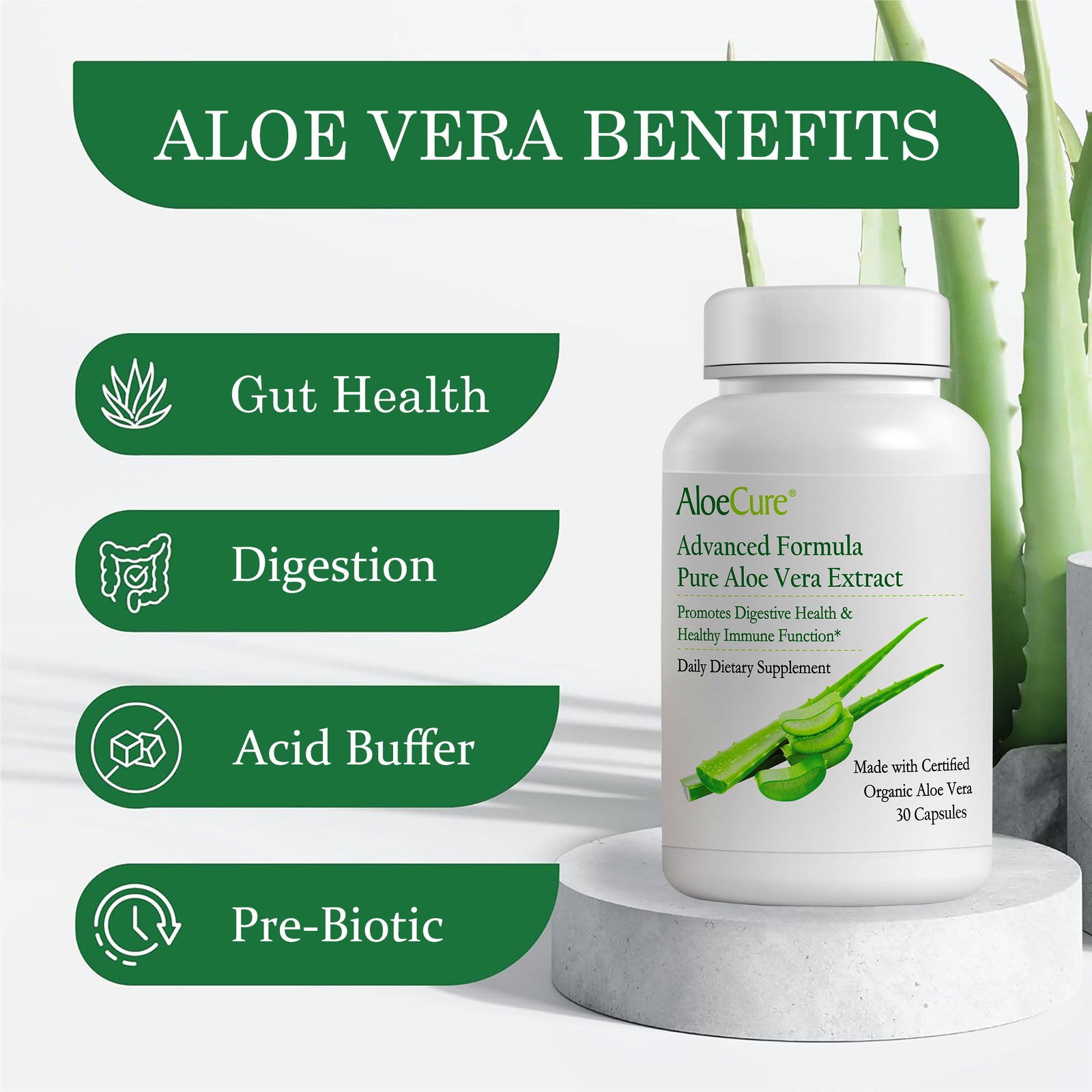
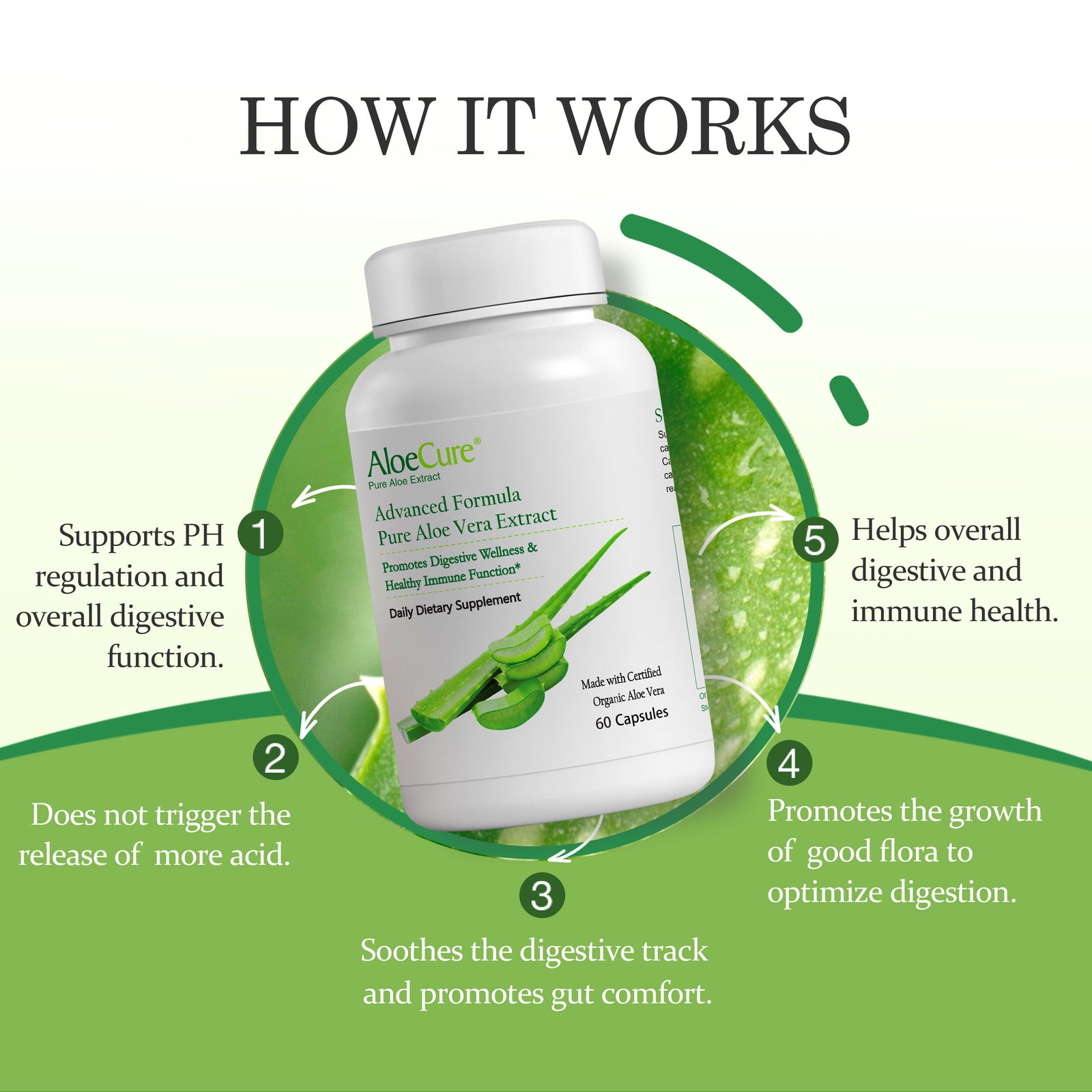
One example is AloeCure, which offers aloe vera juices and supplements and shares details about its farming and production model as part of the product story. That kind of visibility can help shoppers connect label transparency with real-world manufacturing practices.
If you're shopping now, use this article as a filter. Pick up the bottle. Read the back first. Check the serving. Study the active ingredients. Scan the claims. Then ask the bigger question most labels don't fully answer. How was this made?
These statements have not been evaluated by the Food and Drug Administration. This product is not intended to diagnose, treat, cure, or prevent any disease.
If you want to put this checklist to work on real products, explore AloeCure and compare the labels, ingredient details, and product information for yourself. You can also sign up for Subscribe & Save to receive 20% off recurring orders.
Les commentaires sont approuvés avant leur publication.