Votre panier est vide

What are you buying when you type pure astaxanthin supplement into a search bar, a pigment, a promise, or a label that's doing too much work? The smartest way to read astaxanthin isn't to chase the word pure, it's to ask whether the product is standardized, oil-based, and third-party tested, and whether the dose on the panel matches what human research has used.
Astaxanthin is a fat-soluble carotenoid, which means it behaves more like a lipid than a water-soluble vitamin. In plain terms, that matters because the body absorbs it better when it's formulated well and taken with food that contains fat, not when it's packaged as a vague, powdery claim.

The word pure sounds simple, but supplement labels usually use it in a narrower way than shoppers expect. A pure astaxanthin supplement is better understood as a product built around a standardized astaxanthin source with a clearly stated milligram amount, not as a vague promise that the capsule contains nothing else worth asking about.
Astaxanthin is the red pigment behind the color you see in salmon, krill, and some algae. That visual cue helps, but it does not tell you what is in the capsule, how much you are getting, or whether the formula is set up for absorption. The molecule works more like a packaged compound with a specific job in human studies, not just a marketing-friendly color story.
The dose matters because human safety and exposure discussions are tied to exact milligrams and body weight, not to broad wellness language. In Europe, the EFSA NDA Panel concluded that 8 mg/day from supplements is safe for adults, even when background intake from fish and crustaceans is included, and the same assessment estimated adult combined exposure at 0.174 mg/kg bw/day, about 13% below the ADI of 0.2 mg/kg bw/day (EFSA assessment).
That is why the phrase pure astaxanthin supplement should prompt two practical questions. What source is it made from, and how many milligrams are in each serving?
Practical rule: if the label does not tell you the source, the dose, and the form, the word pure is not doing much.
What does astaxanthin do in human studies, and what does it not do? The clearest answer is that the evidence points to skin hydration, elasticity, and oxidative-stress support, with the results strongest when trials measure specific outcomes in milligrams per day rather than relying on broad antioxidant language.
A systematic review and meta-analysis found that oral astaxanthin significantly restored moisture content and improved elasticity versus placebo, with effect sizes of SMD = 0.53 for moisture and SMD = 0.77 for elasticity (meta-analysis). That matters because it translates the supplement into everyday skin terms. Moisture is the difference between skin that feels more comfortable and skin that feels tight, while elasticity is the spring-back quality people notice when skin looks less flat or fatigued.
The same analysis did not find a statistically significant overall reduction in wrinkle depth, with SMD = -0.26 and p = 0.11 (meta-analysis). That boundary helps keep expectations grounded. The studies support a real hydration-and-elasticity story, but they do not clearly show that astaxanthin reliably smooths wrinkles across the board.
A concrete dose example makes the skin data easier to read. 2 mg/day of astaxanthin combined with collagen hydrolysate for 12 weeks reduced transepidermal water loss, or TEWL, by 49.52% from baseline, versus 36.96% in the control group (meta-analysis). TEWL is basically a measure of how much water escapes through the skin barrier, so a lower number suggests the barrier is holding moisture better.
Another randomized-trial meta-analysis found astaxanthin lowered plasma oxidative-stress markers from baseline, including malondialdehyde by SMD -1.32 μmol/L and isoprostane by SMD -3.10 ng/mL, with p < 0.0001 for both (meta-analysis). These findings are useful because they show how the supplement behaves in a measurable biological system, not just in a skincare slogan. The strongest effects were generally seen at ≥20 mg/day in that analysis, which is a reminder that dose context shapes the result.
If you want a broader look at ingredient families that show up in skin-focused routines, best ingredients for youthful skin is a useful companion read. The key point here is narrower: astaxanthin's strongest human evidence sits where trials measured hydration, barrier function, elasticity, and oxidative-stress markers, not where marketing language tries to cover everything at once.
| Astaxanthin Trial Outcomes in Adults | |||
|---|---|---|---|
| Outcome | Effect Size | Typical Dose | Notes |
| Moisture content | SMD = 0.53 | Human trials used oral supplementation | Improved versus placebo (meta-analysis) |
| Elasticity | SMD = 0.77 | Human trials used oral supplementation | Improved versus placebo (meta-analysis) |
| Wrinkle depth | SMD = -0.26 | Human trials used oral supplementation | Not significant overall (meta-analysis) |
| TEWL example | 49.52% from baseline | 2 mg/day with collagen hydrolysate for 12 weeks | Better than control in the cited example (meta-analysis) |
A lot of shoppers assume “astaxanthin is astaxanthin.” That assumption skips the part that matters most for label reading. Source changes how the ingredient is made, how the formula is presented on the panel, and how easy it is to judge whether the product is standardized, oil-based, and tested by a third party.

The main natural source used in supplements is the microalga Haematococcus pluvialis. In the reference material, supplements are described as typically made from that organism, with study doses usually falling in the 2–12 mg/day range (WebMD). That framing matters because supplement quality is usually written in milligrams per serving, not in broad promises about being chemically “pure.”
Synthetic astaxanthin is a different material. The background research notes that natural astaxanthin is algae-derived and predominantly esterified, while synthetic astaxanthin is typically free-form and produced through petrochemical routes. The practical takeaway is simple. Source is part of the product identity, and that identity helps you interpret what you are buying.
A label that only says “astaxanthin” leaves too much out. You want to see whether the source is H. pluvialis, whether the product uses a fat-based carrier, and whether the formula is standardized and tested. Learn more about third-party testing here. A supplement that answers those questions is easier to compare than one that leans on the word natural without details.
A well-made product should make the source obvious, because the source is part of the quality story, not a decorative detail.
The label also matters for trust. If the ingredient panel is clear, you can match the milligrams to the research instead of guessing. If it is not clear, you are left with a slogan instead of a formulation.
How to read supplement labels is a useful lens here because astaxanthin is one of those ingredients where the small print tells you far more than the front panel ever will.
How much astaxanthin makes sense depends on the dose on the label, not just the word on the front. A cleaner way to judge a product is to ask whether it is standardized, oil-based, and third-party tested, then match that with the milligram amount per serving. That shifts the question from “is it pure” to “what exact dose am I getting, and is the body likely to use it well?”
Dose is where astaxanthin content often gets fuzzy, but the published ranges are more specific than most shoppers realize. A review in The Role of Astaxanthin as a Nutraceutical in Health and Age states that recommended supplemental doses are 2–6 mg/day, or 0.07–0.1 mg/kg/day for an average 60 kg adult, and the same review notes that allowed levels in food supplements were up to 8 mg/day (review).
The simplest way to read the label is to think in bands rather than in hype. Lower-dose products sit around 2–4 mg, which lines up with the gentler end of published use. Mid-range products sit around 4–8 mg, which is where many familiar protocols live. Higher-end adult products can reach 8–12 mg, a range reflected in major references and study summaries (WebMD).
The EFSA safety benchmark gives a practical upper frame for adults. The assessment found 8 mg/day from supplements plus background diet to be within the safety view it reviewed, and a 70 kg adult was estimated at 0.174 mg/kg bw/day, below the ADI of 0.2 mg/kg bw/day (EFSA assessment). That is why label reading should never stop at “per capsule.” A serving can differ from one capsule, and the actual exposure changes again once body weight enters the math.
For a 60 kg adult, 0.07–0.1 mg/kg/day works out to roughly 4.2 to 6 mg/day using the review's own math (review). That is a clean example of why milligram math is useful. It lets you compare one product with another without getting pulled into vague claims about being the “strongest” or the “purest.”
The 60-kg and 70-kg benchmarks also show why family use gets complicated. The same capsule does not mean the same exposure for every body size, and the exposure discussion becomes much stricter for younger users.
How bioavailability changes what your dose really delivers matters here, because dose only matters if the body can use what is in the capsule.

Want to know whether a pure astaxanthin supplement is worth buying? Start by reading the label as if you were checking a recipe, not a slogan. The most useful label tells you the milligrams per serving, the source, the carrier oil, and whether independent testing supports the formula. If those details are missing, you are left guessing about what the capsule really delivers.
A product that is standardized, oil-based, and third-party tested usually gives you more confidence than a product that keeps repeating the word pure while staying vague on the basics. For a carotenoid taken in small measured amounts, that difference matters more than marketing language.
A short ingredient list can help too. If the formula stays simple but still names the source and testing, that is often more useful than a longer panel filled with vague extras. A clean label does not prove quality by itself, but it does make quality easier to check.
The better question is not “Is it pure?” The better question is “Can I see exactly what is in this capsule, how many milligrams are active astaxanthin, whether it is carried in oil, and whether a neutral party checked it?” For a practical guide to those label details, see how to read supplement labels.
How safe is a pure astaxanthin supplement, and who should slow down before taking it? The best answer is practical, not promotional. Available reviews describe a generally favorable safety profile, but they also note that an official Acceptable Daily Intake has not been set. That is why the EFSA adult benchmark of 8 mg/day is useful as a reference point, especially when a label names a milligram dose instead of leaning on broad antioxidant language (safety review, EFSA assessment).

Some independent summaries advise caution with anticoagulants, antihypertensives, and antidiabetic drugs, because astaxanthin may touch the same physiological systems those medicines already influence (safety review). That does not mean the ingredient is automatically a problem. It means the safest move is to check for overlap before adding another capsule to an existing routine.
The evidence base is also thinner for pregnancy, lactation, and children (safety review). In plain terms, a missing data trail is not the same as a green light. If a group has not been studied well enough, the responsible choice is to treat that use case carefully rather than assume a standard adult experience will translate.
Long-term use deserves the same kind of restraint. The published literature is more comfortable discussing short-term tolerability than proving open-ended use across every population, so a steady routine should still include occasional reassessment. That is especially true if your diet changes, you add other supplements, or a clinician adjusts a medication that affects clotting, blood pressure, or glucose balance.
Practical rule: if you already take a medicine that affects clotting, blood pressure, or glucose balance, get professional guidance before adding astaxanthin.
A useful way to think about safety is dose plus context. A capsule may be labeled with a tidy milligram amount, but the pertinent question is whether that amount fits the person taking it. A product that is standardized, oil-based, and third-party tested helps on the label side, yet it still cannot replace individualized advice when medicine interactions are part of the picture.
The same careful thinking applies to people who want to use it for months rather than weeks. Good labels and sensible dosing make that easier, but they do not replace judgment.
A practical astaxanthin routine starts with the meal, not the bottle. Because astaxanthin is fat-soluble, it fits better with food that contains healthy fats, and that is why a softgel taken with breakfast or dinner usually makes more sense than swallowing it on an empty stomach. The key quality question is not just whether it is “pure.” It is whether the product is standardized to a clear mg amount, oil-based for absorption, and third-party tested.
Astaxanthin can break down with heat, light, and oxygen, so packaging and storage belong in the quality check too (background research). Opaque packaging, a tight seal, and a cool, dark cabinet all help protect the ingredient from avoidable exposure. That matters because a supplement that looks clean on the front label can still lose usefulness if it is stored badly.
A routine is easier to follow when the dose is fixed. If the label gives a clear milligram amount and the product matches your target range, you can keep the habit simple instead of recalculating every time you reach for it. That is the same logic you would use with any ingredient that works best when the amount is consistent.
A buyer who wants the most useful version of this supplement should read the label in layers. First, check the source. Then check the serving size in mg. After that, look for an oil-based format and any sign of third-party testing. A product can call itself pure, but if the label leaves out the source or the dose, it gives you less to judge than a label that is specific and transparent.
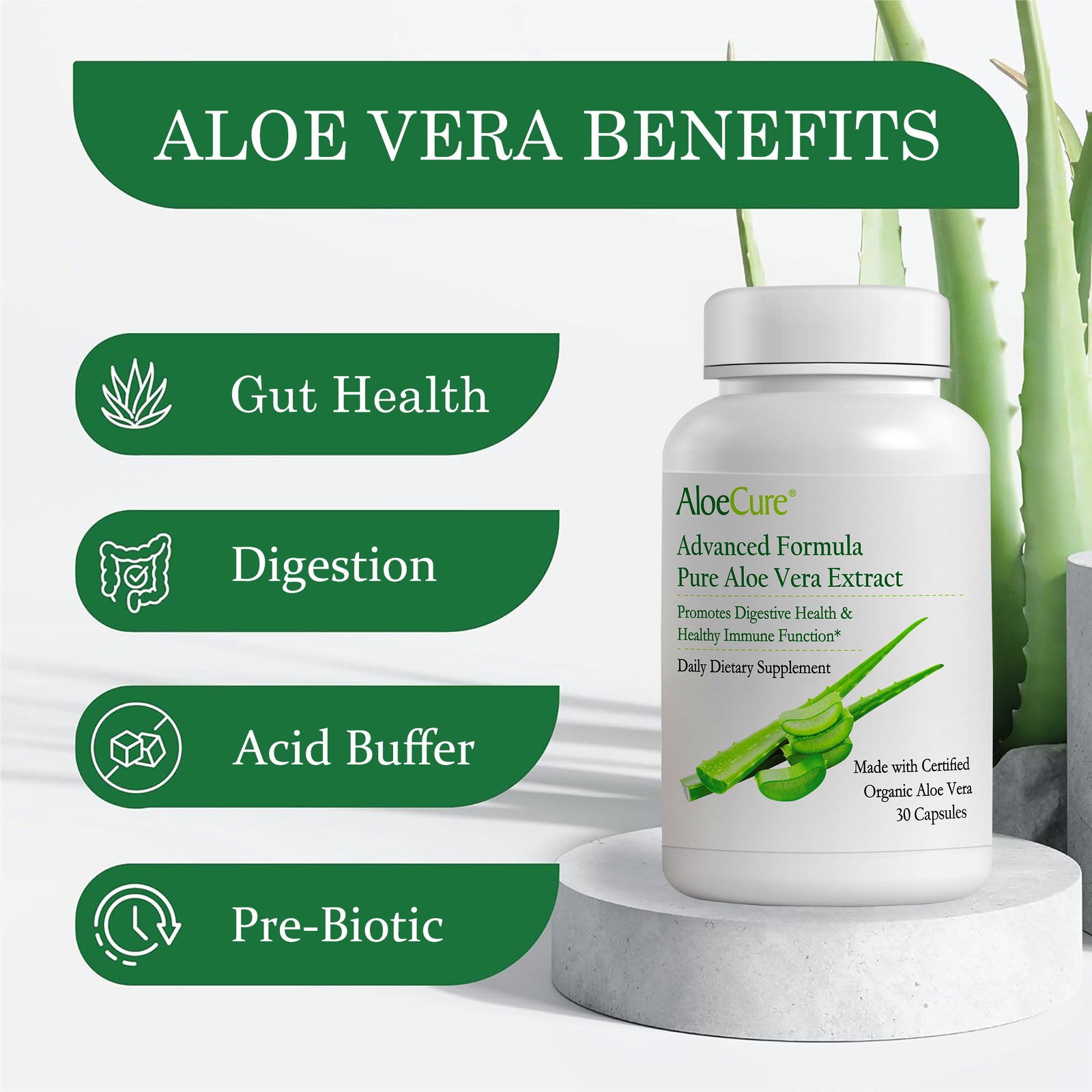
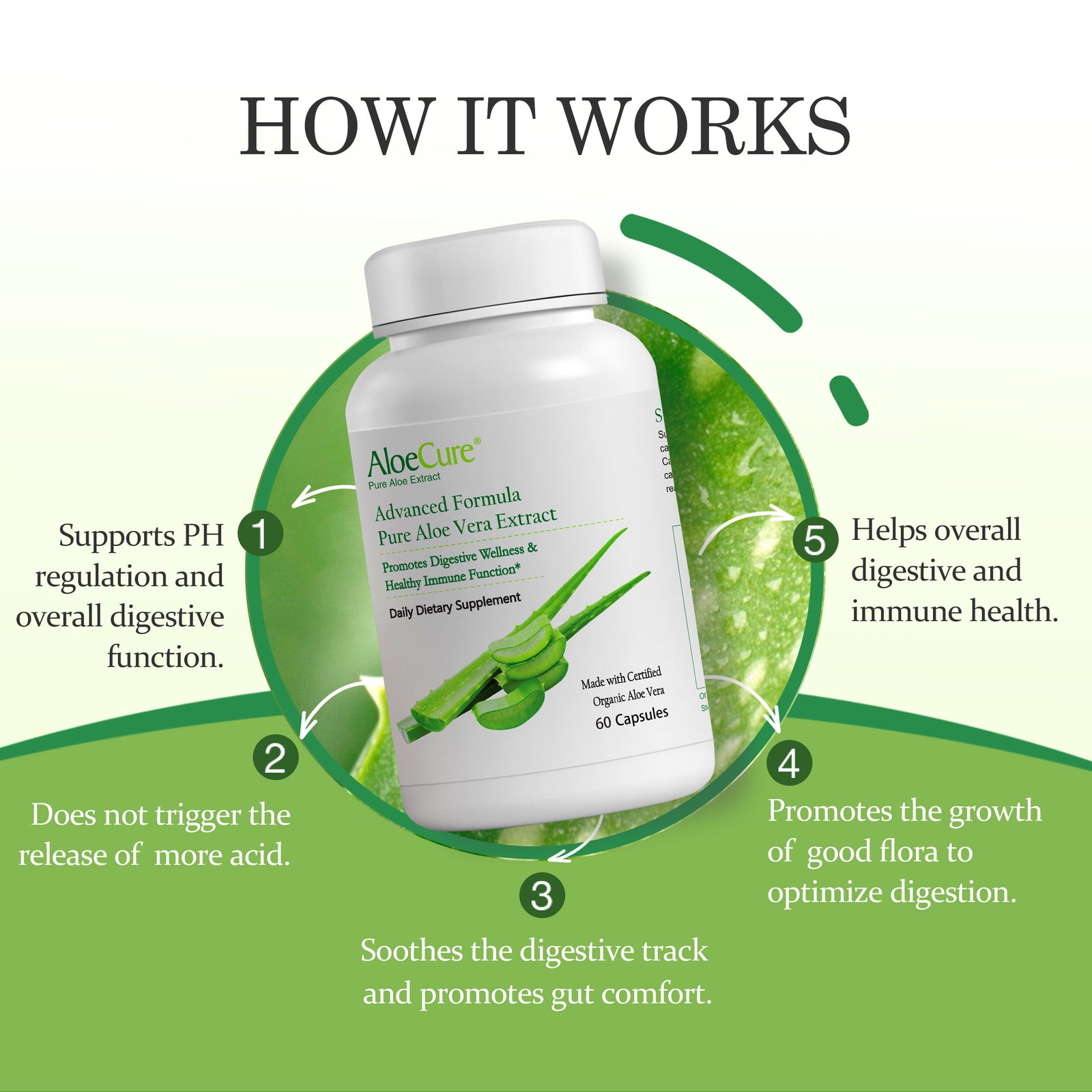
AloeCure is a relevant example for shoppers who care about traceability and clean processing because it controls its aloe from farm to final product, uses third-party certifications, and offers a 90-day money-back guarantee and 20% off subscriptions for people who want consistency without paying full price every time. If you want to compare a brand built around traceability with the astaxanthin products you already use, visit AloeCure and review how its approach fits your routine.
These statements have not been evaluated by the Food and Drug Administration. This product is not intended to diagnose, treat, cure, or prevent any disease.
A simple routine is often the one people keep. Pick a consistent meal, keep the capsule in a place where heat and light are less of a problem, and use the label to confirm that the product is standardized, oil-based, and tested. Those are the details that make the supplement easier to use day after day.
Les commentaires sont approuvés avant leur publication.