Votre panier est vide


What if the biggest mistake in personalized nutrition is assuming your DNA can tell you everything you need to eat? DNA nutrition testing can be useful, but only if you understand what it measures, what it misses, and why a result on paper is not the same thing as a complete wellness plan. The strongest approach is usually the one that treats genetics as context, not destiny.
A DNA nutrition test does not read your current diet, your stress load, or how well you slept last night. It reads inherited variants in your DNA, then uses those variants to estimate tendencies in how your body may handle certain nutrients. That is a very different kind of information from a symptom check, a blood test, or a clinical exam.
The clearest way to think about it is this. Your genes are more like a set of default settings than a fixed script. They can help explain why one person feels better with one eating pattern and another person needs a different mix, but they do not lock in a single outcome.
BBC's overview of food-response DNA testing notes that these tests screen a limited set of genes tied to food responses, and those associations come from studies comparing people who react similarly to certain foods BBC on DNA and food responses. That makes the result a predisposition marker, not a diagnosis and not a guarantee.
Practical rule: If a test says you may process something differently, treat that as a clue for follow-up, not a final answer.
People often want a clean yes-or-no answer. Should you eat more of this? Less of that? Take a certain supplement forever? DNA testing can point you toward those questions, but it can't answer them alone. Nutritional genomics is about the interaction between diet and genetic makeup, not a magic label that replaces observation.
That matters because the same genetic tendency can look different depending on age, food quality, routine, and environment. A person's lived response still needs to be checked against real-world feedback. If a recommendation sounds absolute, it's probably overselling what the test can do.
This is also why consumer DNA nutrition testing should be framed as one part of a wider picture. It can support smarter conversations about food choices, but it works best when paired with the body's actual signals and, when appropriate, more direct testing.

Nutrigenomics sounds technical, but the basic idea is simple. It studies how diet affects gene expression, and how genetic makeup affects the way you metabolize and respond to nutrients. In consumer testing, the lab usually analyzes selected single-nucleotide polymorphisms, or SNPs, rather than sequencing your entire genome how DNA nutrition tests work.
Think of your genome like a giant recipe book. The book itself stays the same, but some pages contain small edits, different phrasing, or a slightly altered ingredient list. Those tiny changes can influence how a recipe turns out.
That is what SNPs represent in nutrigenomics. They don't rewrite the whole book, but they can influence how the body handles things like lactose, caffeine, vitamin use, or fat and carbohydrate processing. The test takes those variants and turns them into plain-language guidance, such as tendencies toward faster or slower nutrient handling.
A useful resource on methylation and genetic context is the Lifeworks Integrative Health MTHFR page, especially for readers who want to see how one common genetic topic gets discussed in a wellness setting.
A nutrition DNA test is typically a single-sample, one-time genotyping assay. That means the result doesn't change over time because your DNA sequence is stable how DNA nutrition tests work. What changes is how you interpret that result alongside your habits, environment, and current wellness routine.
The science is built on population patterns, not certainty. That's why some companies describe the results as guidance for likely tendencies rather than fixed outcomes. A broader view helps you avoid reading too much into one line item on a report.
The most useful takeaway from nutrigenomics is not “your genes decided your diet.” It's “your genes may help explain why some strategies deserve closer attention.”

The commercial side of DNA nutrition testing is much larger than the clinical evidence would suggest. A review of nutrition testing panels found 104 companies offering 204 nutrition-related testing panels, with a mean cost of US$234, and only 54% publicly disclosing the genes behind their recommendations PMC review of nutrition testing panels. That creates a straightforward consumer problem. A polished report is not the same thing as a well-supported recommendation.
A 2020 systematic review of 10 articles covering 8 randomized controlled trials found that in 13 of 15 conclusion statements, adding genetic information to nutrition counseling produced no significant effect systematic review and commercial nutrigenetics analysis. The Academy of Nutrition and Dietetics also concluded that there is insufficient scientific evidence to determine whether adding genetic testing changes outcomes in nutrition care Academy consensus report.
That does not make every genetic insight useless. It shows the field is still uneven, and many consumer claims move ahead of the data.
Another analysis found that among 137 genetic variants used in commercial profiling, only 64 had a dbSNP identifier, and roughly 50% of the variants used for predictions had weak evidence of association with nutritional traits systematic review and commercial nutrigenetics analysis. In plain language, some reports mix stronger and weaker signals, but the buyer may never see where one ends and the other begins.
The issue becomes clearer when you look at the population data behind the tests. An expert review noted that a large share of genomic data used in practice comes from European-ancestry populations, which limits external validity for everyone else expert review on nutrigenetic validity and equity. So the main question is not whether DNA-based nutrition can be interesting, it is whether the underlying research reflects the people buying the test.
Bottom line: Good genetics-based guidance should sound cautious, specific, and testable. If it sounds absolute, it is probably outrunning the evidence.
For readers comparing concepts like bioavailability and nutrient uptake, a helpful primer is this overview of nutrient absorption, which connects closely with what bioavailability means in real-world supplement choices.
A DNA result and a blood panel answer different questions. DNA testing looks at inherited tendencies that stay stable over time. Blood testing, by contrast, reflects current status, which shifts with food choices, stress, sleep, training, and supplement use.
DNA testing can be useful when you want a long-term map of tendencies. That can help with broad decisions like how aggressively to personalize a plan or which nutrient pathways deserve a closer look. It's especially helpful when someone has already tried several approaches and keeps running into the same pattern.
Blood testing is stronger when the question is immediate. If you want to know what's happening right now, a current marker is usually more actionable than a genetic tendency. The same goes for functional assessments that look at digestion, absorption, or day-to-day tolerance.
| Assessment type | What it reflects | Best use case |
|---|---|---|
| DNA testing | Inherited tendencies | Long-term strategy |
| Blood testing | Current status | Near-term adjustments |
| Functional testing | Body function in context | Pattern-finding and follow-up |
A genetic marker can suggest where to look, but it cannot show whether your current routine is supporting you. That's why many wellness professionals use multiple tools together. One tool maps tendencies, another shows what is happening now, and a third helps interpret the gap between the two.
A simple example is nutrient handling. Genetics may suggest a tendency, but your actual intake and current status tell you whether that tendency is becoming a real-world issue. Without the second layer, the first layer is easy to overread.
The smartest testing strategy is usually the one that answers a specific question instead of collecting data for its own sake.
For a useful look at why test quality standards matter, the third-party testing explainer is a practical companion piece because it helps readers think about validation, transparency, and trust.
Genetic insights become useful only when they change a decision you can make. If a report suggests a tendency related to vitamin handling, omega-3 processing, or digestive enzyme support, the next step is not to chase perfection. The next step is to choose a better-fit routine that matches both your results and your current life.
Some people use DNA nutrition testing to refine macronutrient balance. Others use it to think more carefully about specific nutrients that may deserve attention. Either way, the point is the same, make the plan easier to follow and easier to evaluate.
A practical food-first approach usually works best when the test points to absorption or response differences. That can mean choosing more nutrient-dense meals, watching tolerance to certain foods, or adjusting timing so meals feel more consistent. If you want structured meal ideas that fit a thoughtful kitchen routine, it can help to browse digital cookbook recipes that make planning simpler without turning nutrition into guesswork.
When people hear about genetic predispositions, they sometimes jump straight to supplements. That can be helpful, but only when the choice is grounded in a real need. Structure/function language is the safest and clearest way to think about that. For example, a supplement may support healthy digestive function, help maintain normal body function, or provide targeted support for wellness goals without claiming to fix a medical problem.
Practical rule: Use genetic data to narrow the question, then use symptoms, habits, and professional guidance to choose the response.
That's also where high-quality formulations matter. If a person is trying to support digestion, they usually want a product that's easy to take, clearly sourced, and consistent from batch to batch. Genetic insight should not push anyone toward a single product. It should help them ask better questions about what their body is asking for.
A good provider should explain what the test measures, which genes it uses, and how it decides what to recommend. If those basics are vague, the rest of the report is hard to trust. Transparency is not a nice extra here, it's the whole point.
Start with the evidence behind the recommendations. Ask whether the company discloses the genes it analyzes, whether it cites public research, and whether it explains the limits of the test in plain language. The 2025 mapping study found that only 54% of companies publicly disclosed the genes used in their nutrition-related panels, so disclosure is a real differentiator PMC review of nutrition testing panels.
Also ask about privacy. Genetic data is sensitive, and people should know how it's stored, shared, and deleted. A strong privacy policy matters as much as the report itself.
Red flags are easy to spot once you know what to look for.
Green flags are more reassuring.
Cost can vary widely across the market, but the key question isn't just the price tag. It's whether the report gives you something you can use. A low-cost test with weak transparency may be more expensive in the long run if it sends you in the wrong direction.
A practical wellness plan usually starts with the body you have now, not the ideal version you wish you had. One person may use DNA information to fine-tune meal patterns. Another may use it to decide which supplements deserve a trial, then watch how their body responds over time.
Someone gets a report that points toward slower handling of a certain nutrient pattern. Instead of overhauling everything, they tighten up meal quality, pay attention to consistency, and use a targeted supplement only if it fits their routine. They check whether energy, comfort, and adherence improve over a few weeks, then adjust from there.
That kind of approach respects genetics without worshipping it. It treats the report as a decision aid, not a verdict. It also leaves room for the other pillars of wellness that matter every day, food quality, hydration, movement, sleep, and the products you stick with.
Genetics can suggest what to focus on, but product quality determines whether your plan is easy to maintain. That's where clean formulas, transparent sourcing, and consistent manufacturing matter more than flashy promises. A vertically integrated brand can matter here because it has more control over sourcing, processing, and final product quality.
A good strategy is balanced. Use genetic data to refine the direction, use real-world feedback to confirm it, and choose products that support the body's natural processes without overcomplicating the routine. That's how personalized nutrition stays practical instead of turning into theory.
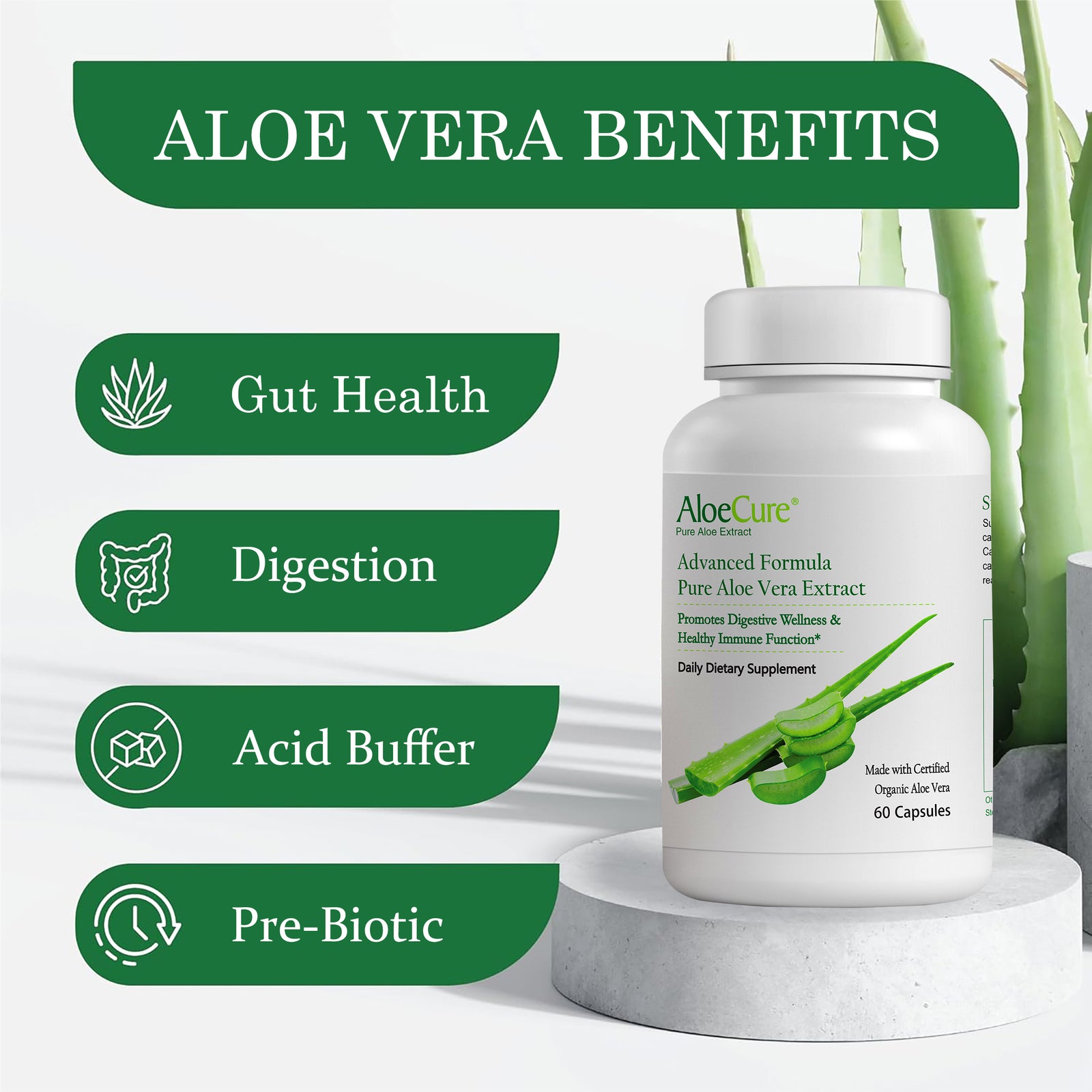
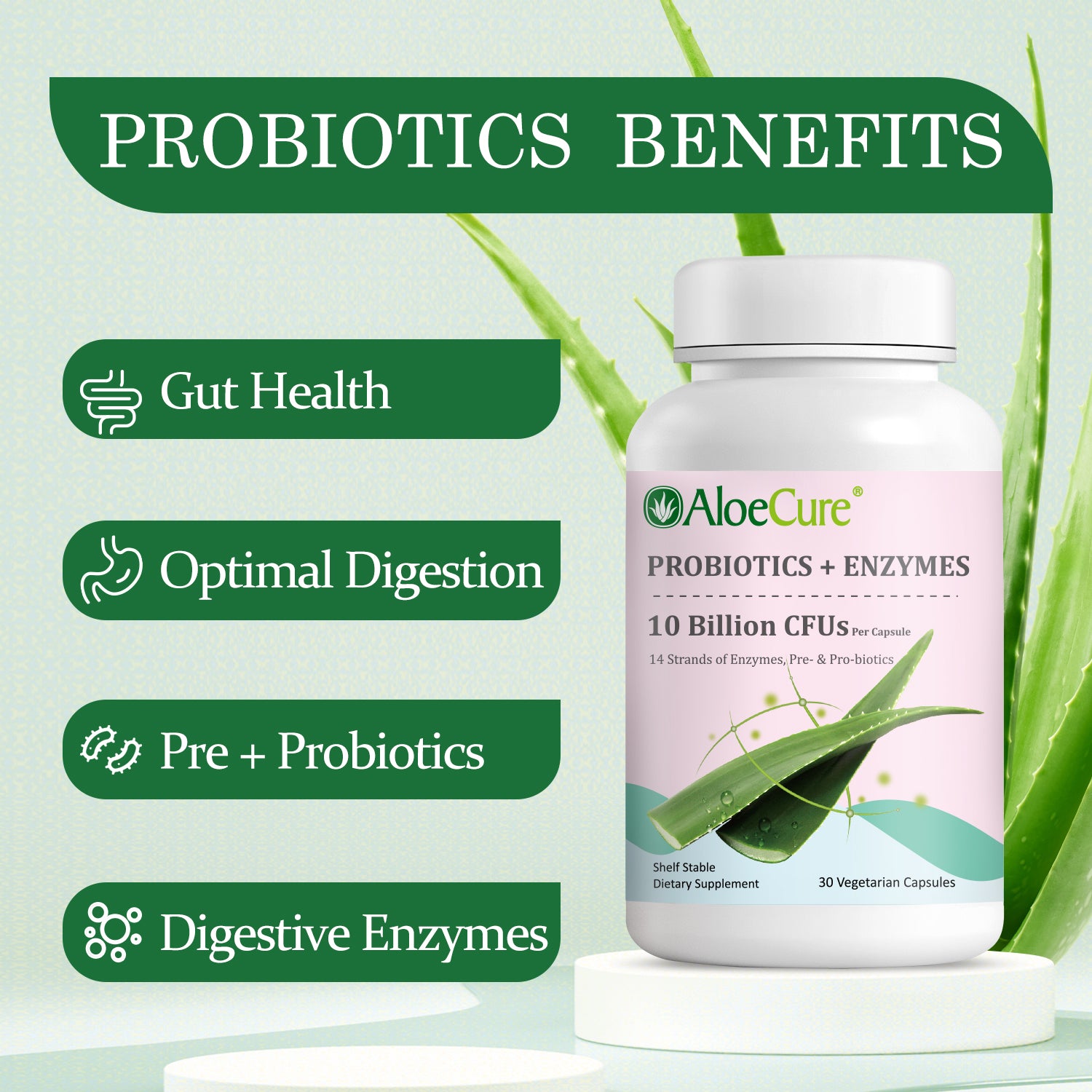
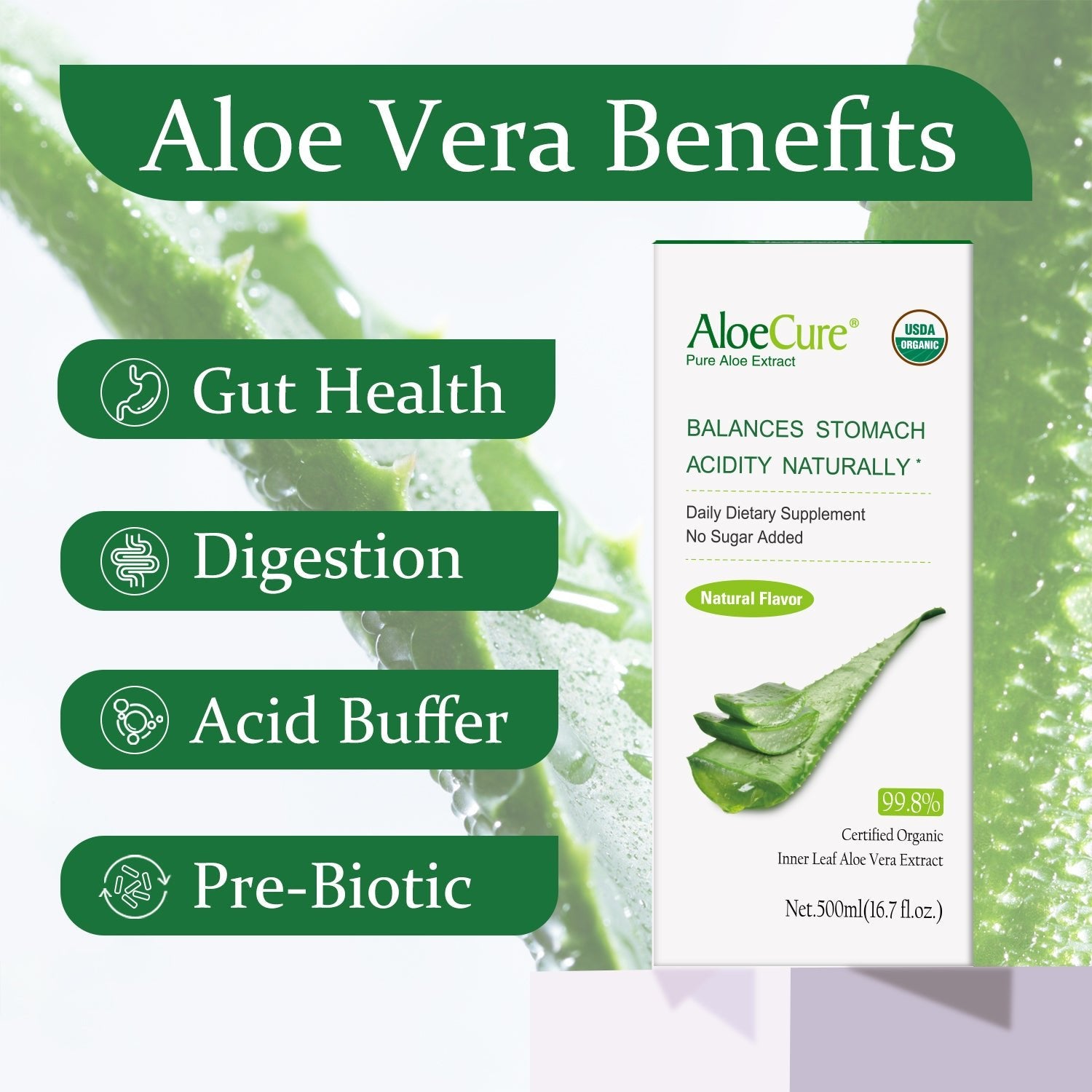
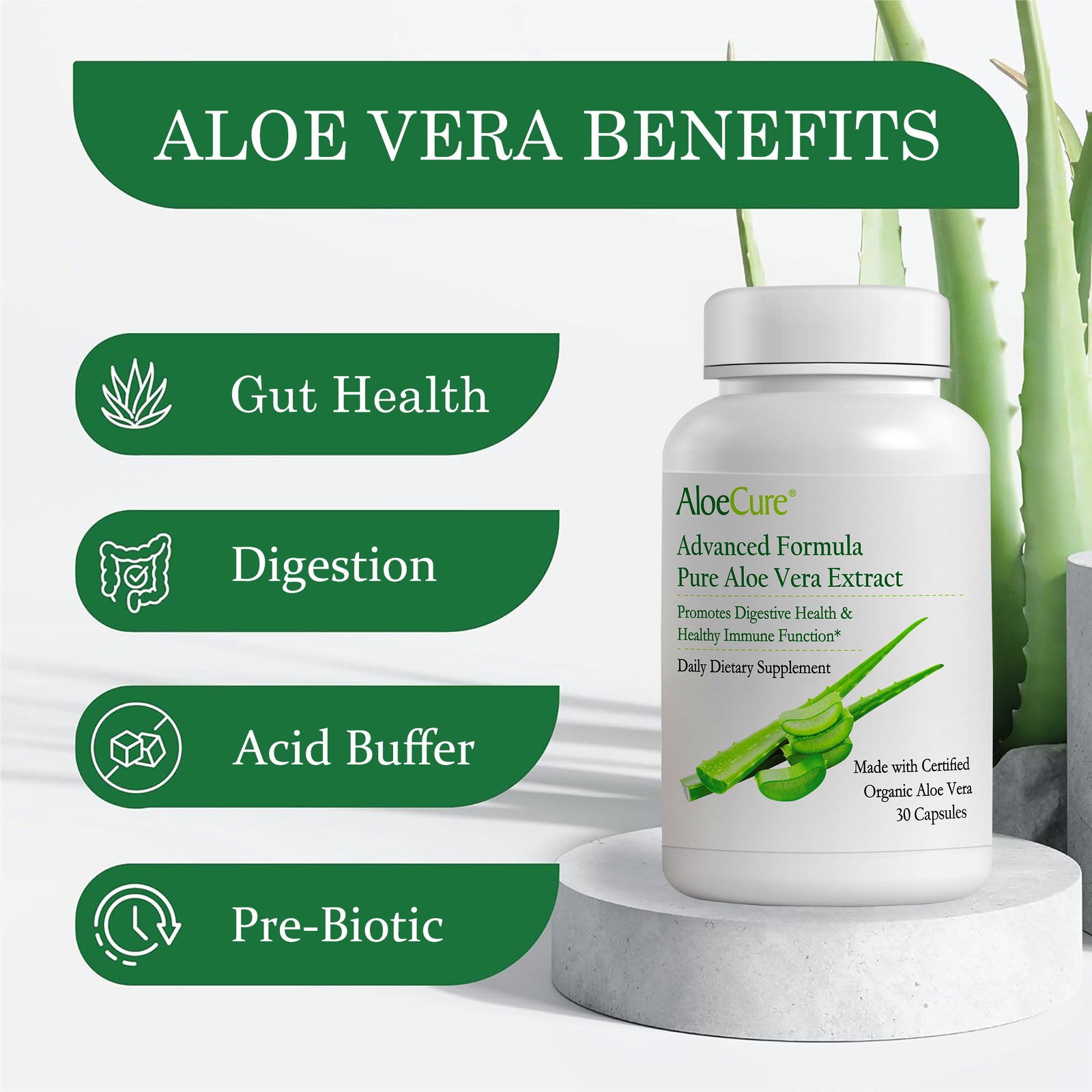
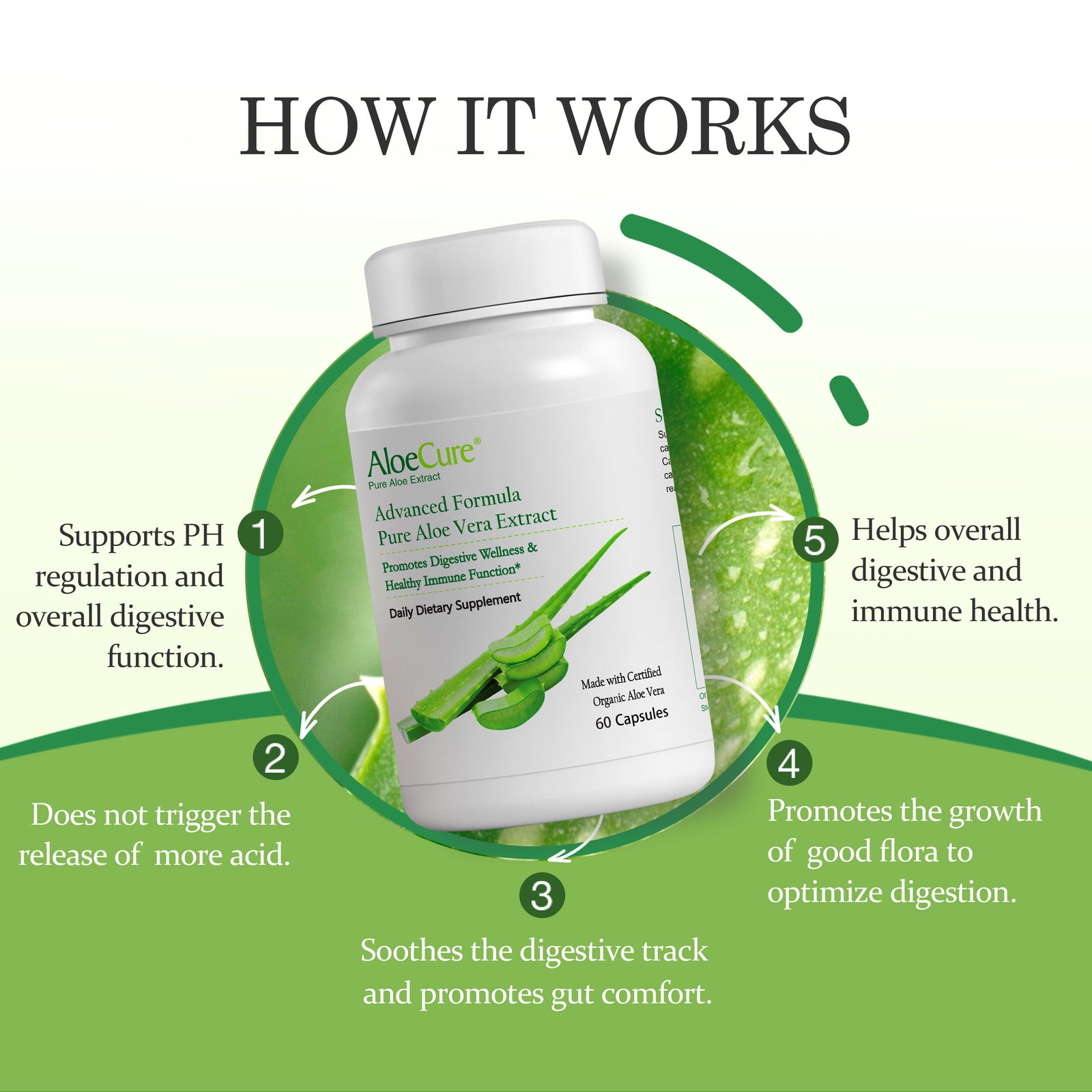
If you want a wellness routine built around quality, transparency, and real-world support, explore AloeCure. You'll find clean aloe-based formulas designed to support digestive comfort, everyday wellness, and consistent self-care, along with Subscribe & Save options that make it easier to stay on track.
Les commentaires sont approuvés avant leur publication.