Votre panier est vide

63% of respondents across Asia and Australasia said a cosmetic or toiletry product's impact on health and wellbeing often or always influences their purchasing decisions, in GlobalData's second-quarter 2024 survey of 6,505 people. That single number explains the shelf in front of you: collagen powders beside vitamin C capsules, aloe juices beside hyaluronic acid gummies, all sold as beauty.
The evidence under that shelf is narrower than the marketing and considerably more useful. A small set of ingredients has randomized human trial data with a stated dose and a measured outcome. The rest rest on nutrition logic that is reasonable but unmeasured. Knowing which is which turns a confusing purchase into a fair test you can run on yourself in about three months.
Beauty from within supplements are ingestible products, meaning capsules, powders, drinks and gummies, formulated to support skin, hair and nails through nutrition rather than through the surface of the skin. The trade files them under nutricosmetics, next to beauty drinks and fortified waters.
Demand isn't in question. A 2023 industry report citing an October 2022 survey of more than 2,000 U.S. female beauty buyers found that 91% were open to taking a supplement specifically for beauty, and 92% believed in an inside-out approach to skin and hair. Hair growth and hair health motivated 80% of those buyers, stronger nails 65%, and restoring collagen or improving skin firmness 60%.
The same report estimated the nutricosmetics market at approximately $5 billion in 2023, projected to reach $8.2 billion by 2033, a compound annual growth rate of about 5%. Shelf space has moved faster than the money: retail data reported by Nutraceutical Business Review shows beauty supplement product availability in the United Kingdom 57 times higher in Q4 2023 than in Q1 2021.
The ingredient list stays short once branding is stripped away.
| Ingredient | What It Is | Typical Role in Formulas |
|---|---|---|
| Collagen peptides | Hydrolyzed collagen broken into small peptides | Supports skin hydration and elasticity |
| Aloe vera inner leaf gel | Gel from the inner leaf, rich in acemannan | Supports skin hydration and general wellness |
| Vitamin C | Water-soluble vitamin and antioxidant | Supports normal collagen formation |
| Vitamin E | Fat-soluble antioxidant | Helps protect cells from oxidative stress |
| Hyaluronic acid | Molecule that holds water in the skin | Supports skin moisture |
| Plant polyphenols | Antioxidant compounds from plant sources | Supports the body's antioxidant defenses |
A label worth paying for names each active and its amount. A proprietary blend that lists "beauty complex 1,200 mg" and nothing else gives you no number to compare with a trial, no dose to repeat, and no way to compare it with the next bottle.
Some appearance concerns aren't nutrition questions at all. Loose skin after substantial weight loss won't firm up because of a collagen capsule, and for that specific situation this guide to arm lift surgery for excess skin is a more honest starting point than a fourth bottle. Supplements fill a nutritional gap. They don't restructure tissue.
Collagen is the only ingredient in this category with a large base of randomized human trials behind it. A systematic review and meta-analysis of 26 randomized controlled trials covering 1,721 participants found statistically significant improvements in skin hydration and elasticity versus placebo, with a pooled elasticity effect size of 0.72 (95% CI 0.40 to 1.03; p < 0.00001). That's a moderate effect, not a transformation.
Dose and duration matter as much as the ingredient. Earlier human trials generally used 2.5 to 10 g per day of collagen hydrolysate for 8 to 24 weeks, while collagen tripeptide studies commonly used 3 g per day for 4 to 12 weeks.
Practical rule: if a label can't tell you the collagen form and the grams per serving, you can't place it inside any of those trial ranges. Skip it.
A newer review of randomized trials sharpened the picture: standardized mean differences of 0.44 for skin hydration, 0.62 for elasticity, and a negative 0.39 for transepidermal water loss, meaning less water escaping through the skin. Elasticity and barrier effects generally required at least 12 weeks of supplementation.
Pooling trials hides real differences. Peptide type and molecular weight vary, doses vary, and so do the instruments: corneometry for water content, cutometry for elasticity, evaporimetry for water loss. Industry funding is common. The honest reading is that oral collagen supports hydration and elasticity measurably, while claims of permanent dermal restructuring outrun what was tested.
Aloe's inner-leaf gel is built around acemannan, a polysaccharide. Human research on oral aloe for skin is still early, so the fair description is gel-based support for skin hydration and general wellness, not an elasticity result borrowed from collagen studies.
Vitamin C has an established nutritional role in normal collagen formation, which makes it a sensible partner in a formula. It doesn't manufacture collagen on its own, and it doesn't replace adequate protein. Vitamin E and plant polyphenols work as antioxidants, with less skin-specific human data than collagen carries. If you want the diet and lifestyle side of collagen support, this practical guide to boosting collagen production naturally covers it.
| Ingredient | Dose Studied | Study Duration | Strength of Evidence |
|---|---|---|---|
| Hydrolyzed collagen | 2.5 to 10 g per day | 8 to 24 weeks | Strongest: 26 randomized trials, 1,721 people; elasticity effect size 0.72 (95% CI 0.40 to 1.03) |
| Collagen tripeptide | 3 g per day | 4 to 12 weeks | Moderate: smaller trial base; elasticity and barrier effects often need at least 12 weeks |
The defensible expectation is gradual support for skin hydration, elasticity and barrier function, evaluated after 8 to 12 weeks. Wrinkle elimination is not what those trials measured, and a brand that promises it is selling past its evidence.
"Repairs damaged skin and smooths fine lines in 14 days" is a line that should stop you at the shelf. "Supports healthy skin function" says less, and it is the kind of line a compliant brand can defend with data.
That gap has a legal basis. U.S. dietary-supplement companies may use structure/function or general-wellness statements only when they hold substantiation showing the statement is truthful and not misleading, according to FDA guidance on substantiating supplement claims. The wording has to describe an ordinary body function, and naming a medical condition crosses the line. "Supports normal skin hydration" is a function claim. "Treats eczema" is a disease claim, and no disclaimer makes that legal on a supplement label.
The templates a careful formulator writes toward look like this, and you can check any label against them:
Supports healthy skin function. Promotes skin wellness. Helps maintain normal skin hydration. Assists the body in normal physiological processes.
FDA does not pre-approve any of these statements. The brand must notify FDA no later than 30 days after first marketing a product that carries a qualifying structure/function statement, naming the claim text and the dietary ingredient involved, as the dietary supplement labeling guide sets out. The obligation also travels with the marketing, which is why FDA's labeling claims material treats brochures and product pages as labeling too.
A disclaimer cannot rescue a claim that is otherwise misleading or unsupported. The substantiation has to exist before publication, not after a regulator asks.
So read two things on every bottle. First, does the claim name an everyday function and an observable outcome, such as maintaining normal hydration? Second, is the required disclaimer present and legible: "This statement has not been evaluated by the Food and Drug Administration. This product is not intended to diagnose, treat, cure, or prevent any disease." A promise of dramatic visible change within days fails both tests. Our own walkthrough on how to read a supplement label covers the rest of the panel, from serving size to the other-ingredients list.
The same discipline is worth carrying past the supplement aisle. If you screen topical products the way you screen a bottle, Finding Favourites' fragrance free shopping guide applies that same label-by-label reading to skincare.
Seven checks separate a product you can evaluate from one you can only hope about. Each one exists because of a specific failure mode.
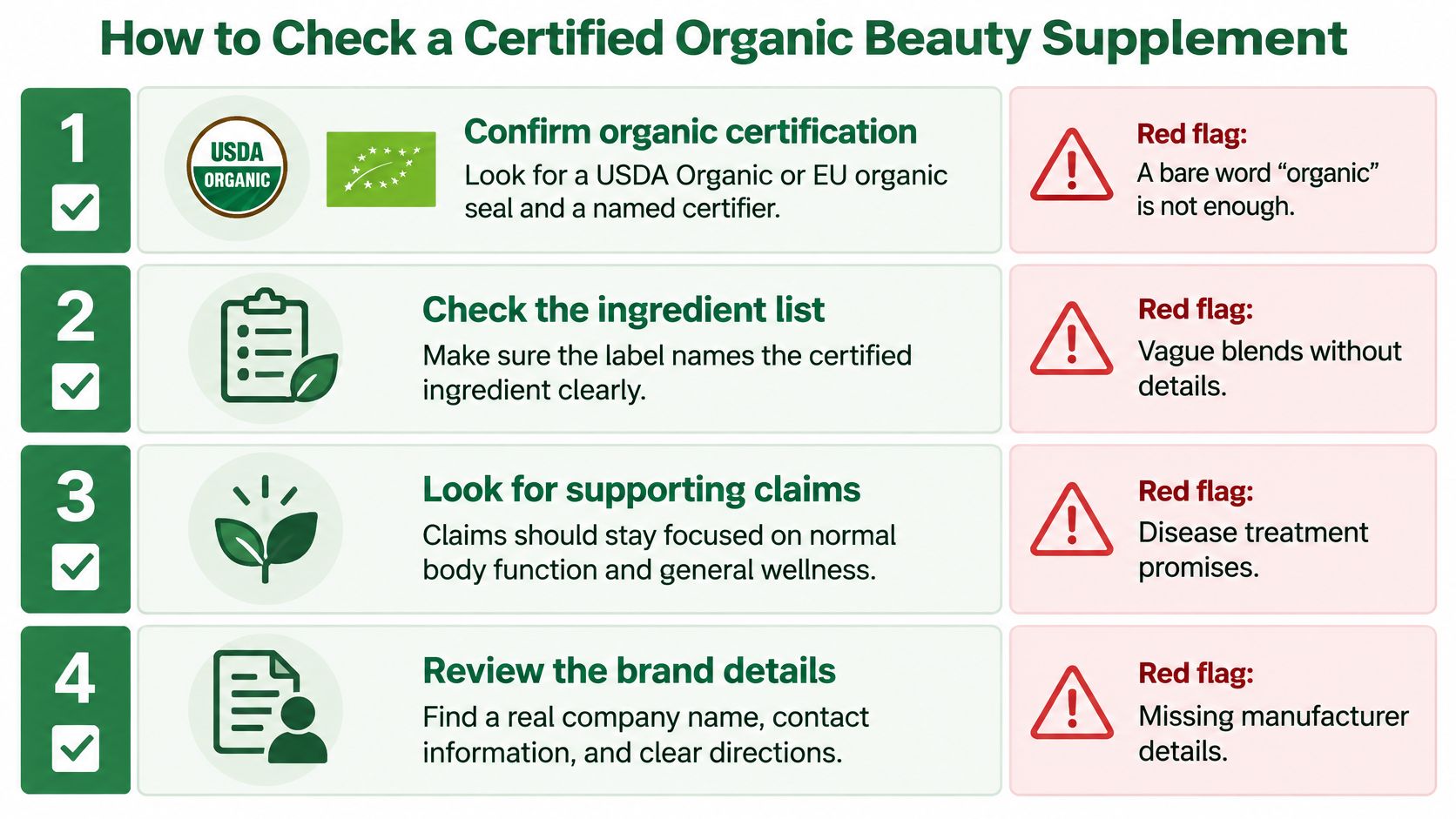
One extra check has nothing to do with beauty claims at all. FDA warns that biotin, a common addition to hair and nail formulas, can interfere with certain laboratory tests and produce incorrect results. Milligram doses in a supplement aren't the same as the micrograms in a multivitamin, so tell your clinician and the lab what you take before any blood draw. Water-soluble doesn't mean clinically irrelevant.
A product that passes all seven checks is easy to compare fairly with the next one. That's the point of the list: not purity theatre, just a level field.
Aloe has a narrower job than collagen. It is an ingestible, plant-based source of polysaccharides and minerals that supports skin hydration and everyday wellness. Use it beside a varied diet, enough water and daily sun protection, with each one doing a different part of the work.
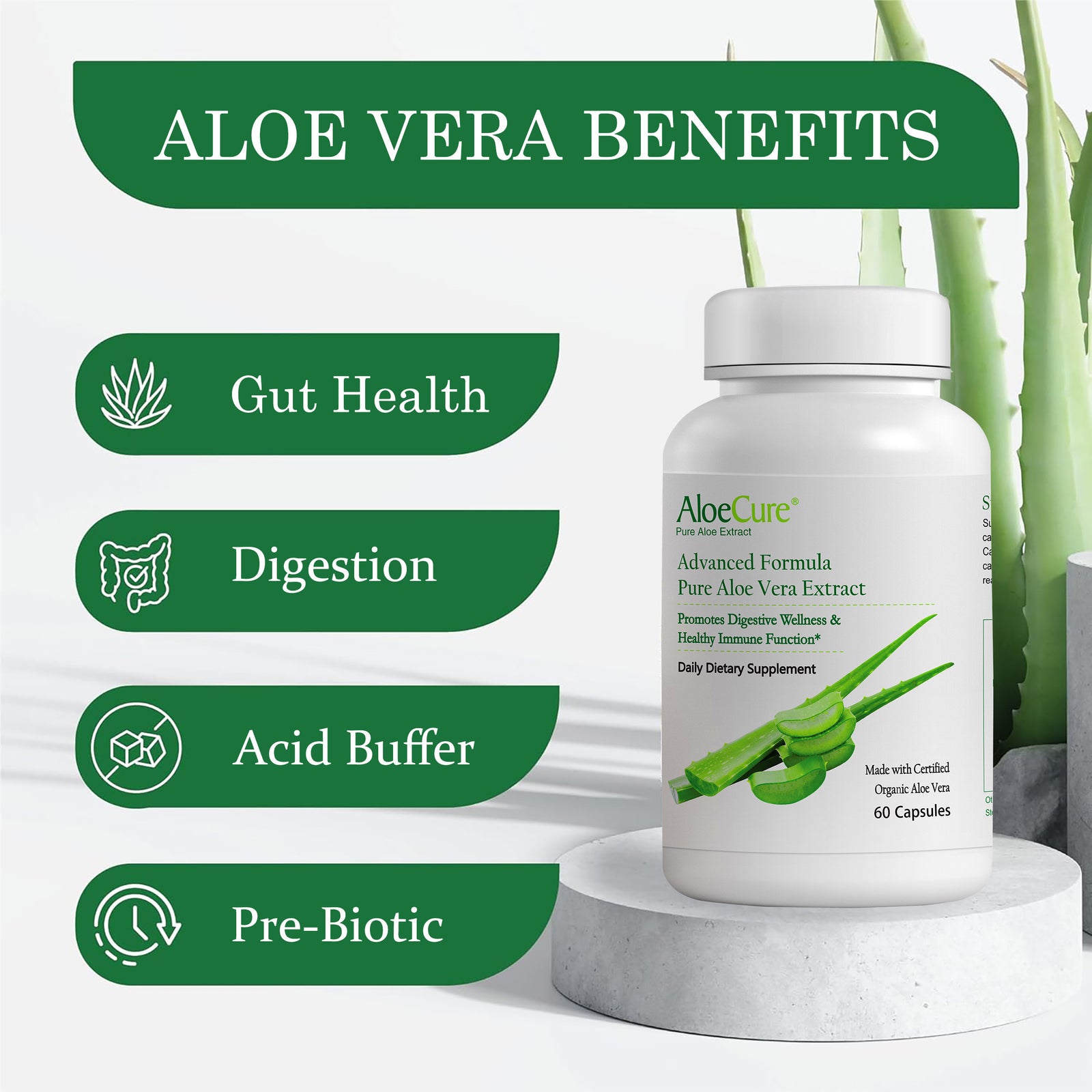
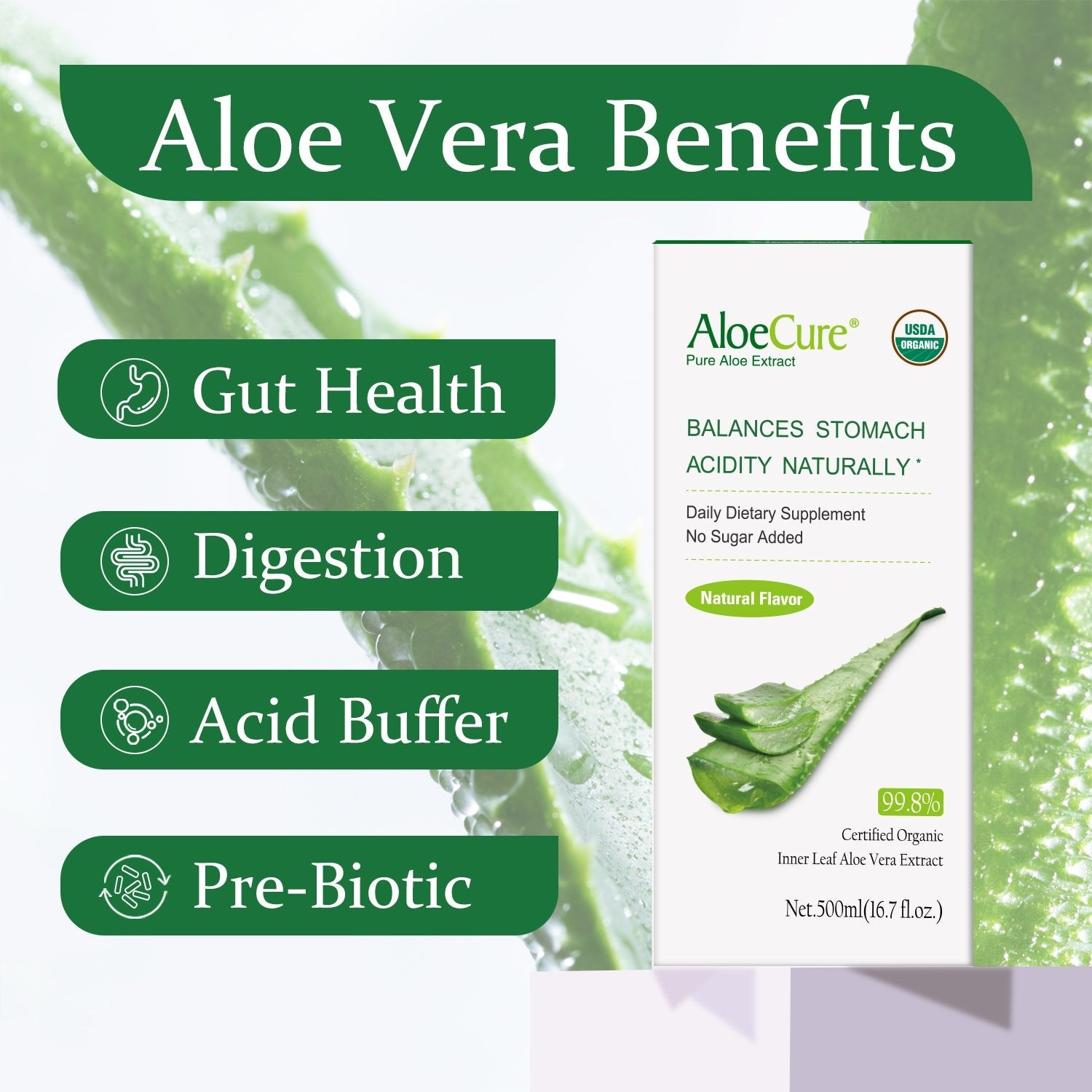
Leaf source. AloeCure's aloe is hand-harvested on its own USDA- and EU-certified organic farms, so the plant material can be traced from field to finished product. Organic seal. AloeCure makes organic products, and the farms carry USDA and EU organic certification. Processing. AGHG, the parent company, has owned and operated those farms for 25 years, and crews process the harvested leaf on site within 12 hours, without chemicals, enzymes, concentrates or charcoal filtration. The aloe is then tested for peak bioactivity.
That combination is what vertical integration means in plain terms: one company farms the aloe, processes it and makes the finished product. The questions that stall many brands, which farm, which processor, which batch, have one answer along the whole chain.
Acemannan is a polysaccharide made of mannose, glucose and galactose, and it is the aloe component most often cited in skin discussion. Human research on it for skin appearance is still early, so the defensible wording stays narrow: supports skin hydration and promotes general wellness. A collagen-style elasticity claim belongs to a different ingredient and a different study design.
Format matters less than the measured amount. A capsule is a fixed serving you can count; a juice is a volume you pour, so the same aloe can deliver different amounts from one routine to the next. Match the format to the label-amount check: grams or milligrams per serving, the plant source named, and a serving you can repeat for 8 to 12 weeks.
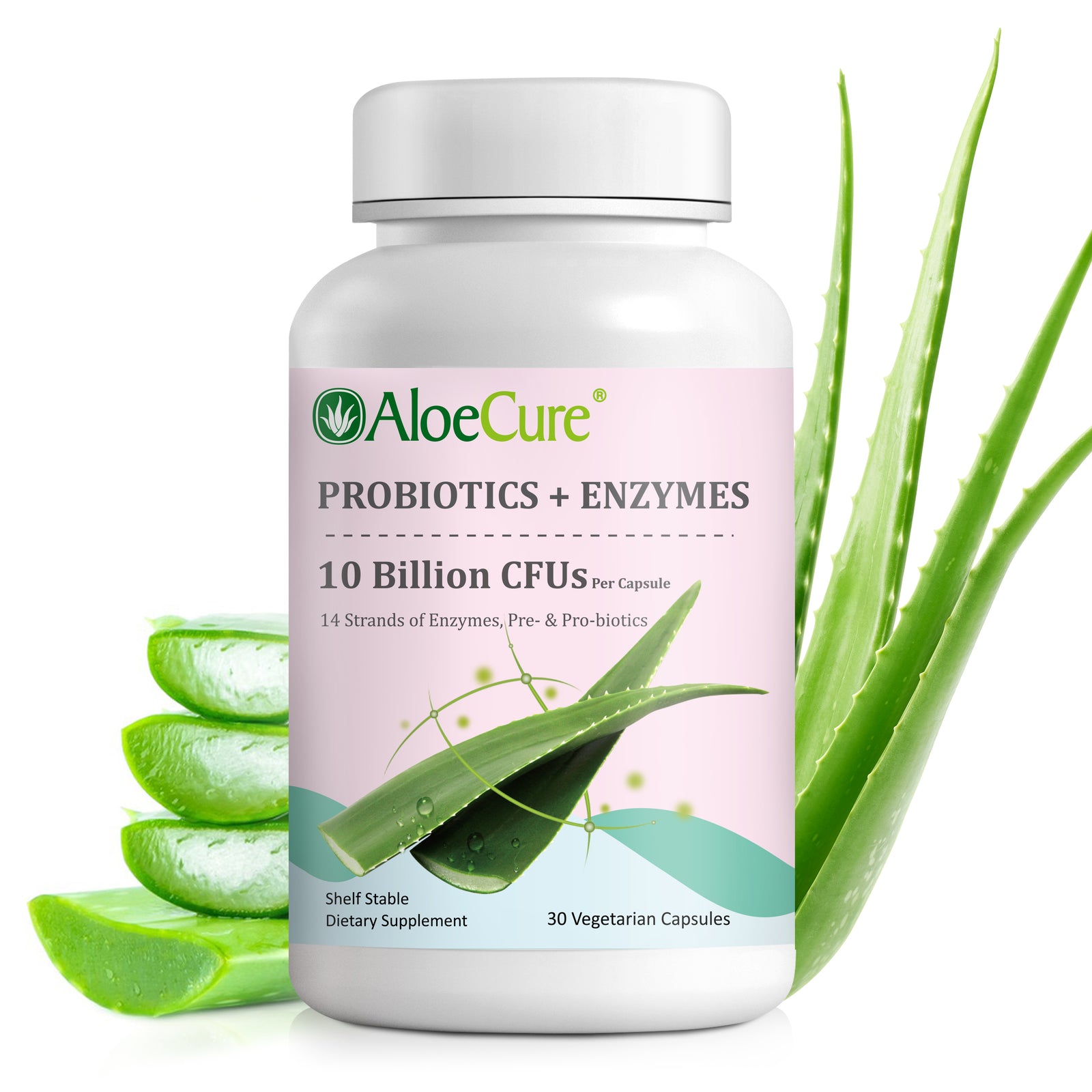
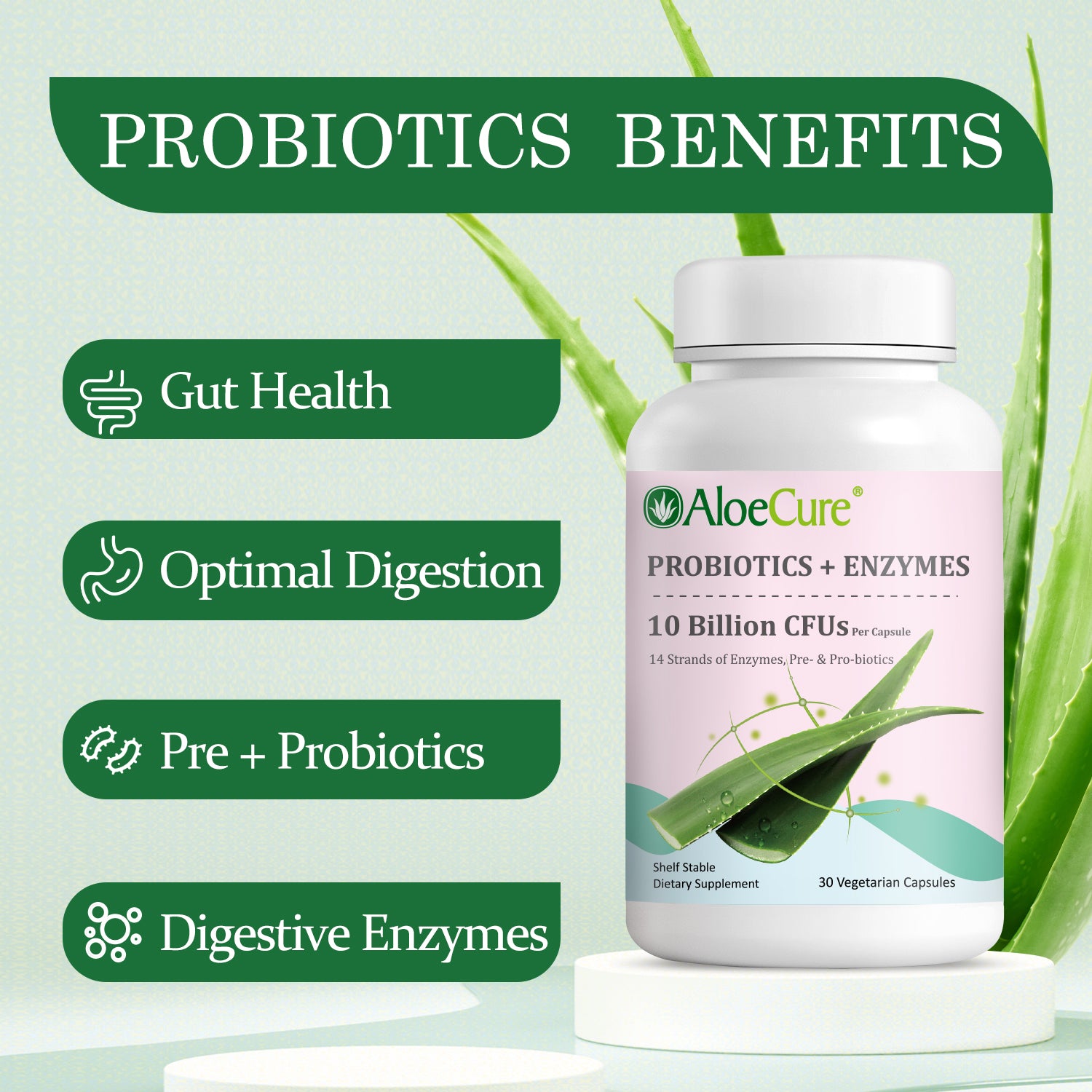
After a product clears the seven checks, compare AloeCure's juice and capsule formats on grams or milligrams per serving and choose the serving you will still be taking at week twelve. Consistency is the advantage you control.
Most disappointing results come from how a product is used, not from the product. Five habits are worth fixing before you blame the formula.
A fair test is one product, one dose, one photo routine, and a decision at week 12. Everything else is noise dressed up as evidence.
One product is enough to start. Choose a single certified organic option that passed the seven checks, take the same serving every day, and hold that routine for 8 to 12 weeks before you decide anything. If you want serving ideas beyond a straight shot, this guide to using aloe vera covers the practical options.
AloeCure works as the worked example of that next step. The store is organized around pure aloe vera juice and pure aloe capsules, so you're choosing a format rather than navigating a wall of unrelated categories. Subscribe and save takes 20% off with flexible delivery, and the rest of the terms are designed to make a three-month test low risk: a 90-day money-back guarantee, 1 to 2 day priority processing and free shipping on qualifying orders.
The quality argument here is structural rather than promotional. We farm the aloe, process the aloe and produce our own products, with USDA and EU organic certification and on-site processing within 12 hours of harvest. That's the difference between a label claim and a supply chain you can trace.
Compare the juice and capsule formats, pick the serving you'll stick with, and start a subscription when you're ready to run the full window.
These statements have not been evaluated by the Food and Drug Administration. This product is not intended to diagnose, treat, cure, or prevent any disease.
If you want a starting point that matches everything above, AloeCure's certified organic aloe juice and capsules are farmed, processed and produced by the same company, so the seven checks resolve to one traceable supply chain. Subscribe and save takes 20% off with flexible delivery, backed by a 90-day money-back guarantee and 1 to 2 day priority processing. Compare the formats at AloeCure and start your 8 to 12 week window.
Les commentaires sont approuvés avant leur publication.