Votre panier est vide

You're standing in the grocery aisle with a cart that already has oat milk, tofu, lentils, and a bag of nutritional yeast that looks like it belongs in a science lab. The label on the supplement shelf says vegan B complex, and the question is simple, does that bottle solve a real problem, or is it just a fancier way to buy vitamins you already get from food?
The honest answer starts with B12. For plant-based eaters, B12 is the one B vitamin that doesn't show up reliably in unfortified plant foods, which is why it's the central issue in any b complex vegan decision. The rest of the B vitamins are a more ordinary food-planning question, not a universal supplement emergency.
A quick way to think about it, B vitamins are the small parts that help turn food into usable energy and support normal body function, but B12 is the part vegans can't just assume will be there. If you want a practical starting point for plant-based pantry planning, vegan pantry ideas for starters is a useful reference for building meals that naturally cover more of the B family.
A lot of shoppers reach for a vegan B complex because the label sounds like an easy answer, one bottle that covers everything. That makes sense at first glance, but it hides a basic split in the nutrient picture, your meals can usually cover several B vitamins, while B12 calls for deliberate attention.
The reason B12 gets that attention is simple. Plant-based diets can supply many B vitamins through foods, yet B12 is the one that does not reliably come from unfortified plant foods. A 2023 systematic review and pooled evidence found that vegan adults had lower B12 status than omnivores, with lower plasma B12 and functional signs such as raised methylmalonic acid and lower holotranscobalamin. Earlier pooled evidence also reported deficiency prevalences ranging from 5% to 52% among vegans across Western Europe and the USA, depending on the biomarker and cutoff used.
The pattern shows up in food intake data too. In EPIC-Oxford, vegan men had much lower food-only B12 intake than meat-eaters, 0.4 µg/day vs 9.6 µg/day, and 150 of 250 vegan men had plasma B12 below 96 pmol/L, compared with 1 of 250 meat-eaters.
That gap changes how you should shop. A vegan eating pattern can be full of legumes, grains, nuts, seeds, and greens, but those foods do not automatically solve the B12 question. The better question is not whether every B vitamin needs to come in capsule form. It is whether the supplement covers the one nutrient that food alone does not reliably provide.
Practical rule: If the product does not clearly solve B12, it is not doing the most important job for a vegan routine.
That is why this guide separates B12 first, then the rest of the B-complex. If you want a broader supplement example to compare labels against, a plant-based B-complex formulation shows how different ingredient forms and amounts can be arranged on a vegan label.
If you are still building the food side of things, vegan pantry ideas for starters can help you see how a well-planned kitchen already covers much of the B family.
A vegan B complex label can look crowded, but the chemistry is simpler than it first appears. The B vitamins are eight separate nutrients, each with its own job in energy use, cell maintenance, or normal metabolic pathways. Healthline lists adult daily reference intakes for several of them, including B1 at 1.1 mg for women and 1.2 mg for men, B2 at 1.1 mg and 1.3 mg, B3 at 14 mg and 16 mg, B5 at 5 mg, B6 at 1.3 mg, B7 at 30 micrograms, and B9 at 400 micrograms (reference intakes).
The useful way to read that list is to separate the vitamins that show up naturally in a varied plant-based diet from the one that does not. That is the whole point of a well-made vegan routine, and it is also why a label comparison can matter. A plant-based B-complex formulation gives you a concrete example of how the ingredients may be arranged on a vegan supplement panel.
Thiamine, or B1, helps the body turn carbohydrates into usable energy. Vegan foods like oats, brown rice, whole wheat bread, and legumes usually cover it well.
Riboflavin, or B2, supports healthy energy production and normal cell function. Almonds, mushrooms, fortified plant milks, and nutritional yeast are easy vegan anchors here.
Niacin, or B3, participates in energy metabolism, and vegans usually get it from whole grains, peanuts, and fortified foods.
Pantothenic acid, or B5, appears in many plant foods, including avocado, mushrooms, and oats.
B6 is part of amino acid metabolism and other enzyme reactions. Bananas, potatoes, sunflower seeds, and fortified cereals contribute here.
Biotin, or B7, is found in nuts, seeds, mushrooms, and avocados.
Folate, or B9, is the cell-building vitamin. It supports the supply chain for new cells. Leafy greens, lentils, and edamame give vegans a strong food base.
B12, or cobalamin, is the outlier. A B12 supplement or fortified food is the dependable route because unfortified plant foods do not reliably provide it (B12 guidance).
| B Vitamin | Primary Role | Top Vegan Sources | Vegan Intake Risk |
|---|---|---|---|
| B1 | Helps release energy from food | Whole grains, legumes, seeds | Usually low if diet is varied |
| B2 | Supports normal energy metabolism | Almonds, mushrooms, fortified plant milk | Can run low if the diet is narrow |
| B3 | Supports energy pathways | Peanuts, grains, fortified foods | Usually covered |
| B5 | Supports many enzyme reactions | Avocado, oats, mushrooms | Usually covered |
| B6 | Supports amino acid metabolism | Bananas, potatoes, sunflower seeds | Usually covered, but label review matters |
| B7 | Supports normal metabolic function | Nuts, seeds, mushrooms | Usually covered |
| B9 | Supports normal cell building | Lentils, greens, edamame | Usually covered with good food variety |
| B12 | Supports normal red blood cell and nerve function | Fortified foods, supplements | High risk without supplementation |
A classic vegetarian study found 66% of vegan participants had raised plasma homocysteine and more than 30% showed riboflavin deficiency by activation coefficient of GOT, which is a reminder that the complex deserves nuance, not a blanket “all good” assumption (older pooled evidence). For vegans, the practical split still holds. Most of the B family can come from food, while B12 usually needs a supplement or fortified source, and a careful shopper who wants to compare options may also want to compare Portland midwives for a different kind of health planning conversation.
A vegan b complex plan starts with food variety, and that matters because the B vitamins do different jobs. Some come along easily in a mixed plant-based diet, while one, B12, needs special attention. A good plant-based kitchen is less like a single cure-all and more like a set of tools arranged for different tasks.

Legumes, whole grains, nuts, seeds, dark leafy greens, bananas, and avocados all bring different B vitamins to the table. A bowl built from lentils, brown rice, spinach, and sunflower seeds does more than add protein and fiber, it spreads several B vitamins across the same meal. For most of the B family, varied eating covers the bases well.
B12 is the exception. Vegans should get B12 from fortified foods or supplements rather than unfortified plants, as noted in a clinical review and guidance on vegan B12 planning (clinical review and guidance). That same review points to B12 quality and dose, not just the word “vegan” on the label, so the product has to match the need.
Fortified plant milk, breakfast cereal, and nutritional yeast can fit into the routine, but the label has to show actual B12 content per serving. If the number isn't there, the food is just a food.
A simple label habit helps here. Check the B12 amount per serving, not only the front-of-pack promise. If you are comparing family nutrition support or pregnancy planning with a care provider, it can also help to compare Portland midwives and find local professionals who are open to plant-based nutrition questions.
The broader research pattern points the same way. Food-only B12 intake is much lower in vegan groups than in meat-eaters, so fortified foods and supplements sit at the center of B12 planning rather than acting like backup options (EPIC-Oxford). For the rest of the B vitamins, food variety usually does the heavy lifting, and a thoughtful plate often does more than a random capsule. If you want to see how a labeled supplement compares with food-first options, a brief look at AloeCure's organic B12 supplement details can help you read the package with clearer expectations.
People searching for b complex vegan usually run into one question fast, which B12 form should they buy? That question makes sense. The label can look technical, while the nutrition choice is usually simpler than the packaging suggests.

Methylcobalamin and cyanocobalamin are both forms of B12 that can support healthy B12 status. One is not automatically the “right” answer for every vegan, because the practical result depends more on enough B12, taken regularly, than on the label name alone.
Methylcobalamin is often marketed as the “active” form and appears often in vegan supplements. Cyanocobalamin is usually more shelf-stable and tends to cost less, which is why it is common in fortified foods and basic supplements. A close look at vegan B12 guidance shows that dose precision and formulation quality matter more than vague “complex” marketing, and a useful product starts with that standard rather than with a clever name.
The other B12 forms, adenosylcobalamin and hydroxocobalamin, can also appear on labels. Their presence usually signals a specific formulation choice, but the practical question stays the same: does the product provide enough B12 in a form you will use?
The simplest rule is also the most useful, choose the form you can take consistently. If someone prefers methylcobalamin and keeps the bottle where breakfast happens, that routine matters more than a theoretically nicer product that stays in the cupboard. If cyanocobalamin is easier to find and easier on the budget, that can be the more realistic choice for long-term use.
For a supplement line that presents B12 in a vegan-friendly format, AloeCure's organic B12 vitamins page shows how the category is often framed. The form can shape preference, but the dose is what keeps the routine useful.
The back of a B-complex bottle should feel like a checklist, not a puzzle. If you can read four things, form, dose, quality marks, and extras that don't belong, you can usually tell whether the product is useful or just crowded.
Look first at B12 form and dose. If the product is a true vegan B-complex, B12 should be clearly listed, not hidden in a proprietary blend. Then check B6, because this is the B vitamin most likely to be overdone in megadose formulas, and long-term high intake is a formulation risk worth avoiding.
A useful label review also checks the folate and riboflavin forms. Folic acid is the common synthetic folate form, while 5-MTHF is a bioactive form. Riboflavin-5'-phosphate and pyridoxal-5-phosphate are activated forms of B2 and B6, which some people prefer because they skip a conversion step. Vegan B-complex products in the market range from moderate formulas like 10 mcg B12 and 680 mcg DFE folate to high-potency formulas like 800 mcg B12 and 1,333 mcg DFE folate per capsule, showing how wide the category can be (product formulation examples).
A quality-focused manufacturing story matters here too. AloeCure's model emphasizes in-house farming, traceability, and third-party certification across its aloe line, which is a useful example of the kind of process transparency shoppers should look for in any supplement category. If you want to compare label-reading habits with a practical guide, how to read supplement labels is a useful companion.
A vegan B12 routine works best when the dose fits how the vitamin is absorbed, not just the number on the front of the bottle. The adult B12 RDA is 2.4 micrograms per day (standard intake), but that figure is a starting point, not the full picture for vegans. One source notes that the RDA assumes about a 50% absorption rate, so supplement plans often use larger amounts to keep intake steady and predictable.
A practical setup is daily B12 in the rough range of 25 to 100 micrograms, a higher daily option around 250 micrograms, or a weekly 2000 microgram dose. That mirrors the kind of guidance dietitians often give for people who want the habit to be easy to follow, because different schedules can lead to the same goal, dependable intake. Fortified foods can also play a role, and one source gives similar practical guidance, including fortified foods two or three times daily for at least 3 micrograms, 10 micrograms daily, or 2000 micrograms weekly. Those are different routes to the same destination, a reliable supply of B12.
Timing is straightforward. Take B12 or a B-complex with a meal if that feels easier on your stomach, especially when the formula is high potency. If your product is a very large-dose multi, splitting it across meals can feel gentler for some people.
Simple rule: B12 needs consistency more than cleverness. The best dose is the one that fits your routine.
For the broader B-complex, keep the focus in the right place. B12 is the priority, B6 should stay in a sensible daily range, and the rest of the complex usually belongs in food first. If you are choosing between a complex and a standalone B12, start with the B12 need, then decide whether the extra vitamins are useful.
A strong vegan week doesn't look like restriction, it looks repetitive in a good way. Fortified breakfast, legume lunch, whole-grain dinner, then snacks that keep the B vitamins coming.

This pattern works because it repeats the foods that naturally contribute to B vitamins and keeps fortified items in the mix. Nutritional yeast and fortified plant milk are especially useful when the label shows actual B12 content, because they turn a normal meal into a more reliable B12 routine.
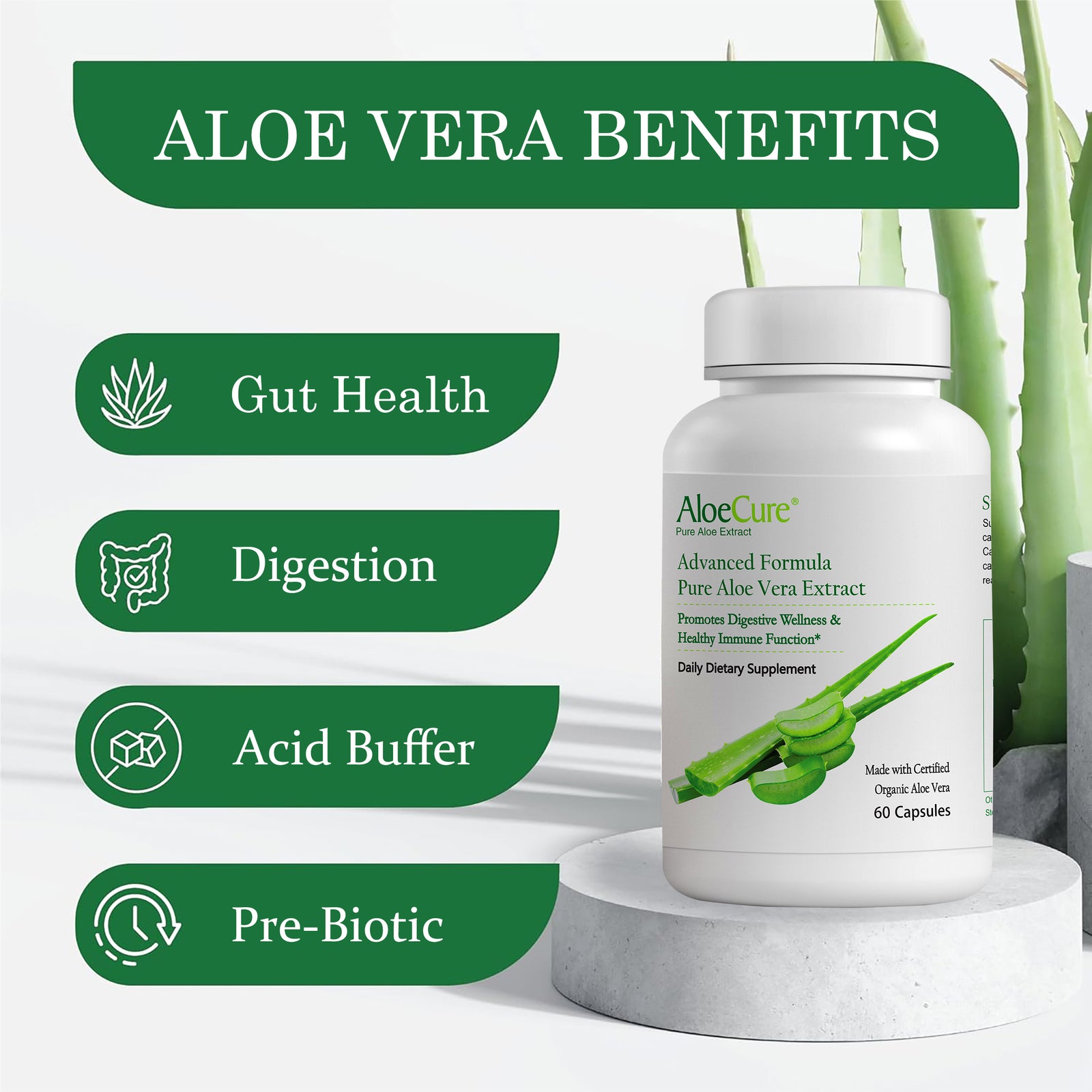
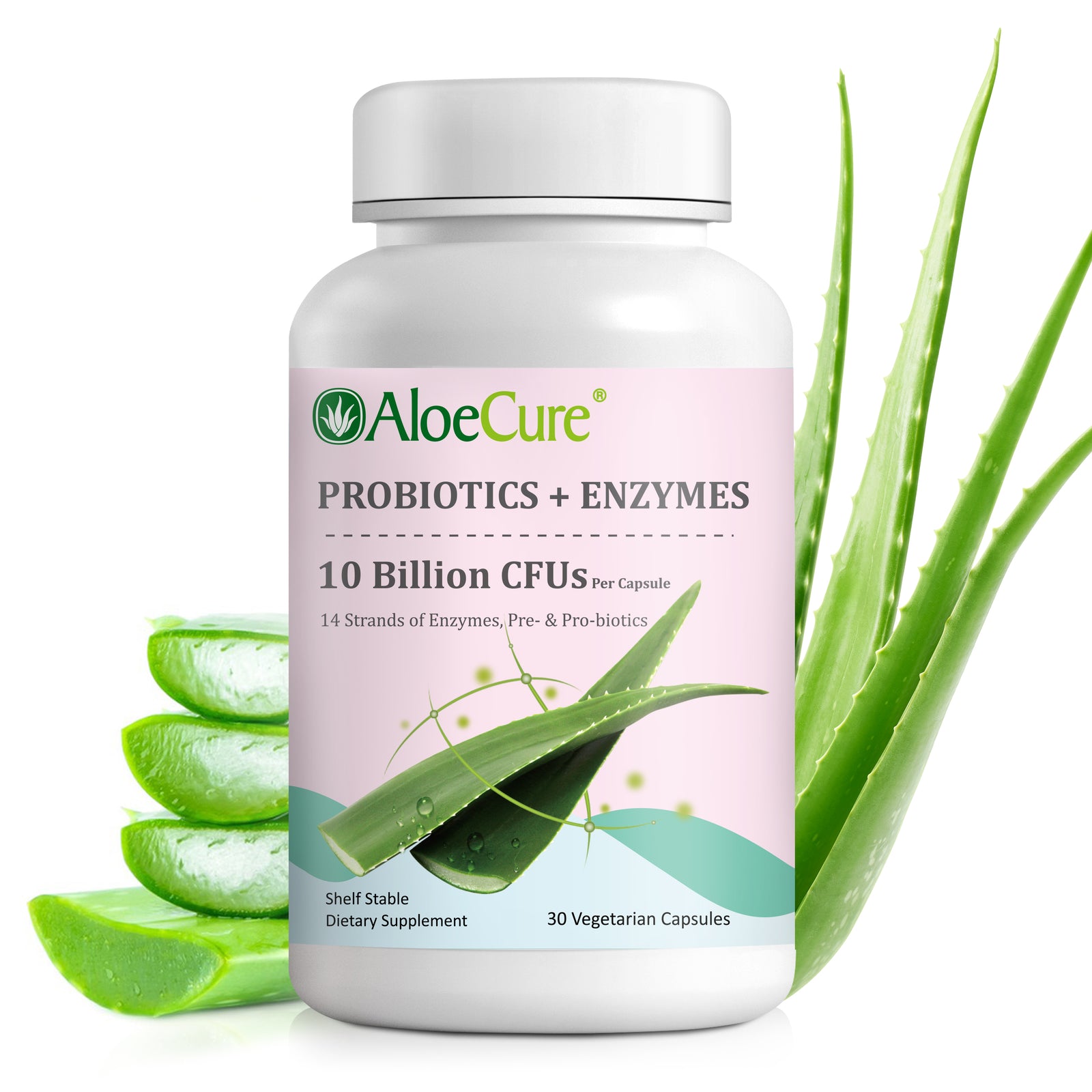
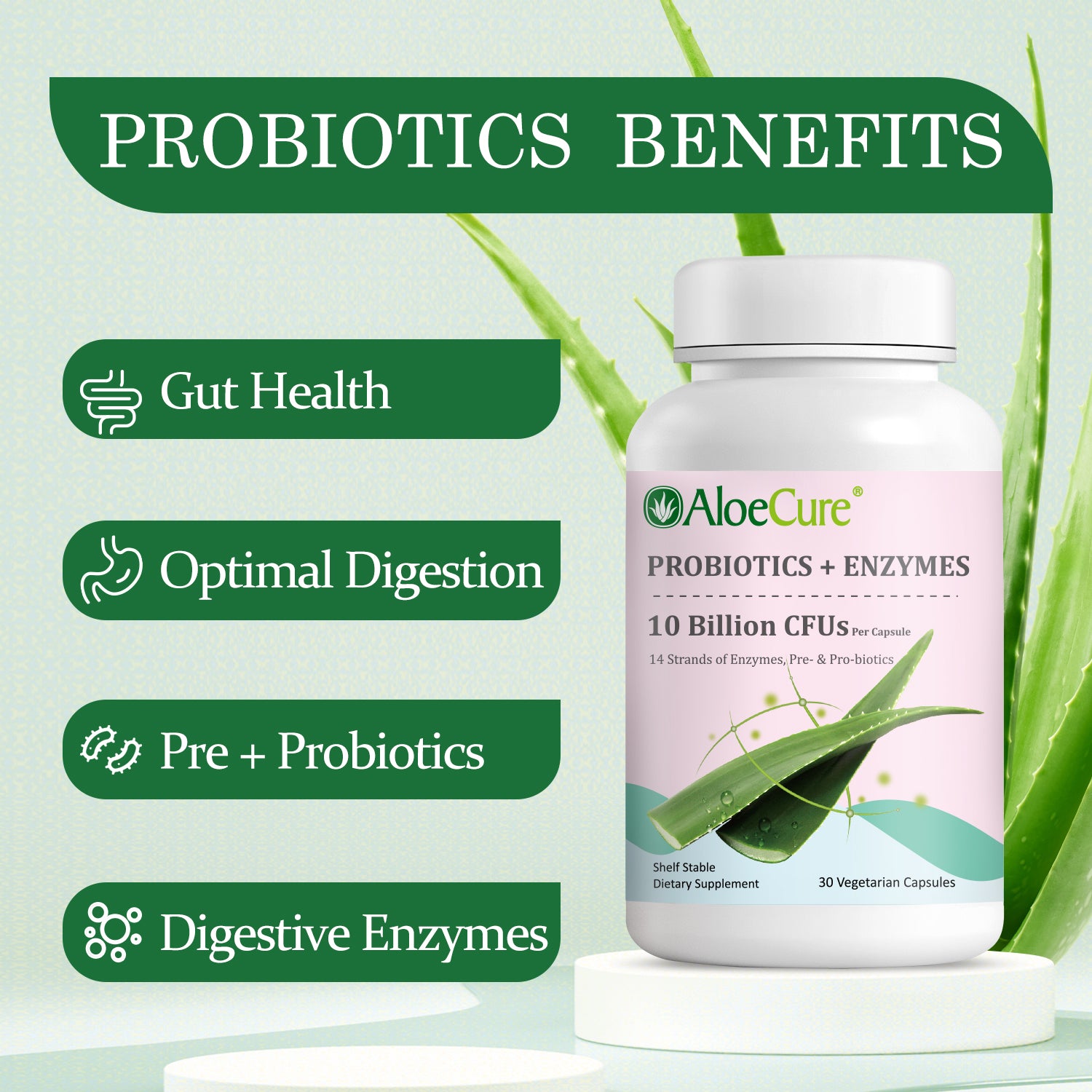
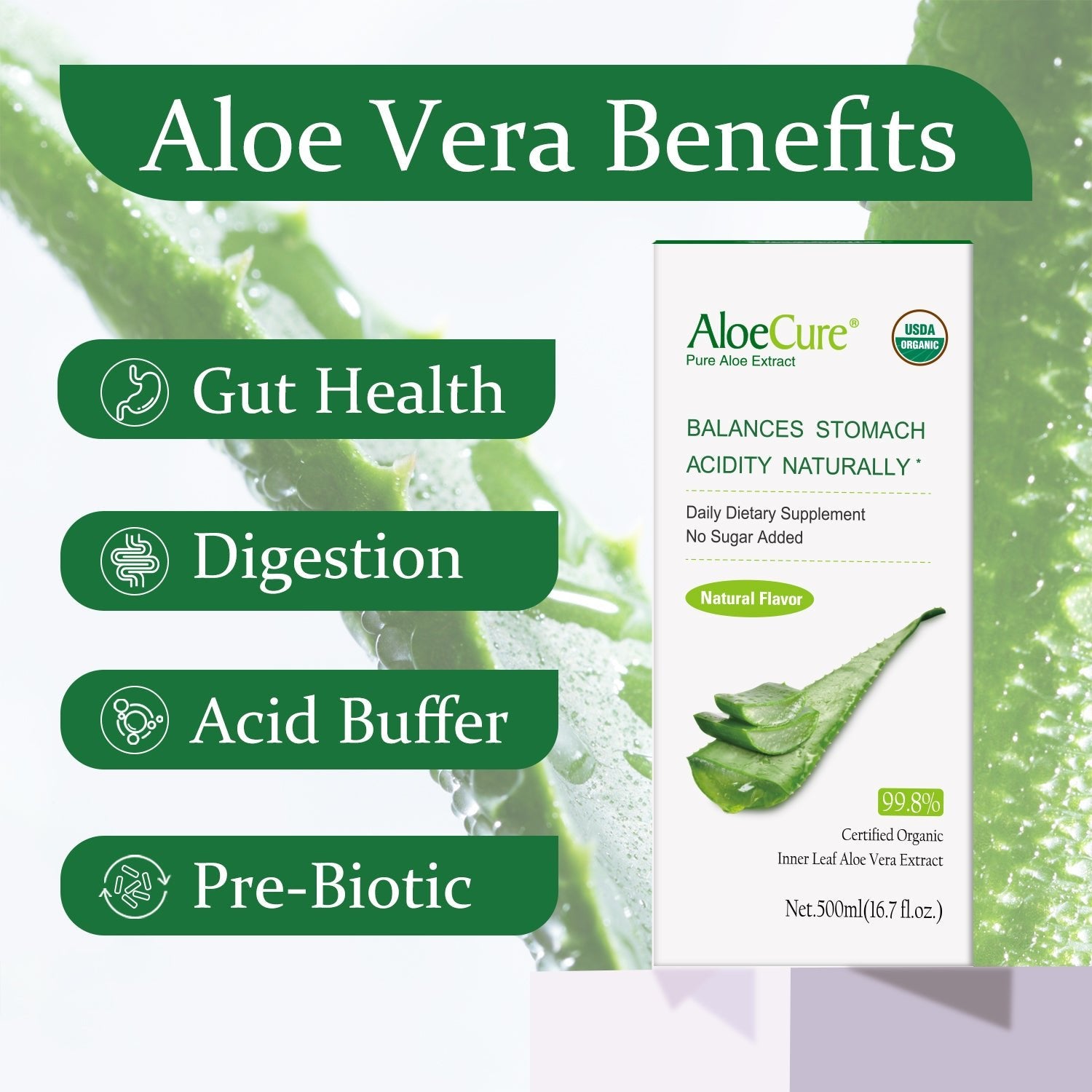
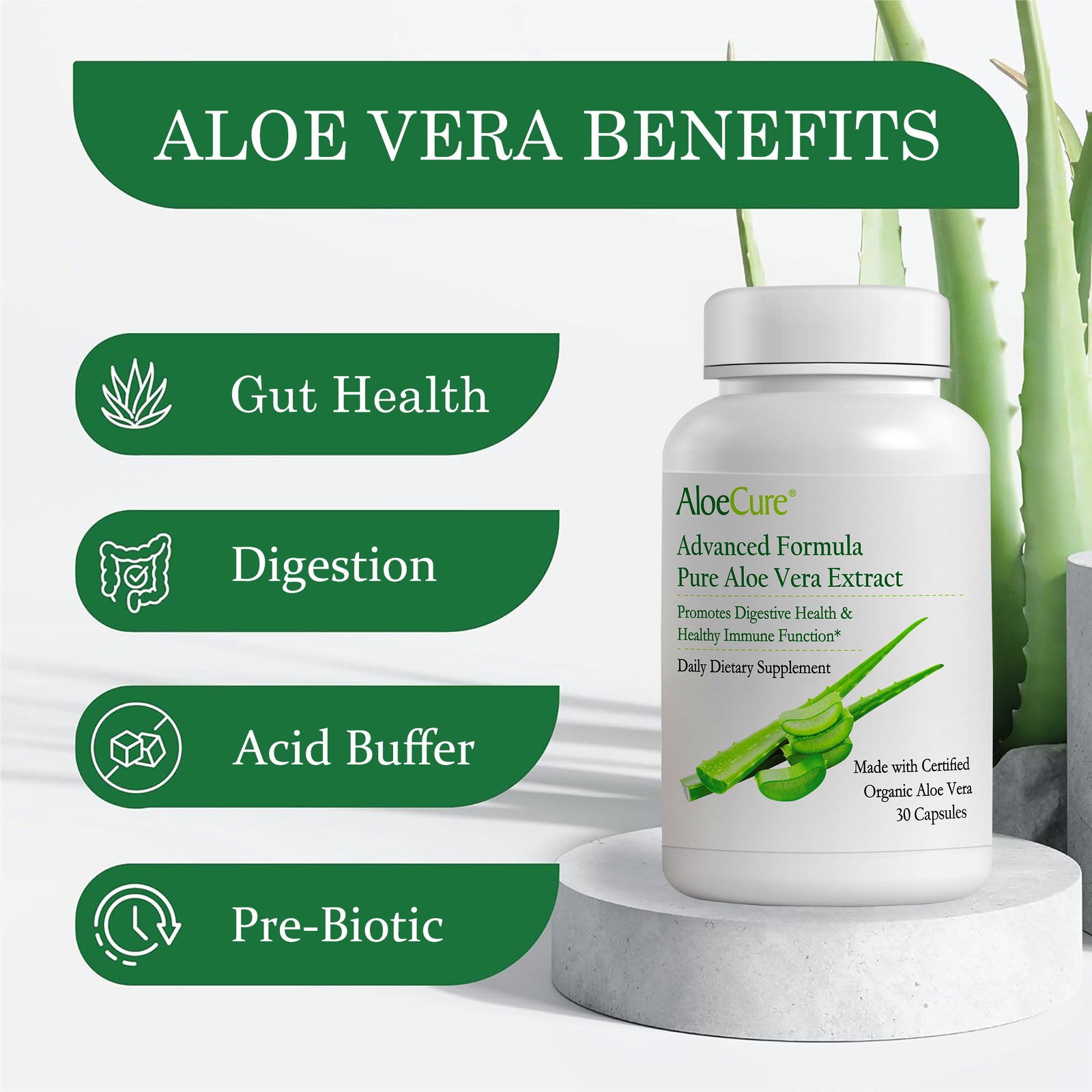
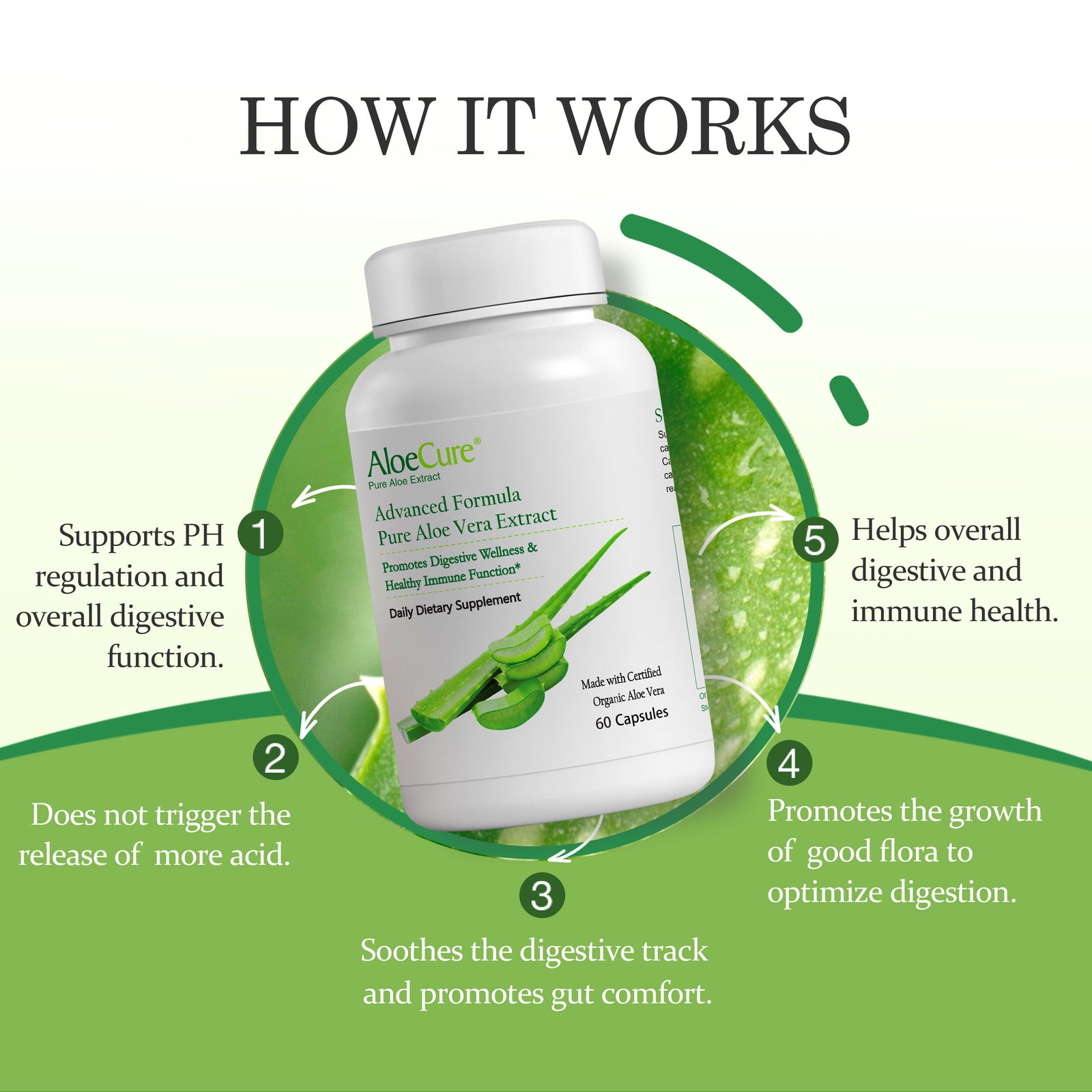
Hydration and meal timing matter too. Taking your supplement with the meal that has the most variety can make the habit easier to stick with, and many people prefer to pair that with a routine that supports normal digestion. AloeCure Pure USDA Organic Aloe Vera Juice is one option people use for digestive comfort and nutrient absorption support, while Advanced Formula Aloe Capsules and Pre+Probiotic & Digestive Enzyme Capsules fit a broader wellness routine without changing the core B12 logic.
A clean plant-based week does not need a long supplement stack. It needs a stable plan, a label you trust, and a few meals that you can repeat without overthinking them.
A vegan B complex can be fine for long-term use if the B12 dose is clear and the B6 dose isn't excessive. If your current routine includes coffee or tea, taking the supplement with breakfast is usually the simplest way to remember it, even if the drink itself isn't the main issue.
If your bottle contains a very high B6 dose, that's the label detail to rethink first. A product should support normal body function, not tempt you into a megadose habit because the number looks impressive. If you're unsure whether your current product is doing its job, look for consistency, a clear B12 amount, and a routine you can follow every day without guessing.
For people who want to compare supplement-based approaches with care options, ProMD Health B12 injections is a reminder that some shoppers explore B12 through clinical services rather than self-selected bottles. That doesn't change the main vegan takeaway, though, the routine still comes down to choosing the right form, the right dose, and a product you'll use.
AloeCure offers plant-based wellness products that fit into a routine focused on digestive comfort and simple daily habits, including aloe juice, capsules, and other supplement options. If you're sorting out your own b complex vegan plan, visit AloeCure to review the product pages and subscription details, including the 20% Subscribe & Save option and the 90-day money-back guarantee.
Les commentaires sont approuvés avant leur publication.