Votre panier est vide


You've just sliced open a thick aloe leaf, scraped the clear gel onto a clean cutting board, and now you're wondering whether to put it straight on your face, mix it with honey, or pour it into a jar for later. That hesitation is sensible. Raw aloe gel, bottled cosmetic gel, and pharmacy products aren't interchangeable, particularly when water, oils, botanicals, and kitchen ingredients enter the formula.
The useful aloe vera skin care recipes aren't necessarily the ones with the longest ingredient list. They're the ones matched to your skin, mixed in a sensible order, tested before broad use, and made in quantities you can use while they're fresh. Aloe has a long topical history, from traditional beauty routines in ancient Egypt, Greece, and China to formal listing as a skin protectant by the U.S. Pharmacopoeia in 1820, with widely cited dermatology case reports appearing in the 1930s (historical review).

This guide takes the practical route: three foundational recipes, skin-type adjustments, compatible and questionable add-ins, fresh-leaf handling, storage, pH, preservation, and a realistic routine. For a useful introduction to selecting and preparing aloe at home, compare this aloe vera care guide, then review how to harvest aloe vera before you start cutting leaves.
The clear inner gel looks finished the moment it slides from the leaf. It glistens on the cutting board, cool and slippery, and it's tempting to scoop it into a bowl with whatever happens to be nearby. A teaspoon of honey seems harmless. Lemon juice sounds brightening. A few drops of essential oil can make the batch feel more like a finished product.
That's where kitchen intuition often fails. Fresh aloe is a water-rich raw material, not a preserved cosmetic formula. It can be pleasant to apply, but it can also change in smell, color, texture, and microbial quality when handled casually. A bottled cosmetic gel may contain a preservation system and texture modifiers. A pharmacy gel may be designed for a different use, with different supporting ingredients. Raw leaf gel has none of that consistency unless you create a careful process around it.
For facial recipes, work with the clear inner gel and remove the outer rind thoroughly. Wash the leaf, trim it with a clean knife, allow the yellow latex to drain away, and use the transparent interior rather than scraping the whole leaf into the bowl. Published formulation workflows use washing, rind removal, homogenization, and filtration to remove fibrous material before the gel enters a finished base (formulation workflow and stability study).
The difference matters because the finished texture depends on what you put into it. Strands of rind and fibrous pulp make a mask drag across the skin and make a gel harder to filter. A clean, smooth gel gives you a better starting point for a moisturizer, mask, or short-lived facial gel.
Practical rule: Treat every homemade aloe product as a fresh cosmetic batch. Clean tools, measured ingredients, conservative use, and a clear discard point matter more than an impressive recipe title.
You'll find the recipes below useful precisely because they keep the formulas understandable. They also call out the shortcuts that backfire, including adding acidic citrus to a leave-on product, stirring oils into aloe without an emulsifier, and assuming refrigeration solves preservation. It doesn't. Cold storage slows change, but it doesn't turn an unpreserved water-based mixture into a shelf-stable product.
Start with small quantities and clean utensils. The recipes below are practical kitchen formulas, but they aren't preserved commercial products. Use a clean bowl, a small spatula or whisk, and a dark glass jar when storage is unavoidable.

Combine 2 tablespoons of strained aloe gel, 1 teaspoon of vegetable glycerin, and 1 drop of vitamin E. Stir the aloe and glycerin first until the mixture looks uniform, then incorporate the vitamin E slowly. Glycerin is a humectant, so it changes the feel from watery slip to a slightly more cushioned gel. Vitamin E is oil-soluble, so one drop is enough for this small batch. It won't preserve the formula.
Apply a thin layer to clean, slightly damp skin. The right amount should leave light slip without a sticky film after it settles. Use it daily if your skin accepts it, preferably followed by a moisturizer when your skin needs more than lightweight hydration.
This version needs more care because aloe and oils don't naturally stay blended. Melt 1 tablespoon of shea butter, 1 teaspoon of jojoba oil, and a small amount of beeswax together in a heat-safe bowl over gentle indirect heat. Warm only until the solids have melted, then remove the bowl and let the oil phase cool until it's warm rather than hot.
Add aloe gradually while whisking. A successful emulsion becomes smooth, opaque, and creamy. It may thicken as it cools. A broken emulsion looks glossy and separated, with watery aloe pooling around an oily or waxy mass. If that happens, don't keep adding aloe and hope for the best. Without a suitable emulsifier and preservation system, the batch may remain unstable even if it briefly looks blended.
Use a thin layer in the evening. The texture should feel like soft cushion rather than a heavy wax coating. Because this formula contains water and plant material, make a very small batch and discard it at the first sign of separation, odor, or color change.
Mix 2 tablespoons of aloe gel with 1 teaspoon of honey in a clean bowl. Stir until the mixture is even, then spread a thin, comfortable layer over clean skin while avoiding the immediate eye area. Leave it on for 15 to 20 minutes, rinse with lukewarm water, and pat dry rather than rubbing.
Use the mask twice weekly, not as an automatic daily step. Honey adds humectant character and tack, so a thick application becomes messy without adding much value. The finished mask should glide easily and rinse without aggressive scrubbing.
Aloe is often used as a base ingredient in cosmetic products that also contain humectants, emulsifiers, or carrier oils. That combination reflects a formulation reality, not a weakness. Aloe contributes a light, watery gel character, while the supporting ingredients determine richness, spread, stability, and after-feel. A clinical literature review also emphasizes that aloe's effects vary by use and that evidence isn't uniform across cosmetic and dermatologic applications (clinical review).
The easiest way to customize aloe vera skin care recipes is to adjust oil load, butter content, humectants, and sensory finish. Don't rebuild every formula from scratch after one disappointing application. Change one variable, make a fresh small batch, and pay attention to how the product feels after it settles.
Oily-feeling skin usually prefers a thin, fast-spreading layer. Start with the hydrating gel, keep the glycerin modest, and if you want an emollient finish, use only a few drops of squalane or jojoba. Skip shea butter in the face formula if it leaves a waxy film. A cooled green tea infusion can replace part of the water phase, but it adds another perishable botanical, so use it immediately or make only a tiny batch.
Dry-feeling skin often benefits from layering rather than turning aloe into a heavy standalone cream. Apply the aloe gel first, then use the richer moisturizer over it. You can increase the shea butter portion in the creamy formula, but the batch still needs a proper emulsion and a preservation plan. A hyaluronic acid solution can replace glycerin when you prefer a less tacky, more cushion-like gel, provided you're using a prepared cosmetic solution rather than adding dry powder casually.
Sensitive or reactive skin needs the shortest ingredient list. Leave out essential oils, make honey optional, and use distilled water whenever water is part of the recipe. Look for an airy, quiet texture with no sharp scent or warming sensation. Aloe is generally well tolerated, but reports include burning, stinging, hives, and contact reactions in sensitive users (dermatology reference).
| Recipe Adjustments by Skin Type | Base Aloe | Oil/Butter Adjustment | Add-Ins | Skip |
|---|---|---|---|---|
| Oily-feeling | Strained aloe gel | A few drops of squalane or jojoba | Small amount of green tea infusion | Heavy shea butter, dense oils |
| Dry-feeling | Aloe gel under cream | Increase shea butter carefully | Prepared hyaluronic acid solution | A bare aloe layer as the only step |
| Sensitive or reactive | Aloe with distilled water | Keep oils minimal or absent | Optional honey only after testing | Essential oils, citrus, complex blends |
Use the skin's feedback as your guide. Light slip suits oily-feeling skin, cushion suits dry-feeling skin, and an airy, low-scent finish is the safer target for sensitive skin.
Aloe works most predictably with ingredients that respect its watery, gel-like base. Honey, plain yogurt, finely milled oatmeal, cucumber, and green tea can complement a rinse-off mask or short-use preparation. They don't make the mixture preserved, and they don't automatically make it suitable for every face.
Jojoba, squalane, and sweet almond oil add emollient support, but the amount determines whether the formula feels elegant or greasy. Coconut oil is a common kitchen shortcut, yet it can feel heavy and may be a poor match for faces that clog easily. The right question isn't whether an ingredient sounds natural. It's whether the ingredient fits the skin type, the format, and the preservation plan.
| Aloe Vera Add-Ins: Compatible vs. Risky | How It Behaves with Aloe | Verdict |
|---|---|---|
| Honey | Adds tack and humectant character, especially in rinse-off masks | Useful in a small, fresh mask |
| Plain yogurt | Creates a creamy, perishable rinse-off mixture | Use fresh and rinse promptly |
| Oatmeal | Adds body and a soft cleansing feel when finely milled | Suitable for rinse-off use |
| Cucumber or green tea | Adds a watery botanical phase | Fresh, short-use batches only |
| Jojoba or squalane | Provides a light emollient feel | Better than heavy oils for many faces |
| Lemon or other citrus juice | Adds acidity and can increase sun sensitivity in leave-on use | Avoid in leave-on formulas |
| Undiluted essential oils | Concentrated fragrance materials can provoke sensitivity | Skip, particularly for sensitive skin |
| Loose vitamin C powder | Can produce an uncontrolled pH and uneven dispersion | Don't add without formulation control |
| Sea salt | Can pull water from the gel and disrupt its structure | Avoid in facial aloe gels |
| Clay, castile soap, or strong acids | Can alter texture, pH, and compatibility | Better kept out of casual aloe blends |
Lemon juice is especially attractive because it's already in the kitchen. It's also a poor choice for a leave-on facial formula before sun exposure. Citrus acids can make a product feel active while creating a risk that the user didn't intend. Strong acids and castile soap introduce a separate problem, because their pH and cleansing behavior can push the aloe mixture away from a comfortable cosmetic balance.
If you're considering fragrance, review this practical guide to essential oils for skin before adding anything. For the plant itself, buy aloe plants at The Cactus Outlet only after checking that the species, growing conditions, and intended use suit your needs.
Commercial cosmetic quality also depends on contaminant controls, not just a clean-looking leaf. The Cosmetic Ingredient Review Expert Panel recommends keeping anthraquinones in aloe-derived cosmetic ingredients at or below 50 ppm, with additional limits for contaminants including pesticides, arsenic, heavy metals, and lead (CIR safety assessment). That level of control is difficult to reproduce with a knife and mixing bowl.
A mature aloe leaf should feel substantial and firm, with a clean surface and no obvious signs of decay. Wash it with distilled water, trim the ends, stand it so the yellow latex can drain, and fillet away the outer rind. Scoop out the clear inner gel, remove visible fibers, and use a clean utensil to transfer it into your bowl.
Inner-leaf gel and whole-leaf gel aren't the same material. Facial recipes generally make more sense with clear inner gel because it's easier to control the texture and avoid unnecessary plant components. Whole-leaf material may be processed differently, so don't assume a bottled whole-leaf product can be substituted tablespoon for tablespoon in a recipe designed around fresh inner gel.

Fresh gel offers control over the starting material, but it spoils quickly. A quality bottled cosmetic gel offers more predictable texture and may already include a preservation system. Read the full ingredient list rather than choosing by the word “natural” on the front label.
A water-heavy homemade batch without a broad-spectrum preservative will eventually ferment or support unwanted microbial growth. Refrigeration, dark glass, clean utensils, and a date label all help you manage the batch, but they don't replace preservation.
For simple fresh gel, use a small dark glass jar, refrigerate it, and aim to finish it within three to five days. Recipes with added antioxidants or honey may remain usable for two to three weeks, but those windows aren't guarantees. They depend on raw material quality, handling, water activity, container hygiene, and the recipe itself.
Make only what you can use promptly. If you notice sour odor, color shift, watery separation, gas, or an unfamiliar texture, discard the batch rather than trying to rescue it. The published formulation literature reports a related aloe product staying physically stable under accelerated storage conditions for up to 6 months, but that result applies to a tested formulation and controlled process, not an unpreserved kitchen mixture (topical aloe formulation study).
For growing advice, use this guide to grow aloe vera at home. If you want longer stability, choose a professionally processed and preserved product instead of trying to extend a fresh batch indefinitely.
“Patch test first” is useful only when you give the test enough time. Apply a small amount of the finished formula to the inner forearm, leave it alone, and observe it for 24 to 48 hours. Mild brief tingling isn't a reason to push through, particularly if it returns or intensifies. Redness, itching, burning, swelling, hives, or a spreading rash means rinse immediately and stop using the formula.
Aloe can cause sensitivity even though it's widely used in cosmetics. One in vivo assessment included 59 volunteers, and 11 people, or 18.64%, reported a mild allergic reaction after applying aloe gel material (clinical aloe assessment). People with sensitivity to other members of the lily family, including garlic, onions, or tulips, may warrant extra caution because related plant sensitivities can overlap (dermatology reference).

A lemon-and-sun combination is a poor experiment for a leave-on mask. The formula may feel gentle during application, yet citrus components can raise photosensitivity concerns after exposure to sunlight. Skip citrus in leave-on aloe products, especially when you can't control the exact concentration or pH.
Don't use an untested batch on open skin, areas with a significant barrier problem, or anywhere you can't easily rinse it. A kitchen formula also isn't a substitute for professional assessment when a skin concern is severe, spreading, persistent, or rapidly changing.
Abandon the recipe if the texture separates, the odor turns sour, the color shifts, or the product begins to sting beyond the first minute. Those changes can point to spoilage, incompatibility, or an unsuitable pH.
Use this stop checklist:
FDA cosmetic guidance also matters here. Cosmetics don't require premarket approval, and labels or advertising must not imply FDA approval. Ingredient lists should appear in descending order of predominance, with suitable warnings and directions when misuse could create a hazard (FDA cosmetic claims guidance, FDA labeling requirements). Keep claims cosmetic and wellness-oriented, such as “promotes hydrated-feeling skin” or “supports a comfortable skin care routine.”
A workable routine doesn't require a new mask every night. Use the hydrating aloe gel in the morning on clean, slightly damp skin, then apply your usual moisturizer and sunscreen. In the evening, use the creamy moisturizer if your skin wants a richer finish. Reserve the honey mask for twice-weekly use, and rinse it thoroughly.
Introduce one homemade formula at a time. If you also use exfoliating products, retinoids, prescription products, or other active formulas, avoid layering a new DIY blend over them on the first use. Keep the aloe product simple, give your skin time to respond, and stop if the combination feels hot, itchy, or unusually tight.
The DIY route makes sense when you enjoy fresh preparation and can manage small batches. It makes less sense when you travel, forget date labels, dislike refrigeration, or want the same texture every morning. A preserved, professionally processed product can offer a more consistent experience without requiring you to remake a water-rich gel every few days.
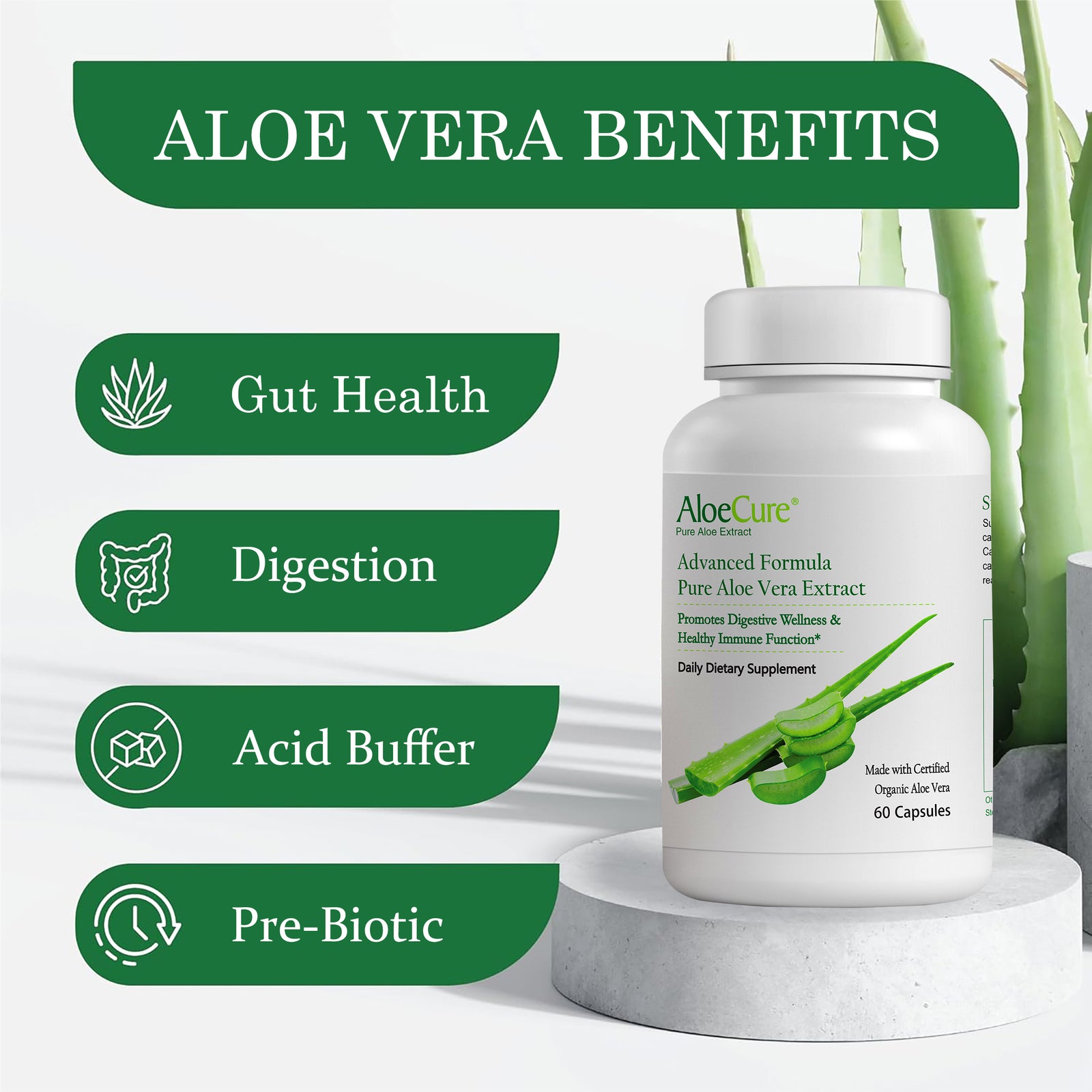
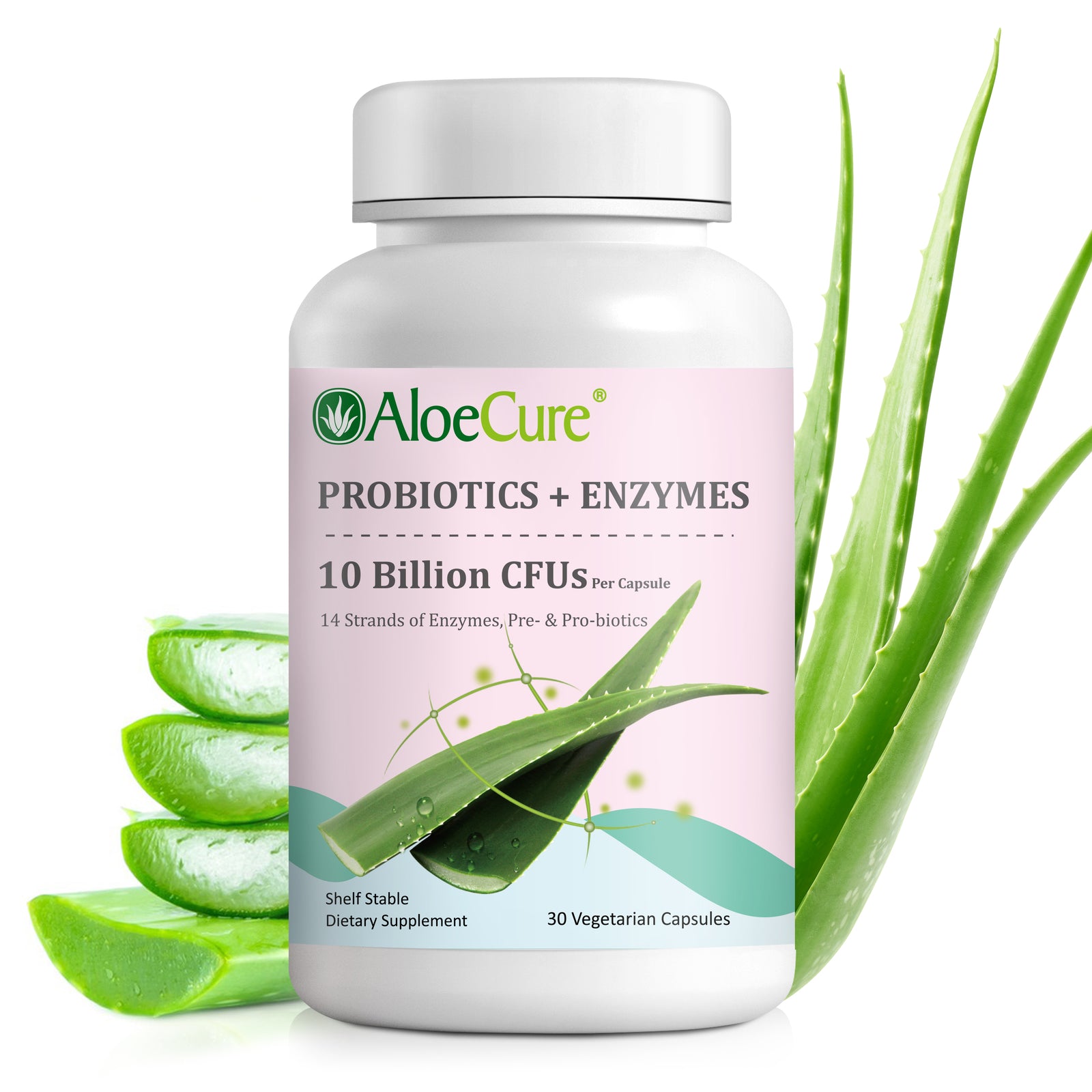
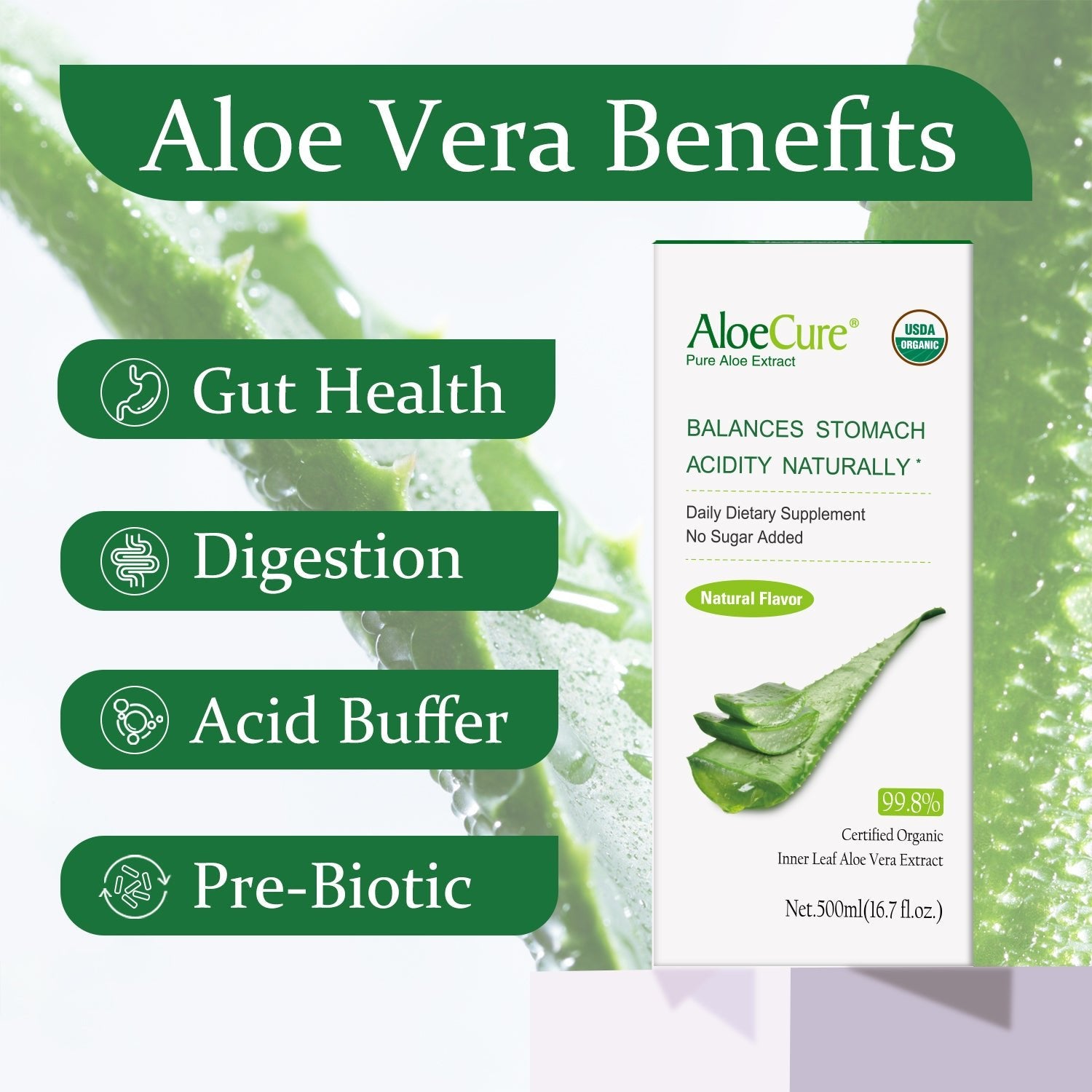
For readers comparing farm-to-bottle sourcing and professional aloe processing, this supplier guide for aloe gel offers useful purchasing context. AloeCure's organic aloe vera gels and the ALODERMA skin care line are ready-made options for people who want processed aloe and a repeatable product format rather than a fresh kitchen batch. The company describes its vertically integrated model as farming, processing, and producing its own aloe products, with aloe handled on-site within 12 hours of harvest. Its product range also includes pure organic aloe juice, capsules, and skin care made through its sister company.
The right choice is practical, not ideological. Make the fresh gel when you'll use it promptly and enjoy the process. Choose a professionally prepared option when consistency, storage convenience, and a defined manufacturing system matter more than scraping a leaf at the counter.
AloeCure offers farm-to-bottle organic aloe products alongside ALODERMA skin care for people who want a consistent alternative to short-lived homemade batches. Visit AloeCure to explore the aloe options, and consider Subscribe & Save if a regular delivery with 20% off fits your routine.
Les commentaires sont approuvés avant leur publication.