Tu carrito está vacío
Envío y manipulación gratuitos con todos los pedidos superiores a $25
Envío y manipulación gratuitos con todos los pedidos superiores a $25

Some mornings, the signal is subtle. Your knees feel a little less eager on the stairs. Your hands take a few extra moments to loosen up while holding a coffee mug. You still want to walk the neighborhood, tend the garden, travel, lift groceries, and keep up with family. You’re not looking to stop moving. You’re looking for smart, natural support that fits the life you want to keep living.
That’s why so many people are paying closer attention to natural joint health supplements. They want options that support mobility, flexibility, and everyday comfort in a steady, wellness-focused way. They also want cleaner labels, plant-based ingredients, and better transparency about what’s inside the bottle.
Quality matters more than most labels suggest. Two supplements can list similar ingredients and still perform very differently because of sourcing, processing, standardization, and traceability. Those details affect what reaches your body and how consistently a formula supports normal joint function.
You notice it in ordinary moments first. A favorite walk takes a little more warming up. Kneeling in the garden feels less forgiving than it used to. Carrying groceries, climbing stairs, or getting up from the floor starts to require more planning than before.

That is often the point when people begin looking for natural support that fits real life. The goal usually is not dramatic change overnight. It is steadier movement, better day-to-day comfort, and support that makes it easier to stay active with less second-guessing.
A smart search starts with one idea many labels gloss over. An ingredient name alone does not tell you how useful a supplement may be. Turmeric grown under careful standards is not the same as poorly handled turmeric. Aloe processed quickly after harvest is different from aloe that sits too long before extraction. The farm, the harvesting method, the extraction process, the testing, and the paper trail all shape what ends up in the capsule.
That farm-to-capsule chain works like food quality in your kitchen. Two olive oils can sit side by side on a shelf and look similar, yet freshness, sourcing, and handling determine flavor and consistency. Joint supplements follow the same logic. A formula with traceable ingredients and clear quality standards gives you a better basis for trust than a label built around buzzwords.
Some people also combine supplements with habits that support recovery and mobility, such as walking, stretching, hydration, and heat. If you are exploring complementary wellness practices, this guide on infrared sauna for joint pain relief offers useful context on how heat can fit into a broader routine.
Natural support tends to work best as a steady habit, supported by ingredient quality you can verify.
If you are comparing options, AloeCure’s plant-based joint health formulas with traceable sourcing offer a useful example of how brands can pair natural ingredients with clearer quality standards and everyday wellness support.
Natural joint support is less about forcing the body and more about supporting normal structure and function. That distinction matters. A well-designed supplement is meant to help the body maintain comfortable movement, healthy tissue integrity, and everyday flexibility through nutrients and plant compounds the body can use.
Most natural joint health supplements combine one or more of these categories:
Some formulas focus on one standout ingredient. Others combine several ingredients to support movement from different angles.
Often, people get confused. A supplement isn’t like flipping a switch. Its job is to help maintain normal body function over time. That may mean supporting healthy cartilage, helping the body manage everyday wear from activity, or promoting comfortable mobility during regular movement.
Much like caring for a pair of hiking boots, you don’t wait until they crack to condition them. You maintain them so they stay flexible and dependable. Natural joint support works from that same mindset.
People often ask how long supplements take to work because they expect a dramatic overnight change. In reality, consistency matters more than speed. Different ingredients have different timelines, and your daily habits matter too. AloeCure has a helpful article on how long supplements take to work if you want a realistic frame for timing and consistency.
Practical rule: Judge a supplement by the quality of the formula, your consistency, and how your body responds over time, not by one or two days of use.
A good natural joint supplement should fit into a broader wellness routine. It should support movement you can feel good about sustaining.
A joint supplement label can feel like reading a parts list without knowing what each part does. Two formulas may mention the same ingredient, yet perform very differently because the important question is not only what is included, but how that ingredient was sourced, processed, standardized, and tested before it ever reached the capsule.

Glucosamine and chondroitin remain familiar because they have been used in joint formulas for many years. In simple terms, they are often included to support cartilage structure and the cushioning environment around joints.
Consumer preferences have shifted, though. As noted earlier, market researchers have seen growing interest in plant-forward formulas and blended approaches instead of relying only on older standby ingredients. That shift does not make glucosamine or chondroitin irrelevant. It does suggest that many shoppers now look beyond ingredient name recognition and ask better questions about form, purity, and consistency.
Curcumin and Boswellia are good examples. A review indexed on PubMed discusses how these botanicals have been studied for joint comfort and physical function, along with mechanisms observed in laboratory research.
That distinction matters. An ingredient can sound impressive on a label, but what often determines whether it is worth considering is the extract quality. Curcumin, for example, is naturally difficult for the body to absorb, so processing methods and companion ingredients can change how useful a formula may be. Boswellia has a similar issue. A label may say "Boswellia serrata," but without standardization details, you still do not know how consistent that extract is from batch to batch.
Boswellia is commonly used in movement-support formulas because it is studied for support of normal pathways involved in the body's response to physical strain. One of the better-known pathways is 5-LOX. That is a technical term, but the practical takeaway is simple. Different Boswellia extracts are not interchangeable.
This is one place where traceability matters. A carefully made extract should tell you more than the plant name. It should give clues about standardization, testing, and manufacturing controls. Farm-to-capsule visibility helps reduce guesswork, which is one reason quality-focused brands stand out in a crowded category.
MSM, collagen-related compounds, and hyaluronic acid also show up often. Each serves a different role. MSM is commonly included in formulas centered on comfort and flexibility. Collagen-related ingredients are usually positioned around connective tissue support. Hyaluronic acid is often associated with lubrication and smooth movement.
A formula does not become better by collecting the longest possible ingredient list. A shorter formula with well-processed, traceable ingredients can make more sense than a crowded label filled with underdosed or poorly defined materials.
Aloe fits into that broader conversation. It is not usually the first ingredient people associate with joint support, yet it appeals to people who prefer clean-label, plant-based wellness routines and want formulas built with sourcing transparency in mind. If you want a wider botanical overview, AloeCure's guide to the best herbs for joint support is a useful reference, and this article on how to reduce inflammation naturally offers additional lifestyle context.
| Ingredient | Primary Supportive Function | Common Form |
|---|---|---|
| Glucosamine | Supports cartilage structure | Capsules, tablets |
| Chondroitin | Helps maintain cushioning and joint hydration | Capsules, tablets |
| MSM | Supports joint comfort and flexibility | Capsules, powders |
| Curcumin | Supports comfortable movement and physical function | Extract capsules |
| Boswellia serrata | Helps maintain joint comfort and mobility | Standardized extract capsules |
| Collagen-related ingredients | Provide structural support for connective tissues | Powders, capsules |
| Hyaluronic acid | Supports lubrication and smooth movement | Capsules, combination formulas |
| Aloe-based supportive formulas | Fit a broader plant-based wellness approach | Capsules, liquids |
A strong formula is defined less by how many ingredients it lists and more by whether each one is present in a useful form, handled carefully, and backed by clear sourcing and testing standards.
The ingredient list is the starting point. Quality control is what turns that list into a supplement worth taking seriously.
Joint support makes more sense when you look at what a joint is doing all day. It absorbs force, guides motion, helps tissues glide, and adapts to repeated use. A supplement cannot replace that anatomy, but certain natural compounds can help support the tissues and processes that keep movement comfortable and efficient.

A knee, hip, or shoulder does not rely on a single job. Cartilage needs structural building blocks. The lining around the joint needs a healthy environment. Joint fluid needs to support smooth movement. Surrounding connective tissues also need to stay resilient under regular physical strain.
That is why natural joint formulas are often designed around three broad forms of support. Structure, stress response, and smooth motion.
Some compounds are included because they help maintain the physical materials involved in joint function. Glucosamine, chondroitin, and collagen-related ingredients fit here. Their role is less about fast changes you feel in a day and more about supporting the tissues that help joints handle daily load over time.
A useful comparison is home maintenance. Replacing worn weather stripping does not change how the front door looks from across the room, but it can improve how the whole system performs with regular use. Structural ingredients work in a similar way.
Exercise, repetitive motion, and age-related wear all place stress on joints and surrounding tissues. Plant compounds are often used here because they help support the body’s normal response to that strain.
Curcumin and Boswellia were already introduced in the previous section, so the more useful question here is why processing matters. Plant actives are only as useful as the form that reaches the capsule. Extraction method, standardization, and handling can affect whether those compounds remain intact enough to do meaningful work. This is one reason traceable sourcing matters so much. Brands that document where a botanical came from and how it was processed give you more context for judging quality.
Comfortable movement also depends on glide. Joint surfaces, connective tissues, and fluid all contribute to that feeling. Ingredients such as hyaluronic acid and other supportive compounds are often included to help maintain lubrication and tissue resilience.
This category is easy to underestimate. People often focus on cartilage alone, but a joint that moves well needs both structure and low-friction motion. If either side is neglected, movement can feel less fluid.
A short visual can make these pathways easier to picture:
Two supplements can list similar ingredients and still perform differently in practice. Raw material quality, standardization, freshness, and manufacturing controls all shape the final result. That farm-to-capsule chain is often the missing piece in joint supplement shopping.
For plant-based ingredients in particular, traceability helps answer practical questions. Was the source material identified correctly. Was it processed gently enough to preserve its useful compounds. Was the finished formula tested for consistency. Companies that emphasize careful sourcing, including ingredient-focused brands such as AloeCure, reflect this quality-first approach more clearly than brands that rely on long labels alone.
The ingredient panel is only the starting point. If you stop there, you miss the factors that often determine whether a supplement is worth buying at all.

Plant ingredients are delicate. The way a brand extracts, filters, stabilizes, and packages them can preserve their useful compounds or strip them down. That’s one reason shoppers sometimes try one formula, feel underwhelmed, and assume the ingredient itself doesn’t work.
According to Swanson Vitamins’ discussion of supplement quality, many supplements face bioavailability challenges, and competitors often use chemicals, enzymes, or charcoal filtration that degrade bioactivity, while natural methods that preserve peak plant compounds are essential for effectiveness. That’s a major part of answering the question of how to verify purity in natural supplements.
A strong supplement should let you understand where key ingredients came from and how they moved from raw material to finished capsule. Traceability is more than a marketing phrase. It’s what allows a brand to verify consistency.
This matters especially for plant extracts. A botanical can be real and still be weak, inconsistent, or poorly processed. Standardization helps ensure that the active compounds are present at meaningful levels.
If harsh processing strips out the most valuable compounds, the label may still look impressive while the formula performs poorly. Cleaner processing methods help preserve the compounds the formula depends on.
Third-party testing, clear labeling, and direct answers about sourcing are basic signs of respect for the customer. If a brand is vague about ingredient origins or processing, that’s useful information too.
A supplement should be easy to trace and easy to question. If a company can’t explain what it uses and how it handles it, shoppers should be cautious.
Farm-to-capsule control becomes particularly meaningful. When a company grows, harvests, processes, and manufactures its own core botanical ingredients, it has more control over purity, handling, and timing. That can be especially important for aloe, where processing choices affect how much natural bioactivity is retained.
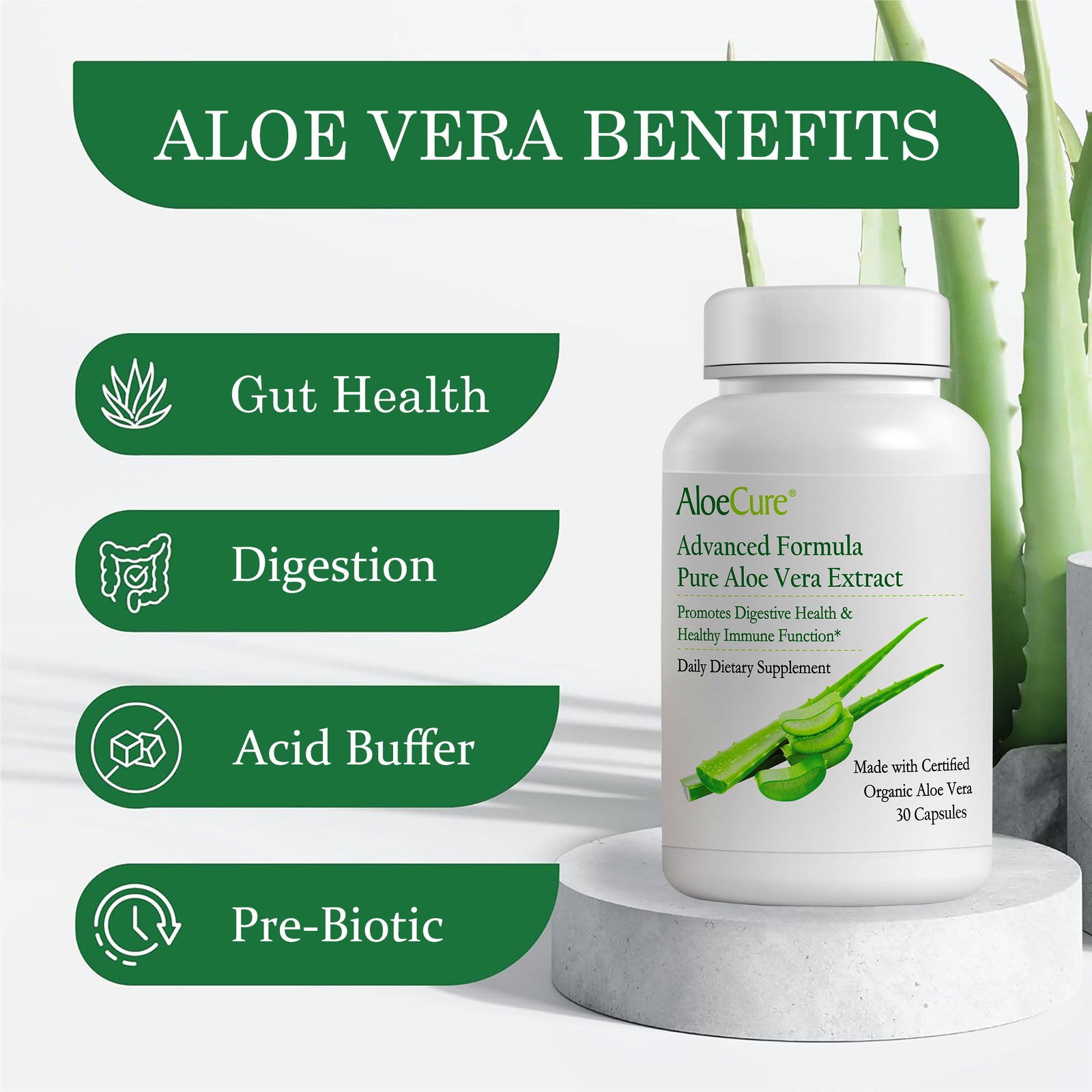
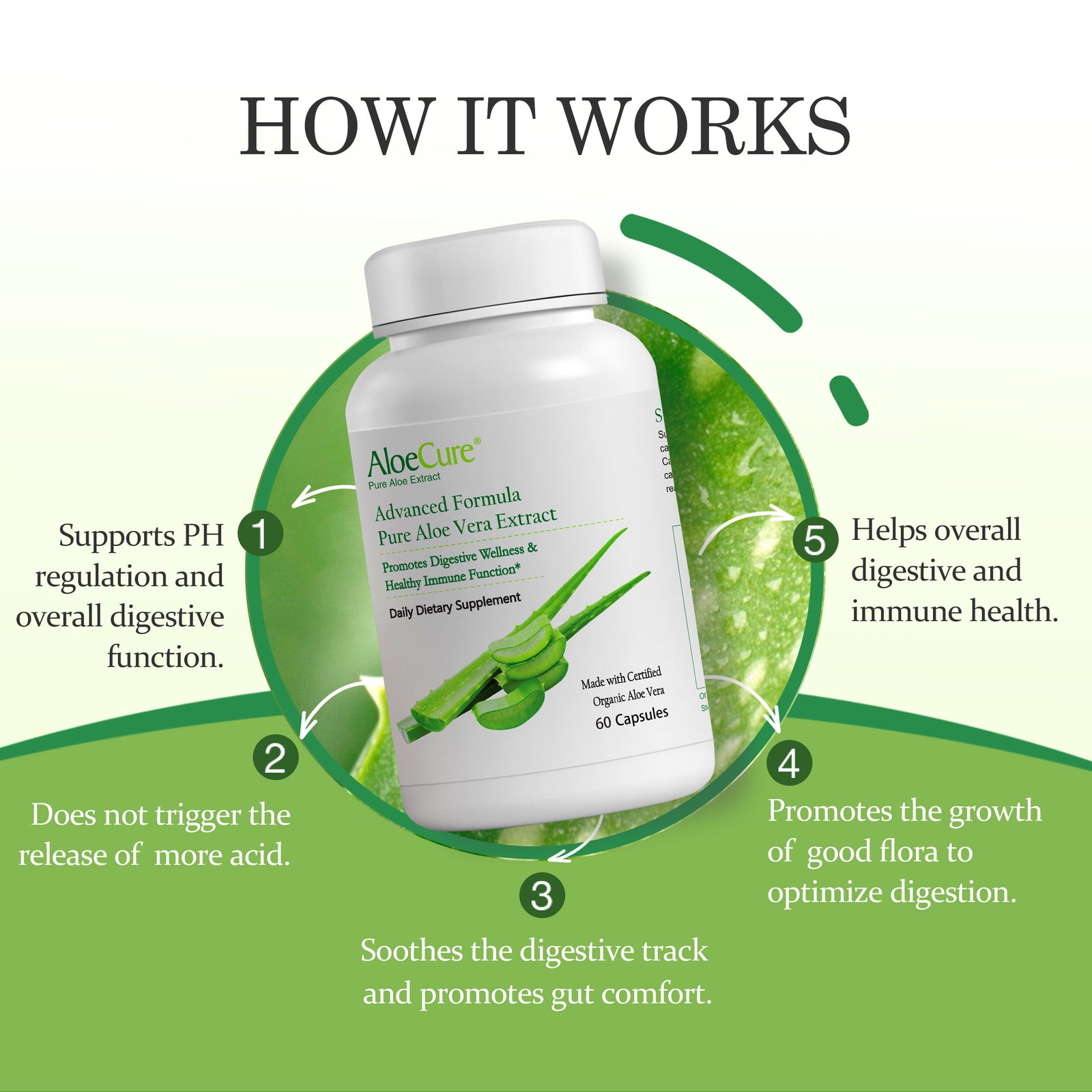
AloeCure is one example of that model. It farms its own organic aloe, processes it on-site, and makes finished products from that controlled supply chain. For shoppers who care about traceable, plant-based formulas, that kind of vertical integration offers a clearer picture of what they’re buying.
Use this quick checklist:
The strongest supplement isn’t just a list of ingredients. It’s a list backed by a process.
Even a high-quality supplement works better when your daily routine supports the same goal. People often expect a capsule to do all the heavy lifting. In practice, your habits shape the outcome.
Take your supplement the same way each day. Keep it near a routine you already follow, such as breakfast or your evening wind-down. Consistency gives you a fair chance to notice whether a formula supports your mobility, comfort, and flexibility over time.
If you switch brands, skip days, and add multiple new products at once, it becomes hard to tell what’s helping.
Joints generally do better with sensible motion than with total inactivity. That doesn’t mean pushing through every ache. It means choosing movement that supports function, such as walking, light strength work, stretching, or range-of-motion exercise.
For readers who want a rehab-minded framework, Highbar Physical Therapy has a useful page on integrating with a comprehensive joint health program. It’s a good reminder that supplements fit best inside a bigger strategy.
The best routine is the one you can repeat calmly for weeks. Consistency beats intensity.
One straightforward option in this category is AloeCure VeraFlex, a plant-based joint support supplement designed to support comfort, flexibility, and mobility as part of a daily wellness routine.
Natural joint health supplements usually make the most sense when used consistently and evaluated patiently. Plant compounds and structural support ingredients work with the body over time, so it’s better to look for gradual support in movement, flexibility, and everyday comfort rather than a sudden shift.
Sometimes, yes. Many formulas already combine several ingredients for that reason. But more isn’t always better. Overlapping formulas can make it harder to know what suits you, and some people have questions about long-term use, stacking, or interactions with other products they take.
A practical review from Dr. Axe notes that there are still gaps in knowledge regarding long-term use for those on other medications, and that while Boswellia shows strong evidence for supporting comfort, consumers often have unanswered questions about combining supplements or potential interactions. That’s why consultation with a healthcare professional is essential.
That depends on the label directions and the formula. Some people do best taking supplements with food. Others prefer tying them to a set routine so they don’t forget. The best time is usually the time you can stick with consistently.
Look for:
Not automatically. “Natural” doesn’t guarantee a perfect fit for every person. Your age, daily routine, sensitivities, and other products you use all matter. If you’re unsure, ask a qualified healthcare professional before starting a new supplement, especially if you plan to combine products.
Start simple. Choose one well-made formula, take it consistently, and pay attention to how your body responds.
These statements have not been evaluated by the Food and Drug Administration. This product is not intended to diagnose, treat, cure, or prevent any disease.
If you want a cleaner, more traceable approach to plant-based wellness, explore AloeCure. The brand focuses on organic aloe grown, processed, and manufactured within a controlled farm-to-capsule system, with options for shoppers who want simple formulas, transparent sourcing, and savings through subscription plans.
Los comentarios se aprobarán antes de mostrarse.