Tu carrito está vacío
Envío y manipulación gratuitos con todos los pedidos superiores a $25
Envío y manipulación gratuitos con todos los pedidos superiores a $25

Some days your hair tells the truth before you do. It looks flat at the roots, rough through the lengths, and a little tired no matter how carefully you wash or style it. That’s usually when people start searching for a simple mask they can make at home with ingredients they already trust.
Aloe vera and coconut oil hair care has stayed popular for a reason. The pairing is simple, familiar, and easy to work into a weekly routine. What matters more than commonly understood, though, is ingredient quality, especially the aloe. A fresh, properly processed aloe gives you a very different result than a generic green gel packed with fillers.
Hair usually starts looking dull for predictable reasons. Frequent washing, heat styling, sun exposure, and heavy product use can leave strands feeling stripped on one wash day and coated the next. A good mask should help hair feel softer and look smoother without turning the scalp greasy.
That’s where aloe vera and coconut oil work well together. Aloe brings lightweight hydration and scalp support. Coconut oil brings richness and slip, especially through the mid-lengths and ends. Used together, they create a balanced mask that supports softness, shine, and a healthier-looking finish.

Aloe vera has been valued for hair care for generations, and modern interest hasn’t changed that. It contains over 75 nutrients, including 20 minerals, 18 amino acids, and 12 vitamins, while its proteolytic enzymes help support a clean scalp environment. Coconut oil complements that by penetrating the hair shaft and reducing protein loss, which matters because protein loss contributes to breakage. A 2022 PubMed study on coconut-based hair oils also showed statistically significant reversal of surfactant-induced damage from washing, helping restore hair’s natural properties, as noted in PubMed’s research on coconut-based hair oils.
The practical benefit is easy to understand. Aloe helps hair feel lighter and fresher at the scalp. Coconut oil helps the lengths feel less brittle and less thirsty. When people use the combination correctly, hair usually feels more manageable after rinsing and easier to style the next day.
Practical rule: Use aloe to support the scalp and coconut oil to support the strand. The best masks respect both.
This combination works best when your goal is maintenance and support, not a miracle overnight change. It helps when hair looks dry, feels rough, or loses shine after regular washing. It doesn’t work well when people apply too much oil, skip sectioning, or use a low-quality aloe gel with unnecessary additives.
A useful outside reference is Karseell's guide for NZ hair, which offers a helpful look at how coconut oil fits into a broader hair care routine in different climates and textures. If you want your cleansing routine to support the same goal, pair your mask days with a gentler wash approach like the one discussed in this aloe vera shampoo and conditioner guide.
The focus often lies on the coconut oil, with little consideration for the aloe. That’s usually the mistake. If the aloe is low quality, heavily processed, or padded with unnecessary fillers, the mask may feel slippery going on but underwhelming after rinsing.
Fresh aloe has a clean, watery texture that spreads easily and doesn’t leave the hair feeling coated. Many store gels don’t behave that way. They can be thickened to look luxurious, colored to seem “plant based,” and preserved in ways that make them easier to sell but less appealing for a DIY hair ritual.

A better aloe source usually has a few clear traits:
That last point matters. A mask should leave hair nourished, not filmy. When aloe is handled well, it supports the feel of the hair instead of masking it.
Aloe is delicate. How it’s grown, harvested, and processed affects how useful it is in a hair mask. Companies that control farming and processing can usually keep a closer eye on consistency than brands that buy bulk aloe from mixed sources.
With a vertically integrated process, the plant is grown, harvested, and processed within one system. That reduces the chances of overhandling, dilution, or aggressive processing shortcuts. It also makes traceability easier, which matters when you care about what’s in the bottle.
The simplest test is sensory. Good aloe feels light, fresh, and clean on damp hair. Poor aloe often feels sticky before you even add oil.
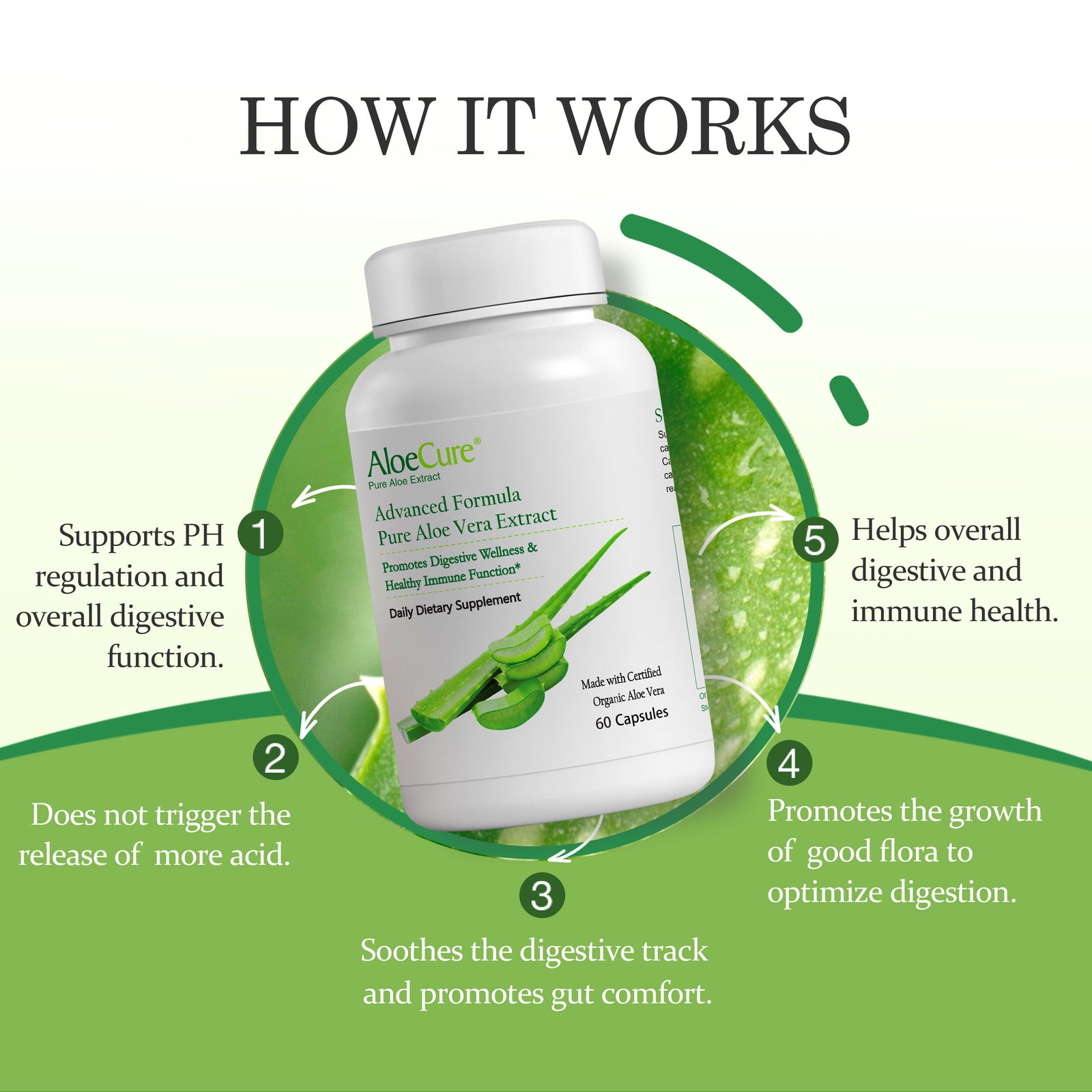
AloeCure fits naturally into this conversation because it’s one option built around that tighter control. The brand farms its own aloe, processes it on-site, and avoids chemicals, concentrates, charcoal filtration, and enzymes during processing. For anyone comparing ingredient quality, this overview of pure aloe vera gel with no additives gives a clear benchmark for what to look for.
| Aloe choice | What you’re likely to notice in a mask | Trade-off |
|---|---|---|
| Fresh leaf gel | Light texture, direct plant feel | More prep and short shelf life |
| Pure, minimally processed aloe | Consistent texture, easy to use, cleaner rinse | You need to vet sourcing and processing |
| Generic cosmetic aloe gel | Thick feel, easy to find | May leave buildup or feel less clean |
The takeaway is simple. The mask is only as good as the aloe in it. Coconut oil can support the strand beautifully, but if the aloe base is poor, the whole formula becomes harder to balance.
A good mask doesn’t need a long ingredient list. It needs the right proportions, the right texture, and a clean application. Generally, the sweet spot is enough aloe to keep the formula light and enough coconut oil to soften the lengths.
Start with the visual guide below, then use the detailed method to get the texture right the first time.

For an effective mask, blend 4 to 6 tablespoons of fresh or pure aloe vera gel until smooth. Warm 3 to 4 tablespoons of virgin coconut oil and mix it with the aloe in a 1:1 ratio. Then section damp hair and apply from scalp to ends, massaging for up to 10 minutes to boost microcirculation. Cover with a shower cap and leave it on for 45 to 60 minutes before rinsing with lukewarm water. Using pure aloe enhances the bioavailability of its beneficial compounds, as summarized in the earlier research discussion.
That sounds simple, but technique matters. Aloe should be smooth before it touches your hair. Coconut oil should be warm, not hot. If the oil is too cool, it won’t mix well. If it’s too hot, the whole mask becomes less pleasant to apply.
Use a small bowl and whisk, spoon, or blender. You’re looking for a mixture that’s creamy enough to cling to the hair but light enough to spread without dragging.
A quick texture check helps:
A mask that spreads evenly always works better than one that’s technically “richer” but hard to distribute.
Here’s a simple prep layout:
| Step | What to do | Why it matters |
|---|---|---|
| Smooth the aloe | Blend until silky | Prevents uneven application |
| Warm the oil gently | Liquefy without overheating | Helps even mixing |
| Combine slowly | Stir until uniform | Keeps the mask stable |
| Apply to damp hair | Not soaking wet, not dry | Helps the mask grip the strand |
After you’ve mixed your mask, this short tutorial can help if you want a visual before application:
Don’t dump the mask on top of your head and hope for the best. Section the hair. Start at the scalp with your fingertips, then pull the mixture down through the mid-lengths and ends. If your ends are especially dry, give them a little extra product.
Massage matters because it improves distribution and helps the scalp feel refreshed. A slow fingertip massage is enough. You don’t need aggressive pressure, and you don’t need to scratch.
A practical application sequence looks like this:
The rinse is where many DIY masks go wrong. Use lukewarm water, not hot water. Hot water can leave hair feeling rougher than it should after a conditioning mask. Follow with a mild cleanser if needed, especially if your hair is fine or oil-prone.
If you like lighter follow-up care, this aloe vera juice as a leave-in conditioner guide offers a good next step after mask day. Keep the leave-in very light, especially if you’ve already used coconut oil in the mask.
The base recipe is a strong starting point, but not every head of hair wants the same ratio. Some people need more softness through dry ends. Others need scalp balance without extra weight. The easiest way to improve your results is to adjust the formula instead of copying someone else’s mask exactly.
Research and small-scale topical use have shown that an aloe vera and coconut oil blend can support the scalp well. Aloe helps cleanse the scalp, coconut oil’s fatty acids contribute to a balanced environment, and small-scale studies have noted significant improvements in scalp comfort and visible reduction in flaking for a majority of participants, with some reviews indicating a reduction in hair fall by up to 25%, as described in this discussion of aloe vera and coconut oil for hair.

Dry hair usually responds well to a slightly richer mask. Keep the aloe base, then be more generous through the bottom half of the hair.
Good adjustments include:
This version should leave the hair feeling softer, not greasy. If the result feels waxy, the issue is often too much oil, not too much aloe.
Fine hair needs a lighter hand. Aloe is often the star here, while coconut oil should be used more selectively.
Try this approach:
Fine hair usually benefits from the cleansing feel of aloe more than a heavy oil coating.
Some people don’t need a richer mask. They need a cleaner, calmer-feeling scalp and a formula that doesn’t create residue. In that case, let aloe lead and use coconut oil as a supporting ingredient rather than the main event.
A simple comparison helps:
| Hair concern | Better emphasis | Application choice |
|---|---|---|
| Dry lengths | Slightly richer coconut oil feel | Mid-lengths to ends |
| Fine or oily feel | More aloe, less oil | Light roots, focus on tips |
| Visible flakes from dryness | Aloe-led balance | Scalp first, then a light pull-through |
If you enjoy experimenting with oils once you know what your hair likes, this luxury custom hair oil solution is a useful example of how people tailor oils to texture and finish preferences. Just keep your DIY mask simple at first so you can tell what works.
A good mask routine should fit your real life. If it’s too complicated, you won’t repeat it. If it’s too heavy, your hair will tell you quickly. As a general guideline, once a week is a sensible place to start. If your hair is very dry, you might use it more often. If your scalp gets oily quickly, less frequent use often works better.
The main thing is consistency. Hair usually responds better to a steady routine than to an occasional heavy mask followed by weeks of nothing.
Use the mask based on how your hair behaves after wash day:
Rinsing is part of the treatment. If residue stays behind, hair can look limp instead of glossy. Use lukewarm water, take your time at the scalp, and cleanse lightly if your hair still feels coated.
After the rinse, keep styling simple. Let the hair air dry partway before adding heat, and avoid piling on serums right away. If the mask was balanced well, your hair should already feel softer and smoother.
The cleanest-looking shine usually comes from a well-rinsed mask, not from adding more product on top of it.
A few habits make a difference over time:
If you want to keep the routine easy, explore pure aloe-based options from AloeCure and consider the brand’s Subscribe & Save 20% off option if you already know you’ll use aloe regularly in your wellness routine.
These statements have not been evaluated by the Food and Drug Administration. This product is not intended to diagnose, treat, cure, or prevent any disease.
You can, but that doesn’t mean you should every time. Generally, the standard processing window is enough. Overnight use may feel too heavy on fine hair or on a scalp that already runs oily. If you try it, protect your pillow and use less oil than you would for a shorter mask.
It can if you use too much or apply it too heavily at the roots. That’s why application matters as much as ingredients. Keep the richer portion through the lengths and ends, then rinse thoroughly. Fine hair usually needs less oil and a more aloe-forward blend.
Sometimes yes, often no. The difference is in the processing and ingredient list. A pure, minimally processed aloe is usually easier to blend, easier to rinse, and more pleasant on the scalp. Thick cosmetic gels can make a mask feel richer than it really is and may leave more residue behind.
Usually it can fit well into a gentle routine, especially because the formula is simple. Still, patch testing is smart, and it helps to start with a lighter application. Keep the rinse thorough and avoid combining the mask with harsh cleansing on the same day if your hair is already feeling delicate.
If you want a cleaner starting point for your DIY routine, explore AloeCure for pure aloe options and practical wellness products. A high-quality aloe can make the difference between a mask that just feels trendy and one you’ll really want to keep using every week.
Los comentarios se aprobarán antes de mostrarse.