Tu carrito está vacío
Envío y manipulación gratuitos con todos los pedidos superiores a $25
Envío y manipulación gratuitos con todos los pedidos superiores a $25

If you're dealing with that uncomfortably full, gassy feeling, you're not alone. But to find lasting comfort, we first need to pinpoint what's actually contributing to it. More often than not, the culprits are surprisingly simple things, from how you eat to what you eat.
Once you know what to look for, you can start making small tweaks to support your body's natural digestive flow.
Before we jump into solutions, it helps to understand why you feel so gassy in the first place. A lot of it just comes down to your body's normal digestive processes doing their job. By getting familiar with the common triggers, you can make smarter, more effective adjustments.
One of the most frequent causes is something you might not even realize you're doing: swallowing too much air. This is known as aerophagia, and it’s an easy habit to fall into.
You might be swallowing extra air if you're:
Eating or drinking too fast
Chewing gum or sucking on hard candies
Sipping on carbonated drinks
Talking while you eat
All that excess air gets trapped in your digestive system, leading to that familiar pressure and the need to pass gas.
Of course, the food we eat plays a huge part, too. Some carbohydrates are tougher for our bodies to break down completely. When these undigested carbs make their way to the large intestine, the bacteria there have a feast, fermenting them and producing gas as a byproduct.
Key Takeaway: Gas is a normal part of digestion. It's often produced when gut bacteria break down foods—like fiber, starches, and some sugars—that aren't fully digested in your small intestine.
Foods notorious for this process are those with complex sugars like raffinose. Beans, for example, are packed with it. Vegetables like broccoli, cabbage, and asparagus are also on that list, as are common foods like onions, apples, and even whole grains.
Your daily rhythm can have a big impact on your digestion. A fast-paced lifestyle often means rushed meals. This not only makes you swallow more air but also means you're probably not chewing your food as well as you should be.
Chewing is the very first, critical step of digestion. When we rush it, we put a much bigger strain on the rest of our digestive system.
Simply making a conscious effort to eat more slowly, in a calm setting, can make a world of difference. It gives your body the time it needs to manage food properly and is a foundational step toward long-term digestive comfort. Understanding these factors is the key to working with your body, not against it.
When you're feeling uncomfortably full and gassy, you want to support your system in a gentle way. The good news is you can take practical, gentle steps right at home to help your system move things along and get back to feeling normal.
One of the best things you can do is get up and move. You don’t need an intense workout—in fact, something simple is often all it takes to encourage trapped gas to pass. This simple act gets your body's own natural processes working to ease that feeling of fullness.
Specific, gentle motions can give your digestive system the nudge it needs to get back into a comfortable rhythm.
Here are a few simple movements to try:
Knees-to-Chest Pose: Lie flat on your back and gently pull both knees toward your chest. This classic pose can help your body naturally expel trapped air.
Seated Forward Bend: Sit on the floor with your legs straight out in front of you. Hinging from your hips, gently fold your torso forward. This creates a light massage effect on your abdominal area, which can support digestive flow.
Light Walking: It sounds almost too simple, but even a 10-15 minute walk around the block can make a world of difference. Movement is a natural stimulant for your entire digestive system.
The link between a little movement and a happy gut isn't just an old wives' tale. Walking after a meal is a time-tested strategy for a reason. Research has shown that a short, 15-minute post-meal walk helped people pass gas 73% faster than those who sat still. On top of that, their feelings of fullness dropped by 35%. This data just confirms what people have known for ages—a simple habit really can help you feel better. You can discover more insights about beating the bloat from Brigham and Women's Hospital.
Another incredibly simple trick is to apply gentle warmth to your abdomen. A warm compress or a hot water bottle (just make sure to wrap it in a towel to protect your skin!) can bring a sense of calm and comfort.
The warmth helps relax the muscles in your gut. When those muscles are tense, they can trap gas, so encouraging them to relax can help get things moving through your system naturally.
Pro-Tip: Make this even more comforting by lying down in a quiet space for 15-20 minutes with the warmth on your belly. Combine this with deep, slow breathing to help your whole body relax, which is also a huge plus for healthy digestive function.
Certain herbal teas have been go-to options for an unsettled stomach for centuries. Sipping on a warm cup of peppermint, ginger, or chamomile tea can be a soothing ritual that also gives your digestive system some gentle support.
These herbs contain natural compounds that assist the body's normal digestive processes. For a deeper look at how herbs can help, you can read our guide on supporting your system with natural options. These immediate actions offer a straightforward approach to how to support your body naturally, helping you feel more comfortable in your own skin.
These statements have not been evaluated by the Food and Drug Administration. This product is not intended to diagnose, treat, cure, or prevent any disease.
If you're looking for lasting digestive harmony, the answer is almost always on your plate. Making a few thoughtful changes to what you eat can completely transform how your digestive system feels, day in and day out.
This isn't about starting a restrictive, joyless diet. It's about learning your body’s unique triggers and making small, manageable swaps that add up to big positive feelings.
You probably already know the usual suspects. Certain foods are notorious for being tough to break down, leading to that uncomfortably full and gassy feeling. This list often includes beans, lentils, broccoli, cabbage, and onions, which are high in specific carbs and fibers. Carbonated drinks and artificial sweeteners are also common culprits.
But you don't have to banish these healthy foods forever. The fix is often in the preparation and portion size. For instance, soaking beans overnight before you cook them can make a world of difference in how well you digest them. Lightly steaming cruciferous veggies like broccoli instead of eating them raw can also help sidestep the bloat.
To help you make these simple changes, here's a quick comparison of common gas-producing foods and some gentler alternatives you can try.
| Common Gas-Producing Food | Why It May Cause Discomfort | Suggested Gentler Alternative |
|---|---|---|
| Broccoli, Cabbage, Brussels Sprouts | High in raffinose, a complex sugar that can be difficult for the small intestine to break down. | Spinach, Zucchini, Bell Peppers, Cucumbers |
| Beans and Lentils | Contain oligosaccharides, sugars that require specific enzymes to digest, often leading to fermentation in the gut. | Well-cooked lentils in small portions, Quinoa |
| Onions and Garlic (Raw) | Rich in fructans, a type of fiber that can ferment in the colon and cause gas and bloating. | Chives, Scallion Greens, Asafoetida (Hing) powder |
| Carbonated Drinks | The carbonation itself introduces excess air directly into your digestive system. | Flat water, Herbal Teas, Water infused with fruit |
| Apples and Pears | High in fructose and sorbitol, sugars that some people find difficult to absorb. | Berries, Bananas, Oranges |
| Dairy Products (Milk, Cheese) | Lactose, a sugar in dairy, can cause gas in individuals who have a sensitivity to it. | Lactose-free milk, Almond milk, Oat milk |
Making these swaps can give your digestive system a much-needed break while still allowing you to enjoy a varied and nutritious diet.
Mindful Eating Matters: It’s not just what you eat, but how you eat. When you rush through a meal, you inevitably swallow more air, which is a direct cause of gas. Try to slow down, chew your food completely, and eat in a calm environment. Your gut will thank you.
Simple actions can be incredibly powerful for promoting digestive comfort.

As you can see, gentle movement, applying a little warmth, or sipping a soothing tea can work right alongside your dietary changes to promote a sense of well-being.
We all know fiber is crucial for regularity, but it can be a double-edged sword. If you suddenly ramp up your fiber intake, you might actually end up with more gas and bloating. The secret is to introduce it gradually.
Go Slow: Try adding just one new high-fiber food at a time to see how your body handles it.
Stay Hydrated: Fiber needs water to do its job properly. Make sure you're drinking plenty of water throughout the day to help it move smoothly through your digestive system.
Focus on Soluble Fiber: Foods like oats, psyllium husks, apples, and carrots are rich in soluble fiber. This type tends to be much gentler on the gut than the insoluble fiber found in many raw vegetables and whole grains.
If you’re looking for more inspiration, check out our guide on foods for optimum digestion to help you build a meal plan that feels good.
Eating for a happy gut doesn't have to be bland or boring. In fact, it can be delicious. A fantastic starting point is incorporating herbal teas, which have a long history of promoting a calm digestive system. To find a blend that can soothe your stomach and support digestion, you might look into the best tea for gut health.
Here’s a quick look at what a gut-friendly day of eating might look like:
Breakfast: A comforting bowl of oatmeal made with water or a dairy-free milk, topped with a few blueberries and a sprinkle of chia seeds.
Lunch: Simple grilled chicken or fish alongside some roasted sweet potatoes and steamed green beans.
Dinner: A hearty soup with a bone broth base, filled with lean protein and well-cooked, low-gas veggies like carrots, zucchini, and spinach.
Snacks: A ripe banana, a small handful of almonds, or a cup of plain yogurt (if your system tolerates dairy).
This approach centers on simple, whole foods that nourish your body without putting it under any extra digestive stress.
While changing what you eat and how you live are the cornerstones of happy digestion, sometimes your body can use a little extra help. The right supplements can work with your system, giving it the tools to handle tricky foods and maintain normal function.
This isn't about forcing a change, but rather supporting the body's natural processes. When you provide your system with targeted support, you'll be well on your way to maintaining a happy gut.
Ever feel like certain foods just don't agree with you? It often comes down to how well your body can break them down. That's where digestive enzymes come into play.
Think of these enzymes as little assistants for your digestive system. They help dismantle complex carbs, proteins, and fats into smaller pieces that your body can actually absorb and use. With that extra support, meals can feel a lot more comfortable.
Occasional gas is a real issue for up to 30% of people. One specific enzyme, α-galactosidase, is known for helping to digest the complex carbs in foods like beans, broccoli, and cabbage. A 2013 study in BMC Gastroenterology found that when people took this enzyme, reports of flatulence plummeted from 59% to just 19%.
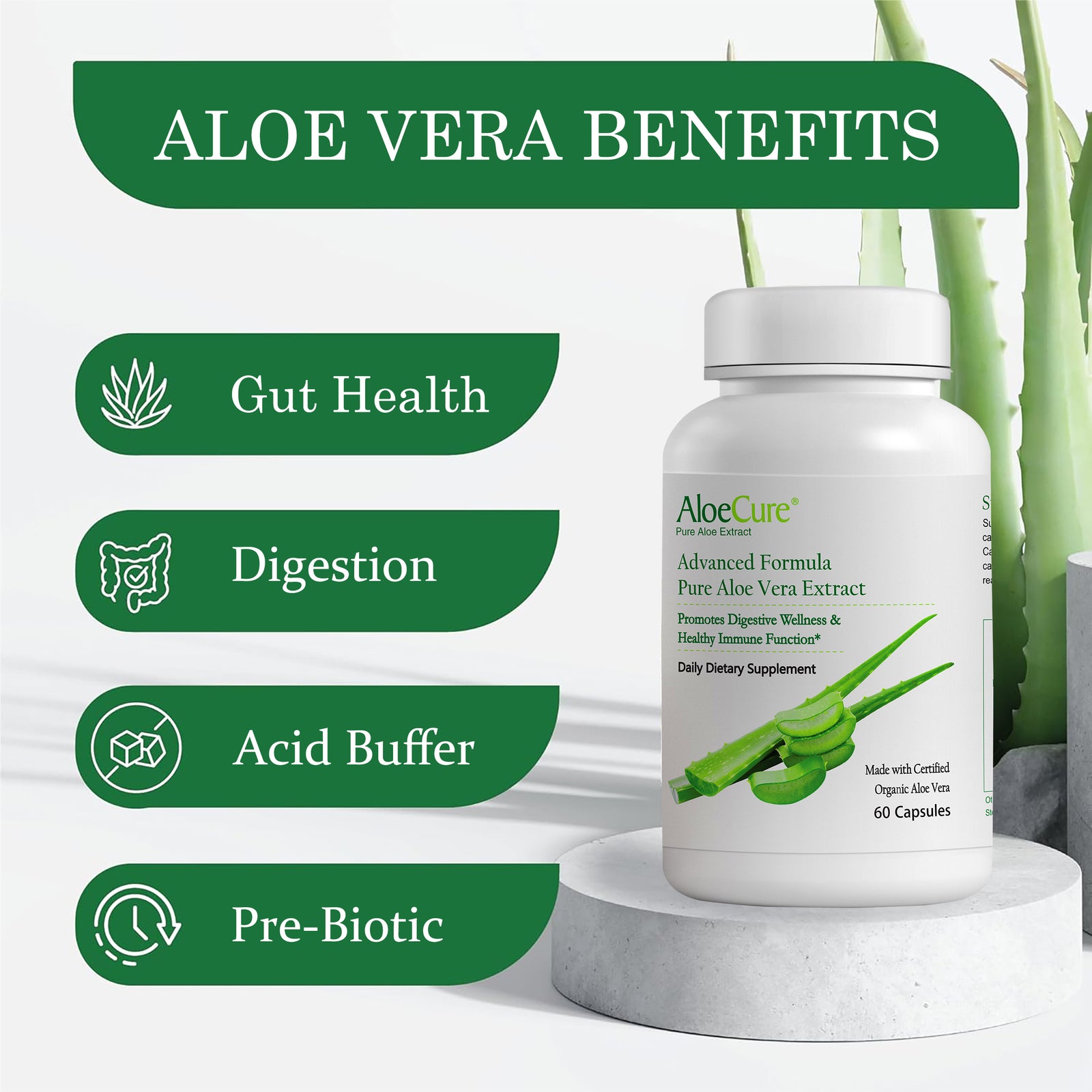
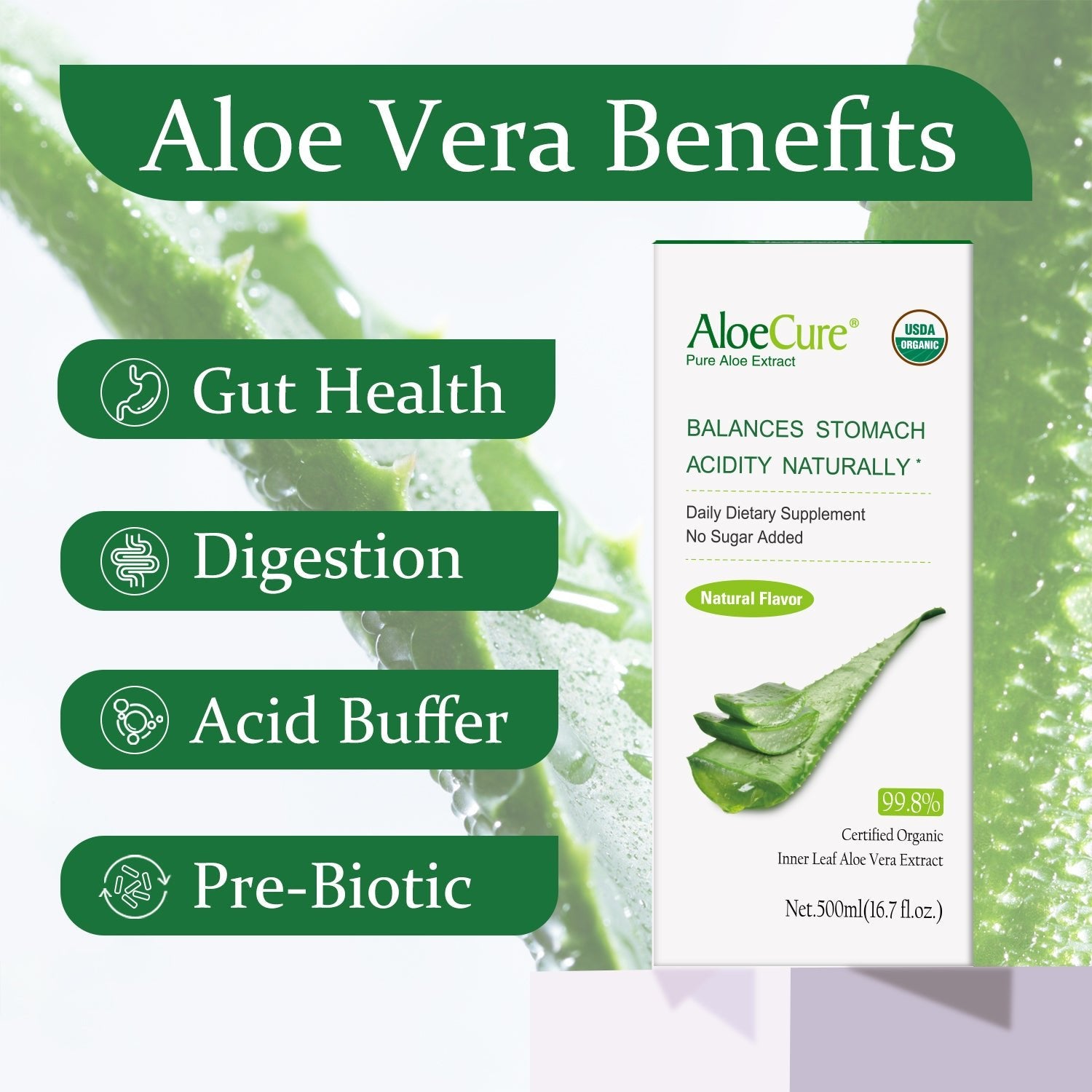
Not all aloe is created equal—and that’s especially true when you’re drinking it. At AloeCure, we are fully vertically integrated, overseeing the entire journey of our aloe from the moment it’s planted in our organic fields to the second it’s bottled. We farm it, process it, and produce the final product ourselves, ensuring higher quality than our competitors.
Our USDA-certified organic aloe is hand-harvested and processed within 12 hours to lock in freshness. We use a proprietary, chemical-free method to preserve the plant's valuable compounds. Most other companies use harsh chemicals or charcoal filtration that can strip the aloe of its natural bioactivity. We keep it pure.
Our commitment to quality means you get a product that supports a healthy gut the way nature intended. Many of our customers feel a positive difference just by drinking 2oz of our Aloe Vera Juice after meals each day.
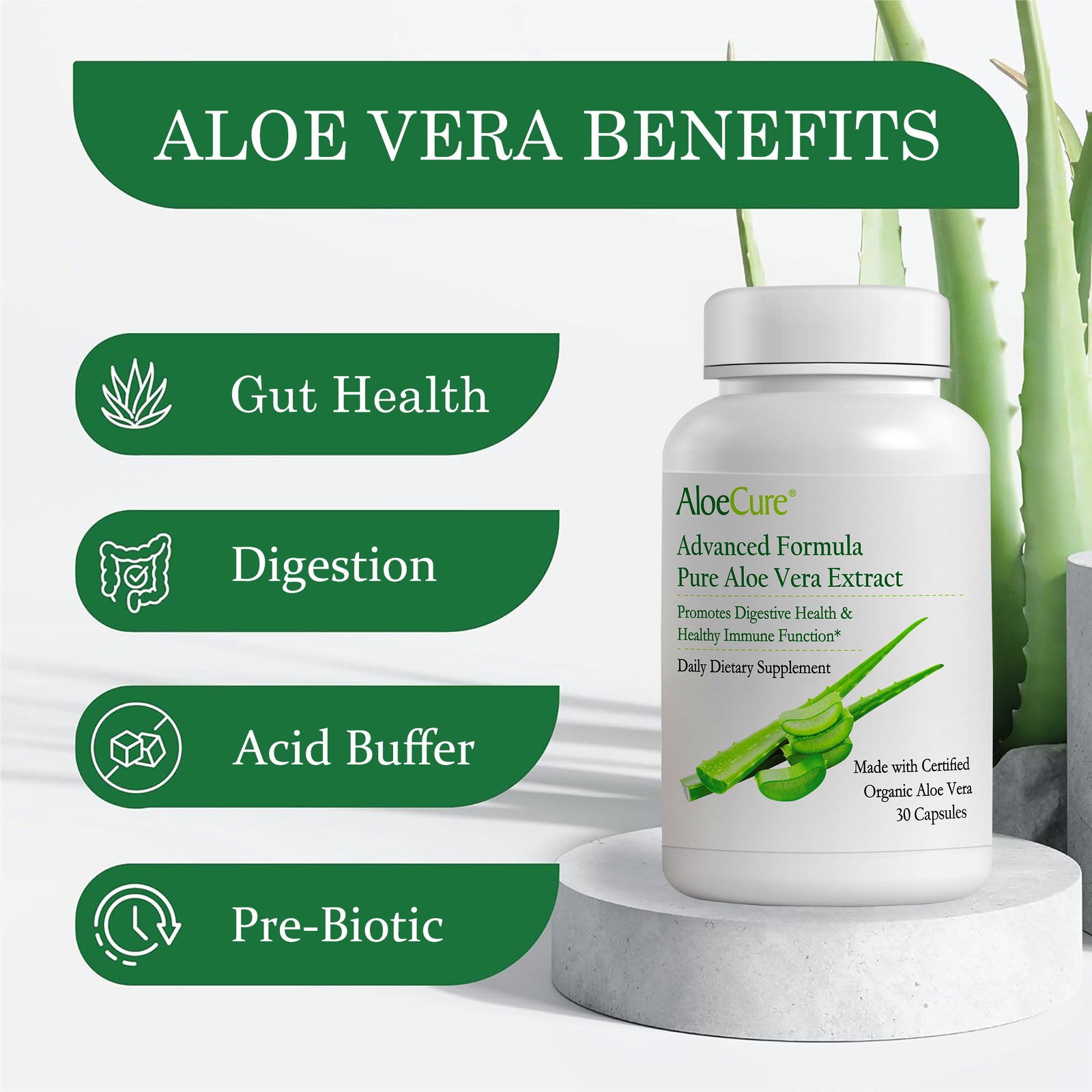
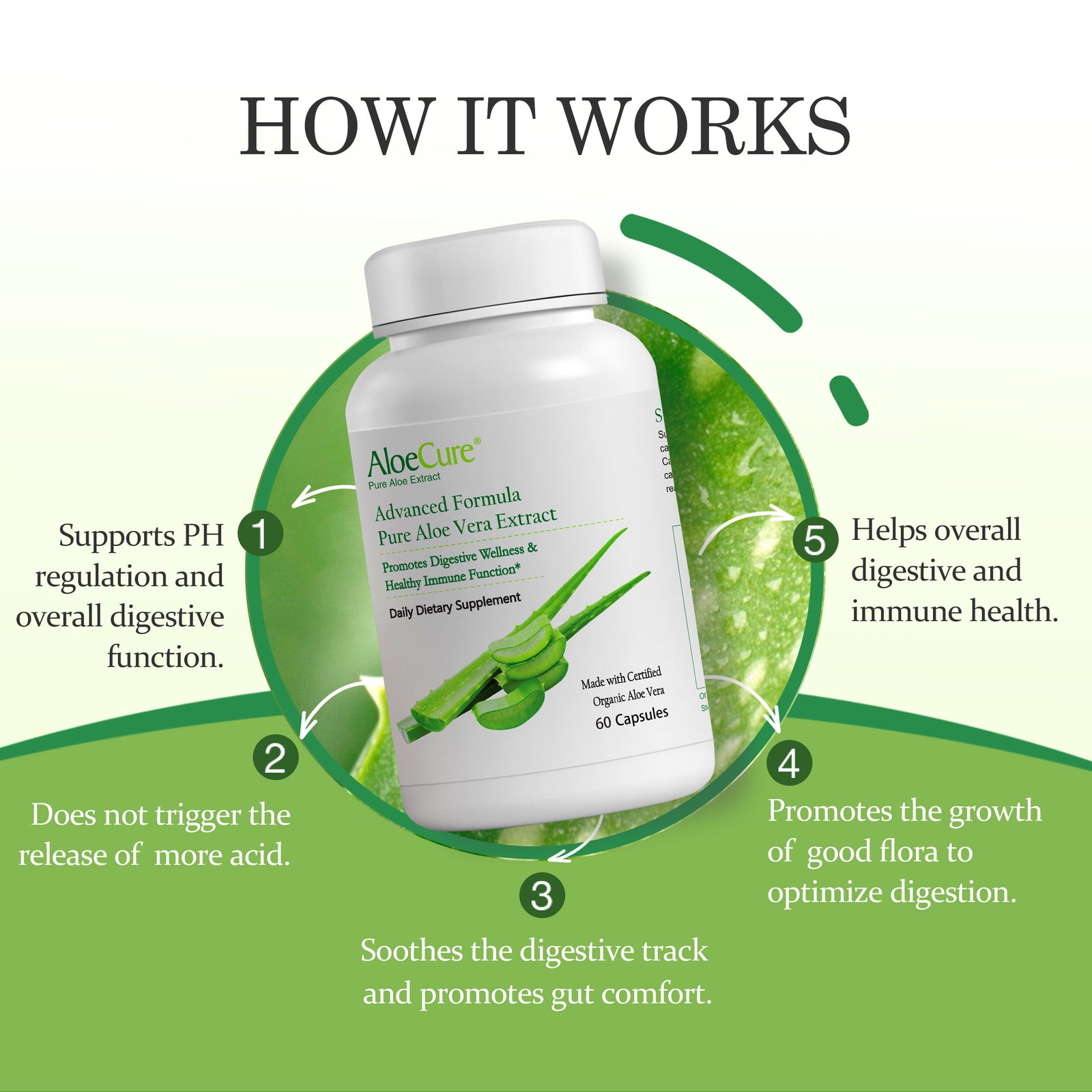
If you're looking for a simple, powerhouse solution, our Pre+Probiotic & Digestive Enzyme Capsules combine multiple gut-friendly ingredients in one. This formula brings together beneficial bacteria and the very enzymes that help your body process food efficiently. You can learn more about how these components work together in our guide on prebiotics, probiotics, and enzymes.
By choosing our farm-fresh aloe products, you're getting a trusted, natural boost for your digestive wellness. We’re so proud of our sustainable farming that we welcome over 250,000 visitors to our farms every year to see it for themselves. Plus, with a 90-day money-back guarantee, you can try AloeCure with confidence.
Promoting long-term digestive balance isn't just about what you do when discomfort strikes. The real goal is to build a lifestyle that supports your digestive system from the ground up, creating a foundation of healthy habits that keep things running smoothly.
While what you eat is a huge part of the picture, your daily routines—how you handle stress, how much you sleep—play a massive role. It’s about taking a proactive approach rather than a reactive one.
You've probably heard of the gut-brain connection, and it's not just a buzzword. When you're stressed, your body shifts energy away from what it considers non-essential tasks, like digestion, which can slow everything down and lead to that familiar feeling of fullness and gas.
By getting a handle on daily stress, you create a much calmer environment for your gut to do its job.
Deep Breathing Exercises: This one is simple but incredibly effective. Taking a few minutes to practice slow, deep belly breaths can help your nervous system promote a state of "rest-and-digest." Breathe in slowly through your nose, feel your stomach expand, and then exhale slowly through your mouth.
Mindful Moments: You don’t need a full hour of meditation. Just find a few short pockets in your day to disconnect. A quick walk outside or even five minutes of quiet at your desk can make a huge difference.
Gentle Activity: Things like yoga or tai chi are famous for their ability to soothe the mind and body. This calming effect extends directly to your digestive system, promoting better function.
A stressed gut is a sluggish gut. Making stress management a priority isn't just "nice to have"—it's a critical part of achieving comfortable, efficient digestion.
Your body performs a ton of maintenance work while you sleep, including helping to regulate your digestive system. If you aren't getting consistent, quality rest, the hormones that control your appetite and digestion can get thrown out of whack, making you more susceptible to discomfort.
Aiming for 7-9 hours of solid sleep each night gives your body the downtime it needs to function at its best.
Hydration is equally vital. Water is what helps fiber do its job, moving everything smoothly through your system and preventing the kind of traffic jams that lead to gas. Make a conscious effort to sip water throughout the day. It's one of the easiest ways to keep your digestive system happy.
Adopting holistic health strategies that combine good nutrition with stress management is fundamental for lasting digestive wellness.
Making these habits feel effortless is the key. Similarly, adding a high-quality supplement to your routine can provide that steady, ongoing support. With AloeCure’s Subscribe & Save option, you can make sure you never miss a day of gut support, weaving it seamlessly into your wellness ritual. We’re committed to a vertically integrated process—from our own organic farms to our chemical-free processing—to deliver a purer, more bioactive product for your proactive health journey.
While these natural approaches are fantastic for handling everyday gas and bloating, it's crucial to know when something more serious might be going on. Your body is pretty good at telling you when at-home support just isn't cutting it.
It's one thing to deal with occasional discomfort, but if your symptoms are persistent, severe, or just not getting better with these at-home steps, it’s time to check in with a healthcare professional.
You'll want to be on the lookout for a few specific red flags. Give your doctor a call if you notice:
Unintended weight loss
Significant changes in your bowel habits (like new constipation or diarrhea)
Discomfort or pain that’s bad enough to disrupt your daily routine or wake you up at night
Seeing these signs doesn't automatically mean something serious is wrong, but they absolutely warrant a conversation with a professional. They can help rule out underlying issues and make sure you're getting the right care for your body. Knowing when to ask for help is a key part of taking charge of your own health.
These statements have not been evaluated by the Food and Drug Administration. This product is not intended to diagnose, treat, cure, or prevent any disease.
When you're trying to promote digestive wellness naturally, a few questions always seem to pop up. Let's get them answered so you can get on with feeling your best.
This is a big one, and the honest answer is: it depends. Everyone's digestive system is unique. Some people feel a difference within just a few days of changing their diet, while others might need a couple of weeks for their gut to adjust.
The real key is consistency. Think of it less like a quick fix and more like building a new, healthy habit. Your body needs a little time to respond to the positive changes you're making.
A massive one. Water is absolutely essential for keeping things moving smoothly through your digestive system. It works with fiber to prevent traffic jams that can lead to that backed-up, gassy feeling.
Simply making a point to drink plenty of water all day long is one of the most powerful, and easiest, things you can do for your gut health.
Staying well-hydrated is foundational to digestive balance. It helps maintain normal physiological processes that can contribute to feelings of fullness and gas.
We've found the sweet spot for most people is about two ounces of high-quality, pure aloe vera juice each day. A great time to take it is right after a meal to help support your gut's natural function.
When you're choosing a juice, look for one like ours from a vertically integrated company. This just means you're getting a more potent, high-quality formula that comes straight from the farm, without a lot of extra processing in between. Because we farm our own aloe, process it, and bottle it, we produce a higher quality product than our competitors.
At AloeCure, we're all about providing the highest quality, farm-fresh aloe vera to support your digestive wellness. Our vertically integrated process ensures you receive a more bioactive and effective product.
Discover the benefits of our USDA Organic Aloe Vera Juice and get 20% off your subscription today!
These statements have not been evaluated by the Food and Drug Administration. This product is not intended to diagnose, treat, cure, or prevent any disease.
Los comentarios se aprobarán antes de mostrarse.