Tu carrito está vacío
Envío y manipulación gratuitos con todos los pedidos superiores a $25
Envío y manipulación gratuitos con todos los pedidos superiores a $25

A 2018 human study found that three weeks of daily fruit-and-vegetable juice intake significantly increased fecal microbiota richness, with Faecalibacterium rising from 1.62 ± 0.80% to 2.14 ± 0.72% in one measured microbial fraction (the published study). That result makes gut health juice more interesting than a colorful bottle with a wellness slogan. It also makes accuracy essential, because juice can support normal digestive and microbial functions, but its effects depend on ingredients, processing, serving size, and the rest of your diet.
You're standing in front of an open refrigerator, comparing bottles that promise better digestion, cleaner ingredients, and everyday wellness. One contains aloe, another combines berries and greens, and a third looks more like a sweet fruit drink than a functional food. The label may be attractive, but the useful questions are practical: What's inside? How was it processed? How does it fit into a balanced routine?
A gut health juice generally falls into one of three categories. Aloe vera juice provides plant polysaccharides, especially when made from the inner leaf. Fruit-and-vegetable blends can provide soluble fiber, plant compounds, and a wider range of flavors. Polyphenol-rich juices, such as berry or green blends, focus on compounds that gut bacteria can metabolize into smaller bioactive compounds.
The phrase “gut health” covers normal digestive comfort, regularity, microbial diversity, and the body's natural handling of food. Juice can offer convenience, especially for people who struggle to include a variety of plants every day. It shouldn't replace whole fruits, vegetables, beans, grains, nuts, or seeds, because juicing often removes much of the original fiber.
Think of juice as one tool in a larger kitchen drawer. A well-made product may support healthy digestive function, but it won't compensate for a diet built mostly around highly refined foods, inadequate fluids, or limited plant variety. The most durable routine usually combines a range of fiber-rich foods with movement, hydration, and consistent meals.
Readers who want a broader food-first foundation can explore this practical guide to foods for gut health and fitness. It's a useful companion because juice works best alongside, rather than instead of, a varied eating pattern.
This guide focuses on how juices interact with the microbiome, how aloe differs from fruit blends, why processing matters, how to read a label, and how to introduce a product thoughtfully. The language stays within structure/function principles: a supplement can promote digestive wellness and help maintain normal body function, but it isn't a product for diagnosing or addressing disease.
Your gut microbiome is easier to understand as an inner garden than as an abstract collection of microbes. Beneficial bacteria are like different plants growing in the soil. Prebiotic compounds are the fertilizer. When the diet supplies suitable material, bacteria ferment it and produce metabolites, including short-chain fatty acids such as acetate, propionate, and butyrate.
Those compounds matter because they're part of the communication system between the food you eat, the microbes that use it, and the cells lining the digestive system. In structure/function language, a diet that supplies fermentable plant compounds can support healthy microbial activity and assist normal digestive processes.

Polyphenols are concentrated in many colorful plants. Colonic bacteria metabolize them into smaller compounds, and research reviews describe shifts in microbial populations commonly associated with gut health, including Bifidobacterium and Lactobacillus, along with increased short-chain fatty acid production such as butyrate (Microbiome).
Aloe contributes a different type of material. Inner-leaf aloe contains polysaccharides, including acemannan, that can be discussed as fermentable plant fibers. The responsible framing is that these compounds may provide prebiotic-style support for normal microbial activity. Aloe isn't a probiotic, because it doesn't supply live bacterial cultures.
The 2018 human study offers a measurable example. After daily fruit-and-vegetable juice intake for three weeks, fecal microbiota richness increased significantly, and Faecalibacterium increased from 1.62 ± 0.80% to 2.14 ± 0.72% in one measured fraction (study details). The same study recorded Faecalibacterium extracellular vesicles rising from 2.49 ± 1.49% to 6.06 ± 3.07%, showing that microbial biomarkers can shift over a relatively short period.
Practical rule: The microbiome responds to the compounds microbes can use, not to the word “wellness” on the front label.
Juice still has limits. Whole foods generally deliver more intact fiber and require more chewing, so a juice should complement meals built around plants rather than serve as the entire plant strategy. Readers comparing prebiotic and probiotic roles can also review this guide to prebiotics, probiotics, and enzymes.
Different juices bring different materials to the inner garden. Pure inner-leaf aloe is usually selected for its polysaccharide content and relatively low natural sugar. Fruit-and-vegetable blends add flavor, vitamins, and plant diversity, while berry and green blends emphasize polyphenols.
The right comparison isn't “Which juice wins?” It's “What role does this format play in your routine?” Aloe may offer targeted structure/function support for normal digestive activity. A blended juice can broaden plant exposure. A berry or green formula may provide a denser mix of polyphenolic compounds that gut bacteria can metabolize.
| Format | Key Compounds | Typical Processing | Digestive-Support Strength | Best Use Case |
|---|---|---|---|---|
| Pure inner-leaf aloe juice | Aloe polysaccharides, including acemannan | Inner-leaf extraction, filtration, and stabilization | Targeted support for normal digestive function | A simple, low-sugar addition to a routine |
| Fruit-and-vegetable blend | Plant pigments, polyphenols, soluble fiber when retained | Blending, pressing, straining, or pasteurization | Broad plant-compound variety | Pairing with meals or smoothies |
| Polyphenol-rich juice | Berry and green-plant polyphenols | Pressing, blending, filtration, and stabilization | Support for microbial metabolism through plant compounds | Adding color and polyphenol variety |
Juice can concentrate naturally occurring carbohydrates while reducing the fiber found in the original plant. That doesn't make every juice unsuitable, but it does make the ingredient list and serving direction important. A product with added sweeteners serves a different purpose from a single-ingredient aloe juice.
A 2025 university-led study reported that a juice-heavy pattern with large amounts of juice and little fiber could disrupt the gut microbiome and increase inflammation-related signals. Researchers observed increases in bacteria associated with gut permeability, inflammation, and cognitive decline in the juice-diet group, while related coverage described meaningful microbiome changes after a three-day juice cleanse (published research). The practical lesson is moderation and balance, not fear.
A topical product can use aloe in a completely different formulation from a beverage. For readers curious about that distinction, this overview of a lidocaine and aloe formula provides useful context. Oral juice should be evaluated by its own ingredients, processing, and directions.
Aloe's source matters, but what survives the processing line matters just as much. A label may say “aloe juice,” yet two bottles can differ in leaf selection, time from harvest to processing, filtration, concentration, added water, and stabilization.
A useful analogy is cooked vegetables. Gentle preparation can preserve color, texture, and flavor, while excessive heat or repeated processing can change what remains. Aloe processing follows the same basic principle. If long-chain polysaccharides and trace plant compounds are altered or removed, the finished beverage may no longer resemble the material that came from the leaf.
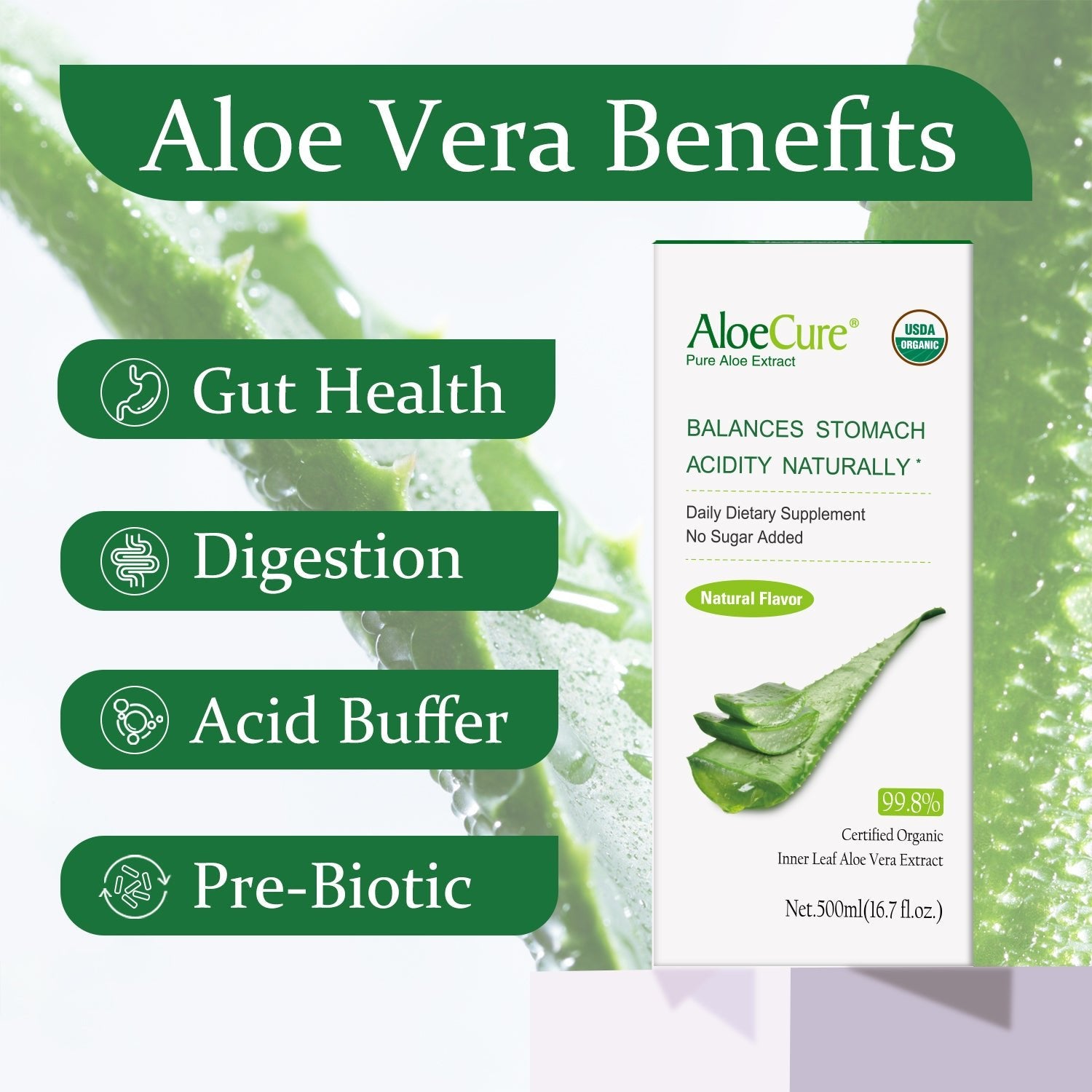
AloeCure's farm-to-bottle model offers one example of how a company can control those variables. The publisher states that its parent company owns and operates its aloe farms, hand-harvests USDA- and EU-certified organic aloe, and processes it on-site within 12 hours of harvest. It also states that its approach avoids chemicals, enzymes, concentrates, and charcoal filtration, with no added water.

High-heat pasteurization can improve shelf stability, but heat exposure may change delicate plant compounds. Cold processing aims to reduce that thermal burden. Neither phrase alone proves final quality, so shoppers should look for a clear explanation of the method and testing.
Concentrate and reconstitution can make distribution easier, but the manufacturer removes water and later adds it back. Single-strength juice is closer to the juice as produced, although the full process still deserves scrutiny.
Whole-leaf extraction includes more of the leaf and requires careful handling of unwanted compounds. Inner-leaf sourcing focuses on the gel portion and is commonly positioned for regular oral use when properly processed and decolorized.
Read the process like a coffee buyer reads origin and roast date. “Aloe juice” identifies the category, not the complete quality story.
For a closer look at inner-leaf sourcing and product distinctions, visit the inner-leaf aloe vera juice guide. The more transparent the farm, process, and ingredient path, the easier it is to judge whether the bottle matches your goals.
Read an aloe label the way you'd evaluate specialty coffee. You want to know the origin, the handling, the date information, and whether the product has been diluted or altered. Organic certification is one concrete checkpoint. USDA explains that certification allows a farm or processing facility to sell, label, and represent products as organic (USDA organic certification).
The checklist also helps separate beverages from topical products. For example, shoppers comparing aloe formats can browse this aloe vera gel set, but a topical gel shouldn't be treated as interchangeable with an oral juice.
A concise product comparison is available in this organic aloe vera juice guide. Before buying, compare the full ingredient panel, source, processing notes, and storage instructions rather than relying on front-label promises.
A practical routine should feel easy enough to repeat. For inner-leaf aloe products, a commonly suggested serving is 1 to 2 fluid ounces, but the product label should always take priority because formulas differ. You can take it before breakfast, around 20 minutes before a meal, or between meals if that fits your schedule comfortably.
Start with a smaller amount if you're new to aloe. Dilute it with water, or mix it into a smoothie with cucumber, pear, berries, or leafy greens. Mild flavors pair better with aloe than very sweet ingredients that can dominate the drink.

Keep opened bottles refrigerated and follow the product's storage directions. Hydration matters, and juice should sit within a varied diet that includes whole plant foods. The purpose is to support digestive comfort and normal microbial balance, not to turn one beverage into the center of your nutrition plan.
Aloe juice is a supportive addition, not a guaranteed answer to every digestive concern. Your response can vary with the ingredients, processing method, amount, hydration, meals, and overall fiber intake. Even a carefully made product may not suit every person.
Use the label-directed serving instead of increasing the amount to chase faster results. Introduce one new juice at a time, drink water alongside it, and note changes in comfort, stool pattern, or overall tolerance. If the amount feels too strong, mild abdominal discomfort or looser stools can be a sign to pause and adjust.
A balanced approach still includes fiber-rich plants, varied meals, regular movement, adequate sleep, and professional guidance when appropriate. Juice can support the routine, but it can't recreate every feature of a whole-food diet.
People who are pregnant, nursing, managing a chronic condition, or taking medication should speak with a qualified healthcare professional before regular use, especially when a product may affect bowel activity. Avoid giving aloe juice to children unless a pediatric professional specifically recommends it.
Stop using the product and seek advice if you experience persistent pain, diarrhea, unusual symptoms, or an allergic reaction. Long-term safety can also depend on the aloe form, particularly whether unwanted compounds such as aloin have been removed. Evidence for many digestive claims remains limited or mixed, so consistency and comfort are better goals than aggressive experimentation.
Your body's response is useful information. A smaller serving, more water, or a different formula may fit better than simply taking more.
Choose one product with clear inner-leaf sourcing, organic certification, minimal added sugar, and traceable processing. Read the complete ingredient list, confirm the storage directions, and follow the serving instruction on the bottle. More juice isn't automatically more useful.
For one week, record the basics: when you drink it, whether you take it with water or food, how much fluid you consume, and how comfortable you feel afterward. This simple log can show whether the product fits your routine without confusing its effects with several other diet changes.
A dietary supplement label may use structure/function claims, but FDA requires the standard disclaimer: “These statements have not been evaluated by the Food and Drug Administration. This product is not intended to diagnose, treat, cure, or prevent any disease.” (FDA structure/function claims)
FDA also states that structure/function claims must be truthful, not misleading, and supported by substantiation, with notification required within 30 days after first marketing a product with such a claim (FDA notification guidance). Disease names and terms such as “cure,” “treat,” “correct,” or “prevent” aren't permitted in structure/function claims (FDA compliance guide). Individual experiences and results may vary.
AloeCure offers farm-to-bottle organic aloe juice made through vertically integrated growing and processing, with product pages that explain ingredients, sourcing, and use. Visit AloeCure to compare the available formulas and explore Subscribe & Save for 20% off.
Los comentarios se aprobarán antes de mostrarse.