Tu carrito está vacío
Envío y manipulación gratuitos con todos los pedidos superiores a $25
Envío y manipulación gratuitos con todos los pedidos superiores a $25

You notice it in small moments first. You crouch to pick up a grocery bag, stand back up, and feel more stiffness than you used to. Or you finish a long walk, sit for a while, then take those first few steps a little more carefully.
That's usually when the question shows up. Do joint support supplements work?
A fair answer isn't yes for everyone, and it isn't no across the board either. Some ingredients have mixed research. Some appear more promising for certain kinds of everyday joint comfort and mobility support. And just as important, product quality, sourcing, and formulation matter. Two bottles may look similar on a shelf while delivering very different ingredient forms and processing standards.
A lot of people turn to supplements because they want to keep moving comfortably through ordinary life. They're not looking for magic. They want support for walking the dog, getting through a workout, climbing stairs, gardening, or carrying laundry without feeling quite so cautious.

That interest has been strong for a long time. U.S. consumers spent $753 million in 2012 on glucosamine and chondroitin, yet in May 2013 the American Academy of Orthopaedic Surgeons did not recommend them because of limited evidence for efficacy, according to Consumer Reports' summary of joint supplement facts.
That contrast is why this topic gets confusing. People clearly want options that support healthy movement and everyday comfort, but popular use and strong evidence aren't always the same thing.
“Joint support” sounds like one category, but it's really a mix of different ingredient types and different goals. One formula may aim to support connective tissue structure. Another may focus on cushioning and lubrication. Another may lean on botanicals or collagen-based ingredients that support normal mobility and daily comfort.
Big idea: A supplement can support healthy joint function without every ingredient in the category working the same way, or working equally well for every person.
That's also why quality matters so much. If you're trying a supplement, you want to know what ingredient form you're getting, how it was processed, and whether the brand gives you enough transparency to judge what's in the bottle.
A joint is a busy moving system. Bone ends need to glide smoothly, connective tissues need to stay resilient, and the surrounding tissues need support to handle ordinary stress from walking, lifting, training, and daily life. Joint support supplements try to help one or more of those jobs.

A useful way to understand these formulas is to picture a construction crew maintaining a busy building.
Some ingredients act like building supplies. They are included because they support the body's normal cartilage and connective tissue structures. Glucosamine, chondroitin, and collagen ingredients usually fit here.
Others work more like maintenance support. These ingredients are used to help maintain normal comfort, flexibility, and movement after everyday physical activity. This group may include certain plant compounds, fatty acids, or other supportive compounds commonly found in mobility blends.
A third group is aimed at lubrication and cushioning support. The goal here is to support the normal fluid environment around the joint so movement feels smoother.
That sounds simple enough, but formulas can get crowded fast.
A multi-ingredient product is often trying to cover several needs at once, which is why labels can look impressive before you know whether the formula is well built. For a closer look at how different natural joint support supplements are positioned, it helps to sort ingredients by function first, then ask whether the form and amount make sense.
Here are the main jobs a formula may try to cover:
This is also where quality and sourcing start to matter, not just the ingredient list. Two products can name the same ingredient on the label and still differ in form, processing, purity, and traceability. That affects how confidently you can judge what you are taking. In a crowded market, a farm-to-capsule approach gives shoppers something more concrete to evaluate. It shows where ingredients came from and how they were handled before they reached the bottle.
Readers often get stuck on one important point. If one ingredient in a blend has promising research, that does not automatically support every other ingredient next to it. And if someone feels a change after using a formula, the result may reflect the ingredient form, the dose, the combination, or the product's overall quality rather than the category name on the front label.
A label full of familiar names can look reassuring. What matters more is whether the specific ingredient, form, amount, and sourcing line up with how that ingredient is intended to work.
A supplement label can make joint support sound simple. The evidence is not simple. Different ingredients aim at different parts of the problem, and the quality of the ingredient matters almost as much as the ingredient name itself.
That is why the better question is not just, “Do joint support supplements work?” It is, “Which ingredient has been studied for the kind of support I want, in what form, and from what source?”
These are often the first ingredients people recognize. They have a long history in the joint category, which can make them seem settled and proven. The research is more mixed than many shoppers expect.
A 2022 analysis discussed in Harvard Health's review of glucosamine and chondroitin research found no convincing evidence of major benefit across the studies reviewed. The same review also describes earlier findings that suggested only small changes in pain scores, with open questions about how meaningful those changes were in daily life.
That does not mean these ingredients are useless. It means expectations should be measured. If two people both buy “glucosamine,” they may still be taking different forms, different doses, and products made with very different quality controls.
This is a common point of confusion. One article says an ingredient helps. Another says the evidence is weak. How can both be true?
Supplement research often varies in the details that shape results. Studies may use different ingredient forms, different amounts, different trial lengths, and different definitions of improvement. That is a bit like comparing walking shoes by testing one pair on a treadmill, another on a hiking trail, and a third after only one day of use. The product category sounds the same, but the test conditions are not.
Quality adds another layer. Raw material purity, processing methods, and traceability affect what ends up in the capsule. In a crowded market, farm-to-capsule sourcing gives readers something concrete to evaluate because it connects the finished product to where the ingredient came from and how it was handled.
Native type II collagen has drawn attention because published reviews have often described a steadier signal for joint comfort and function than the one seen with glucosamine and chondroitin.
Earlier in the article, a review was mentioned showing that native type II collagen tended to have more consistently positive findings, while glucosamine and chondroitin showed more variable outcomes. The practical lesson is straightforward. Ingredient-specific evidence matters more than the front-label category.
A collagen formula should be judged on collagen research. A glucosamine formula should be judged on glucosamine research. Grouping them together under “joint support” can blur meaningful differences.
Other ingredients are often included for a different reason. They may be chosen to support normal comfort pathways, recovery after activity, or whole-body wellness that affects how movement feels day to day.
That is why a blend can be helpful for one person and disappointing for another. Someone looking for support after long workouts may respond to a different formula than someone focused on everyday stiffness. Ingredient purpose matters.
Supportive habits matter too. Supplements tend to work best as one part of a broader plan that may include movement, sleep, nutrition, and strategies like physical therapy for arthritis pain.
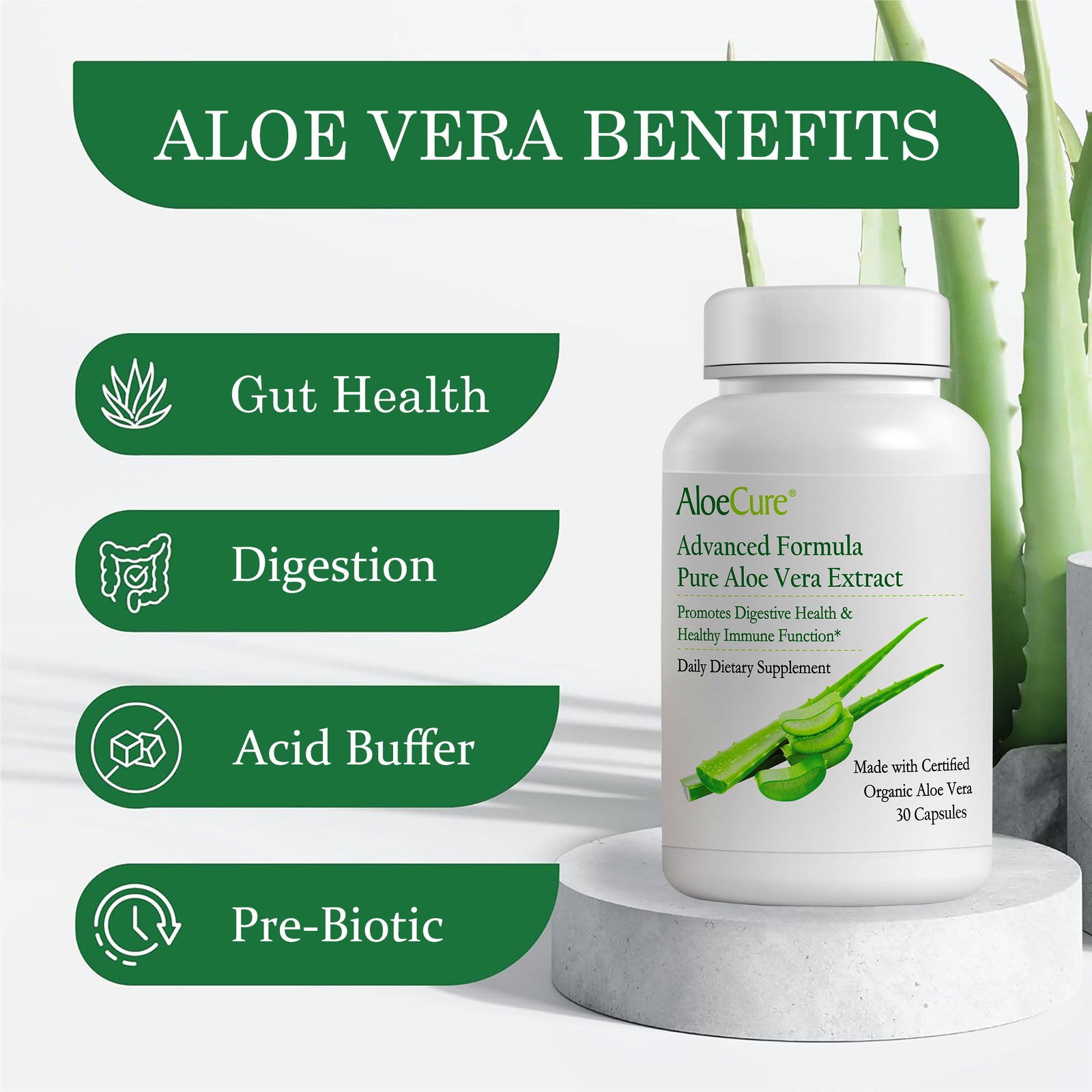
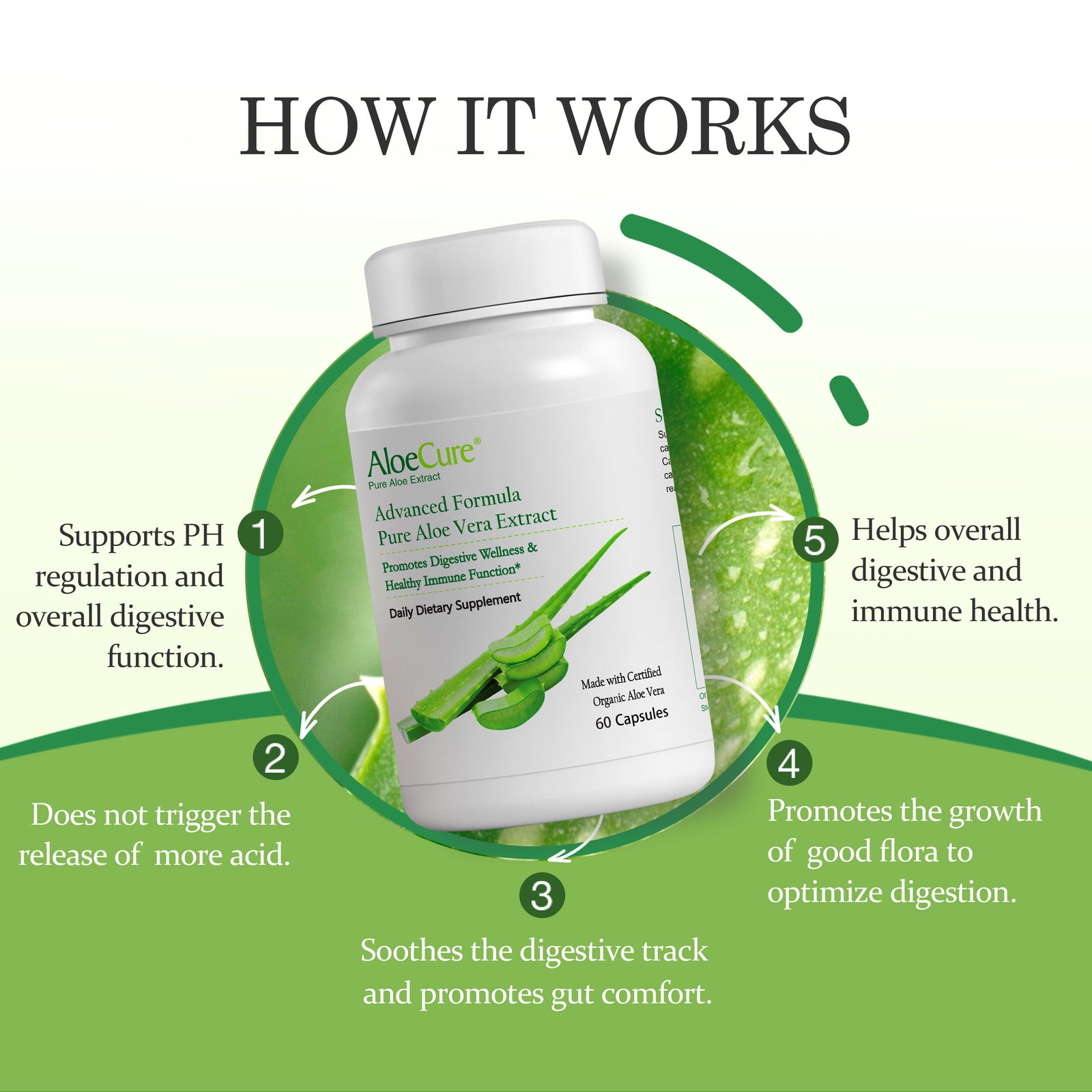
Aloe is not usually discussed as a primary joint ingredient in the same category as collagen or glucosamine. Its role fits better within whole-body wellness support. Properly processed aloe contains naturally occurring compounds that support normal physiological balance, which is relevant for people who prefer a broader wellness approach instead of relying on a single hero ingredient.
Processing can change a plant ingredient in meaningful ways. A label may list aloe, turmeric, or another botanical, but handling methods can affect purity, consistency, and what remains in the finished formula. That is one reason sourcing deserves more attention. A farm-to-capsule model offers more visibility into origin and processing, which helps shoppers judge quality with more confidence.
If you want to compare categories and formulations in more detail, this guide to natural joint support supplements gives a useful overview.
| Ingredient | Primary Support Goal | Summary of Evidence | Typical Timeframe for Support |
|---|---|---|---|
| Glucosamine | Supports healthy joint structure and cartilage-related function | Evidence is mixed, with high-level summaries questioning how dependable the benefit is across users. | Often gradual, not immediate. |
| Chondroitin | Supports connective tissue and joint structure | Similar to glucosamine. Results vary based on study design, product form, and formula quality. | Often gradual rather than quick. |
| Native type II collagen | Promotes healthy joint function and mobility | Reviews have described more consistent positive findings for comfort and function in studied settings. | Gradual support over time. |
| Curcumin | Supports the body's normal comfort processes | May be useful in some contexts, but formulation quality affects how well a product matches its promise. | Varies by formulation. |
| Omega-3s | Supports overall wellness and normal mobility comfort | Best viewed as context-specific support rather than a universal joint solution. | Usually part of a longer-term routine. |
| Aloe-derived compounds | Supports overall wellness and normal physiological processes | Best viewed as part of a broader wellness strategy, with processing quality shaping product value. | Steady use fits better than one-off use. |
Practical rule: Judge a joint supplement by the exact ingredient, the studied form, and the sourcing quality behind it.
You finish a long walk, get up from your desk, or head downstairs after a workout and notice the same thought: “Why do my joints feel less cooperative than they used to?” That is often the right moment to consider joint support. Not because everyone needs the same formula, but because your goal becomes clearer.
A good candidate is someone who can name the kind of help they want. Better day-to-day mobility. More comfort after activity. Support for normal movement as the years add up. Supplements tend to make more sense when the goal is specific.
Some people feel the difference after tennis, strength training, hiking, or long shifts on their feet. Their joints are not necessarily in crisis. They are looking for support that fits an active routine and helps them stay consistent with movement.
Patience helps here. Joint support usually works more like tending a garden than flipping a switch. You build the conditions over time, then watch for gradual change.
Other people notice smaller changes first. Knees feel a little stiffer in the morning. Hips need a few extra steps to loosen up. Everyday movement still feels manageable, but not quite as easy.
This group often does well with a steady, realistic approach. As noted earlier, evidence for joint ingredients is mixed and ingredient-specific, so matching the formula to your goal matters more than expecting fast, broad results from any bottle on the shelf.
If your day involves lifting, kneeling, climbing, typing, driving, or repeating the same motion for hours, your joints may need support for a different reason. Repetition adds wear in the same way a door hinge gets noisy when it opens and closes all day. The answer is not always “take more.” It is “choose more carefully.”
That includes paying attention to delivery and absorption. A promising ingredient only helps if your body can make practical use of it, which is why supplement bioavailability and absorption deserve a closer look before you buy.
Supplements fit best inside a routine that also supports healthy movement. Strength work, mobility practice, hydration, supportive footwear, recovery habits, and body mechanics all shape how joints feel in ordinary life.
If you want ideas beyond capsules, this guide to physical therapy for arthritis pain is useful for understanding how guided movement and strengthening can support comfort and function in daily routines.
Quality matters here, too. Two products can list similar ingredients and still differ in how those ingredients were grown, processed, and preserved. In a crowded market, sourcing is not a side detail. It is part of the reason a supplement may or may not live up to its label. That is why a farm-to-capsule approach stands out. It gives you a clearer view of what is in the bottle and how it got there.
A good candidate for joint support is someone with a clear goal, realistic expectations, and a plan that includes both smart supplementation and healthy movement habits.
A supplement's label tells you what should be in the bottle. It doesn't always tell you enough about where the ingredients came from, how they were processed, or whether the final product preserves what you're paying for.

Start with the basics.
A formula may look appealing, but if the company is vague about sourcing or processing, you're left guessing about quality.
Processing changes ingredients. Sometimes that's helpful. Sometimes it strips away what made the ingredient valuable in the first place.
That's especially important for plant-based ingredients. If a company relies on harsh shortcuts, concentrates, or heavy refining, the final product may not reflect the integrity of the original source material. If you want to understand this concept further, this article on the bioavailability of supplements gives a helpful overview of why form and processing influence what your body can effectively use.
Here's a useful visual explanation of what to look for in a quality-focused brand.
One option in this space is AloeCure VeraFlex Joint Support Capsules, which fit this discussion because the company controls its process from farming through final production. According to the publisher information provided, its parent company grows aloe on its own farms, processes it on-site within a short harvest window, and avoids chemicals, enzymes, concentrates, and charcoal filtration during processing. That kind of vertical integration matters because it gives shoppers more visibility into sourcing and handling than brands that buy ingredients from multiple suppliers.
You don't have to choose only one style of joint support formula. But if you're comparing options, it's reasonable to favor brands that can explain their supply chain, testing standards, and processing choices in plain language.
You buy a joint supplement, take it for a week, and then wonder, "Am I supposed to feel something by now?" That question trips up a lot of people. A better starting plan is to treat joint support like a short personal experiment, with a clear goal, a realistic timeline, and a product you can trust.
Start with the outcome you care about most. Is your goal easier movement during daily tasks, less stiffness after sitting, or better comfort during walks and exercise?
Then read the label with that goal in mind. The ingredient list matters, but quality matters too. A capsule only has potential if the ingredients were sourced carefully, processed well, and handled consistently from start to finish. That is one reason supply chain visibility matters in this category. In a crowded market, brands that can explain where ingredients come from and how they are processed give you more to work with than brands that rely on vague promises.
Joint support products usually work gradually. As noted earlier in the evidence section, some ingredients may need consistent use before you can judge whether they are helping.
Set your trial window before you begin. This keeps you from quitting too early or expecting a same-day change from a product meant for steady support. If you want a helpful benchmark, read more about how long it takes supplements to work.
Small changes are easy to miss when you rely on memory. A phone note or simple journal works well.
Write down:
This part matters. The goal is not to ask, "Did I take a capsule today?" The better question is, "Did anything in daily life become easier to do?"
Supplements work best as one part of the picture. Food, movement, hydration, sleep, and recovery all affect how your joints feel day to day. For practical ideas you can use at home, these LifeWorks KC joint health tips offer useful guidance on meals and daily routines that support joint comfort.
If you choose a brand such as AloeCure, look at the details behind the label too. Farm-to-capsule sourcing, clear processing standards, and transparent manufacturing do not guarantee a result for every person, but they do help you make a more informed choice about what you are putting in your routine.
If you have questions about fit, timing, or interactions with your personal health situation, check with a qualified healthcare professional before starting something new.
These statements have not been evaluated by the Food and Drug Administration. This product is not intended to diagnose, treat, cure, or prevent any disease.
If you want a clean, transparent starting point for everyday wellness support, explore AloeCure. You can review product details, learn more about ingredient sourcing and processing, and sign up for a subscription discount with flexible delivery options.
Los comentarios se aprobarán antes de mostrarse.