Tu carrito está vacío
Envío y manipulación gratuitos con todos los pedidos superiores a $25
Envío y manipulación gratuitos con todos los pedidos superiores a $25

Cocoa butter alone is not a validated sunscreen, and any SPF claim for cocoa butter with SPF must come from testing the finished product rather than the butter itself. That answer challenges the most popular advice you'll see online, where a pleasant, natural sounding ingredient is often presented as if it does the protective work on its own. It doesn't mean cocoa butter has no value for skin. It means moisturizing and measured UV protection are two different jobs, and you need different evidence for each one.
Many shoppers assume cocoa butter with SPF is one unified benefit, as if the butter creates the number printed on the tube. That's the assumption worth questioning first. Cocoa butter can be part of a product that has a tested SPF, but the butter by itself doesn't earn that number.
A 2023 laboratory study is often the source behind the confusion. Researchers tested cocoa butter and several other plant oils and butters using ultraviolet visible spectrophotometry in accordance with ISO 24443:2012. The tested cocoa butter produced an estimated SPF of 12, matching shea butter and exceeding coconut oil at SPF 7, olive and sunflower oils at SPF 6, and sweet almond and macadamia oils at SPF 5, as detailed in the 2023 spectrophotometry study of cocoa butter and other plant oils.
That SPF 12 result sounds reassuring until you read how the study's own authors described it. They classified the tested natural raw materials as providing only a low degree of protection. They also concluded that the protection level was not sufficient to constitute a safe sunscreen.
Testing one ingredient in a recipe on its own is like tasting cocoa powder by the spoonful: it may taste chocolatey, but that doesn't tell you how a finished cake will turn out. A lab value for a raw material doesn't predict how a bottled lotion performs on your skin.
Practical rule: A lab result for cocoa butter describes the raw material in controlled conditions, not a product you're wearing at the beach.
The finished product depends on much more than one ingredient. Its complete formula, the concentration of each component, film uniformity on skin, packaging, how much you apply, and whether it holds up in water all affect the result. Validated testing is what ties those variables together into a claim you can trust.
So, does cocoa butter offer real sun protection by itself? It offers possible low level UV absorption as an emollient ingredient, but not validated sunscreen protection. If a bottle lists an SPF, ask a simpler question: was that number measured on the finished formula in the bottle, or is the marketing borrowing a number from an ingredient study? Only the first answer counts.
SPF isn't a score a brand invents. In the United States, it's a standardized test with a defined method. The FDA's 2011 sunscreen final rule established labeling and effectiveness testing requirements for over the counter sunscreen products and codified them in 21 CFR 201.327, as outlined in FDA guidance on sunscreen labeling and effectiveness testing.
The FDA SPF test is an in vivo clinical measurement. Testers compare the amount of UV radiation needed to produce a visible reaction on protected skin with the amount needed on unprotected skin. That comparison produces the SPF value.
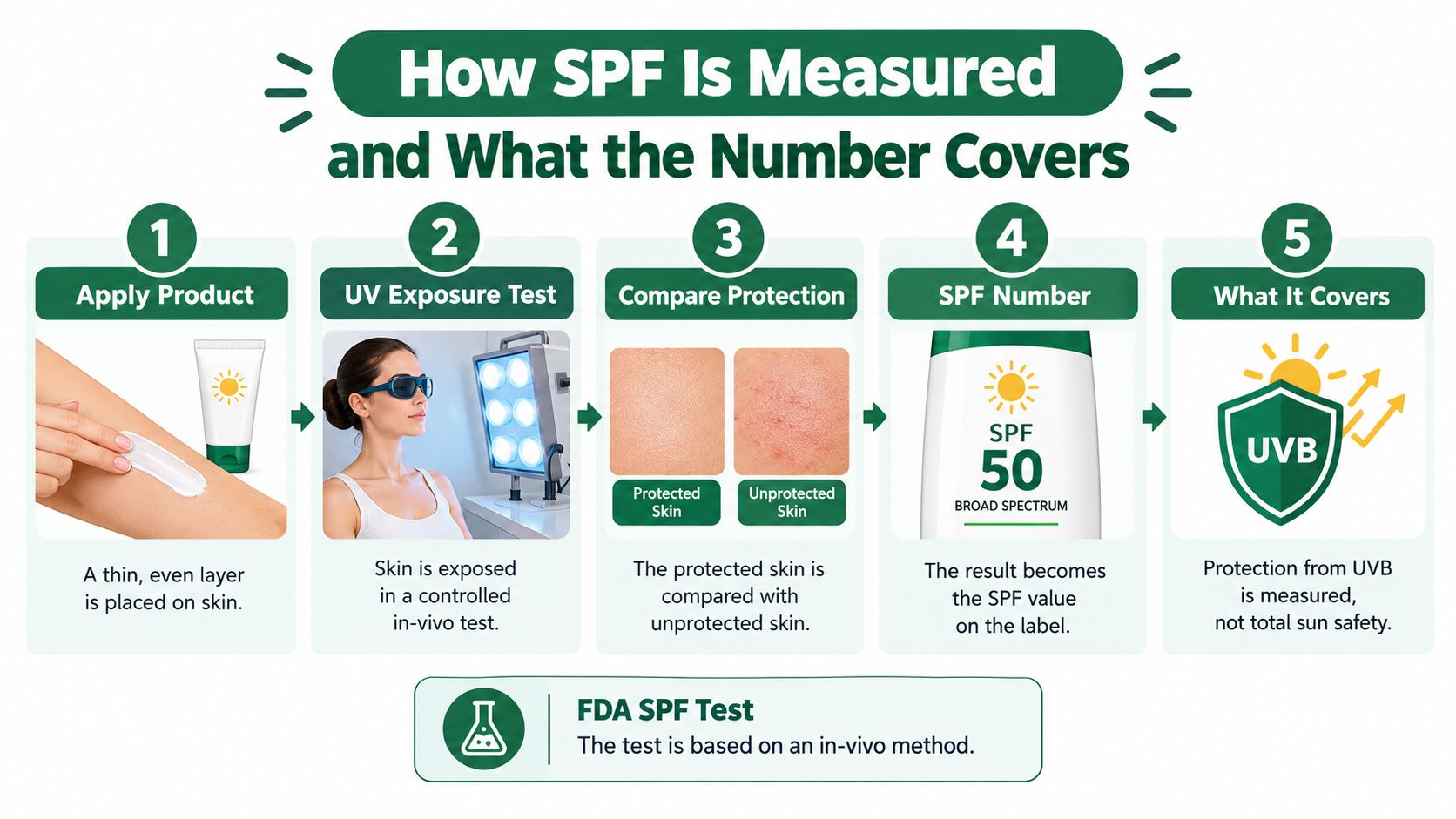
Picture two buckets filling under the same tap. Unprotected skin is a bucket that fills to a visible reaction point fairly quickly. Protected skin, if the product works, needs a larger dose of UV before it reaches that same point. SPF expresses that dose relationship.
That analogy helps you avoid two common mistakes. First, the number describes a comparison performed under controlled conditions. Second, it doesn't describe how long you can stay outside without reapplying.
SPF primarily reflects protection against UVB, the radiation most directly tied to the visible reaction used in the test. It does not, by itself, tell you about UVA protection. A separate broad spectrum test evaluates protection across both UVA and UVB wavelengths.
That's why two labels with the same SPF can still differ. One may pass a broad spectrum test and one may not. If you're concerned about daily exposure and photoaging, that distinction matters as much as the number.
These rules didn't appear overnight. FDA published an advanced notice of proposed rulemaking in 1978, proposed a permitted SPF range of 2 to 30 in 1993, issued a final sunscreen rule in 1999, and introduced current broad spectrum labeling and testing requirements in 2011, per the same FDA guidance history. Decades of standardization exist so a shopper can compare products by method, not by marketing story.
A defensible SPF claim traces back to testing on the finished formulation under the applicable method, not to an ingredient that absorbs some UV in a lab.
For cocoa butter with SPF, the takeaway is direct. Don't infer a number from cocoa butter's presence. Look for evidence that the complete product was tested, and remember that broad spectrum language requires its own evidence of meaningful UVA protection.
Cocoa butter still earns its place in many formulas. It just earns it for a different reason than shoppers often assume. The photo below shows the kind of rich, creamy butter texture that explains its appeal as a moisturizing base.
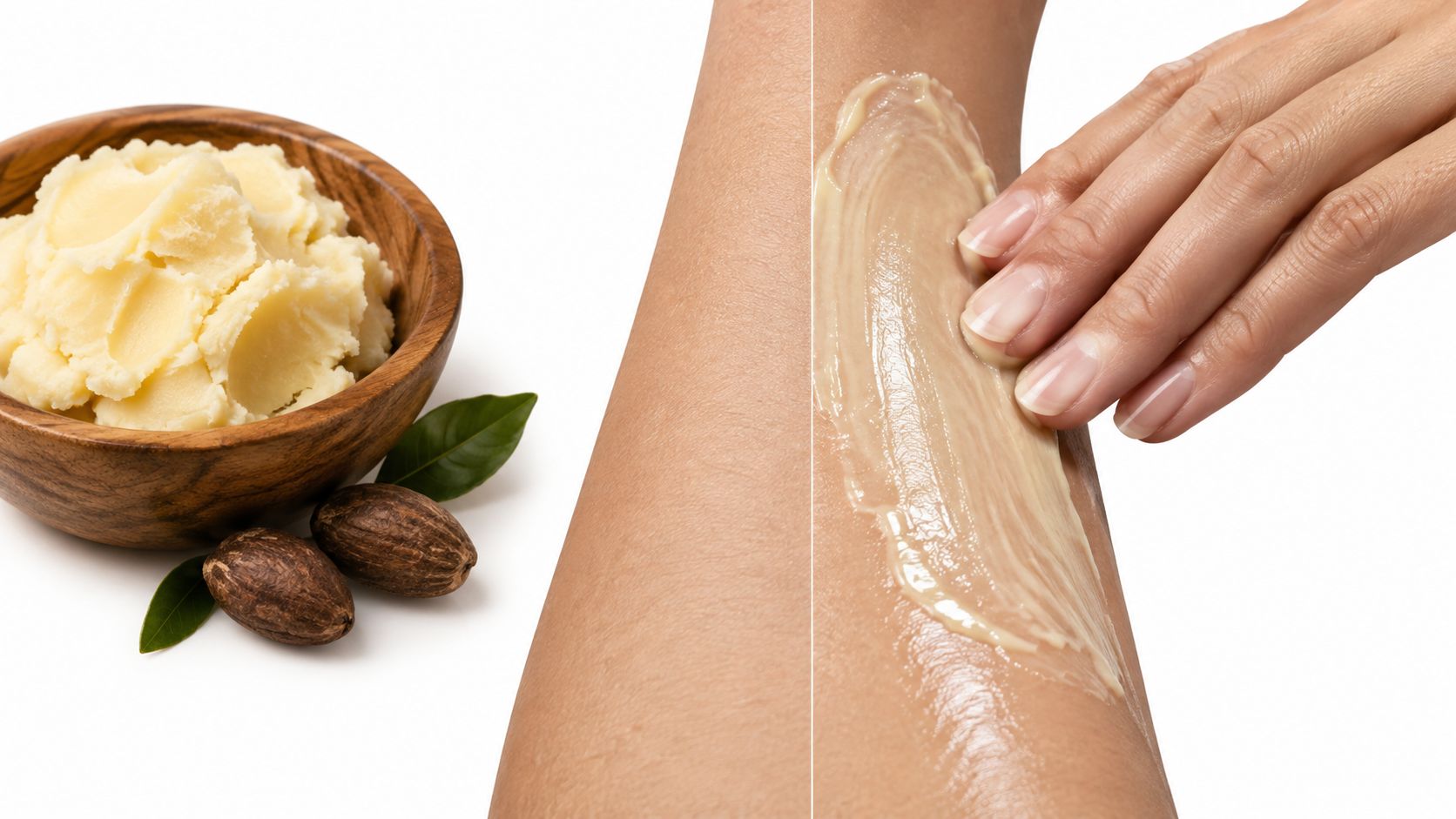
Cocoa butter works mainly as an emollient and occlusive. It forms a lipid rich layer that can reduce transepidermal water loss and support the skin barrier. Skin feels softer and more comfortable because moisture you'd otherwise lose stays put for longer.
Think of a thin wax coat on a wooden deck. The wax slows moisture from leaving the wood and gives the surface a smoother feel. It doesn't make the deck immune to sunlight beating down on it all afternoon.
Cocoa butter works in a similar, limited way. It seals in moisture, but sealing isn't the same as filtering UV. A moisturizing effect doesn't establish a numerical SPF or reliable UVA protection, a distinction explained in research describing cocoa butter as an emollient rather than a validated sunscreen active.
If you're comparing face products, you can see how this moisturizing role is discussed separately in this guide to cocoa butter cream for face use and daily moisture. The useful question there is comfort and barrier support. It's not whether the cream replaces sunscreen.
The short video below gives a visual sense of how rich butters are applied and why people enjoy them in a routine, which helps separate texture from UV performance.
Another source of confusion is dietary cocoa research. In a 12 week human study, participants consuming high flavanol cocoa providing 326 mg flavanols per day showed UV induced erythema reductions of 15% after 6 weeks and 25% after 12 weeks, while a low flavanol group receiving 27 mg per day showed no change, according to the 12 week trial of high flavanol cocoa consumption.
That intervention used cocoa powder consumed orally, not cocoa butter applied to skin. Cocoa butter generally contains far less of the flavanol rich, non fat cocoa components behind that result. You can't move a finding from a drink to a butter and keep the conclusion.
Both facts can be true at once. Cocoa butter is a satisfying moisturizer that supports healthy skin function by helping maintain normal skin moisture, and it's still not a sunscreen active. In a well built formula, it provides comfort and barrier care while separately validated UV filters do the protective work. If no such filters are present and no finished product testing exists, consider it a moisturizer, full stop in practical terms, not sun protection.
You don't need a chemistry degree to judge a bottle in a store aisle. You need a scan order. Start with the front, then turn the product over and look for who is doing the UV work.
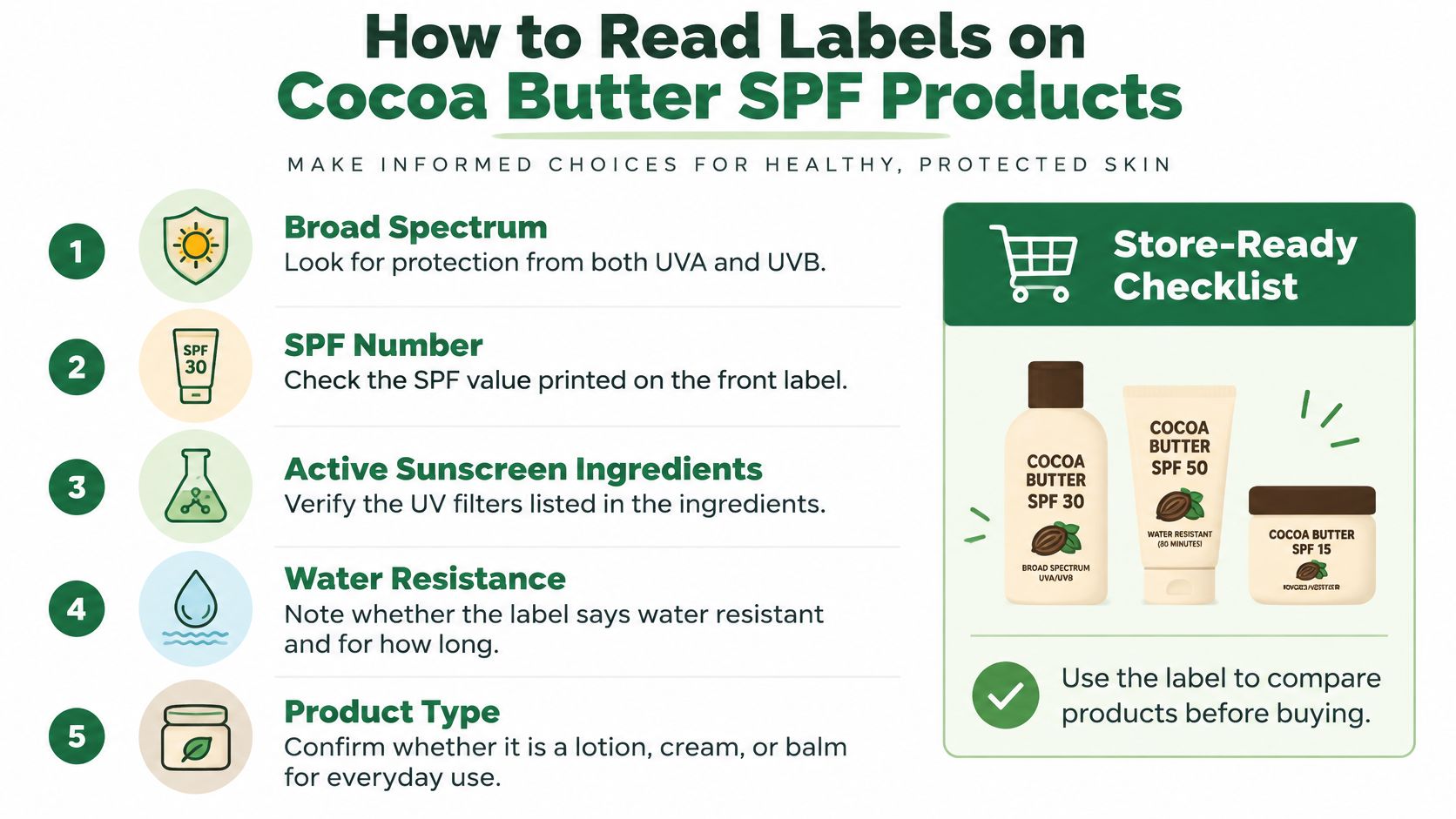
FDA's consumer guidance frames this same checklist approach, noting that higher SPF values provide greater protection in the SPF test but don't remove the need for shade, protective clothing, or reapplication, as described in FDA advice on how sunscreen helps protect your skin. Only broad spectrum products with SPF 15 or higher may carry the strongest permitted protection statements when used as directed with other protective measures. A lower number can still be tested, but it supports a narrower set of claims.
Some wording sounds protective without promising anything testable. Terms like natural SPF or cocoa powered protection place your attention on the ingredient story. They don't tell you the finished product passed a standardized method.
Label warning sign: If the front celebrates cocoa butter but you cannot quickly find a numerical SPF, Broad Spectrum wording, and an active panel, consider the product a moisturizer until proven otherwise.
Also check the product type. A body butter you apply thinly for comfort may not be applied at the amount used in sunscreen testing, even if the same brand sells a separate tested sunscreen. A balm, lotion, and cream can feel different, spread differently, and wear differently.
Here's a calm way to compare two options online. Open the label photos, locate the five items in the scan order, and write them down before reading reviews. If one product for cocoa butter with SPF gives you all five and the other gives you a story about botanicals, you have your answer. The contrarian point many shoppers miss is that the natural ingredient story is often less important than validated UV performance. You can prefer botanical ingredients and still insist on evidence.
Regulatory boundaries may sound like fine print, but they're your protection as a shopper. They determine which claims a brand must prove before printing them. When a label stays inside those boundaries, you can compare products with more confidence.
A topical product marketed with SPF is regulated in the United States as an over the counter sunscreen drug. That's a different regime from a dietary supplement you swallow. The categories sound close in a wellness aisle, but the evidence required for their claims is not interchangeable.
For supplement structure and function claims, FDA states that manufacturers must possess substantiation showing the claim is truthful and not misleading before using it. The manufacturer must also notify FDA no later than 30 days after first marketing the supplement with the claim, according to FDA guidance on structure and function claim notifications.
When such a claim appears in supplement labeling, this disclaimer is required: "This statement has not been evaluated by the Food and Drug Administration. This product is not intended to diagnose, treat, cure, or prevent any disease." Seeing that sentence tells you you're reading a supplement claim. It does not convert a moisturizer or supplement into a tested sunscreen.
The number attached to a sunscreen also affects which consumer facing statements are permitted. FDA says only broad spectrum products with SPF 15 or higher may carry the strongest protection claims when used as directed with other measures, while non broad spectrum products and broad spectrum products from SPF 2 through 14 may claim only a more limited benefit, as set out in FDA questions and answers on new sunscreen requirements.
That threshold is useful in daily shopping. If marketing language sounds expansive but the number is low, or Broad Spectrum is missing, lower your expectations to what the label is allowed to support. A brand using natural SPF language without finished product testing is asking you to bridge a gap the rules do not bridge.
Seen this way, regulation isn't red tape for its own sake. It's a shared language that lets you separate moisturizing appeal from measured performance. For cocoa butter with SPF, a compliant label makes that separation easy to see.
Once you can read a label, the next question is routine design. Do you want one combined product, or do you want moisture and UV protection in separate steps? Both approaches can work, but they ask different things of you.
| Routine | Advantage | Limitation |
|---|---|---|
| Combined cocoa butter SPF product | One step, comfortable texture, easier to remember | You may apply less than the tested amount because it feels like moisturizer |
| Moisturizer plus separate broad spectrum sunscreen | You can reapply sunscreen alone and choose each formula for its main job | Two steps and a longer morning routine |
| Aloe based moisturizer under a tested sunscreen | Light, soothing moisture layer with a separate validated UV filter on top | Requires layering time so each product settles before the next |
Convenience is real, especially on busy mornings. The trade off is dose. People often smooth a moisturizer on sparingly because a small amount reduces dryness and feels pleasant. Sunscreen testing uses a defined application amount, so a light cosmetic layer may not deliver the labeled value in real use.
Separate steps give you flexibility. You can choose a richer moisturizer on dry days and a lighter one in humidity, then keep your sunscreen consistent. You can also reapply sunscreen during the day without layering more butter than your skin wants.
That separation also clarifies responsibility. The moisturizer provides targeted support for skin moisture and comfort. The sunscreen provides tested UV protection. Neither product has to pretend to do the other's job.
Outdoor plans change the calculation. If you'll be in the water, planning resources such as this overview of reef-safe sunscreen for snorkeling can help you think about reapplication and water based wear before you pack. You can also compare that approach with this discussion of aloe vera sunscreen layering and everyday use to decide where aloe fits in your routine.
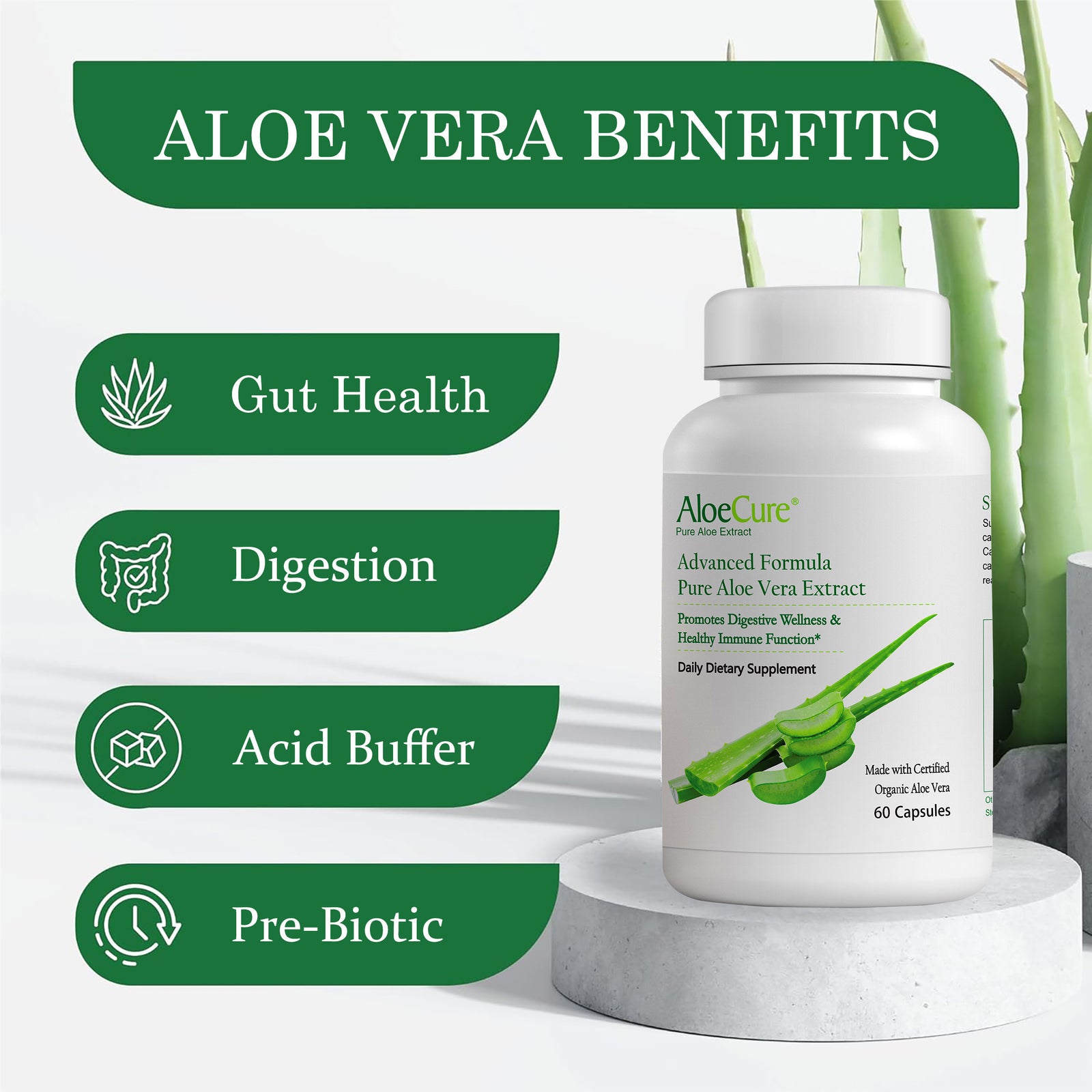
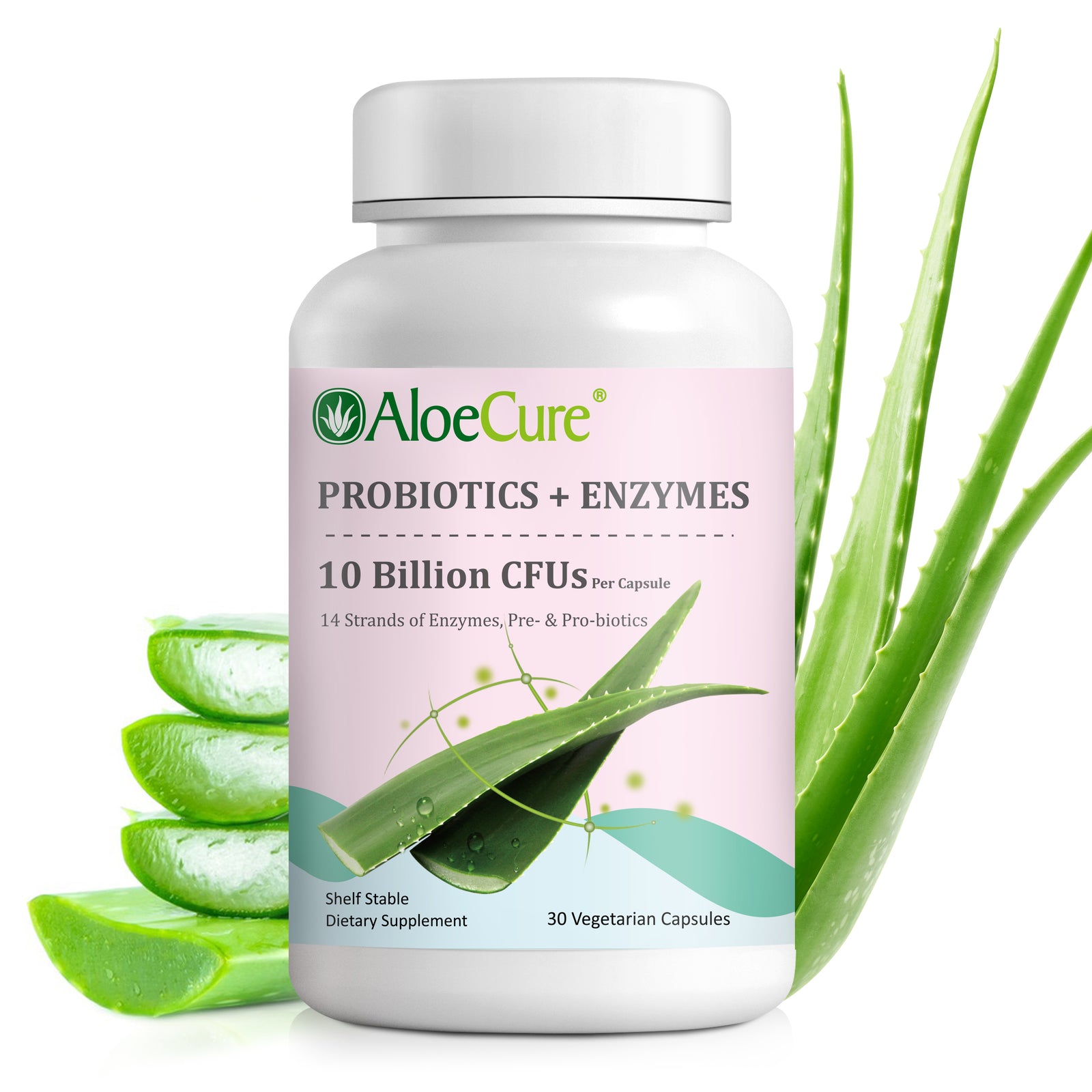
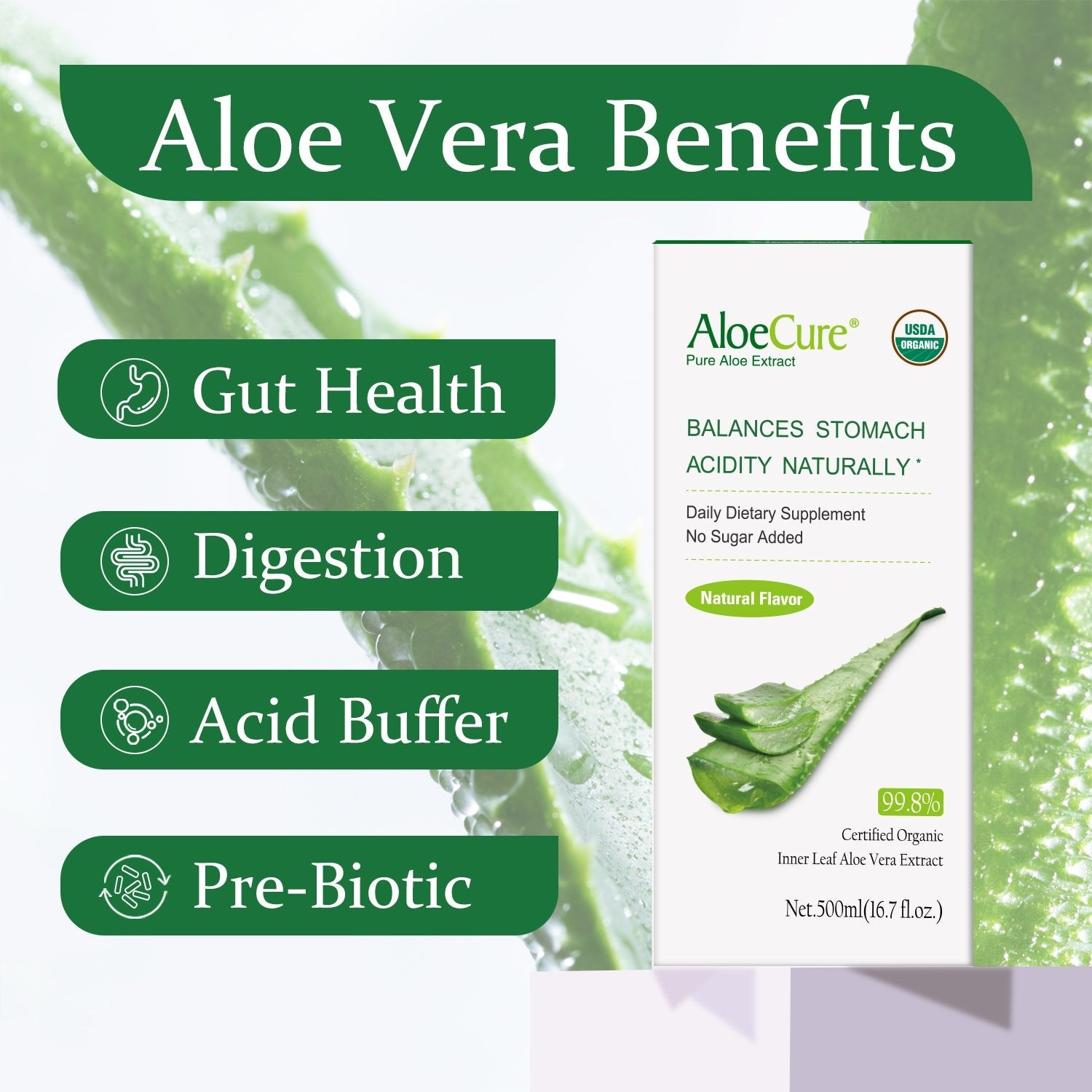
One concrete option in the moisturizer category is AloeCure, a vertically integrated brand that farms its aloe, hand harvests USDA and EU certified organic aloe, and processes it on site within 12 hours of harvest. Its sister company offers ALODERMA pure aloe vera skin care. Consider that kind of product for moisturizing, soothing skin care that helps maintain normal moisture, while your sun protection still comes from a separately validated UV filter in a tested sunscreen.
Start your next purchase with three checks before you compare scents or textures. First, find a tested numerical SPF on the label. Second, confirm the words Broad Spectrum are present if UVA protection matters to you. Third, read the reapplication directions and decide whether you'll realistically follow them.
Then choose the routine you'll keep. A combined product may suit short, everyday exposure when you apply it generously and reapply as directed. A separate moisturizer and sunscreen may suit longer outdoor days, because you can refresh protection without rebuilding your whole routine.
Packing helps. Keep sunscreen where you'll see it with your keys, beach bag, or travel kit rather than buried in a bathroom cabinet. If a Hawaii trip is on your calendar, practical snorkel packing advice for Hawaii vacationers can help you plan what to bring so reapplication gear is within reach.
After time outdoors, your skin care focus can shift back to comfort and moisture. This guide to moisturizing after sun lotion choices for daily skin care is a useful place to think through that step without confusing it with UV protection. Moisturizing after exposure supports comfort. It doesn't retroactively create an SPF.
If you want to explore aloe based skin care as the moisture part of that routine, visit aloecure.com to review product details and current options. AloeCure offers a 90 day money back guarantee, 1 to 2 day priority processing, and free shipping on qualifying orders. For ongoing use, Subscribe and Save provides 20% off with flexible delivery.
Treat those offers as conveniences for a routine you've already chosen on evidence, not as substitutes for it. For cocoa butter with SPF, choose moisture for how your skin feels and choose sun protection by validated testing. Add shade, protective clothing, and reapplication, and you've built a sun care plan based on what each product can prove.
Explore AloeCure's vertically integrated aloe skin care to support healthy skin function and help maintain normal skin moisture as the comforting layer in your routine, while relying on a separately tested broad spectrum sunscreen for UV protection. Visit AloeCure to shop qualifying products, review the 90 day guarantee, and consider Subscribe and Save for 20% off flexible deliveries that keep your routine stocked.
Los comentarios se aprobarán antes de mostrarse.