Tu carrito está vacío
Envío y manipulación gratuitos con todos los pedidos superiores a $25
Envío y manipulación gratuitos con todos los pedidos superiores a $25

Most shoppers buy an organic supplement by reading the front of the bottle. That's the wrong place to look. The quality story sits in the farm, the processing line, the testing panel, and the traceability record, which is why the best organic supplements are defined by much more than a certification logo.
Organic is mainstream now, not fringe. The global organic supplement market was valued at $14.8 billion in 2025 and is projected to reach $27.9 billion by 2034, with an 8.2% CAGR over that forecast period, while North America held 38.6% of revenue and vitamins and minerals held 32.4% of product share in the 2025 snapshot (market overview). That scale sits on top of broad supplement use, since the U.S. CDC reported 57.6% of adults aged 20 and over used at least one dietary supplement in the past 30 days in 2017–2018 (CDC data brief). In other words, the buyer pool is already huge, and the brands that win are the ones that prove what happens between harvest and bottle.

For a clean shortlist, use four questions every time you shop, is it certified organic, minimally processed, transparently sourced, and independently tested? If the answer is yes to all four, you're looking at a serious product. If the bottle leans on feel-good language but can't show its chain of custody, it's just label theater.
A practical buyer's guide from MedEq Fitness buyer's guide can help you compare wellness products with a sharper eye, but the same rule applies here, start with proof, not poetry. If you want a deeper breakdown of ingredient quality and label reading, the guide on organic whole-food supplements is worth a look too.
The sticker on the front tells you very little. A bottle can be organic and still be weak, overprocessed, or padded with excipients that do nothing for the formula. The brands worth paying for show their work, from sourcing to testing.
Start with certification, but don't stop there. Certified organic tells you the ingredient standard was met, while minimal processing tells you the active material wasn't beaten up on its way to the shelf. Transparent sourcing matters because the cleaner the chain, the easier it is to audit what's inside. Independent testing matters because labels can be polished, but a lab panel has to answer to facts.
Practical rule: if a product can't tell you where it came from, how it was processed, and who tested it, it hasn't earned a place in your cart.
That's why the best organic supplements tend to look simpler, not flashier. Harvard's quality-focused scorecard notes that many supplements, especially multivitamins, have weak evidence for broad health benefits, so the smartest organic products are usually the ones with a specific purpose, clear dosing, and independent quality seals (Harvard Health). I agree with that reading. A bottle full of buzzwords and a dozen botanicals is usually trying too hard.
The label deck also needs to make sense from a regulatory standpoint. The FDA says dietary supplements are regulated under a different framework than conventional foods and drugs, manufacturers are responsible for safety before marketing, and labels can't be false or misleading (FDA guidance). That's not paperwork trivia. It's your first line of defense against a bottle that promises more than it can deliver.
If a product clears those checks, it deserves attention. If it fails two of them, move on.
Organic certification and third-party testing do different jobs. One speaks to how the ingredient was grown, the other speaks to how the finished product was handled. Confusing them leads to bad purchases.
For supplements, USDA Organic means the agricultural standard was met under the federal organic rule. That matters most for botanicals, because the plant itself is the raw material. The NIH-hosted review of organic food literature reported measurable compositional differences in some nutrients, including a mean vitamin C difference of 27.0% across 20 studies, iron at 21.1% across 16 studies, and magnesium improvements in multiple analyses (NIH review). That doesn't make every organic supplement superior by default, but it does show that organic discussions can be grounded in measurable composition rather than empty branding.
Third-party verification is a separate layer. The NIH Office of Dietary Supplements notes that USDA Organic products must meet the federal organic standard, and verification programs such as USP and NSF are used to confirm identity, potency, and contaminant controls. USP verification now includes heavy-metal testing for all supplements, which matters because contamination is a manufacturing-quality issue, not a botanical virtue signal (ODS factsheets). That's the difference between a farm claim and a finished-product claim.
| Signal | What It Certifies | Why It Matters |
|---|---|---|
| USDA Organic | Farming and ingredient standard | Tells you the raw material follows the organic rule |
| EU Organic | Organic production standard under EU rules | Useful for brands sourcing across jurisdictions |
| USP or NSF verification | Identity, potency, contaminant control | Confirms the bottle matches the label |
| Certificate of Analysis | Batch-specific lab result | Shows what happened to that lot, not just the brand |
A bottle can carry an organic seal and still disappoint if it skips third-party verification. That's why the cleanest buying rule is simple, organic seal for the farm, independent seal for the factory, CoA for the batch.
For a plain-English breakdown of lab verification, the guide on what third-party testing means is useful. Keep that hierarchy in mind, because decorative claims don't replace audits.
The way a supplement is processed can decide whether the useful material survives. That's especially true with plant-based products, where heat, filtration, concentration, and added processing aids can change what ends up in the bottle.
A dried powder isn't the same thing as a fresh extract, and a heat-treated juice isn't the same thing as a cold-processed one. The more a manufacturer leans on rough processing, the more likely it is that the finished product will drift away from the plant profile shoppers thought they were buying. That's why I pay close attention to language like hours from harvest to bottle, single-farm sourcing, and no concentrates.
A clean processing chain is not a branding flourish. It's a quality control decision. If ingredients sit too long, get overhandled, or move through heavy clarification steps, the brand is betting that the final label still represents the original plant. That's a weak bet.
The right question isn't “Is it organic?” It's “How many times did the brand touch it before it reached me?”
That's where vertically integrated producers have an advantage. When one company farms, harvests, processes, and fills its own products, there are fewer handoffs and fewer excuses. You're not relying on a stack of contractors to preserve the material you paid for.
Look for details that show the brand respects the raw ingredient:
AloeCure's proprietary, patented, all-natural processing is a useful example of this standard in practice because it avoids chemicals, enzymes, concentrates, and charcoal filtration while keeping the chain tightly controlled. I'm interested in that kind of process because it treats the plant like a living raw material, not a commodity slurry. In supplement buying, that distinction matters more than most labels want to admit.
The right product depends on the form you'll use and the function you're trying to support. Organic supplements are not one market, they're several overlapping categories, and each one has its own label checks.
Aloe vera juice is the clearest choice if you want a daily liquid format with simple ingredient panels and easy routine use. Capsules win when convenience matters and you want a measured serving without mixing. Probiotic formulas should be judged on strain specificity and clear count language at expiry, not on vague wellness copy. Botanical extracts deserve standardization details, because “extract” alone tells you nothing about the active profile. Collagen products should show sourcing transparency and a clean additive list. Melatonin blends should pair the dose with complementary ingredients in a way that's easy to read, not buried in a proprietary blend.
Aloe deserves special attention because it spans juice and capsule formats, and the production chain matters more than almost anywhere else. The category also rewards brands that control their own farms and their own processing, because plant freshness is part of the product story, not an optional extra.

Use the product language, too. Responsible brands talk about how a formula supports healthy digestive function, promotes restorative sleep, helps maintain normal body function, or provides targeted support. That is the right lane. Anything that starts sounding like a medical promise is already off track.
A strong supplement routine starts with restraint and clear labeling. Problems show up when people stack too many new products at once, skip the serving directions, or assume organic automatically means gentle.
Start with one product and one serving. Give it time before you add anything else. That is the cleanest way to see whether the formula fits your routine and whether the format works in real life. If a capsule is easier to keep consistent than a juice, choose the capsule. If a liquid is easier to measure and keep visible in the kitchen, use the liquid.
The FDA says dietary supplement labels must not be false or misleading, and structure/function claims need the required disclaimer language (FDA guidance). That language keeps brands in the correct lane. A compliant brand can say a product supports healthy system function, but it cannot present the product as a medical treatment. For a clearer look at how claims and product presentation should stay grounded, AloeCure's fresh aloe difference is a useful example of how a brand can explain its process without drifting into disease language.
Short rule: if the brand sounds like it is making medical promises, close the page.
A clean label should also show its inactive ingredients. Hidden fillers, vague “proprietary blends,” and missing batch details are all reasons to hesitate. Australia's 2024 naturopathy-supplements evidence evaluation found moderate-certainty evidence for some supplements in specific contexts, but it also concluded that evidence is limited for many other products (Australian review). That is why buying decisions should stay narrow and product-specific, not built on broad promises.
A practical comparison point for delivery methods is the vitamin shots page. The format matters, but only if the use case matches the product's real purpose. Choose the version that fits the formula and the routine, not the flashiest pitch.
Most supplement brands buy ingredients through a chain of brokers and processors, then ask you to trust the bottle. Vertical integration cuts through that. AloeCure is a clean example because AGHG has owned and operated its own aloe farms for 25 years, hand-harvesting USDA- and EU-certified organic aloe and processing it on-site within 12 hours of harvest (AloeCure). That kind of control is not a marketing flourish, it's the difference between a fresh plant story and a long supply-chain guess.
AloeCure says its processing is proprietary, patented, and entirely natural, with no chemicals, enzymes, concentrates, or charcoal filtration. That matters because processing is where a lot of plant products lose their edge. If a brand can keep the chain tight from field to finish, it has a much better shot at preserving the material shoppers came for.
The company also describes an 8-step traceability promise, which is the kind of language that gives buyers something concrete to inspect instead of just admire. I like traceability because it changes the conversation from “trust the bottle” to “show me the record.” That's how you separate a product story from a production story.
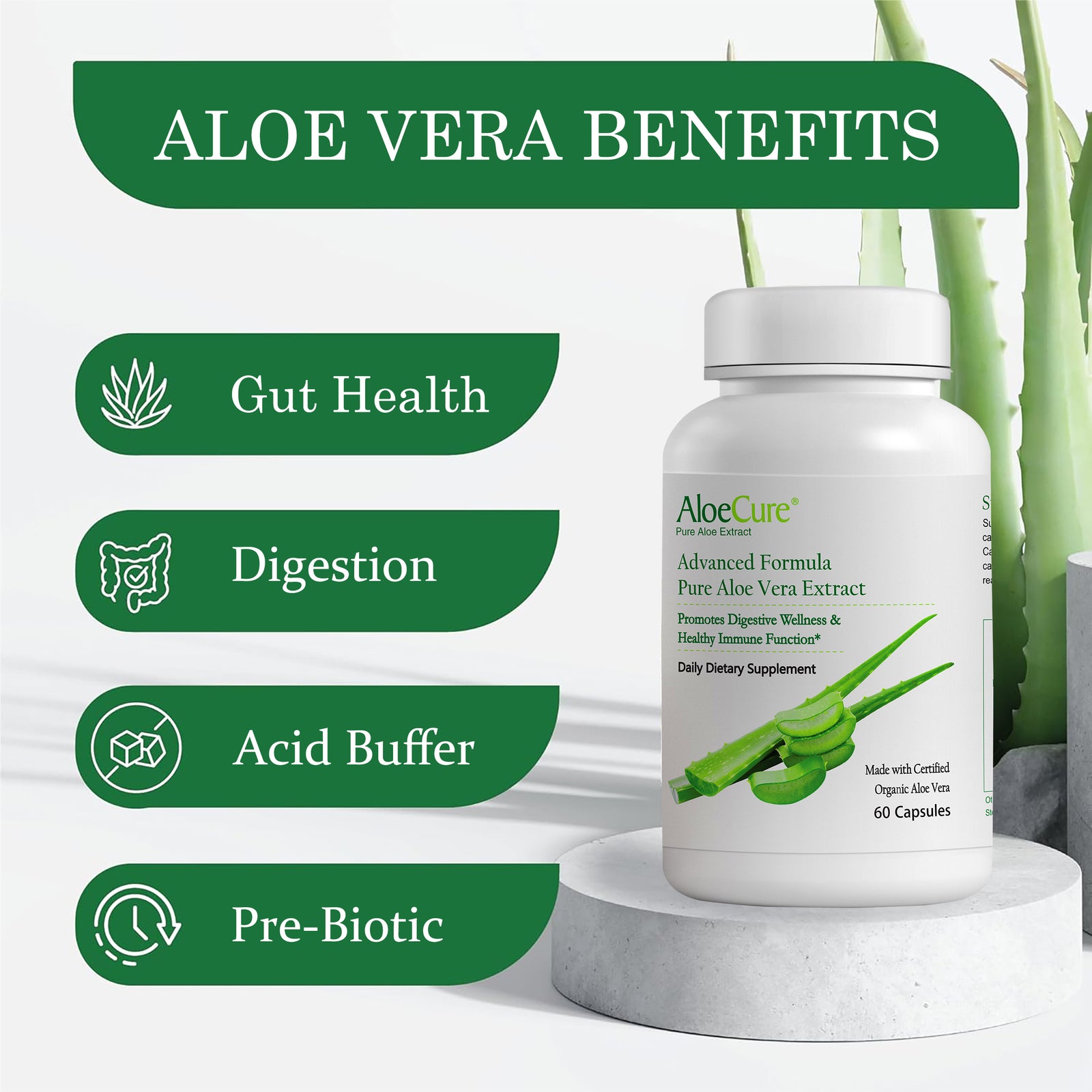
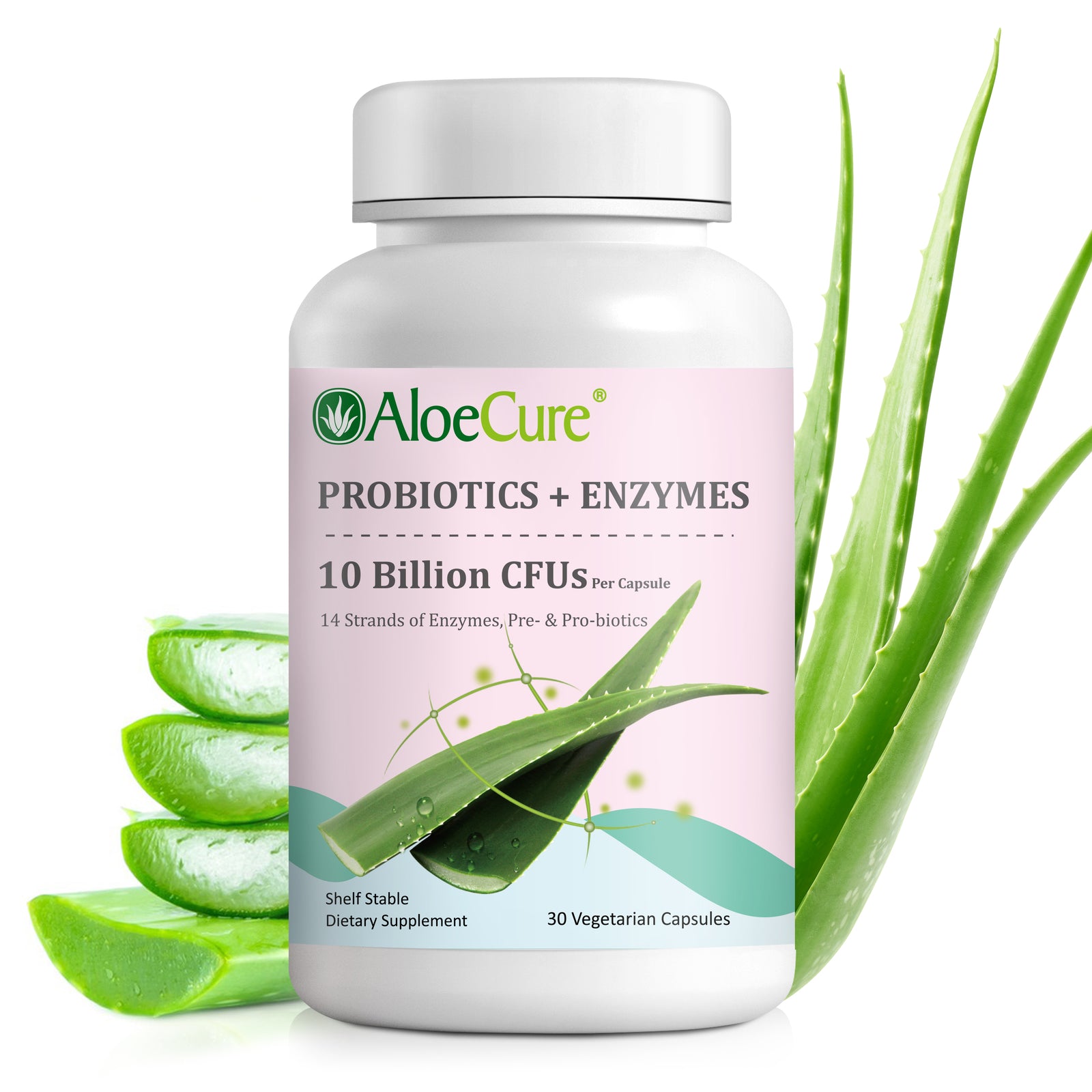
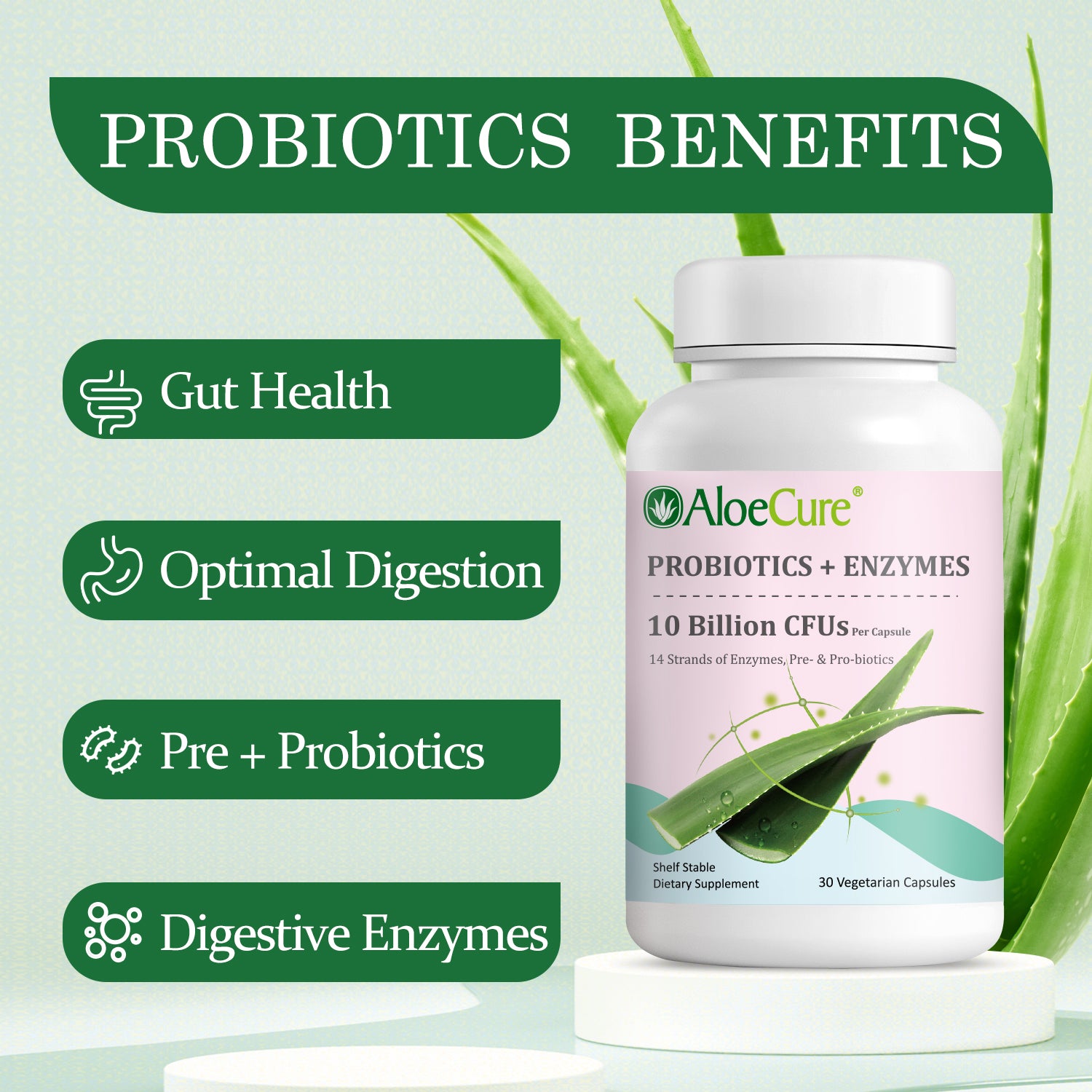
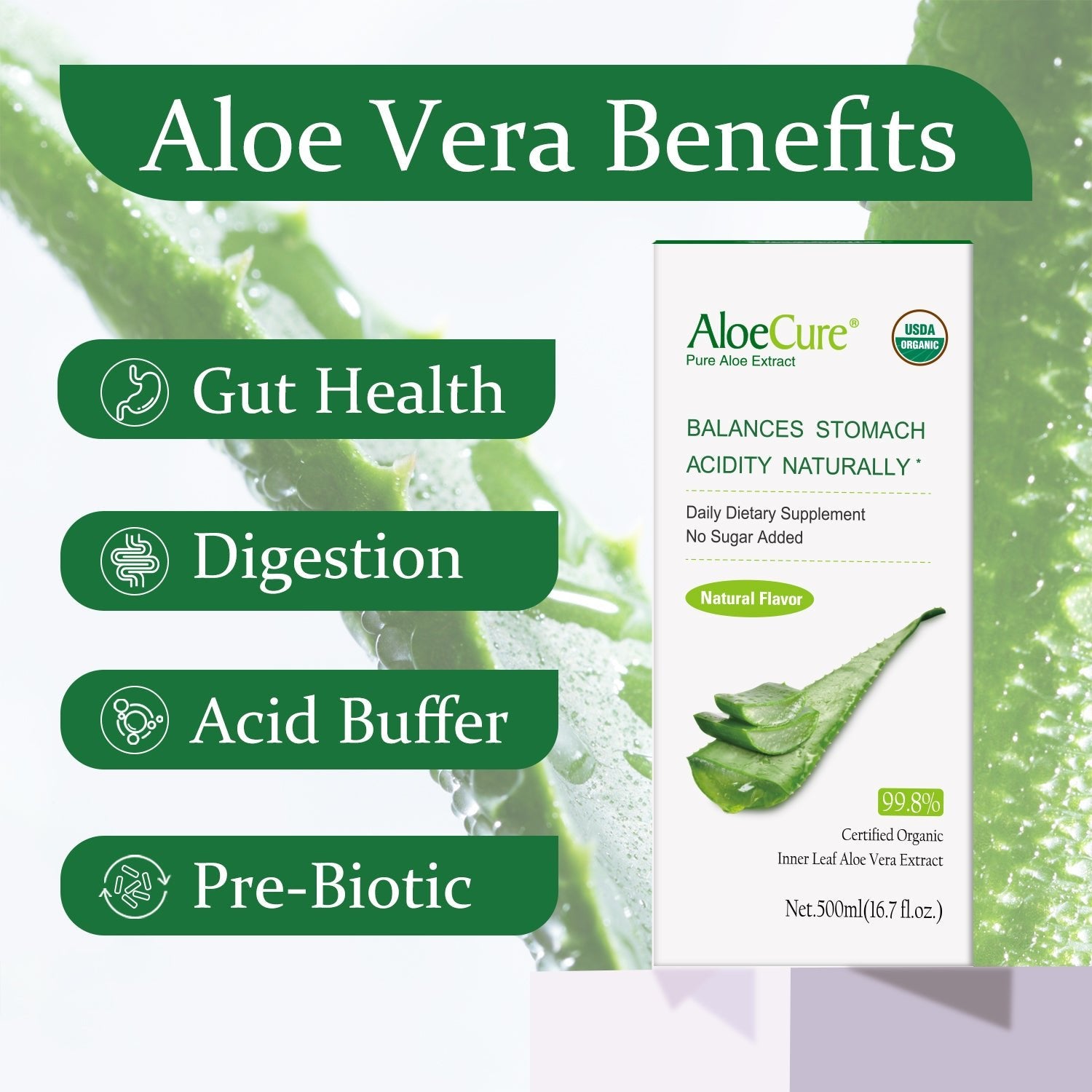
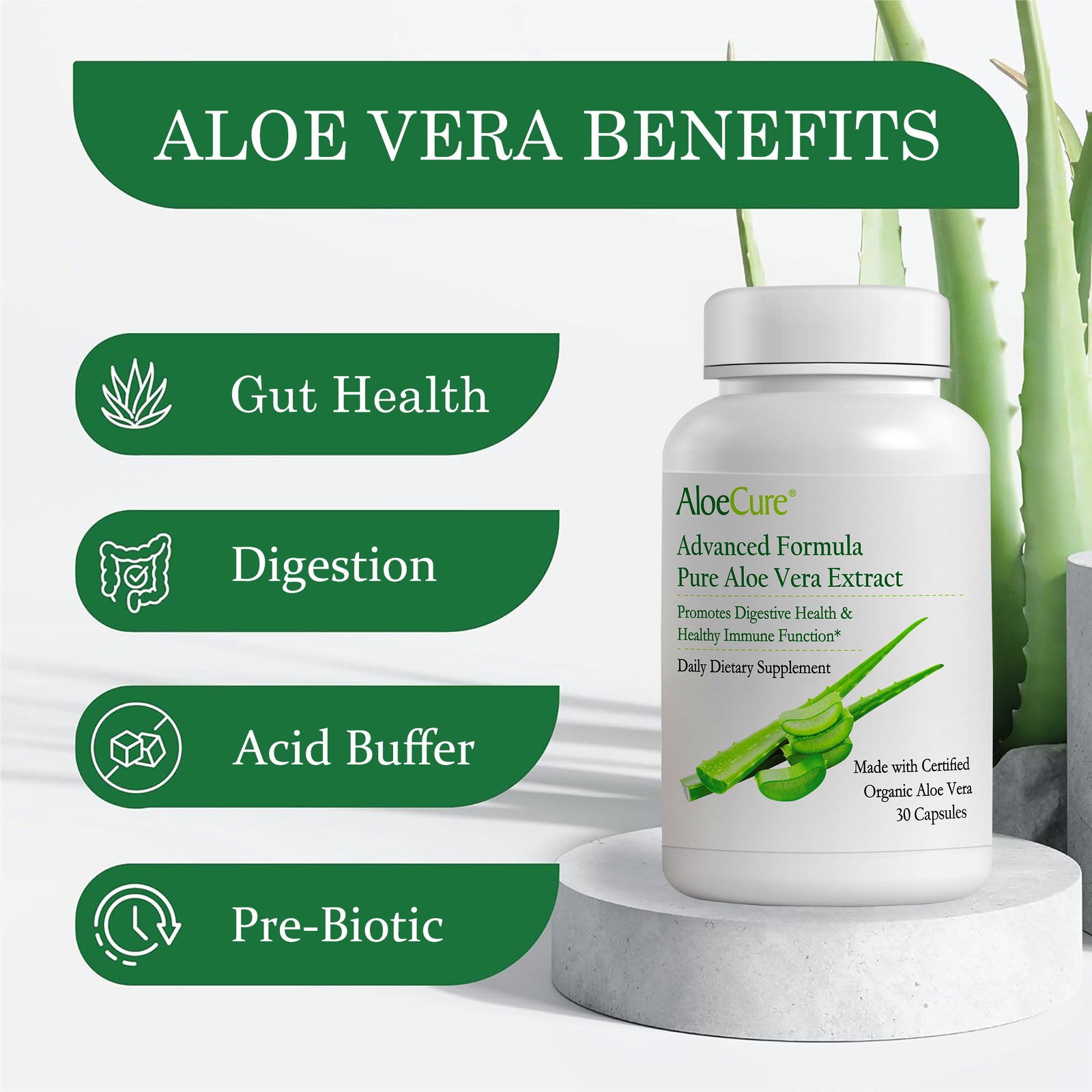
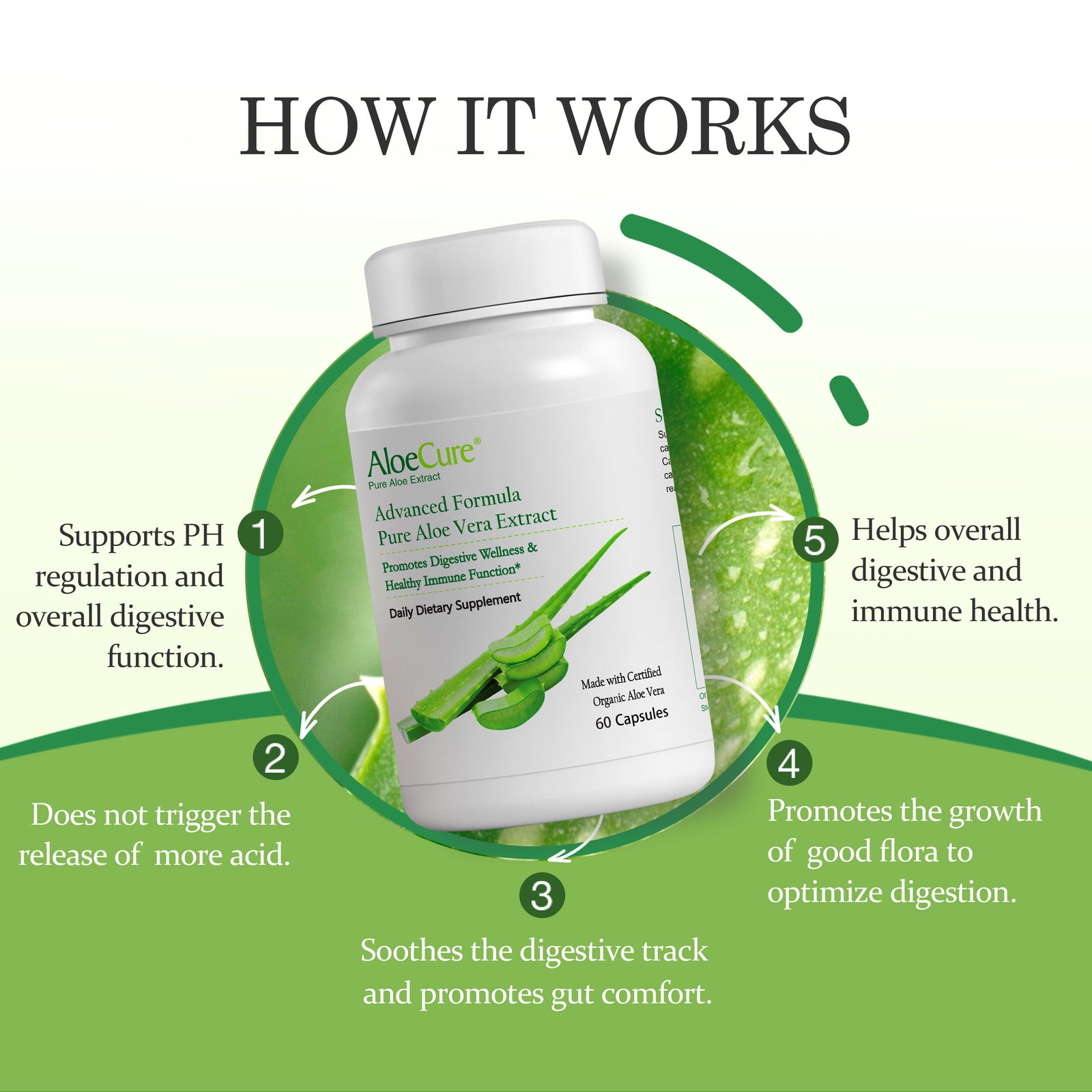
AloeCure's line maps cleanly to different use cases. Pure USDA Organic Aloe Vera Juice comes in Natural, Grape, and Lemon. Advanced Formula Aloe Capsules fit a daily capsule routine. VeraFlex Joint Support Capsules target mobility-focused buyers. Melatonin plus Collagen Sleep Support Capsules fit nighttime routines. Pre plus Probiotic and Digestive Enzyme Capsules suit buyers who want a more compact format. The point isn't that one format beats the others, it's that the brand has built around clearly defined product roles instead of one oversized wellness claim.
The company also backs the line with a 90-day money-back guarantee, 1–2 day priority processing, free shipping on qualifying orders, and a Subscribe & Save option with 20% off and flexible delivery. Its farms function as agro-tourismos too, welcoming more than 250,000 visitors a year (AloeCure). That's not a small transparency signal. It tells you the brand has turned its production site into something people can see.
Start with the label, then pressure-test the process behind it. Certified organic, minimally processed, transparently sourced, independently tested. After that, check the production chain that separates a clean organic supplement from a label-decked one, hours from harvest, single-farm or co-op sourcing, no charcoal filtration, excipient transparency. If the brand cannot answer those points plainly, move on.
Use the product form to match the goal. For daily digestive support, a juice or a pre plus probiotic formula makes sense because it fits routine use without much friction. For a simpler nightly routine, choose a melatonin blend with clear complementary ingredients, nothing padded with vague extras. If convenience matters, capsules stay easier to keep consistent than a bottle that sits unopened.
A good buying check is simple. Ask what was harvested, how it was processed, how fast it moved from field to bottle, and what was added after extraction. Brands that can give you a straight answer are showing a real production story. Brands that hide behind polished copy are selling you packaging.
These statements have not been evaluated by the Food and Drug Administration. This product is not intended to diagnose, treat, cure, or prevent any disease.
AloeCure fits the cleaner end of the category because it offers USDA and EU organic aloe supplements, clearly labeled capsule and juice options, and a production model that keeps the chain tight from farm to finished bottle. If you want to compare organic supplements with that kind of discipline, use the product pages and ingredients panels to judge what is in the bottle before you buy.
Los comentarios se aprobarán antes de mostrarse.