Tu carrito está vacío
Envío y manipulación gratuitos con todos los pedidos superiores a $25
Envío y manipulación gratuitos con todos los pedidos superiores a $25

You're standing in the kitchen with a new bottle of aloe capsules in your hand, reading the label twice and still wondering the same thing. How many should I take, and how do I know if this product is the right kind?
That confusion makes sense. Aloe isn't one single ingredient in one standard form. Capsules can vary by strength, by plant part, and by how carefully the aloe was processed. That means aloe vera capsules dosage is never just about counting pills. It starts with understanding what's inside the capsule.
A smart approach is simple. Start with the label, choose a purified product, begin low, and pay attention to how your body responds. If you already use other wellness products and want help staying consistent with a routine, this guide on managing your peptide schedule offers practical habit-building ideas that apply to supplements too.
For a broader look at what capsules are meant to support, AloeCure also has a helpful overview on aloe vera capsule benefits. The dosage details below will help you use that information safely and clearly.
Individuals often begin with a specific number. One capsule? Two? More?
That's understandable, but the safer first question is this: what form of aloe is in the bottle? It's similar to buying olive oil. Two bottles may look similar, yet one may be pure and the other blended. Aloe works the same way. The label matters because the plant part matters.
Aloe capsules are often used to support healthy digestive function, promote everyday comfort, and help maintain normal wellness routines. But those goals only make sense when the product itself is clean and clearly labeled.
Some capsules use inner gel-only aloe, while others may include more of the leaf. That difference affects how cautious you should be with dosage. It also explains why copying someone else's routine from a forum or video isn't a good idea.
Practical rule: Don't decide your dose until you know the capsule strength and whether the aloe comes from purified inner gel.
Many people do best when they start with the lowest suggested amount on the label and stay consistent for several days before increasing. That gives your body time to respond. It also helps you separate a product issue from a dosing issue.
A high-quality aloe product should make this easy. The label should tell you how much aloe is in each serving, what part of the plant was used, and how to take it with water. If that information is vague, skip it.
A supplement label can look crowded, but you only need to focus on a few lines first.

The serving size tells you how many capsules equal one listed dose. That matters because a label may say “500 mg per serving,” but the serving could be more than one capsule. If you miss that detail, you can easily take more than you intended.
Next, look for the actual aloe amount. Standardized inner leaf gel capsules typically contain between 50 mg and 200 mg of extract per serving, with a common daily range in that same band for general digestive support, according to this guide on standardized aloe vera supplement ranges.
This is the safety step many shoppers miss.
A critical but often overlooked safety factor is the difference between whole leaf and inner gel-only capsules. Some sources warn that consuming 1 gram of aloe latex per day for several days could pose a significant health risk, which makes it essential to verify that a product uses purified, anthraquinone-free inner gel before following a high-dose routine, as explained in this overview of aloe latex safety considerations.
That's why “aloe” on its own isn't enough. You want language that clearly identifies the source material.
The front panel often highlights benefits. The side or back panel provides the full details.
Use this quick checklist:
For more label-reading basics, this guide on how to read supplement labels is worth keeping open while you compare products.
A clean label does more than look nice. It helps you dose with confidence.
Adult dosing works best when you think in daily totals, not just capsule counts. One product may use a small capsule with a low milligram amount. Another may pack more aloe into a single capsule. The right number of capsules depends on strength.
The International Aloe Science Council suggests a daily total of 2 to 8 ounces of aloe vera, which corresponds to about 300 mg to 1,200 mg of aloe powder per day, giving adults a useful frame for safe oral supplementation with high-quality products, based on this summary of IASC daily intake guidance.
For everyday wellness support, many adults start at the low end and only increase if the label allows and their body tolerates it well. That “start low and build slowly” approach is more useful than jumping to the upper end on day one.
One specific 500 mg aloe capsule product recommends starting with one capsule daily, then increasing to three capsules daily as needed, according to this reference on oral aloe supplement use. That example shows why reading the product's own instructions matters.
Here's a simple conversion table to remove guesswork.
| Capsule Strength | Daily Wellness Target | Capsules Per Day |
|---|---|---|
| 100 mg | 300 mg | 3 |
| 100 mg | 600 mg | 6 |
| 100 mg | 1,200 mg | 12 |
| 250 mg | 300 mg | about 1 to 2 |
| 250 mg | 600 mg | about 2 to 3 |
| 250 mg | 1,200 mg | about 5 |
| 500 mg | 300 mg | less than 1 capsule if split form is possible, otherwise follow label |
| 500 mg | 600 mg | about 1 to 2 |
| 500 mg | 1,200 mg | about 2 to 3 |
These are examples, not universal instructions. If the label says one thing and the math suggests another, follow the label unless your healthcare professional tells you otherwise.
Many readers find this aspect challenging. A general range like 300 mg to 1,200 mg helps you understand the overall context, but product labels reflect different concentrations and processing methods.
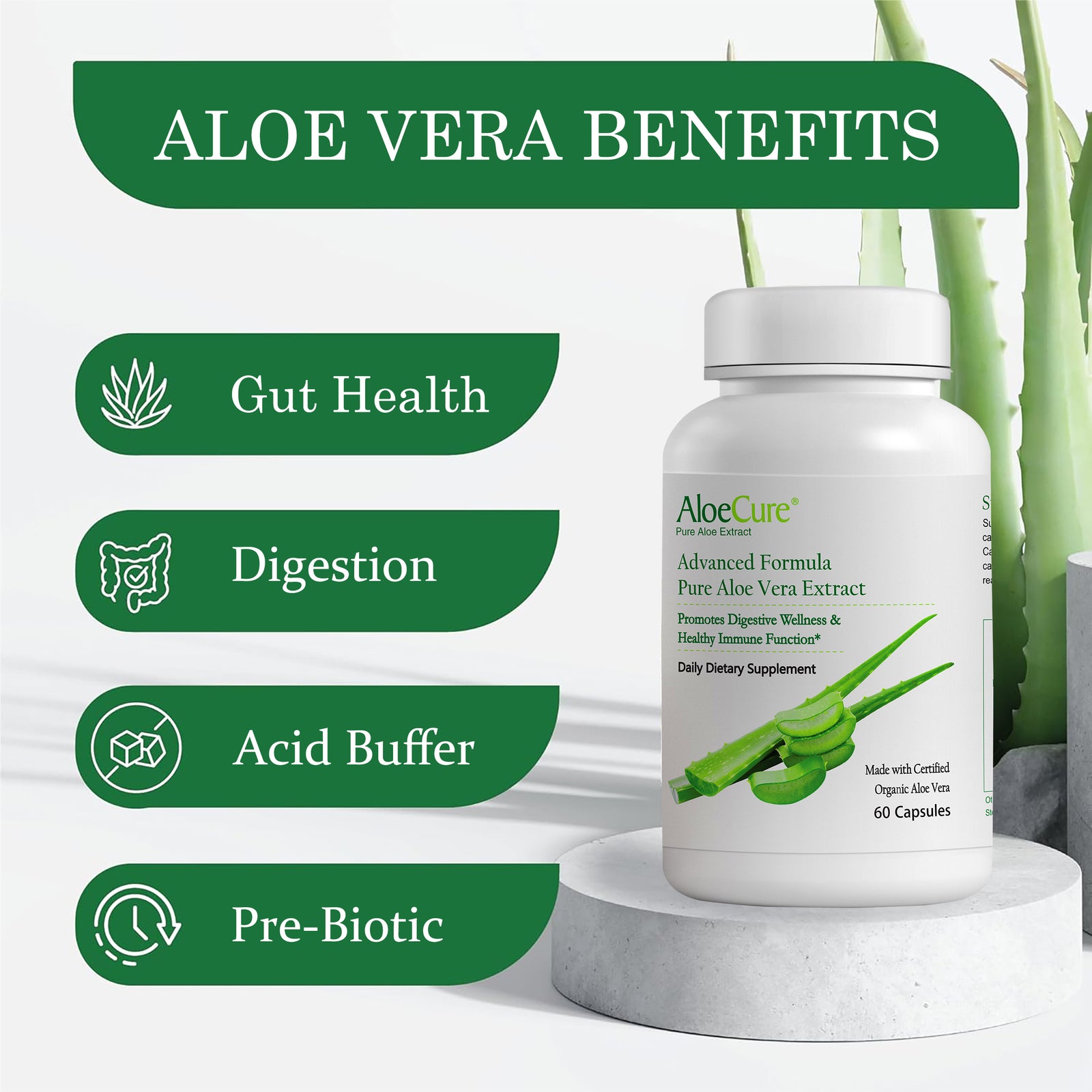
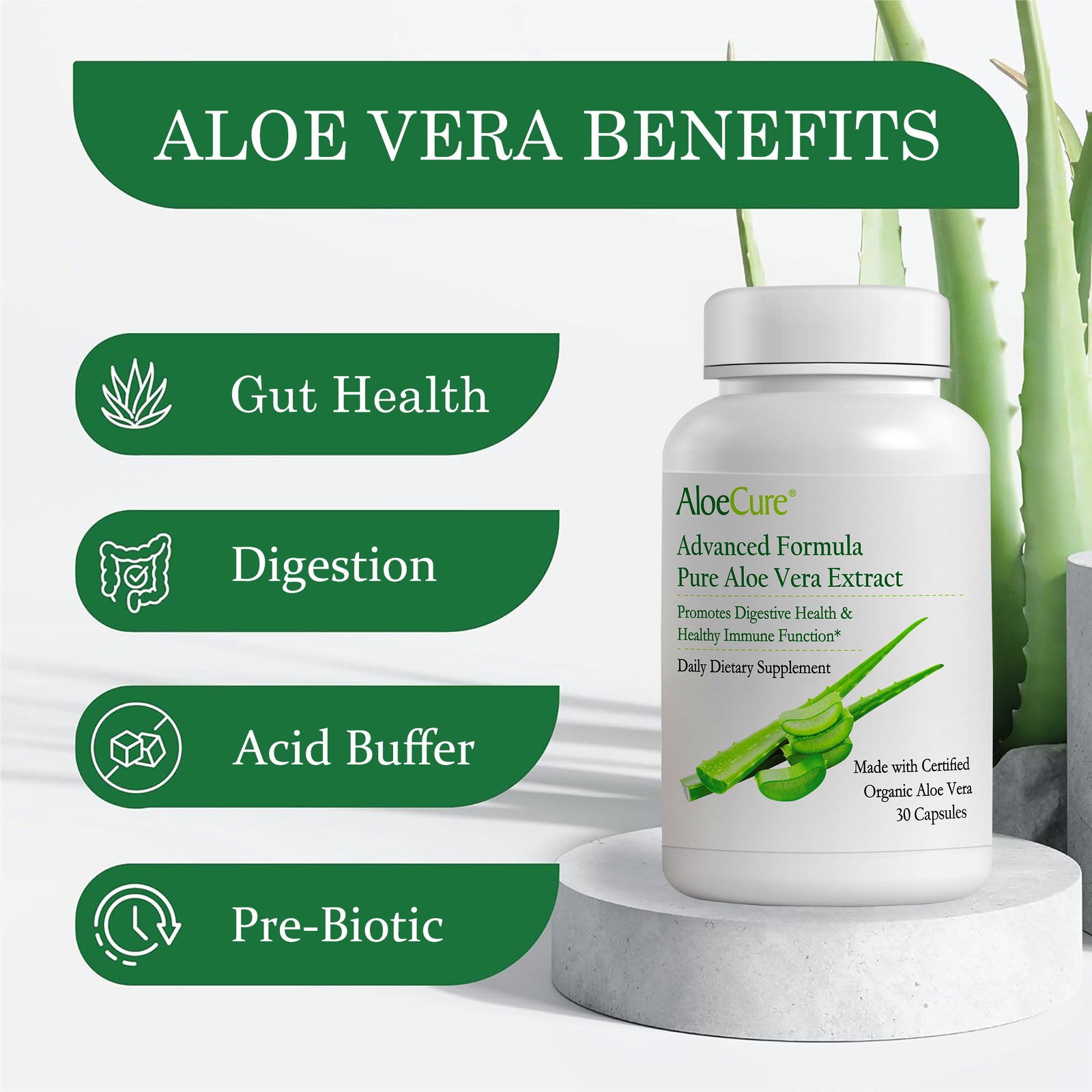
For example, AloeCure's Advanced Formula Aloe Vera Capsules are presented with their own serving directions on the product page, so the practical move is to use the bottle directions as your home base and only adjust within those boundaries.
If you've ever compared supplement categories and felt unsure because strengths vary so much, the same issue shows up in products like CBD. This explainer on how much CBD to take is a good example of how potency changes the serving size.
Key takeaway: Don't compare capsule counts across brands. Compare the milligrams per serving, the form of aloe, and the label directions.
The amount you take is only half of the routine. Timing, water intake, and consistency matter just as much.

Aloe capsules work better as a steady habit than as a random add-on. Taking them at the same time each day helps you notice patterns. You'll remember your dose more easily, and you'll have a clearer sense of whether the product fits your routine.
Many adults prefer taking capsules with food and a full glass of water, especially when trying a product for the first time. That's often gentler and easier to remember because it links the capsule to breakfast or dinner.
For short-term use, oral aloe vera gel is generally considered safe for up to 42 days, according to research summarized in this review of short-term oral aloe gel use. For longer-term wellness support, it becomes even more important to choose a product confirmed to be aloin-free.
That doesn't mean every person should stop on the same day. It means longer use deserves a more thoughtful product choice and, when appropriate, a conversation with a healthcare professional.
Consistency tells you more than intensity. A modest dose taken regularly is easier to evaluate than a larger dose taken on and off.
Some people should be more cautious with supplements from the start. That includes older adults, pregnant or nursing women, and anyone already managing a complex wellness routine with multiple products.

Purified aloe gel is generally well tolerated, but some research indicates that oral dosages in the 250 to 500 mg per day range may be where some people begin to notice cramping or diarrhea, which is a good reason to start lower and assess personal tolerance, based on this review of oral aloe safety findings.
That doesn't mean everyone will feel those effects. It means your body deserves a calm introduction, not a rushed experiment.
Possible responses to watch for include:
For a more complete overview, AloeCure has a useful article on aloe vera side effects.
If you're pregnant or nursing, it's smart to ask a qualified healthcare professional before adding any new supplement. If you like reading practical safety explainers before making that call, this article on whether protein powder is safe when pregnant shows the kind of thoughtful question-checking that's useful for any supplement decision.
A short video can also help you think through label and tolerance questions before you buy:

A common moment of doubt happens after you buy the bottle. You glance at the label, miss a dose, or wonder whether the capsule can be opened. The safest answers usually come back to one idea. Follow the product directions closely, and make sure you know whether you have inner gel aloe or a whole leaf product, because those forms are not interchangeable from a dosing and tolerance standpoint.
Take your next scheduled dose as directed on the label. Do not double the amount to catch up.
Aloe works better as a steady routine than as an occasional larger serving. One missed capsule is usually less important than keeping your overall use consistent and comfortable.
Sometimes, yes. The label or manufacturer should tell you whether the capsule is meant to be swallowed whole or opened and mixed into food or a drink.
Some capsules are simple powder shells, while others are designed to protect the contents until they reach your stomach. If the bottle is silent on that point, ask the company before opening it.
The amount varies a lot because aloe products are made in different ways. Inner gel capsules often contain a smaller amount of a concentrated extract, while whole leaf powders may list a larger milligram number that does not mean the product is gentler or better.
That is why the front-of-bottle number can be misleading. The NIH Office of Dietary Supplements fact sheet on aloe notes that aloe supplements come in different forms and preparations, so capsule strength has to be interpreted in the context of the ingredient type and the serving directions. In practice, one capsule may contain a modest amount of concentrated inner gel extract or a larger amount of less refined material. Read the ingredient panel before comparing products.
Start with the aloe source. A clearer label is usually a safer label.
Look for a product that identifies inner leaf gel, inner fillet, or another purified aloe form if you want a gentler starting point. If the label says whole leaf, whole leaf extract, or does not explain which part of the plant is used, pause and investigate further. That difference is like comparing filtered juice with the entire rind included. They are related, but they are not the same in how they are processed or how some people tolerate them.
It also helps to choose a company that explains how the aloe is grown, processed, and tested for purity. Clear serving directions, lot transparency, and third-party testing details are all good signs that you are not being asked to guess.
If you want a cleaner starting point for your aloe routine, AloeCure offers organic aloe products made from aloe the company farms, processes, and produces itself. You can explore product details, review capsule directions, and sign up for a subscription discount if you want a regular refill schedule. These statements have not been evaluated by the Food and Drug Administration. This product is not intended to diagnose, treat, cure, or prevent any disease.
Los comentarios se aprobarán antes de mostrarse.