Your Cart is Empty

You catch your reflection in bright bathroom light and notice a few spots that seem darker than the rest of your skin. Maybe they showed up after a breakout, maybe after more time outdoors, or maybe your complexion just looks less even than it used to. So you start searching for natural options, and vitamin E oil keeps coming up.
That's where a lot of people get stuck.
Vitamin E has a strong reputation in skin care, but reputation and evidence aren't the same thing. If you use it like a miracle shortcut, you may end up disappointed. If you use it with the right expectations, the right supporting ingredients, and the right application method for your skin type, it can become a useful part of a routine that supports brighter-looking skin.
Quality matters too. Ingredient purity, how botanicals are grown, and how they're processed all affect the final product that touches your skin. Brands that control sourcing from farm to finished formula often have a better chance of delivering clean, consistent ingredients.
Many individuals investigating Vitamin E oil for dark spots want a simple answer. Does it work or not?
The more honest answer is that it can support the look of a more even complexion, but the details matter. Vitamin E isn't best understood as a one-ingredient fix. It works better as part of a broader strategy that supports skin exposed to everyday environmental stress, dryness, and uneven tone.
That matters because uneven-looking skin usually has more than one cause. A spot may linger because of past blemishes, time in the sun, picking, friction, or a weakened skin barrier. One oil alone usually doesn't address every piece of that puzzle.
A common mistake is using pure vitamin E oil too often, too heavily, or on the wrong skin type. Another is assuming that if an ingredient is popular, more must be better. It usually isn't.
A more useful approach looks like this:
If you're also comparing ingredient-based care with professional appearance-focused options, this overview of chemical peels gives a helpful look at another route people consider for surface unevenness.
Healthy-looking skin usually comes from a routine that's consistent, gentle, and well-matched to your skin type, not from chasing the strongest product.
Vitamin E is a fat-soluble antioxidant. In simple terms, think of it as a bodyguard for skin lipids. It helps protect the skin's surface from the wear and tear caused by daily environmental exposure.
In dermatology, vitamin E has been used for more than 50 years, largely for its photoprotective role as a free-radical scavenger. Research also shows that topical use before UV exposure can help reduce UV-related skin changes by reducing lipid peroxidation and limiting DNA damage, as outlined in this dermatology review on vitamin E.

Vitamin E shows up in oils, creams, and serums because it helps support the skin in a few useful ways:
That doesn't mean every vitamin E product is the same. Texture, concentration, companion ingredients, and overall formula design all change how a product feels and performs on the skin.
Vitamin E is often better at supporting skin wellness than at dramatically changing skin tone by itself. That distinction clears up a lot of confusion. It can help maintain a healthy-looking complexion, assist the skin's natural response to environmental factors, and support a smoother, more nourished feel.
If you want a practical comparison of serum formats and textures, this Mesoderm RX vitamin E serum guide is a useful reference. For a closer look at a cream-based approach, see this guide to vitamin E skin care cream.
Simple rule: Vitamin E is most valuable when you see it as a support ingredient for healthy-looking skin, not a magic eraser.
You smooth vitamin E oil onto a leftover mark from an old breakout, use it for a few nights, and wait for the spot to fade. That expectation is common. The science is a little more nuanced.
Uneven-looking tone usually starts with melanin, the pigment that gives skin its color. After UV exposure, irritation, or a past blemish, skin can produce or distribute pigment unevenly, so certain areas look darker than the surrounding skin.
Vitamin E fits into that story as a support ingredient. Alpha-tocopherol, the form most often discussed in skin care, has antioxidant activity and may help influence processes linked to visible discoloration. In simple terms, it helps reduce some of the oxidative stress that can leave skin looking dull or uneven.

Vitamin E is often described online as if it can erase dark spots by itself. Research on topical use does not support that kind of promise. On its own, vitamin E tends to play more of a supporting role than a starring one for visible tone correction.
A helpful way to picture it is a skin care team. One player helps protect the environment around the skin barrier. Another targets the look of discoloration more directly. Vitamin E usually performs best in the first role.
That matters because many people buy a thick vitamin E oil expecting fast fading. What they often see instead is softer, more comfortable skin, which is still useful, but different from spot correction.
The more interesting science is synergy. Vitamin E is oil-soluble, so it works in the lipid-rich parts of the skin surface. Vitamin C is water-soluble, so it works in a different part of the system. Together, they create broader antioxidant coverage than either ingredient alone.
Researchers have studied this pairing for years because vitamins C and E can help regenerate and stabilize each other's antioxidant activity in skin. A review in the journal Nutrients explains how these antioxidants work together in photoprotection and oxidative stress support, which helps explain why formulators often pair them in brightening products (review of topical vitamin C and vitamin E synergy).
Here is the practical takeaway:
| Pairing | What it supports |
|---|---|
| Vitamin E alone | Barrier comfort, antioxidant support, softer skin feel |
| Vitamin C alone | Brighter-looking complexion support |
| Vitamin E plus Vitamin C | Better support for a more even-looking tone and defense against environmental stress |
This is why a well-made formula often does more than a single-ingredient oil. If you are comparing textures or purity levels before layering products, this guide to 100% pure vitamin E oil for skin use can help clarify what a concentrated oil can and cannot do on its own.
Synergy is not only about brightening actives. It is also about tolerability. Aloe vera is frequently paired with vitamin E because it adds a light, soothing base that can make richer oils easier to spread and less heavy on the skin.
That pairing can be useful for people who want the comfort of vitamin E without the dense feel of a straight oil application. It does not turn vitamin E into a dark spot treatment by itself. It can make a routine more skin-friendly, which improves the odds that someone will use it consistently and gently.
Vitamin E helps most when you treat it like a support ingredient, not a solo fix. It can help maintain a healthier-looking skin surface, support the barrier, and work well alongside ingredients such as vitamin C in a thoughtfully designed routine.
Quality also matters. Oxidation, formula design, and sourcing can all affect how a product performs and feels. A fresh, well-formulated product paired with the right companion ingredients usually makes more sense than relying on vitamin E alone and hoping for dramatic spot fading.
Application matters just as much as ingredient choice. A rich oil can feel comforting on one person and overwhelming on another. That's why the best way to use vitamin E depends heavily on your skin type.

If your skin tends to feel tight, flaky, or rough, vitamin E oil may fit more easily into your routine.
A practical method:
For product-specific guidance and texture expectations, this overview of 100% pure vitamin E oil is a useful starting point.
Generic advice often falls short. If you have oily or acne-prone skin, the standard “leave it on overnight” tip may not be a good fit.
Guidance from Nikura's vitamin E oil usage article notes that for oily or acne-prone skin, vitamin E oil should not be left on the face for more than 15 minutes, because its emollient texture can trigger problems and worsen clogged pores. If your dark marks tend to follow blemishes, a heavy oil left on too long can work against your goals.
Skin type changes the rule. What feels nourishing on dry skin can feel congesting on oily skin.
Before using any concentrated oil across your face, patch test it first. Apply a small amount to a discreet area and wait to see how your skin responds.
A few practical habits help:
A quick visual demo can help if you want to see how people work oil into a routine:
Aloe gel is one of the easiest ways to lighten the feel of vitamin E. It can make the blend more spreadable and more comfortable, especially if straight oil feels too dense.
You don't need a complicated ritual. You need a method your skin will tolerate.
You smooth on a rich vitamin E oil at night, wake up expecting your dark marks to look calmer, and then wonder why your skin feels heavy instead. Pairing is often the missing piece. The goal is not to pile on more products. It is to combine textures and ingredient types in a way your skin can tolerate.
Vitamin E usually works best as the cushion in a routine, not the whole routine by itself. If you use a vitamin C serum, apply that first on clean, dry skin, then follow with a small amount of a vitamin E blend or moisturizer. If straight oil feels thick, mix one drop into a basic cream or apply it only to the areas that tend to feel dry. Aloe can then sit on top, or be used in the vitamin E step, to make the finish feel lighter and less greasy.
Aloe changes the feel of the routine as much as the function. Vitamin E is oil-based and occlusive. Aloe is water-rich and fast-spreading. Together, they work like adding water to a dense paint so it covers more evenly without feeling as heavy.
That balance can be useful for people who want the comfort of vitamin E without the coated feeling that sometimes comes with pure oils.
This is also where product quality matters. A formula is more than an ingredient list. The source of the oil, how stable the product is, and whether the texture suits your skin all affect whether you will use it consistently enough to judge it fairly.
You do not need a long lineup. You need a routine with a clear job for each step.
| Step | Role in the routine |
|---|---|
| Gentle cleanse | Removes buildup without stripping skin |
| Vitamin C formula | Applies best earlier in the routine on clean skin |
| Vitamin E blend | Adds comfort and helps seal in moisture |
| Aloe-based layer | Lightens the overall feel and adds hydration support |
If you are comparing plant-based additions to your routine, this guide to essential oils that are good for skin gives useful background.
People also overlook fit. Dry or mature skin may prefer a cream or oil blend with vitamin E. Oily or acne-prone skin often does better with a lighter serum, a gel-cream, or spot application instead of a full-face oil layer. If you are already using exfoliating acids or a retinoid, keep the rest of the routine simple so you can tell what your skin is reacting to.
Daily sun protection is required if you are trying to keep skin looking more even. Without it, UV exposure can keep visible discoloration looking active, even if the rest of your routine is thoughtfully chosen.
A good routine also starts with good sourcing. Brands that control growing, processing, and formulation often have better oversight of freshness and consistency. That matters with antioxidant-rich skin care, where texture, stability, and purity shape the experience as much as the headline ingredient.
If you want to compare broader solutions for uneven skin tone, keep this principle in mind. The best product for you is not the richest or the trendiest one. It is the one your skin can handle well, use regularly, and protect with sunscreen the next morning.
Less often is usually better than overdoing it. Guidance from MedicineNet's overview of vitamin E oil and dark spots states that pure vitamin E oil should be diluted to 1 to 2 drops per 10 drops of carrier oil and used once or twice weekly to help avoid sensitized reactions and support skin penetration.
If your skin is very reactive, start even more cautiously and patch test first.
It's better to dilute it. The same MedicineNet guidance notes that undiluted pure vitamin E can trigger reactions in 15 to 20% of users. That's a strong reason to avoid applying a heavy, concentrated layer straight from the bottle.
A carrier oil or aloe-based layer can make it easier to spread and often more comfortable on the skin.
There isn't a one-size-fits-all timeline you can count on. Skin appearance changes slowly, and your results depend on the formula, your skin type, how consistently you use it, and whether you're also using smart pairings like vitamin C and daily sunscreen.
What usually helps most is tracking texture, softness, and overall tone in the mirror under the same lighting every few weeks.
Usually, no. It's better viewed as a support ingredient than a solo answer for uneven-looking skin. If you're exploring broader appearance-focused options, these solutions for uneven skin tone give a useful overview of approaches people often compare.
Check for a few things:
Yes, and that can be a practical choice if straight vitamin E feels too heavy. Aloe can help create a lighter application experience while supporting skin hydration and comfort.
No. Oral intake supports overall nutrition, while topical application affects how the product interacts with the skin surface. If you're considering supplements, use products as directed and talk with a qualified healthcare professional if you have questions about what fits your routine.
These statements have not been evaluated by the Food and Drug Administration. This product is not intended to diagnose, treat, cure, or prevent any disease.
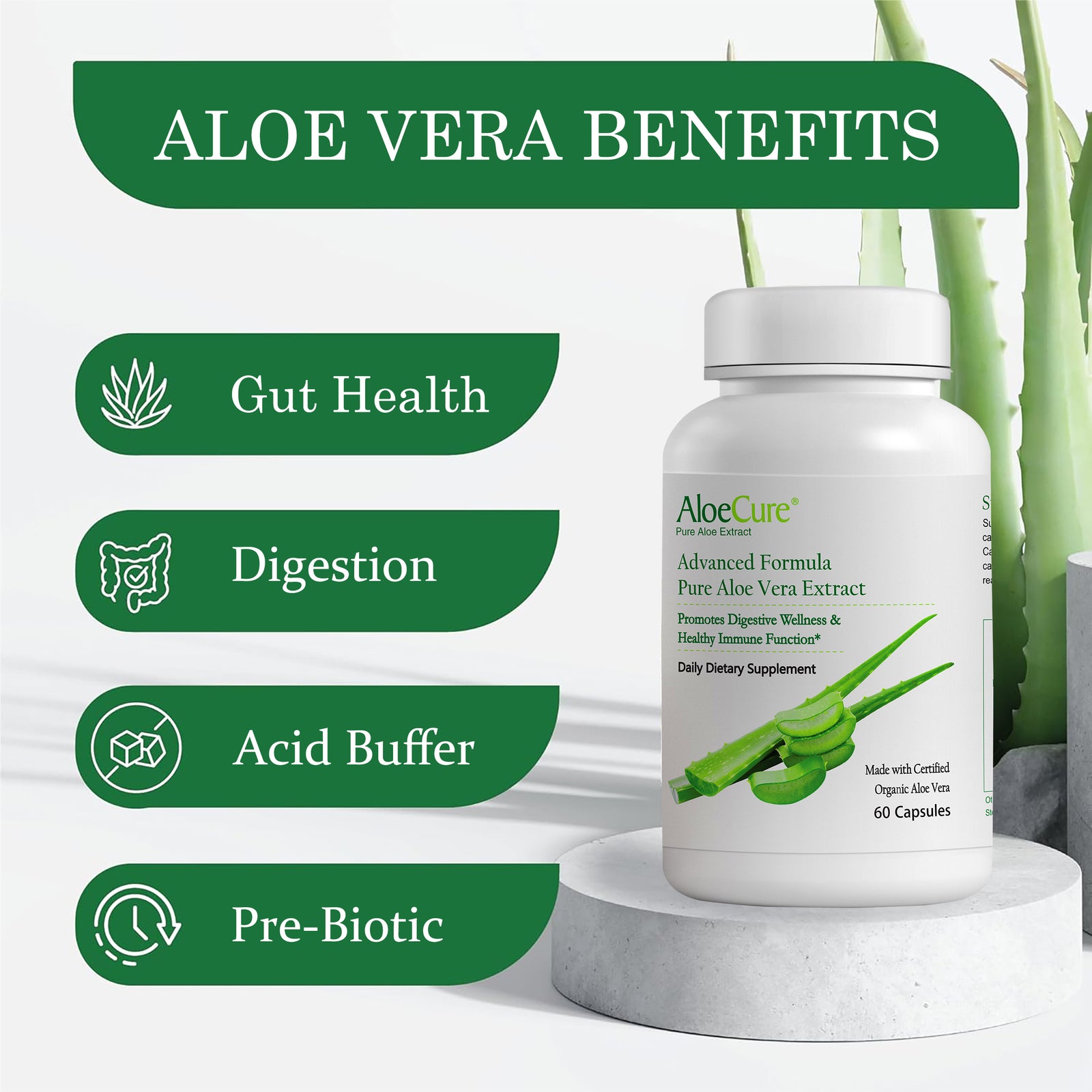
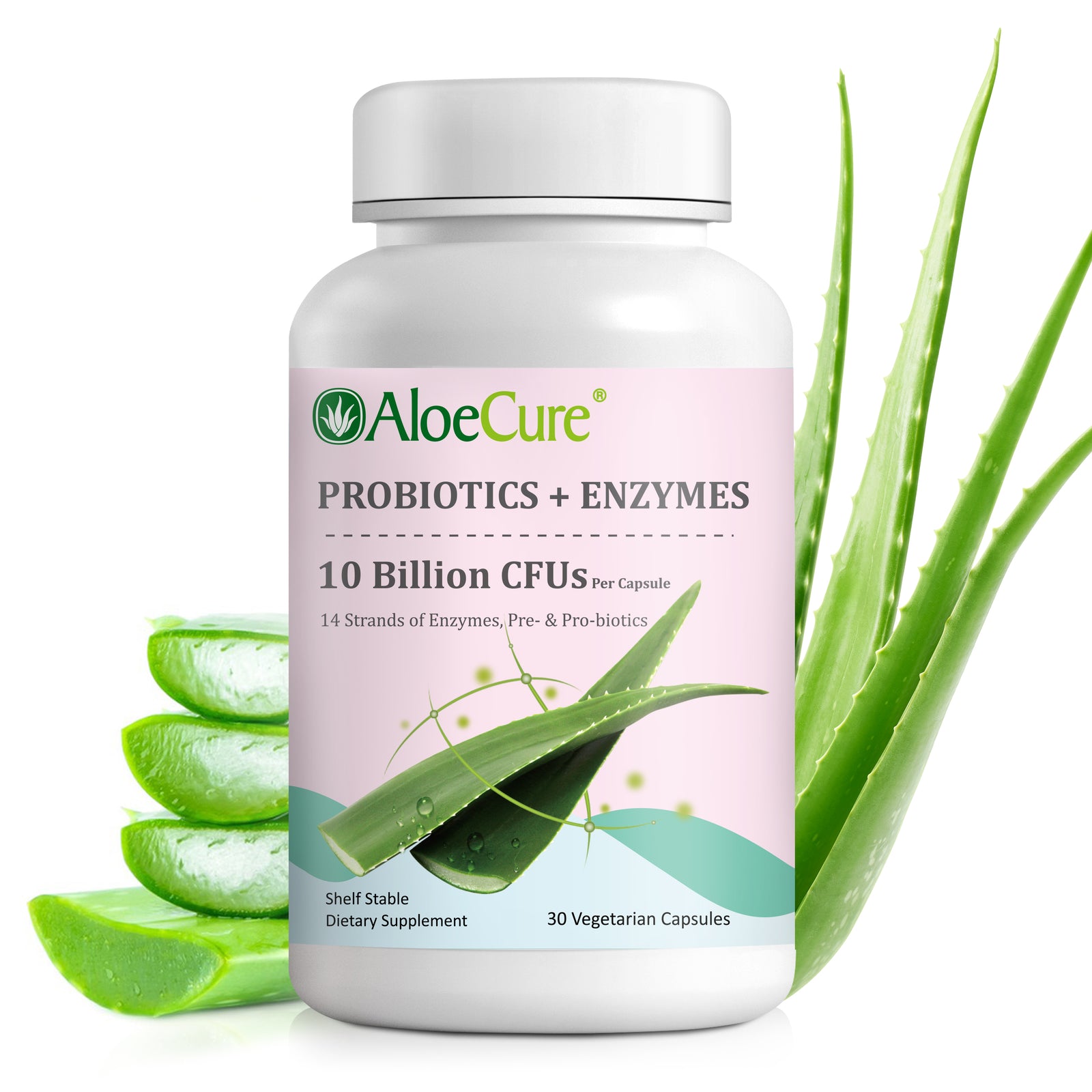
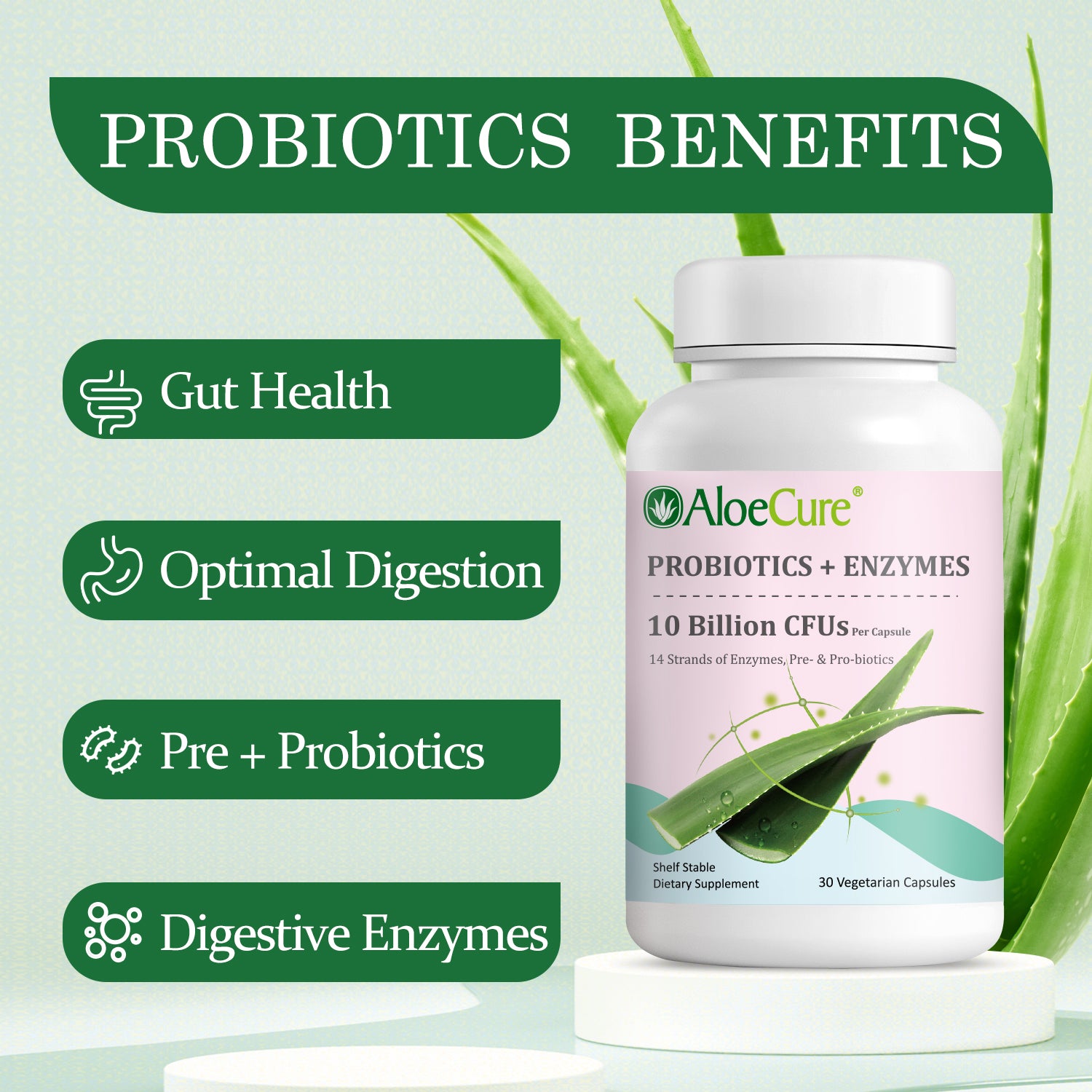
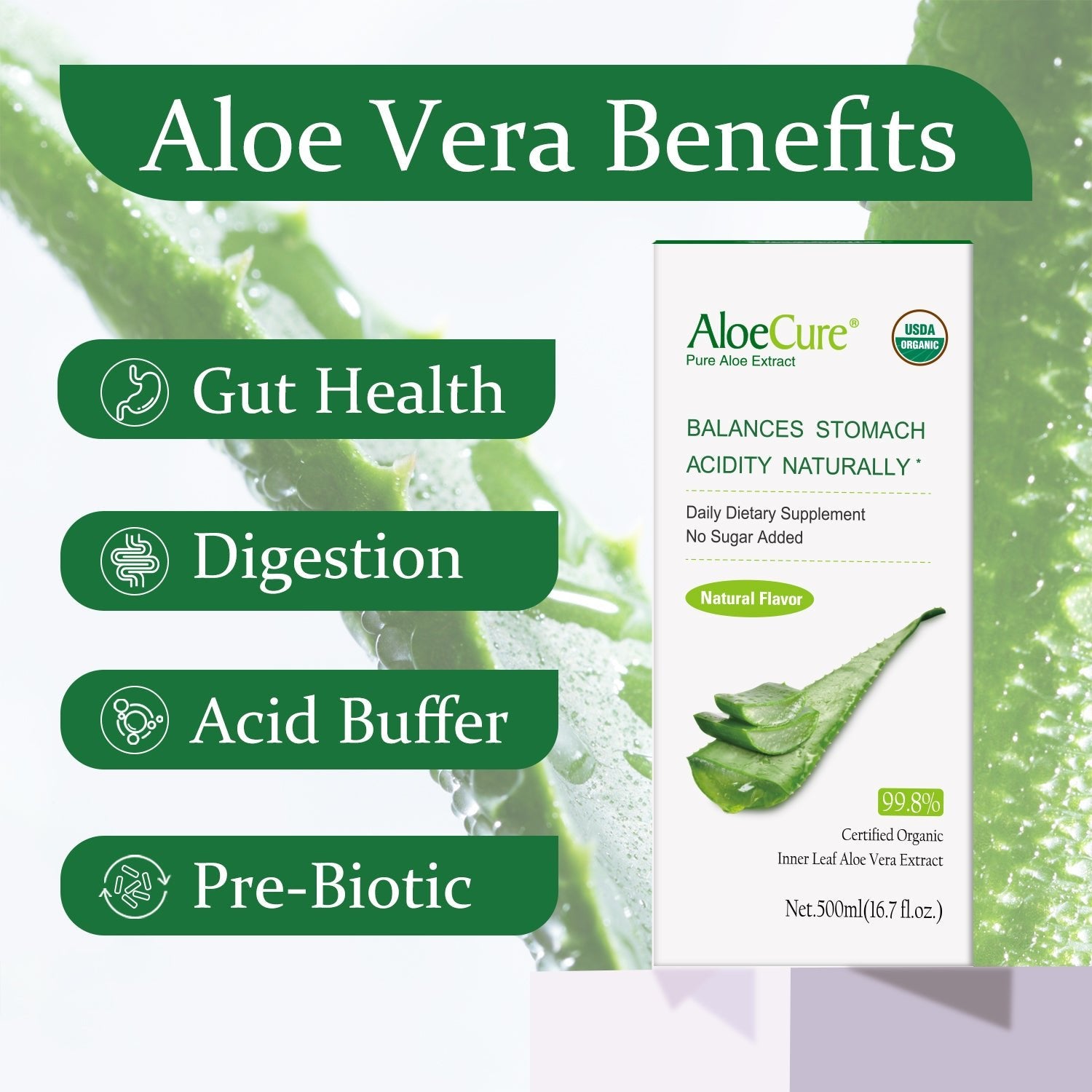
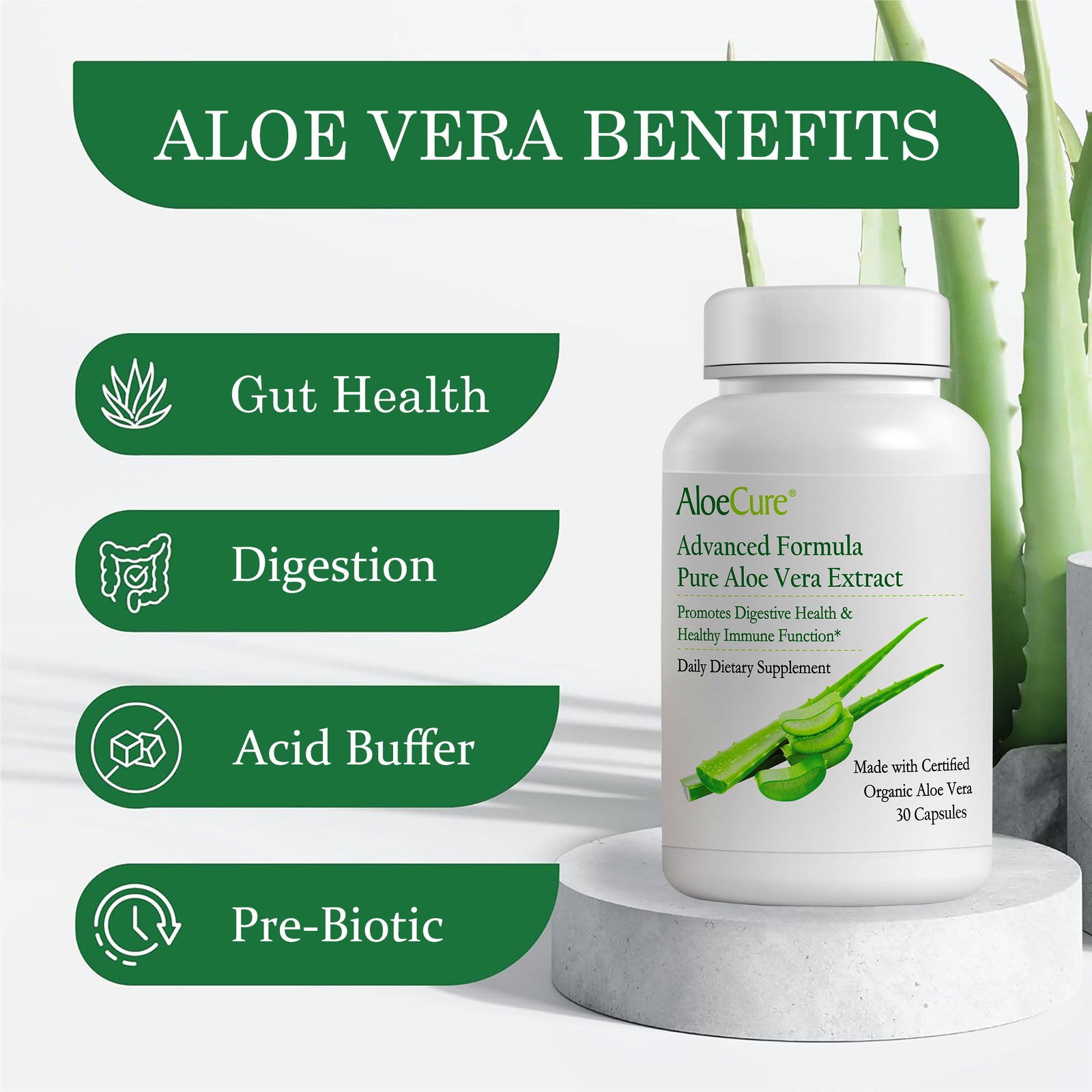
If you want skin wellness support from a brand that prioritizes ingredient quality, traceability, and careful processing, explore AloeCure. AloeCure grows its own organic aloe, processes it on-site, and makes its products with a vertically integrated approach that helps maintain consistency from farm to final formula. If you'd like ongoing savings, you can also sign up for Subscribe & Save for 20% off flexible deliveries.
Comments will be approved before showing up.