Your Cart is Empty

When you're trying to find the right probiotic supplement, it really comes down to a handful of key things. The best probiotics for gut supportare the ones that actually line up with your own wellness goals, contain strains backed by real science, and guarantee they're still potent when they get from the production line to your kitchen counter.
Jumping into the world of digestive support starts with getting to know the microscopic helpers at the center of it all: probiotics. These good bacteria are crucial for helping to maintain your body's natural balance and boosting your overall well-being. But with a dizzying number of options on the shelves, figuring out what to look for is everything.
You've probably noticed that the conversation around gut support is getting louder, and there's a good reason for it. The global market for probiotics is booming. In 2024, it hit a value of USD 69.28 billion, and experts predict it will soar to USD 115.13 billion by 2032. This incredible growth shows just how many people are recognizing probiotics as a must-have for a healthy lifestyle.
Here's the thing: not all probiotic supplements are made with the same care and attention. Real quality is more than just the ingredient list on the bottle; it’s about how those ingredients are sourced, processed, and finally delivered to you. This is where you can really see a company's commitment to excellence shine through.
Take companies that are fully vertically integrated, for example. They have a huge advantage. By overseeing every single step of the process—from growing the raw ingredients to manufacturing the final product—they can promise purity, potency, and consistency. This farm-to-bottle approach gets rid of a lot of the quality control headaches that pop up when too many different suppliers are involved. The result? A superior product you can actually trust.
To make a smart choice, it helps to have a clear checklist. This guide will walk you through everything you need to know, from making sense of labels to understanding how different digestive aids can work together. For a little more background, you can also check out our guide on the best supplements for digestive health.
If you want to get really specific, you might even think about understanding your gut health through specialized tests before picking out a supplement.
To help you get started, we've put together a quick-reference table that breaks down the most important things to look for when you're shopping for a probiotic.
| Feature | What It Means for You | Why It Matters for Gut Health |
|---|---|---|
| CFU Count | Colony Forming Units tell you how many live bacteria are in each dose. | You need enough beneficial microbes to survive the journey to your gut to actually make a difference. |
| Strain Diversity | This refers to the variety of different bacterial strains included in the formula. | Different strains have different jobs; a diverse blend provides more comprehensive support for your gut. |
| Prebiotics | These are special, non-digestible fibers that act as food for your probiotics. | Prebiotics help the good bacteria thrive and multiply, making them even more effective. |
Think of this table as your cheat sheet. As we dive deeper into each of these factors, you'll have a clear, straightforward roadmap for choosing the absolute best probiotic for your needs.
Think of your gut microbiome as a bustling, vibrant city. To keep this city running smoothly, you need a variety of specialized workers, and that’s exactly the role different probiotic strains play. Not all probiotics are the same; each type has a specific job that contributes to your digestive system's overall balance and function. Understanding these roles is the first step toward choosing the right probiotic for your gut health.
Most of the good bacteria you'll find in supplements belong to two main families: Lactobacillus and Bifidobacterium. These are the heavy hitters—the most researched groups known for their supportive roles in human wellness. Within these families, there are countless species and strains, each with its own unique skill set.
Imagine the Lactobacillus strains as the diligent workers of your small intestine. This is where most of the nutrient absorption from your food happens. Strains like Lactobacillus acidophilus and Lactobacillus rhamnosus are particularly good at supporting this environment, helping your body get the most out of every meal. They are known for promoting a harmonious balance among the microbes that live there.
On the other hand, Bifidobacterium strains are the specialists of the large intestine. These strains, such as Bifidobacterium bifidum and Bifidobacterium longum, are experts at helping to break down complex carbohydrates that your body can't digest on its own. Their work supports regularity and helps maintain the integrity of the gut lining, which is crucial for overall digestive wellness.
A well-rounded probiotic formula acts like a complete team for your gut. By including different strains from both the Lactobacillus and Bifidobacterium families, you provide comprehensive support for the entire digestive system, from nutrient absorption in the small intestine to promoting regularity in the large intestine.
With this "worker" analogy in mind, the debate between multi-strain and single-strain formulas becomes clearer. A multi-strain probiotic is like hiring a versatile construction crew with plumbers, electricians, and carpenters. It provides broad-spectrum support suitable for maintaining general digestive balance and overall gut wellness. For most people looking for everyday support, this is the way to go.
Conversely, a single-strain formula is like calling in a master locksmith for one specific lock. It delivers a high concentration of one particular type of bacteria to address a very targeted need. While effective for specific goals, it doesn't offer the wide-ranging support of a multi-strain blend.
The effectiveness of these strains is a hot topic in scientific research. For instance, data from over 500 tested strains shows that top performers like L. rhamnosus GG can survive stomach acid 90% better than others, ensuring they reach the intestines ready to get to work. Globally, 80% of probiotics are formulated to support common digestive concerns like occasional bloating. You can discover more insights about the probiotics market and its trends on Towards Healthcare.
When selecting the best probiotics for gut health, a thoughtfully combined, multi-strain formula often provides the most well-rounded benefits. A quality product will feature a blend of strains from both the Lactobacillus and Bifidobacterium families, ensuring your entire digestive system receives the support it needs.
This is where a real commitment to quality shows. Companies that are vertically integrated—meaning they control the entire production process from start to finish—can ensure the precise blend of strains in their formulas is consistent and potent. By overseeing everything from sourcing ingredients to the final bottling, they deliver a product you can trust to support your wellness goals effectively. Choosing a product with this level of quality control helps you feel confident that you are nurturing your body with a superior supplement.
Walking down the supplement aisle can feel overwhelming. Choosing the right probiotic seems complicated, but it doesn't have to be. Once you know what to look for, a product label stops being a wall of confusing text and becomes your roadmap to better gut health. Learning to read it correctly means you can pick a supplement that’s potent, effective, and actually works for you.
The first thing you’ll probably spot is a big number followed by "CFU," which stands for Colony Forming Units. This simply tells you how many live, active bacteria are packed into each dose. While it's tempting to think a bigger number is always better, it’s really the quality of those bacteria that matters most.
Instead of just grabbing the bottle with the highest CFU count, look for one that offers a clinically relevant dose. This is the sweet spot—an amount that has actually been studied and shown to support digestive wellness. For general, everyday support, a dose between 5 to 20 billion CFU is often a great place to start.
But here’s the most important part: the potency guarantee. You'll see some brands state the CFU count "at the time of manufacture." That’s a bit of a red flag. Probiotics are living organisms, and their numbers can decline over time on the shelf.
A truly high-quality product will guarantee its CFU count through the expiration date. This is a promise that the manufacturer has formulated the supplement so enough live organisms survive to give you the full benefit, right up to the very last dose.
This kind of assurance is typically a sign of a company that has tight control over its production. Manufacturers who are vertically integrated—meaning they handle everything from sourcing ingredients to bottling the final product—are far better positioned to deliver on that promise.
How a probiotic is packaged and stored has a huge impact on whether it will work. These live bacteria are delicate; heat, light, and moisture are their enemies. Good packaging is their first line of defense.
Look for these key features to know your probiotics are protected:
Opaque Bottles: Dark or solid-colored bottles are essential for shielding the sensitive bacteria from light, which can kill them off.
Moisture-Resistant Seals: A tight, secure seal is crucial for keeping out humidity. This maintains the dry, stable environment the bacteria need to stay dormant until you’re ready to take them.
You’ll also find storage instructions right on the label. Many modern probiotics are shelf-stable and don’t need to be refrigerated, while others do. Always follow the manufacturer’s directions to keep the product potent.
The "Supplement Facts" panel is where you'll find the nitty-gritty details. Go beyond the CFU count and look for the specific strains listed, like Lactobacillus acidophilus or Bifidobacterium lactis. A reputable brand will always list the full scientific name for each strain it includes.
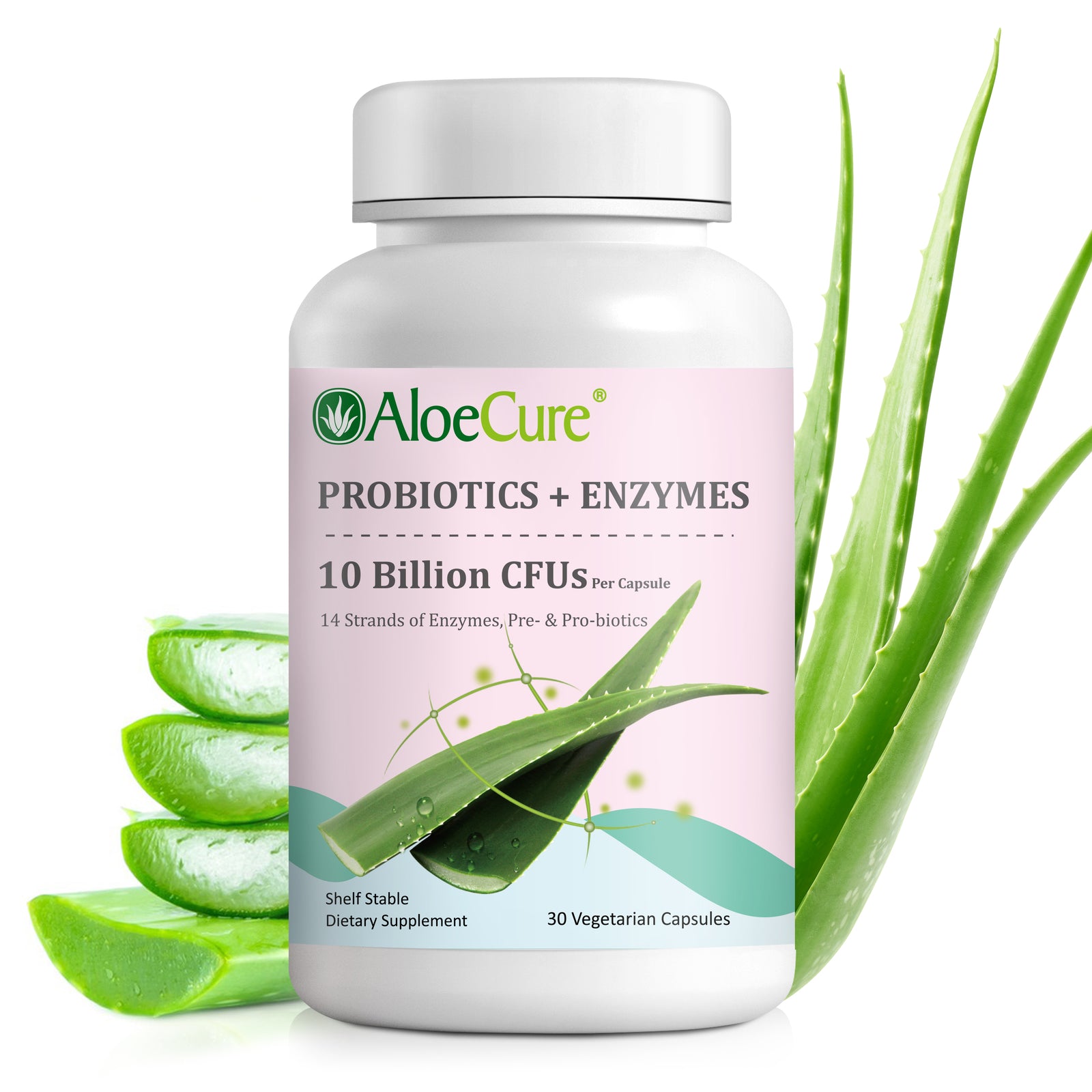
Also, take a glance at the "Other Ingredients" list. This tells you what else is in the capsule, such as fillers, binders, or flow agents. Top-tier products, like AloeCure's Pre+Probiotic & Digestive Enzyme Capsules, keep this list clean and simple, focusing on active ingredients without a bunch of unnecessary additives.
By learning to spot these key details, you can confidently choose a product that offers real support for your gut health journey.
To really get your probiotic supplement working for you, you have to think beyond just the probiotics themselves. For these good bacteria to truly set up shop and bring harmony to your gut, they need the right environment and the right food. That’s where two other major players come into the picture: prebiotics and digestive enzymes.
Think of your gut like a garden. The probiotics are the seeds you're planting, hoping they'll grow into a lush, vibrant landscape. But if you just toss seeds onto barren soil, not much is going to happen. You need fertilizer and someone to till the soil. That's exactly what prebiotics and enzymes do.
Prebiotics are essentially food for your probiotics. They are special, non-digestible fibers that travel all the way through your system to your intestines, where they become the perfect meal for your beneficial gut microbes. This nourishment helps the good guys multiply, thrive, and build a healthy, balanced community.
You can find prebiotic fiber in everyday foods like:
Chicory Root: One of the best-known sources, packed with a prebiotic fiber called inulin.
Garlic and Onions: These kitchen staples contain fructans, which are great for encouraging beneficial Bifidobacteria to grow.
Asparagus: Another great source of inulin that helps keep your gut environment in check.
Green Bananas: Unripe bananas are loaded with resistant starch, which is another excellent food source for your microbes.
By adding prebiotics, you aren't just dropping off good bacteria; you're actively setting them up for success. For a great overview of gut wellness fundamentals, check out this A Beginner’s Guide to Gut Health: Probiotics, Prebiotics & Fiber-Rich Meal Kits. It does a fantastic job explaining the combined power of these components.
If probiotics are the garden's seeds and prebiotics are the fertilizer, then digestive enzymes are the skilled gardeners who prepare the soil. These specialized proteins are the catalysts that break down the food you eat into smaller, more easily absorbed nutrients like amino acids, fatty acids, and simple sugars.
Your body naturally produces digestive enzymes, but sometimes it could use a little extra help. Supplementing with enzymes can help your body more efficiently tackle fats, proteins, and carbohydrates. This not only promotes better nutrient absorption but can also lead to more digestive comfort after you eat.
Combining probiotics, prebiotics, and digestive enzymes creates a complete support system for your gut. The enzymes help break down your food, the prebiotics feed the good bacteria, and the probiotics work to maintain a balanced and happy microbiome.
This holistic approach is catching on. Functional foods now make up a 60-70% share of the market, and yogurt sales—a popular probiotic source—have been growing by 22% each year in the US since 2018. The science is clear: a balanced gut is central to your overall well-being. To get a better handle on this, you can learn more about how prebiotics, probiotics, and enzymes play their roles in gut health.
Honestly, finding a supplement that puts all three of these elements into one convenient formula is the most effective way to support your digestive system. Companies that are fully vertically integrated have a real advantage here, since they can carefully formulate and produce high-quality products with multiple components. By controlling everything from the farm to the final bottle, they can ensure you're getting a pure and potent product you can trust.
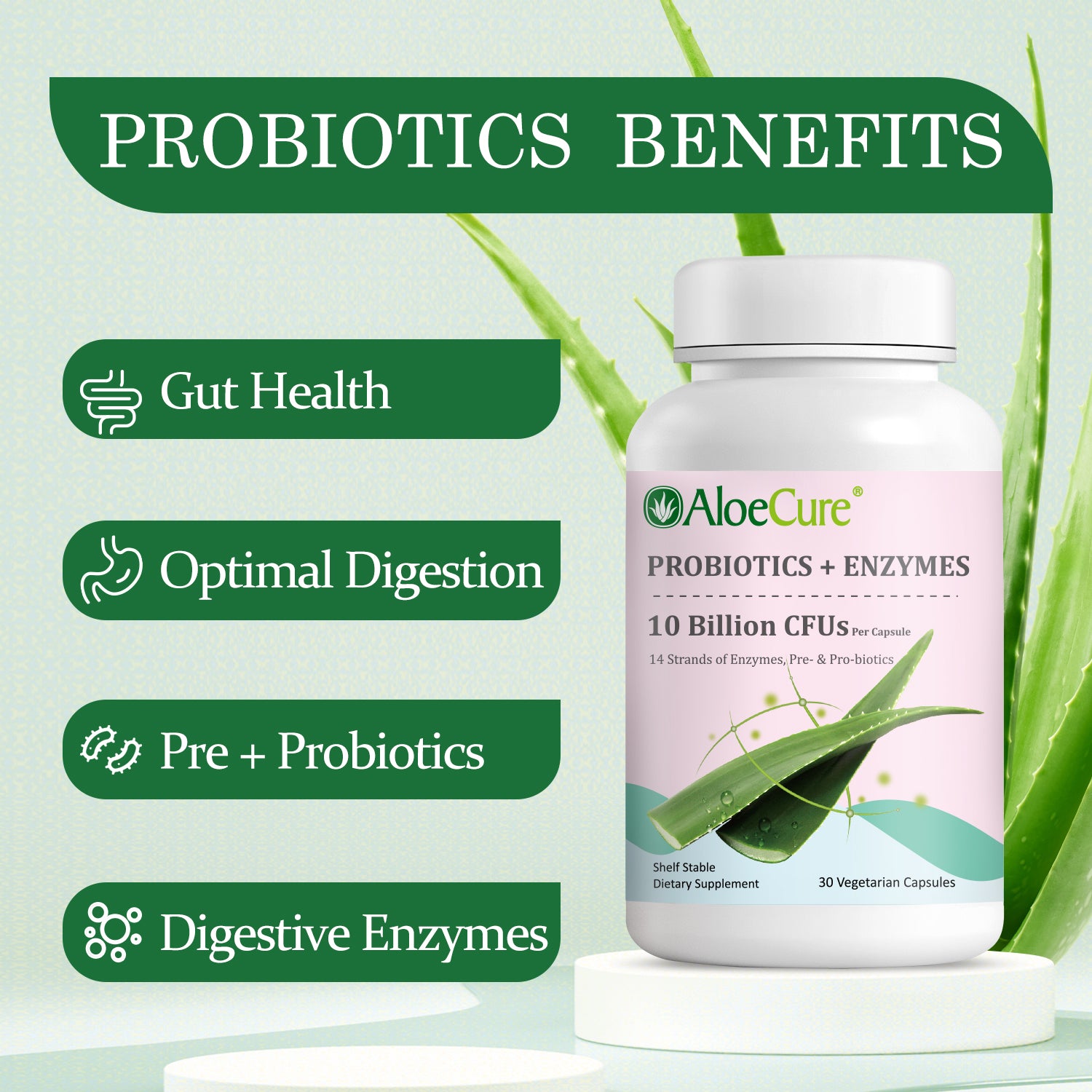
With a comprehensive supplement like AloeCure’s Pre+Probiotic & Digestive Enzyme Capsules, you get a thoughtfully crafted blend designed for total digestive support. It takes the guesswork out of the equation, eliminating the need for multiple products and ensuring your gut gets the synergistic backup it needs to function at its very best.
Deciding to support your digestive system with probiotics is a fantastic first step. But the real magic happens with consistency. Weaving the best probiotics for gut health into your daily life should feel effortless, not like another chore on your to-do list.
To get the most out of your supplement, making it a simple, repeatable habit is what counts. Just like any wellness practice, showing up every day is what leads to noticeable support for your body's natural balance.
One of the first questions people ask is about timing: when is the best time of day to take a probiotic? While there's no single "perfect" time that works for everyone, a good rule of thumb is to take your probiotic with a meal or just before one.
Taking probiotics with food helps buffer the friendly bacteria from harsh stomach acid, helping more of them survive the journey to your intestines where they get to work. Whether you make it part of your breakfast, lunch, or dinner, the real key is picking a time you can stick with every day.
Morning Routine: Pairing your probiotic with breakfast is an easy way to start your day off right and not forget.
Lunch Break: Taking it with your midday meal ensures you don't miss it during a busy afternoon.
Evening Wind-Down: For some, taking it with dinner helps establish it as part of their end-of-day wellness ritual.
The goal is simply to find a rhythm that fits seamlessly into your schedule.
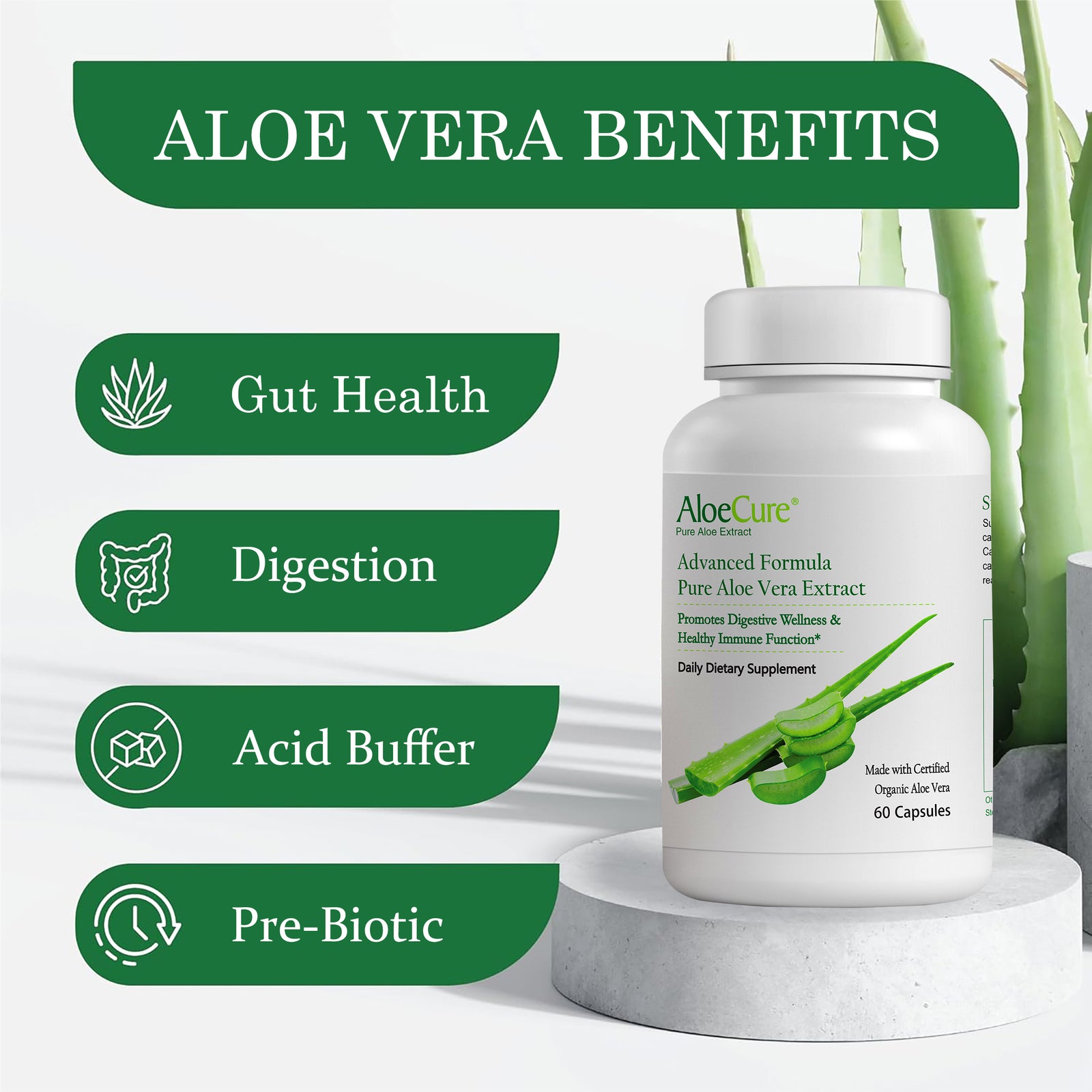
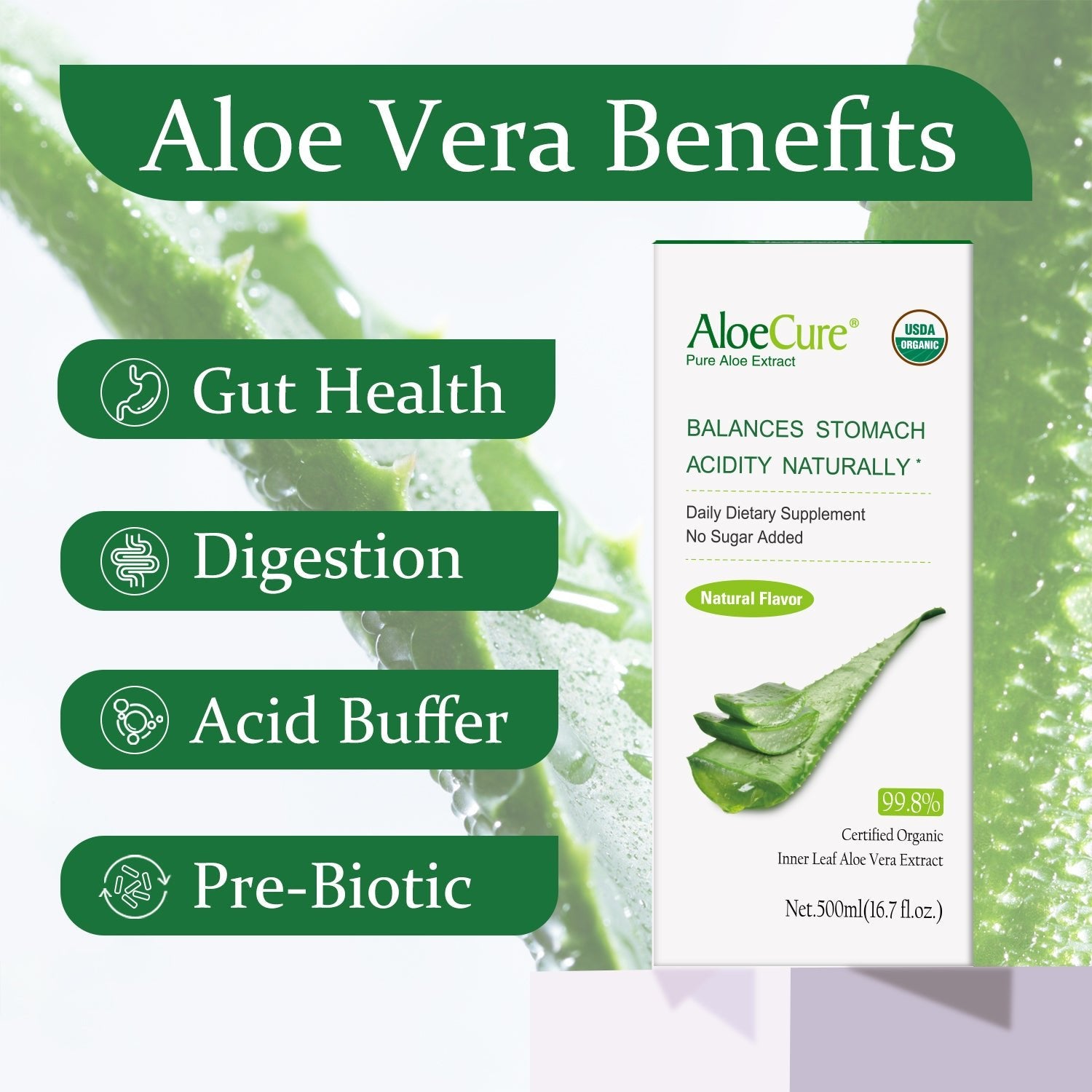
For even greater support, think about pairing your probiotic with other wellness-focused products. Probiotics thrive in the right environment, and certain natural substances can help create a more harmonious setting for them to function. This is where the gentle, supportive properties of high-quality aloe vera juice come into play.
Aloe vera is known for its ability to promote digestive comfort. By adding a daily serving of pure, organic aloe vera juice to your routine, you help create a supportive backdrop for your new probiotic allies. This thoughtful combination works together to encourage overall gut wellness.
A complete wellness approach often involves more than a single supplement. By combining high-quality probiotics with the natural support of aloe vera juice, you are creating a synergistic routine that promotes digestive balance from multiple angles.
This is a core principle behind our product philosophy. At AloeCure, we are fully vertically integrated, which means we grow our own organic aloe, process it, and create our final products. This gives us complete control over quality, ensuring that both our aloe juice and our Pre+Probiotic & Digestive Enzyme Capsules meet the highest standards of purity and potency.
When you first start taking probiotics, it’s important to be patient. Your gut microbiome is a complex community, and it can take time to adjust as you introduce new beneficial bacteria. Some people may notice changes in digestive comfort within a week, but for others, it might take a few weeks of consistent use to really feel a difference.
This adjustment period is completely normal. The most important thing is to stick with it. By consistently taking your probiotic, you're giving your body the steady support it needs to maintain a healthy and balanced internal ecosystem. Creating this daily habit is the foundation for achieving your long-term wellness goals.
When you’re on the hunt for the best probiotics for gut health, it’s easy to get laser-focused on CFU counts and fancy strain names. But the real magic often happens behind the scenes. The true effectiveness of a supplement lies in the quality of its ingredients and the integrity of how it’s made. Not all probiotics are created equal, and where your supplement comes from matters just as much as what’s in it.

Purity and potency are the absolute cornerstones of a high-quality probiotic. A superior product should be clean—free from unnecessary binders, fillers, and potential contaminants. It also needs to deliver on its promise, guaranteeing that the live cultures on the label are still viable right up to the expiration date. This ensures you get the benefits you're paying for in every single dose.
So, how does a company guarantee that level of quality? By having complete control over its supply chain. This is where vertical integration becomes a total game-changer. A vertically integrated company handles every step of production itself, from growing the raw ingredients to bottling the final product. This "farm-to-bottle" approach sidesteps many of the risks that come with juggling multiple third-party suppliers.
At AloeCure, this is the principle we’ve built our brand on for over 25 years. We don’t just buy our ingredients; we grow them. Our process is hands-on from start to finish:
Farming Our Own Aloe: We cultivate our aloe vera on our own USDA-certified organic farms.
On-Site Processing: We harvest and process our aloe within 12 hours to lock in its active components.
In-House Manufacturing: We produce all our supplements in our own state-of-the-art facilities.
This unbroken chain of custody means we can vouch for the purity and potency of every product we make, from our pure aloe vera juices to our Pre+Probiotic & Digestive Enzyme Capsules.
By overseeing the entire lifecycle of our products, we can stand behind their quality with unmatched confidence. It’s a commitment to excellence that ensures you receive a supplement that is both clean and effective.
A commitment to quality also demands a commitment to transparency. That means subjecting products to rigorous third-party testing to prove what’s on the label is actually what’s in the bottle. This independent check provides an extra layer of assurance that you’re getting a supplement that’s both safe and potent. To learn more about how our meticulous processing impacts the end product, check out our article on what is bioavailability.
Choosing a probiotic from a company that prioritizes quality sourcing isn’t just about buying a supplement. It's about investing in your wellness with a product you can truly trust.
Stepping into the world of probiotics can bring up a few questions. That's perfectly normal. To help you feel confident about what you're putting into your body, we’ve put together some clear, no-nonsense answers to the questions we hear most often.
This is probably the most common question people ask, and the honest answer is: it varies. Some people feel a positive shift in their digestive comfort and regularity within just a few days to a week. For others, it might take a few weeks of daily use for the new beneficial bacteria to really settle in and support your gut microbiome.
The two most important things here are patience and consistency. Sticking to your daily routine gives these tiny allies the time they need to colonize, thrive, and get to work supporting your overall wellness.
Absolutely. In most cases, probiotics fit seamlessly into an existing wellness routine. They generally play well with vitamins, minerals, and other supplements you might be taking to support your health.
The one major exception is prescription medication. If you're on any prescribed meds, it's always a smart move to have a quick chat with your doctor before adding any new supplement to the mix. This just makes sure your entire regimen is working together for your specific health goals.
When you first start taking a probiotic, it's not unheard of to experience some temporary digestive "gurgles," like mild gas or a bit of bloating. Think of it as a sign of change—your gut's microbial community is adjusting to the arrival of new, beneficial residents.
These feelings are usually very short-lived and tend to fade within a few days as your system finds its new, healthier equilibrium. Of course, if you have any concerns that stick around, it's always best to check in with a healthcare professional.
For a gut wellness solution you can truly trust, look no further than AloeCure. Our Pre+Probiotic & Digestive Enzyme Capsules are carefully formulated to provide complete, synergistic support for your entire digestive system. Because we're a fully vertically integrated company, we oversee everything from our organic farms straight to the bottle, guaranteeing a product of exceptional quality and purity.
Discover the AloeCure difference and save 20% with a subscription today.
These statements have not been evaluated by the Food and Drug Administration. This product is not intended to diagnose, treat, cure, or prevent any disease.
Comments will be approved before showing up.