Your Cart is Empty


Some days your system just feels slower than usual. You're eating normally, drinking some water, and still wondering whether a simple food choice could help support a steadier rhythm.
That's where tomatoes often come up. They're easy to add to meals, widely available, and naturally rich in the two things people usually think about first for regularity support: water and fiber. If you've been asking whether tomatoes are a smart choice for digestive wellness, the short answer is yes, for many people they can be.
When your body feels a little out of sync, food is often the first place to look. That makes sense. Everyday meals shape hydration, fiber intake, and the overall pattern of how smoothly things move through your system.
Tomatoes stand out because they're simple, familiar, and easy to work into breakfast, lunch, dinner, or snacks. They aren't a magic food, and no single ingredient does all the work. Still, they can fit well into a broader eating pattern that supports your body's natural elimination process.
A useful starting point is to think in layers. Regularity support usually comes from a combination of habits, not one isolated food choice.
If you want a broader foundation, this guide to foods that support digestive wellness gives a helpful big-picture view.
Practical rule: Ask whether a food helps you build better daily habits. That question is usually more useful than asking whether one ingredient will do everything on its own.
Some readers get stuck on a common point of confusion. They assume “good for digestion” always means the same thing. It doesn't. A food may support hydration, help with stool form, or be easier to include regularly. Tomatoes are most useful in that practical, food-first sense.
A tomato earns its place in a digestion-friendly routine because it brings several useful traits together in one familiar food. Instead of asking whether tomatoes fix constipation on their own, it helps to ask what they add to the bigger picture of regular meals, fluids, and overall gut support.

Tomatoes are made mostly of water and also provide a modest amount of fiber. That combination matters. Fiber gives stool more structure, while water helps keep that structure soft enough to move along more comfortably.
A simple way to understand it is to picture mixing oats. Dry oats alone stay dense and hard to work with. Add enough liquid, and they soften into something your body can handle more easily. In a similar way, foods that offer both moisture and fiber can fit well into meals that support regularity.
Tomatoes are helpful here because they do not ask much of you. They slide easily into sandwiches, soups, salads, egg dishes, grain bowls, and pasta sauces, which makes them easier to eat consistently.
Fiber is often described as if it were one single thing, but its job is practical. It helps create form, helps hold water in the digestive tract, and supports steadier stool consistency over time.
That is one reason whole foods matter.
A sliced tomato with beans, greens, olive oil, or whole grains does more than add flavor. It helps turn a meal into something that supports your body's natural digestive rhythm. If you want a broader view of how food components work together, this guide to prebiotics, probiotics, and enzymes and their roles in gut health offers useful context.
Tomatoes also contain potassium, a mineral involved in normal muscle function. Your digestive tract depends on coordinated muscular movement to keep contents progressing at a healthy pace, so potassium is one more small piece of the whole-body picture.
People with upper digestive concerns sometimes also look at how stomach conditions affect comfort after meals. For that angle, Lifeworks Integrative Health insights can add helpful background.
Foods that support regularity usually help in several small ways at once. Tomatoes contribute moisture, fiber, and supportive nutrients, which makes them a useful part of a food-first plan. For people who need more consistent help than diet alone provides, that broader foundation can also make targeted digestive support a more logical next step.
The easiest way to understand tomatoes is to think about flow. Your body tends to do better when there's enough moisture and enough structure working together.

Tomatoes support that balance in a gentle, food-based way. Their water helps keep things from feeling too dry, while their fiber helps create form. One without the other is often less helpful than both together.
Think of your digestive flow like a small stream. The water keeps the stream moving. The fiber acts like soft natural material in the current, giving shape and helping movement stay steady instead of sluggish.
That's why adding tomatoes to meals can be more helpful than just drinking more fluid alone, or just chasing fiber from one source. The food arrives with both elements already paired.
Here's what that can look like in practice:
Meals like these support digestive rhythm because they build a pattern, not because they promise an instant effect.
Some people also benefit from a broader look at food breakdown and stomach comfort. These Lifeworks Integrative Health insights offer a useful perspective on how meal habits and digestive function connect.
Tomatoes are a supporting player, not a solo act. They work best when paired with habits such as steady meals, enough fluids, and a variety of fiber-containing foods. If you want a practical look at how food compounds and beneficial bacteria fit together, this guide on prebiotics, probiotics, and enzymes is a useful next read.
For a quick visual explanation, this video gives more context on digestive wellness habits:
If a food helps you eat more plants, drink more fluid, and stick with the habit, it's usually doing real work for your routine.
Knowing tomatoes can support digestive wellness is one thing. Using them often enough for that to matter is another.
The good news is that tomatoes are flexible. You can eat them raw, roasted, simmered into sauces, or folded into meals that already work for your schedule.

Try these easy options if you want more tomatoes without overthinking it:
Each version does something slightly different. Raw tomatoes feel juicy and light. Cooked tomatoes blend easily into larger meals. Snack tomatoes are convenient when you want something simple and fresh.
A lot of people give up on healthy eating because they aim for an ideal meal every time. A better approach is to make small upgrades to foods you already eat.
| Everyday meal | Easy tomato add-in |
|---|---|
| Toast or eggs | Sliced tomato with olive oil and herbs |
| Grain bowl | Diced tomato mixed with greens and beans |
| Soup night | Crushed or chopped tomato stirred into the pot |
If you enjoy trying different varieties, this guide from Seed Cellar for delicious tomatoes is a fun resource for exploring heirloom options with different flavors and textures.
For a broader meal framework, this digestive wellness diet plan can help you turn a few good choices into a steady routine.
The best digestive support meals are usually the ones you'll actually keep making on an ordinary weeknight.
Tomatoes work well for many people, but they aren't perfect for everyone. That's worth saying clearly because trustworthy nutrition advice should leave room for individual response.
Some people notice that tomatoes feel great in small amounts but less comfortable in large portions. Others do better with cooked tomatoes than raw ones. Texture, acidity, meal size, and what else is on the plate can all change the experience.
Your body often gives useful feedback if you listen for patterns.
This kind of flexibility matters. Digestive wellness isn't about forcing one “healthy” food just because it works for someone else.
If your system is more delicate, try a gradual approach:
Some people also do well with a wider rotation of produce rather than relying heavily on one item. If you're looking for options that are often considered gentler, this guide to fruits for a happy gut offers practical ideas.
Not every healthy food feels healthy to every person in every form. Personal tolerance still matters.
That doesn't make tomatoes a poor choice. It just means food support should match the person, not the other way around.
A practical breakfast can set the tone for the whole day. You add tomatoes to eggs or toast, drink some water, and give your digestive system a few simple tools it can use.
Tomatoes belong in that kind of routine because they are easy to keep on hand, easy to add to meals, and naturally rich in water and fiber. Those two pieces work together a bit like moisture and bulk in a garden bed. Water helps keep things from drying out, and fiber helps give stool enough structure to move along more comfortably.

As noted earlier, research on non-starchy vegetables has linked tomato intake with healthier bowel patterns. The bigger lesson is more useful than any single food headline. Tomatoes can support digestive regularity, but they work best as one part of a pattern your body can rely on.
That pattern often includes:
Consistency is what helps many people most. A tomato once in a while is helpful food. A steady rhythm of fluids, plant foods, movement, and meals is what usually gives the digestive tract the cues it needs to stay on schedule.
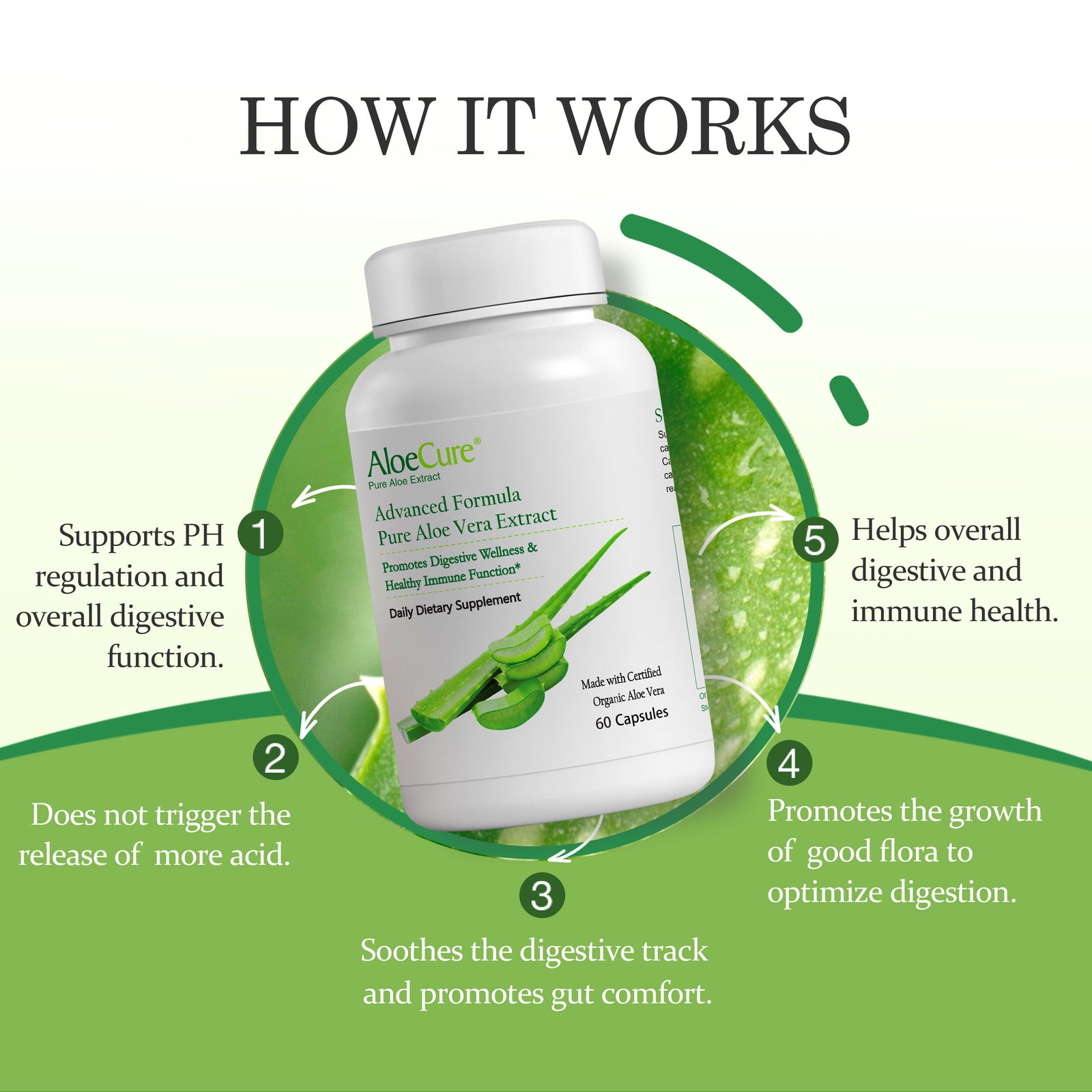
Some people also want added support that fits beside a food-first approach. AloeCure can fill that role as part of a steady daily wellness routine, especially for people who prefer to build digestive support around consistent habits rather than random trial and error.
AloeCure stands apart because the company is fully vertically integrated. They grow their own organic aloe, process it on-site within hours of harvest, and use a proprietary chemical-free method designed to preserve the plant's natural bioactivity. That level of control matters when purity, freshness, and consistency are part of the goal.
These statements have not been evaluated by the Food and Drug Administration. This product is not intended to diagnose, treat, cure, or prevent any disease.
If you want daily support that pairs well with a thoughtful diet, explore AloeCure and look at options like USDA Organic Aloe Vera Juice and Pre+Probiotic Capsules. Their Subscribe & Save program offers 20% off with flexible delivery, making it easier to stay consistent with your wellness routine.
Comments will be approved before showing up.