Your Cart is Empty


You're dragging through the afternoon, your brain feels slow, and you keep telling yourself it's just part of getting older. Then you notice your periods are changing too, maybe heavier, maybe longer, maybe so unpredictable that you can't plan around them anymore. That combination can feel confusing, because anemia and perimenopause can overlap so closely that it's hard to know what's hormonal, what's nutritional, and what needs a closer look.
A lot of women first brush off the signs. They blame a foggy memory on stress, chalk up shortness of breath to being out of shape, and assume the heavy period is just the body winding down. That reaction is understandable, but it can also delay care, because perimenopause is a common time for iron stores to slip.
The overlap is what makes this tricky. Perimenopause can bring fatigue, poor sleep, mood shifts, and headaches, and low iron can do the same, so the symptoms blur together and can feel like one long exhaustion story. A 2025 clinical review notes that perimenopause and iron-deficiency anemia can both produce fatigue, impaired cognition, sleep disturbance, depressed mood, and headaches (PMC clinical review).
Practical rule: if exhaustion feels new, persistent, and out of proportion to your sleep, don't assume it is “just hormones.”
Bleeding changes deserve attention too. Menstrual flow often becomes more irregular in this transition, and for many women it also becomes heavier, which raises the risk of iron loss over time. A clinical guideline review also links heavy menstrual bleeding with a higher chance of iron deficiency (Springer clinical guideline review).
That does not mean every woman will become anemic. It does mean a heavy, prolonged, or frequent pattern should be taken seriously instead of waved away.
The most useful question is simple: does this change deserve testing? New fatigue, heavier bleeding, and a normal-looking blood count can still fit together in a way that points to depleted iron stores, so the aim is to spot the signal before guesswork takes over.
Perimenopause is the stretch before the final menstrual period, when ovarian function starts to slow and cycles become less predictable. That unpredictability matters because ovulation may not happen regularly, estrogen levels can swing, and the uterine lining may build and shed in a less orderly way. The result can be periods that are heavier, longer, or closer together, which changes how much iron leaves the body each month (IJOGR review).
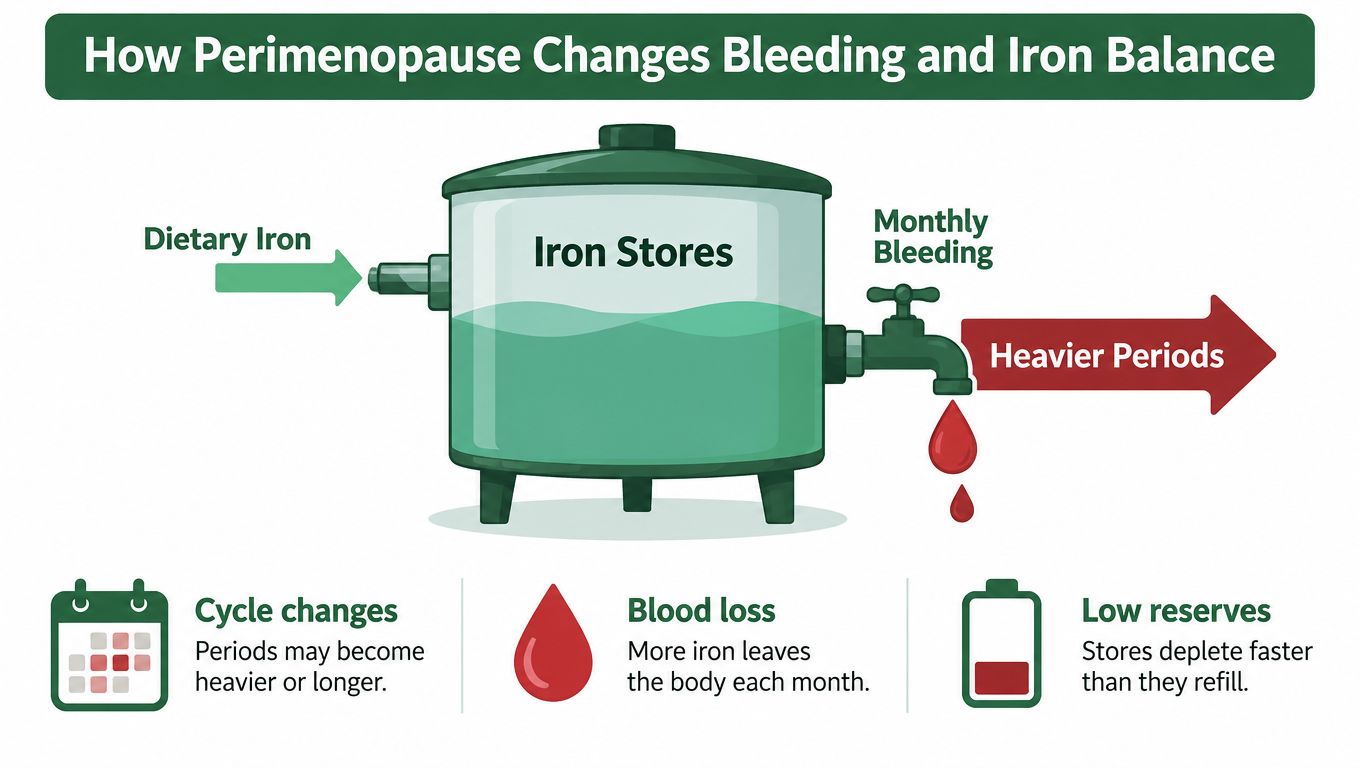
Hemoglobin is the number you can see on a standard blood count, while iron stores are the reserve your body draws on later. If bleeding becomes heavier, those reserves can be used up faster. A person can still have a normal hemoglobin for a while, even while iron stores are falling in the background.
That difference matters because a “normal” blood count can miss the early stages of iron depletion. The World Health Organization defines anemia in nonpregnant women as hemoglobin below 12 g/dL, but ferritin testing can reveal low iron reserves earlier (WHO guidance). In plain language, the body can be short on iron before it meets the definition of anemia.
Perimenopause also changes the pattern of blood loss itself. Menstrual cycles may become more irregular, and bleeding may become heavy enough to drain iron stores over time. Reviews of perimenopausal bleeding patterns describe this shift clearly, and heavy menstrual bleeding is a common reason iron deficiency develops or worsens (IJOGR review).
A person may also be weighing symptom relief options during this transition, including bio-identical hormone therapy, but that conversation works best when it includes both cycle changes and iron status. The point is not to assume every heavy period means anemia. It is to notice when bleeding has changed enough to justify testing, especially if fatigue or brain fog is showing up alongside it.
The confusion usually starts with the same few words, tired, foggy, drained, off. Perimenopause can absolutely do that, but so can low iron, and the overlap is wide enough that self-diagnosis gets shaky fast. A recent review points out that the two can share fatigue, impaired cognition, sleep disturbance, depressed mood, and headaches (PMC clinical review).
| Symptom | Common in Perimenopause | Common in Iron Deficiency | What to Do |
|---|---|---|---|
| Fatigue | Yes | Yes | Track how long it lasts and whether rest helps |
| Brain fog | Yes | Yes | Note whether it's constant or tied to bleeding days |
| Poor sleep | Yes | Yes | Write down wake-ups, not just bedtime |
| Headaches | Yes | Yes | Notice frequency and timing in the cycle |
| Shortness of breath | Sometimes | Yes | Bring it up promptly if it's new or worsening |
| Dizziness | Sometimes | Yes | Don't ignore if it happens with standing or exertion |
| Restless legs | Sometimes | Yes | Mention it even if it seems unrelated |
| Heavy bleeding | Common | Common clue | Ask for iron testing and bleeding evaluation |
| Mood changes | Yes | Sometimes | Look for patterns, not one-off bad days |
One helpful way to think about it is this, perimenopause tends to come with a broader hormonal pattern, while iron depletion often leaves a more physical footprint. If you're tired plus have heavier bleeding, breathlessness, dizziness, or restless legs, the odds of low iron go up. If your symptoms improve when bleeding settles down, that's another clue the cycle itself is part of the problem.
Keep a simple log for one to two weeks. Write down the first day of bleeding, how often you change products, whether you feel dizzy, and whether sleep or focus changes on heavy days.
The log matters because memory gets fuzzy when you're already exhausted. A clinician can work with patterns much more easily than with vague phrases like “I've been off lately.” That's especially true when the symptoms are mixed, because the person living through them often can't tell where hormones end and iron depletion begins.
If symptoms overlap, lab work can sort out whether fatigue is coming from iron depletion, anemia, or something else entirely. The most useful starting point is a complete blood count, often shortened to CBC, plus ferritin and iron studies, because each one answers a different question about oxygen delivery and iron status. Ferritin needs special attention because a low result strongly supports deficiency, while a normal or high result can be harder to read if inflammation or another condition is present.
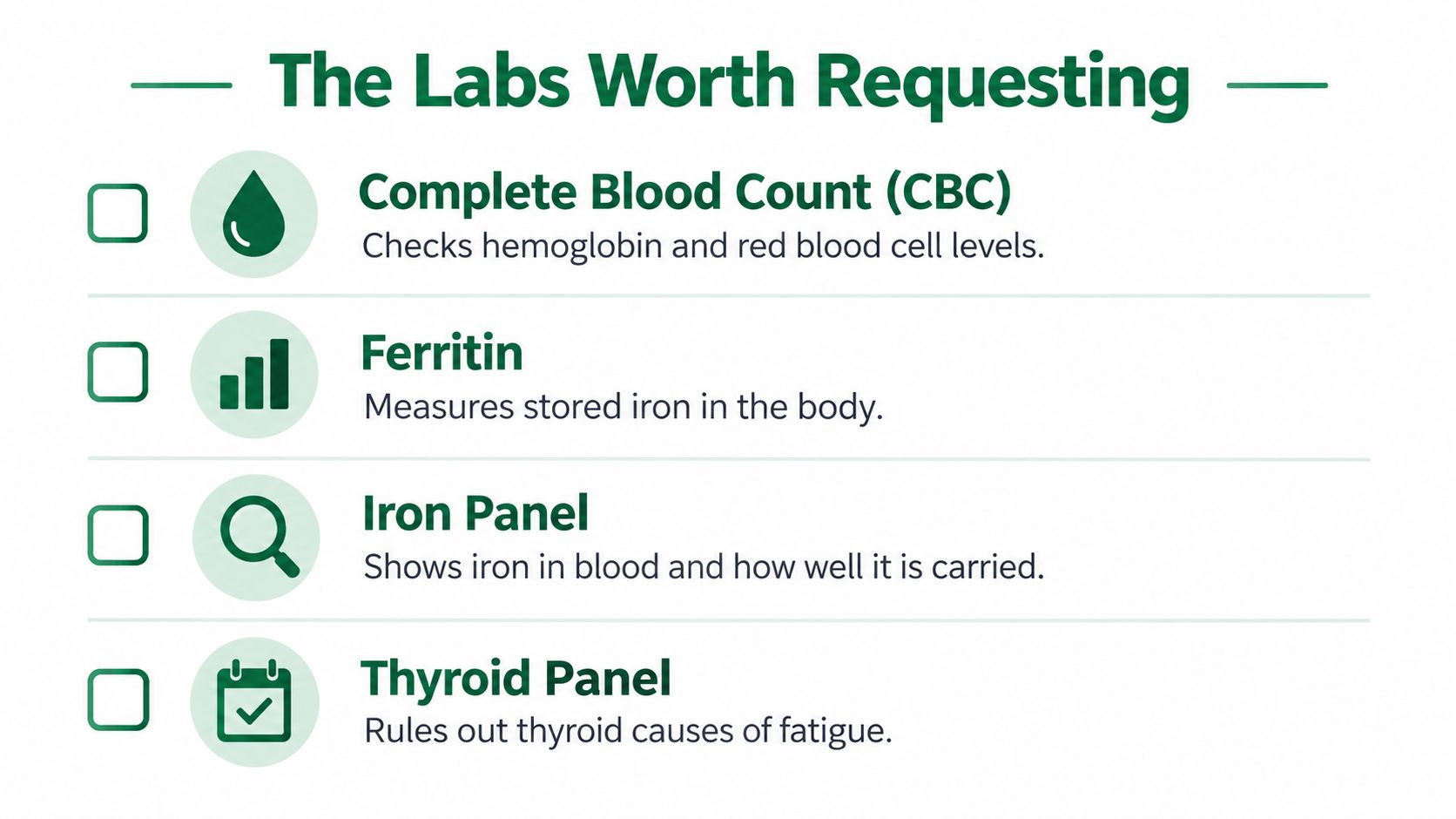
A ferritin below 15 µg/L is diagnostic of iron deficiency, while 15 to 30 µg/L is generally considered probable deficiency. That is why a “normal” hemoglobin number can still miss the underlying problem. Iron stores can run low before the blood count clearly tips into anemia, so the body may be struggling even when one lab value looks acceptable.
Ask for the labs together, not one at a time. A single number can look fine while the broader picture is already changing.
If you want a plain-language supplement example to discuss with a clinician, the article on organic B-12 vitamins can help show how nutrients are often framed in wellness routines, but blood work still comes first when fatigue keeps going.
For people collecting samples at home, a guide for Dubai home lab tests can be useful because small collection errors can muddy the picture. Accurate collection matters most, because a small mistake at home can blur the results.
A steady plate can help while you sort out what is driving fatigue. Iron-rich foods include beans, lentils, tofu, red meat, poultry, seafood, pumpkin seeds, and leafy greens, and vitamin C can help the body absorb more of that iron. Coffee and tea are better kept away from iron-rich meals, since timing can change how well iron is taken up.
Cooking in cast iron can also add a small amount of iron over time. It is a modest habit, not a fix on its own, but it can fit naturally into everyday meals. If heavy bleeding is part of the picture, these food choices may help support intake, yet ongoing symptoms still deserve a clinician visit.
Supplement routines depend on tolerance as much as on the label. Some people do well with oral iron, while others need a different format or a slower approach. The right dose depends on digestion, consistency, and lab results, so appropriateness matters more than quantity.
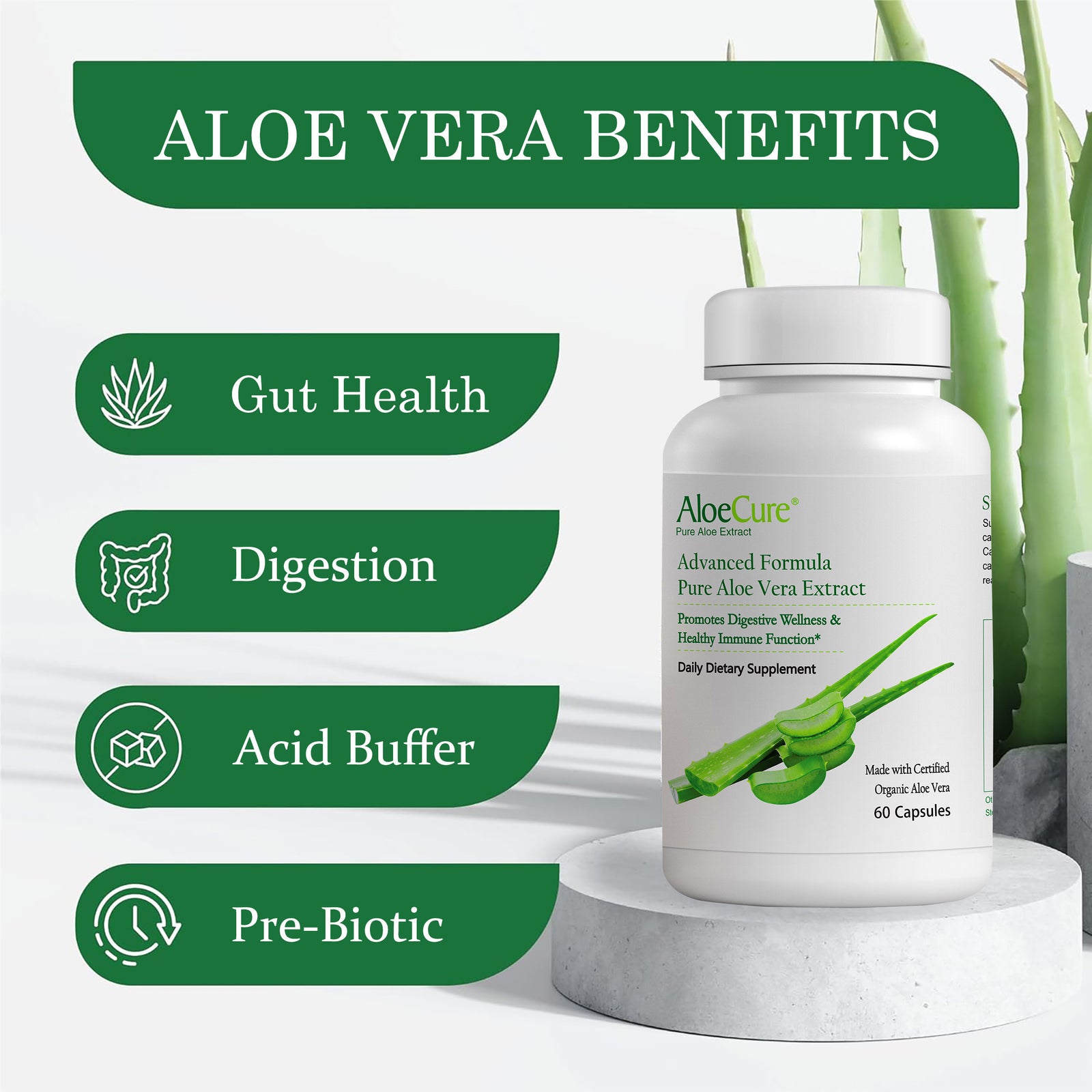
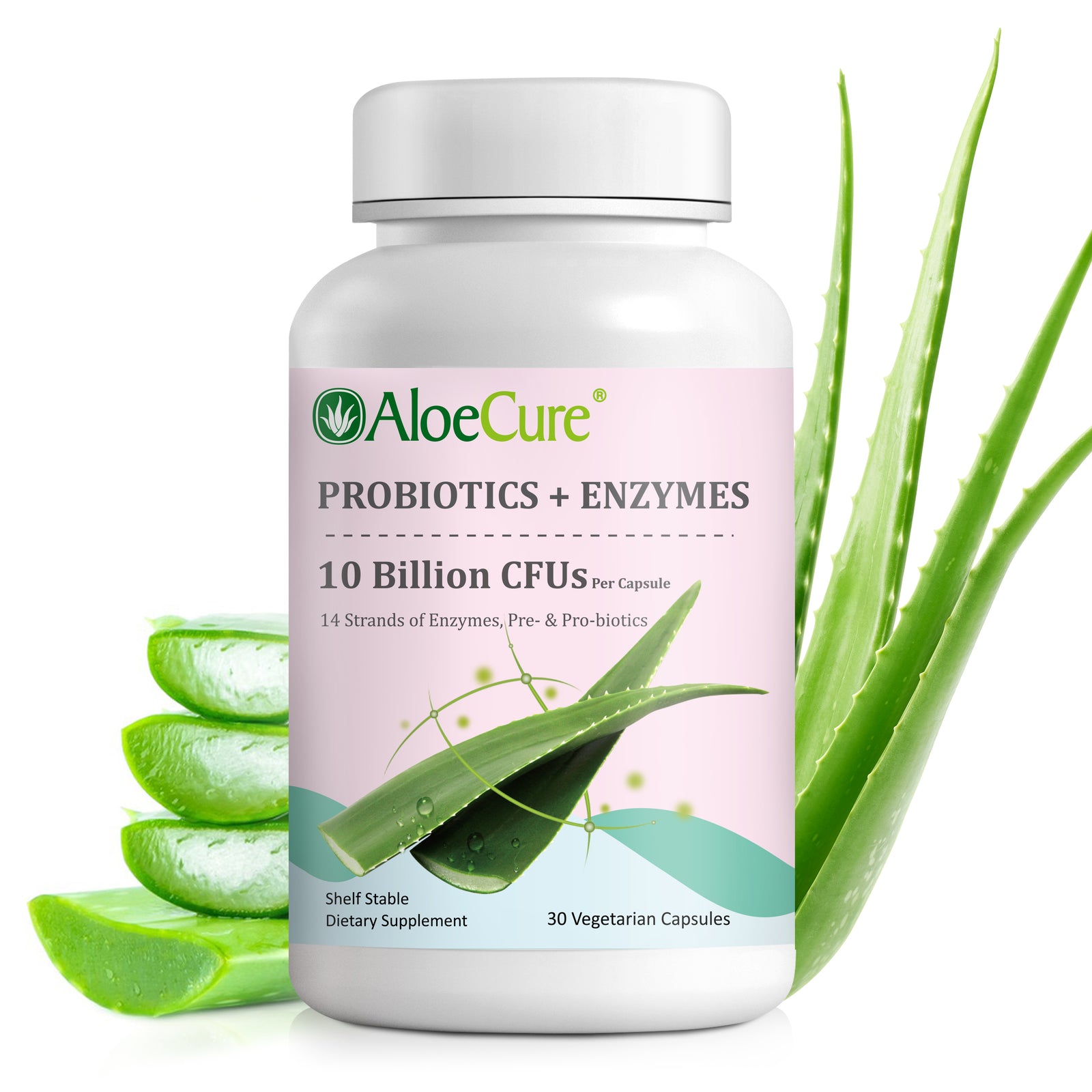
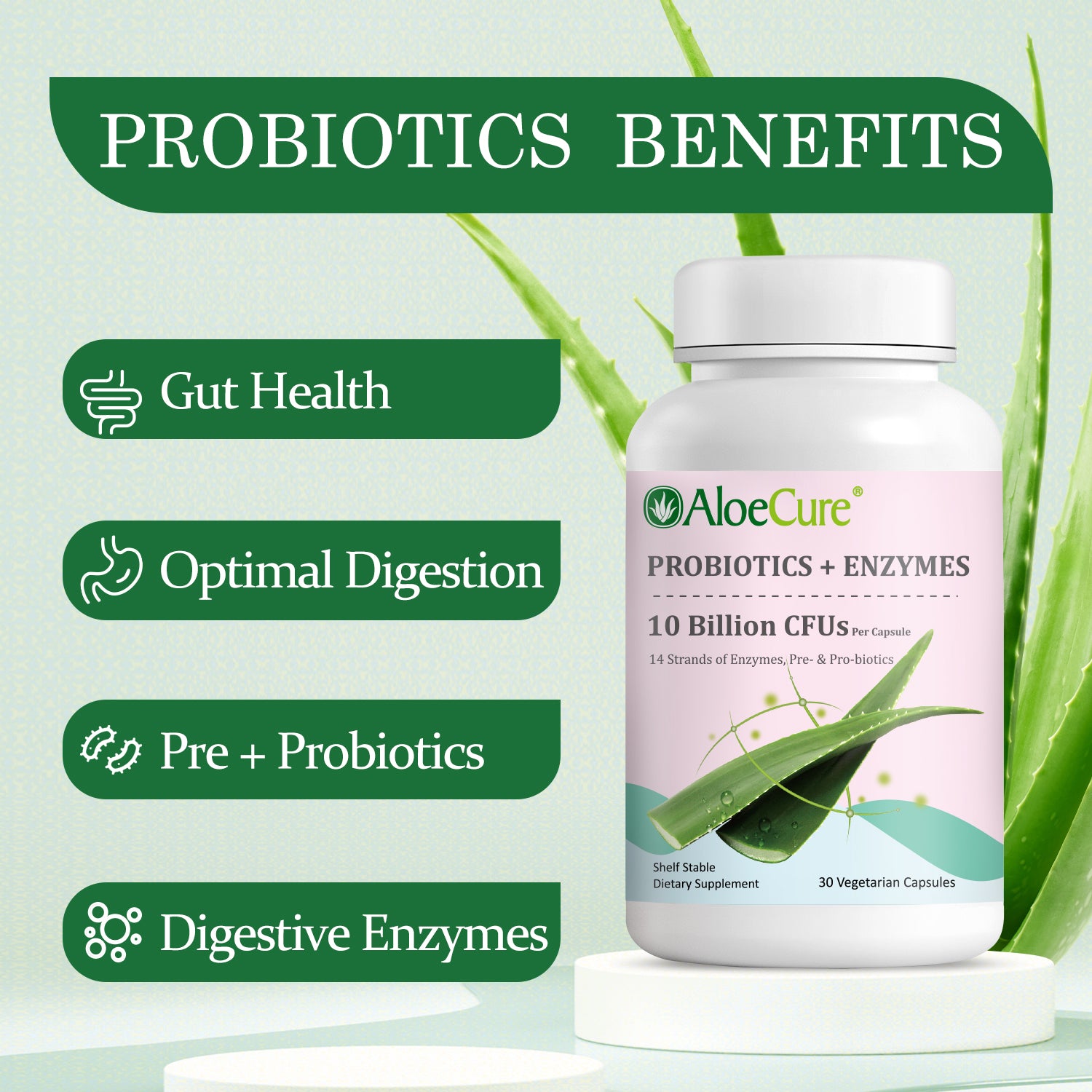
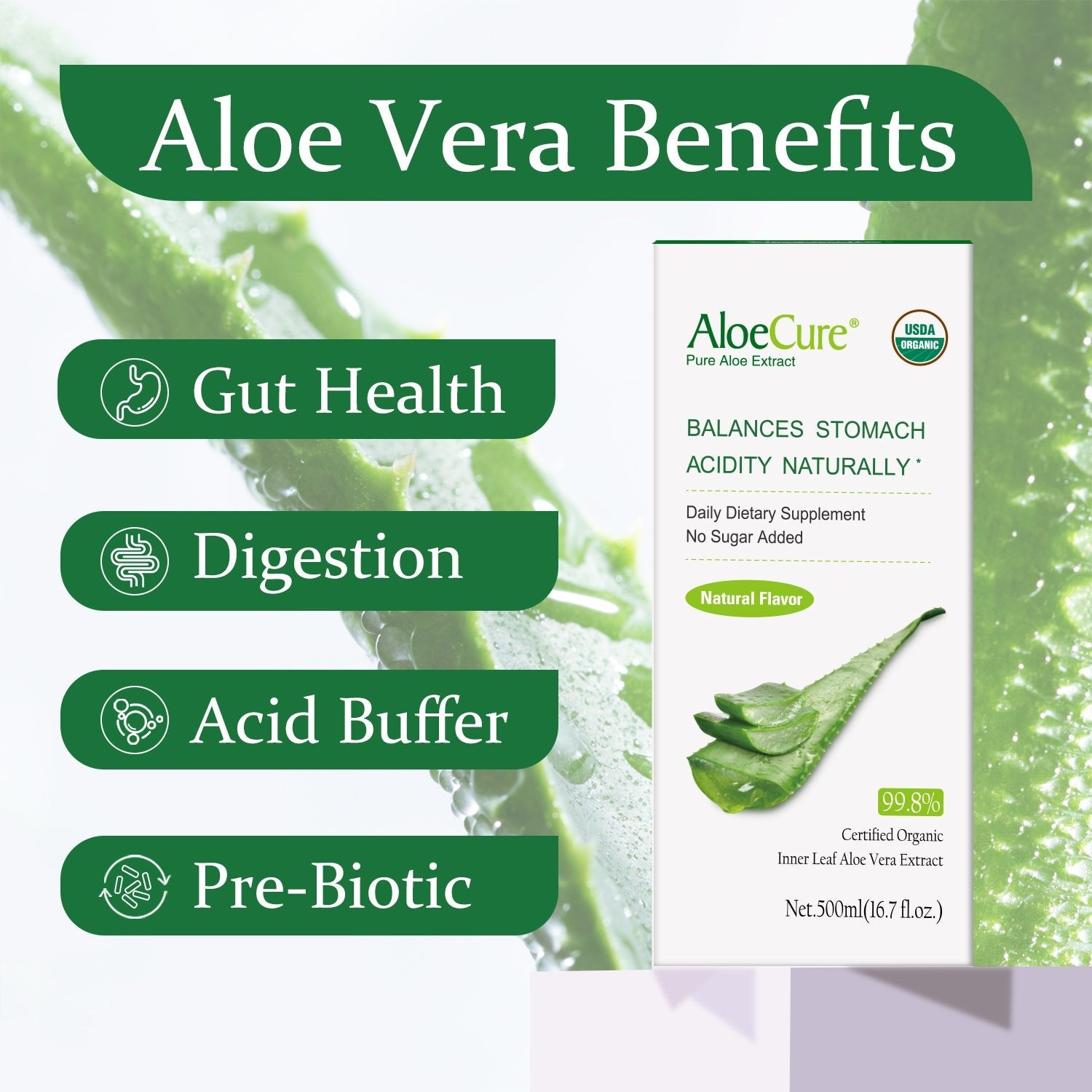
Aloe vera is often discussed in wellness circles, but it should not be treated as a solution for anemia or a replacement for testing. Used appropriately, a high-quality aloe product may support healthy digestive function and help maintain normal nutrient absorption as part of a broader routine, since nutrient intake only helps if the body can use it. AloeCure stands out here because it farms, processes, and produces its own aloe, with USDA- and EU-certified organic farming and on-site processing within 12 hours of harvest, along with chemical-free processing that avoids charcoal filtration and enzyme shortcuts.
If you are comparing labels, read them for what they promise. FDA structure/function language is meant to stay focused on normal body support, not disease claims, and that distinction matters for any supplement you bring home (FDA guidance on dietary supplements).
Quality control also matters. A product with clear sourcing, careful processing, and transparent labeling is easier to evaluate than one that relies on vague wellness language. For a closer look at how nutrient support is usually framed in a supplement context, see this plant iron supplement overview.
A supplement can support a wellness routine, but it cannot replace iron testing, bleeding evaluation, or clinical judgment.
Heavy periods can happen in perimenopause, but heavy does not mean harmless. Bleeding that lasts more than seven days, soaks through pads or tampons unusually quickly, shows up between periods, or comes with dizziness and shortness of breath deserves a real conversation with a clinician. If your body is signaling more than a routine cycle change, pay attention.

Heavy bleeding can come from more than iron loss, so the source matters as much as the lab result. Fibroids, thyroid issues, bleeding disorders, and endometrial changes can all play a part. If iron deficiency persists after the bleeding improves, clinicians may also consider gastrointestinal blood loss, low dietary intake, malabsorption, blood donation, or another condition that needs its own evaluation (PMC review on abnormal uterine bleeding).
Symptom severity can also be misleading. A person can look less sick than the numbers suggest, which is why very low hemoglobin and ongoing bleeding deserve attention even when the day-to-day symptoms seem manageable. A normal-looking routine can hide a serious drop in blood reserves.
If you want a plain-language comparison of changing periods, the XO guide to perimenopause periods can help you spot patterns. It should not replace an actual assessment when bleeding is heavy, changing fast, or starting to feel out of line with your usual cycle.
Aloe products belong in the wellness category, not the diagnostic one. They may fit a routine that supports normal digestive comfort, but they do not explain bleeding or identify where iron is being lost. When bleeding changes feel significant, the safer move is to ask for evaluation rather than trying to push through it.
Start with a simple one- to two-week log of bleeding, energy, sleep, and any dizziness or breathlessness. Then ask for a CBC, ferritin, and iron studies at your next visit, especially if your periods are heavier or longer than usual. If your numbers come back borderline, ask what the results mean together, not just one at a time.
Add one habit that supports iron intake, like pairing iron-rich meals with vitamin C or moving coffee away from meals. Then look at your current supplement label with a skeptical eye, does it clearly explain sourcing, processing, and what the product is for. If not, that's a sign to be more selective.
If you want a better baseline for nutrient support, the guide on how to improve nutrient absorption is a helpful place to start. Just keep the hierarchy straight, testing first, then targeted support, then product quality.
For readers who want a cleaner wellness routine, AloeCure offers organic aloe products with transparent sourcing, vertical integration, a 90-day money-back guarantee, Subscribe and Save savings, and free shipping on qualifying orders. That kind of consistency can matter when you're building a routine around normal digestive support and everyday wellness.
These statements have not been evaluated by the Food and Drug Administration. This product is not intended to diagnose, treat, cure, or prevent any disease.
If you want a more thoughtful wellness routine during perimenopause, visit AloeCure to explore aloe products designed with sourcing, processing, and quality control in mind. If you're comparing options for daily support, AloeCure makes it easier to choose a product that fits into a broader wellness plan while you keep the focus where it belongs, on testing, clarity, and informed care.
Comments will be approved before showing up.